
REVIEW · ARUSHA
5 Days Camping Tarangire, Serengeti & Ngorongoro crater & Visiting Maasai
Tanzania packs its biggest wildlife sights into this five-day route: elephant country in Tarangire, wide-open Serengeti plains, and the wildlife-filled bowl of Ngorongoro Crater. You travel in a private safari vehicle with a guide, cook, and no more than six people, so the days can focus on animals rather than crowds and schedules.
I like the strong mix of parks and the fact that the price includes three meals a day, drinking water, park fees, Wi-Fi in the jeep, and accommodation before and after the safari. I also like the human side of the route, especially the stop in Mto wa Mbu, where you visit banana plantations and learn about local life.
The trade-off is comfort. This is camping, not a lodge safari, and the days are long. Some nights may feel basic, and two poor ratings describe difficult campsite conditions and restroom problems. Go for the wildlife and value, not for polished hotel service.
Key points to know before booking
- Three major wildlife areas in five days: Tarangire, central Serengeti, and Ngorongoro Crater give you a strong first safari route.
- Private group of up to six: You have more room for questions and wildlife stops than on a large coach tour.
- Guides make a real difference: Samwel, Samuel, Douglas, Jacob, and Johnson are among the guides named in guest feedback.
- Camping is the budget bargain: Meals, water, park fees, and two extra accommodation nights help explain the $1,254 price.
- The Great Migration is seasonal: June through September offers the best chance of river crossings, while January through March is calving season.
- Expect full safari days: Several days run from early morning into the evening, with rough roads and long drives between parks.
What $1,254 buys you on this Tanzania safari
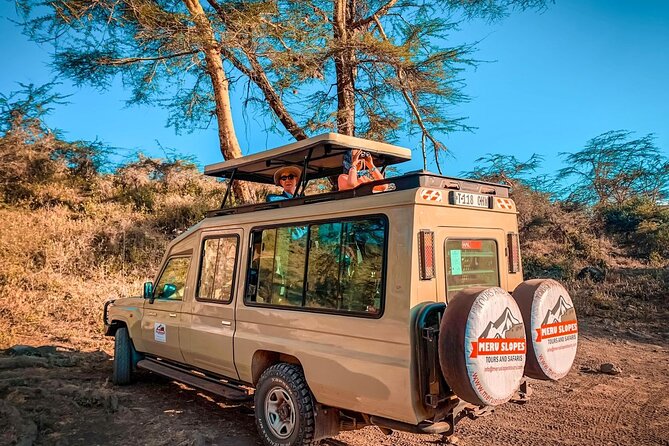
At $1,254 per person, this is not the cheapest possible way to see Tanzania, but it offers a lot for five days. The cost covers park fees, meals, unlimited drinking water, Wi-Fi inside the safari vehicle, camping accommodation during the route, and a free night before and after the safari.
That last detail matters. Arusha is the normal starting point, and having a place to sleep before and after the park circuit makes the trip easier to manage. You do not need to arrange separate accommodation for the night before departure or the night you return.
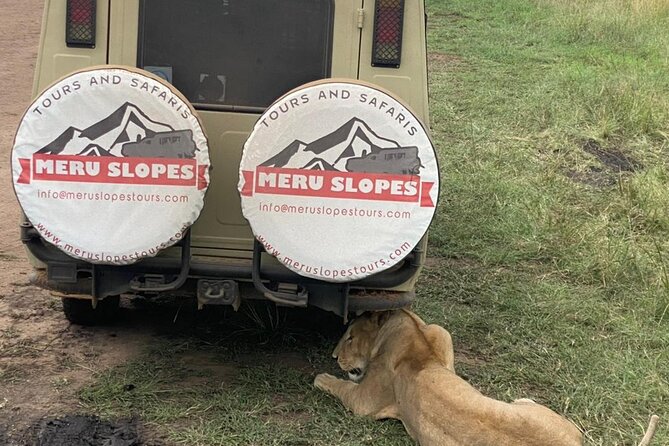
You also get a private tour with a maximum of six people. That can be a major value point. A private guide can stop when you want to watch a lion, explain animal behavior, or answer questions about the parks without the feel of a fixed bus excursion.
The package includes breakfast, lunch, and dinner for all five days. A safari chef is part of the support team, and Saleem and Johanna are among the cooks praised for making the food a strong part of the trip. Vegetarian meals are available, but you need to request that when booking.
The practical caution is that the price does not include flights or tips. The published information also gives two possible pickup times, 8:00 a.m. in the day-one schedule and 9:00 a.m. as the general meeting time. Confirm your exact pickup time with the operator before you arrive.
More Ngorongoro Crater Safaris in Arusha:
- 5-Day Highlights mid-Range Crater, Serengeti, Tarangire
★ 5.0 · 296 reviews - Private 6-Day Tarangire Manyara Crater and Serengeti with Mid-Range Lodges
★ 5.0 · 238 reviews - 4 Days Join Group tour Tarangire Serengeti and Ngorongoro crater
★ 5.0 · 219 reviews
Day 1: Tarangire’s elephants and baobab trees
The first day begins with a drive of about three hours from Arusha to Tarangire National Park. The park is about 115 kilometers from Arusha and covers roughly 2,800 square kilometers, so the drive is only the start of a full day outdoors.
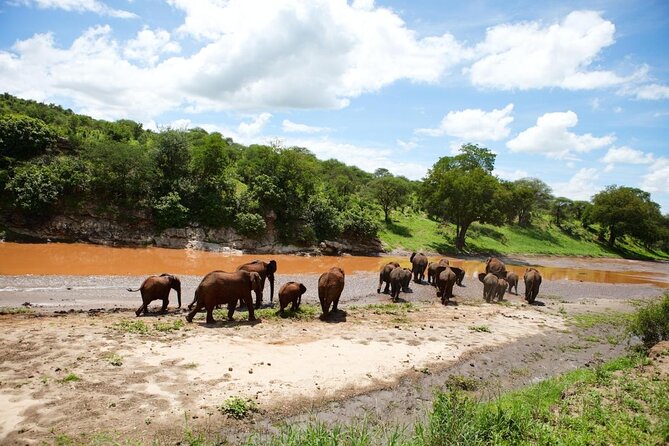
Tarangire is known for its elephants, baobab trees, and the Tarangire River. That river gives the park its name and draws wildlife to the area, especially when water is harder to find elsewhere. You may also see lions, leopards, giraffes, zebras, and pythons that climb trees.
The park has a distinct look. Huge baobabs give the route a memorable shape, while elephants often provide the most immediate animal encounters. The mention of tree-climbing pythons is a useful reminder that the smaller sightings can be just as rewarding as the famous big cats.
You spend about eight hours on the first day, including the drive and game viewing, then continue to Jambo Lodge for dinner and the night. The schedule is full, but starting with Tarangire is sensible. You get a proper wildlife day without spending the first afternoon only driving toward the Serengeti.
Day 2: Crossing the highlands into the Serengeti
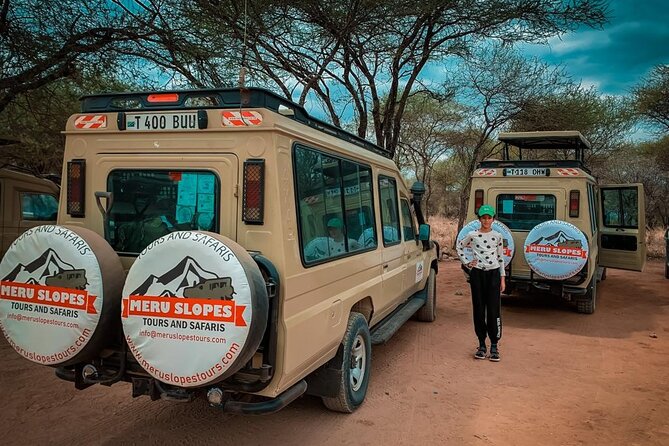
After breakfast, you travel through the high farmland around Karatu and across the Ngorongoro Conservation Area before reaching the Serengeti. This is one of the longer transfer days, but it also gives you a strong change of scenery as the cultivated highlands give way to open plains.
The plan is to reach the central Serengeti and the Seronera area around lunchtime. Seronera is important because the Seronera River provides water, attracting a broad mix of wildlife. That makes central Serengeti a useful base for seeing several species in one area rather than searching across enormous distances.
You have an afternoon game drive until sunset. The day lasts about nine hours, and the route can feel demanding after the Tarangire drive. Still, the first view of the Serengeti’s open grasslands is one of the main reasons to accept the long road time.
Your guide matters here. Names attached to especially strong guiding include Samwel, Samuel, Douglas, Jacob, and Johnson. The useful qualities to look for are animal knowledge, patience with repeated photo stops, and skill at finding wildlife without rushing you away too quickly.
Day 3: A full day in the Seronera area
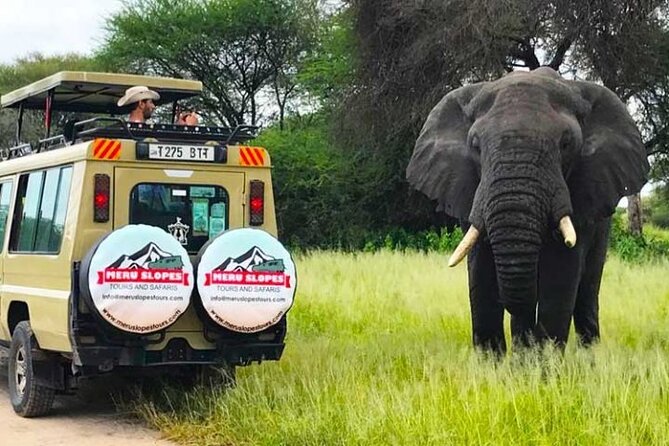
Day three is the safari’s main Serengeti day. You start with breakfast, then spend about ten hours driving through the park and visiting areas selected by your guide.
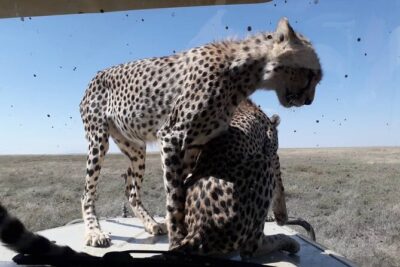
This is the day when patience pays. The Serengeti is huge, and the guide’s ability to read the area can shape what you see. Lions, elephants, zebras, wildebeest, giraffes, hippos, and many bird species are all possible, but no guide can promise every animal. The value of a full day is that you have more time to search and wait.
The route also advertises the chance to follow the Great Migration. Keep your expectations realistic. The movement changes from year to year, and the best chance of seeing the migration is generally June through September. The northern Serengeti and Mara River crossings are linked with the July through September period, while January through March is the main calving season.
That timing matters when you decide if this specific five-day trip suits your dates. A Serengeti visit is worthwhile outside migration season, but you should not book in July expecting a guaranteed river crossing. Weather, animal movement, and the route chosen on the day all affect the result.
After the game drive, you return to camp for dinner and the night. This is where the camping element becomes most noticeable. Some people enjoy the close-to-nature feel and the simple routine. Others will find shared facilities and basic restrooms tiring, especially after a long day in the vehicle.
A few more volcano tours around Arusha worth a look
- 5 Days Tanzania Group Joining Safari, Tarangire/Serengeti/Ngorongoro Crater
★ 5.0 · 85 reviews - 5 day safari Tarangire Serengeti and Ngorongoro crater
★ 5.0 · 83 reviews - 5 Day Silver Serengeti & Ngorongoro Crater & Tarangire Safari
★ 5.0 · 46 reviews - 5days Tanzania Safari lodge and camping Serengeti, Tarangire & Ngorongoro Crater
★ 5.0 · 31 reviews
Day 4: Sunrise, more Serengeti, and the move to Ngorongoro
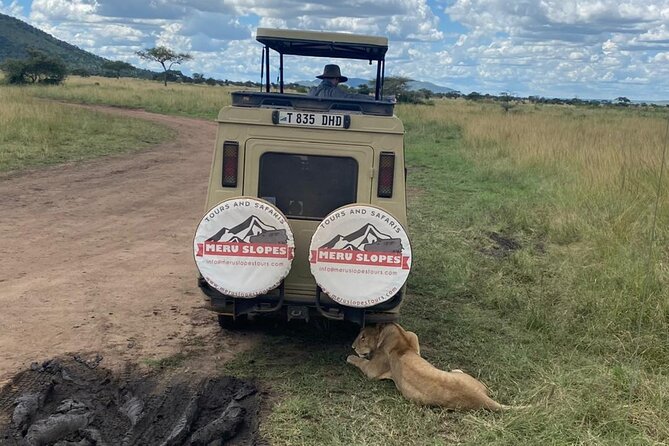
Day four begins early, with a 5:45 a.m. wake-up for breakfast and a sunrise game drive. Early starts are not gentle, but they give you some of the best light of the safari and put you out during a period when animals may be active.
The morning game drive runs until about 11:30 a.m. You then return to camp for a hot lunch, pack your belongings into the vehicle, and continue with more Serengeti viewing while heading toward Ngorongoro.
This is another ten-hour day, so you should be comfortable with long periods in the vehicle. The schedule gives you a final chance to see central Serengeti before changing parks, but it does not leave much spare time.
The night is at Simba Campsite near Ngorongoro. This position makes the next morning’s crater visit practical. It also means you can reach the crater early, before the day becomes hotter and the viewing conditions change.
Day 5: Ngorongoro Crater and Mto wa Mbu
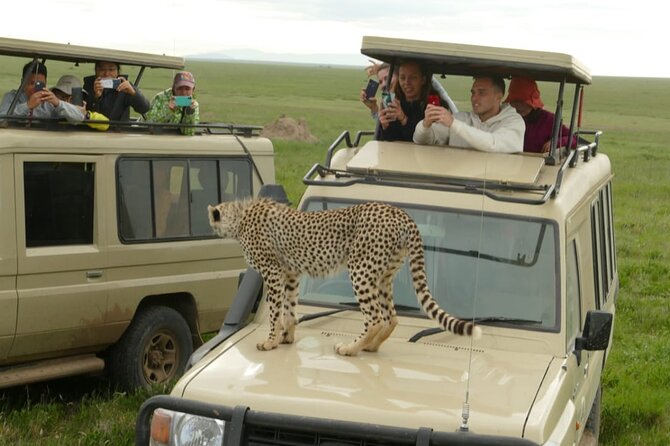
The final wildlife day starts early again. After breakfast, you drive down the adventurous track into Ngorongoro Crater, a UNESCO World Heritage site and one of Tanzania’s most impressive wildlife settings.
The crater is about 610 meters deep and covers roughly 260 square kilometers. Its enclosed shape supports a dense animal population, with an estimated 25,000 animals in the crater area. In a short period, you may see wildebeest, zebras, gazelles, elephants, and a large range of birds.
A black rhino is possible, too, although it should be treated as a lucky sighting rather than a promise. The grass and distance can make rhinos hard to spot, even in a place with strong wildlife viewing.
The crater is a fine finale because the animal sightings can come quickly. You are not spending the whole morning crossing vast distances in search of the next viewing area. The downside is that the steep crater track and early start can be tiring after four days of camping and long drives.
After lunch, you ascend the crater walls and continue to Mto wa Mbu for a short community visit. A local guide leads you through the village and explains social and economic life in the area. The visit includes banana plantations, where you can see more than 30 varieties of bananas being grown.
This is a welcome change of pace. You move from wildlife watching to food, farming, and daily life. The stop is relatively short, about one hour, but it gives the safari a broader focus than animals alone before the drive back to Arusha.
The Maasai visit and local culture
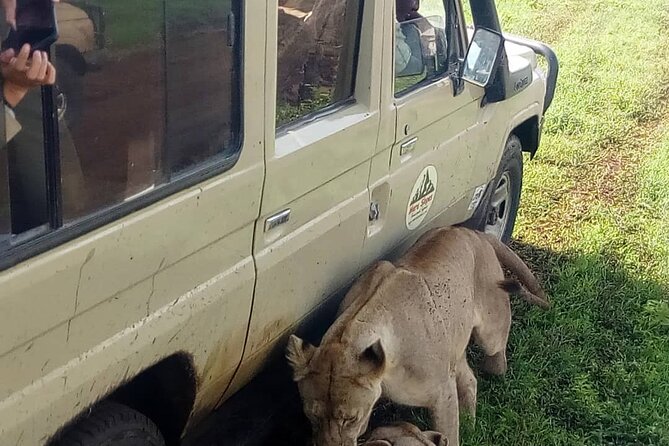
The tour description includes visiting Maasai, but the detailed day-by-day plan gives the clearest description of the Mto wa Mbu community visit. You should confirm exactly how a Maasai visit fits into your departure dates and route.
The Mto wa Mbu stop is practical and easy to understand. A local guide shows you around the community, explains how people make a living, and takes you through banana-growing areas. You are encouraged to ask questions, so this is a good moment to learn about farming and local economics rather than simply taking photographs.
The stop will appeal to you if you want some cultural context alongside wildlife. If your priority is maximum time inside the national parks, remember that this portion is short and comes after the crater.
Camping comfort, food, and the guide team
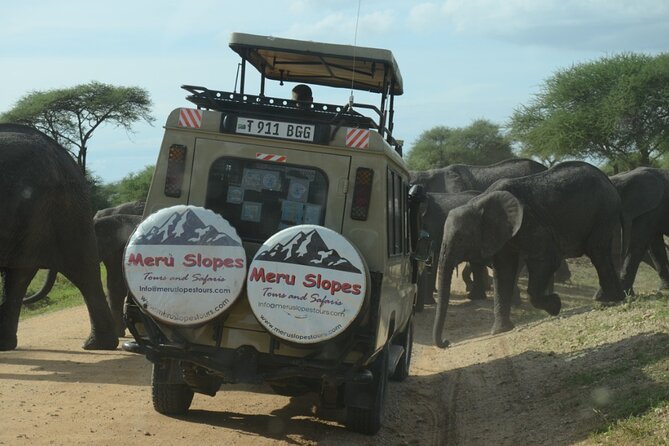
Camping is the central value choice. You receive accommodation, meals, and a support crew, but you should not expect lodge-level comfort. One strong practical point is that the safari includes five breakfasts, five lunches, and five dinners, which removes much of the daily food planning.
The cook can have a major effect on how pleasant the trip feels. Saleem and Johanna are names associated with particularly well-regarded meals, while Samwel, Samuel, Douglas, Jacob, and Johnson are guides praised for animal spotting, patience, and clear explanations.
The feedback is not uniformly positive, and you should take the campsite warnings seriously. Two poor experiences describe unpleasant facilities and restroom problems. Other accounts describe the camps as generally clean, with the occasional exception. That means conditions may vary by campsite and date.
Bring the right attitude. You are choosing a working safari camp, not a hotel room with polished facilities. If you need dependable private bathrooms and a quiet night, consider a lodge option. If you can handle basic conditions in exchange for a lower safari cost, camping can be a smart choice.
Who will get the most from this route?
I would recommend this trip to a first-time safari visitor who wants the classic northern Tanzania circuit without paying for a fully private lodge package. It also suits couples, friends, and families who value a small group and want a guide focused on their interests.
The itinerary is best for people who can manage early mornings, long drives, and ten-hour game-drive days. It is not designed for a slow holiday. You move from one major park to the next, and the schedule uses the available five days efficiently.
The route also works well if you want variety. Tarangire offers elephants and baobabs, Serengeti provides huge open spaces and migration possibilities, Ngorongoro concentrates wildlife in a dramatic crater, and Mto wa Mbu adds a community visit.
Should you book this five-day safari?
Book it if your main goals are seeing Tanzania’s major parks, keeping costs under control, and having a private guide with meals and park fees included. The combination of Tarangire, Serengeti, and Ngorongoro is hard to beat for a first visit, and the added Arusha nights make the plan easier.
Think twice if camping facilities will spoil the trip for you. The strongest experiences come from the wildlife, the guides, and the food, while the weakest point is the uneven comfort of the camps. Canceling is free up to 24 hours before the start time, but confirm the pickup hour, dietary needs, and camping arrangements before paying.
FAQ
Where does the safari begin?
The safari begins in Arusha, Tanzania, with pickup offered from your hotel.
How long does the safari last?
The experience lasts approximately five days and includes accommodation for the night before and the night after the safari.
Which national parks and protected areas are included?
The route includes Tarangire National Park, Serengeti National Park, the Ngorongoro Conservation Area, and Ngorongoro Crater.
How many people can join the tour?
The tour has a maximum of six travelers.
Is this a private tour?
Yes. The experience is described as a private tour with a private guide.
Are meals included?
Yes. Breakfast, lunch, and dinner are included for all five days.
Is drinking water included?
Yes. Unlimited drinking water is included during the safari.
Is Wi-Fi available?
Yes. Free Wi-Fi is available inside the safari jeep during the tour.
Can I request vegetarian meals?
Yes. A vegetarian option is available, but you should advise the operator when booking.
When is the best chance of seeing the Great Migration?
The best chance is generally from June through September. The main wildebeest calving period is January through March, and northern Serengeti river crossings are associated with July through September.
Just added around Arusha
- 4 Days Private Safari – Tarangire, Serengeti & Ngorongoro Crater★ 5.0 · 28 reviews
- 3Days luxury safari to Tarangire Ngorongoro crater and Manyara★ 5.0 · 16 reviews
- Elephant Special Serengeti & Ngorongoro Crater 5 Days / 4 Nights★ 5.0 · 21 reviews
- Tanzania Safari 10 Days- Serengeti, Lake Manyara, Ngorongoro Crater.★ 5.0 · 4 reviews
- 4 Days Tanzania Safari Tarangire, Serengeti and Ngorongoro Crater★ 4.5 · 16 reviews
- Small Group Serengeti and Ngorongoro Crater Adventure Safari★ 5.0 · 7 reviews
- 03 days Serengeti and Ngorongoro Crater group (camping)★ 5.0 · 75 reviews
- Private Group Serengeti Safari, Crater & Tarangire National Park★ 5.0 · 5 reviews
Arusha Volcano Tours, compared.
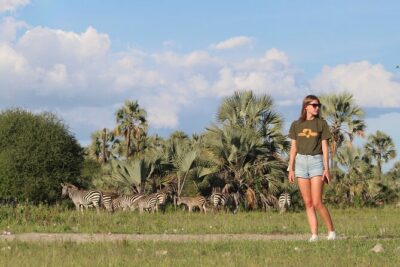
5-Day Highlights mid-Range Crater, Serengeti, Tarangire
Read our review →
Private 6-Day Tarangire Manyara Crater and Serengeti with Mid-Range Lodges
Read our review →
4 Days Join Group tour Tarangire Serengeti and Ngorongoro crater
Read our review →3 Day Serengeti National Park & Ngorongoro Crater Camping Safari
Read our review →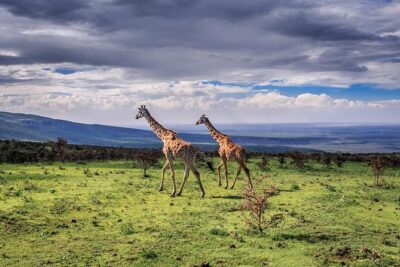
5 Days Tanzania Group Joining Safari, Tarangire/Serengeti/Ngorongoro Crater
Read our review →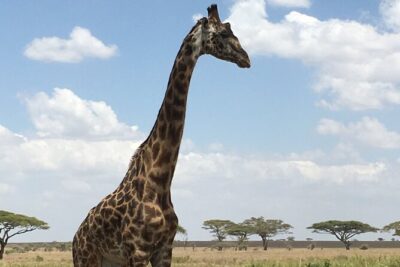
5 day safari Tarangire Serengeti and Ngorongoro crater
Read our review →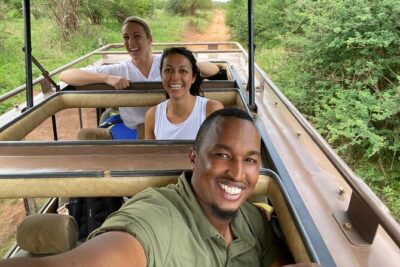
3 Days Small Group Safari to Serengeti NP and Ngorongoro Crater Tour in Tanzania
Read our review →Browse the lists this tour appears in