
REVIEW · ARUSHA
3Days luxury safari to Tarangire Ngorongoro crater and Manyara
Tarangire’s elephant herds, Ngorongoro’s rhinos, and Lake Manyara’s flamingos give you three very different wildlife settings in only three days. The route moves from dry tree savannah to a volcanic crater and then to a lake edged by forest, so you get variety rather than three similar game drives.
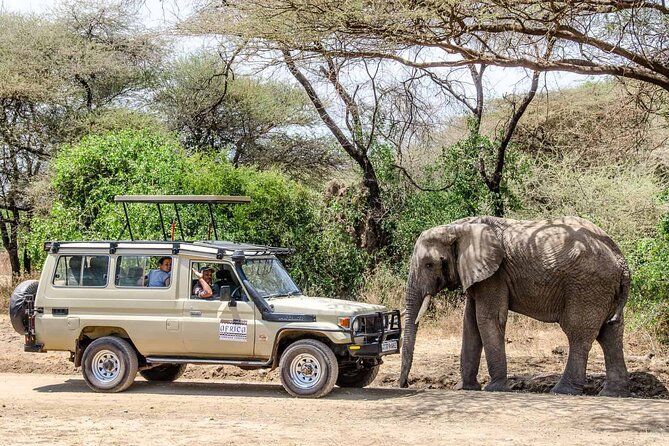
I like the private 4WD Land Cruiser with a photographic roof hatch, which gives you a better view and makes it easier to take pictures. I also like the chance to spend the night near the park instead of racing back to Arusha after every drive. The main consideration is pace: three parks in three days means early starts, long road sections, and limited time at each place.
Key points to know before booking
- Tarangire is the elephant day: The park is especially good for large elephant herds, giraffes, buffaloes, zebras, wildebeest, lions, and antelopes.
- Ngorongoro offers the strongest Big Five chance: The crater can produce sightings of black rhino, lions, leopards, elephants, buffaloes, and plenty of smaller animals.
- Lake Manyara adds a different setting: Expect lake views, birds, possible flamingos, evergreen forest, giraffes, and the famous possibility of tree-climbing lions.
- The vehicle is set up for photography: Transport is by 4WD Land Cruiser with a photographic roof hatch.
- You get a private safari: Only your own group takes part, which gives you more say over photo stops and viewing time.
- Check the accommodation wording: The tour description refers to lodge accommodation, while the inclusions also mention camping equipment. Confirm the exact overnight arrangements before paying.
Three parks, three very different views of Tanzania
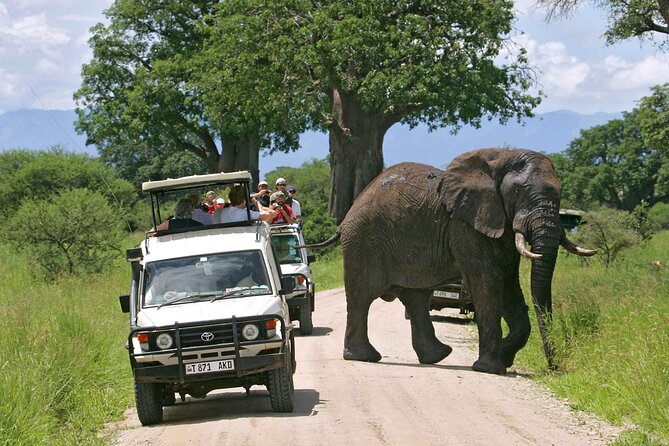
This is a smart route if you have only a short window around Arusha. Tarangire gives you open savannah and tall trees, Ngorongoro brings close wildlife viewing inside a volcanic caldera, and Manyara adds water, birds, forest, and the Rift Valley escarpment.
That variety is the real value of the trip. You are not simply ticking off three names on a map. Each park has a different mood and a different set of likely sightings.
At $1,500 per person, the price needs to be judged against what is included: private transport, wildlife reserve fees, breakfast, lunch, dinner, and camping equipment. The package also includes pickup from your Arusha hotel and returns to the meeting point. Travel insurance, visas, laundry, personal expenses, and the driver’s tip are extra.
Because this is a private activity, the price may make more sense for a small group than for one person travelling alone. A group of friends or family can share the vehicle while keeping the flexibility of a private departure. Ask for a full cost breakdown, especially around accommodation, since the wording gives both lodge stays and camping equipment.
More Ngorongoro Crater Safaris in Arusha:
- 5-Day Highlights mid-Range Crater, Serengeti, Tarangire
★ 5.0 · 296 reviews - Private 6-Day Tarangire Manyara Crater and Serengeti with Mid-Range Lodges
★ 5.0 · 238 reviews - 5 Days Camping Tarangire, Serengeti & Ngorongoro crater & Visiting Maasai
★ 5.0 · 229 reviews
Day 1: Tarangire’s giant elephants and tree savannah
The first morning begins with pickup from your hotel in Arusha. You then head toward Tarangire National Park, a practical first stop because it introduces you to northern Tanzania’s wildlife without requiring the long drive to Ngorongoro on the opening day.
Tarangire is known for its broad tree savannah and seasonal marshes. Its elephant population is the headline attraction, with herds that can number in the hundreds. You may also see giraffes, buffaloes, lions, zebras, wildebeest, gazelles, and other antelopes.
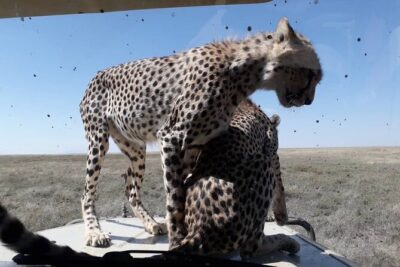
The vehicle is an open-roof safari jeep, described as a 4WD Land Cruiser with a photographic roof hatch. That matters. You can stand for a clearer view, look over shrubs and grasses, and take pictures without shooting through a side window. Bring a camera strap or keep a firm grip on your phone, since the road conditions can be rough.
After entering the park, the guide handles the park formalities while you begin the game drive. The plan includes a picnic lunch at a designated site, followed by more wildlife viewing in the afternoon.
I like the timing here. You are not forced to leave as soon as the best afternoon light arrives. The plan calls for an overnight stay inside the park area, which can reduce the pressure to cut the drive short. Confirm the exact camp or lodge, though, because the published details refer to both lodge accommodation and camping equipment.
Tarangire is also a good place to settle into safari rhythm. You will spend time scanning the trees and grass rather than seeing animals every minute. Your guide’s ability to spot movement and explain animal behavior will shape the day.
Several guides connected with this company are named in the supplied material, including Ombeni, Lucas, Lunje, and Proches. You cannot assume which guide will lead your departure, but you can ask when booking. The strongest comments focus on guides who explain what you are seeing, allow time for photographs, and know how to position the vehicle.
Day 2: Down into Ngorongoro Crater
After breakfast, you drive toward the Ngorongoro Conservation Area. The route includes a stop at the entrance gate, where your guide explains the area and gives you time for photographs.
The next stop is the crater viewpoint. This is one of the most memorable moments of the trip, even before the animals appear. From above, the crater’s walls frame a broad bowl of grassland, forest, and wet areas. You then drive down into the caldera for the main game drive.
Ngorongoro is especially valuable on a short safari because wildlife is concentrated in a relatively compact setting. The itinerary lists black rhino, Grant’s and Thomson’s gazelles, lions, leopards, elephants, mountain reedbucks, buffaloes, and spotted hyenas. You might also see wild dogs, although they are rare, along with more than 500 bird species recorded in the area.
The black rhino is a major draw. A sighting is never guaranteed, but the crater is one of the places on this route where you have a credible chance. The same applies to leopards and the full Big Five list. Some people report seeing all five during a short visit, but you should treat that as good fortune rather than a promise.
After the game drive, you have a picnic lunch before leaving the caldera in the afternoon and returning to the accommodation. This is a full day of driving and wildlife watching, so it may feel tiring. The payoff is the chance to see many different species in one remarkable setting.
The crater can also be busy with safari vehicles. Your guide’s experience matters here. A good guide will help you understand the scene, wait patiently when appropriate, and avoid turning every sighting into a rushed photo stop. The supplied information repeatedly points to guides who are friendly, humorous, and attentive to good camera angles. That is useful on a crater day, when several vehicles may be trying to view the same animal.
Day 3: Lake Manyara, birds, forest, and the Rift Valley
The final day is devoted to Lake Manyara National Park. The schedule says you depart from Arusha after breakfast, although the earlier days place you near the parks overnight. Ask the operator to confirm the exact morning route and accommodation location so you know how much time will be available inside Manyara.
Lake Manyara is a welcome change from Tarangire and Ngorongoro. The park sits below the western escarpment of the Great Rift Valley, with the shallow, alkaline lake stretching along its eastern side. The lake expands and shrinks with the seasons, and during the rains it can attract thousands of flamingos.
Birdlife is one of Manyara’s main reasons to visit. You may also see tree-climbing lions, although that famous behavior is not guaranteed. The park’s vegetation changes from savannah to evergreen forest, giving the drive a cooler, more enclosed feel in places.
The name Manyara comes from the Maasai word emanyara, a plant used to build a protective enclosure around a family homestead. That small cultural detail adds context to what you are seeing. This is not only a wildlife stop. It is also a place where local traditions, plants, water, and geography connect.
The available description is cut short after listing giraffes, so you should ask for the exact final-day schedule. The confirmed highlights include birds, flamingos in suitable conditions, tree-climbing lions, giraffes, forest, savannah, and lake views.
Manyara is often best treated as a scenic final chapter rather than a guaranteed Big Five day. If your main aim is rhino, lion, or elephant sightings, Tarangire and Ngorongoro carry more weight. If you like birdlife and changing scenery, Manyara makes the three-day route more varied.
More Safaris in Arusha:
- 3 Day Serengeti National Park & Ngorongoro Crater Camping Safari
★ 5.0 · 142 reviews - 5 Days Tanzania Group Joining Safari, Tarangire/Serengeti/Ngorongoro Crater
★ 5.0 · 85 reviews - 5 day safari Tarangire Serengeti and Ngorongoro crater
★ 5.0 · 83 reviews - 3 Days Small Group Safari to Serengeti NP and Ngorongoro Crater Tour in Tanzania
★ 5.0 · 77 reviews
What the private vehicle changes
A private safari is not the same as a large shared departure. Your group is the only group in the activity, so you have a more direct relationship with the guide and more room to discuss the day’s priorities.
You can ask to spend longer with an animal, pause for a photograph, or request more explanation about a bird or plant. The guide still has to follow park rules and road conditions, but the day should feel less fixed than a trip with several unrelated parties in one vehicle.
The photographic roof hatch is another practical advantage. It gives you a high viewing position and makes it easier to follow animals moving through grass or woodland. You should still bring sun protection, a hat, water, and a light layer for cool mornings.
The quality of the experience depends heavily on the individual guide. Names associated with the company include David, Jackson, Ombeni, Lucas, Lunje, Proches, and Dennis, with Dennis specifically connected to cooking on one family safari. Ask who will be driving and guiding your group, and ask how meals and accommodation will be handled.
Meals, accommodation, and what is included
The package includes breakfast, lunch, and dinner, along with wildlife reserve fees and transport. That saves you from arranging park entry separately, which is important because park fees can be a substantial part of a northern Tanzania safari budget.
The description says you will use lodge accommodation, while the included equipment list mentions camping equipment. That is the clearest point to settle before booking. A lodge and a camp offer different levels of comfort, privacy, and evening routine.
The supplied details describe accommodation inside the parks as cozy and staff as friendly, but they do not give the names or standards of the properties for this exact three-day departure. Ask for the property names, room setup, bathroom arrangements, and whether the camping equipment is a backup, an optional arrangement, or part of the normal plan.
Meals are included, but the material does not provide menus or confirm how dietary needs are handled on this specific trip. If you have allergies or other food requirements, tell Dancing Simba Safaris before departure and ask for written confirmation.
You will need to budget separately for personal items, laundry, insurance, visa fees, and a tip for the driver. A tip is not included, but it is worth planning for if your guide and driver provide strong service.
Who will enjoy this three-day safari most
I would recommend this route to you if you want a concentrated introduction to northern Tanzania and do not have time for a longer circuit. It covers three major destinations and gives you a good spread of animals and scenery.
It suits couples, families, and small groups of friends particularly well because the vehicle is private. Families should note that the days involve early starts, road travel, and extended game drives. The operator says most people can participate, but it does not provide detailed mobility information, so ask directly if you have access needs.
Photographers will appreciate the roof hatch and the time spent in Tarangire and Ngorongoro. Birdwatchers may find Manyara especially rewarding, while anyone hoping for rhino should pay close attention during the crater drive.
This is less suitable if you want slow mornings, long stays at one lodge, or a relaxed cultural program. It is also not the right choice if you expect guaranteed sightings of every Big Five animal. Wildlife remains unpredictable, even in a strong park.
Booking advice and final verdict
I would book this safari if you want the main northern Tanzania highlights in a short, private package and you accept a busy schedule. Tarangire’s elephants, Ngorongoro’s crater wildlife, and Manyara’s birds make a strong three-day combination.
Before you pay, confirm four things: the exact accommodation, the day-three route from your overnight location, the name of your guide, and whether the $1,500 price changes with group size. Those answers will tell you much more about the value than the headline price alone.
The activity is free to cancel up to 24 hours before the local start time for a full refund. Changes or cancellations made inside 24 hours are not accepted for a refund. Pickup is offered in Arusha, and the safari ends back at the meeting point.
FAQ
Where does the safari start and end?
It starts with pickup in Arusha, Tanzania, and ends back at the meeting point.
How long is the experience?
The safari lasts approximately three days.
How much does the safari cost?
The listed price is $1,500 per person.
Is this a private safari?
Yes. Only your own group participates in the activity.
What vehicle is used?
Transport is by 4WD Land Cruiser with a photographic roof hatch.
Which parks are included?
The route includes Tarangire National Park, the Ngorongoro Conservation Area and Crater, and Lake Manyara National Park.
Are meals included?
Yes. Breakfast, lunch, and dinner are included. The package lists three breakfasts and three lunches.
Is accommodation included?
The description includes accommodation, but it refers to lodge accommodation while also listing camping equipment. Confirm the exact overnight arrangement before booking.
What is not included?
Personal expenses, travel insurance, visa fees, laundry, and tips for the driver are not included.
More 3-Day Experiences in Arusha
- 3 Days Safari to Serengeti National Park & Ngorongoro Crater in Tanzania
★ 5.0 · 34 reviews - 3 Days Safari Serengeti & Ngorongoro Crater
★ 5.0 · 26 reviews - 3days Serengeti National park and Ngorongoro Crater Tanzania Safari
★ 5.0 · 21 reviews - 3 Days Lake Manyara, Ngorogoro Crater, Tarangire National Park
★ 5.0 · 21 reviews
Just added around Arusha
- 4 Days Private Safari – Tarangire, Serengeti & Ngorongoro Crater★ 5.0 · 28 reviews
- Elephant Special Serengeti & Ngorongoro Crater 5 Days / 4 Nights★ 5.0 · 21 reviews
- Tanzania Safari 10 Days- Serengeti, Lake Manyara, Ngorongoro Crater.★ 5.0 · 4 reviews
- 4 Days Tanzania Safari Tarangire, Serengeti and Ngorongoro Crater★ 4.5 · 16 reviews
- Small Group Serengeti and Ngorongoro Crater Adventure Safari★ 5.0 · 7 reviews
- 03 days Serengeti and Ngorongoro Crater group (camping)★ 5.0 · 75 reviews
- Private Group Serengeti Safari, Crater & Tarangire National Park★ 5.0 · 5 reviews
- 3 Days Serengeti Park & Ngorongoro Crater Adventure Safari★ 5.0 · 8 reviews
Arusha Volcano Tours, compared.
5-Day Highlights mid-Range Crater, Serengeti, Tarangire
Read our review →
Private 6-Day Tarangire Manyara Crater and Serengeti with Mid-Range Lodges
Read our review →
5 Days Camping Tarangire, Serengeti & Ngorongoro crater & Visiting Maasai
Read our review →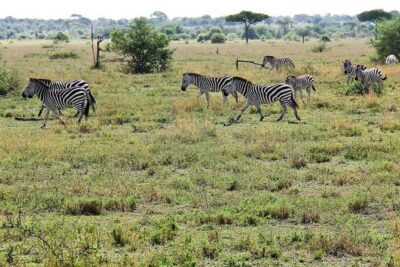
4 Days Join Group tour Tarangire Serengeti and Ngorongoro crater
Read our review →3 Day Serengeti National Park & Ngorongoro Crater Camping Safari
Read our review →
5 Days Tanzania Group Joining Safari, Tarangire/Serengeti/Ngorongoro Crater
Read our review →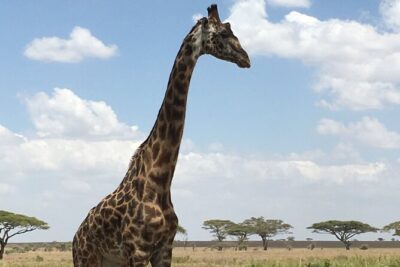
5 day safari Tarangire Serengeti and Ngorongoro crater
Read our review →Browse the lists this tour appears in