
REVIEW · ARUSHA
3 Days Small Group Safari to Serengeti NP and Ngorongoro Crater Tour in Tanzania
The big draw here is the chance to see Serengeti and Ngorongoro Crater in just three days, with the route moving from open grassland to the crater’s enclosed wildlife area. You’ll spend much of the trip in a safari vehicle, but the changing scenery and strong chance of seeing large animals make the long road time worthwhile.
I like the small maximum group of six, which gives you a better chance to ask questions and share the best viewing angles. I also like that park fees, meals, camping equipment, and an English-speaking driver-guide are included in the $815 price. The main catch is the pace: the first day includes about 335 kilometers of driving, and the camping can be basic.
Key points to know before booking
- A two-park safari in three days: Serengeti and Ngorongoro are both covered without adding a fourth day.
- Seronera is the wildlife focus: Expect open plains, acacia trees, kopjes, and possible sightings of lions, leopards, wildebeest, zebra, and gazelles.
- The group is capped at six: This keeps the vehicle more personal than a large shared safari.
- Camping is part of the bargain: Gear is supplied, but standards may be simple, especially at the Serengeti camp.
- Meals and park fees are included: You receive two breakfasts, three lunches, and two dinners.
- The final day runs late: After the crater visit, the drive back to Arusha is scheduled for around 7 p.m.
What $815 buys you in northern Tanzania
At $815 per person, this is a fairly ambitious safari package. You get three days, two major wildlife areas, park fees, an English-speaking driver-guide, camping equipment, and six included meals. That combination matters because park charges and transport can form a large part of a Tanzania safari budget.
The value is strongest if you want the classic northern Tanzania route but do not want to pay for a lodge-based trip. You are paying for access, transport, guiding, and wildlife time rather than polished accommodation. That is the tradeoff in plain terms: more safari for your money, less comfort at night.
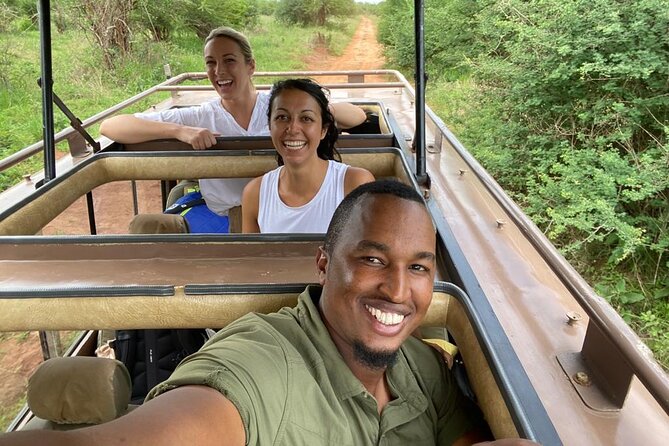
The small-group format helps. With a maximum of six people, you should have a more manageable vehicle and more direct contact with the guide than on a large coach-style excursion. Guides named Omary and George receive especially warm praise for their effort, friendliness, and help with animal sightings, though the guide assigned to your departure may be different.
Meals are covered, which removes one common source of extra cost. The package includes dinner twice, lunch three times, and breakfast twice. Tips for the driver-guide and safari cook are not included, and travel insurance is also your responsibility.
More Ngorongoro Crater Safaris in Arusha:
- 5-Day Highlights mid-Range Crater, Serengeti, Tarangire
★ 5.0 · 296 reviews - Private 6-Day Tarangire Manyara Crater and Serengeti with Mid-Range Lodges
★ 5.0 · 238 reviews - 5 Days Camping Tarangire, Serengeti & Ngorongoro crater & Visiting Maasai
★ 5.0 · 229 reviews
Day one: the long road to Serengeti
Pickup is scheduled from Arusha Tourist Inn at 8 a.m., following breakfast at about 7 a.m. The day then turns into a serious driving day, with roughly six hours and 335 kilometers to the southern part of Serengeti National Park via the Ngorongoro gate.
That distance sets the tone. This is not a gentle morning transfer followed by a short afternoon outing. You will spend a substantial part of the day on the road, but the route helps connect two of Tanzania’s most important protected areas in a short time.
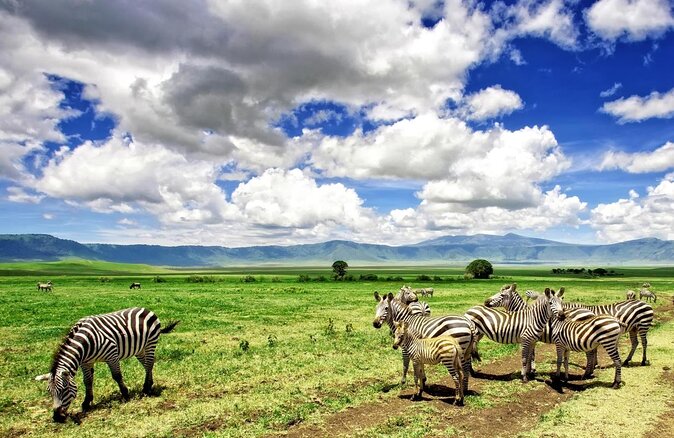
Once inside Serengeti, the game drive focuses on the southern, central, and Seronera Valley areas. The Maasai name Serengeti is commonly translated as the land of endless plains, and the southern zone fits that description. Wide grasslands support wildebeest, zebra, Coke’s hartebeest, waterbuck, Grant’s gazelle, Thomson’s gazelle, impala, and other grazing animals.
The Seronera Valley changes the view. Acacia vegetation appears among rocky kopjes, the rounded rock outcrops that give animals high points and shelter. Kopjes can help predators watch the surrounding grassland, while smaller creatures such as hyrax, reptiles, and pythons use the rocks for refuge.
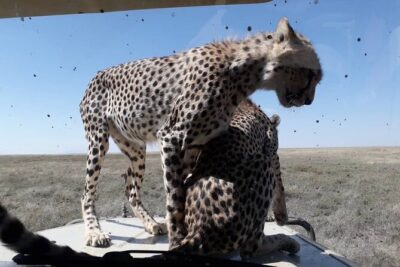
Leopard sightings are specifically associated with this area, though no safari can promise a particular animal. You might also find lions and other predators near concentrations of grazing animals. The first day is therefore not only a transfer. It is your first full chance to start reading the Serengeti, watching how grass, water, rocks, and animal movement fit together.
The schedule also refers to a hippo habitat. That gives the day another type of wildlife stop, since hippos offer a change from the plains animals and big cats. Exact viewing conditions depend on the route and the guide’s timing.
Camping after the first game drive
Camping keeps the price within reach, but you should book this with realistic expectations. The tour supplies camping gear, yet the information does not promise hotel-style facilities. One poor experience described a Serengeti camp without a shower or lights and with dirty conditions.
That problem may not define every departure, but it is important enough to take seriously. Ask the operator before booking exactly where you will sleep on each night, what wash facilities are available, and whether the camp has lighting. The second night is scheduled at Simba Campsite near Ngorongoro, while the first night is described more generally as camping in Serengeti.
If you are comfortable with basic camping, the arrangement can feel like a fair exchange for more time in the parks. If you need reliable showers, electricity, and clean fixed accommodation, this may not be the right version of a safari. The experience is built around wildlife access, not creature comforts.
Day two: Serengeti wildlife before Ngorongoro
Day two begins with a packed lunch and a half-day game drive in Serengeti. The schedule keeps you in the park until the afternoon, followed by the drive toward the Ngorongoro Conservation Area with game viewing along the way.
This morning is valuable because animals do not follow the clock. A second stretch of game driving gives you another chance to spot species missed on day one and to see the same region under different conditions. You may pass grazing herds, watch for predators near kopjes, or catch smaller wildlife that is easy to miss when the vehicle is moving.
The drive toward Ngorongoro is part of the safari rather than dead time. The route lets you continue looking outside the vehicle while moving between the two areas. Still, expect another long day. You will be sitting in the vehicle for hours, so this schedule suits you best if wildlife matters more than a relaxed holiday rhythm.
Arrival is followed by dinner and an overnight stay at Simba Campsite. The campsite is linked to the Ngorongoro portion of the trip, which places you close to the next morning’s crater descent. That location is practical, since the crater visit begins early, but again, comfort is likely to be basic.
More Safaris in Arusha:
- 3 Day Serengeti National Park & Ngorongoro Crater Camping Safari
★ 5.0 · 142 reviews - 5 Days Tanzania Group Joining Safari, Tarangire/Serengeti/Ngorongoro Crater
★ 5.0 · 85 reviews - 5 day safari Tarangire Serengeti and Ngorongoro crater
★ 5.0 · 83 reviews - 5 Day Silver Serengeti & Ngorongoro Crater & Tarangire Safari
★ 5.0 · 46 reviews
Ngorongoro’s crater floor on day three
Breakfast is listed for 7 a.m., with descent into the crater at 9 a.m. The half-day visit continues until about 3 p.m. and includes a picnic lunch.
Ngorongoro feels different from the Serengeti. Instead of wide, open plains stretching toward the horizon, you enter a contained natural bowl with grassland, water, woodland, and steep crater walls around it. That change is one reason the three-day plan works well. You see two very different settings in a short period.
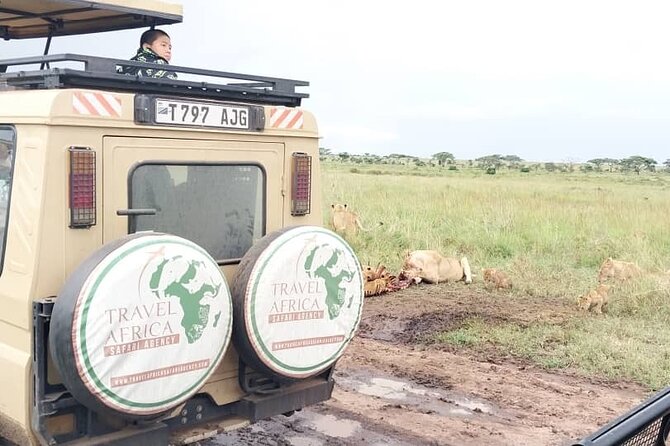
The crater is known for its year-round concentration of wildlife and is presented as a strong place to look for the Big Five in a single day. You might see elephants, buffalo, lions, wildebeest, gazelles, hippos, jackals, serval, eland, waterbuck, and other ungulates. Black rhino is also specifically associated with the crater, though sightings are never guaranteed.
The wildlife list includes some important limits. Giraffe, oribi, topi, spotted hyena, impala, and cheetah are described as absent or rarely seen in the area. That is useful when setting expectations. Ngorongoro can offer excellent animal viewing, but no single park contains every species in equal numbers.
The conservation area also has a strong human story. Maasai families live in circular homesteads known as bomas, and the area is linked with early human evolution research by Mary and Louis Leakey. The description also points to Maasai cave paintings, including images of elephants, shields, and abstract patterns. These details add context beyond simply counting animals from the vehicle.
You should expect the crater day to be busy and tightly timed. A 9 a.m. descent followed by a 3 p.m. finish gives you several hours inside, but the tour then begins the long return to Arusha. The scheduled arrival is around 7 p.m., so do not plan an important evening flight or a tight onward connection without checking the timing carefully.
Guides, group size, and the safari vehicle
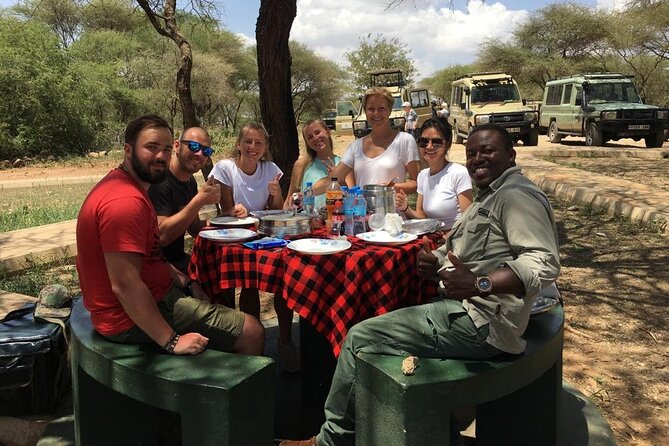
The driver-guide is central to this experience. A good guide does more than drive. The guide helps spot animals, explains behavior, answers questions, and decides how to use limited time in each park.
The small group gives that role more value. With no more than six people, questions are easier to ask and the vehicle should feel less crowded than a large shared group. It also helps when several people want to watch the same animal or take photographs.
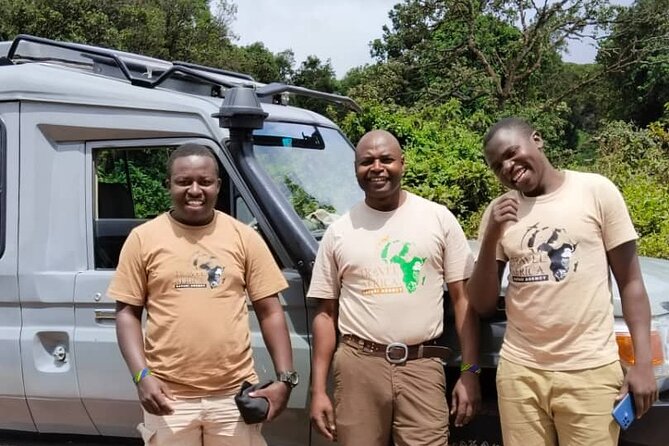
Omary is singled out for making a safari feel especially successful, while George is praised for being friendly and working hard to find animals such as lions, monkeys, elephants, and giraffes. You cannot assume either person will lead your departure, but you can ask Travel Africa Safari Agency whether a preferred guide is available.
Safari sightings are never guaranteed, and the guide cannot control animal movement. The strongest promise here is not a particular list of animals. It is access to two major wildlife areas, repeated game drives, and a compact group with a guide who can adjust the viewing time.
Who should choose this three-day safari?
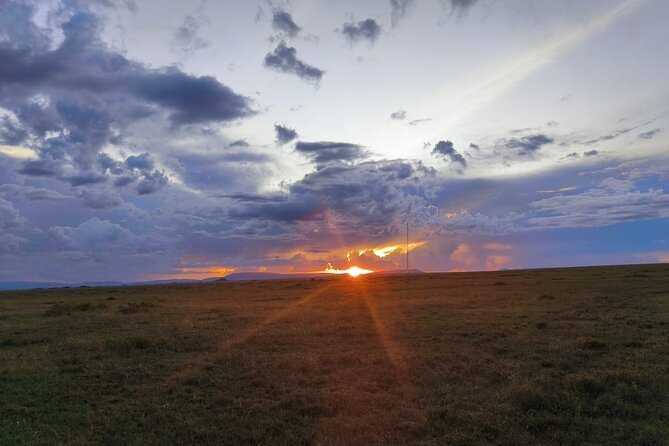
I would choose this trip if you want a short, high-value introduction to northern Tanzania and accept long drives and basic camping. It suits people who want to see both Serengeti and Ngorongoro but have limited time in the country.
It also suits first-time safari visitors. The route includes the famous open plains, a crater wildlife circuit, a hippo habitat, and the chance to see many well-known African species. The guide can help you understand what you are seeing, which matters when the animal is far away or partly hidden.
This is less suitable if you want slow mornings, luxury accommodation, or a flexible schedule. The first and third days are long, and the second day combines game viewing with a transfer to Ngorongoro. You should also think carefully about camping if poor facilities would spoil the trip.
The tour is generally accessible to most people according to the supplied information, and it operates near public transportation. Pickup is offered from the stated Arusha meeting point, with the activity ending back there.
Practical booking advice before you go
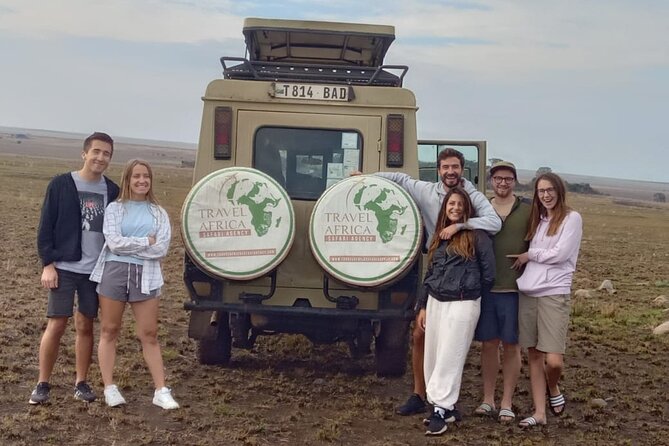
Confirm the camping arrangements before paying. Ask about showers, lighting, cleanliness, sleeping setup, and whether both nights use the same standard of camp. This is the most important comfort question in the whole package.
Also confirm the exact pickup plan. The meeting point is Arusha Tourist Inn on Sokoine Road, and the stated start time is 7 a.m., although the day-one schedule describes pickup at 8 a.m. That difference should be cleared up directly so you are not waiting at the wrong hour.
Leave room in your schedule after day three. The return to Arusha is planned for late evening, around 7 p.m., and road conditions or park timing can affect the arrival. The activity ends at the same meeting point where it begins.
Cancellation is free when made at least 24 hours before the start time. Changes or cancellations inside that 24-hour window are not accepted for a refund, and the company may offer another date or a full refund if the minimum group size is not reached.
Should you book it?
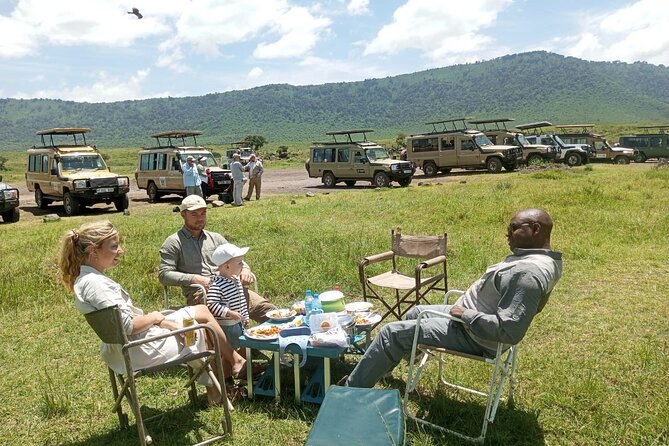
Book this safari if your priority is seeing two iconic parks at a controlled price, and you are ready for camping, early starts, and long drives. The included park fees, meals, equipment, and small group make $815 a solid value for an ambitious three-day route.
Think twice if you need dependable comfort at night or have limited stamina for long vehicle days. For the right person, this is a focused wildlife trip with excellent geographic variety. For someone expecting a polished lodge holiday, the basic camping may be the wrong compromise.
FAQ
Where does the safari start and finish?
It starts at Arusha Tourist Inn on Sokoine Road in Arusha, Tanzania, and ends back at the same meeting point.
How many people can join the group?
The maximum group size is six people.
What time does the activity start?
The stated start time is 7 a.m. The day-one schedule also describes pickup from your accommodation at 8 a.m., so confirm the exact pickup time before departure.
Are meals included?
Yes. The package includes two breakfasts, three lunches, and two dinners.
Is camping equipment provided?
Yes. All camping gear is included in the price.
Are park fees included?
Yes. All park fees are included.
What is not included?
Tips for the driver-guide and safari cook are not included. Travel insurance is also not included.
More 3-Day Experiences in Arusha
- 3 Days Safari to Serengeti National Park & Ngorongoro Crater in Tanzania
★ 5.0 · 34 reviews - 3 Days Safari Serengeti & Ngorongoro Crater
★ 5.0 · 26 reviews - 3days Serengeti National park and Ngorongoro Crater Tanzania Safari
★ 5.0 · 21 reviews - 3 Days Lake Manyara, Ngorogoro Crater, Tarangire National Park
★ 5.0 · 21 reviews
Just added around Arusha
- 4 Days Private Safari – Tarangire, Serengeti & Ngorongoro Crater★ 5.0 · 28 reviews
- 3Days luxury safari to Tarangire Ngorongoro crater and Manyara★ 5.0 · 16 reviews
- 4 Days Tanzania Safari Tarangire, Serengeti and Ngorongoro Crater★ 4.5 · 16 reviews
- Elephant Special Serengeti & Ngorongoro Crater 5 Days / 4 Nights★ 5.0 · 21 reviews
- Tanzania Safari 10 Days- Serengeti, Lake Manyara, Ngorongoro Crater.★ 5.0 · 4 reviews
- 03 days Serengeti and Ngorongoro Crater group (camping)★ 5.0 · 75 reviews
- Private Group Serengeti Safari, Crater & Tarangire National Park★ 5.0 · 5 reviews
- Small Group Serengeti and Ngorongoro Crater Adventure Safari★ 5.0 · 7 reviews
Arusha Volcano Tours, compared.
5-Day Highlights mid-Range Crater, Serengeti, Tarangire
Read our review →
Private 6-Day Tarangire Manyara Crater and Serengeti with Mid-Range Lodges
Read our review →
5 Days Camping Tarangire, Serengeti & Ngorongoro crater & Visiting Maasai
Read our review →
4 Days Join Group tour Tarangire Serengeti and Ngorongoro crater
Read our review →3 Day Serengeti National Park & Ngorongoro Crater Camping Safari
Read our review →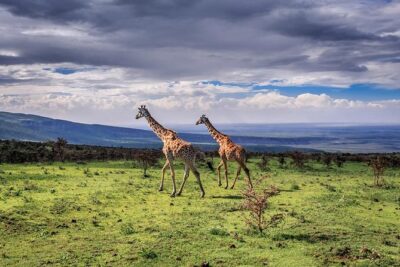
5 Days Tanzania Group Joining Safari, Tarangire/Serengeti/Ngorongoro Crater
Read our review →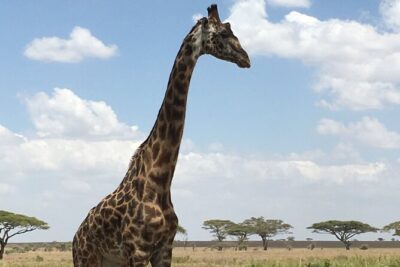
5 day safari Tarangire Serengeti and Ngorongoro crater
Read our review →Browse the lists this tour appears in