
REVIEW · ARUSHA
5 Day Silver Serengeti & Ngorongoro Crater & Tarangire Safari
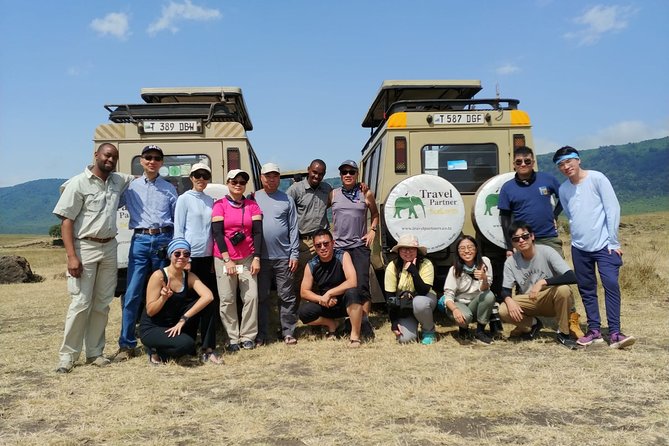
The great draw here is simple: you get two full Serengeti days, then add the Ngorongoro Crater and Tarangire in one compact northern Tanzania safari. That gives you three very different wildlife settings, from the Serengeti’s open grasslands to the crater’s enclosed animal world and Tarangire’s elephant country.
I like the private format, since your group can discuss special interests with the guide and adjust the day’s search for wildlife. I also like the sensible first night at the Outpost Lodge in Arusha, which gives you a calm place to recover before the long drive west. The main drawback is the pace: five days means long drives and only one day each at Ngorongoro and Tarangire.
Key points to know before booking
- Two nights in the Serengeti: This gives you more than a quick look at Tanzania’s most famous park.
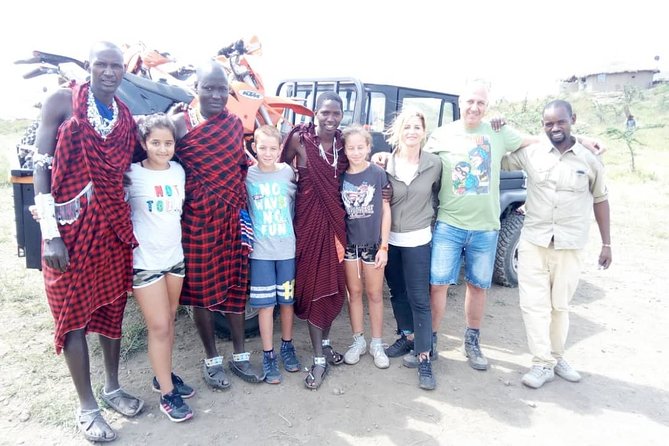
- Private group travel: Only your party takes part, with pickup offered and group discounts available.
- Three major wildlife areas: Serengeti, Ngorongoro Crater, and Tarangire each offer a different setting.
- A practical Arusha start: The Outpost Lodge is in a leafy residential area with a pool and restaurant.
- Wildlife-focused guiding: Guides such as Leonard, Fred, Thomas, and Jackson are associated with the wider guiding team.
- Flexible cancellation: You can cancel for a full refund up to 24 hours before the start time.
Why this five-day route works
A northern Tanzania safari can easily become a tiring exercise in moving from one park to another. This plan avoids that problem for the first half of the trip by giving you two nights in the Serengeti, the place most people picture when they think of Tanzania.
You begin in Arusha, which is the main starting point for many northern safari routes. From there, the journey reaches the Serengeti on day two, with arrival at the Heritage Camps and Lodges Luxury Tented Camp in the afternoon.
The route then turns toward Ngorongoro Crater on day four and Tarangire National Park on day five. That order gives you a strong mix of scenery and wildlife, although the final day is long and the schedule leaves little spare time.
The price is $2,333.77 per person. That is a serious amount of money, but a private five-day safari includes the value of a dedicated vehicle and guide for your party, access to three famous parks, and accommodation along the route. The precise list of meals, park fees, transfers, and other inclusions should be checked before you pay, since the supplied details do not spell out every cost.
More Ngorongoro Crater Safaris in Arusha:
- 5-Day Highlights mid-Range Crater, Serengeti, Tarangire
★ 5.0 · 296 reviews - Private 6-Day Tarangire Manyara Crater and Serengeti with Mid-Range Lodges
★ 5.0 · 238 reviews - 5 Days Camping Tarangire, Serengeti & Ngorongoro crater & Visiting Maasai
★ 5.0 · 229 reviews
Day one: an easy start at the Outpost Lodge in Arusha
Your first day is based at the Outpost Lodge, a family-run boutique hotel in a leafy residential part of Arusha. It is described as a quiet place with a swimming pool, restaurant, and warm service, about an hour from Kilimanjaro Airport and close to Arusha city centre.
That location matters. After an international flight, you may not want to launch straight into a long safari drive. A night in Arusha lets you rest, sort your luggage, and get used to the setting before the early start that follows.
The lodge is also useful for visitors who want a little city time. You are not shut away at a remote camp, and the city centre is nearby. At the same time, the residential setting should feel calmer than a central urban hotel.
Do not expect this first day to be a major sightseeing day. It is a reset day, and that is a sensible choice. The safari itself begins in earnest on day two.
Day two: reaching the Serengeti
You leave Arusha in the morning and reach the Heritage Camps and Lodges Luxury Tented Camp in the afternoon. The accommodation is located in the heart of the Serengeti, putting you close to the park’s main appeal: wildlife moving across enormous open spaces.
The name Serengeti comes from a Maasai word meaning endless plains. That description is not empty marketing. The open scale is the point. You may see animals at a distance first, then watch the guide assess where to go next.
The afternoon arrival gives you some time to begin looking for wildlife, although the exact amount of game-drive time will depend on road conditions and the day’s schedule. You should think of this day as both a transfer and an introduction to the park, not as a full day in the field.
The tented camp setting is part of the experience. It places you closer to the feel of the bush than a conventional city hotel would. The supplied information calls it a luxury tented camp, but it does not list the exact room facilities, meal arrangements, or power setup, so ask for those details if they matter to you.
Day three: your full Serengeti wildlife day
This is the heart of the trip. You have a full day to explore the Serengeti with a safari guide, rather than spending most of your time getting there or leaving it behind.
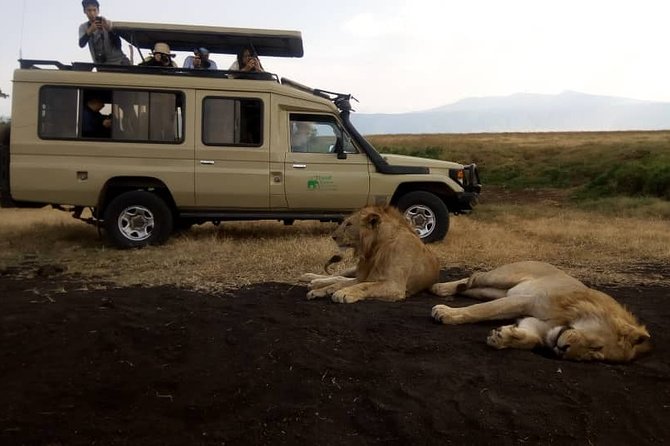
The guide is meant to work around your interests. If you care most about lions, elephants, big cats, birds, or animal behavior, you can explain that and ask the guide to shape the day around your priorities. Sightings can never be guaranteed, but this sort of conversation makes a private safari more useful than a fixed sightseeing circuit.
The guiding team includes names such as Leonard, Fred, Thomas, and Jackson. Leonard is described as especially strong on Serengeti guiding, while Fred is associated with enthusiastic wildlife interpretation and anniversary trips. Thomas and Jackson are also connected with longer northern Tanzania routes and local storytelling.
Treat those names as examples of the company’s guiding team, not a guarantee of who will be assigned to your vehicle. The important question is whether your guide listens, explains animal behavior clearly, and knows how to balance patience with movement.
You return to camp for a sundowner. That detail gives the day a pleasant rhythm: hours of searching and watching, then a quieter pause as the light changes. You should expect to be tired by evening. Safari days are rewarding, but sitting in a vehicle for long periods and staying alert for animals takes energy.
More Safaris in Arusha:
- 3 Day Serengeti National Park & Ngorongoro Crater Camping Safari
★ 5.0 · 142 reviews - 5 Days Tanzania Group Joining Safari, Tarangire/Serengeti/Ngorongoro Crater
★ 5.0 · 85 reviews - 5 day safari Tarangire Serengeti and Ngorongoro crater
★ 5.0 · 83 reviews - 3 Days Small Group Safari to Serengeti NP and Ngorongoro Crater Tour in Tanzania
★ 5.0 · 77 reviews
What makes the Serengeti different
The Serengeti is the park that gives this trip its emotional weight. It is one of the world’s best-known wildlife areas, and its appeal is not limited to a checklist of animals.
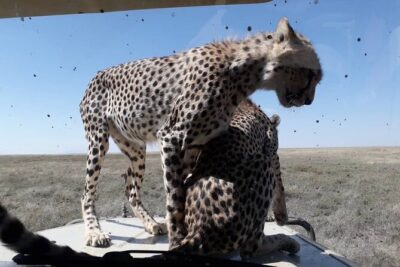
The open plains allow you to see relationships between species. A herd of herbivores can attract predators, while birds, smaller mammals, and scavengers add detail to the larger scene. The guide’s role is to help you notice what is happening, not just point out a lion and drive on.
The park is also famous for wildlife films, which can create unrealistic expectations. You may not see every famous animal in one day, and a sighting may be distant or brief. Two nights improve your odds of having time for several different areas, but nature still sets the schedule.
Day four: six hours inside Ngorongoro Crater
Day four moves to Ngorongoro Crater for about six hours. The crater is the collapsed remains of a massive volcanic structure, forming a 21-kilometre-wide enclosed area with water, vegetation, and a high concentration of wildlife.
It feels very different from the Serengeti. The Serengeti gives you distance and open horizons. Ngorongoro gives you a contained setting where animals gather around dependable water and food sources.
The main prize here is the rare black rhino population. The supplied information places the population at more than 50 individuals, supported by the crater’s water and fertile volcanic soil. You may also look for lion, hyena, jackal, cheetah, and leopard.
The crater’s compact shape makes it a strong choice for a shorter visit. You can cover a great deal in six hours without needing to cross a huge park. Still, this is not the place to expect a private wilderness feeling. The same concentration of wildlife also makes the area popular, and the experience can feel busier than the wide Serengeti.
The day is also physically and mentally full. You have already spent time on the road and in the Serengeti, so six hours of close attention inside the crater may be enough. I would value this stop for its high chance of varied wildlife, while accepting that the visit is more structured than the open plains.
Day five: elephants and big trees in Tarangire
The final stop is Tarangire National Park, with about eight hours devoted to exploration. This is a long day, but Tarangire gives the route a different ending from the Serengeti and Ngorongoro.
Tarangire is known as Tanzania’s Home of the Elephants. Its varied ground and plant life support many herbivores, including buffalo, eland, gemsbok, zebra, and wildebeest. Those animals in turn attract lions, leopards, cheetahs, caracals, servals, and jackals.
The park is a good reminder that safari quality is not measured only by fame. Tarangire may not have the same international profile as the Serengeti, but the variety of plants and terrain creates plenty of reasons to keep watching.
Eight hours is generous for a park visit, though it can make the final day tiring. If you enjoy long wildlife drives, this is a strong finish. If you need to reach an airport or continue to another hotel that evening, confirm the exact drop-off plan before booking.
The private format and guiding style
This is a private tour, so only your group takes part. That is one of the clearest reasons to consider the price.
A private vehicle lets you ask for more time at an interesting sighting instead of following a fixed group schedule. You can also tell the guide what matters to you, from big cats and rhinos to birds, landscapes, photography, or animal behavior.
The arrangement does not guarantee a particular guide. Names linked with the company include Leonard, Fred, Thomas, and Jackson, and the guiding style described in the supplied material places strong emphasis on wildlife knowledge, local stories, and adapting the day to your interests.
Ask how many people the vehicle will hold, since private does not always mean spacious. The supplied details confirm that your group is private, but they do not state vehicle size or seating arrangements.
What the $2,333.77 price means
At $2,333.77 per person, this is not a budget safari. The cost may make sense if you want the convenience of a private trip, a full Serengeti day, and three major parks without arranging each part yourself.
The best value comes from the route’s concentration. You get an Arusha base, two Serengeti nights, Ngorongoro Crater, and Tarangire in five days. You are paying for access, transport, guiding, and the time needed to connect these places, not just for hotel nights.
The price is harder to judge without a full inclusion list. Before booking, ask whether meals, park entry fees, airport transfers, drinks, and gratuities are included. Ngorongoro admission is specifically marked as included in the supplied schedule, while the other stop entries do not provide the same detail.
Group discounts may help if you are booking with several people. Since the tour is private, a larger group can also spread some transport and guiding costs across more people, provided the vehicle remains comfortable.
Who should book this safari
I would recommend this route to a first-time safari visitor who wants the famous northern Tanzania parks in a short period. It suits couples, families, and small private groups who want their guide to respond to personal interests.
It also works well for anyone who considers the Serengeti essential. Many short safaris give the park only a hurried visit. Here, the two-night stay gives you a better chance to see the park in more than one mood.
You should think twice if you dislike long road journeys, early starts, or a changing hotel every night. The itinerary is full, and the final two days are particularly active.
It may also be too short if your main goal is a slow, photography-focused safari. For that, extra Serengeti nights would give you more time and reduce the pressure to cover so much ground.
Practical details before you confirm
Pickup is offered, mobile tickets are available, and confirmation is provided at booking. Service animals are allowed, public transportation is nearby, and the activity is described as suitable for most people.
The published operating window runs from July 23, 2024, through June 18, 2026, with hours shown as Monday through Sunday, 12:00 a.m. to 11:30 p.m. Those hours describe availability rather than the exact daily departure time, so confirm your pickup time with the operator.
The cancellation rule is straightforward: cancel at least 24 hours before the experience starts for a full refund. Cancellations or changes made less than 24 hours before the start time are not accepted for a refund.
Should you book the five-day safari?
Book it if you want a private, wildlife-heavy introduction to northern Tanzania and can handle long days on the road. The two Serengeti nights are the key strength, while Ngorongoro adds concentrated wildlife and Tarangire brings elephants and a different setting.
I would not book it without first confirming the exact guide, vehicle capacity, accommodation arrangements, and what the price includes. Once those details suit you, this is a strong choice for seeing the region’s best-known parks in five days, with enough Serengeti time to make the journey worthwhile.
FAQ
Where does the safari begin?
The experience is based in Arusha, Tanzania, and the first day is spent at the Outpost Lodge.
How long does the safari last?
The safari lasts approximately five days.
Is the tour private?
Yes. Only your group takes part in the activity.
Which national parks are included?
The route includes Serengeti National Park, Ngorongoro Crater, and Tarangire National Park.
How long is the Serengeti visit?
The itinerary includes an arrival day in the Serengeti followed by a full day of exploration.
How long is the Ngorongoro Crater visit?
The scheduled visit to Ngorongoro Crater lasts about six hours.
How long is the Tarangire visit?
The scheduled visit to Tarangire National Park lasts about eight hours.
Is pickup available?
Yes. Pickup is offered.
Are service animals allowed?
Yes. Service animals are allowed.
Can I cancel for a full refund?
Yes. You can cancel at least 24 hours before the experience start time for a full refund. Changes or cancellations made less than 24 hours before the start time are not accepted for a refund.
More 5-Day Experiences in Arusha
- 5days Tanzania Safari lodge and camping Serengeti, Tarangire & Ngorongoro Crater
★ 5.0 · 31 reviews - 5-Day Ngorongoro Crater and Lake Manyara Safari from Arusha
★ 5.0 · 28 reviews - Elephant Special Serengeti & Ngorongoro Crater 5 Days / 4 Nights
★ 5.0 · 21 reviews - 5days Tarangire,Serengeti,ngorongoro Crater and Lake Manyara National park
★ 5.0 · 11 reviews
Just added around Arusha
- 4 Days Private Safari – Tarangire, Serengeti & Ngorongoro Crater★ 5.0 · 28 reviews
- 3Days luxury safari to Tarangire Ngorongoro crater and Manyara★ 5.0 · 16 reviews
- Elephant Special Serengeti & Ngorongoro Crater 5 Days / 4 Nights★ 5.0 · 21 reviews
- Tanzania Safari 10 Days- Serengeti, Lake Manyara, Ngorongoro Crater.★ 5.0 · 4 reviews
- 4 Days Tanzania Safari Tarangire, Serengeti and Ngorongoro Crater★ 4.5 · 16 reviews
- 03 days Serengeti and Ngorongoro Crater group (camping)★ 5.0 · 75 reviews
- Private Group Serengeti Safari, Crater & Tarangire National Park★ 5.0 · 5 reviews
- Small Group Serengeti and Ngorongoro Crater Adventure Safari★ 5.0 · 7 reviews
Arusha Volcano Tours, compared.
5-Day Highlights mid-Range Crater, Serengeti, Tarangire
Read our review →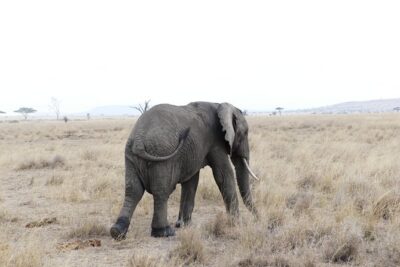
Private 6-Day Tarangire Manyara Crater and Serengeti with Mid-Range Lodges
Read our review →
5 Days Camping Tarangire, Serengeti & Ngorongoro crater & Visiting Maasai
Read our review →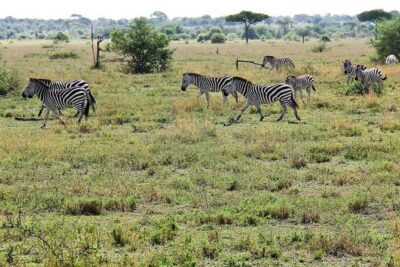
4 Days Join Group tour Tarangire Serengeti and Ngorongoro crater
Read our review →3 Day Serengeti National Park & Ngorongoro Crater Camping Safari
Read our review →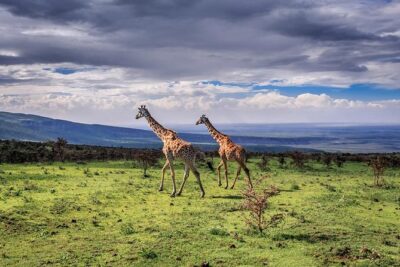
5 Days Tanzania Group Joining Safari, Tarangire/Serengeti/Ngorongoro Crater
Read our review →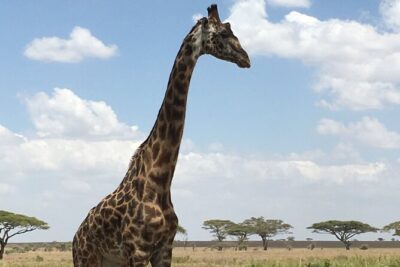
5 day safari Tarangire Serengeti and Ngorongoro crater
Read our review →Browse the lists this tour appears in