
REVIEW · ARUSHA
Tanzania Safari 10 Days- Serengeti, Lake Manyara, Ngorongoro Crater.
The biggest draw here is the range. In ten days, you move from Tarangire’s elephant herds and giant baobabs to the open Serengeti, then finish among the lions, rhinos, and hippos of Ngorongoro Crater. The route also makes room for Mto wa Mbu, Lake Eyasi, Hadzabe and Datoga communities, and a Maasai village.
I like the generous time in the Serengeti and the chance to slow down around Lake Eyasi instead of treating the safari as one long string of game drives. I also like that this is a private trip, so your group can choose between picnic lunches and returning to camp on some days. The drawback is the amount of driving, with some long transfers on rough park roads and a schedule that may feel full for anyone who prefers a slower holiday.
Key points at a glance
- Five very different settings: Tarangire, Lake Manyara, Lake Eyasi, Serengeti, and Ngorongoro each offer a distinct experience.
- Strong elephant viewing: Tarangire is known for a large elephant population, including many young animals.
- Cultural time beyond the parks: Visit Mto wa Mbu, Hadzabe and Datoga communities, and a traditional Maasai village.
- Several Serengeti game drives: You have repeated chances to look for wildebeest, zebra, gazelle, lion, cheetah, hyena, and leopard.
- A powerful final morning: The descent into Ngorongoro Crater begins at sunrise, when the crater floor is cool and active.
- Private format: Only your own group takes part, with pickup offered and confirmation provided at booking.
Why this northern Tanzania route works
This itinerary is built around contrast. Tarangire is marked by baobabs and the Tarangire River. Lake Manyara brings forest, water, birds, and the Rift Valley escarpment. Lake Eyasi shifts the focus from wildlife to people and traditional ways of life. The Serengeti opens into vast plains, while Ngorongoro compresses an astonishing amount of wildlife into an enormous volcanic crater.
That variety matters. If you book only for the Big Five, you may find the cultural days less exciting than the game drives. But if you want a fuller picture of northern Tanzania, those days help break up the routine of sitting in a safari vehicle and give you a closer look at how different communities live.
The trip begins in Arusha, Tanzania’s main safari base, with lunch at about 12:30 p.m. and a drive to Tarangire at roughly 1:30 p.m. Because the first afternoon is active, you should arrive rested and ready to spend time in the vehicle.
The tour costs $3,946.16 per person. That is a substantial price, but ten days of private guiding, park visits, game drives, accommodation, meals shown in the schedule, and long-distance transport can make it reasonable for someone who wants one organized safari rather than several separate bookings. Ask for a clear list of inclusions before paying, since the information provided does not spell out every park fee, accommodation category, transfer, or optional cost.
More Ngorongoro Crater Safaris in Arusha:
- 5-Day Highlights mid-Range Crater, Serengeti, Tarangire
★ 5.0 · 296 reviews - Private 6-Day Tarangire Manyara Crater and Serengeti with Mid-Range Lodges
★ 5.0 · 238 reviews - 5 Days Camping Tarangire, Serengeti & Ngorongoro crater & Visiting Maasai
★ 5.0 · 229 reviews
Tarangire, baobabs, and elephant families
Your first safari afternoon takes you into Tarangire National Park. The Tarangire River shapes the park, and the huge baobabs give the area a look unlike the Serengeti’s open grasslands. The trees are not just scenery. They make even a quiet game drive feel unmistakably African.
The park’s main attraction is its elephant population. You might see large herds, including many calves and young animals. The sight of smaller elephants moving close to adults gives Tarangire a family feel that is easy to appreciate, even if you are new to safari wildlife.
Zebra, giraffe, eland, impala, warthog, dik-dik, bushbuck, hartebeest, mongoose, and reedbuck are also listed for the park. Predators include lion, leopard, cheetah, hyena, and jackal, though sightings are never guaranteed.
Day two offers a useful choice. You can spend the whole day on game drives with a picnic lunch in the park, or return to your accommodation for a hot midday meal before heading out again for a sunset drive. I prefer the full-day option if wildlife is your main goal, since it avoids losing time on the road. The split schedule is better if you want a break from the vehicle and a more comfortable lunch.
Lake Manyara and the Mto wa Mbu stop
After breakfast, you drive toward Lake Manyara National Park, stopping at Mto wa Mbu village along the way. This is one of the more human-focused parts of the trip. The village is home to people from many different Tanzanian tribes, and the visit may include the market, farms, huts, and artisan shops.
Expect a busy local setting rather than a polished attraction. That is part of its value. You get a glimpse of daily trade and village life, and the stop gives context to the many communities living around the northern safari circuit. Keep an open mind and listen carefully during the visit, since cultural encounters are best approached with respect rather than as a quick photo stop.
After lunch at your accommodation, the afternoon continues with a game drive in Lake Manyara National Park. The park stretches along the base of the Rift Valley escarpment, which rises about 600 meters above the lake. The route is compact, so you can see a good range of scenery without spending the entire day driving from one end of the park to the other.
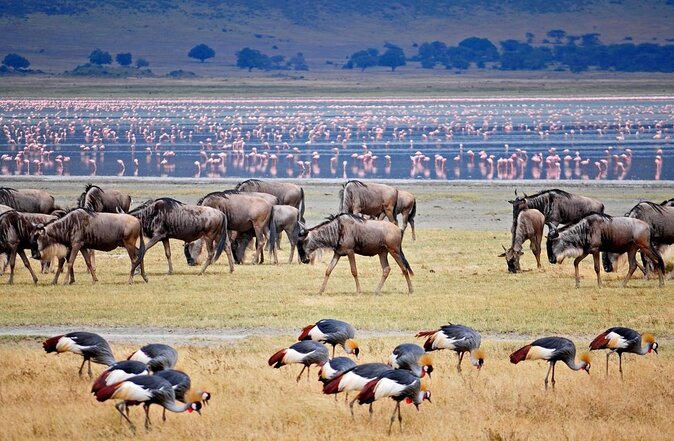
Lake Manyara is known for flamingos and pelicans, along with monkeys, elephants, giraffes, zebra, and other animals. The lake and surrounding woodland make this a different viewing experience from Tarangire. You may also find the escarpment views especially striking, but the park’s conditions change with water levels and season, so bird numbers and exact sightings can vary.
Lake Eyasi and a closer look at local cultures
Lake Eyasi is a mildly alkaline lake about 50 kilometers long. The surrounding meadows may support hippos, leopards, monkeys, and many bird species, and the Rift Valley escarpment provides a strong backdrop. This portion of the trip is less about ticking off animals and more about seeing a different side of the region.
You visit Datoga pastoralists and members of the Hadzabe community. The Hadzabe are one of Tanzania’s remaining hunter-gatherer peoples, with about 1,500 families noted in the tour information. The visit is intended to show aspects of their traditional life, including hunting and gathering practices, while the Datoga offer another view of local culture and pastoral traditions.
Day four includes a picnic lunch, and day five continues with cultural visits before lunch at camp and a late-afternoon drive to Karatu. That extra time around Lake Eyasi is a real strength. A short stop would feel rushed, while two days give you space to listen, ask questions, and understand that this is not simply another sightseeing point.
There is also a practical consideration. The cultural visits may be more demanding than a standard sightseeing tour because the setting is rural and the schedule involves moving between communities and camp. A moderate fitness level is required for the overall experience, and you should be comfortable with heat, dust, uneven ground, and long hours outside.
More Safaris in Arusha:
- 3 Day Serengeti National Park & Ngorongoro Crater Camping Safari
★ 5.0 · 142 reviews - 5 Days Tanzania Group Joining Safari, Tarangire/Serengeti/Ngorongoro Crater
★ 5.0 · 85 reviews - 5 day safari Tarangire Serengeti and Ngorongoro crater
★ 5.0 · 83 reviews - 3 Days Small Group Safari to Serengeti NP and Ngorongoro Crater Tour in Tanzania
★ 5.0 · 77 reviews
Entering the Serengeti by safari vehicle
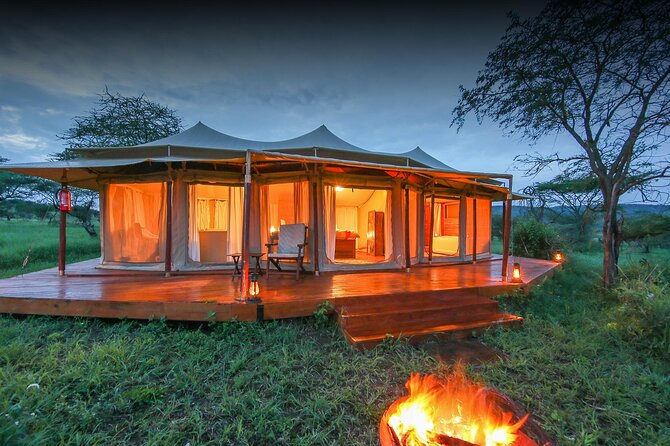
On day six, the route turns toward the Serengeti. Before entering the park, you visit a traditional Maasai village, where the chief explains the culture and shows you around the nearby boma. This offers another cultural perspective, distinct from the Hadzabe and Datoga visits.
The Serengeti is Tanzania’s oldest and most famous national park, known for huge herds and wide plains. Your vehicle becomes the main way to read this place. You watch the ground, trees, and distant animals while your guide works out where the herds may be moving.
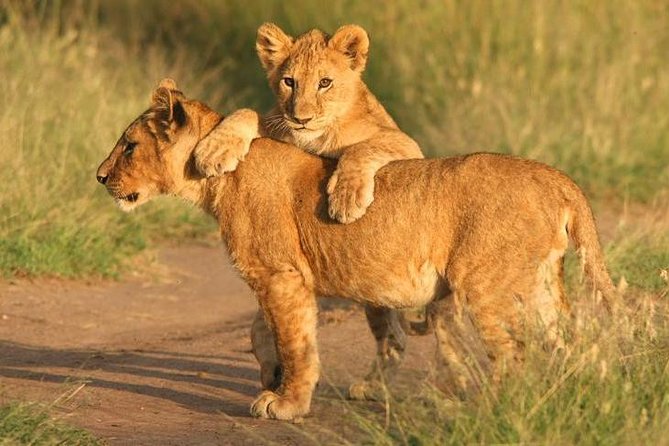
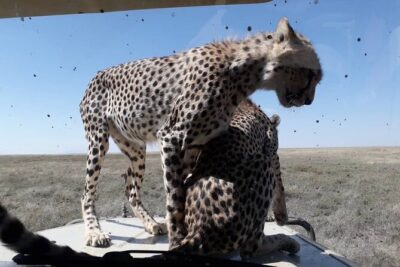
The timing of the migration depends on annual rainfall. You may see wildebeest, zebra, and gazelle in great numbers, but the exact location of the herds cannot be promised. If the migration is elsewhere, the Serengeti still supports resident wildlife and predators, including lion, leopard, cheetah, hyena, and jackal.
Several days in the park give you better odds than a single pass through. One drive may produce a close lion sighting. Another may be mostly about birds, antelope, or the changing light across the plains. That variation is normal, and it is why I consider the repeated Serengeti drives one of the strongest parts of this trip.
Sunrise drives, predators, and the balloon option
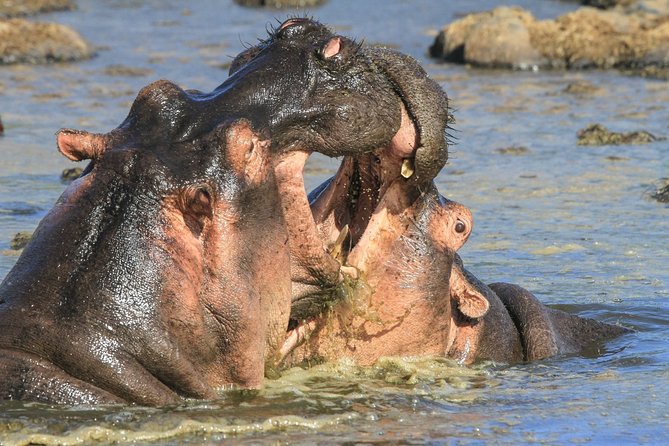
Day seven begins with a morning game drive in the eastern, southern, or northern Serengeti, depending on the season and where wildlife is moving. The plan is to reach the herds without spending the entire day chasing them. Your guide will adjust the route, but no guide can control rainfall, animal movement, or the behavior of predators.
A hot-air balloon safari is offered as an optional activity. It starts early, allowing you to watch the sunrise while looking down over the Serengeti plains. The experience is aimed at seeing the park from above, with possible views of wildebeest, buffalo, elephants, and other wildlife. Because it is optional, check the extra cost and timing before booking if this appeals to you.
Day eight focuses on the best hours for animal activity. At sunrise, grazers may still be feeding and predators may still be hunting before the heat of the day. You can return for a hot lunch or take a packed lunch to a picnic site, then continue the drive into the afternoon.
The late afternoon is a good time to look for lion, and cheetah may be seen on the open plains. These drives can be excellent for photography, but remember that a morning departure means an early start, and dust is part of the bargain. Bring a lens cloth, sun protection, and clothing you do not mind getting dirty.
The move to Ngorongoro and the crater floor
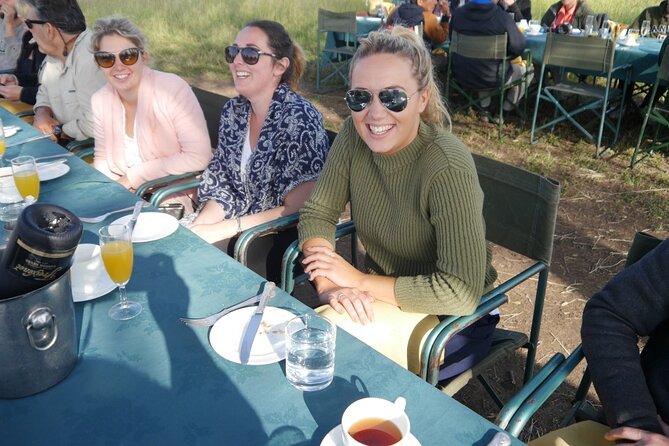
Day nine includes another morning drive in the Serengeti, followed by lunch and a transfer toward the Ngorongoro Conservation Area. After arrival, you settle into the accommodation while dinner is prepared.
The change from Serengeti to Ngorongoro is dramatic. The Serengeti spreads outward, while the crater gathers wildlife into a contained natural basin. The crater rim reaches about 7,500 feet above sea level, and the descent to the floor drops about 600 meters.
Day ten begins early with that descent. The crater is home to an estimated 30,000 animals, including some of Tanzania’s remaining black rhinos. You may also see wildebeest, zebra, buffalo, eland, warthog, hippo, and elephant.
Predators are a major reason for the visit. Lions, hyenas, jackals, cheetahs, and sometimes leopard inhabit the crater. The Lerai Forest, with its yellow-barked acacias, is a place to look for elephants and perhaps black rhino.
Ngorongoro can feel crowded with safari vehicles, especially compared with the wide-open Serengeti. In return, the wildlife density can be excellent, and the crater walls create a remarkable setting. This is the kind of morning when patience pays off. A black rhino may be distant, and a leopard may require a trained eye, so listen to your guide and keep your binoculars ready.
Guiding, vehicle time, and the private format
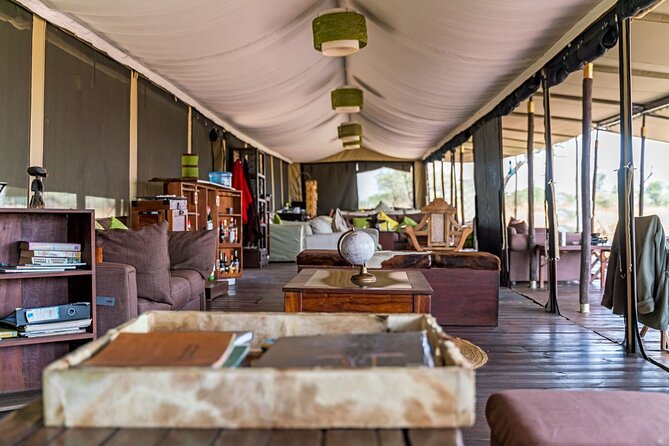
The trip is operated by Premium Safaris Africa, and Manase is identified as a key contact connected with the company. Freddy is also named in connection with a ten-day safari experience. The information does not specify which guide will lead your particular departure, so ask for the guide’s name and vehicle details before you go.
A private safari changes the daily rhythm. You are not sharing the vehicle with strangers, and the group can choose between a full-day drive with a picnic and a return to the accommodation for a hot lunch on days where that option is offered. This is especially useful for photographers, families, and anyone who wants a quieter vehicle.
The tradeoff is that private travel costs more per person than joining a larger group. At nearly $4,000 per person, the value depends on the quality of the vehicle, guide, accommodation, meals, park fees, and airport or hotel transfers included. Ask those questions directly. The booking information confirms pickup is offered, but does not list every transfer point.
The schedule also involves long stretches on safari roads. You should be comfortable sitting in a vehicle for several hours, getting up early, and handling basic physical demands. A moderate fitness level is requested.
Who should book this safari?
I would choose this trip if you want a broad introduction to northern Tanzania and do not want to rush from one famous park to the next. It suits people who want both wildlife and cultural visits, and it gives the Serengeti enough time to feel like more than a brief drive-through.
It is also a good fit for a private group that values control over the day. Families and small groups may appreciate the flexible lunch choices, while photographers will benefit from multiple sunrise and sunset drives.
I would hesitate if your only goal is the migration. The herds follow rain, and the itinerary does not promise a specific migration location or month. I would also hesitate if you dislike long road transfers, dusty conditions, or early starts.
Free cancellation is available when you cancel at least 24 hours before the experience begins. Changes or cancellations made inside that period are not accepted for a refund.
Should you book it?
Book this safari if you want wildlife, village visits, and several days in the Serengeti rather than a short park sampler. Tarangire’s elephants, Lake Eyasi’s cultural focus, the Serengeti’s predators, and Ngorongoro’s concentrated wildlife give the route a strong mix.
Before booking, confirm the exact accommodation, vehicle, guide, park fees, airport transfers, and cost of the optional balloon ride. If those details match your budget, the private format and ten-day route offer a thoughtful way to see northern Tanzania without trying to cram everything into a week.
FAQ
Where does the safari start?
The safari starts in Arusha, Tanzania. The first day includes lunch in Arusha at about 12:30 p.m., followed by a drive to Tarangire National Park at approximately 1:30 p.m.
Which national parks and protected areas are included?
The route includes Tarangire National Park, Lake Manyara National Park, Serengeti National Park, and the Ngorongoro Conservation Area. It also includes time around Lake Eyasi.
Will I visit local communities?
Yes. The schedule includes Mto wa Mbu village, visits with Hadzabe and Datoga communities near Lake Eyasi, and a visit to a traditional Maasai village before entering the Serengeti.
Is the tour private?
Yes. Only your own group participates in the private tour or activity.
Is a hot-air balloon safari included?
No. A hot-air balloon safari in the Serengeti is listed as an optional activity, so you should confirm its additional price and arrangements before booking.
What is the cancellation policy?
You can cancel for a full refund if you do so at least 24 hours before the experience start time. Cancellations or changes made less than 24 hours before the start time are not accepted for a refund.
Just added around Arusha
- 4 Days Private Safari – Tarangire, Serengeti & Ngorongoro Crater★ 5.0 · 28 reviews
- 3Days luxury safari to Tarangire Ngorongoro crater and Manyara★ 5.0 · 16 reviews
- Elephant Special Serengeti & Ngorongoro Crater 5 Days / 4 Nights★ 5.0 · 21 reviews
- 4 Days Tanzania Safari Tarangire, Serengeti and Ngorongoro Crater★ 4.5 · 16 reviews
- 03 days Serengeti and Ngorongoro Crater group (camping)★ 5.0 · 75 reviews
- Private Group Serengeti Safari, Crater & Tarangire National Park★ 5.0 · 5 reviews
- Small Group Serengeti and Ngorongoro Crater Adventure Safari★ 5.0 · 7 reviews
- 3 Days Serengeti Park & Ngorongoro Crater Adventure Safari★ 5.0 · 8 reviews
Arusha Volcano Tours, compared.
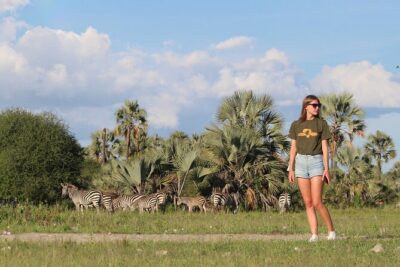
5-Day Highlights mid-Range Crater, Serengeti, Tarangire
Read our review →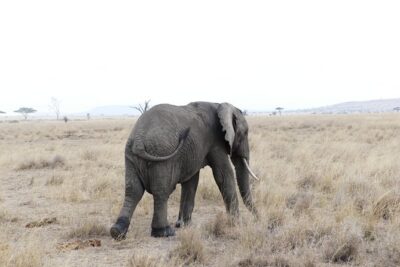
Private 6-Day Tarangire Manyara Crater and Serengeti with Mid-Range Lodges
Read our review →
5 Days Camping Tarangire, Serengeti & Ngorongoro crater & Visiting Maasai
Read our review →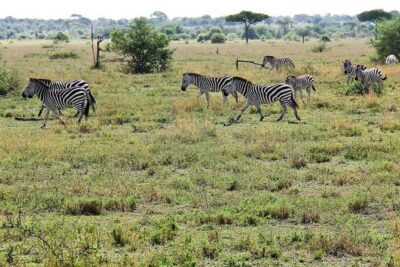
4 Days Join Group tour Tarangire Serengeti and Ngorongoro crater
Read our review →3 Day Serengeti National Park & Ngorongoro Crater Camping Safari
Read our review →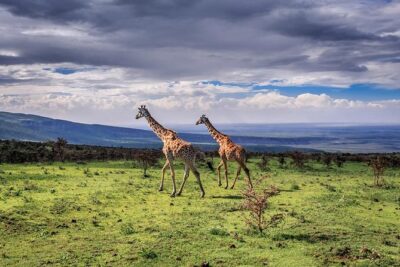
5 Days Tanzania Group Joining Safari, Tarangire/Serengeti/Ngorongoro Crater
Read our review →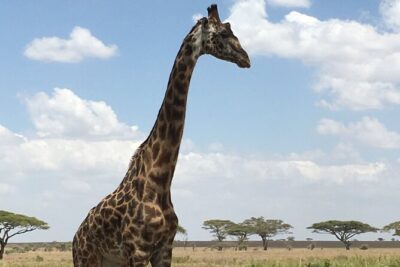
5 day safari Tarangire Serengeti and Ngorongoro crater
Read our review →Browse the lists this tour appears in