
REVIEW · ARUSHA
4 Days Private Safari – Tarangire, Serengeti & Ngorongoro Crater
Tarangire is the quick opener, but the real prize is the sweep of the Serengeti and the wildlife-packed floor of Ngorongoro Crater. In four days, you get three of northern Tanzania’s major safari areas, with time for elephants, lions, hippos, buffalo, zebra, and perhaps the full Big Five.
I like the excellent mix of habitats and the fact that park fees, meals, camping gear, and hotel pickup are included. I also like the chance to travel with a guide such as Penda, Joseph, Miraji, or Erasto, names repeatedly connected with safe driving, animal spotting, and clear explanations. The main drawback is the pace: long road days and basic public campsites can feel tiring, and the advertised start times need confirming.
Key points at a glance
- Tarangire’s elephant country: Baobabs, acacia woodland, river areas, and southern swamps draw large herds during the dry season.
- Serengeti’s Seronera area: The central park offers strong wildlife viewing around the Seronera River and open plains.
- Ngorongoro in one morning: A five-hour crater drive gives you a focused chance to see rhino, lions, hippos, buffalo, and more.
- Camping is part of the deal: You sleep in waterproof two-person tents with mosquito nets, with camping equipment supplied.
- Meals and fees are included: Four lunches, three breakfasts, three dinners, and park fees reduce extra costs.
- A real road safari: Expect long transfers, rough sections, and a busy schedule rather than a relaxed lodge holiday.
Three famous parks in four demanding days
This is a compact northern Tanzania safari built around wildlife rather than comfort. You start in Arusha, visit Tarangire, cross into the Serengeti through the Ngorongoro Conservation Area, then finish with a crater drive before returning to Arusha.
At $1,500 per person, the price is not cheap, but it covers the costly parts of a safari: park fees, transport, meals, camping equipment, and guiding. The value comes from seeing three major destinations in a short period. A longer safari would give you more time in each park and less time on the road, but this plan works well if you have only four days.
The word private needs a little care here. The activity is described as private, yet one past party of 12 used two safari vehicles, and another booking joined a second couple after starting with a smaller party. Ask exactly how many people will be in your vehicle, and if the $1,500 price applies to a fully private vehicle or a small shared group.
More Ngorongoro Crater Safaris in Arusha:
- 5-Day Highlights mid-Range Crater, Serengeti, Tarangire
★ 5.0 · 296 reviews - Private 6-Day Tarangire Manyara Crater and Serengeti with Mid-Range Lodges
★ 5.0 · 238 reviews - 5 Days Camping Tarangire, Serengeti & Ngorongoro crater & Visiting Maasai
★ 5.0 · 229 reviews
Tarangire begins with elephants and baobabs
Pickup is listed for 8:30 in the morning, followed by the drive to Tarangire National Park. Another part of the booking information gives a 12:30 am start time, which does not match the day plan. Confirm the pickup hour before you pay or arrive, especially if you are arranging a hotel night around it.
Tarangire is a good first park because it offers a clear change from Arusha’s urban setting. The park has acacia woodland, giant African baobabs, and broad swamp areas in the south. During the dry season, animals gather around the river and swamps, giving you a better chance of seeing wildlife in one part of the park.
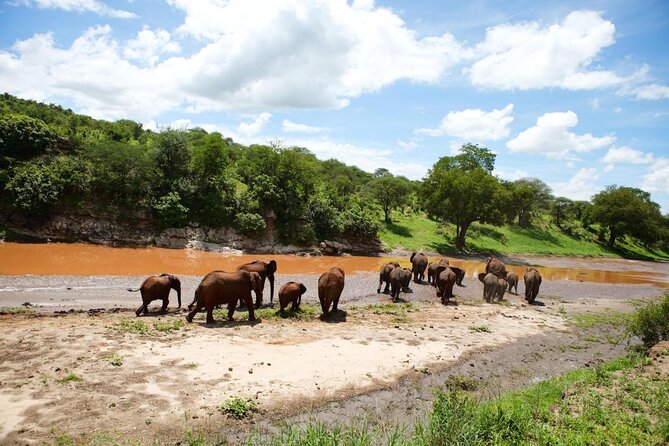
This is especially strong elephant country. The park is known for some of Africa’s largest elephant herds, so you may see family groups moving between trees and water. The park also has a chance of rare species such as Greater Kudu, fringed-eared oryx, and Ashy Starling. These sightings are not guaranteed, but they give the day more range than a simple search for lions.
You get a full-day game drive with a picnic lunch. That means a long day in the vehicle, but it also gives you time to watch animal behavior instead of rushing through a short afternoon visit. If you want a safari with frequent stops and varied scenery from the start, Tarangire does that well.
The road to Seronera is part of the adventure
After breakfast on day two, you travel through the high farmland around Karatu and the Ngorongoro Conservation Area before descending toward the Serengeti. This transfer is one of the longest and most scenic parts of the route, but it can also be tiring. The roads are rough in places, and the schedule leaves little spare time.
The reward is the sudden shift into the open plains of the Serengeti. The central Seronera area is a practical base because the Seronera River attracts many kinds of wildlife. You arrive around lunchtime, then head out for an afternoon drive.
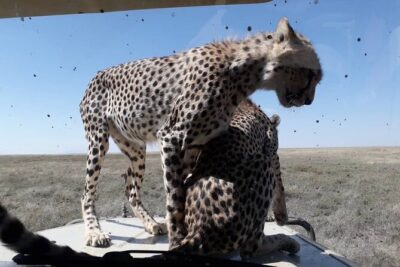
Seronera is a strong place to look for lions, leopards, cheetahs, hyenas, buffalo, elephants, giraffes, zebra, and wildebeest. You may also see hippos and large birds such as ostriches. One four-day party reported ten lions, about thirty hippos, four hyenas, roughly thirty ostriches, and a cheetah, a reminder of how much wildlife can appear during a good run of sightings.
Still, a safari is never a wildlife checklist. You could see several predators in one afternoon, or spend hours scanning open ground. Your guide matters greatly here. Joseph was praised for safe driving and persistent animal spotting, while Penda was noted for explaining animals, birds, and trees in detail. Guides cannot control nature, but a skilled driver can read tracks, listen to radio information, and position the vehicle sensibly.
A short final Serengeti drive before Ngorongoro
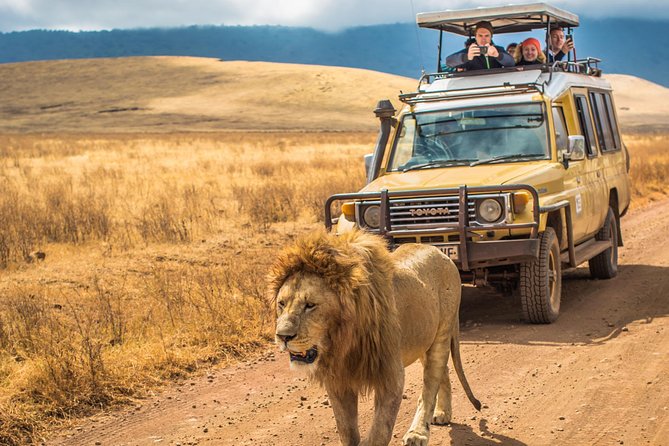
Day three starts early with breakfast and a final morning drive in the Serengeti. This is a smart use of the schedule. Early hours often give you one more chance at predators before you leave the park, and the cooler conditions can make the drive more pleasant.
You then travel toward the Ngorongoro Conservation Area, with a game drive along the route and a picnic lunch. The distinction between Ngorongoro and a national park matters. The conservation area is managed for wildlife and the local Maasai people, who graze cattle in the area.
That shared use gives this part of the trip a different character. You are not seeing a wildlife zone separated entirely from human life. Maasai communities and livestock are part of the setting, alongside wild animals and protected habitats. The experience is not a dedicated cultural visit, but you can gain a better sense of how conservation and local livelihoods exist side by side.
The day involves another substantial transfer. If you prefer slow mornings, comfortable lodges, and plenty of time at one site, this plan may feel too compressed. If you want to connect the Serengeti and crater in one journey, it is an efficient route.
More Safaris in Arusha:
- 3 Day Serengeti National Park & Ngorongoro Crater Camping Safari
★ 5.0 · 142 reviews - 5 Days Tanzania Group Joining Safari, Tarangire/Serengeti/Ngorongoro Crater
★ 5.0 · 85 reviews - 5 day safari Tarangire Serengeti and Ngorongoro crater
★ 5.0 · 83 reviews - 3 Days Small Group Safari to Serengeti NP and Ngorongoro Crater Tour in Tanzania
★ 5.0 · 77 reviews
Ngorongoro Crater packs wildlife into five hours
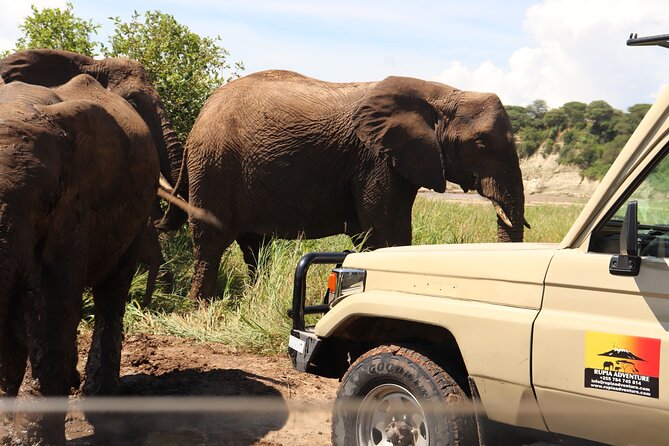
On day four, you descend into Ngorongoro Crater after breakfast for about five hours of game viewing. The crater is a huge natural enclosure with permanent water and grazing areas, so it supports a high concentration of animals throughout the year.
The crater floor can offer herds of wildebeest, zebra, buffalo, eland, warthog, hippo, and elephant. It is also known for predators, including lions, hyenas, jackals, cheetahs, and the hard-to-find leopard. Black rhino are among the most prized possible sightings.
The crater is particularly useful for a short safari because wildlife is concentrated within a defined area. You do not need to cover the immense distances of the Serengeti to find a range of species. Five hours is enough for a substantial visit, though not enough to see everything or wait indefinitely for a shy animal.
You stop for a picnic lunch on the crater floor, then drive back to Arusha in the late afternoon. This final transfer can be long, so do not plan an important evening flight or fixed appointment without allowing a generous cushion.
Camping keeps the price within reach
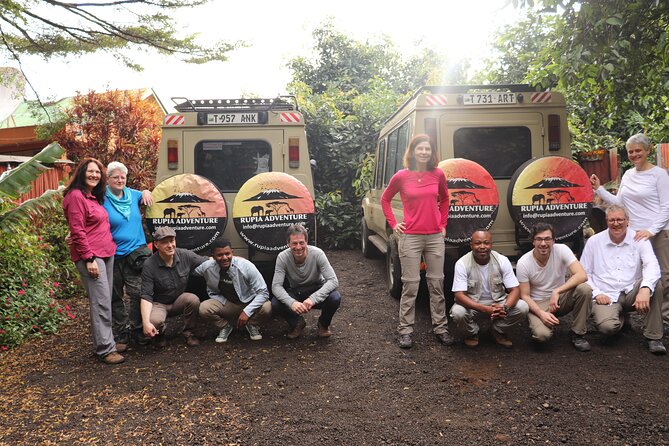
The included accommodation is basic public camping, in sites located inside or outside the parks. You sleep in waterproof two-person tents with mosquito nets, and camping equipment is included.
That arrangement helps keep the cost below many lodge-based safaris. It also places you closer to the outdoor side of the trip, with more dependence on weather, camp conditions, and the quality of the supplied gear. You should choose this trip because you accept camping as part of the safari, not because you expect a lodge with polished facilities.
One person booked a lodge option instead and paid extra. That suggests an upgrade may be possible, but the added price and exact lodge category must be agreed in advance. Ask about tent setup, mattresses, showers, toilets, and whether the campsite is inside or outside each park. Those details make a big difference after a full day on rough roads.
The food plan is useful and clear: three breakfasts, four lunches, and three dinners are included. Several past trips singled out cook David for fresh, good meals. Even so, ask about dietary needs before departure, since the supplied information does not specify special-diet arrangements.
Guides can make or break the safari
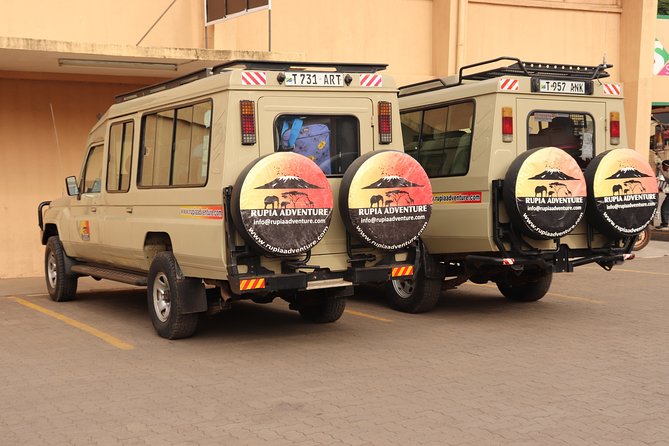
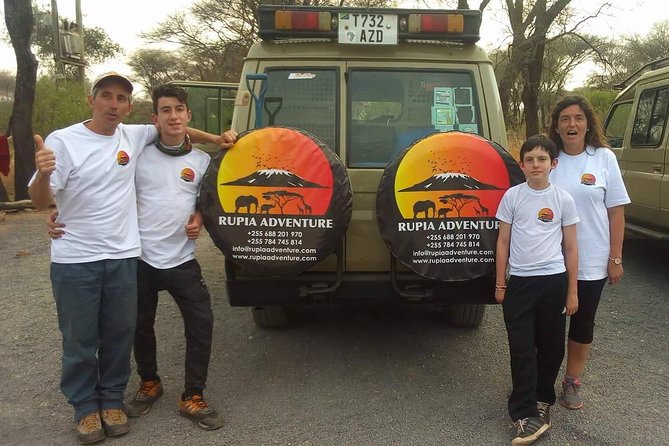
The strongest part of the operation appears to be the field team. Penda was praised for explaining animals, birds, and trees. Joseph was described as a careful driver who kept looking for requested animals. Miraji and Erasto were also associated with friendly service, wildlife explanations, and safe driving.
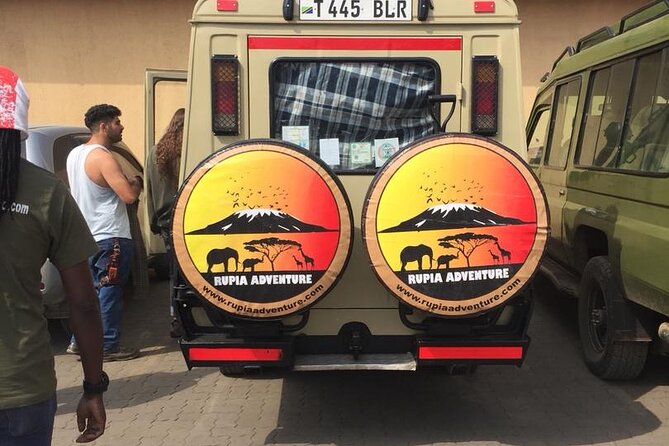
These details matter more than a glossy vehicle photograph. You spend many hours beside your guide, asking questions, watching animals, and bouncing over uneven roads. A patient guide can turn a long drive into a lesson in ecology. A poor guide can make the same road feel like a chore.
There is one serious warning in the available record: one booking reported a vehicle in poor condition, repeated stops, weak equipment, and bad logistics. That complaint conflicts with the many positive comments about drivers and vehicles, but it should not be ignored. Ask how old the vehicle is, how many seats it has, what happens if it breaks down, and who will be your guide and cook.
Communication before departure has generally been described as responsive, with Matt helping arrange details and answering questions. Payment problems involving Tanzanian banks were also reported, so confirm the accepted payment method and final price in writing.
What the $1,500 price really buys
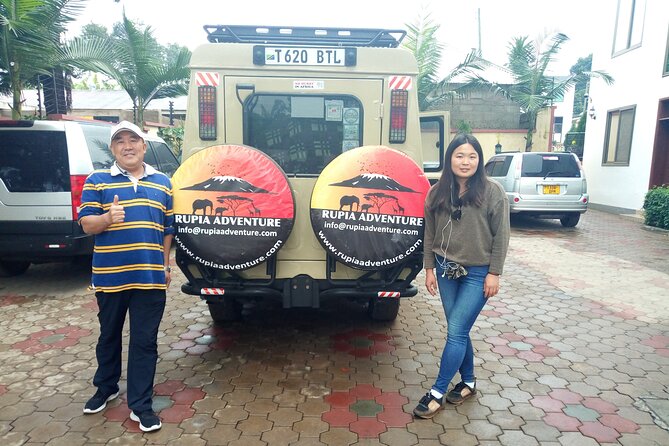
At $1,500 per person, you are paying for access to three highly sought-after safari areas in a short period. Included park fees are valuable, as are four lunches, three breakfasts, three dinners, camping gear, and transport from Arusha.
The price is strongest for someone who wants the classic northern circuit without arranging each park separately. You get Tarangire’s elephants, the Serengeti’s open plains, and Ngorongoro’s concentrated wildlife in one package.
The tradeoff is comfort and time. Public campsites are simpler than lodges. The drive from Tarangire through Ngorongoro to the Serengeti takes time, and the return to Arusha after the crater makes the last day lengthy. Tips are not included, so budget separately for the guide, cook, or other staff if you feel the service deserves it.
The package has received a 4.9 rating from 28 ratings, with 96 percent recommending it. That is a strong signal, but it does not erase the need to confirm vehicle condition, group size, accommodation, and pickup time.
Who should book this safari
I would choose this trip if you want a classic northern Tanzania sampler and can handle early starts, long drives, camping, and uneven roads. It suits first-time safari visitors who want a broad introduction without spending a week or more on the road.
It is also a good fit for people who care more about wildlife variety than polished accommodation. The chance to see four or even all five of the Big Five is attractive, but no guide can promise specific sightings.
I would hesitate if you need a quiet pace, reliable luxury, or a fixed schedule. Families with young children, people with back problems, or anyone who dislikes rough road travel should ask detailed questions before booking. A lodge upgrade or a longer itinerary may be worth the extra money.
Should you book it?
Book this safari if the three-park route matters more to you than comfort. Tarangire, Serengeti, and Ngorongoro each offer a different setting, and the included meals, park fees, tents, and guide make the package practical for a short visit.
Before committing, get four points confirmed: the correct pickup time, the number of people in your vehicle, the vehicle’s condition, and the exact camping or lodge arrangement. If those answers suit you, $1,500 can buy an efficient and memorable introduction to Tanzania’s northern parks. If you want more time with wildlife and less time driving, spend the extra days.
FAQ
Where does the safari begin?
The safari begins in Arusha, Tanzania, with pickup offered from your hotel.
How long does the safari last?
The experience lasts approximately four days.
Which parks and conservation areas are included?
The route includes Tarangire National Park, Serengeti National Park, the Ngorongoro Conservation Area, and Ngorongoro Crater.
Is accommodation included?
Yes. The listed accommodation uses waterproof two-person tents with mosquito nets, and camping equipment is included. Public campsites may be inside or outside the parks.
Which meals are included?
The package includes three breakfasts, four lunches, and three dinners.
Are park fees and taxes included?
Yes. All fees and taxes are included in the listed package.
What is the cancellation policy?
You can cancel for a full refund if you cancel at least three full days before the experience start time. Cancellations or changes made less than three full days in advance are not refunded or accepted.
More 4-Day Experiences in Arusha
- 4 Days Join Group tour Tarangire Serengeti and Ngorongoro crater
★ 5.0 · 219 reviews - 4 Days Tarangire Serengeti Ngorongoro Crater
★ 5.0 · 117 reviews - 4 Day Ngorongoro Crater Tarangire and Serengeti National Park
★ 5.0 · 44 reviews - 4 Days lodge safari Tarangire , Ngorongoro crater & Walking
★ 5.0 · 39 reviews
Just added around Arusha
- 3Days luxury safari to Tarangire Ngorongoro crater and Manyara★ 5.0 · 16 reviews
- Elephant Special Serengeti & Ngorongoro Crater 5 Days / 4 Nights★ 5.0 · 21 reviews
- Tanzania Safari 10 Days- Serengeti, Lake Manyara, Ngorongoro Crater.★ 5.0 · 4 reviews
- 4 Days Tanzania Safari Tarangire, Serengeti and Ngorongoro Crater★ 4.5 · 16 reviews
- 03 days Serengeti and Ngorongoro Crater group (camping)★ 5.0 · 75 reviews
- Private Group Serengeti Safari, Crater & Tarangire National Park★ 5.0 · 5 reviews
- Small Group Serengeti and Ngorongoro Crater Adventure Safari★ 5.0 · 7 reviews
- 3 Days Serengeti Park & Ngorongoro Crater Adventure Safari★ 5.0 · 8 reviews
Arusha Volcano Tours, compared.
5-Day Highlights mid-Range Crater, Serengeti, Tarangire
Read our review →
Private 6-Day Tarangire Manyara Crater and Serengeti with Mid-Range Lodges
Read our review →
5 Days Camping Tarangire, Serengeti & Ngorongoro crater & Visiting Maasai
Read our review →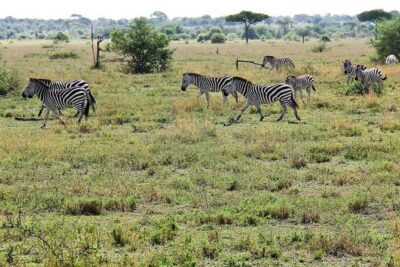
4 Days Join Group tour Tarangire Serengeti and Ngorongoro crater
Read our review →3 Day Serengeti National Park & Ngorongoro Crater Camping Safari
Read our review →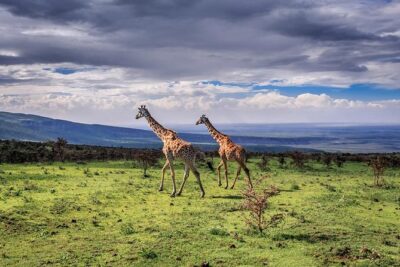
5 Days Tanzania Group Joining Safari, Tarangire/Serengeti/Ngorongoro Crater
Read our review →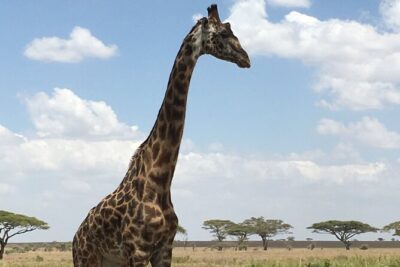
5 day safari Tarangire Serengeti and Ngorongoro crater
Read our review →Browse the lists this tour appears in