
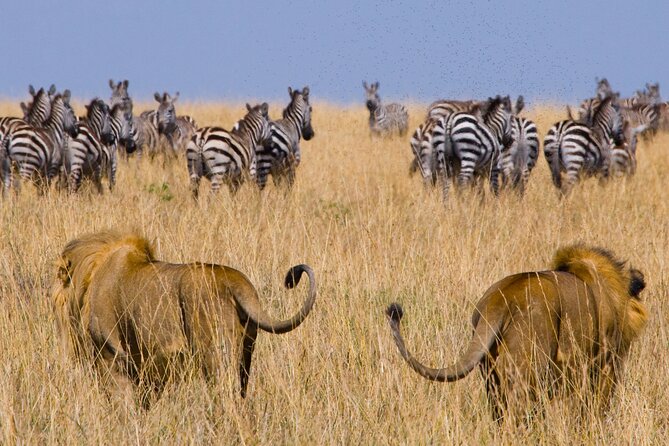
REVIEW · ARUSHA
Affordable 3-Day Safari to Serengeti & Ngorongoro Crater
The big draw is the chance to see Serengeti wildlife and Ngorongoro Crater in only three days. You get long game drives, picnic lunches, two nights of camping, and a real shot at seeing lions, elephants, buffalo, zebra, wildebeest, and perhaps the rare black rhino.
I like the strong value at $780 per person, especially with camping equipment, a professional guide, and six meals included. I also like the human touch from Shebbie, who has helped solo visitors, families, and last-minute bookers shape their plans around flights and budgets.
The catch is the schedule. Arusha to Serengeti is a long drive, and this is a camping safari, not a lodge holiday. Public or economy camps require flexibility, and wildlife sightings are never promised, even in parks famous for them.
Key points at a glance
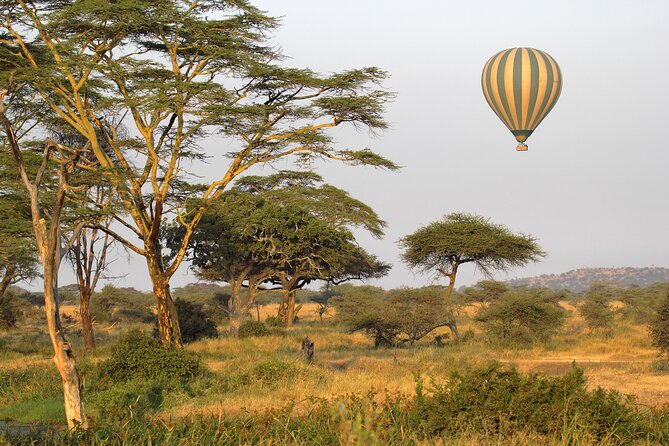
- The Great Migration setting: Serengeti’s open plains are home to enormous herds of wildebeest, zebra, and gazelles moving along ancient grazing routes.
- Two major parks in three days: You visit Serengeti first, then spend the final day in Ngorongoro Crater.
- Budget-friendly camping: Camping equipment, two breakfasts, two dinners, and three lunches are included.
- A strong chance at the Big Five: Ngorongoro is especially good for buffalo, lions, elephants, zebra, wildebeest, and possible black rhino sightings.
- Helpful trip planning: Shebbie from Vision Safari & Tours has arranged custom plans, Zanzibar connections, airport pickup, and mid-range upgrades for some customers.
- Early start and long drives: Meet at Meru House Inn in Arusha at 6 a.m., and expect substantial time on the road.
Why this safari works for a short Tanzania trip
This is a compact route through two of northern Tanzania’s most famous wildlife areas. You do not spend three days in one park. Instead, you trade some relaxed pacing for variety: the wide Serengeti plains on the first two days, followed by Ngorongoro’s enclosed wildlife basin.
At $780 per person, the price is appealing for anyone who wants a classic safari without paying lodge rates. Camping keeps the bill down, while the package includes the main practical items: equipment, meals, park visits, and a professional guide.
The price needs to be read in context. International flights, tips, personal items, and round-trip airport transfers are not included. You also need to be comfortable with a basic camping setup. One account of this trip describes economy or public camps as requiring plenty of adjustment, while another notes that a personal cook served groups of no more than six. Ask for the current group arrangement and camping standard before paying.
The company has also handled more tailored plans. Shebbie has organized trips for solo women, two families with children, and people arriving from Zanzibar. That makes this a useful option if you want a budget safari but still need help fitting it around a larger Tanzania itinerary.
More Ngorongoro Crater Safaris in Arusha:
- 5-Day Highlights mid-Range Crater, Serengeti, Tarangire
★ 5.0 · 296 reviews - Private 6-Day Tarangire Manyara Crater and Serengeti with Mid-Range Lodges
★ 5.0 · 238 reviews - 5 Days Camping Tarangire, Serengeti & Ngorongoro crater & Visiting Maasai
★ 5.0 · 229 reviews
Day 1: the long road from Arusha to Serengeti
Your meeting point is Meru House Inn on Sokoine Road in Arusha. Departure is set for 6 a.m., so arrange breakfast ahead of time or confirm what is practical before you leave. The early start matters because the drive to Serengeti takes about six hours according to the planned schedule, and you still want time for an afternoon game drive.
The journey is not a quick transfer. You are giving up much of the morning to reach the park, but that is the tradeoff for seeing Serengeti on a three-day budget. Your driver-guide explains wildlife and the scenery along the route, turning the road section into part of the safari rather than dead time.
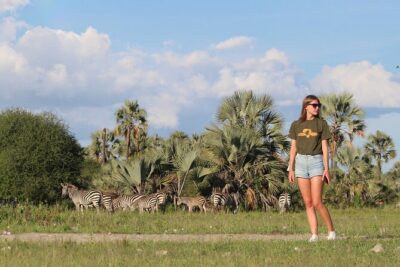
After arrival, the focus shifts to the open plains. The Serengeti is known for large herds of wildebeest, zebra, and gazelles, particularly during the Great Migration. Depending on the season and animal movements, you might see herds spread across the grasslands or find predators waiting near them.
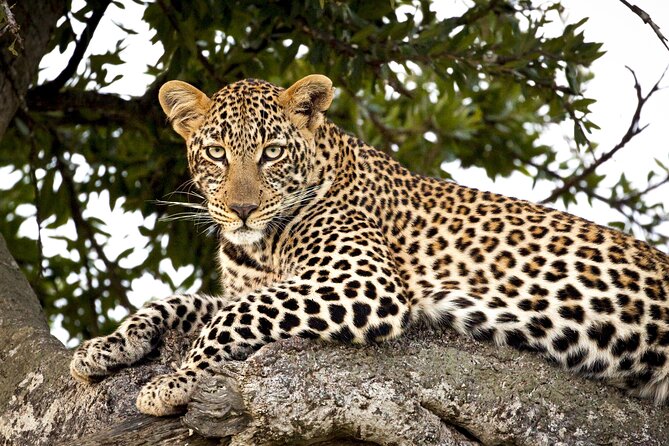
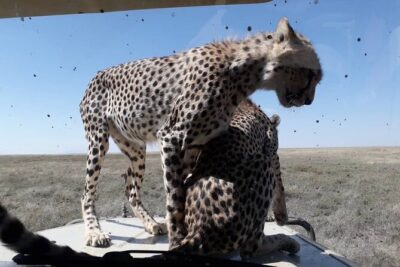
Lions are a key possibility. The schedule specifically points to prides resting in shade, and the park also supports elephants, giraffes, and many bird species. Your guide’s skill in spotting animals matters here. You may be looking across a huge open area, while a trained eye notices movement, a shape under a tree, or a distant group of animals.
Lunch is a picnic during the day-long game drive. That saves time and keeps you out in the park, but it also means this is not a leisurely lunch stop. Bring patience, sun protection, and a willingness to eat outdoors.
You spend the night at Seronera Campsite. Camping near the central Serengeti area puts you closer to the next day’s activity, but you should expect simple conditions. This is the part of the trip where a practical attitude helps most. The reward is a night close to the sounds and setting of the park, rather than a costly lodge room.
Serengeti wildlife: what you may actually see
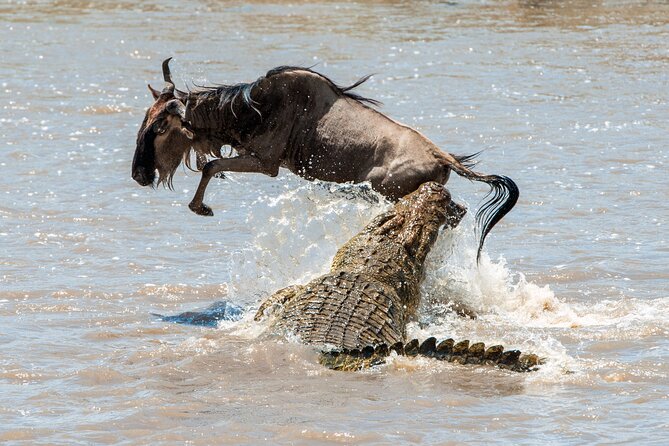
The Serengeti section is built around the possibility of large-scale animal movement. Millions of wildebeest, zebra, and gazelles follow old routes in search of fresh grazing. The exact location of the herds changes, so the Great Migration is not a fixed attraction waiting at one viewpoint.
That uncertainty is normal. You can have a superb safari without seeing the main migration crossing, since the park also supports lions, elephants, giraffes, buffalo, and a wide range of birds. A good guide helps you make the most of the animals and scenery present on the day.
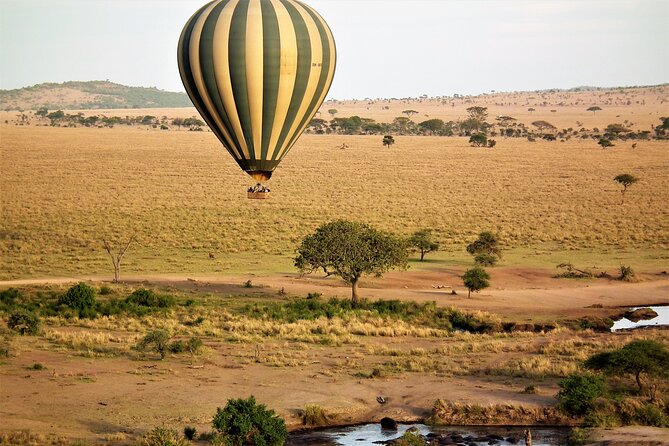
The schedule also mentions optional ideas such as a sunrise hot-air balloon ride and Maasai rock paintings at Lobo. Do not assume these are part of the $780 package. They are presented as possible Serengeti activities, not included features. If one matters to you, ask about availability and added cost before booking.
The two six-hour Serengeti entries in the plan can look repetitive on paper, but they point to the amount of time devoted to game viewing. The first day includes the approach and afternoon drive. Day 2 begins with another morning drive before the route heads toward Ngorongoro.
Day 2: morning game drive and transfer to the crater rim
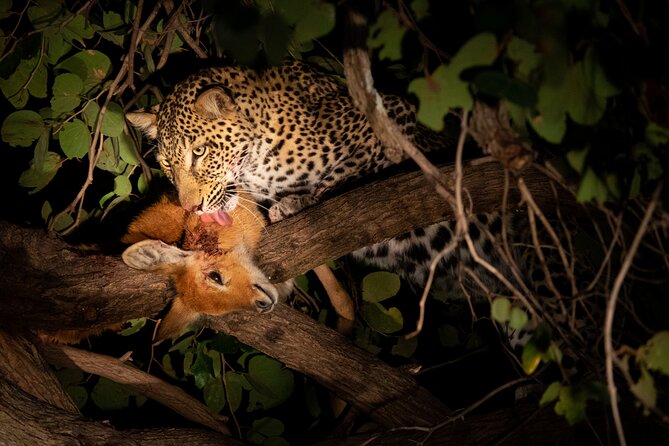
Day 2 starts with a morning game drive in Serengeti. Early hours often offer good conditions for wildlife watching, and the schedule gives you another chance to find predators, grazing herds, and smaller animals before leaving the park.
After an early lunch, you drive toward Ngorongoro. This is another long road section, with the guide explaining wildlife and natural features along the way. You should not book this trip expecting hours of rest between game drives. The route is efficient, but it is busy.
The overnight stop is Ngorongoro Simba Campsite on the crater rim. The location is important because it places you near the crater for the final day. It also gives you a change of setting after the wide Serengeti plains.
The crater rim can be cool, particularly compared with the warmer plains below. The provided information does not specify temperatures or particular camping facilities, so pack layers and confirm what equipment is supplied. Camping equipment is included, but personal items are not.
This is also the night to confirm the next morning’s plan with your guide. You will need to collect your picnic lunch and prepare for a full day inside the crater before returning to Arusha.
More Safaris in Arusha:
- 3 Day Serengeti National Park & Ngorongoro Crater Camping Safari
★ 5.0 · 142 reviews - 5 Days Tanzania Group Joining Safari, Tarangire/Serengeti/Ngorongoro Crater
★ 5.0 · 85 reviews - 5 day safari Tarangire Serengeti and Ngorongoro crater
★ 5.0 · 83 reviews - 3 Days Small Group Safari to Serengeti NP and Ngorongoro Crater Tour in Tanzania
★ 5.0 · 77 reviews
Day 3: Ngorongoro Crater and the search for black rhino
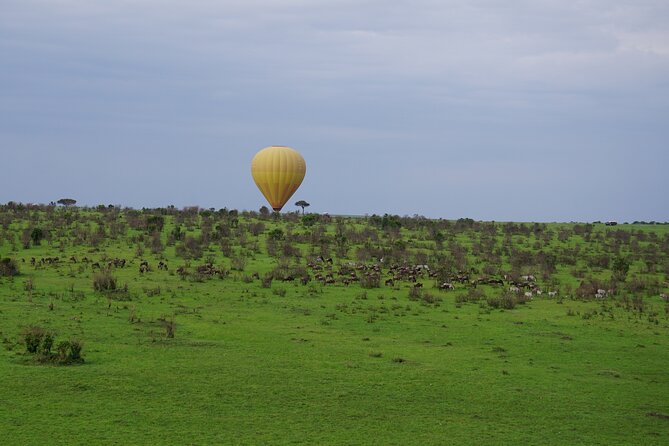
After breakfast, you collect your picnic lunch and descend for the crater visit. Ngorongoro Crater formed when a huge volcano erupted and collapsed roughly two million years ago. Its high walls help create a contained wildlife area with grasslands, forest, and a soda lake.
The crater is famous for its concentration of animals. You might see lions, buffalo, zebra, wildebeest, elephants, and other species within the same broad area. The compact setting can make wildlife viewing feel different from Serengeti, where animals may be spread across much larger distances.
The black rhino is the special target here. Ngorongoro offers one of the better chances in Africa to see this rare animal, but no guide can promise a sighting. Keep your expectations realistic and enjoy the wider range of wildlife even if the rhino stays out of view.
The crater’s natural shape is part of the appeal. You are not only watching animals. You are looking across a volcanic basin with tall walls, open grass, wooded sections, and water. That variety helps explain why the crater supports so many species in one area.
After the crater drive, your guide transfers you back to Arusha. The itinerary says the activity ends at the original meeting point, Meru House Inn. This makes the safari practical if you are continuing from Arusha, though the final drive adds to an already full day.
Camping, meals, and the real level of comfort
The package includes camping equipment, two dinners, two breakfasts, and three lunches. Picnic lunches are part of the daily rhythm, so you can spend more time on game drives rather than returning to a dining room.
The meals are useful inclusions, but the information does not describe menus, dietary arrangements, tents, bedding, showers, or toilets. If you have allergies or specific food needs, ask before booking. Do not assume that camping equipment means lodge-style comfort.
The experience is best suited to someone who values time in the parks over polished accommodation. One trip arrangement used a personal cook for a group of up to six, while another focused on economy or public camps. Group arrangements can vary, so ask whether your departure is private, shared, or part of a small group.
The advertised maximum is 100 participants, but that does not tell you the size of your safari vehicle or camping group. Clarify this point. A smaller vehicle group usually makes it easier to hear the guide and share wildlife sightings, while a larger operation may offer a lower price.
Guide support and personal planning
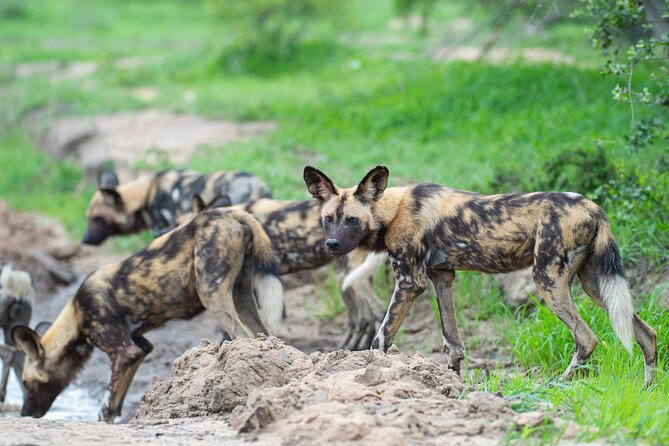
The driver-guide is central to this trip. You spend many hours in the vehicle, and the guide handles wildlife spotting, route decisions, park explanations, and the long transfers between destinations.
The available feedback gives Shebbie particular credit for quick communication and flexible planning. Shebbie has helped arrange a safari at short notice, organized a plan around a solo woman’s needs, and assisted with flights from Zanzibar and pickup. Shebbie is described as an agent rather than necessarily the driver-guide, so confirm who will lead your vehicle.
That distinction matters. If you have questions about language, vehicle setup, group size, or the guide’s experience, ask directly before departure. The strongest part of a safari is often the person who notices animals, explains behavior clearly, and keeps the day moving without rushing you.
Families have also used this route, including two families with children. The long drives and camping conditions still require patience, but the combination of open-air game drives and close animal viewing can work well for older children. The supplied information says most people can participate, but it does not give an age limit.
Is $780 a good value?
For three days covering Serengeti and Ngorongoro, $780 is a competitive starting point, especially with meals, camping equipment, and a professional guide included. You are paying for access to two major parks and the transport needed to connect them, not simply for accommodation.
The value is strongest if you are happy with public or economy camping. If you want private bathrooms, a lodge bed, or a slower schedule, ask about a mid-range option. One arrangement specifically used mid-range accommodation, which suggests upgrades may be possible, though the current price and availability need confirmation.
Budget for the extras not covered. Tips are excluded, as are international flights, personal items, and round-trip airport transfers. The experience includes pickup as a feature, but the meeting point is clearly listed in Arusha, so confirm whether pickup means hotel pickup or simply meeting at Meru House Inn.
The free cancellation policy allows a full refund if you cancel at least 24 hours before the 6 a.m. start time. Cancellations or changes within 24 hours are not refunded or accepted.
Who should book this safari?
I would choose this trip if you want the classic Serengeti and Ngorongoro combination, have only three days, and care more about wildlife than high-end lodging. It also suits solo visitors, families who can manage long drives, and people building a larger Tanzania route around Zanzibar or Arusha.
I would think twice if you dislike early starts, long vehicle journeys, basic camps, or shared arrangements. Three days gives you a useful taste of both parks, but it does not leave much room for delays, bad weather, or a slow morning.
Should you book it?
Book this safari if low cost, major parks, and flexible planning matter most. The route gives you real time in Serengeti and Ngorongoro, with strong chances for lions, herds, buffalo, zebra, and perhaps black rhino.
Before paying, confirm four things: your exact campsite standard, vehicle and group size, whether airport or hotel pickup is included, and who your driver-guide will be. If those details match your expectations, this is a sensible way to reach two of Tanzania’s finest wildlife areas without paying for a luxury safari.
FAQ
Where does the safari start?
The meeting point is Meru House Inn on Sokoine Road in Arusha, Tanzania.
What time does the safari start?
The scheduled start time is 6:00 a.m.
Where does the safari end?
The activity ends back at the meeting point in Arusha.
How long is the safari?
The safari lasts approximately three days and includes two nights of camping.
Which parks does the safari visit?
The route visits Serengeti National Park and Ngorongoro Crater.
Are meals included?
Yes. The package includes two breakfasts, two dinners, and three lunches.
Is camping equipment included?
Yes. Camping equipment is included in the package.
Are park admission fees included?
Admission is listed as included for the Ngorongoro Crater. The Serengeti entries are listed without an additional admission charge in the provided details.
Can I cancel for a full refund?
Yes, if you cancel at least 24 hours before the experience start time. Cancellations within 24 hours are not refunded, and changes within that period are not accepted.
More 3-Day Experiences in Arusha
- 3 Days Safari to Serengeti National Park & Ngorongoro Crater in Tanzania
★ 5.0 · 34 reviews - 3 Days Safari Serengeti & Ngorongoro Crater
★ 5.0 · 26 reviews - 3days Serengeti National park and Ngorongoro Crater Tanzania Safari
★ 5.0 · 21 reviews - 3 Days Lake Manyara, Ngorogoro Crater, Tarangire National Park
★ 5.0 · 21 reviews
Just added around Arusha
- 4 Days Private Safari – Tarangire, Serengeti & Ngorongoro Crater★ 5.0 · 28 reviews
- 3Days luxury safari to Tarangire Ngorongoro crater and Manyara★ 5.0 · 16 reviews
- Elephant Special Serengeti & Ngorongoro Crater 5 Days / 4 Nights★ 5.0 · 21 reviews
- Tanzania Safari 10 Days- Serengeti, Lake Manyara, Ngorongoro Crater.★ 5.0 · 4 reviews
- 4 Days Tanzania Safari Tarangire, Serengeti and Ngorongoro Crater★ 4.5 · 16 reviews
- Small Group Serengeti and Ngorongoro Crater Adventure Safari★ 5.0 · 7 reviews
- 03 days Serengeti and Ngorongoro Crater group (camping)★ 5.0 · 75 reviews
- Private Group Serengeti Safari, Crater & Tarangire National Park★ 5.0 · 5 reviews
Arusha Volcano Tours, compared.
5-Day Highlights mid-Range Crater, Serengeti, Tarangire
Read our review →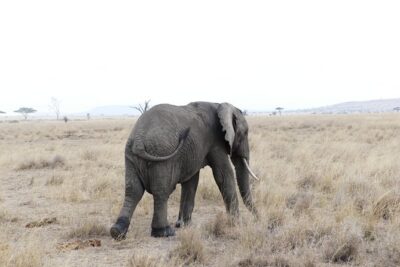
Private 6-Day Tarangire Manyara Crater and Serengeti with Mid-Range Lodges
Read our review →
5 Days Camping Tarangire, Serengeti & Ngorongoro crater & Visiting Maasai
Read our review →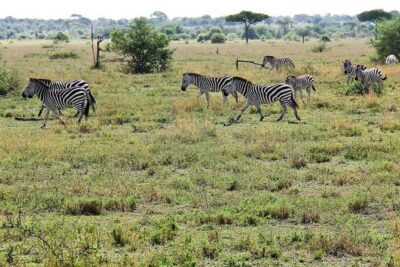
4 Days Join Group tour Tarangire Serengeti and Ngorongoro crater
Read our review →3 Day Serengeti National Park & Ngorongoro Crater Camping Safari
Read our review →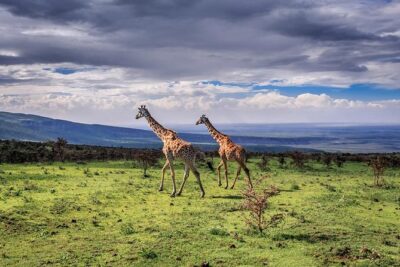
5 Days Tanzania Group Joining Safari, Tarangire/Serengeti/Ngorongoro Crater
Read our review →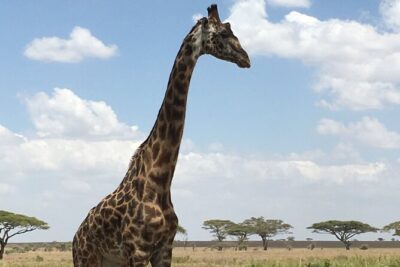
5 day safari Tarangire Serengeti and Ngorongoro crater
Read our review →Browse the lists this tour appears in