REVIEW · ARUSHA
3 Days Safari to Serengeti National Park & Ngorongoro Crater in Tanzania
The best part of this three-day safari is the contrast: Serengeti’s wide-open plains give you moving herds and big-cat sightings, while Ngorongoro Crater packs an astonishing range of wildlife into one enclosed volcanic basin. You also visit Olduvai Gorge, where a small museum explains major discoveries about human evolution.
I like the private, custom-built 4×4, especially for photography and open views from the vehicle. I also like the careful mix of wildlife, archaeology, and geology. You are not simply checking animals off a list. You are learning why this part of Tanzania matters. The tradeoff is time: three days is a useful introduction, but long road sections leave little room for rest.
Key points at a glance
- Private 4×4 for up to seven people: A small group and custom safari vehicle make it easier to stop, ask questions, and find a good viewing angle.
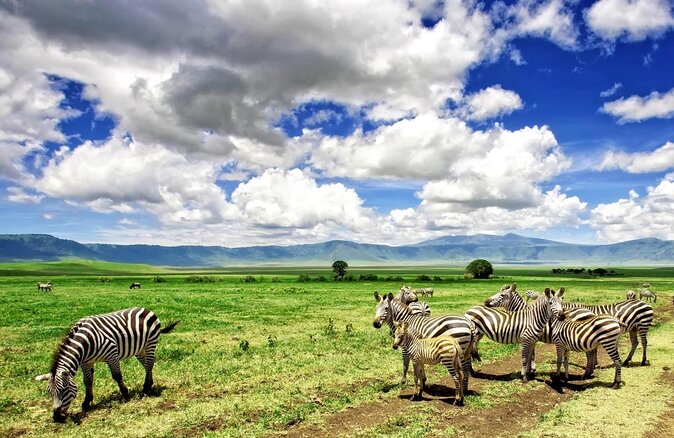
- Two Serengeti game-drive days: You have more than a single hurried visit to look for lions, cheetahs, leopards, elephants, zebras, wildebeest, and buffalo.
- Ngorongoro Crater on the final morning: The crater floor is known for its concentration of wildlife, including the rare black rhinoceros.
- Olduvai Gorge museum visit: The stop adds an important human-evolution story to the animal sightings.
- Camping with meals included: Tents, sleeping mats, camp furniture, breakfasts, lunches, and dinners are covered.
- A strong record for guides and cooks: Guides including Albert, Bryson, Ismael, Joel, Jordan, and Frankie have been praised for safe driving, animal knowledge, and finding good sightings. Cooks such as John and Mtumishi have also earned special attention for generous meals.
What the three-day safari is really like
This is an active safari, not a resort-based wildlife holiday. You leave Arusha early, spend much of each day in the vehicle, and sleep in camping accommodation. That format keeps the price below many lodge-based safaris and puts you closer to the basic rhythm of a national-park trip.
The tour costs $1,200 per person. That is a serious sum, but the price includes park fees, fuel, a private 4×4, an English-speaking guide, camping equipment, and six included meals. International flights, a Tanzanian visa, insurance, tips, laundry, and communication costs are extra.
The value depends on what you want. If you want a short introduction to northern Tanzania with a private vehicle and two famous protected areas, the package is fairly well balanced. If you dislike early starts, rough roads, or camping, the price may feel less attractive because the experience is built around long days outdoors rather than comfort.
The group limit is seven people. That is small enough to feel personal without requiring the cost of a completely private trip for just one couple. The vehicle is described as private and custom-built, but you should confirm how your booking is arranged if you are traveling alone or with a small party.
More Volcano National Parks in Arusha
- 3 Day Serengeti National Park & Ngorongoro Crater Camping Safari
★ 5.0 · 142 reviews - 4 Day Ngorongoro Crater Tarangire and Serengeti National Park
★ 5.0 · 44 reviews - 3days Serengeti National park and Ngorongoro Crater Tanzania Safari
★ 5.0 · 21 reviews
Day 1: Arusha to the wide plains of Serengeti
The first morning begins with breakfast around 6:00 a.m. Pickup from your hotel is planned for about 7:00 a.m., followed by the long drive toward Serengeti National Park. Bring patience. The road journey is part of the day, and the reward is arriving in one of Africa’s best-known wildlife areas with a picnic lunch ready.
Serengeti covers about 14,763 square kilometers, or roughly 5,700 square miles. That scale matters. You are not entering a small animal enclosure where every sighting is guaranteed. You are moving through a huge protected area where wildlife may be close to the road one moment and far beyond view the next.
The main goal is a game drive among lions, leopards, elephants, cheetahs, buffalo, zebras, wildebeest, eland, wild dogs, gazelles, crocodiles, and many other species. The famous animals are only part of the pleasure. I like watching the small changes in the plain: herds shifting position, birds gathering near water, or a predator staying low while the nearby animals carry on feeding.
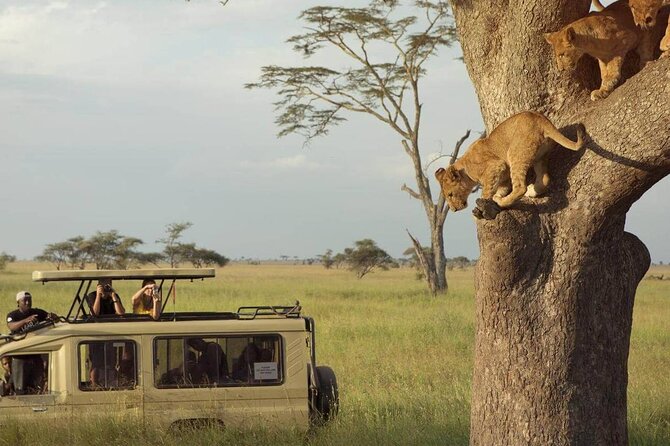
The custom 4×4 is important here. A raised seat gives you a better view over grass and scrub, while a roof or open viewing arrangement can help with photography. Your guide also controls the pace. Guides such as Frankie, Albert, and Ismael have been praised for reading animal behavior and locating good viewing areas, though no guide can promise a particular sighting.
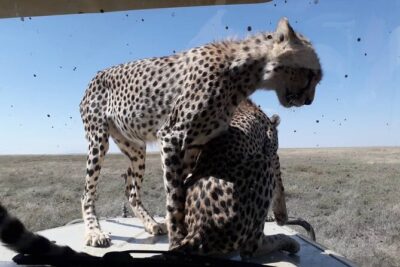
You may spend much of the day in the vehicle. That is the unavoidable cost of reaching far-flung areas of the park. Keep your camera ready, but do not stare only through a screen. Some of the best moments are quick: a lion lifting its head, a zebra herd moving as one, or a cheetah appearing against the grass.
Lunch is included, usually carried as a picnic meal on the day’s drive. Camping equipment is also included, with tents, sleeping mats, and camp furniture supplied. The setup is practical rather than luxurious. Pack a small personal bag, use soft luggage if possible, and keep warm layers accessible because early mornings can feel very different from sunny afternoons.
Day 2: Early animals, Olduvai Gorge, and the route to Ngorongoro
Day two begins early, with a morning game drive in Serengeti. The schedule describes a 6:00 a.m. start and a return to camp for breakfast later in the morning. The exact timing may shift, but the principle is clear: early hours give you the best chance of seeing active animals before the heat of the day.
This is the day when the safari can feel most rewarding. Wildebeest and zebras may be near lions, and you might find leopards or cheetahs in the same broad area. The presence of prey does not guarantee a hunt, but it creates the conditions for dramatic behavior. Some people on this trip have seen hunting action, including a cheetah chase, while others have focused on calmer sightings of elephants, giraffes, lions, and buffalo.
The guide’s role matters greatly during this part. A good guide explains animal behavior, answers repeated questions patiently, and drives with care on rough roads. Several guides associated with this experience, including Jordan, Joel, Bryson, and Albert, have been singled out for those qualities. You should still treat any named guide as an example rather than a guarantee, since staff assignments can change.
After breakfast, you check out and continue with lunch and wildlife viewing along the route. One of the most worthwhile stops is Olduvai Gorge, where Louis and Mary Leakey carried out important excavation work. The small museum presents archaeological discoveries connected with early human evolution.
This stop gives the safari a welcome change of focus. Instead of watching what animals are doing today, you are looking at evidence of lives that existed far earlier. The museum is not presented as a full-day archaeological visit, so keep your expectations sensible. It is a compact, useful stop that helps explain why this region is important beyond wildlife.
The itinerary also highlights elephant life stages. This can turn a familiar sighting into a more thoughtful one. You may already know that elephants live in family groups, but learning how their lives change from young animal to adult makes the herd easier to read. Watch for differences in size, behavior, and position within the group, then ask your guide to explain what you are seeing.
The day finishes near the Ngorongoro Crater Rim. The change in setting is striking. Serengeti feels open and almost without limits, while the crater is defined by steep walls and a contained floor. Camping near the rim can be cool, so bring a fleece or jacket even if Arusha was warm when you left.
Day 3: Ngorongoro Crater and the search for black rhinos
The final day starts with breakfast and an early drive into Ngorongoro Crater. The descent to the floor is the visual high point for many people. The crater measures about 19.2 kilometers across, reaches roughly 610 meters in depth, and covers about 304 square kilometers.
The crater is an extinct volcanic caldera, and its walls create a natural setting where many animals live within a relatively compact area. You may look for the Big Five: rhino, lion, leopard, buffalo, and elephant. The rare black rhinoceros is one of the most prized sightings, but it is never guaranteed.
The crater is also strong for birdlife. The soda lake may attract flamingos, while geese, storks, vultures, and other birds add movement above the larger animals. Fresh springs provide water and make good picnic settings. Lunch at Ngoitoktok Spring is included, giving you a chance to pause during the six-hour crater visit.
I like the crater as a final stop because it offers a different kind of safari. Serengeti asks you to scan a vast plain. Ngorongoro gives you a more contained view, with the crater walls always present and the animal-filled floor spread below. The setting can feel almost storybook-like, but the roads and vehicle traffic can also make it busier than the open park.
A six-hour game drive is long enough to see a good section of the crater without turning the day into an exhausting marathon. Still, you should expect bumps, dust, and limited personal space in the vehicle. Wear practical clothing, protect your camera from dust, and carry any personal items you may need during the drive.
After the crater visit, the activity returns to the original meeting point in Arusha. The precise return time is not supplied, so do not plan a tight onward connection on the same day.
More Volcano National Parks in Tanzania
- 3 Days Lake Manyara, Ngorogoro Crater, Tarangire National Park
★ 5.0 · 21 reviews - 3 Days Safari Ngorongoro Crater and Serengeti National Park
★ 5.0 · 21 reviews - 2 Days Joined Group Tarangire and Ngorongoro Crater National Park
★ 4.5 · 17 reviews - 5days Tarangire,Serengeti,ngorongoro Crater and Lake Manyara National park
★ 5.0 · 11 reviews
Guides, driving, and the human side of the trip
The strongest part of this safari is the field team. Good guiding is not just naming animals. It means spotting movement at a distance, positioning the vehicle without causing unnecessary disturbance, explaining behavior clearly, and keeping the group safe on rough roads.
The named guides connected with this experience include Albert, Bryson, Ismael, Joel, Jordan, and Frankie. Their reported strengths include many years of driving experience, calm handling of the vehicle, strong animal knowledge, and a willingness to answer questions. One guide was described as having more than ten years of experience, which is useful context for anyone nervous about choosing a budget safari.
The cooking also gets unusual attention. John and Mtumishi are among the cooks praised for keeping people well fed during the trip. Meals can make a major difference on a camping safari. After an early breakfast and hours of driving, a reliable lunch and dinner are not a minor detail.
That said, included camping is still camping. Do not book this expecting the service or privacy of a lodge. The equipment supplied covers the basic camp setup, while personal comfort will depend on what you pack and how well you handle long days outside.
Who should book this safari
I would choose this tour if you want:
- A first safari that combines Serengeti and Ngorongoro
- A small group with a maximum of seven people
- A private custom-built vehicle
- A useful balance of wildlife, geology, and archaeology
- Camping rather than a high-end lodge stay
- A three-day schedule that fits into a larger Tanzania trip
- A guide-led experience with plenty of time for questions
Families can also find this format rewarding. Children may be thrilled by lions, zebras, and elephants, and the guides are used to explaining animal behavior in an accessible way. The early starts and long drives may test younger children, so consider their patience before booking.
This is less suitable if you want a relaxed holiday with late mornings, guaranteed luxury, or very little time on the road. Three days gives you a strong taste, but it cannot cover every corner of Serengeti.
Practical value at $1,200
At $1,200, the package is not a bargain in the ordinary sense, but it includes expensive parts of a safari: park fees, fuel, a 4×4, a driver-guide, camping gear, and meals. The private vehicle is especially valuable if you care about viewing space and do not want to share a large bus.
The biggest question is accommodation. Camping keeps the cost down and brings you closer to the basic safari experience, but you give up the comfort of a lodge. Ask for the exact camping arrangements before paying if bedding, washroom facilities, or campsite details are important to you.
The tour also includes two lunches and two dinners, along with breakfast. International flights, visa costs, insurance, tips, laundry, and communication are not included. Build those costs into your budget rather than treating the advertised price as the full trip cost.
Free cancellation is available if you cancel at least 24 hours before the start time. Changes or cancellations made inside that window are not accepted for a refund.
Should you book it?
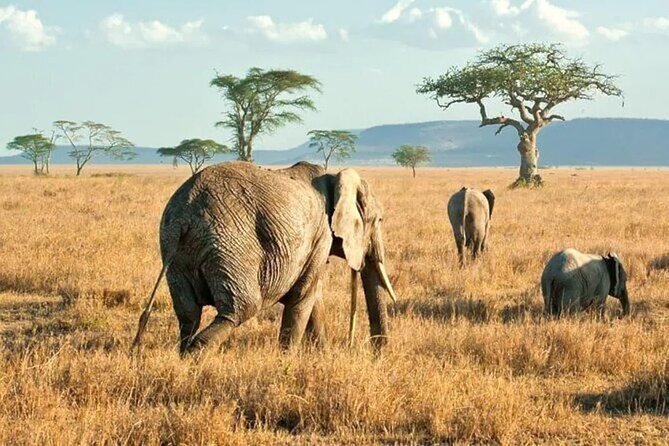
Book this safari if you want a compact, active introduction to Tanzania with two major protected areas, a capable small-group setup, and a good chance of seeing classic African wildlife. The combination of Serengeti, Ngorongoro, Olduvai Gorge, and camping gives you more variety than a simple one-park excursion.
I would be cautious only if comfort is your top concern or if you have an important flight immediately after the return to Arusha. For everyone else, this is a sensible three-day route. You get big cats, elephants, zebras, possible rhinos, a museum about human origins, and a crater filled with fresh springs and birds, all without stretching the trip into a full week.
FAQ
Where does the safari start?
The activity starts in Arusha, Tanzania, with pickup offered from the hotel.
Where does the safari end?
The activity ends back at the original meeting point in Arusha.
How long does the safari last?
The safari lasts approximately three days.
How many people can join the tour?
The maximum group size is seven people.
Is a private vehicle included?
Yes. The package includes a private 4×4 custom-built safari vehicle, fuel, and a driver-guide.
Is an English-speaking guide included?
Yes. An English-speaking guide is included in the tour.
What meals are included?
Breakfast, two lunches, and two dinners are included.
Is camping equipment provided?
Yes. Tents, sleeping mats, camping furniture, and other listed camping equipment are included.
Are park fees included?
Yes. National park fees are included, including admission for the Ngorongoro Crater visit.
More Safaris in Arusha
- 5 Days Tanzania Group Joining Safari, Tarangire/Serengeti/Ngorongoro Crater
★ 5.0 · 85 reviews - 5 day safari Tarangire Serengeti and Ngorongoro crater
★ 5.0 · 83 reviews - 3 Days Small Group Safari to Serengeti NP and Ngorongoro Crater Tour in Tanzania
★ 5.0 · 77 reviews - 5 Day Silver Serengeti & Ngorongoro Crater & Tarangire Safari
★ 5.0 · 46 reviews
More Ngorongoro Crater Safaris in Arusha
- 5-Day Highlights mid-Range Crater, Serengeti, Tarangire
★ 5.0 · 296 reviews - Private 6-Day Tarangire Manyara Crater and Serengeti with Mid-Range Lodges
★ 5.0 · 238 reviews - 5 Days Camping Tarangire, Serengeti & Ngorongoro crater & Visiting Maasai
★ 5.0 · 229 reviews - 4 Days Join Group tour Tarangire Serengeti and Ngorongoro crater
★ 5.0 · 219 reviews
Just added around Arusha
- 4 Days Private Safari – Tarangire, Serengeti & Ngorongoro Crater★ 5.0 · 28 reviews
- 3Days luxury safari to Tarangire Ngorongoro crater and Manyara★ 5.0 · 16 reviews
- Elephant Special Serengeti & Ngorongoro Crater 5 Days / 4 Nights★ 5.0 · 21 reviews
- Tanzania Safari 10 Days- Serengeti, Lake Manyara, Ngorongoro Crater.★ 5.0 · 4 reviews
- 4 Days Tanzania Safari Tarangire, Serengeti and Ngorongoro Crater★ 4.5 · 16 reviews
- 03 days Serengeti and Ngorongoro Crater group (camping)★ 5.0 · 75 reviews
- Private Group Serengeti Safari, Crater & Tarangire National Park★ 5.0 · 5 reviews
- Small Group Serengeti and Ngorongoro Crater Adventure Safari★ 5.0 · 7 reviews
Arusha Volcano Tours, compared.
5-Day Highlights mid-Range Crater, Serengeti, Tarangire
Read our review →
Private 6-Day Tarangire Manyara Crater and Serengeti with Mid-Range Lodges
Read our review →
5 Days Camping Tarangire, Serengeti & Ngorongoro crater & Visiting Maasai
Read our review →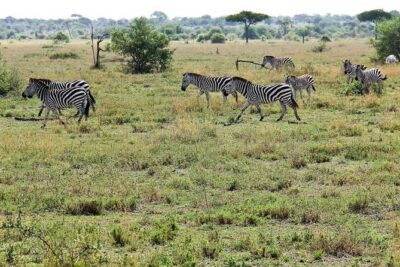
4 Days Join Group tour Tarangire Serengeti and Ngorongoro crater
Read our review →3 Day Serengeti National Park & Ngorongoro Crater Camping Safari
Read our review →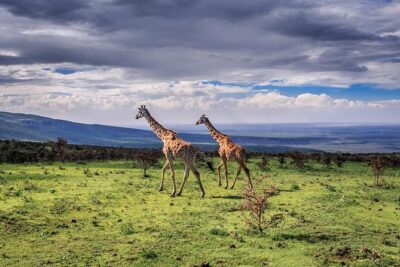
5 Days Tanzania Group Joining Safari, Tarangire/Serengeti/Ngorongoro Crater
Read our review →