
REVIEW · ARUSHA
3 Days Tanzania Safari Tarangire, Manyara, & Ngorongoro Crater.
The quickest way to sample Tanzania’s Northern Circuit is to put three very different parks into one tightly packed safari. This trip takes you from flamingo-lined Lake Manyara to the wildlife-filled floor of Ngorongoro Crater, then to Tarangire’s giant baobabs and large elephant herds.
I like the small group limit of seven, which keeps the shared-cost price from feeling too crowded. I also like that meals, camping, and transport are arranged together, so you spend your energy watching animals rather than sorting out camp logistics. The main catch is simple: you will spend long hours in the safari vehicle, and the schedule leaves little room for slow mornings or extra time in one park.
- Three major safari areas in three days: Lake Manyara, Ngorongoro Crater, and Tarangire each offer a different setting and animal mix.
- A maximum of seven people: You share costs without joining a large convoy.
- Camping with meals included: Tents, cots, a dining area, and a cook are part of the practical setup.
- Strong guide reports: Malaki, Isaac, and Norelle are praised for animal spotting, communication, humor, and care.
- A real chance at the Big Five: Lions, elephants, buffalo, rhinos, and leopards are possible, but sightings are never guaranteed.
- A budget-minded price: At $670 per person, the package covers the costly basics of a short safari, though comfort is more practical than luxurious.
Three Parks, Three Very Different Safari Days
This is a classic short Northern Circuit route, but the order matters. You begin at Lake Manyara, spend the second day at Ngorongoro Crater, and finish at Tarangire before returning to Arusha.
Each park brings a different setting. Manyara is compact and varied, Ngorongoro offers a concentrated wildlife experience inside a vast volcanic caldera, and Tarangire gives you open grassland, baobabs, swamps, and some of northern Tanzania’s biggest elephant groups.
The days are listed at about 10 hours each. That does not mean 10 straight hours of animal watching. You will also spend time driving between areas, entering parks, stopping for meals, and setting up or leaving camp. Pack patience along with your camera.
Day One at Lake Manyara: Birds, Forest, and Woodland Animals
After a morning briefing, you travel from Arusha toward Lake Manyara National Park. The park is one of Tanzania’s smaller protected areas, but its changing habitats make it a strong first stop.
The shallow, alkaline lake can attract thousands of flamingos in the right season. The pink flocks are the obvious prize, but birdlife goes far beyond flamingos. More than 500 bird species are found in the area, so this is a particularly good day for anyone who enjoys keeping binoculars ready.
The park changes quickly as you move through it. Forest areas hold troops of monkeys, while grassy sections can produce giraffes, zebras, wildebeests, and buffaloes. Acacia woodland is associated with elephants and lions, giving you a fair range of large animals without needing a huge park.
You watch from an open-roof safari vehicle, which gives you a clear view above the grass and trees. It also means you should expect sun, dust, wind, and a great deal of sitting. The open vehicle helps with photography, but a hat and protection from the sun are practical essentials.
Lake Manyara can be a satisfying first day because the scenery and animal habitats change often. The tradeoff is that the park is smaller, and sightings depend heavily on season, water levels, and the animals’ movements. Do not book this expecting a guaranteed flamingo spectacle or a certain lion encounter.
More Ngorongoro Crater Safaris in Arusha:
- 5-Day Highlights mid-Range Crater, Serengeti, Tarangire
★ 5.0 · 296 reviews - Private 6-Day Tarangire Manyara Crater and Serengeti with Mid-Range Lodges
★ 5.0 · 238 reviews - 5 Days Camping Tarangire, Serengeti & Ngorongoro crater & Visiting Maasai
★ 5.0 · 229 reviews
Ngorongoro Crater: The Most Concentrated Wildlife Day
Day two begins early, with a drive into the Ngorongoro Conservation Area and down into the crater. The caldera is about 20 kilometers wide and nearly 600 meters deep, creating one of the most dramatic settings on the route.
Once inside, you have a strong chance to see a broad range of animals in a relatively compact area. The crater floor can produce lions, elephants, buffaloes, rhinos, and possibly leopards, along with Grant’s gazelles, Thomson’s gazelles, and mountain reedbucks.
You may also see spotted hyenas, hippos, and a large selection of birds. More than 500 bird species are associated with the area, so even a day focused on large mammals still has plenty to notice between the headline sightings.
A picnic lunch is planned in the crater, followed by more game viewing before you leave. The early start is important. It gives you more time in the crater and fits the rhythm of wildlife activity, but it also makes for a tiring day after the long first day.
Ngorongoro is the best part of this route if your priority is seeing many kinds of animals in a short time. It is not the place for solitude. The crater’s compact viewing area can bring several vehicles to the same sighting, especially when a lion or rhino appears. That shared excitement is part of the experience, but you should not expect a private safari.
The Big Five are possible here, and some people on this trip have seen all five within two days. Still, a safari is not a checklist. Rhino and leopard sightings are never assured, and the guide’s skill helps without controlling nature.
Day Three in Tarangire: Elephants and Baobabs
The final park is Tarangire National Park, another major stop on Tanzania’s Northern Circuit. Its character differs from both Manyara and Ngorongoro.
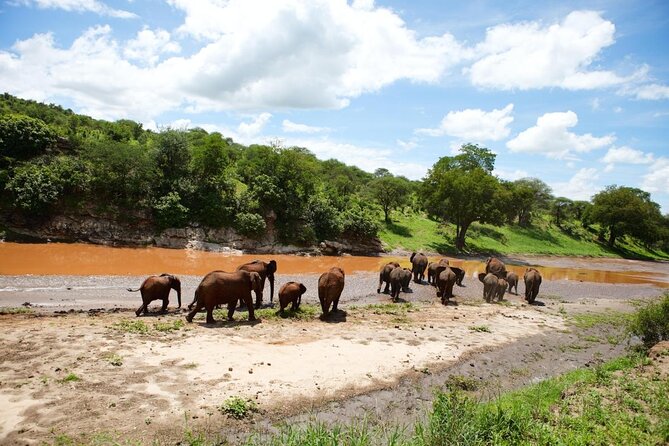
Tarangire is known for broad grasslands, huge baobab trees, seasonal swamps, and the Tarangire River. The river draws animals, and the park is especially noted for large elephant herds. You may also see giraffes, bushbucks, hartebeests, dik-diks, waterbucks, warthogs, and reedbucks.
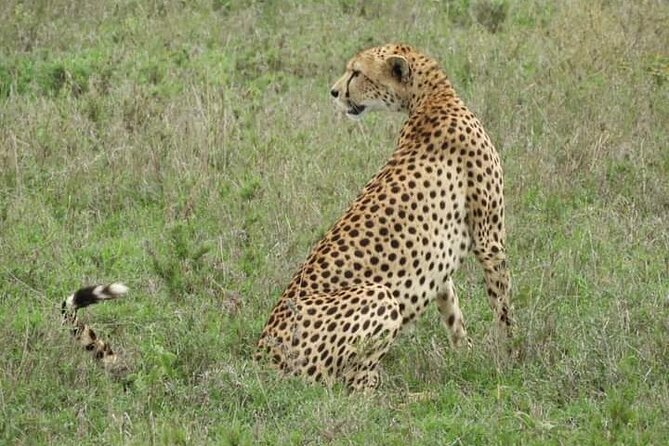
Buffaloes, zebras, and wildebeests are also present, with lions often following the herds. Leopards appear from time to time, while cheetahs are rarely seen. That distinction is useful. The park offers strong general wildlife viewing, but you should not choose this itinerary specifically for cheetahs.
Tarangire is a good final day because it gives you a different visual rhythm. Instead of the crater’s enclosed setting, you get open grasslands, river country, and distinctive baobabs. After an extensive game drive, you leave in the afternoon and return to Arusha by early evening.
That return makes the itinerary useful if you have a flight, hotel, or another activity afterward, but leave some flexibility in your plans. A safari day can run on animal sightings, park roads, and traffic rather than a precise clock.
What Camping and Meals Are Really Like
This is a camping safari, not a lodge safari. The included accommodation uses tents with cots, and the camp has a dining room where meals are served.
That setup offers a useful middle ground. You are not sleeping in a bare campsite with no support, but you also should not expect hotel rooms, polished resort service, or the quiet privacy of a high-end lodge. One especially practical detail is that the camp has been described as comfortable and clean, with a dining area for meals and rest.
Food is one of the better-supported parts of the package. A chef named Ben received particular praise for delicious meals, while other accounts highlight the care given to the cooking and overall service. Since food is included, you do not need to plan restaurant stops during the safari days.
I would still approach the camp with realistic expectations. This is a budget safari, and one of the strongest comments about the experience is also the clearest warning: do not expect the service level of a more expensive operator. You are paying for a full safari package at a relatively low price, not for luxury.
More Safaris in Arusha:
- 3 Day Serengeti National Park & Ngorongoro Crater Camping Safari
★ 5.0 · 142 reviews - 5 Days Tanzania Group Joining Safari, Tarangire/Serengeti/Ngorongoro Crater
★ 5.0 · 85 reviews - 5 day safari Tarangire Serengeti and Ngorongoro crater
★ 5.0 · 83 reviews - 3 Days Small Group Safari to Serengeti NP and Ngorongoro Crater Tour in Tanzania
★ 5.0 · 77 reviews
The Guides Can Make or Break the Experience
On safari, the guide matters as much as the route. A good guide does more than drive. The guide watches the animals, reads the group’s interests, explains what you are seeing, and manages the long stretches between sightings.
Malaki is praised for being funny, attentive, and strong on customer service. Isaac is singled out for his sharp eye, especially when predators are hard to spot in tall grass. Norelle is praised for explaining animals clearly and helping create a comfortable group atmosphere.
Your actual guide may be different, so treat these names as examples rather than a promise. The consistent practical point is that guide quality has been a major strength of the operation, particularly in spotting animals and communicating before and during the trip.
Communication with Innocent, who helps organize the safari, has also been described as pleasant and solution-focused. That matters when you are arranging an international trip and need clear answers about pickup, timing, accommodation, or last-minute details.
Is $670 a Good Value?
At $670 per person, this trip is priced for people who want the main safari experience without paying for a private vehicle or upscale lodges.
The value comes from combining several expensive elements: park visits, transport, meals, accommodation, and guiding. A group limit of seven helps keep the cost down while avoiding the feel of a large bus tour. For a first safari, that combination is appealing.
The price also tells you what not to expect. You are choosing practical camping over luxury accommodation, shared transport over a private vehicle, and a fast three-day route over a slower schedule. If you want more control over where you stop, how long you stay at a sighting, or when you leave camp, a private safari may suit you better.
The price is strongest for a solo visitor, couple, or small group trying to fit a safari into a wider Tanzania trip. It is also useful for people who want the basic costs handled in one booking. If you already have a higher-end lodge itinerary, this may feel like a sharp change in comfort.
The Long Hours Are Part of the Deal
You should be ready to spend many hours on top of the safari vehicle. One practical warning is that the first day can include more than three hours of trying to spot animals before the day develops.
That is not a flaw unique to this trip. Wildlife viewing is a waiting game. You may drive past empty grass for a while, then suddenly stop for elephants, lions, or a hidden predator. The challenge is physical as much as mental. Long rides, dust, heat, and bumpy roads can wear you down.
Bring water, sun protection, comfortable clothing, and patience. Keep your expectations flexible. A day with fewer sightings can still offer good birdlife, scenery, and a better understanding of how animals use different habitats.
The itinerary also moves quickly. You visit three parks in three days, so you will not have time for Serengeti. One person specifically wished for more time there, and that is the natural limitation of this plan. If Serengeti is your main goal, book a longer safari rather than trying to force it into this schedule.
Who Should Book This Safari?
I would choose this trip if you want a short, organized introduction to Tanzania’s Northern Circuit and care more about seeing a broad mix of parks than having a slow, luxurious trip.
It suits:
- First-time safari visitors
- People based in or near Arusha
- Solo visitors who want a shared-cost option
- Couples and small groups on a budget
- Anyone who wants meals, transport, and camping arranged together
- Wildlife fans hoping for elephants, lions, buffaloes, rhinos, and many smaller species
- People comfortable with long vehicle days and basic camp accommodation
I would think twice if you need a private vehicle, hotel-style rooms, a gentle schedule, or guaranteed access to Serengeti. The trip is also less suitable if you dislike long periods of sitting and waiting between sightings.
The maximum group size is seven, and most people can participate. Service animals are allowed, and the departure point is near public transportation, with pickup offered. The listed start time is 12:00 am, so confirm your exact pickup hour before the trip, especially if you are arranging a hotel night in Arusha.
Booking, Cancellation, and Weather Details
Confirmation is provided when you book. You can cancel for a full refund if you do so at least three full days before the local start time.
Cancellations within three days are not refunded, and changes inside that period are not accepted. The safari also depends on suitable weather and a minimum number of participants. If poor weather or insufficient bookings cancel the trip, you are offered another date or experience, or a full refund.
Should You Book the Three-Day Route?
Book it if you want maximum wildlife variety in a short window and can accept a busy schedule. Lake Manyara gives you birds and mixed habitats, Ngorongoro offers one of the best chances for concentrated animal viewing, and Tarangire adds elephants, baobabs, and open country.
The strongest reasons to go are the small group, included basics, capable guide reports, and the chance to see the Big Five without paying for a private luxury safari. The main reasons to hesitate are the long days, camping comfort, shared vehicle, and lack of time for Serengeti.
For $670, this is a sensible way to get your first taste of Tanzania’s famous northern parks. Pack lightly, expect dust and waiting, and choose it for the wildlife rather than for a pampered holiday.
FAQ
How long is the Tanzania safari?
The safari lasts approximately three days, with each itinerary day listed at about 10 hours.
Which national parks are included?
The route includes Lake Manyara National Park, Ngorongoro Crater, and Tarangire National Park.
What is the maximum group size?
The tour accepts a maximum of seven travelers.
Is transportation included?
Yes. Transport is provided throughout the safari, with pickup offered.
Are meals included?
Yes. Meals are included during the safari, and the camp has a dining area. A chef named Ben is specifically associated with the food service.
Is accommodation included?
Yes. Camping accommodation is included. The camp uses tents with cots.
Can I see the Big Five?
You may see lions, elephants, buffaloes, rhinos, and leopards. Some people have seen all five during the trip, but sightings are not guaranteed.
What is the cancellation policy?
You can receive a full refund if you cancel at least three full days before the experience start time. Cancellations within three days are not refunded. If poor weather or an insufficient number of bookings cancels the safari, you are offered another date or experience, or a full refund.
More 3-Day Experiences in Arusha
- 3 Days Safari to Serengeti National Park & Ngorongoro Crater in Tanzania
★ 5.0 · 34 reviews - 3 Days Safari Serengeti & Ngorongoro Crater
★ 5.0 · 26 reviews - 3days Serengeti National park and Ngorongoro Crater Tanzania Safari
★ 5.0 · 21 reviews - 3 Days Lake Manyara, Ngorogoro Crater, Tarangire National Park
★ 5.0 · 21 reviews
Just added around Arusha
- 4 Days Private Safari – Tarangire, Serengeti & Ngorongoro Crater★ 5.0 · 28 reviews
- 3Days luxury safari to Tarangire Ngorongoro crater and Manyara★ 5.0 · 16 reviews
- Elephant Special Serengeti & Ngorongoro Crater 5 Days / 4 Nights★ 5.0 · 21 reviews
- Tanzania Safari 10 Days- Serengeti, Lake Manyara, Ngorongoro Crater.★ 5.0 · 4 reviews
- 4 Days Tanzania Safari Tarangire, Serengeti and Ngorongoro Crater★ 4.5 · 16 reviews
- 03 days Serengeti and Ngorongoro Crater group (camping)★ 5.0 · 75 reviews
- Private Group Serengeti Safari, Crater & Tarangire National Park★ 5.0 · 5 reviews
- Small Group Serengeti and Ngorongoro Crater Adventure Safari★ 5.0 · 7 reviews
Arusha Volcano Tours, compared.
5-Day Highlights mid-Range Crater, Serengeti, Tarangire
Read our review →
Private 6-Day Tarangire Manyara Crater and Serengeti with Mid-Range Lodges
Read our review →
5 Days Camping Tarangire, Serengeti & Ngorongoro crater & Visiting Maasai
Read our review →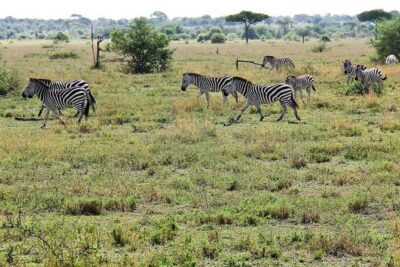
4 Days Join Group tour Tarangire Serengeti and Ngorongoro crater
Read our review →3 Day Serengeti National Park & Ngorongoro Crater Camping Safari
Read our review →
5 Days Tanzania Group Joining Safari, Tarangire/Serengeti/Ngorongoro Crater
Read our review →
5 day safari Tarangire Serengeti and Ngorongoro crater
Read our review →Browse the lists this tour appears in