
REVIEW · ARUSHA
3 Days Serengeti & Ngorongoro Crater group safari
The big draw here is simple: in just three days, you reach Serengeti National Park and Ngorongoro Crater, two of Tanzania’s finest wildlife areas. You travel in a custom safari jeep with a pop-up roof, a driver-guide, and a chef, with space for no more than six clients.
I like the small group limit and the chance to see the Serengeti on a short schedule. I also like the useful mix of experiences: big-cat country, possible wildebeest migration sightings, a crater descent, and an optional Maasai village visit. The trade-off is a long first day from Arusha and two nights of camping, so this is a value-minded safari, not a leisurely lodge holiday.
Key points to know before booking
- A true three-day wildlife sampler: You visit the Serengeti and spend about six hours inside Ngorongoro Crater.
- Up to six clients: The small vehicle group should make game viewing and guide conversations easier.
- Long first day: The drive from Arusha begins at 7:15 a.m. and takes about eight hours, including stops.
- Early starts matter: The Serengeti game drive begins after a 6:00 a.m. breakfast, while the crater descent is planned for 6:15 a.m.
- Camping keeps the price down: The package includes meals, drinks, and a chef, but camping is part of the experience.
- Guide names to request: Emanuel, also called Tosh, Simon, and David are named as guides associated with this operation, but your assigned guide may differ.
Why this short safari works
At $800 per person, this trip aims at one of Tanzania’s hardest travel equations: seeing the Serengeti and Ngorongoro Crater without paying for a longer private safari. You get transport, a safari vehicle, a guide-driver, a chef, camping, three breakfasts, three lunches, two dinners, drinking water, beer, and wine.
That price has real value if your priority is wildlife rather than polished accommodation. The package puts your money toward time in the parks and a small vehicle group. It does not promise a slow pace, private guiding, or lodge comfort.
I would think of this as a concentrated safari. You get one major Serengeti game-drive period, another game drive while leaving the park, and a substantial crater visit. That is enough to give you a strong first taste of northern Tanzania, but not enough time to explore every corner of either area.
The company has used guides named Emanuel, also known as Tosh, Simon, and David. Emanuel is described as having sharp animal-spotting skills, while Simon is praised for his calm and capable handling of the safari. Ask for the guide’s name before departure if that matters to you. The actual assignment can vary.
More Ngorongoro Crater Safaris in Arusha:
- 5-Day Highlights mid-Range Crater, Serengeti, Tarangire
★ 5.0 · 296 reviews - Private 6-Day Tarangire Manyara Crater and Serengeti with Mid-Range Lodges
★ 5.0 · 238 reviews - 5 Days Camping Tarangire, Serengeti & Ngorongoro crater & Visiting Maasai
★ 5.0 · 229 reviews
The eight-hour road to Serengeti
The first morning starts early, with departure from Arusha at about 7:15 a.m. The drive to the Serengeti takes roughly eight hours, including stops. That is a serious amount of time in a vehicle, but it is also what makes a three-day safari possible.
You travel through the Ngorongoro Conservation Area on the way. A brief stop at the crater viewpoint gives you a first look into the vast bowl below. The planned stop lasts about 20 minutes, so treat it as a quick introduction and photo break, not a full crater visit.
This early view has useful context. Ngorongoro Crater is not just another game-drive area later in the trip. It is a huge natural enclosure where animals gather on the crater floor, and the following morning gives you much more time inside it.
A Maasai village visit is also offered as an optional stop. The Maasai are known for warrior traditions, cattle culture, and distinctive community life. The description of this visit is brief, so confirm whether it requires an additional fee or adds time to the day before you commit.
The long drive is the main cost of choosing only three days. You will spend much of Day 1 reaching the Serengeti rather than watching animals. Still, the route lets you connect two major parks without adding another full travel day.
Serengeti: your main wildlife window
The Serengeti is the heart of this safari. Its name is tied to huge herds, open grasslands, predators, and some of the best-known wildlife scenes in Africa. It is also associated with the setting that helped inspire the familiar world of The Lion King, although the real place is far less tidy and far more unpredictable.
The first major game viewing begins after the long transfer. The schedule does not give a precise number of hours for the first afternoon, so you should ask how much time remains for a game drive after arrival. Your best sightings depend on the season, recent animal movement, and the guide’s ability to read the area.
The next morning begins with breakfast at 6:00 a.m. You then spend the morning and early afternoon on a game drive, with the stated schedule allowing about six hours of wildlife viewing before returning to camp for lunch and packing.
That early start is valuable. Animals can be active before the day grows hot, and the softer morning light is good for photos. It also means you should be ready for a very early routine, especially after the previous day’s long drive.
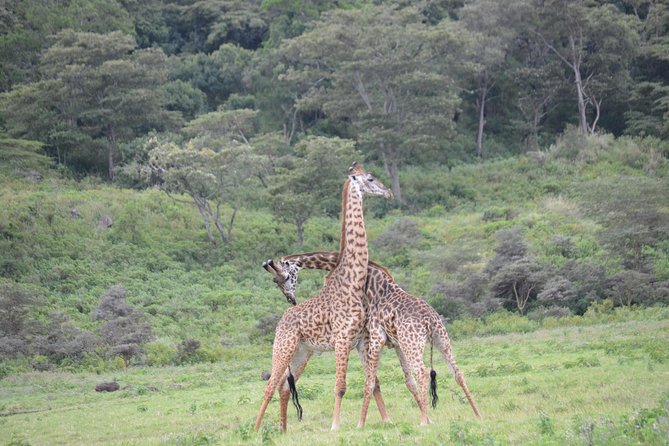
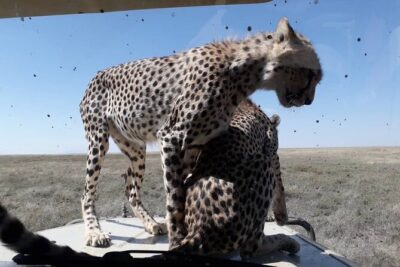
The Serengeti is home to wild cats, and the tour specifically highlights the chance to see lions and other predators. No safari can promise a particular animal, but the extended game-drive time gives your guide a fair chance to search.
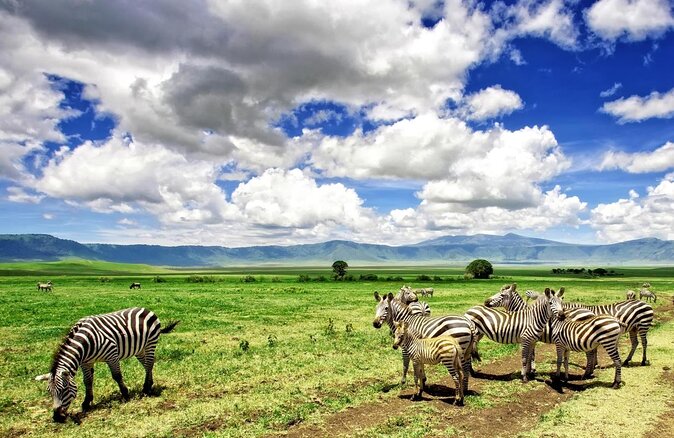
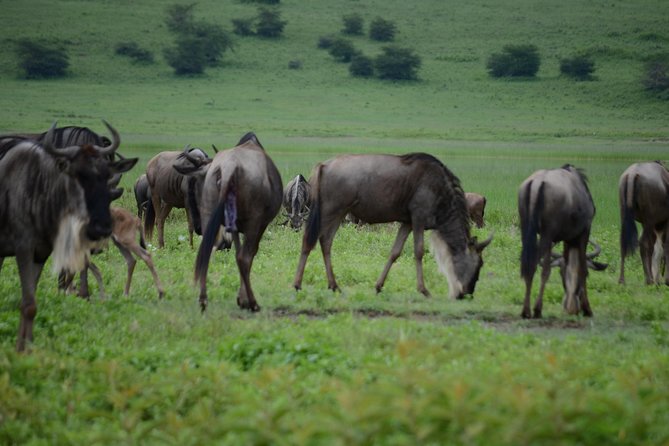
Wildebeest are another major attraction. If your dates match the migration, you may see large numbers of them moving through the region. Migration timing is seasonal and not guaranteed, so do not book this trip on the assumption that the herds will be in one exact place.
One strength of a group safari is the shared search. Your guide can use the vehicle and the group’s combined attention to look for movement, birds, and animals that are easy to miss. With a maximum of six clients, you are less likely to feel packed into a large coach.
Camping near the crater rim
After the Serengeti game drive, you return to camp for lunch and packing. The route then takes about two and a half hours toward Simba campsite near the rim of Ngorongoro Crater.
This overnight position helps the final day start early. You are not trying to make the full trip from Serengeti to the crater floor in one rushed morning. Instead, you camp near the crater and prepare for the descent.
The chef is an important part of this arrangement. Three breakfasts, three lunches, and two dinners are included, along with water, beer, and wine. That is a helpful saving on a budget safari, particularly when park days leave little time to find meals elsewhere.
Do remember that this is camping. The information supplied does not describe tent style, bed arrangements, showers, toilets, or electricity. If those details affect your decision, ask before booking. The package may suit you well if you care more about location and wildlife time than hotel comforts.
The second night is also the only night explicitly covered for dinner. Since the trip includes two dinners, confirm the meal schedule if your arrival or departure timing changes.
More Safaris in Arusha:
- 3 Day Serengeti National Park & Ngorongoro Crater Camping Safari
★ 5.0 · 142 reviews - 5 Days Tanzania Group Joining Safari, Tarangire/Serengeti/Ngorongoro Crater
★ 5.0 · 85 reviews - 5 day safari Tarangire Serengeti and Ngorongoro crater
★ 5.0 · 83 reviews - 3 Days Small Group Safari to Serengeti NP and Ngorongoro Crater Tour in Tanzania
★ 5.0 · 77 reviews
Six hours inside Ngorongoro Crater
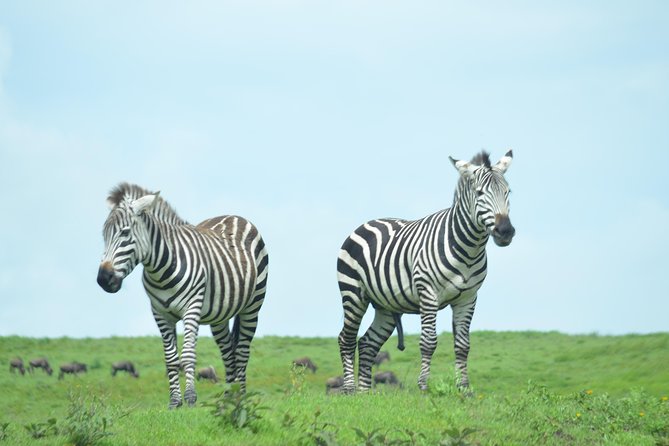
Day 3 begins early, with breakfast followed by a planned crater descent at about 6:15 a.m. The goal is to spend around six hours on the crater floor before returning to the campsite for lunch and packing.
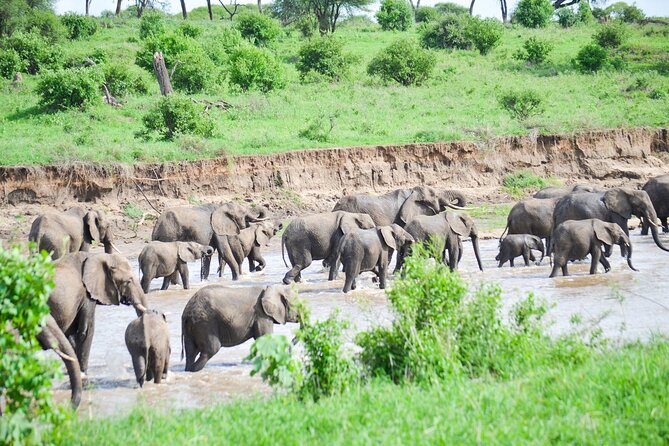
The crater is often called an Eden for wildlife because many animals live in or visit its enclosed floor. The schedule highlights hippos, buffaloes, wildebeest, elephants, and water birds. The setting allows you to see a wide range of animals in one concentrated area.
Black rhino is the special target. The tour notes that rhinos are among the hardest animals to spot in the crater, so keep expectations realistic. Your guide will search, but a sighting is never assured.
The crater can be particularly rewarding for a short safari because you do not need to cover vast distances in search of every animal. The floor gathers wildlife in a compact area, although the six-hour visit still involves driving and waiting. You may see several species in a single morning, but the order and quality of sightings will vary.
The contrast with the Serengeti is part of the appeal. The Serengeti gives you broad open country and the possibility of following animal movement over large distances. Ngorongoro offers a more concentrated wildlife setting, with the crater walls shaping the view.
After the crater visit, you return to the campsite for lunch, pack your belongings, and drive out toward Arusha. The itinerary does not state an exact arrival time in Arusha. Expect the final day to feel full, especially after the early start and six hours in the crater.
What the small group changes
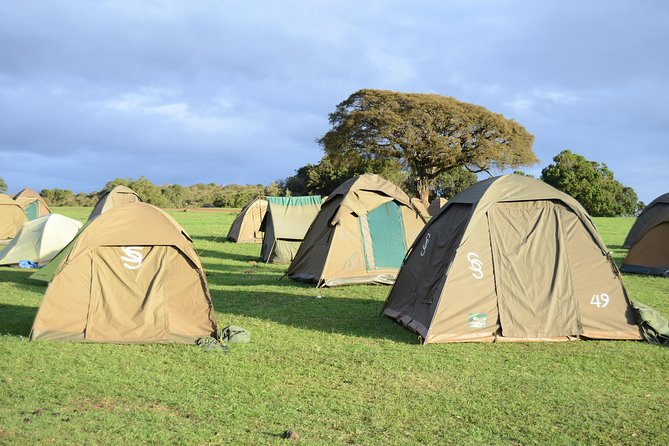
The maximum group size is six clients. That matters more than it may sound. A smaller group generally gives you a better chance of seeing out of the pop-up roof, asking questions, and discussing animal sightings without the noise of a large vehicle.
The group size can also affect comfort. Six people plus a driver-guide and chef may still mean limited personal space, luggage restrictions, and shared decisions about how long to remain at a sighting. Ask how luggage is handled and whether the chef travels in the same vehicle or joins the camp setup separately.
The vehicle is a custom safari jeep with a pop-up roof. That roof is designed for standing or sitting while viewing wildlife, though the supplied information does not give the exact seating arrangement. A pop-up roof is useful for seeing animals above the grass and for taking photographs from a higher angle.
Your guide-driver shapes the experience. Emanuel, known also as Tosh, is associated with strong animal spotting and professional handling. Simon and David are also named guides connected with the operator. Ask about guide availability if you have a strong preference, but do not assume a particular person is guaranteed.
Value, meals, and what is not included
The $800 price is easiest to judge by what it bundles. You receive the safari vehicle, guiding, park visits, camping arrangement, three breakfasts, three lunches, two dinners, water, beer, and wine. For someone who wants to reach both Serengeti and Ngorongoro on a limited budget, that is a substantial package.
The missing item is gratuity for the driver and chef. Plan for tips separately. The exact amount is not stated, so ask the operator for current guidance before departure.
The package does not describe park fees separately, and it does not list accommodation standards. Ask whether all required park and conservation charges are already built into the $800. This is one of the most useful questions to settle before paying.
The same applies to the optional Maasai village visit. Confirm any extra cost and whether the visit changes the timing of the Serengeti arrival. A short cultural stop can add useful context, but the safari schedule is already tight.
The main drawbacks to weigh
The first drawback is time on the road. Day 1 takes about eight hours from Arusha to Serengeti, and the final day includes the crater, packing, and the drive back toward Arusha. If you want long, unhurried game drives, add more days.
The second is the camping format. The chef and included meals make camping easier, but the available details do not promise lodge-style beds or facilities. Choose this trip because you are comfortable with basic arrangements, not because you expect resort service.
The third is uncertainty. Wildlife sightings depend on season, animal movement, and luck. The tour offers strong opportunities for lions, wildebeest, elephants, hippos, buffaloes, birds, and perhaps rhino, but no responsible safari can guarantee every species.
The final consideration is the compact schedule. You get a useful sample of two major destinations, but you will not have much spare time. A delayed departure, a long animal sighting, or an optional cultural visit could affect the pace.
Who should book this safari?
I would recommend it to a first-time safari visitor who has three days, wants the famous northern Tanzania parks, and prefers keeping the price near $800. It also suits people who enjoy early starts, shared transport, camping, and a full schedule.
It is a good match if you want variety. You can see the Serengeti, look for big cats and wildebeest, visit the crater, search for black rhino, and possibly add a Maasai village stop.
I would hesitate if you need private space, lodge comfort, flexible timing, or a guarantee of a particular guide. I would also suggest a longer safari if wildlife is your only goal, since the first day is largely a transfer and the last day combines a major crater visit with the return drive.
The cancellation terms are reasonable for planning: you can cancel at least 24 hours before the start for a full refund. Changes made inside that 24-hour window are not accepted, and poor weather may lead to a different date or a full refund.
Should you book it?
Book this safari if you want a short, practical route into Tanzania’s best-known wildlife areas and accept that the days will be long. The small group, pop-up-roof jeep, included meals, and access to both Serengeti and Ngorongoro give the $800 price solid value.
Before paying, ask three questions: which guide is assigned, what camping facilities are provided, and whether park fees and the Maasai village visit are included. If the answers suit you, this is a sensible low-budget introduction to northern Tanzania, with enough wildlife time to make the long road days worthwhile.
FAQ
How long is the safari?
The experience lasts approximately three days.
Where does the safari begin?
The safari begins in Arusha, Tanzania, with pickup offered.
How many people can join the group?
The tour has a maximum of six clients.
What type of vehicle is used?
You travel in a custom safari jeep with a pop-up roof.
What time does the first day begin?
The drive from Arusha is scheduled to begin at about 7:15 a.m. after breakfast.
How long is the drive from Arusha to Serengeti?
The drive takes about eight hours, including stops.
Is the Maasai village visit required?
No. The Maasai village visit is optional.
What meals and drinks are included?
The package includes three breakfasts, three lunches, two dinners, drinking water, beer, and wine.
What is the cancellation policy?
You can cancel at least 24 hours before the experience for a full refund. Cancellations or changes made less than 24 hours before the start are not accepted, and poor weather may result in a different date or a full refund.
More 3-Day Experiences in Arusha
- 3 Days Safari to Serengeti National Park & Ngorongoro Crater in Tanzania
★ 5.0 · 34 reviews - 3 Days Safari Serengeti & Ngorongoro Crater
★ 5.0 · 26 reviews - 3days Serengeti National park and Ngorongoro Crater Tanzania Safari
★ 5.0 · 21 reviews - 3 Days Lake Manyara, Ngorogoro Crater, Tarangire National Park
★ 5.0 · 21 reviews
Just added around Arusha
- 4 Days Private Safari – Tarangire, Serengeti & Ngorongoro Crater★ 5.0 · 28 reviews
- 3Days luxury safari to Tarangire Ngorongoro crater and Manyara★ 5.0 · 16 reviews
- Elephant Special Serengeti & Ngorongoro Crater 5 Days / 4 Nights★ 5.0 · 21 reviews
- Tanzania Safari 10 Days- Serengeti, Lake Manyara, Ngorongoro Crater.★ 5.0 · 4 reviews
- 4 Days Tanzania Safari Tarangire, Serengeti and Ngorongoro Crater★ 4.5 · 16 reviews
- 03 days Serengeti and Ngorongoro Crater group (camping)★ 5.0 · 75 reviews
- Private Group Serengeti Safari, Crater & Tarangire National Park★ 5.0 · 5 reviews
- Small Group Serengeti and Ngorongoro Crater Adventure Safari★ 5.0 · 7 reviews
Arusha Volcano Tours, compared.
5-Day Highlights mid-Range Crater, Serengeti, Tarangire
Read our review →
Private 6-Day Tarangire Manyara Crater and Serengeti with Mid-Range Lodges
Read our review →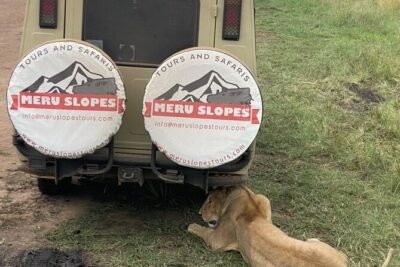
5 Days Camping Tarangire, Serengeti & Ngorongoro crater & Visiting Maasai
Read our review →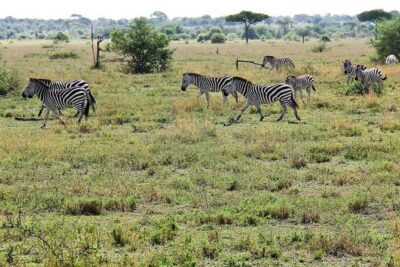
4 Days Join Group tour Tarangire Serengeti and Ngorongoro crater
Read our review →3 Day Serengeti National Park & Ngorongoro Crater Camping Safari
Read our review →
5 Days Tanzania Group Joining Safari, Tarangire/Serengeti/Ngorongoro Crater
Read our review →
5 day safari Tarangire Serengeti and Ngorongoro crater
Read our review →Browse the lists this tour appears in