
REVIEW · ARUSHA
Ngorongoro Crater: Full-Day Safari Tour
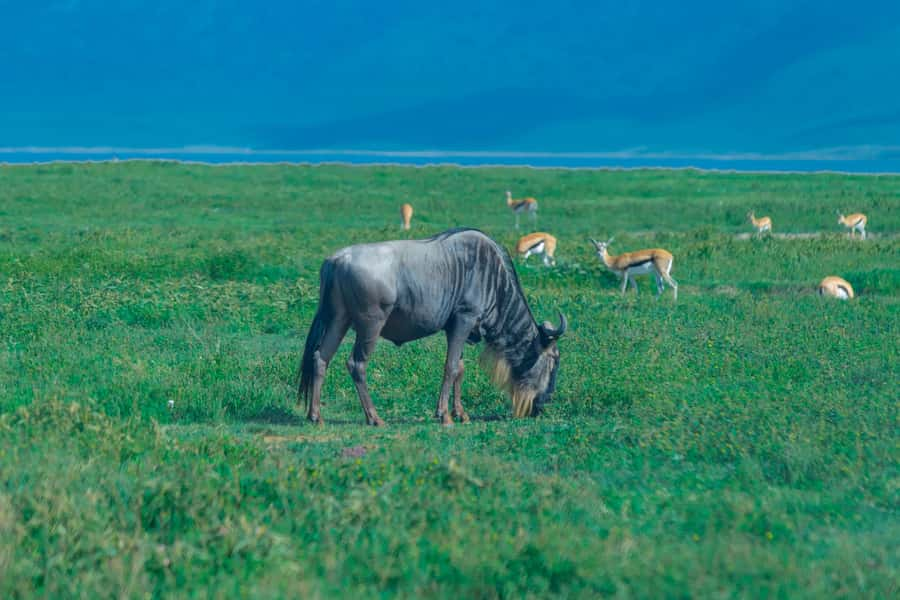
Ngorongoro Crater gives you one of Tanzania’s most dramatic wildlife days in a single setting. From the crater rim, the collapsed volcano opens into a broad natural amphitheater filled with grassland, wetlands, acacia trees, and animals. Lions and rhinos are the headline sightings, but hippos, hyenas, buffalo, elephants, flamingoes, and antelopes may all appear.
I like the chance to see several major species in one compact area, and I like that lunch, park fees, bottled water, a guide, and hotel transport are included. Guides such as Walter and Abdallah have earned praise for spotting animals at a distance and explaining the crater clearly. The main caution is timing: the tour is sold as six hours, but the drive from Arusha can take about three hours to the park entrance, followed by another hour to reach the crater floor. One breakdown also caused a serious return delay, so do not schedule a tight flight afterward.
Key points to know before you book
- The crater floor is the star: Expect huge views, open grassland, wetlands, acacia trees, and a high chance of seeing many animal species in one day.
- Four of the Big Five may be possible: Several visitors saw lion, rhino, buffalo, and elephant, though no safari can promise a set list of animals.
- Guides make a real difference: Walter, Abdallah, and Islam were singled out for animal spotting, driving, and explanations.
- This is a long road day: The advertised duration is six hours, but the Arusha to Ngorongoro transfer can take much of the day.
- The group is meant to be small: Capacity is listed as six people, though one outing had seven and involved a vehicle change.
- Vehicle reliability matters: A breakdown led to a seven-hour return for one group, so keep evening plans flexible.
Why Ngorongoro Crater is such a powerful safari setting
Ngorongoro Crater is a collapsed volcanic caldera with a floor that holds a remarkable mix of wildlife habitats. You are not driving through one endless stretch of similar bush. Instead, the day brings changing views of open grassland, shallow wetlands, acacia trees, and crater walls rising around you.
That setting gives the safari a strong sense of place. The crater walls help frame the action, and the broad floor makes animal spotting easier than it can be in thick woodland. You might see a pride of lions resting beneath an acacia tree, a rhino grazing alone, or hippos gathered in wet areas.
The scenery is not just a backdrop. It is part of what makes the visit memorable. You can look across the crater and understand how one volcanic event created a contained ecosystem with room for predators, grazing animals, and water-loving species.
More Ngorongoro Crater Safaris in Arusha:
- 5-Day Highlights mid-Range Crater, Serengeti, Tarangire
★ 5.0 · 296 reviews - Private 6-Day Tarangire Manyara Crater and Serengeti with Mid-Range Lodges
★ 5.0 · 238 reviews - 5 Days Camping Tarangire, Serengeti & Ngorongoro crater & Visiting Maasai
★ 5.0 · 229 reviews
The long trip from Arusha to the crater
Hotel pickup is included for people staying at hotels in central Arusha. If your hotel is farther away, an extra charge may apply, so provide your hotel details before booking and confirm the pickup arrangement.
The road portion deserves careful thought. One detailed account described roughly three hours from the hotel to the park entrance, then another hour before reaching the crater floor. That means the advertised six-hour length may not represent six hours of safari driving. In practice, you should treat this as a full-day commitment once transport, entry procedures, and the return trip are included.
That is not unusual for a major safari site, but it affects value and planning. You are paying $260 per person for access to the crater, transport, a professional guide, park fees, water, and lunch. If you have only one day available from Arusha, this can be a sensible way to reach Ngorongoro without organizing every part yourself. If you are hoping for a relaxed six-hour game drive, the actual road time may leave you disappointed.
I would not book this experience on the same evening as a flight or an important dinner reservation. One vehicle failure turned a planned afternoon return into an arrival around 8:30 p.m. The safari itself had finished around 1 p.m., but the return took more than seven hours after several driver changes. That appears to be an exception, but it shows why a generous buffer matters.
Reaching the crater floor by safari vehicle
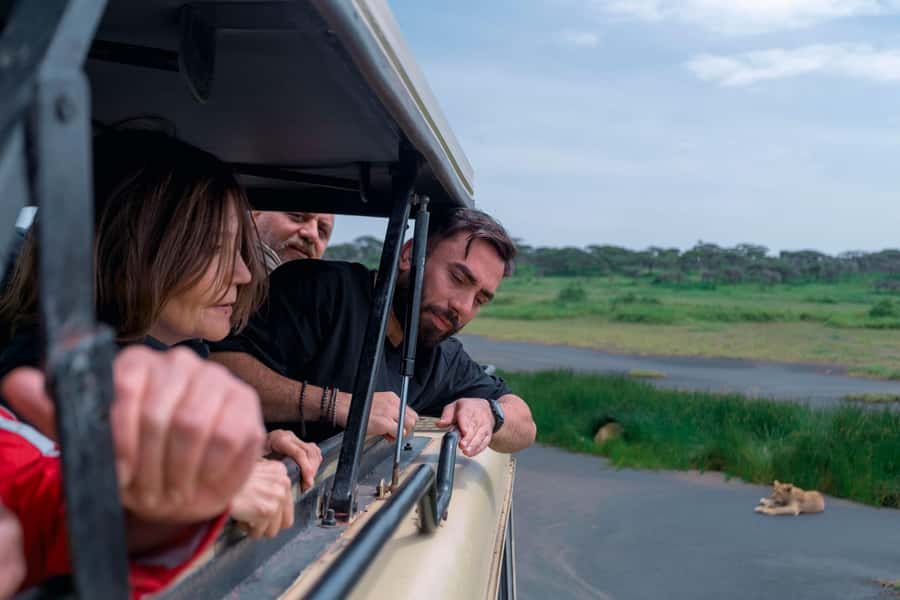
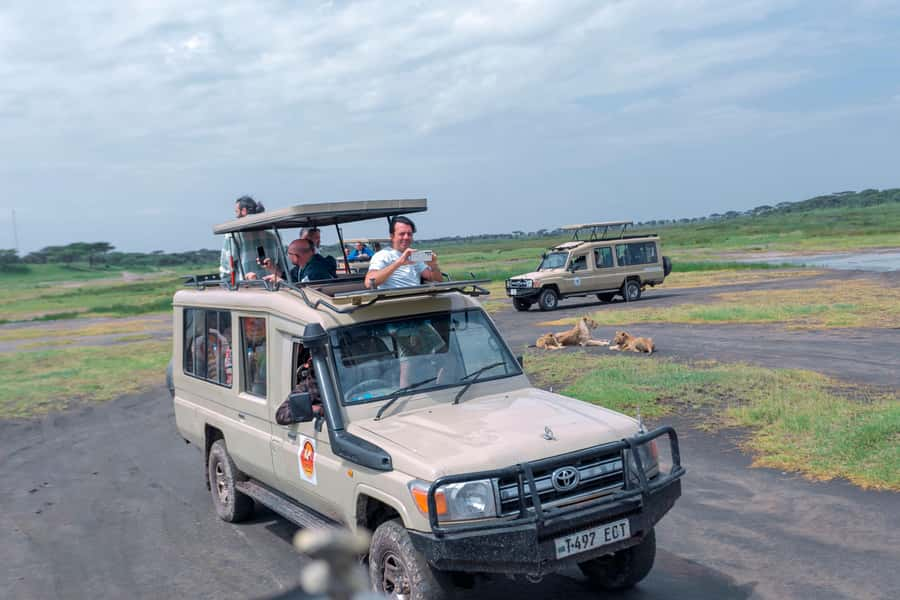
The safari vehicle is designed for game viewing, which is important here. You want clear sight lines and a raised position when scanning the grassland for a distant rhino, grazing antelope, or a small group of animals near water.
The descent into the crater is one of the day’s memorable transitions. From the rim, the floor appears broad and enclosed. Once you reach the bottom, the scale changes. The crater walls remain visible, but the animals and wetlands become the focus.
The exact amount of time spent on the floor can vary. One outing had about three hours of actual safari time, despite the tour being described as six hours. That is a meaningful distinction if your main goal is wildlife viewing. Ask for a clear schedule before departure, including how much time is planned inside the crater and how much is allocated to transport.
Small-group travel is another selling point. The listed limit is six participants, which should make it easier to see from the vehicle and hear the guide. One group, however, had seven people and changed from one car to a Jeep connected with another company. If group size and vehicle identity matter to you, confirm both before you leave Arusha.
What you may see on the crater floor
The wildlife list is impressive, but the appeal lies in how many different species can appear within one outing.
More Safaris in Arusha:
- 3 Day Serengeti National Park & Ngorongoro Crater Camping Safari
★ 5.0 · 142 reviews - 5 Days Tanzania Group Joining Safari, Tarangire/Serengeti/Ngorongoro Crater
★ 5.0 · 85 reviews - 5 day safari Tarangire Serengeti and Ngorongoro crater
★ 5.0 · 83 reviews - 3 Days Small Group Safari to Serengeti NP and Ngorongoro Crater Tour in Tanzania
★ 5.0 · 77 reviews
Lions beneath the acacia trees
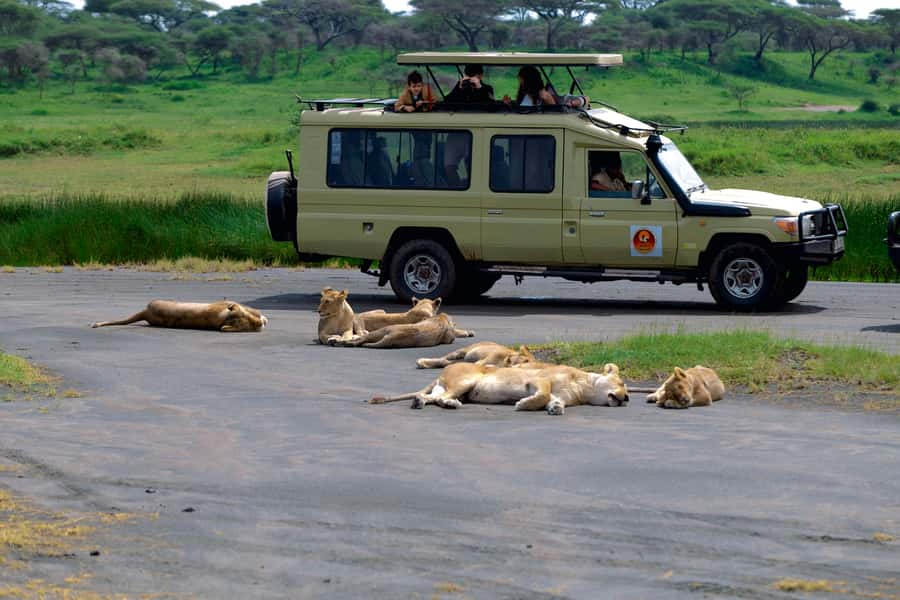
The picture of a pride of lions resting under a spreading acacia captures the easy drama of the crater. Lions may be active, but they may also be lying low during the heat of the day. A good guide can help you notice them before you drive past.
Walter and Abdallah were praised for spotting animals, including those far from the road. That skill matters when a tawny lion blends into dry grass or a predator is partly hidden by low vegetation.
Rhino in the open grassland
Rhino sightings are among the biggest reasons people choose Ngorongoro. A solitary rhino grazing in the crater’s open grassland is an unforgettable sight, but it is never guaranteed. The animals can be distant, and your guide’s ability to scan the area is important.
One lunch stop was described as taking place near a pool used by rhinos. That combination of food and wildlife viewing can make the midday pause especially memorable, though you should follow the guide’s instructions and keep a respectful distance.
Hippos and wetland wildlife
The crater’s wetlands add a different mood. Hippos may sit in the water or interact playfully, while flamingoes, pelicans, and cranes bring movement to the edges. These areas also break up the day visually, giving you something different from the open grassland.
The wetland stops are useful for photography, but bring patience. Wildlife may be spread out, and the best view can depend on where the vehicle is allowed to stop.
Buffalo, elephants, hyenas, and antelopes
The species list can grow quickly. Buffalo, elephants, gazelles, jackals, hyenas, and several kinds of antelope have all been seen on outings like this one. You may also spot birds around the water, including flamingoes, pelicans, and cranes.
Some people have seen four of the Big Five in one day, including lion, rhino, buffalo, and elephant. That is an excellent result, but it should be treated as good fortune rather than a promise. Wildlife is wild, and sightings depend on the day, the guide, and the animals’ movements.
Guides Walter, Abdallah, and Islam
The strongest human part of this experience is the guide. Walter was praised for his wildlife knowledge, sharp eyes, friendly manner, and ability to explain what you were seeing. Abdallah was noted for safe driving, spotting game at long range, and sharing facts about the crater and its animals. Islam was thanked for his driving after a particularly successful day.
Those details matter because a safari is not just a ride past animals. A guide helps you understand why a wetland attracts hippos, how to distinguish an antelope at a distance, and where to look when another vehicle has stopped.
Guide communication has not been perfect on every outing. One person found the guide’s voice too quiet and had trouble hearing the explanations. If you are seated farther from the guide, ask to be moved closer or request that key explanations be repeated. In a safari vehicle, a soft voice can disappear quickly in wind and engine noise.
English, French, and Spanish guiding are offered. When booking, select the language you can follow most comfortably. The quality of the day depends partly on how well you can communicate with the person calling out sightings and explaining the park.
Lunch, water, and the practical comforts
Lunch is included, along with bottled water. The food received especially warm praise, with breakfast and lunch described as well prepared and enjoyable. Another outing had lunch in a beautiful setting inside the crater, near a pool associated with rhinos.
That makes the included meal more than a simple cost-saving feature. You avoid having to arrange food for a long day away from Arusha, and a scenic lunch stop gives you a chance to rest after several hours in the vehicle.
There is a confusing point in the written rules. The tour includes lunch, but the restrictions also say that consuming food and drinks is not allowed during the tour. The practical reading is that you should eat only at the designated lunch stop and follow the guide’s instructions. Do not plan to snack freely inside the vehicle.
Bring comfortable shoes and clothing, even though most of the day is spent riding. A hat and sunscreen are essential, and a camera is worth packing. Keep your camera ready for quick sightings, but do not feed animals, smoke, or bring alcohol or drugs.
Is $260 per person a fair price?
At $260 per person, this is not a cheap day trip. The price makes more sense when you add up the professional guide, hotel pickup and drop-off, entrance fees, lunch, bottled water, and a small-group vehicle.
It can be good value if you have limited time and want one organized attempt at Ngorongoro. The chance to see lion, rhino, buffalo, elephant, hippo, and antelope in one setting gives the day real weight. You are also paying for access and logistics that would be difficult to arrange alone.
The value falls if you receive less than the expected safari time, are placed in a larger group, or lose hours to a vehicle problem. The reported transfer confusion and vehicle change are worth taking seriously. Ask who operates the safari vehicle, how many people will be in it, and what happens if the vehicle fails.
I would also compare this price with a multi-day northern Tanzania safari if you have several days available. This day trip suits someone who wants a focused Ngorongoro visit from Arusha. It is less appealing if you want a slow pace, long time at each location, or several national parks.
Who should book this safari?
You should consider it if your priorities are:
- Seeing major African wildlife in one dramatic setting
- Visiting Ngorongoro with transport and park fees arranged
- Traveling with a small group
- Having lunch and water provided
- Using an English, French, or Spanish-speaking guide
- Keeping plans flexible with cancellation up to 24 hours in advance
You may want another arrangement if you have back problems, use a wheelchair, or are pregnant. The tour is specifically listed as unsuitable for those conditions, and the long drive plus rough vehicle movement can be tiring.
It is also a poor match for a tight schedule. Leave your evening open, and never place a flight soon after the expected return. If you are happy to accept a long road day for a chance at a remarkable concentration of wildlife, the tradeoff can be worthwhile.
Final verdict: a strong crater day with real logistics risks
I would book this tour for the setting, the range of wildlife, and the chance to have a guide such as Walter or Abdallah working the vehicle. The crater can deliver lion, rhino, hippo, buffalo, elephant, hyena, and antelope sightings in a single day, and the views alone make the trip special.
I would book only after confirming the pickup time, the number of people, the safari vehicle, the planned time on the crater floor, and the return policy if a vehicle breaks down. At $260, those details matter. For a first and possibly only visit to Ngorongoro from Arusha, it can be a memorable choice. Just treat the six-hour figure as a rough label, not a promise of six hours inside the crater.
FAQ
How long does the Ngorongoro Crater safari last?
The activity is listed as six hours, but the full day can be longer once hotel pickup, the drive from Arusha, the crater descent, and the return journey are included. One account described about three hours to the entrance and another hour to reach the crater floor.
Is hotel pickup included?
Yes. Pickup and drop-off are included for people staying at hotels in central Arusha. An extra charge may apply for hotels farther away, and you should provide your hotel details when booking.
How many people are in the group?
The tour is advertised as a small group limited to six participants. One outing had seven people, so confirm the group size before departure if this is important to you.
Which languages are available for the guide?
Guiding is offered in English, French, and Spanish.
What is included in the $260 price?
The price includes a professional guide, hotel pickup and drop-off, entrance fees, lunch, and bottled water. Personal expenses are not included.
Can I cancel the tour?
You can cancel up to 24 hours in advance for a full refund. The activity also offers a reserve-now-and-pay-later option.
More Full-Day Tours in Arusha
- Full-Day Trip to Ngorongoro Crater from Arusha Town
★ 5.0 · 37 reviews - Full-Day Ngorongoro Crater private tour
★ 5.0 · 16 reviews - Ngorongoro Crater: Full-Day Safari Tour
★ 3.5 · 7 reviews - Reykjavik: Golden Circle Full-Day Tour with Kerid Crater
★ 4.8 · 24,485 reviews
Just added around Arusha
- 4 Days Private Safari – Tarangire, Serengeti & Ngorongoro Crater★ 5.0 · 28 reviews
- 3Days luxury safari to Tarangire Ngorongoro crater and Manyara★ 5.0 · 16 reviews
- Elephant Special Serengeti & Ngorongoro Crater 5 Days / 4 Nights★ 5.0 · 21 reviews
- Tanzania Safari 10 Days- Serengeti, Lake Manyara, Ngorongoro Crater.★ 5.0 · 4 reviews
- 4 Days Tanzania Safari Tarangire, Serengeti and Ngorongoro Crater★ 4.5 · 16 reviews
- 03 days Serengeti and Ngorongoro Crater group (camping)★ 5.0 · 75 reviews
- Private Group Serengeti Safari, Crater & Tarangire National Park★ 5.0 · 5 reviews
- Small Group Serengeti and Ngorongoro Crater Adventure Safari★ 5.0 · 7 reviews
Arusha Volcano Tours, compared.
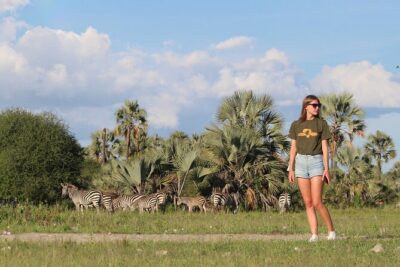
5-Day Highlights mid-Range Crater, Serengeti, Tarangire
Read our review →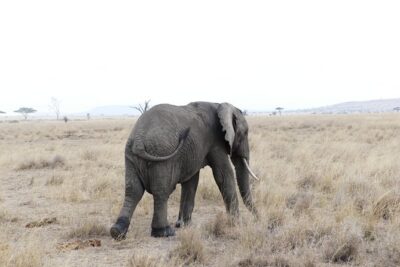
Private 6-Day Tarangire Manyara Crater and Serengeti with Mid-Range Lodges
Read our review →
5 Days Camping Tarangire, Serengeti & Ngorongoro crater & Visiting Maasai
Read our review →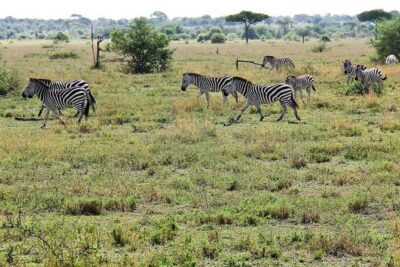
4 Days Join Group tour Tarangire Serengeti and Ngorongoro crater
Read our review →3 Day Serengeti National Park & Ngorongoro Crater Camping Safari
Read our review →
5 Days Tanzania Group Joining Safari, Tarangire/Serengeti/Ngorongoro Crater
Read our review →
5 day safari Tarangire Serengeti and Ngorongoro crater
Read our review →Browse the lists this tour appears in