
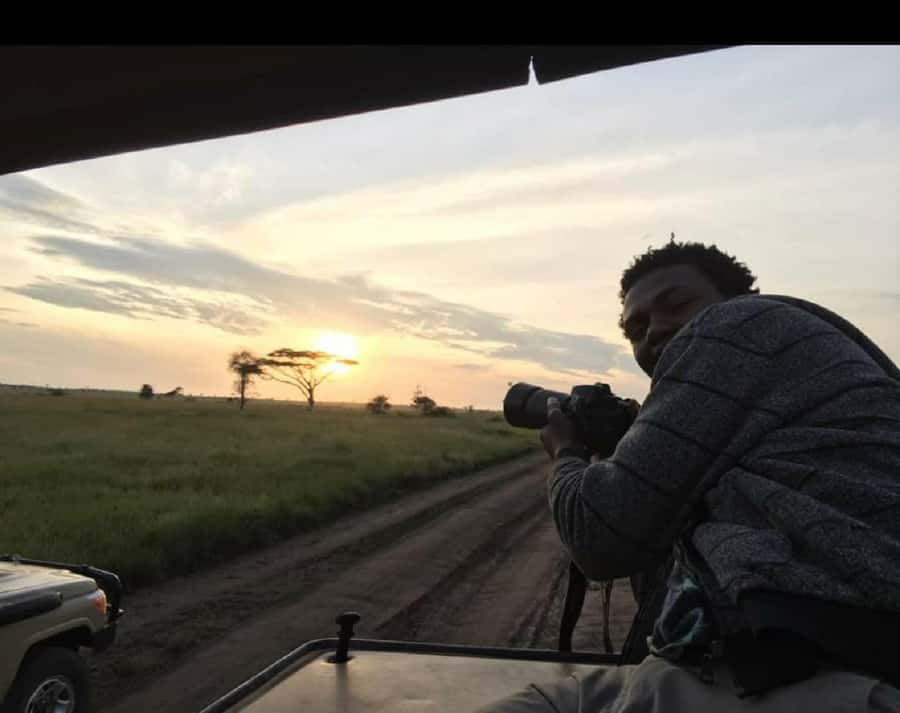
REVIEW · TANZANIA
From Arusha: Tarangire and Ngorongoro Crater Camping Safari
Tarangire’s giant baobabs and elephant herds make a strong opening to this two-day safari, but the real prize comes the next morning, when you look over Ngorongoro Crater before descending into its wildlife-filled bowl. In a short time, you get two very different parks and a good taste of northern Tanzania.
I like the smart pairing of Tarangire and Ngorongoro, since Tarangire offers open driving and memorable elephant sightings while Ngorongoro brings the best chance of seeing many species in one place. I also like that meals, water, park fees, lodging, pickup, and return transport are included, keeping the trip simple to arrange.
The main drawback is the pace. Two days means an early start, a long first day, and limited time in each park. Wildlife is never guaranteed, and even a well-run safari may miss rhinos or hyenas, as happened to one party. At $800 per person, you should want a compact safari rather than the slower rhythm of a longer itinerary.
Key points to know before booking
- Tarangire begins with baobabs and elephants: The park is famous for its ancient trees and large elephant population.
- Ngorongoro is the visual high point: You first see the crater from above, then descend for a game drive.
- The schedule is tightly packed: Pickup is at 7:30 AM, with an early 6 AM breakfast on the second day.
- Meals and park costs are included: Lunch, dinner, breakfast, soft drinks, water, entrance fees, and taxes are covered.
- Guides can shape the whole experience: Simon, Malissa, and Lucas received special praise for their care, animal spotting, and explanations.
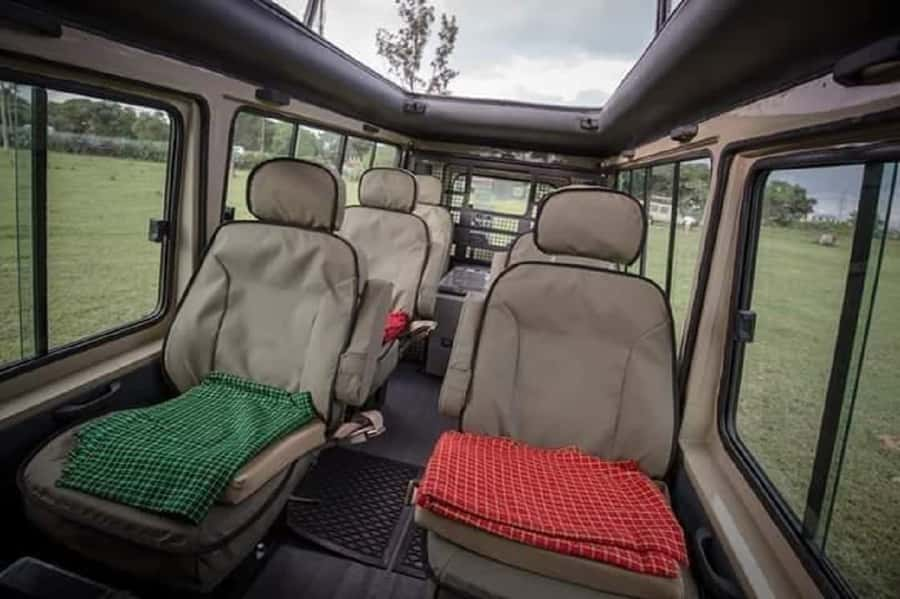
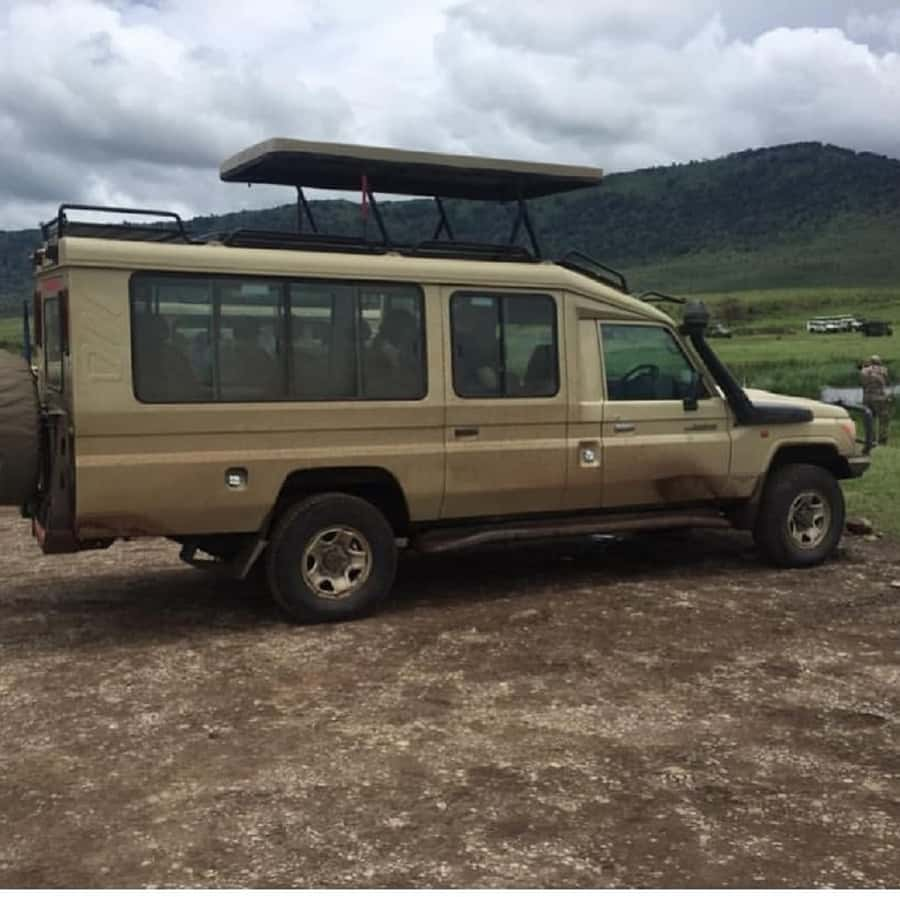
- Expect a practical safari vehicle: The trip uses a Toyota Land Cruiser style vehicle, useful for long drives and game viewing.
Why this two-day route works
This safari gives you two of Tanzania’s best-known wildlife areas without asking you to organize separate transfers, park permits, meals, or accommodation. That matters when you are starting in Arusha and want to spend your energy looking out the window rather than sorting out logistics.
Tarangire and Ngorongoro also feel different enough to justify the combination. Tarangire is known for its enormous baobab trees, broad views, and elephants. Ngorongoro is a compact wildlife area formed inside an ancient volcanic crater, with a striking rim view before the road drops down to the animals.
I would think of this as a highlights trip. You can see a great deal in 48 hours, but you will not have much spare time. The schedule suits you if you have only a short gap in northern Tanzania. If you prefer long pauses, slow photography, or several game drives in the same park, add more days.
The experience is listed at $800 per person. That is a serious price, but the package includes the major costs that quickly add up on a safari: park entry, taxes, accommodation, meals, water, soft drinks, guide services, and transport from Arusha and back. A much cheaper-looking quote may not cover the same items.
There is also evidence that prices can vary between bookings. One party reported that fellow participants had paid about $400 for two days, while their own price was above $600. That does not establish what every booking should cost, but it is a good reason to compare dates, inclusions, group arrangements, and the exact accommodation before paying $800.
More Ngorongoro Crater Safaris in Tanzania:
- 5-Day Highlights mid-Range Crater, Serengeti, Tarangire
★ 5.0 · 296 reviews - Private 6-Day Tarangire Manyara Crater and Serengeti with Mid-Range Lodges
★ 5.0 · 238 reviews - 5 Days Camping Tarangire, Serengeti & Ngorongoro crater & Visiting Maasai
★ 5.0 · 229 reviews
Day 1: Arusha to Tarangire at 7:30 AM
Your morning starts with hotel pickup in Arusha at 7:30 AM. You meet the guide, chef, and other people joining the safari before setting out on the roughly two-hour drive to Tarangire National Park.
That drive is part of the experience, but it also sets the pace. You will spend much of the day in the vehicle, so wear comfortable clothes and keep your camera, water, sunscreen, and insect repellent close at hand. The operator specifically advises bringing bug spray.
The use of a Toyota Land Cruiser is a practical advantage. A safari vehicle gives you a raised view over grass and brush, and the open viewing setup makes it easier to spot animals on both sides. One party praised the vehicle as part of the overall experience, though another lost about two hours to a repair. That is a useful reminder that even a polished safari remains an outdoor trip with machinery, roads, and the occasional delay.
Tarangire’s baobabs and elephant country
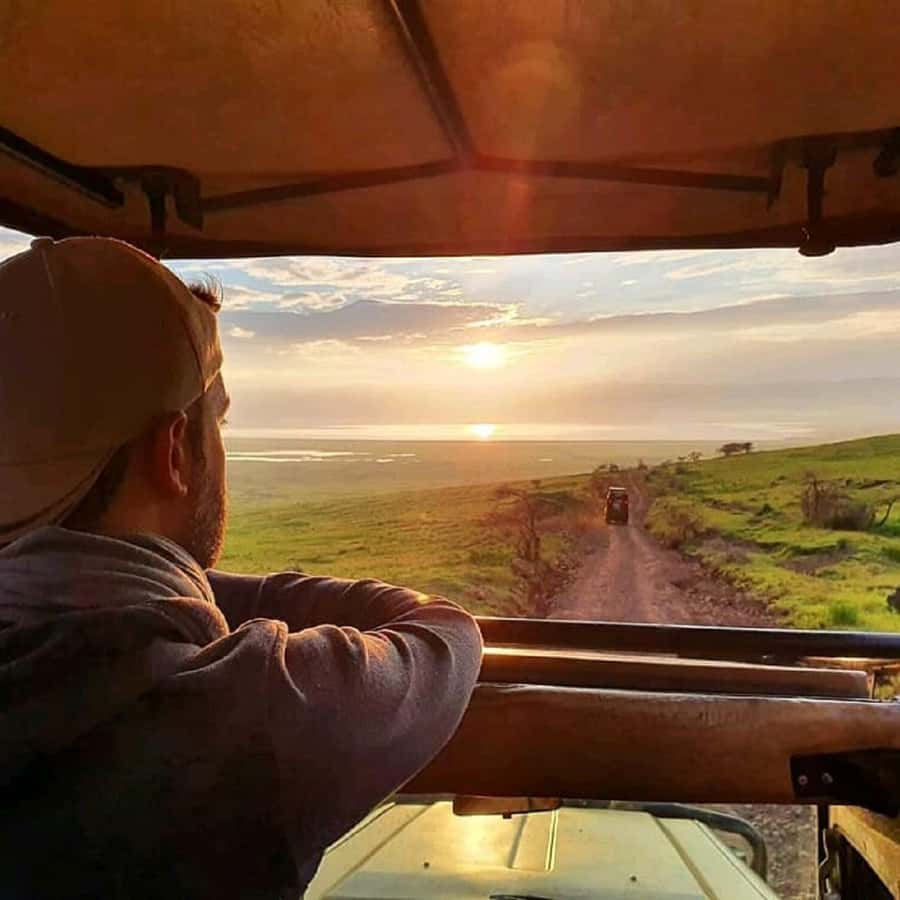
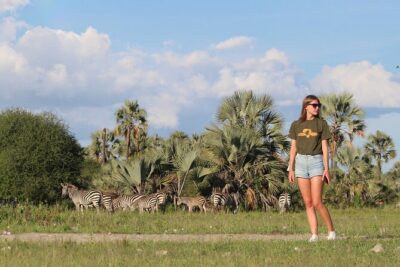
Tarangire is not simply a warm-up stop. Its ancient baobabs give the park a look you will not get in Ngorongoro, and the park is especially known for its large elephant population. You may see elephants moving through the trees or gathering in open areas, along with lions, cheetahs, leopards, giraffes, wildebeest, zebras, and other animals.
The route includes a game drive before lunch, a stop at the Tarangire River picnic site, and more game viewing afterward. The river stop gives you a chance to eat while looking across the water and watching for animals nearby. It is one of the more memorable details of the day because the meal is tied to the place, not separated from it in an indoor dining room.
You should keep expectations sensible. A list of possible animals is not a guarantee. Big cats may be found, but sightings depend on timing and luck. The same is true of leopards, cheetahs, and other less predictable species. Tarangire is particularly strong for elephants and scenery, so those are the sights I would treat as the day’s main rewards.
The park day continues until about 4:30 PM, when you leave Tarangire and travel to the overnight accommodation. That creates a full but satisfying first day. You get a proper game drive rather than a quick pass through the entrance, but you will probably feel ready for dinner by evening.
The overnight stop near Mto wa Mbu
The accommodation is described as a lodge in Mto wa Mbu, with dinner included. A clean, comfortable overnight stay and a good meal can make a big difference after a long day on rough roads, and this stop has been a strong part of the experience for several people.
Do not book this expecting a luxury resort or a private romantic retreat. The supplied details promise accommodation and meals, not a named luxury property or a particular room category. Think of the lodge as a practical base between the two parks.
Dinner, breakfast, lunch, soft drinks, and water are included. That is valuable because you do not need to search for meals during a tightly timed safari. It also makes the price easier to assess, since food and drinks are not being added one by one.
More Safaris in Tanzania:
- 3 Day Serengeti National Park & Ngorongoro Crater Camping Safari
★ 5.0 · 142 reviews - 5 Days Tanzania Group Joining Safari, Tarangire/Serengeti/Ngorongoro Crater
★ 5.0 · 85 reviews - 5 day safari Tarangire Serengeti and Ngorongoro crater
★ 5.0 · 83 reviews - 3 Days Small Group Safari to Serengeti NP and Ngorongoro Crater Tour in Tanzania
★ 5.0 · 77 reviews
Day 2: Looking into Ngorongoro Crater
Breakfast is scheduled for 6 AM, followed by a stop at the Ngorongoro viewpoint. This early start is not just an inconvenience. The crater view is one of the defining moments of the trip, and seeing it in the morning gives you a clear sense of the enormous volcanic bowl below.
The viewpoint is also a useful pause before the game drive. You can take in the scale of the crater from above before entering it, rather than arriving at the animals with no sense of the setting. Bring a camera, but also take a few minutes simply to look. The crater is the kind of place where the broad view can be as memorable as any single animal.
After the viewpoint, you descend into the crater to look for wildlife. Black rhinos are a particular target because they are among the hardest animals to spot there. If seeing a rhino is one of your main goals, tell your guide early. A skilled guide can help you understand the search, but no guide can promise a sighting.
Ngorongoro is often described as one of Tanzania’s best wildlife parks because many species can be found in a relatively concentrated setting. You may look for lions, cheetahs, elephants, giraffes, zebras, wildebeest, and other animals. The crater setting gives the game drive a strong sense of place, with the rim rising around the viewing area.
The tradeoff is that the second day is very compressed. You have the viewpoint, the descent, a game drive, lunch, more driving, the climb out, and the return to Arusha. That schedule gives you an excellent sample, but not an unhurried exploration.
Guides make the difference
A safari guide is not just a driver. Your guide controls the pace, explains what you are seeing, helps find animals, and handles much of the practical work when the day is long.
Simon, also called Safari Monster, received especially warm praise for being kind, helpful, enthusiastic, and focused on creating strong memories. His photography was also singled out, which could matter if you want more than quick phone snapshots.
Malissa was praised for careful driving, strong explanations, and guiding the entire trip from beginning to end. Lucas was also credited with making the experience memorable and showing animals that might otherwise be easy to miss.
You cannot necessarily request one of these guides, but you can ask the operator if a particular guide is available. That is worth trying, especially if personal attention and wildlife photography matter to you. The English live guide and English audio guide make the trip accessible to English-speaking visitors, though the live guide should be your main source of information.
The repeated strengths here are organization, safe transport, useful explanations, and a friendly attitude. Those qualities matter more than a fancy vehicle or a long list of promised animals. A good guide can turn a quiet stretch of park into an interesting lesson in animal behavior.
Meals, transport, and what the price covers
The package includes hotel pickup and drop-off, park entrance fees, taxes, accommodation, all meals, soft drinks, and water. Flights and visas are not included, so you need to arrange those separately.
The inclusion of park fees is especially important. Tanzania’s national park costs can make up a large portion of a safari budget, and paying them separately can make a low headline price less attractive. Here, the listed price is easier to compare because the main ground costs are bundled together.
The chef is part of the safari team, and meals are built into the schedule. Lunch at the Tarangire River picnic site gives the first day a scenic break, while dinner at the lodge and breakfast before Ngorongoro keep the second morning moving.
Transport is both the strength and the possible irritation of this trip. A Toyota Land Cruiser is well suited to game viewing, but you will spend many hours in it. One vehicle repair caused a two-hour delay for a party, so leave a little emotional room for the unexpected. Safaris run on roads, weather, animals, and vehicles, not on a perfect city timetable.
Who should book this safari
I would recommend this trip to a first-time safari visitor who has two days available and wants Tanzania’s major sights without arranging every piece alone. It is also a good fit if elephants, baobabs, crater views, and a broad mix of wildlife are more important to you than a slow, private schedule.
The private-group format may appeal if you want a more personal setup than a large coach tour. Still, ask how many people will be in your vehicle for your date, since the experience can feel very different with only a few passengers compared with a crowded vehicle.
This trip is not suitable for children under three, people with back problems, or people with mobility impairments. The long drives, game-drive roads, vehicle movement, and crater access make that restriction practical rather than surprising.
I would be cautious about booking it if you need guaranteed rhino sightings, luxury lodging, or a relaxed timetable. One party saw nearly every major animal it hoped for in Tarangire but missed rhinos and hyenas in both parks. That is normal wildlife luck, not a failure of the itinerary.
Small details that improve the experience
Keep bug spray in your day bag, not buried in your luggage. You should also carry a phone charger if you have one, though no charging details are provided, and protect your camera from dust.
Wear simple, comfortable clothing for a long day in the vehicle. The exact clothing guidance is not supplied, so focus on practical layers and sun protection rather than packing for a formal safari look.
Listen closely during quiet stretches. The drive is not dead time if your guide is explaining animal behavior, park conditions, or what to watch for. The best sightings often begin with a small movement that is easy to miss.
Finally, do not measure the trip only by the rarest animal. The baobabs, elephant herds, crater rim, river picnic, and changing scenery give the safari its shape. A rhino would be a superb bonus, but the two parks offer plenty even when luck is uneven.
Should you book it?
Book this safari if you want a well-organized two-day introduction to northern Tanzania, especially from Arusha. The route packs in Tarangire’s elephants and baobabs, Ngorongoro’s crater views, a serious wildlife search, meals, lodging, park fees, and return transport.
At $800, compare the exact terms before committing, especially group size and accommodation. If the cost fits your budget and you accept a busy schedule, this is a strong short safari. If you can add extra days, you may prefer a longer plan with more time in each park, but for a compact trip, the Tarangire and Ngorongoro pairing makes good sense.
FAQ
How long does the safari last?
The safari lasts two days.
Where does the safari begin and end?
Hotel pickup is provided in Arusha, and the tour returns you to your accommodation in Arusha after the Ngorongoro visit.
What time does pickup begin?
Pickup begins at 7:30 AM on the first day. Breakfast is scheduled for 6 AM on the second day.
Which parks are included?
The safari includes Tarangire National Park on the first day and Ngorongoro Crater on the second day.
Are meals and drinks included?
Yes. All meals, soft drinks, and water are included. The first day includes a picnic stop at the Tarangire River.
Is a guide provided?
Yes. An English-speaking live guide is provided, and an English audio guide is also included.
What is not included in the price?
Flights and visas are not included. Park entrances, taxes, accommodation, meals, soft drinks, water, hotel pickup, and hotel drop-off are included.
Just added around Tanzania
- 4 Days Private Safari – Tarangire, Serengeti & Ngorongoro Crater★ 5.0 · 28 reviews
- 3Days luxury safari to Tarangire Ngorongoro crater and Manyara★ 5.0 · 16 reviews
- Elephant Special Serengeti & Ngorongoro Crater 5 Days / 4 Nights★ 5.0 · 21 reviews
- Tanzania Safari 10 Days- Serengeti, Lake Manyara, Ngorongoro Crater.★ 5.0 · 4 reviews
- 4 Days Tanzania Safari Tarangire, Serengeti and Ngorongoro Crater★ 4.5 · 16 reviews
- 03 days Serengeti and Ngorongoro Crater group (camping)★ 5.0 · 75 reviews
- Private Group Serengeti Safari, Crater & Tarangire National Park★ 5.0 · 5 reviews
- Small Group Serengeti and Ngorongoro Crater Adventure Safari★ 5.0 · 7 reviews
Tanzania Volcano Tours, compared.
5-Day Highlights mid-Range Crater, Serengeti, Tarangire
Read our review →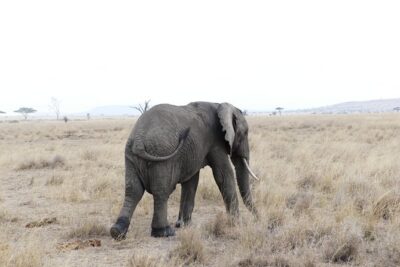
Private 6-Day Tarangire Manyara Crater and Serengeti with Mid-Range Lodges
Read our review →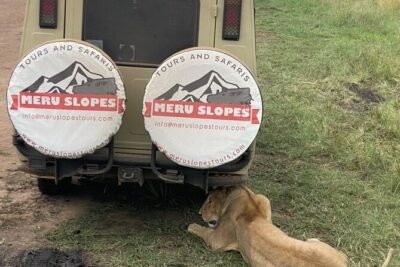
5 Days Camping Tarangire, Serengeti & Ngorongoro crater & Visiting Maasai
Read our review →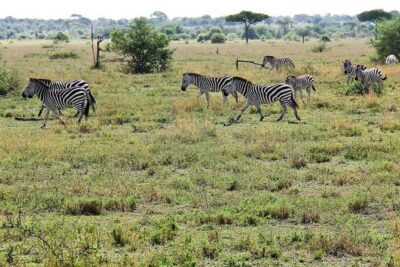
4 Days Join Group tour Tarangire Serengeti and Ngorongoro crater
Read our review →3 Day Serengeti National Park & Ngorongoro Crater Camping Safari
Read our review →
5 Days Tanzania Group Joining Safari, Tarangire/Serengeti/Ngorongoro Crater
Read our review →
5 day safari Tarangire Serengeti and Ngorongoro crater
Read our review →Browse the lists this tour appears in