
REVIEW · MOSHI
5 Days Camping Tarangire, Serengeti & Ngorongoro crater & Visiting Maasai
The biggest draw here is the three-park route. In five days, you move from Tarangire’s giant baobabs and elephants to the Serengeti’s open plains, then into Ngorongoro Crater, where wildlife gathers in a remarkable natural bowl. You also get sunrise and sunset game drives, not just quick roadside stops.
I like the strong wildlife value and the small vehicle limit of six people. I also like the practical inclusions: meals, drinking water, Wi-Fi in the safari vehicle and AMREF Flying Doctors emergency rescue cover. The main caution is pace. Long drives, early starts and camping make this a demanding trip, and the advertised Maasai visit is not clearly shown in the day-by-day plan.
Key points to know before booking
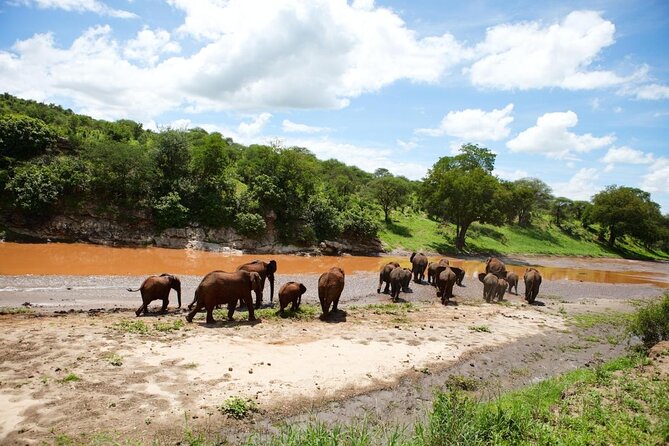
- Tarangire opens the trip with elephants and baobabs: You get a full game-drive day in a park known for both.
- Two nights focus on the Serengeti: The Seronera area gives you a strong chance to see lions, cheetahs, leopards and large herds.
- Migration sightings depend on timing: June through September is presented as the best period for the northern migration, while calving is usually January through March.
- Ngorongoro is a full game-viewing day: The crater is about 610 metres deep, covers roughly 260 square kilometres and supports around 25,000 animals.
- Camping keeps the price in check: At $1,280 per person, the package includes transport, meals, water, Wi-Fi and park-related costs, but not tips, flights or visas.
- The final village visit is Mto wa Mbu: You can see banana plantations and learn about local life, but confirm separately if a specific Maasai encounter is essential.
Three famous parks in five days
This is a compact northern Tanzania safari built around the classic circuit. You start near Arusha, travel to Tarangire, continue through the Ngorongoro Conservation Area into the Serengeti, spend two days there, then return to Ngorongoro before finishing with Mto wa Mbu and a drive back toward Arusha.
That route makes sense for a first safari. Each park offers something different. Tarangire gives you huge trees and elephants. Serengeti gives you the feeling of space and the possibility of major predator sightings. Ngorongoro gives you concentrated wildlife in one dramatic setting.
The trade-off is time on the road. You are not staying in one area and taking relaxed morning drives from a lodge. This is an active camping safari, with early breakfasts, packed vehicles and several long transfers. If you want to cover the northern parks in one short trip, that is the price of admission.
The listed price is $1,280 per person. That is a useful value when you consider the package includes private transportation, all fees and taxes, five lunches, five dinners, four breakfasts, unlimited drinking water, Wi-Fi in the safari vehicle and AMREF Flying Doctors emergency rescue cover. Tips, flights and visas are extra.
The word private needs a little care. The vehicle is limited to a maximum of six people, but the supplied details do not clearly say that every booking receives an exclusive vehicle. Ask whether you will share with other people or have the vehicle to yourself. That answer can make a large difference to the feel of the trip.
More Ngorongoro Crater Safaris in Tanzania:
- 5-Day Highlights mid-Range Crater, Serengeti, Tarangire
★ 5.0 · 296 reviews - Private 6-Day Tarangire Manyara Crater and Serengeti with Mid-Range Lodges
★ 5.0 · 238 reviews - 5 Days Camping Tarangire, Serengeti & Ngorongoro crater & Visiting Maasai
★ 5.0 · 229 reviews
Day one: Tarangire’s elephants and baobabs
Pickup is listed at 7:30 a.m. from Kilimanjaro Airport, while the day plan also refers to an 8 a.m. pickup from an Arusha hotel. Confirm your exact meeting point before you arrive. The drive to Tarangire takes about three hours from Arusha, so an early start helps you reach the park with time for a full game drive.
Tarangire covers about 2,800 square kilometres and takes its name from the Tarangire River. That river is important because animals gather around available water, especially during drier periods. The park is especially known for elephants, and the huge herds can make this first day feel immediately rewarding.
The baobab trees give Tarangire its most memorable shape. These thick-trunked trees can store large amounts of water, with the supplied information placing their capacity between 300 and 1,000 litres. Some can live for hundreds of years. You will also be watching for lions, leopards, pythons that climb trees and other species.
A full day in the park is much better than a short pass-through visit. You have time to look carefully, stop for wildlife and appreciate the change from the busy roads around Arusha to open bush and river country. Still, seven hours of game driving after a three-hour transfer can be tiring.
The night is at Jambo Lodge for dinner and overnight accommodation. The title calls this a camping safari, so confirm which nights use tents and which use lodges. Some past arrangements have included lodge upgrades for an added fee, which may suit you if you like the route but not the idea of sleeping under canvas every night.
Day two: From the highlands to the Serengeti
After breakfast, you pass through the farmland around Karatu and the Ngorongoro Conservation Area. The road then drops toward the Serengeti. This is one of the most enjoyable transitions in the itinerary, because the surroundings change from cultivated highlands to broad open country.
The destination is the Seronera area in central Serengeti. The Seronera River supplies water and draws a wide mix of wildlife, making this one of the park’s most productive areas. You arrive around lunchtime, then take an afternoon game drive that continues toward sunset.
This timing gives you a first taste of the Serengeti without spending the entire day in transit. The plains seem to stretch endlessly, and the open views are a major part of the experience. You may be looking for wildebeest and zebra, but the real excitement often comes from watching for predators near herds or water.
The Serengeti is where guides and drivers matter most. Names connected with this operation include Jacob, Mohammed, Patrick, Nuru, Saleh and Asanteali, along with chefs such as Dula and Gideon. The quality of your experience depends on driving skill, animal tracking and clear communication, so ask who will guide your departure if that matters to you.
A practical point: do not judge the Serengeti only by the number of animals seen in the first afternoon. Wildlife moves, weather changes and the park is enormous. The value of having two nights here is that you get another full day rather than a single rushed viewing window.
Day three: A full Serengeti wildlife day
Day three starts early, with breakfast before a full game drive. This is likely to be one of your longest and most rewarding days. The plan is to visit key areas of the Serengeti while following the wildebeest migration when conditions allow.
The migration is not a fixed show that arrives on schedule. Around 1.5 million wildebeest move with large numbers of zebra and smaller groups of gazelles, eland and impala. The broad pattern is fairly predictable, but the exact location changes from year to year.
The strongest stated timing is June through September for the migration, with July through September offering a chance of reaching the northern Serengeti for a Mara River crossing. January through March is associated with calving. These dates are useful, but they do not guarantee a crossing or a particular herd location.
That distinction matters. A river crossing can be spectacular, but it is also one of the most difficult sightings to time. If you visit outside the main migration periods, the Serengeti is still worthwhile for its resident wildlife, wide plains and strong predator country.
A good driver can improve your odds, but nobody can promise the Big Five or a leopard in a particular tree. The supplied experiences describe sightings of all five major animals, cheetahs and leopards, including a leopard feeding. Treat those as possible highlights, not a contract.
The day may include sunset in the Serengeti. That is valuable because the park changes character as the light softens, and you get a second kind of viewing beyond the bright midday hours. It is also a long day, so bring patience, sun protection and something warm for the cooler morning and evening.
A few more volcano tours around Tanzania worth a look
- 5 Days Tanzania Group Joining Safari, Tarangire/Serengeti/Ngorongoro Crater
★ 5.0 · 85 reviews - 5 day safari Tarangire Serengeti and Ngorongoro crater
★ 5.0 · 83 reviews - 5 Day Silver Serengeti & Ngorongoro Crater & Tarangire Safari
★ 5.0 · 46 reviews - 5days Tanzania Safari lodge and camping Serengeti, Tarangire & Ngorongoro Crater
★ 5.0 · 31 reviews
Day four: Serengeti sunrise and the road to Ngorongoro
The fourth day begins around 5:45 a.m. with an early breakfast and sunrise inside the Serengeti. This is one of the best details in the plan. Dawn game viewing can offer cooler conditions and a quieter start before the heat of the day.
You continue with an early game drive until about 11:30 a.m., return to camp for a hot lunch and pack your belongings into the vehicle. After lunch, you continue through the Serengeti while heading toward the Ngorongoro Crater area.
The schedule lists about ten hours for this day. That tells you exactly what kind of trip this is: active, ambitious and not built around long afternoons at camp. The scenery changes again as the open plains give way to the higher Ngorongoro area.
You spend the night at Simba Campsite near Ngorongoro. Camping can be part of the fun, especially when you are moving through wildlife country rather than staying inside a large resort. It also means basic facilities and less personal space than you would have in a lodge. Bring toilet paper, since that small item has proved useful on campsite-based departures.
The included chef is another important part of the camping setup. Past itineraries have featured cooks such as Dula and Gideon, and food is described as a strong part of the experience. Ask about dietary needs before departure rather than waiting until the first camp meal.
Day five: Down into the Ngorongoro Crater
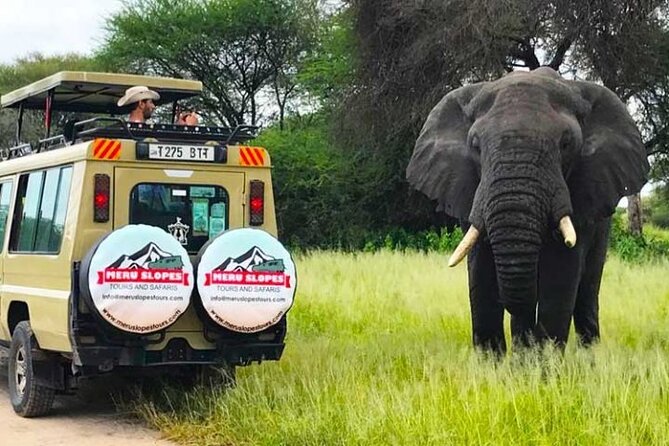
The final safari morning starts early again. From the crater rim, you can see the sun rise over the wide bowl below. After breakfast, the vehicle takes the steep track down into Ngorongoro Crater.
The crater is a UNESCO World Heritage site and about 610 metres deep. It covers roughly 260 square kilometres and supports an animal population estimated at around 25,000. Because wildlife is concentrated within the crater, this is often the most efficient game-viewing day of the route.
You may see wildebeest, zebra, gazelles, elephants and more than 500 bird species. The crater is also a good place to hope for lions and other large mammals, though wildlife sightings are never guaranteed. The enclosed setting makes the day feel different from Serengeti, where the scale can make animals seem widely scattered.
The crater drive is listed at about eight hours. That is a proper game-viewing day, not a quick lookout visit. You should expect rough tracks, early starts and a busy schedule. The reward is the chance to see many kinds of animals in a single ecosystem without covering the vast distances required in Serengeti.
After the crater, the trip continues to Mto wa Mbu village. A local guide leads you through community areas, including banana plantations where more than 30 varieties are grown. The visit is intended to explain local social and economic life, and you can ask questions along the way.
This is a welcome change after several days focused on wildlife. It gives you contact with a working community rather than another lodge stop. The itinerary allows about one hour here before the drive to Arusha, so do not expect a long cultural program.
The Maasai question and what the village visit means
The experience title includes visiting Maasai, but the detailed schedule names Mto wa Mbu rather than a specific Maasai village, boma or cultural performance. That does not mean the advertised visit cannot happen, but the information provided does not establish it clearly.
If meeting Maasai families is central to your plans, ask the operator to confirm exactly what is included, where it takes place and whether an extra fee applies. Do not assume that a general village visit and a Maasai cultural visit are the same thing.
Mto wa Mbu is still a useful final stop. You get a local guide, banana-growing areas and a chance to ask about community life. After several days of animal sightings, this human side of northern Tanzania can give the trip a better sense of place.
Camping, transport and daily comfort
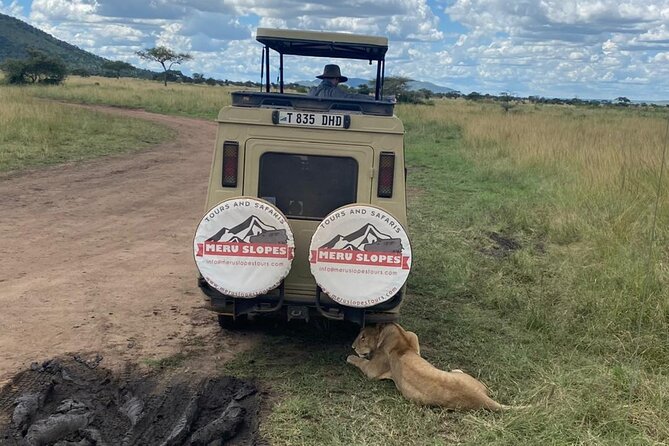
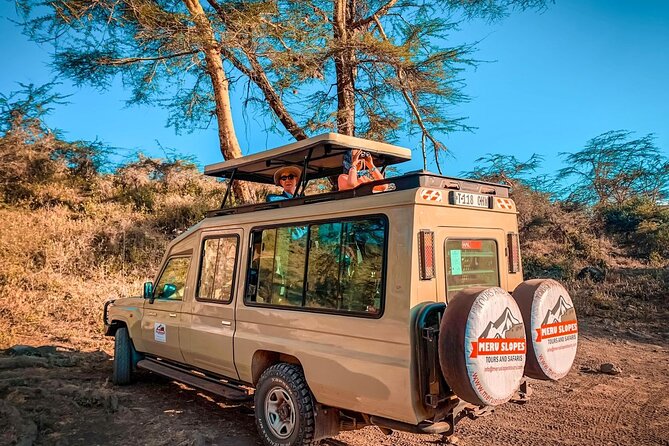
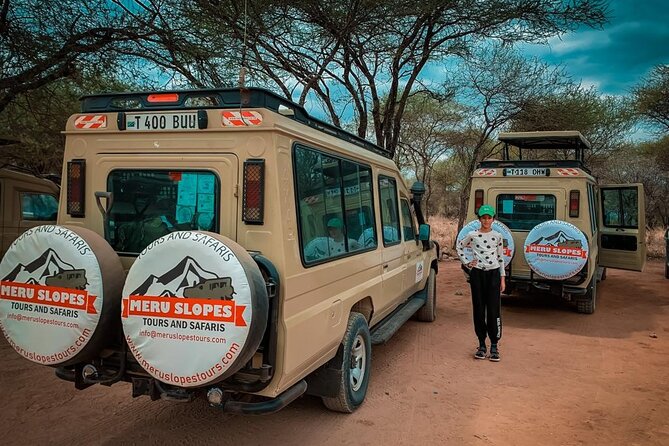
The safari uses private transportation and limits the vehicle to six people. That is a sensible group size for viewing animals and sharing the long drives. A smaller group also makes it easier to discuss where to stop, though you should confirm whether your booking is exclusive or shared.
Unlimited drinking water is included, as is free Wi-Fi inside the safari vehicle. Wi-Fi in a moving safari vehicle can be useful for messages and basic updates, but I would not plan on a strong connection in every remote area.
Meals are included throughout the schedule: four breakfasts, five lunches and five dinners. That takes care of a major part of the daily budget. You will still want money for tips and personal purchases, since tips are not included.
AMREF Flying Doctors emergency rescue cover is included. That is a reassuring practical detail for a remote safari, though it should not be confused with full travel insurance. You still need to arrange your own flights, visa and any broader medical or cancellation protection.
The tour offers pickup, but the meeting details list both Kilimanjaro Airport and an Arusha hotel. Get the pickup location and time in writing. This is a simple step that prevents a poor start to an otherwise well-planned trip.
Who will get the most from this safari
I would recommend this route if you want to see the headline parks in a short period and are willing to trade comfort for coverage. It suits first-time safari visitors who want elephants, big cats, open plains, a crater day and a village visit without arranging each piece separately.
It also suits people who care more about wildlife time than luxury rooms. The guides and drivers are central to the experience, and the operation has used staff such as Mohammed, Jacob, Patrick, Nuru, Saleh and Asanteali. Their ability to read animal movement and manage long days will shape your trip.
I would hesitate if you dislike early mornings, rough roads or changing accommodation. The schedule has several long days, including a ten-hour fourth day and a full crater day after repeated early starts.
I would also hesitate if you are choosing this solely for a guaranteed migration crossing. June through September improves the chance, and July through September offers the stated possibility in the north, but nature does not follow a booking calendar.
Should you book this five-day safari?
Book it if you want a high-value northern Tanzania circuit with serious wildlife time, a small maximum group and meals included. The combination of Tarangire, two Serengeti days, Ngorongoro Crater and Mto wa Mbu gives you a lot for five days.
Before paying, confirm three details: the exact pickup point, whether your vehicle is shared or exclusive, and what the Maasai visit actually includes. Also ask about the camping nights and the cost of any lodge upgrade.
If those answers suit you, $1,280 per person is a reasonable package price for the route and inclusions. If you want slower days, guaranteed lodge comfort or a carefully timed migration crossing, choose a longer or more specialized safari instead.
FAQ
How long is the safari?
The safari lasts approximately five days.
Where does the safari start?
The meeting information lists Kilimanjaro Airport as the start point at 7:30 a.m. The day-by-day plan also mentions pickup from an Arusha hotel at 8 a.m., so confirm your exact pickup location with the operator.
How many people can join the tour?
The safari has a maximum of six people.
What parks are included?
The route includes Tarangire National Park, Serengeti National Park and the Ngorongoro Conservation Area, including a full game-viewing day in Ngorongoro Crater.
Is the Great Migration guaranteed?
No. The itinerary identifies June through September as the best chance for the migration, with July through September offering a possible northern Serengeti and Mara River crossing. January through March is associated with wildebeest calving.
Are meals included?
Yes. The package includes four breakfasts, five lunches and five dinners.
Is drinking water included?
Yes. Unlimited drinking water is included during the safari.
Is Wi-Fi available?
Yes. Free Wi-Fi is provided inside the safari vehicle during the tour.
What is not included in the price?
Tips, flights and visas are not included. The listed price is $1,280 per person. Free cancellation is available when you cancel at least 24 hours before the experience start time.
Just added around Tanzania
- 4 Days Private Safari – Tarangire, Serengeti & Ngorongoro Crater★ 5.0 · 28 reviews
- 3Days luxury safari to Tarangire Ngorongoro crater and Manyara★ 5.0 · 16 reviews
- Elephant Special Serengeti & Ngorongoro Crater 5 Days / 4 Nights★ 5.0 · 21 reviews
- Tanzania Safari 10 Days- Serengeti, Lake Manyara, Ngorongoro Crater.★ 5.0 · 4 reviews
- 4 Days Tanzania Safari Tarangire, Serengeti and Ngorongoro Crater★ 4.5 · 16 reviews
- Small Group Serengeti and Ngorongoro Crater Adventure Safari★ 5.0 · 7 reviews
- 03 days Serengeti and Ngorongoro Crater group (camping)★ 5.0 · 75 reviews
- Private Group Serengeti Safari, Crater & Tarangire National Park★ 5.0 · 5 reviews
Moshi Volcano Tours, compared.
4 Days Group Joining Camping Safari to Tarangire Serengeti Ngorongoro Crater
Read our review →
3-Day Ngorongoro Crater Manyara and Tarangire Safari from Arusha
Read our review →
Chagga Villages in Mount Kilimanjaro Cycling Day Trip
Read our review →
Mount Kilimanjaro Day Hike – All-Inclusive, No Hidden Fees
Read our review →
Browse the lists this tour appears in