
REVIEW · JAPAN
Oiso: Adventure Hike to See Mt. Fuji & Historic Coastal Walk
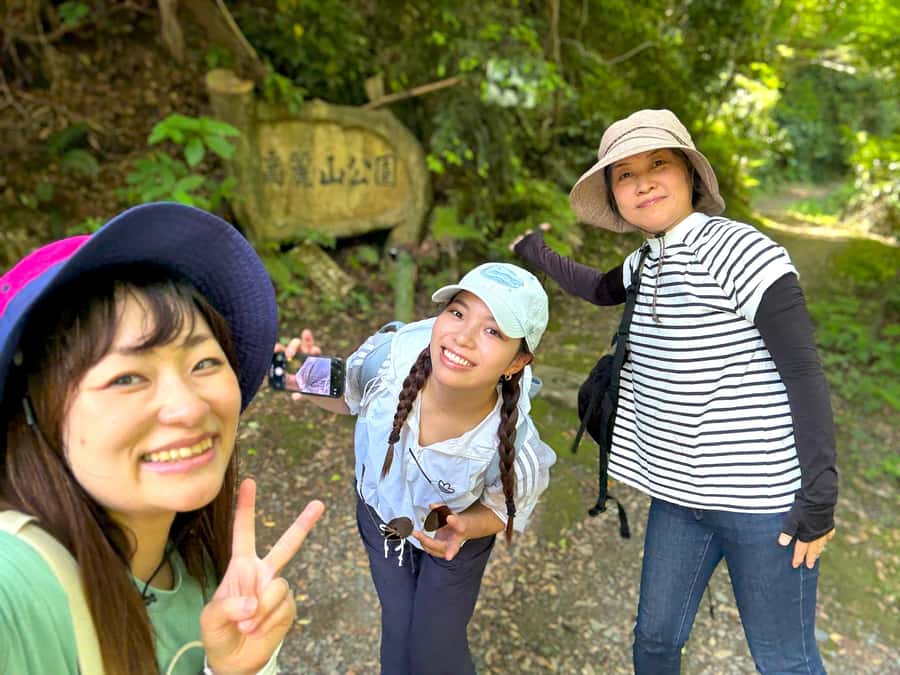
Oiso gives you something many Japan day trips do not: a compact town where sea, forest, and old villas fit into one unhurried walk. With Yuki, a licensed local guide, you start at the port and Japan’s first public beach, climb Mt. Koma to Shonan-Daira, then return through historic gardens and former political residences.
I like the mix of a short, manageable hike and genuinely local history. I also like the flexible lunch stop, where you might choose sashimi, soba, local meat, or vegetables. The main catch is weather: Mt. Fuji is not guaranteed, and rain before the tour can make the forest trail too slippery to use.
Key points to know before booking
- A sea-to-mountain route: Begin at Oiso Port and climb through woodland to Mt. Koma and Shonan-Daira.
- A private tour for up to six people: At $114 per group, the cost is especially sensible for a small party.
- A real local guide: Yuki lives in the Shonan area and leads in English or Japanese.
- Historic Oiso in one day: See Takaku Shrine, old Tokaido sites, Kofun-period tombs, gardens, and Meiji-era villas.
- Lunch is flexible but extra: Your guide recommends local restaurants, while you pay for your own meal.
- Fitness matters: Expect about two hours of hiking, plus several hours on foot. Hiking shoes, long pants, and a long-sleeved shirt are the right choice.
Why Oiso makes a fine break from Tokyo
Oiso sits on the Shonan coast of Kanagawa, within easy reach of Tokyo, Kamakura, Odawara, and Hakone. It is also on the rail route toward Odawara, Hakone, Osaka, and Kyoto, so the town can fit neatly into a larger Japan trip.
The appeal is not one famous monument. It is the way several parts of Japan meet in a small area. You have the sea at Oiso Port, pine-lined sections of the old Tokaido highway, a shrine with a 1,300-year story, a wooded mountain route, and elegant homes linked to Meiji and postwar political life.
I especially like that the day does not feel built around souvenir shopping or a packed schedule. You walk, stop, listen, eat, and adjust the pace. Oiso offers a look at how a coastal Japanese town developed as both a fishing center and a retreat for influential people.
The tour costs $114 per private group of up to six. That is not a per-person price, so the value improves sharply for four to six people. It also gives you a local guide for the full six hours rather than a large group with a fixed script.
More Volcano Hikes and Treks in Japan
- Traverse Outer Rim of Hakone Caldera and Enjoy Onsen Hiking Tour
★ 5.0 · 30 reviews - Private Local Hiking to enjoy the nature and culture of Mt.Fuji
★ 5.0 · 22 reviews - Mt.Fuji Trekking 1 Day Tour up to the summit
★ 5.0 · 14 reviews
Meeting at JR Oiso Station and heading to the port
You meet Yuki outside the ticket gate at JR Oiso Station. From there, the first part is on foot, with about ten minutes to a photo stop and then roughly another twenty minutes toward Oiso Port.
This start gives you time to settle into the town before the climb begins. Oiso Port is small and connected to the town’s fishing trade. You can feel the sea breeze and see the beach recognized as Japan’s first public beach.
If you arrive in the morning and conditions are right, you might find freshly caught raw whitebait. That possibility depends on the day, so do not book this tour solely for that food. Still, the port helps explain why Oiso developed as a seaside resort rather than being just a collection of old residences.
Lunch comes later, but the port is already a useful preview of the food to expect. Fresh fish is central here, and Yuki can point you toward local choices rather than sending you to a familiar chain restaurant.
Takaku Shrine and the old Tokaido road
From the port, you continue along old streets and sections of the Tokaido route. During the Edo period, the Tokaido connected Tokyo and Kyoto, and Oiso grew as a post town along this important road. Pine trees and older sites help you picture the route before modern rail travel changed the rhythm of the region.
Takaku Shrine is one of the day’s strongest cultural stops. The shrine has about 1,300 years of history and is tied to the legend of Mt. Koma. Yuki explains the story and guides you through the basic Shinto ritual used when praying to the deity.
You can also touch the springing divine water. That small physical detail makes the visit more memorable than simply photographing a shrine gate and moving on. It gives you a direct connection to the place and to the local customs associated with it.
The shrine is also where the day shifts from town walking to the mountain route. You should be ready for uneven ground after this point. The tour is not a strenuous full-day trek, but it is not a flat sightseeing walk either.
Climbing Mt. Koma through the forest
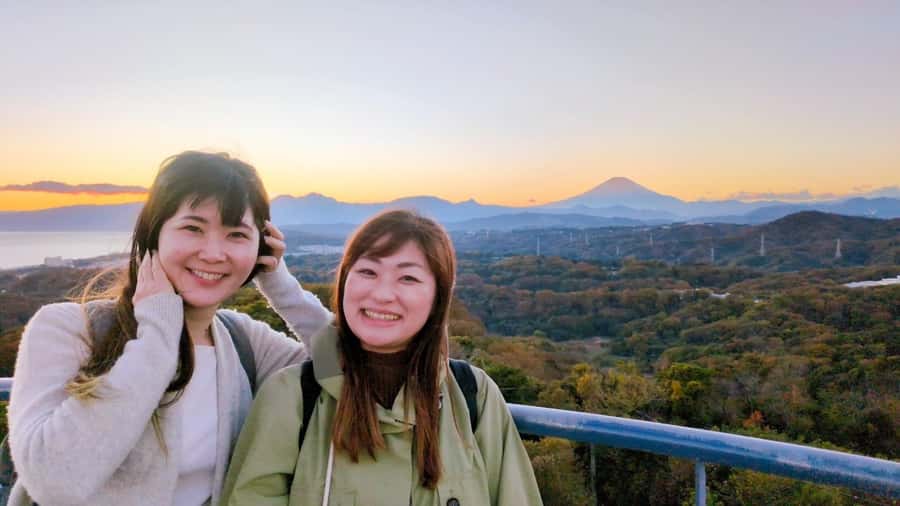
The route toward the summit of Mt. Koma is described as a light wild-nature experience, and that is the right way to think about it. You hike for about an hour toward the mountain, then continue along the ridge for another hour toward Shonan-Daira.
The forest changes the feel of the day. Oiso’s sea air gives way to shade, greenery, and the quiet of a wooded trail. Yuki describes the fresh forest air as a chance to enjoy negative ions, though the practical benefit is simple: you get a pleasant break from city streets and hot pavement.
This is a good choice for someone who wants to try hiking in Japan without committing to a major mountain expedition. The route is short enough to fit into a six-hour outing, and a rest stop is built into the plan.
Still, take the footwear rules seriously. The formal guidance calls for hiking shoes, long pants, and a long-sleeved shirt. One summer walker found the route manageable in sneakers, but proper hiking shoes are the safer choice, especially after wet weather. Sandals, flip-flops, open-toed shoes, high heels, short skirts, and sleeveless shirts are not suitable.
The tour is not recommended for children under eight, pregnant people, people with mobility or heart problems, wheelchair users, people with vertigo or a fear of heights, or anyone with respiratory issues, epilepsy, or a cold. It is also not suitable for people over 75, or for people with significant visual or hearing impairment. Those limits reflect the trail and the need to keep the group safe, not just bureaucratic fine print.
More Mount Fuji Tours in Japan:
- Mt Fuji and Hakone 1-Day Bus Tour Return by Bullet Train
★ 5.0 · 26,383 reviews - Mt Fuji & Hakone Cruise, Drum Show Bullet Train 1 Day from Tokyo
★ 4.0 · 7,413 reviews - Tokyo Mt Fuji 5th St & Hakone Cruise Bus Tour w/Bullet Train
★ 4.4 · 5,024 reviews - From Tokyo: Mount Fuji Full-Day Sightseeing Trip
★ 4.5 · 4,970 reviews
Shonan-Daira and the 360-degree view
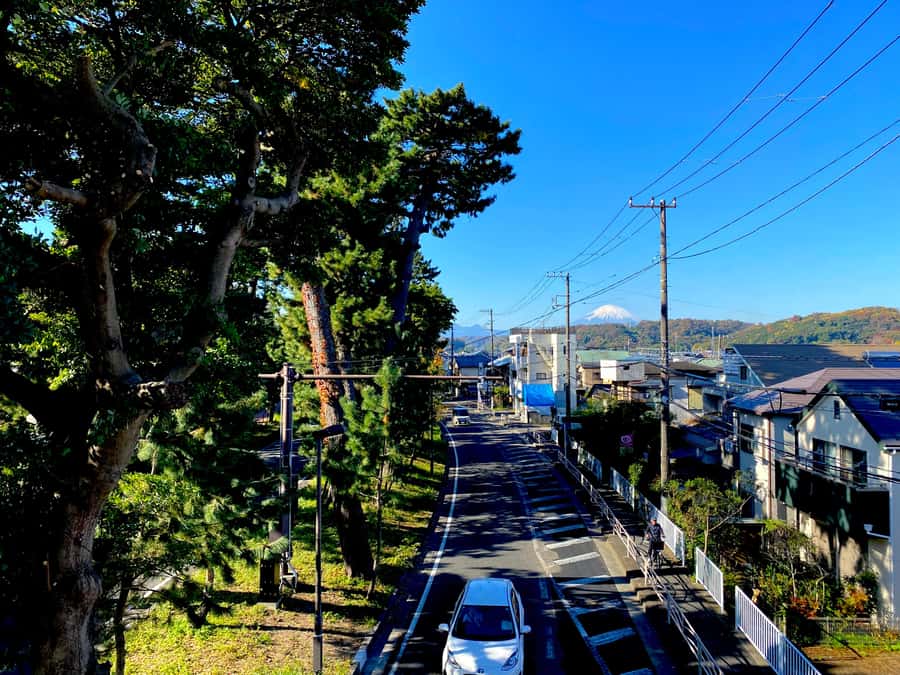
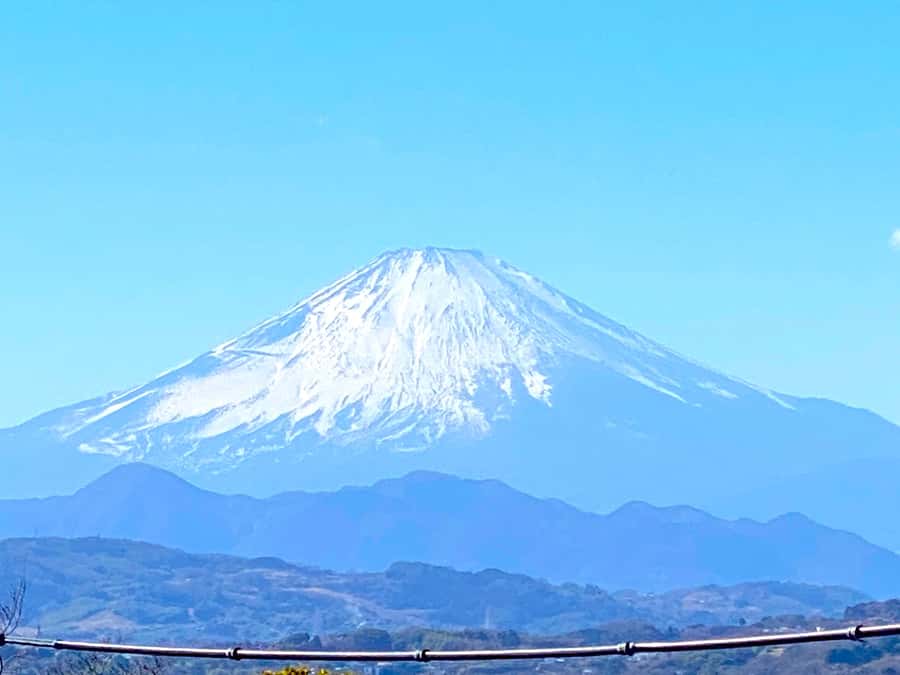
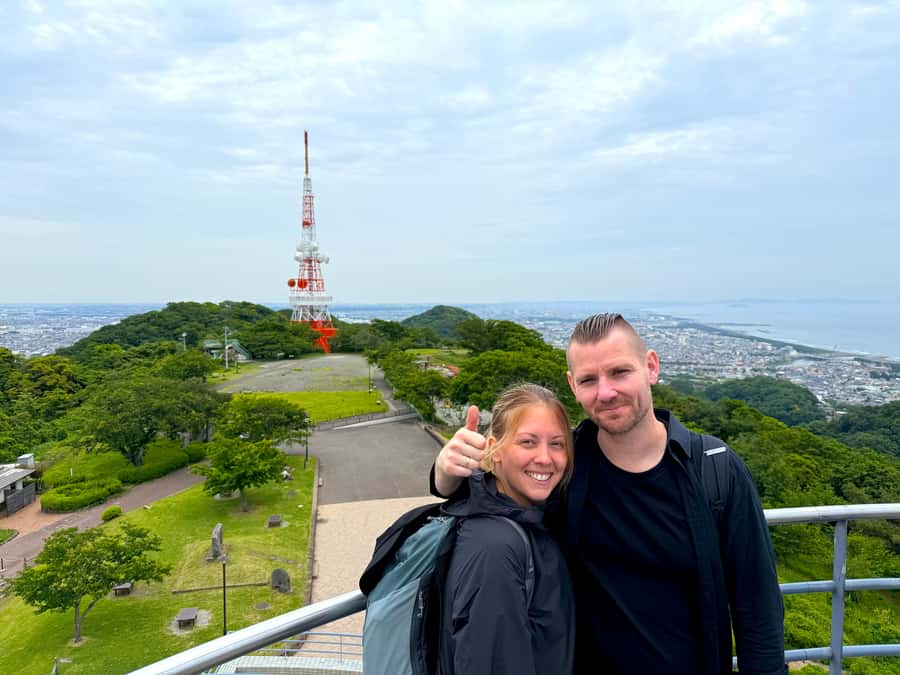
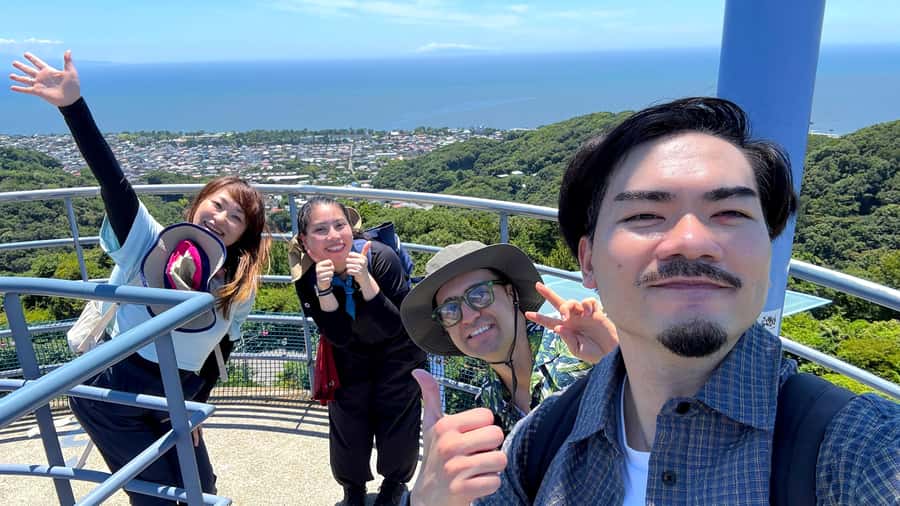
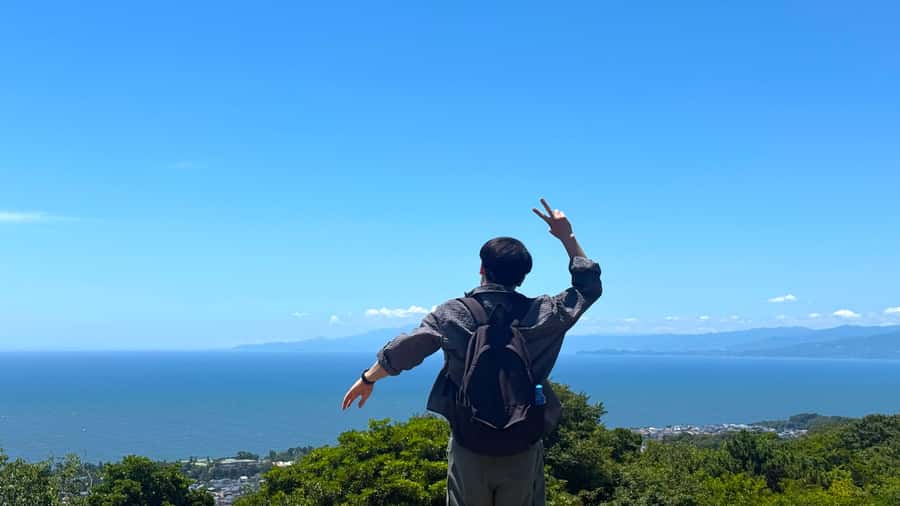
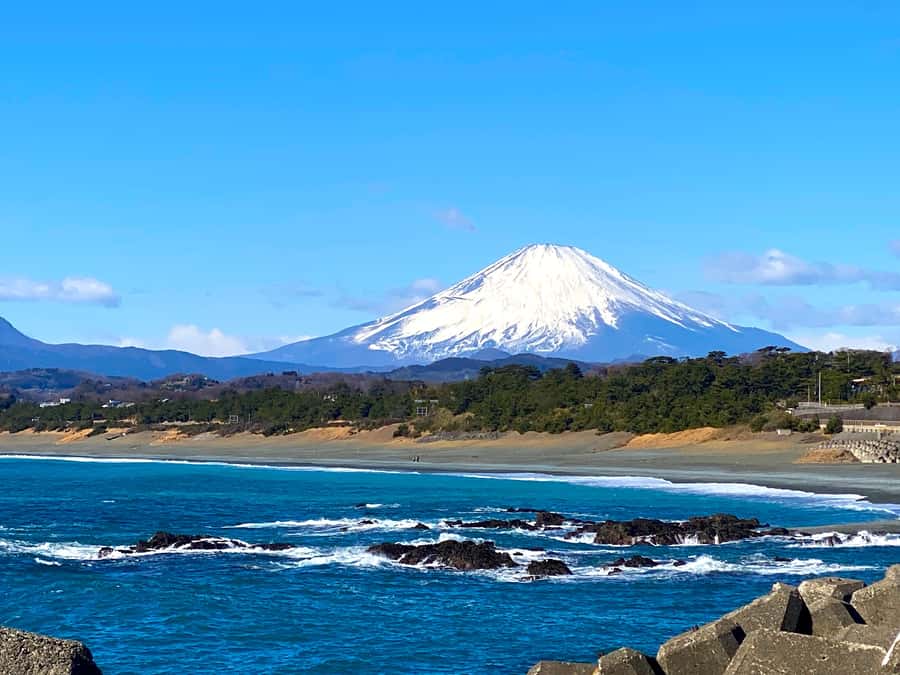
The payoff comes at Shonan-Daira, reached through Mt. Koma and the ridge. At the observation area, you can look across Sagami Bay, toward Mt. Oyama, the Tanzawa mountains, and the Izu Peninsula. On a clear day, Mt. Fuji may appear as well.
This is one of the tour’s best photo stops. There is a viewing tower, art, and an object that create extra subjects beyond the horizon. A small shop at the top sells drinks, ice cream, and light snacks, which helps after the climb.
The view is weather-dependent. Mt. Fuji may be hidden by cloud even when the rest of the panorama is impressive, and there is no refund if Fuji does not appear. I would treat the mountain as a bonus rather than the sole reason to book. The bay and surrounding mountains still make the climb worthwhile.
Timing and season matter. Summer can be hot, while spring and autumn offer more comfortable walking conditions. Autumn color and spring cherry blossoms add seasonal interest, but the tour does not guarantee either. Bring water and be ready for sun as well as shade.
The return route and the Kofun-period tombs
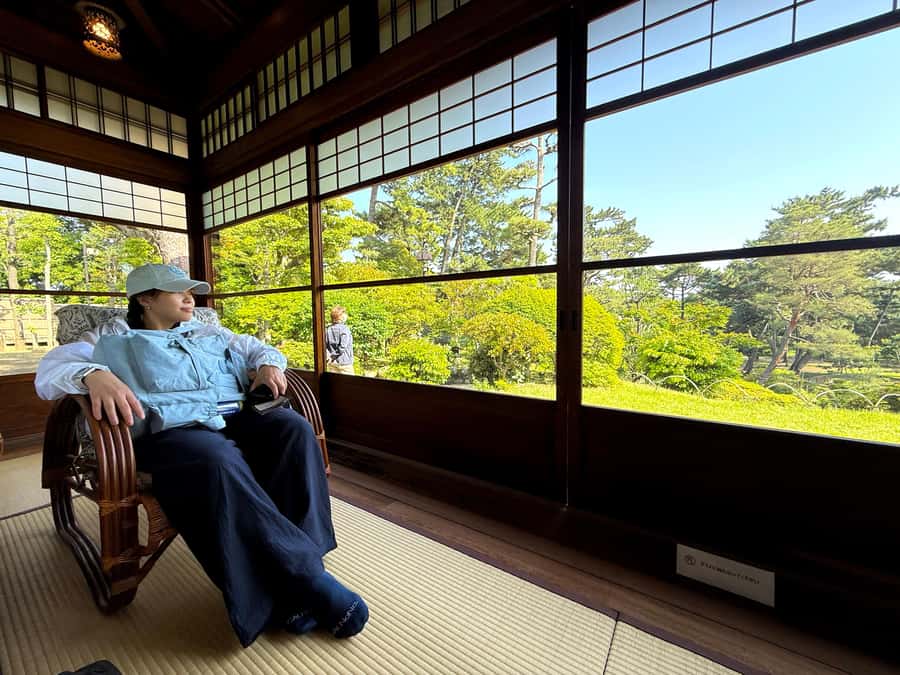
After the observation stop, you hike back toward town and continue on foot. The route includes clusters of Yagura tombs associated with the Kofun period. These unusual burial sites add an archaeological note to a day otherwise shaped by shrines, gardens, and coastal life.
I like this part because it shows how many layers Oiso holds in a small area. You move from a modern observation point to ancient tombs, then toward the older town and its later villas. The route is not just a climb to a view. It connects Oiso’s natural setting with the people who lived here across many centuries.
The precise experience can vary with weather and trail conditions. If rain has fallen, the guide may skip the shrine, observatory, and hiking sections for safety. In that case, Yuki adds Japanese gardens, a local history museum, and shops instead. That is a sensible plan, but you should book this outing only if you are comfortable with the possibility of a changed route.
Lunch with Oiso’s local flavors
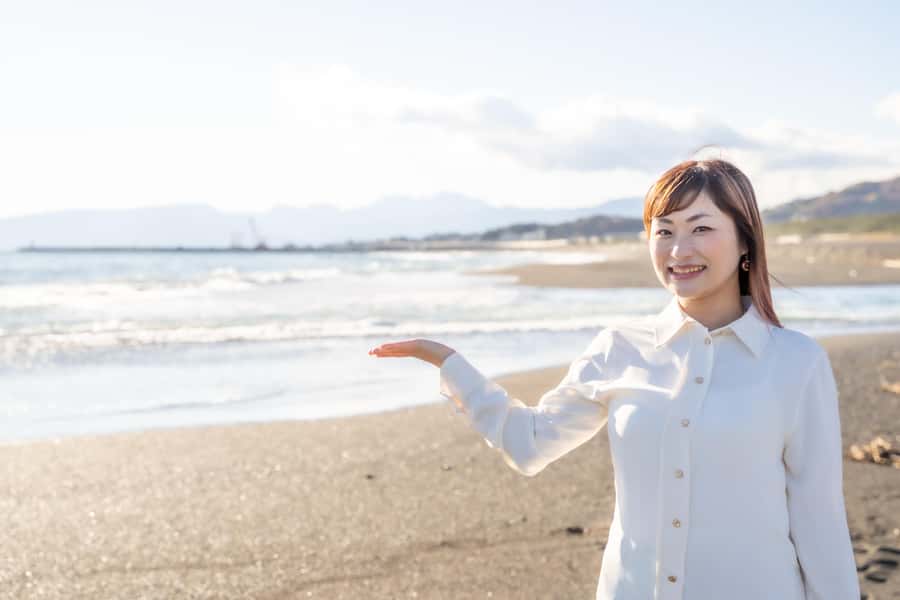
Lunch is not included, and you pay directly for the meal. That gives you choice, which is useful because appetites vary after the hike.
Yuki recommends several types of local restaurants. You might choose sashimi, soba noodles, local meat, or vegetables. The strongest food advice points toward fresh seafood, including a fish restaurant run by the local fishing association at Oiso Port.
This is one place where the guide adds real value. A visitor passing through alone might see a small restaurant and have no idea what is best or freshest. Yuki can direct you toward a suitable meal and adjust for your preferences.
Plan your budget with lunch in mind. The $114 covers the private licensed guide, not food, transport, a locker, or a tip. Since the walking route begins and ends at JR Oiso Station, you do not need a paid tour bus for the main experience, but your train fare is separate.
Meiji Memorial Garden and former political homes
After lunch, you visit Meiji Memorial Garden for about forty-five minutes. The garden gives the afternoon a quieter pace and shows another side of Oiso’s past.
You enter two traditional Japanese villas associated with famous politicians from the Meiji era. The houses and gardens help explain why prominent people chose Oiso as a retreat. The town offered sea air, mountain views, a slower pace, and easy access to Tokyo by rail.
One particularly important residence connected with the area is Yoshida Shigeru’s former home. The postwar prime minister’s house and garden provide a way to consider Japan’s political life through architecture and daily surroundings, not only through dates and names.
Expect traditional rooms, carefully arranged gardens, and a sense of how a wealthy household used space. Shoes must be removed indoors, so wear footwear that is easy to take on and off. The garden visit is also a good counterpoint to the hike: after woodland and open views, you get measured design and quiet courtyards.
Yuki uses maps and illustrations to explain the sites. That is helpful here because the buildings can otherwise look simply beautiful without making their historical purpose clear.
A guide who can adjust the day
Yuki lives in the Shonan area and moved there because of its nature, culture, and history. Her connection to Oiso matters because the tour depends on small details: which local restaurant suits your appetite, how hard to push the pace, and which sites deserve more time.
The schedule is private, so you have more room to adjust than on a fixed group excursion. A tired walker can slow down or spend less time on the trail. The day has already been adapted for visitors who wanted more gardens and historic homes, and for people who were not feeling ready for the full route.
That flexibility does not mean the tour is effortless. You still need to walk for much of the day, and the mountain portion cannot be treated as a casual stroll. But you are not locked into a one-size-fits-all pace.
The guide speaks English and Japanese. Yuki’s warm approach, use of visual aids, and local food suggestions are among the strongest reasons to choose this experience over following a map alone.
Who will get the most from this six-hour walk
I would choose this tour if you want a quieter day outside Tokyo and like having several kinds of sightseeing in one outing. It suits couples, friends, active families with children over eight, and active seniors who are comfortable with a wooded trail.
It is also a smart option if you are staying in Tokyo, Kamakura, Odawara, or Hakone and want a coastal town that feels different from the major stops. The rail connection makes Oiso practical for a day trip or a stop while moving west.
I would not choose it if your main goal is a guaranteed Mt. Fuji view. I would also skip it if you dislike hills, cannot walk for several hours, or want a tour focused only on architecture and gardens. In that case, a rainy-day replacement may suit you better, but the normal mountain route is the heart of this experience.
Practical details that affect the decision
The tour lasts six hours and is private for up to six people. At $114 per group, it offers strong value for a small party, especially when you consider the time with a licensed guide and the range of stops.
Bring water, hiking shoes, long pants, and a long-sleeved shirt. Do not bring oversized luggage, large bags, baby strollers, pets, or handcarts. Smoking, alcohol, drugs, littering, and loud behavior are not allowed.
You can cancel up to 24 hours ahead for a full refund, and you can reserve now and pay later. Check the starting time when booking, since availability changes by date.
Should you book this Oiso tour?
Book it if you want nature, local food, and history without a crowded sightseeing circuit. The best parts are the sea-to-mountain route, the wide view from Shonan-Daira, the traditional villas, and Yuki’s ability to explain why Oiso matters.
Book with realistic expectations. Fuji may stay hidden, rain can cancel the hiking portion, and the day requires proper walking shoes and steady mobility. If those conditions work for you, $114 for a private six-hour experience is a fair price, and Oiso offers a more personal look at coastal Kanagawa than a quick pass through the better-known towns.
FAQ
Where does the Oiso tour begin and end?
You meet outside the ticket gate at JR Oiso Station. The tour also ends at JR Oiso Station after the garden and town visits.
How long does the experience last?
The tour lasts six hours. It includes walking to Oiso Port, the shrine, the mountain route, Shonan-Daira, the historic garden, and the return to the station.
Is Mt. Fuji guaranteed to be visible?
No. Mt. Fuji may be hidden by weather from the observation deck, and there is no refund if it cannot be seen.
What happens if it rains?
If it rains, including rain on the day before the tour, the trail may be slippery. For safety, the shrine, observatory, and hiking can be removed from the route and replaced with Japanese gardens, a local history museum, and shops.
Is lunch included in the price?
No. Lunch is paid separately. You can choose from recommendations such as sashimi, soba, local meat, and vegetables.
What should I wear and bring?
Wear hiking shoes, long pants, and a long-sleeved shirt. High heels, sandals, flip-flops, open-toed shoes, short skirts, and sleeveless shirts are not allowed.
More Walking Tours in Japan
- Rotorua’s Ultimate Zipline: 6 ziplines, 400 m Tandem, Cliff Walk
★ 5.0 · 2,557 reviews - Rotorua: Hell’s Gate Outdoor Mud Spa & Guided Walk
★ 4.7 · 1,140 reviews - Hanging Bridges Walk in Arenal Volcano
★ 4.5 · 381 reviews - Volcanic Valley Self Guided Walking and Hiking at Waimangu
★ 4.5 · 248 reviews
More History Tours in Japan
- Mt. Fuji Heritage Tour: Traditional Villages, Lakes & Shrine
★ 4.5 · 509 reviews - Mount Fuji E-Bike Tour: Explore Nature and History
★ 5.0 · 7 reviews - Walking through the Aso Caldera, Historical Walk along the “Bungo Kaido”
★ 4.5 · 4 reviews - Big Island in a Day: Volcanoes Waterfalls Sightseeing and History
★ 5.0 · 6,569 reviews
Just added around Japan
- Aso Caldera and Farm Experience Tour★ 5.0 · 5 reviews
- Private E-MTB guided cycling around Mt. Aso volcano & grasslands★ 5.0 · 16 reviews
- Walking through the Aso Caldera, Historical Walk along the “Bungo Kaido”★ 4.5 · 4 reviews
- “Mt. Fuji 1-Day Private Tour with English Speaking Driver-Guide”★ 5.0 · 46 reviews
- From Tokyo: Mt Fuji and Hakone Private Day Trip★ 4.5 · 75 reviews
- Private guided tour: Mt. Aso volcano, grasslands, Aso Shrine★ 5.0 · 19 reviews
- Tokyo:Mt Fuji & Hakone Day Tour with English Speaking Driver★ 5.0 · 26 reviews
- Tokyo/Yokohama: Mt. Fuji and Hakone Private Day Tour★ 5.0 · 64 reviews
Japan Volcano Tours, compared.
Mt Fuji and Hakone 1-Day Bus Tour Return by Bullet Train
Read our review →
Mt Fuji & Hakone Cruise, Drum Show Bullet Train 1 Day from Tokyo
Read our review →
From Tokyo: Mount Fuji Full-Day Sightseeing Trip
Read our review →
Tokyo: Mt. Fuji Tour, Hakone Ropeway, Owakudani, Lake Ashi
Read our review →
Tokyo:Mt.Fuji,Kawaguchiko Oishi Park,Arakurayama Sengen Park
Read our review →
Tokyo: Mt. Fuji 5th Station & Hakone Cruise 1-Day Bus Tour
Read our review →
Private Tour to Mt. Fuji and Hakone (Fully Licenced Operator)
Read our review →
Mount Fuji Full-Day Private Tour from Tokyo (Customizable)
Read our review →Browse the lists this tour appears in