
REVIEW · ARUSHA
4-Day Safari to Tarangire ,Serengeti and Ngorongoro crater from Arusha
The biggest draw here is the three-park route. In four busy days, you move from Tarangire’s elephant country to the Serengeti’s huge predator-and-wildebeest stage, then finish with an early game drive in Ngorongoro Crater. That is a lot of Tanzania in a short time, but the wildlife payoff can be immense.
I like the two nights devoted to the Serengeti, rather than treating it as a quick roadside stop. I also like the early starts, especially the sunrise drive in Ngorongoro, when animals are often active and the crater light is at its best. The trade-off is simple: this is a driving-heavy safari, with long days and basic camping rather than a leisurely lodge holiday.
Key points at a glance
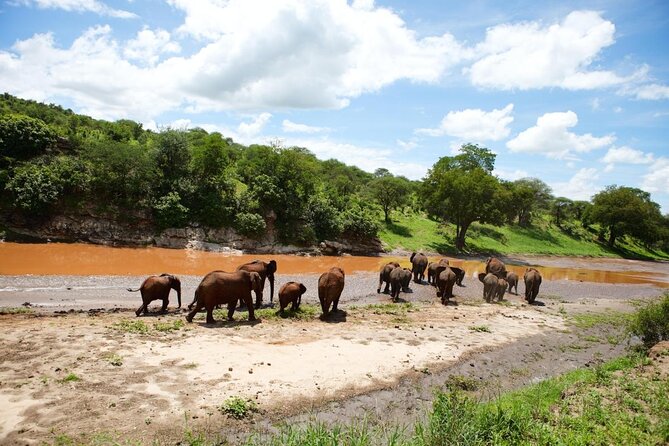
- Tarangire begins the trip with elephant herds, seasonal swamps, the Tarangire River, and open savanna.
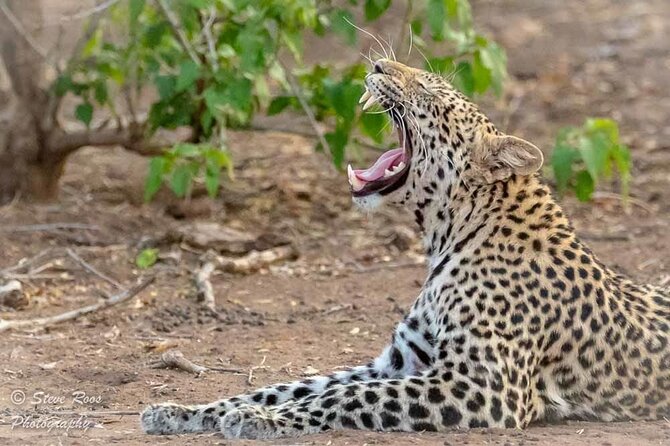
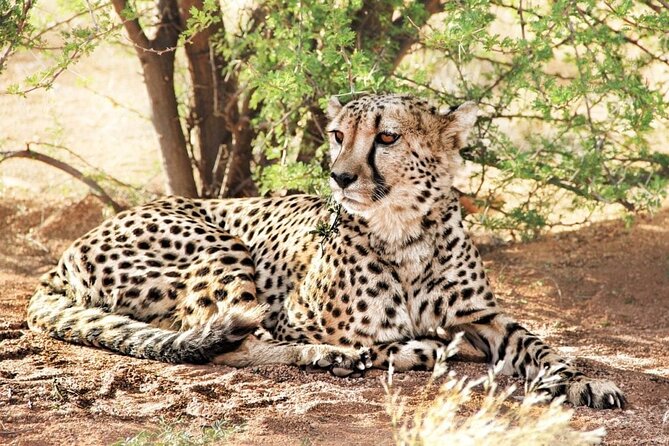
- Two nights are assigned to the Serengeti, giving you more time to search for lions, cheetahs, hyenas, wildebeest, zebras, and gazelles.
- January through April is calving season, when young wildebeest attract hungry predators.
- Ngorongoro Crater closes the trip with a sunrise drive, a soda lake, swamps, forest, open plains, and a chance to see black rhino.
- Meals, drinking water, camping equipment, park costs, and a professional guide are included, along with airport transfers and accommodation before and after the safari.
- Guide quality matters here, and names connected with the operation include Omar, Maliaki, Aaron, Joseph, Assad, and David Simba.
Why this four-day route works
Tanzania offers more wildlife areas than most short safaris can sensibly cover. This plan makes a clear choice: see three famous areas, but give the Serengeti the most time.
That choice suits you if this is your first safari and you want a broad introduction. Tarangire gives you a strong opening with elephants and baobab country. The Serengeti brings the scale and the possibility of major predator sightings. Ngorongoro provides a compact final game-viewing area where many species live close together.
The route also has a useful rhythm. Day one is a full Tarangire visit. Day two is mainly a transfer into the Serengeti, with a crater-rim stop along the way. Day three gives you a sunrise drive and an afternoon drive in the park. Day four starts before breakfast and ends in Ngorongoro Crater.
You should not expect a slow, polished resort experience. The listed schedule gives about six hours to each main stop, but actual road time between parks makes the days feel longer. That is normal for this part of Tanzania. Your reward is access to famous wildlife areas without committing to a week or more in the bush.
More Ngorongoro Crater Safaris in Arusha:
- 5-Day Highlights mid-Range Crater, Serengeti, Tarangire
★ 5.0 · 296 reviews - Private 6-Day Tarangire Manyara Crater and Serengeti with Mid-Range Lodges
★ 5.0 · 238 reviews - 5 Days Camping Tarangire, Serengeti & Ngorongoro crater & Visiting Maasai
★ 5.0 · 229 reviews
Day one: elephants and open-roof views in Tarangire
After breakfast, pickup is scheduled from your hotel at about 7:30 a.m. You then drive from Arusha to Tarangire National Park, where the main search begins along the river, seasonal wetlands, and savanna.
Tarangire is especially good for elephant sightings. Large herds are one of the park’s defining sights, and the open-roof vehicle gives you a clear view upward and outward. You may also search for zebra, wildebeest, buffalo, giraffe, lions, and leopards.
The setting changes with the season. Water in the river and swamps draws animals together, while the open grassland helps you scan for larger herds. Leopards can be harder to find, since they may rest in trees and blend into the branches. A guide who knows where to look makes a real difference.
This first day is useful because it starts with a park that has its own character. You are not simply waiting for the Serengeti to begin. Tarangire gives you elephant country, varied habitats, and a chance to settle into the pace of a game drive.
After the park, the plan takes you to Fig Big Tree Lodge for dinner and the night. The wider package also describes camping equipment and park campsite stays, so you should confirm the exact accommodation arrangement before departure. The information provided names the lodge for the first night and Simba Campsite for the third night, but does not clearly identify every overnight location.
Day two: crossing the crater highlands into the Serengeti
Day two begins after breakfast with a drive through the crater highlands. The stop at the Ngorongoro Crater rim is one of the route’s best scenic pauses. From above, you can see the vast bowl of the crater before continuing toward the Serengeti.
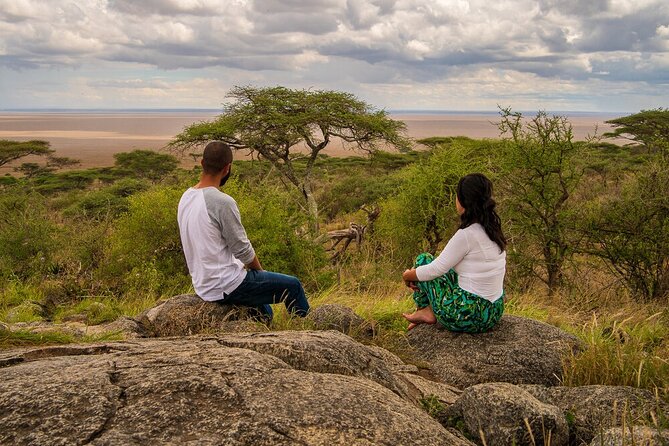
The Serengeti means endless plain, and the name makes sense once the road opens out. The park covers about 6,900 square miles, or 18,000 square kilometers. Its size is part of the experience. You are not looking at a small wildlife enclosure, but at a huge ecosystem where herds and predators move across great distances.
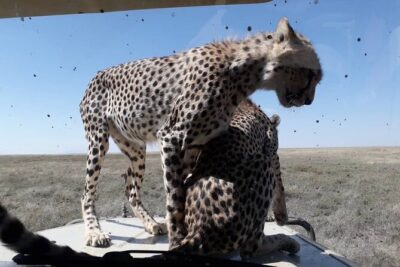
The park is home to more than two million wildebeest. From January through April, many give birth to calves, joined by large numbers of plains zebras and Thomson’s gazelles. This is a particularly compelling period because young animals draw predators into the same area. Lions, cheetahs, and hyenas follow the available prey.
The route description allows about six hours for the Serengeti portion of this day, though the drive from the crater highlands means you should expect a long day overall. Carry patience. The best sighting may come after a quiet stretch of road, and animal movement cannot be timed like a museum visit.
The Serengeti also offers more than the famous large mammals. You might find rock hyrax, bat-eared foxes, and other smaller animals if you take time to look closely. The guide’s job is not only to find lions. It is also to help you notice the less obvious life around the vehicle.
Day three: a sunrise Serengeti drive and a second chance at predators
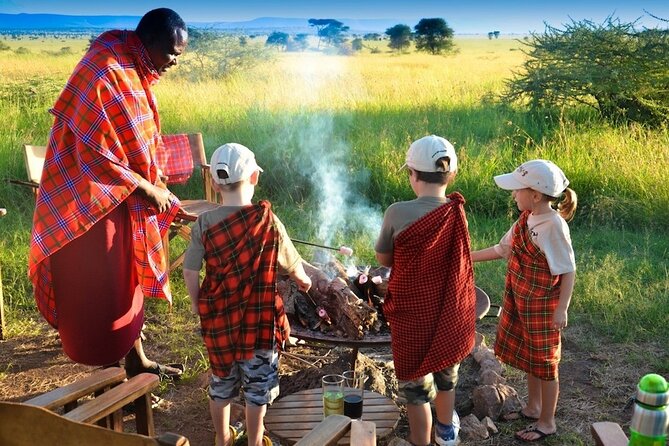
Day three is the strongest argument for spending two nights in the Serengeti. You wake very early for a sunrise game drive, return around midday for brunch or lunch, then head out again in the afternoon before driving toward Simba Campsite in Ngorongoro for the night.
The early start can be tough, especially after the long road day before it. Still, it gives you a better chance to see animals during a period when they are active. Sunrise also changes the feel of the plains. Low light can make distant herds, stalking cats, and moving silhouettes easier to watch without the harsh midday glare.
The midday return offers a useful break. You can eat, rest, and get out of the vehicle before the afternoon drive. That split schedule is kinder than staying on the road all day, though it still leaves you with an early morning and a second outing.
This is the day when guide skill becomes especially important. Several guides associated with this operation are named in the supplied feedback, including Omar, Maliaki, Aaron, Joseph, Assad, and David Simba. Their praise centers on animal spotting, route planning, friendly service, and efforts to find the Big Five. Your assigned guide may differ, but it is worth asking for a guide who is strong at both wildlife identification and patient searching.
The drive out toward Simba Campsite shifts you from the Serengeti plains to the Ngorongoro area. Camping equipment is included, and the package lists meals and drinking water throughout the safari. Even so, ask what level of campsite service is planned, since the supplied details do not spell out facilities, tent type, or bathroom arrangements.
More Safaris in Arusha:
- 3 Day Serengeti National Park & Ngorongoro Crater Camping Safari
★ 5.0 · 142 reviews - 5 Days Tanzania Group Joining Safari, Tarangire/Serengeti/Ngorongoro Crater
★ 5.0 · 85 reviews - 5 day safari Tarangire Serengeti and Ngorongoro crater
★ 5.0 · 83 reviews - 3 Days Small Group Safari to Serengeti NP and Ngorongoro Crater Tour in Tanzania
★ 5.0 · 77 reviews
Day four: sunrise and the wildlife bowl of Ngorongoro
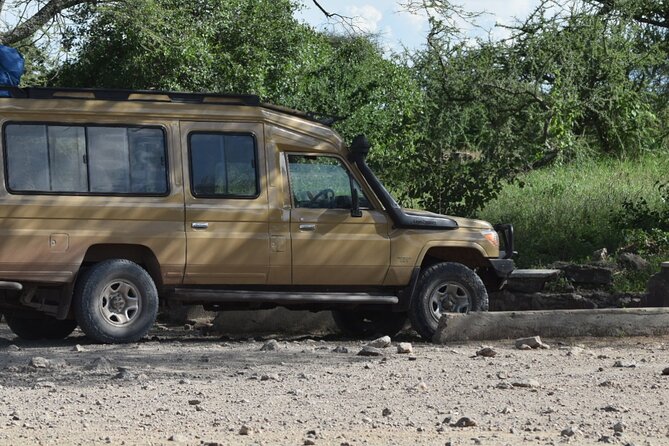
The final day starts before breakfast with an early morning safari and sunrise viewing. This is one of the smartest timing choices in the plan. You see the crater in soft morning light, and you reach the game area when wildlife may be more active.
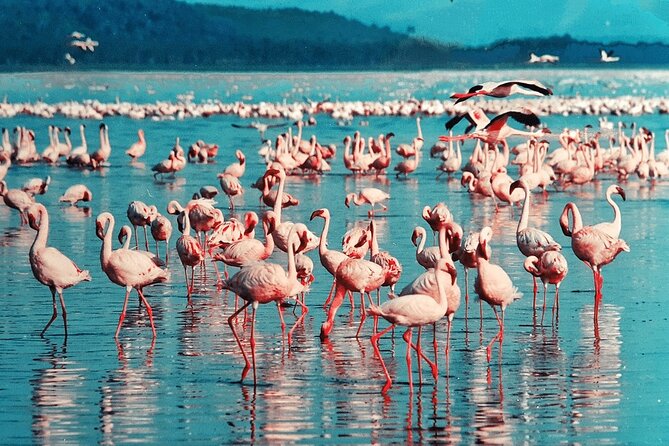
Ngorongoro Crater is a compact setting with an extraordinary mix of habitats. The description includes a river, swamps, a soda lake with flamingos, forest, and open plains. Those changes in terrain help explain why you may see many different species during one crater visit.
The crater is also known for its concentration of wildlife, including almost every species native to East Africa. A rare black rhino may be seen here, though no safari can promise a particular animal. Large bull elephants also live in the crater, adding another powerful sight to the final morning.
The timing has a cost. You will be tired, and breakfast comes after the first drive rather than before it. For me, that is a fair exchange. Sunrise, cooler air, and active animals make this a better use of the final morning than a late start.
The park visit is listed under the Ngorongoro Conservation Area, and the itinerary allows about six hours. After the crater, the included transfer arrangements may take you onward to your next point, with free airport pickup and drop-off listed as part of the package. Confirm the exact end point and timing if you have a fixed flight.
Guides, vehicles, and the human side of the safari
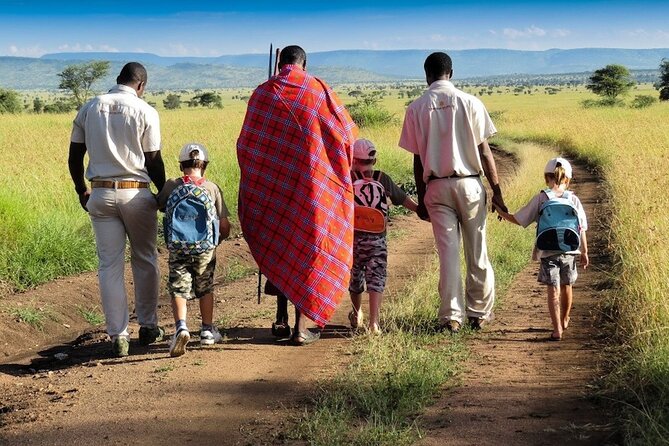
A safari depends heavily on the driver-guide. The vehicle gets you there, but the guide reads tracks, watches animal behavior, chooses where to pause, and explains what you are seeing.
The strongest praise attached to this operation focuses on guides who could spot animals quickly, find the Big Five, explain the parks, and keep the mood warm. Omar, Maliaki, Aaron, Joseph, Assad, and David Simba are all named in the supplied material. One guide was credited with finding a rhino, while another helped a family with children enjoy a well-organized trip.
This matters because sightings are not guaranteed. A good guide cannot create wildlife, but can improve your odds and help you enjoy the quiet stretches. I would ask before departure who will guide your vehicle and whether the trip is fully private for your own group. The activity is described as private, so only your party should participate.
The open-roof vehicle is another plus. It gives you a broad view for scanning grassland and a clear angle for photography. Bring a camera with spare batteries or charging equipment, since a full day outside can quickly use power.
What the $1,515 price includes
At $1,515 per person, this is not a budget day trip. It is a four-day private safari with entry to three major wildlife areas, a professional guide, camping equipment, meals, drinking water, and listed taxes and fees.
The value is strongest if you want the main costs bundled together. The package includes breakfast, lunch, and dinner as specified, with four breakfasts and lunches and three dinners listed. It also includes accommodation before and after the safari, plus airport pickup and drop-off. Those extras can reduce the number of separate arrangements you need to make in Arusha.
The price does not include guide and cook tips, international or domestic flights, visa fees, travel insurance, souvenirs, or other personal purchases. Set aside money for those items. The trip description also refers to a cook in the tipping section, though it does not explain the cook’s exact role, so ask how meals are prepared and served.
The accommodation wording deserves attention. The plan mentions Fig Big Tree Lodge, park campsites, and Simba Campsite. If you need a private room, a particular bathroom setup, or a lodge every night, clarify that before paying. If you are happy with camping and care more about time in the parks, the arrangement may suit you well.
Who should book this safari
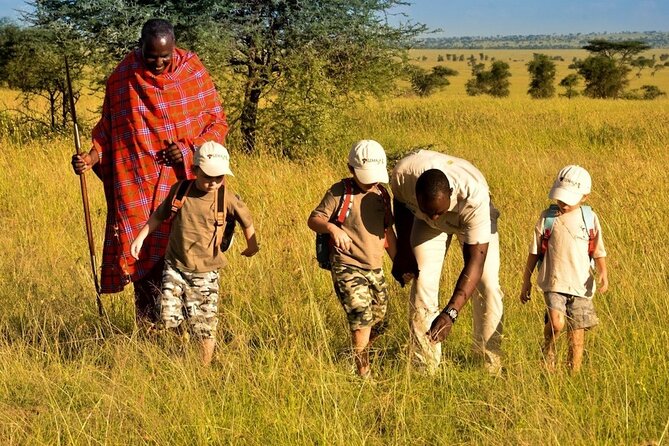
I would point this trip toward a first-time safari visitor who wants Tanzania’s best-known parks in a short window. It also fits families and small private groups, since the activity is private and the supplied experiences include a family with a young child and a larger group of nine.
It is a good match for you if:
- You want the Serengeti to receive the most attention.
- You are excited by elephants, lions, wildebeest, rhinos, and other East African wildlife.
- You can handle early starts and long road days.
- You are comfortable with camping or are willing to confirm the lodging details.
- You value having meals, water, equipment, park costs, and transfers arranged together.
I would hesitate if you want a relaxed schedule, guaranteed luxury accommodation, or short transfer times. Four days is enough for a memorable introduction, but not enough to explore every corner of these parks.
The cancellation terms are straightforward: cancel at least 24 hours before the local start time for a full refund. Changes or cancellations inside that window are not refunded.
Should you book it?
Book this safari if your priority is maximum wildlife variety in four days, especially with two nights aimed at the Serengeti. The route gives you elephants in Tarangire, vast plains and predator potential in the Serengeti, and a strong final morning in Ngorongoro Crater.
Before booking, get two details in writing: your exact accommodation each night and the name of your guide. If those arrangements match your comfort level, the $1,515 price covers a large share of the practical costs and gives you a focused route through three of Tanzania’s most famous wildlife areas.
FAQ
Where does the safari start?
The safari starts in Arusha, Tanzania. Hotel pickup is offered, with a listed start time of 7:30 a.m.
Which national parks and conservation areas are included?
The route includes Tarangire National Park, Serengeti National Park, and the Ngorongoro Conservation Area, including Ngorongoro Crater.
How long is the safari?
The experience lasts approximately four days.
Is this a private safari?
Yes. The activity is described as private, meaning only your group participates.
Are meals included?
Yes. Breakfast, lunch, and dinner are included as specified in the daily plan. The package lists four breakfasts, four lunches, and three dinners.
Is drinking water provided?
Yes. Drinking water is included on all days.
Is camping equipment included?
Yes. Camping equipment is included. The schedule names Fig Big Tree Lodge for the first night and Simba Campsite near Ngorongoro for the third night, so confirm the full accommodation plan before departure.
What is the cancellation policy?
You can receive a full refund if you cancel at least 24 hours before the experience start time. Cancellations or changes made within 24 hours are not refunded.
More 4-Day Experiences in Arusha
- 4 Days Join Group tour Tarangire Serengeti and Ngorongoro crater
★ 5.0 · 219 reviews - 4 Days Tarangire Serengeti Ngorongoro Crater
★ 5.0 · 117 reviews - 4 Day Ngorongoro Crater Tarangire and Serengeti National Park
★ 5.0 · 44 reviews - 4 Days lodge safari Tarangire , Ngorongoro crater & Walking
★ 5.0 · 39 reviews
Just added around Arusha
- 4 Days Private Safari – Tarangire, Serengeti & Ngorongoro Crater★ 5.0 · 28 reviews
- 3Days luxury safari to Tarangire Ngorongoro crater and Manyara★ 5.0 · 16 reviews
- Elephant Special Serengeti & Ngorongoro Crater 5 Days / 4 Nights★ 5.0 · 21 reviews
- Tanzania Safari 10 Days- Serengeti, Lake Manyara, Ngorongoro Crater.★ 5.0 · 4 reviews
- 4 Days Tanzania Safari Tarangire, Serengeti and Ngorongoro Crater★ 4.5 · 16 reviews
- Small Group Serengeti and Ngorongoro Crater Adventure Safari★ 5.0 · 7 reviews
- 03 days Serengeti and Ngorongoro Crater group (camping)★ 5.0 · 75 reviews
- Private Group Serengeti Safari, Crater & Tarangire National Park★ 5.0 · 5 reviews
Arusha Volcano Tours, compared.
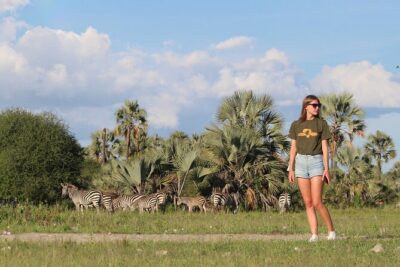
5-Day Highlights mid-Range Crater, Serengeti, Tarangire
Read our review →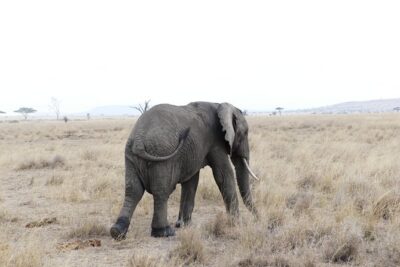
Private 6-Day Tarangire Manyara Crater and Serengeti with Mid-Range Lodges
Read our review →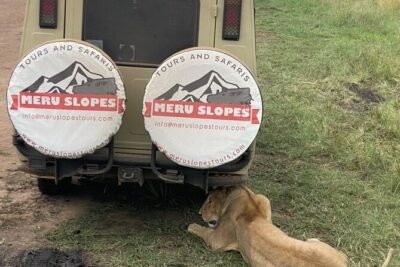
5 Days Camping Tarangire, Serengeti & Ngorongoro crater & Visiting Maasai
Read our review →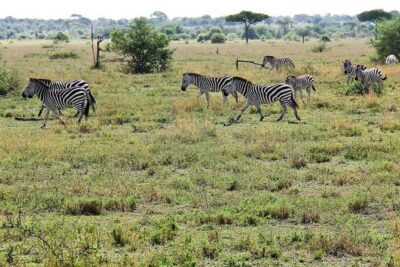
4 Days Join Group tour Tarangire Serengeti and Ngorongoro crater
Read our review →3 Day Serengeti National Park & Ngorongoro Crater Camping Safari
Read our review →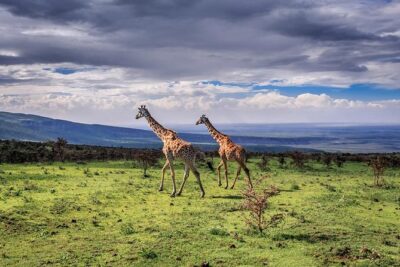
5 Days Tanzania Group Joining Safari, Tarangire/Serengeti/Ngorongoro Crater
Read our review →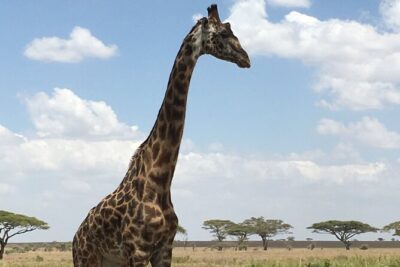
5 day safari Tarangire Serengeti and Ngorongoro crater
Read our review →Browse the lists this tour appears in