
REVIEW · VOLCANO HIKES & TREKS
Sucre: 1-Day Trek in the Crater of Maragua and Inca Trails
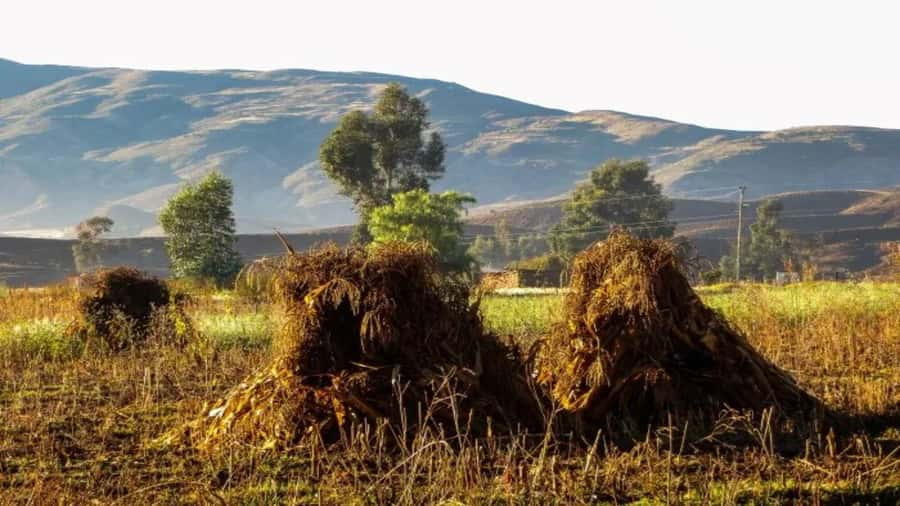
The most striking part of this day is the way it links several very different chapters of Bolivia in one outing: an old Inca path, the sharply folded mountains around Maragua Crater, a Jalqa village, and dinosaur footprints. You begin near the colonial chapel of Chataquilla, then walk for about two hours before the jeep carries you onward.
I like the mostly downhill hike, which gives you a proper mountain walk without turning the day into a severe trek. I also like the human side of the trip: guides such as Pablo, Walter, and Lizandro explain local plants, village life, history, and Jalqa weaving rather than simply pointing at scenery. The drawback is the long road time, with roughly four hours in a private jeep on sometimes bumpy roads.
Key points to know
- The Inca trail begins at Chataquilla, about one hour from Sucre, and includes roughly two to two and a half hours of walking.
- Maragua Crater is a colorful fold in the mountains, not a neat volcanic bowl, so expect dramatic ridges and broad views.
- The itinerary includes a vegetarian lunch, a useful break after the morning walk.
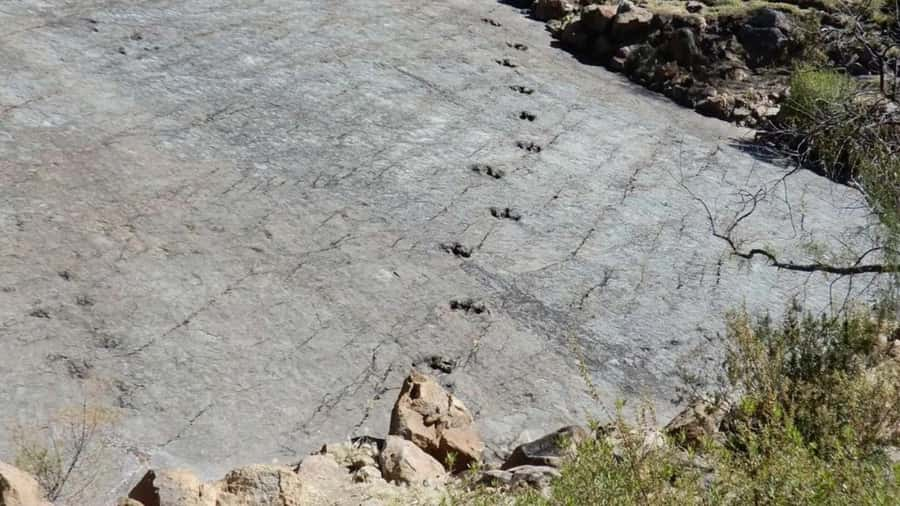
- Dinosaur footprints are a major afternoon stop, with about two hours devoted to the site.
- The hike reaches 2,800 to 3,000 meters, so sun, altitude, and changing weather matter.
- Private transport links the separate sights, making this practical if you have only one day around Sucre.
Why this Sucre day trip is more than a crater visit
You are not simply driving to a viewpoint, taking a photograph, and returning to town. The route is built around movement through the countryside. The morning gives you time on foot, the middle of the day brings you into the Maragua area, and the afternoon shifts from mountain scenery to pale tracks left by dinosaurs.
That variety is the tour’s strongest feature. You get archaeology, geology, Indigenous culture, and natural history in one long day. For a visitor with limited time in Sucre, that combination is hard to match without arranging several separate excursions.
The experience is run by Jalq’a Tours for $94 per person. That price includes hotel pickup and drop-off, private transport, an English or Spanish guide, entry fees worth $10, lunch, and a first aid kit. I consider that fair value because the sights are spread across the Chuquisaca countryside and transport would otherwise be the awkward part to arrange.
Still, this is not a cheap, relaxed sightseeing loop. You spend around ten hours away from Sucre, much of it on foot or in a jeep. The value is best if you want a full day outdoors and prefer a guide to handle the route, tickets, and transfers.
More Volcano Hikes and Treks in the world:
- Mount Etna: Summit Crater Trek with Cable Car
★ 4.8 · 1,875 reviews - La Palma: Tajogaite Volcano Guided Trek
★ 4.8 · 1,810 reviews - Etna: summit craters trekking with volcano guide 3350mt
★ 4.7 · 1,712 reviews
The 8:30 pickup and the road to Chataquilla
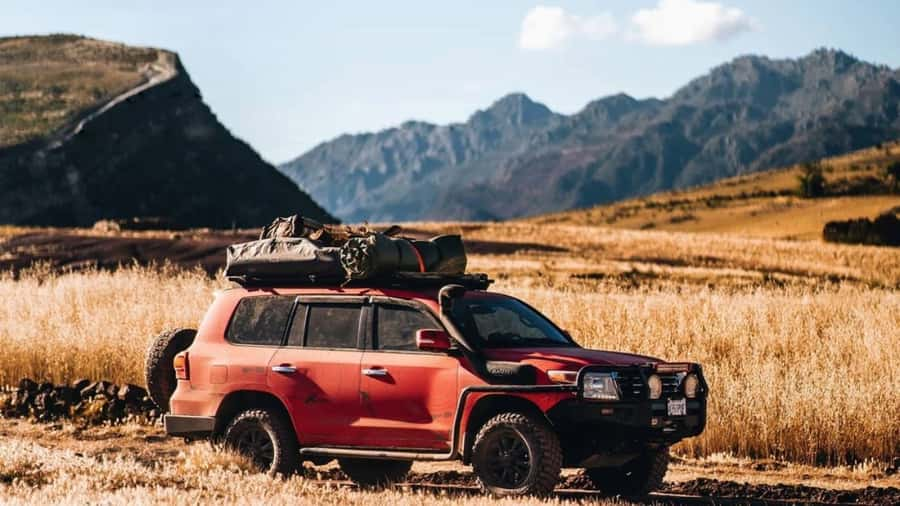
The day normally starts with hotel pickup at 8:30 in the morning. You should wait in the lobby about five minutes before the scheduled time. The drive to Chataquilla takes about an hour in a private jeep or SUV.
That first ride is not dead time. It moves you from Sucre into the open countryside and gives you a sense of how quickly the city gives way to mountain villages and broad, folded slopes. The road can be bumpy, and one vehicle was described as a little old, so do not expect luxury transport.
The departure time may shift with the weather. The tour runs in rain or shine, which tells you something useful: bring proper protection rather than assuming a clear morning will last all day. A waterproof bag is sensible for documents, snacks, and electronics.
Your guide meets you on this route or at the first stop, depending on the day’s arrangements. English and Spanish guiding is available. Several guides have been praised for friendly communication and strong language skills, including Pablo, who has led tours in English, French, and Spanish, as well as Walter, Lizandro, Lee, Dinelsa, and others.
Chataquilla and the old Inca path
Chataquilla is marked by a colonial chapel and serves as the starting point for the walking section. You have a short visit and guided introduction before setting off along the old Inca route.
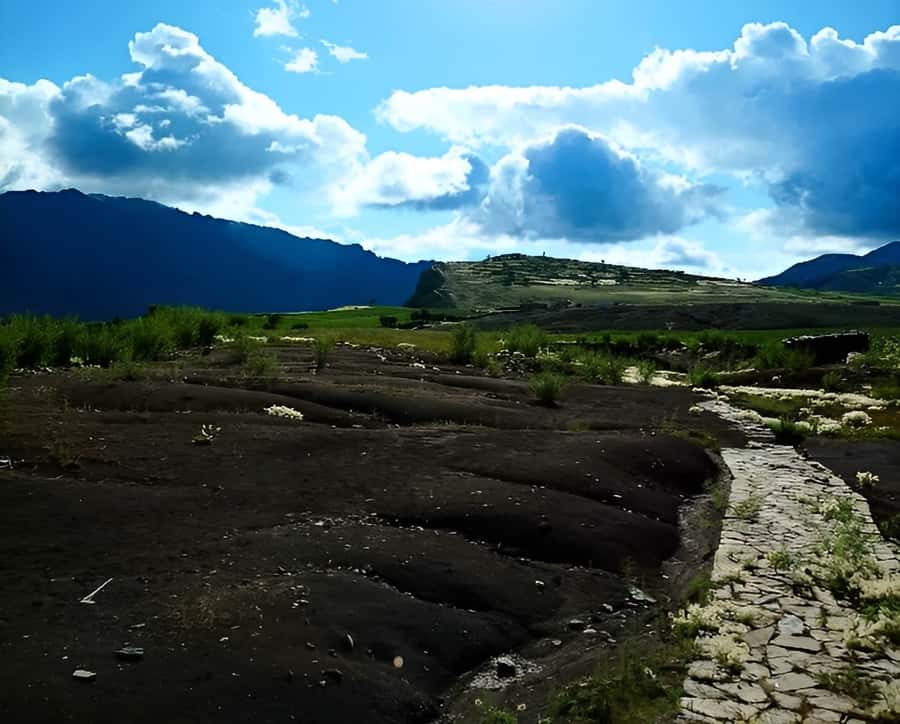
The path is the heart of the morning. It is not just a scenic trail added to a driving tour. The route follows an ancient corridor through the mountains, and your guide can place it in the wider story of movement through this part of Bolivia. The tour describes it as a 12th-century Incan trail, while the broader route also crosses ground associated with much older dinosaur tracks.
Plan on about two hours of walking here, though the full schedule gives the walking portion up to two and a half hours. The trail is often described as downhill and manageable rather than punishing. That does not mean effortless. You are still walking at between 2,800 and 3,000 meters, with sun exposure and uneven ground to consider.
I would wear hiking shoes rather than ordinary trainers. Good soles matter more than speed, since the point is to look around and listen. Carry water, sunscreen, and a light waterproof layer. Breakfast is not included, so eat before pickup or bring something for the morning. Snacks and water are also your responsibility.
A useful feature of this section is the pace. The guides are not simply rushing you from one scheduled point to the next. Dinelsa and Carlos, for example, were praised for being considerate and allowing time to enjoy the route. That matters on a trail where the views are part of the experience, not just scenery between stops.
Chaunaca and the drive toward Maragua
At the end of the walking section, you return to the vehicle and continue toward Chaunaca. The stop is brief, around 15 minutes, but it helps connect the trail with the nearby communities and local setting.
Then comes another drive of about 40 minutes toward Maragua. This is where the day’s rhythm becomes clear: walk, ride, stop, ride again. If you dislike switching between hiking and vehicle travel, the schedule may feel broken up. If you want to see several distant places without planning your own transport, it works well.
The roads are part of the bargain. Expect bumps and winding stretches rather than a smooth highway ride. The private vehicle is valuable because it keeps the day focused on the sights, but it does not turn the countryside into a polished theme-park route. Bring patience, and if you are prone to motion sickness, take that into account before leaving Sucre.
More Day Trips in the world:
- Reykjavik: Snæfellsnes Day Trip with Vatnshellir Lava Cave
★ 4.7 · 1,108 reviews - From Reykjavík: Volcanoes and Blue Lagoon Day Trip
★ 4.6 · 759 reviews - Lanzarote: Guided Day Trip to Timanfaya Park & Lago Verde
★ 4.3 · 732 reviews - 1-Day Boat Trip: Santorini Volcano, Thirassia & Oia Sunset
★ 4.4 · 608 reviews
Maragua Crater and the view at Devil’s Throat
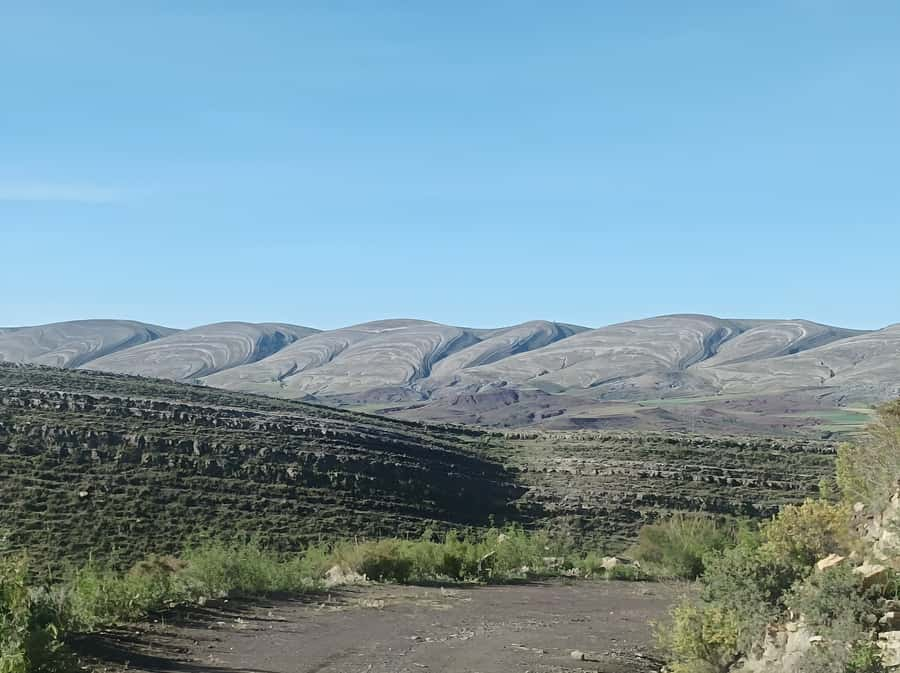
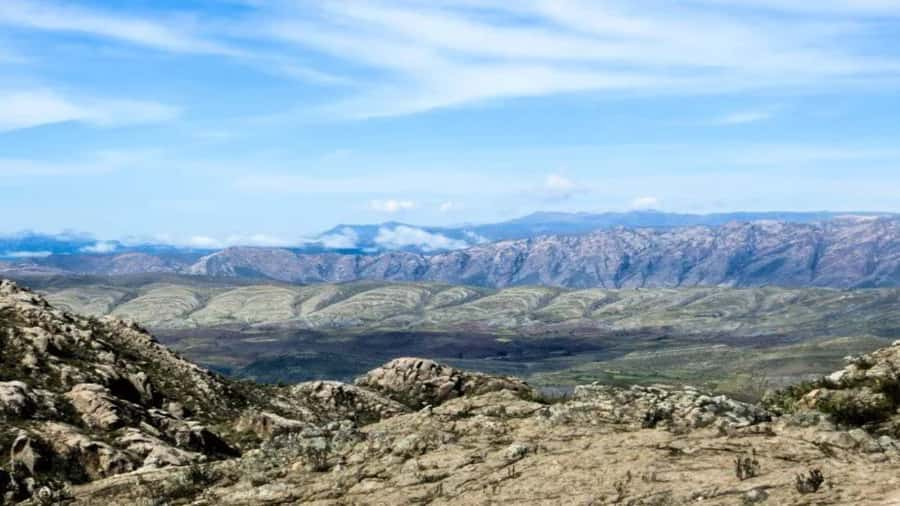
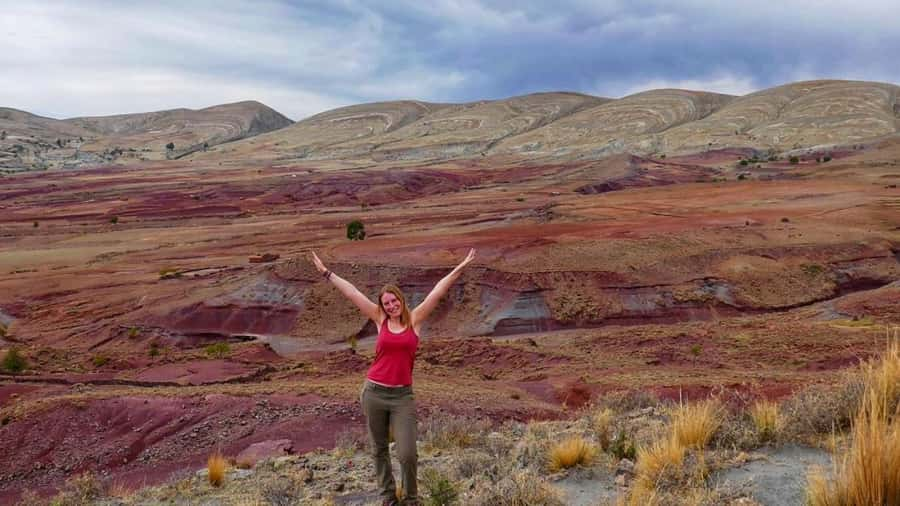
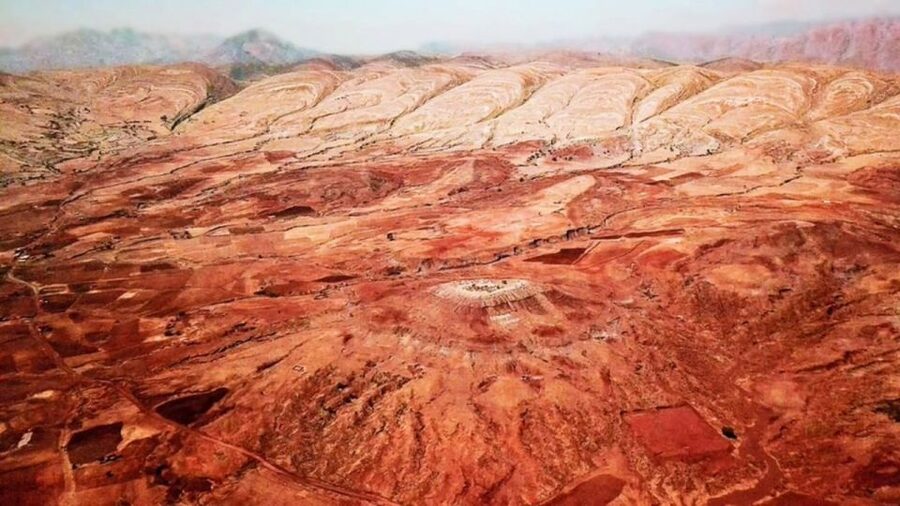
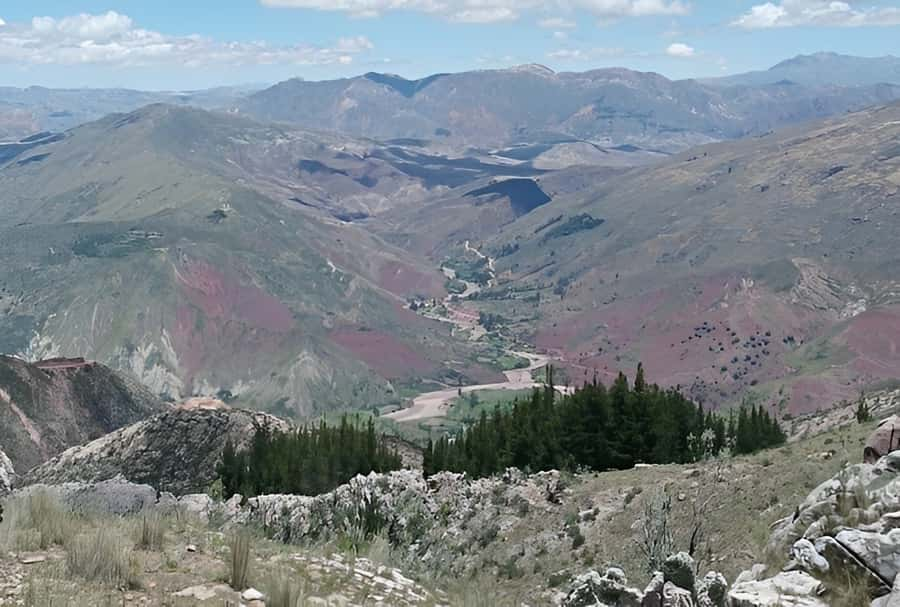
Maragua Crater is the visual centerpiece of the day. The name can mislead you if you picture a perfect round volcanic crater. Here, the appeal is the striking pattern of colored, folded mountains and ridges. The formations look as if the earth has been pleated by hand.
You have about 45 minutes for a guided visit and short walk around the area. That is enough to see the main formation, though not enough for a long independent exploration. The nearby rock formation called La Garganta del Diablo, or Devil’s Throat, adds a more concentrated viewpoint within the wider Maragua area.
The colors and folds are especially rewarding when your guide explains what you are seeing. This is where a good guide makes a real difference. Pablo’s enthusiasm, Walter’s local explanations, and Lizandro’s clear presentation have helped make the geological setting easier to understand rather than leaving you with a pile of attractive photographs and no context.
Lunch is served around Maragua and is vegetarian. The meal is included, and it provides a needed pause after the morning hike. The food has been described as tasty, including a Bolivian picnic-style lunch. You should not expect a long restaurant meal with a wide menu. The strength is convenience and a local setting, not choice.
The tour may also include a weaver if one is available. She can explain the art of the Jalqa culture and show how traditional designs connect to community identity. This meeting is not guaranteed, so treat it as a welcome possibility rather than a fixed promise.
That cultural element gives the day more weight. You are not only looking at mountains from outside. You may also get a direct explanation of local textile work and village life. The Jalqa villages are part of the region’s identity, and even a short conversation can make the drive and scenery easier to place.
Dinosaur footprints on the afternoon route
After Maragua, the vehicle takes you to the dinosaur footprints. The afternoon visit lasts about two hours, making it a substantial part of the experience rather than a quick stop for a sign and a photograph.
The appeal is obvious, but the setting gives the footprints extra force. You are seeing traces left in the same broad mountain country you have crossed on foot, only from a far older period. The day moves from Inca pathways to evidence of creatures that lived millions of years before the Inca world existed.
This stop is particularly good for families with older children, geology fans, and anyone who wants more than scenery. Children under nine are not accepted, and the walking and altitude make that restriction understandable. The experience still requires attention from adults, since the tour involves a long day, uneven walking, and a substantial amount of road travel.
The dinosaur site also keeps the tour from becoming too narrowly focused on Inca history. You get a wider sense of time: colonial buildings at Chataquilla, Inca engineering and travel, living Jalqa traditions, and prehistoric tracks. That layered story is why the day feels fuller than its individual stops might suggest.
The two-hour return to Sucre
The final drive back to Sucre takes about two hours. By then, you will probably be ready for a shower and a quiet meal. The return is one of the practical drawbacks of the tour, especially after five hours of combined walking and short hikes.
On the other hand, private transport means you do not have to find your own way back from a remote part of the department. Hotel drop-off is included, which removes one more task at the end of a tiring day.
The day’s walking total is described as approximately five hours, though the formal schedule breaks this into the two-hour Inca trail, a shorter Maragua walk, and the two-hour dinosaur footprint visit. The exact amount depends on the guide, weather, and local conditions. You should think of this as an active sightseeing day, not a gentle coach excursion.
How difficult is the hike?
The tour is suitable for people who can walk for several hours at altitude and manage uneven ground. It is not intended for wheelchair users, people with mobility impairments, pregnant women, or children under nine.
The trail is generally regarded as good exercise without being too difficult, and the downhill direction helps. Yet altitude can change the equation. Even a moderate path feels different at 2,800 to 3,000 meters, especially if you have just arrived in Bolivia or are not used to mountain walking.
Bring:
- Hiking shoes with a firm sole
- Sunscreen and a hat
- Water for the full day
- Snacks, since they are not included
- A waterproof bag
- A flashlight
- Your passport or a copy
A flashlight may seem odd for a daytime tour, but it is included in the recommended gear. Follow that advice. Weather can alter the departure time, and the tour goes ahead in rain or shine. A waterproof bag is particularly useful for protecting your passport, phone, and camera.
What the $94 price really covers
At $94 per person, the cost is not just for a guided walk. You are paying for a full-day route with private transport, hotel pickup and drop-off, entry tickets, lunch, and a bilingual guide. The entry fees alone account for $10, and the remote locations would make self-arranged transport complicated.
The private vehicle is also a practical advantage. You are not tied to public transport schedules between Chataquilla, Chaunaca, Maragua, and the dinosaur site. The tradeoff is comfort. Older jeeps and rough roads are possible, so the price buys convenience and access rather than polished transport.
Food and entry tickets are included, but water, breakfast, and snacks are not. Budget for those separately. You should also check availability before booking because departure times can change with the weather.
Free cancellation is available up to 24 hours before the start, and you can reserve now and pay later. Those terms help if your Sucre schedule is still moving around, but the more important decision is physical: can you commit to ten hours outside in mountain conditions?
Who should book this day from Sucre?
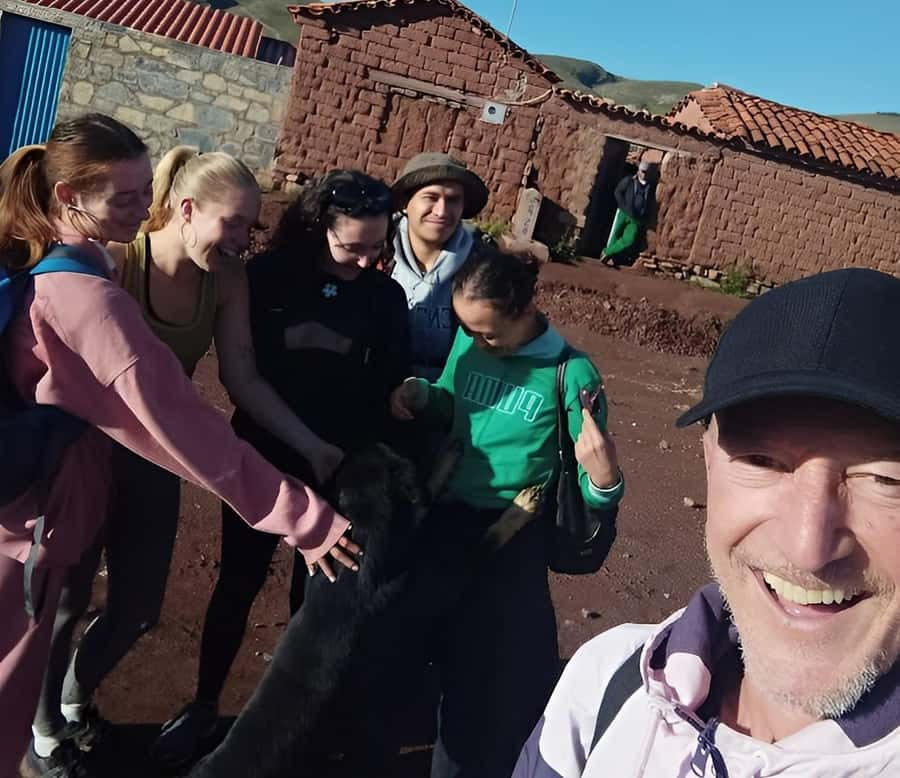
I would choose this tour if you want a strong introduction to the countryside around Sucre but have only one day. It suits hikers who prefer a moderate route, people interested in Indigenous culture, and anyone curious about geology or dinosaurs.
It is also a good choice if you want explanations along the way. Guides such as Pablo have covered plants, animals, local history, and Indigenous life, while the Jalqa weaving visit can add a personal connection to the area.
I would hesitate if you want a short outing, soft seats, or a carefully controlled schedule. The road is bumpy, the day is long, and the weather may shift the departure time. You also need to carry your own water and snacks.
Should you book it?
Book this Sucre day trip if you want variety, real walking, and a full view of the region’s past and present. The combination of the Chataquilla chapel, Inca trail, Maragua folds, Jalqa culture, and dinosaur footprints gives you much more than a single scenic stop.
Skip it if altitude, rough roads, or five hours of walking would make the day unpleasant. For everyone else, the $94 price is sensible because transport, guiding, lunch, and admission are already handled. Wear proper shoes, carry water, and go ready for a long but rewarding day.
FAQ
How long does the Sucre Maragua Crater tour last?
The tour lasts about 10 hours, beginning with hotel pickup in Sucre at around 8:30 in the morning and returning to Sucre in the evening.
Is hotel pickup and drop-off included?
Yes. Pickup and drop-off at your Sucre hotel are included. You should wait in the hotel lobby five minutes before the scheduled pickup time.
Is lunch included?
Yes. A vegetarian lunch is included. Breakfast, water, and snacks are not included, so you should eat before departure and bring extra food and drinking water.
Is the tour available in English?
Yes. The tour is available with a live guide in English or Spanish.
How much walking is involved?
The day includes approximately five hours of walking in total, including the Inca trail, the Maragua area, and the dinosaur footprint site. Much of the Inca trail section is downhill.
What altitude should I expect?
Most of the trekking takes place between 2,800 and 3,000 meters above sea level. The tour is not suitable for people with mobility impairments, wheelchair users, pregnant women, or children under nine.
Just added around the world
- Volcanoes National Park: Guided, Small-Group Hike★ 5.0 · 15 reviews
- Evening Volcano Explorer from Hilo★ 4.5 · 67 reviews
- Fat Tire E-Bike Rental – Volcanoes National Park★ 4.5 · 26 reviews
- Evening Volcano Explorer Tour from Kona★ 4.5 · 24 reviews
- Big Island Waterfalls, Blacksand Beaches, Lava Tubes & Volcanoes★ 5.0 · 24 reviews
- Expert Led Private Guided Tour Hawaii Volcanoes National Park★ 5.0 · 5 reviews
- Best of Big Island: Volcanoes, Waterfall, Blacksand Beach & Lunch★ 5.0 · 14 reviews
- Big Island Private Tour Waipio Valley Volcanoes Waterfalls★ 5.0 · 4 reviews
Volcano Hikes & Treks, compared.
Bali: Sunrise Mount Batur Guided Hike with Breakfast
Read our review →
Bali: Mount Batur Sunrise Guided Hike and Natural Hot Spring
Read our review →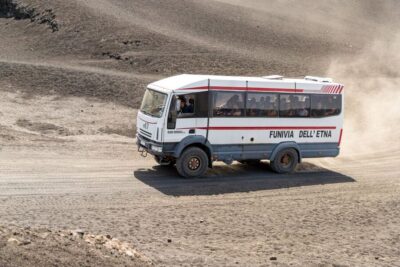
Mount Etna: Summit Guided Hiking Tour up to 3,400 m
Read our review →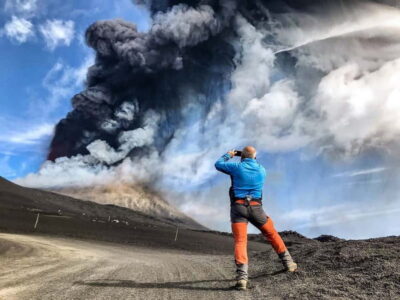
Mount Etna: Trek to 3000m with cable car and 4×4
Read our review →
Bali: Mount Batur Sunrise Trek With Guide and Breakfast
Read our review →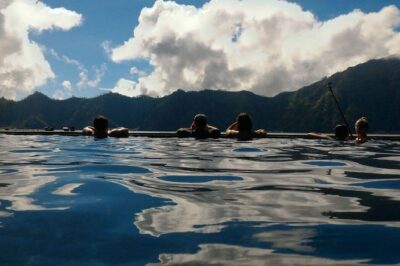
Mount Batur Sunrise Hike and Natural Hot Spring Option
Read our review →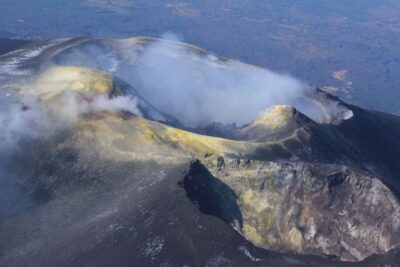
Mount Etna: Summit Crater Trek with Cable Car
Read our review →
Browse the lists this tour appears in