
REVIEW · LA PALMA
La Palma: Tajogaite Volcano Guided Trek
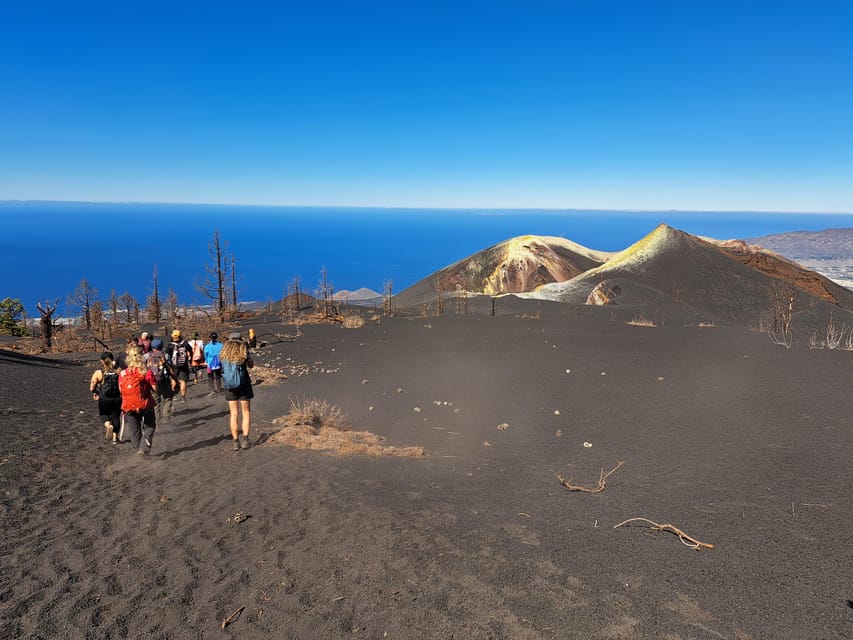
The striking thing about this trek is its age. Tajogaite was formed in 2021, so you walk across ground that did not exist a few years ago. I like the close views of the new crater and lava flows, and I like that the guide connects the geology with the human cost: more than 3,000 buildings and large areas of forest were destroyed. The path also passes through an area restricted to ordinary walking, which makes the outing feel unusually special.
I also like the short van ride from El Paso, the regular photo stops, and the way guides such as Bebe, Juan, Amanda, Steven, and Gianluca explain difficult volcanic ideas in plain language. The main catch is that this is a real 8-kilometer walk with about 300 meters of ascent and descent. It is manageable for a fairly fit person, but it is not a sightseeing stop you can enjoy from a parked car.
Key points about the Tajogaite trek
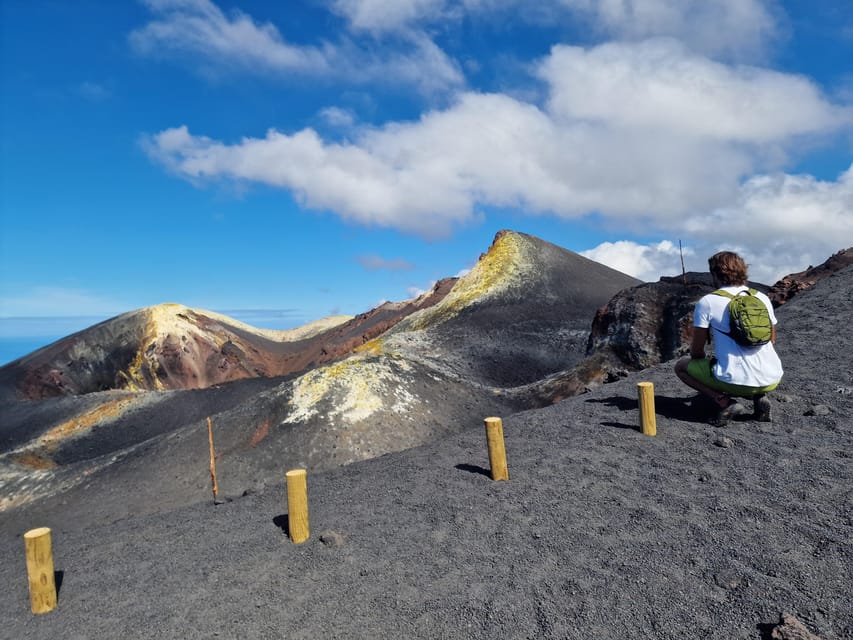
- A volcano born in 2021: Walk around the south crater and see fresh volcanic ground formed during the 85-day eruption.
- An 8-kilometer route: Expect a moderate walk with roughly 300 meters of climbing and descending.
- A guide-led restricted area: You do not climb onto the crater, but the route brings you close to the volcanic formations.
- Stories beyond geology: Guides explain the lava, ash, forests, buildings, and local people affected by the eruption.
- Round-trip transport included: A van takes you from the meeting point in El Paso to the trail and back.
- Excellent value at $45: The price includes a four-hour experience, transport, and a live guide in English or Spanish, with German on selected departures.
Why Tajogaite feels different from an older volcano
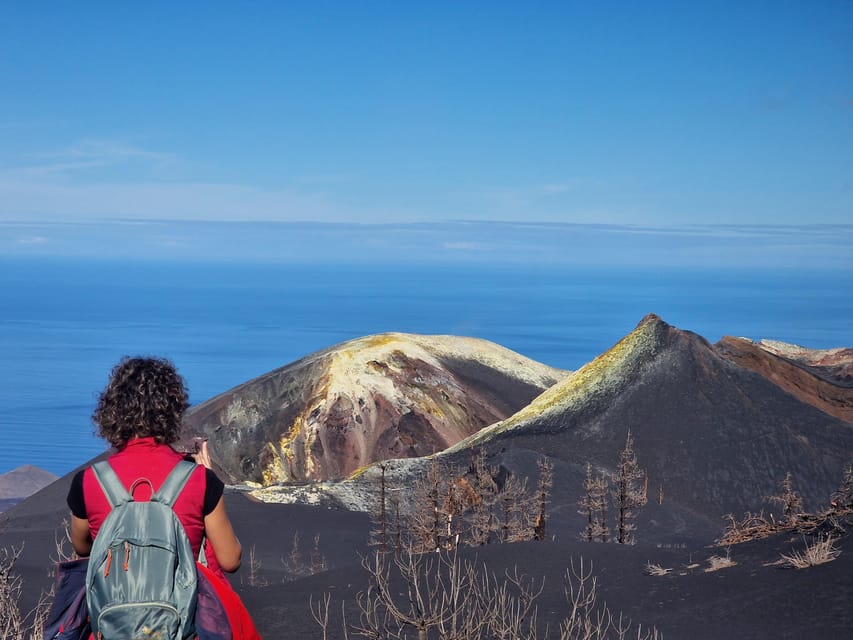
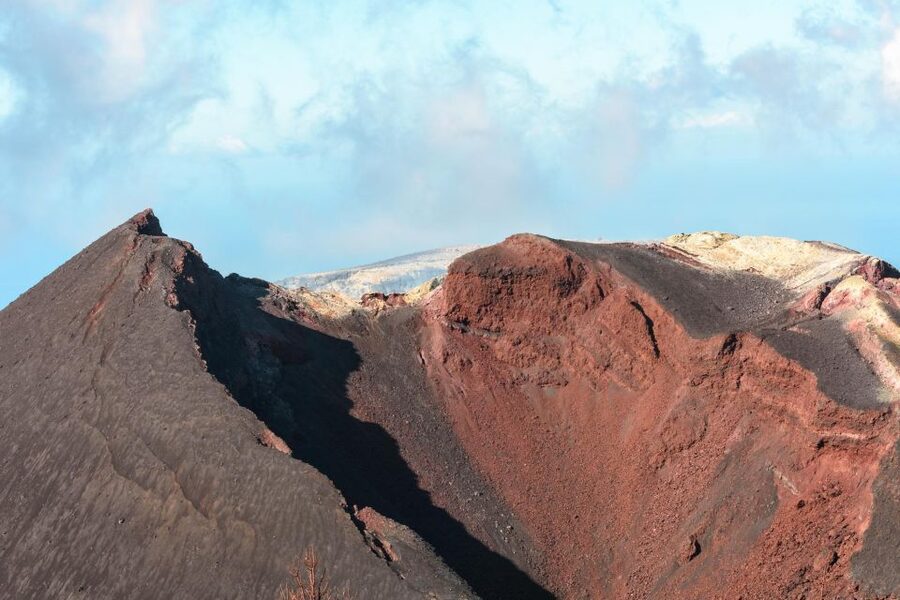
La Palma has plenty of volcanic scenery, but Tajogaite offers something unusual: you can see a volcano while its new ground still feels startlingly fresh. The eruption began in 2021 and lasted 85 days, creating new cones, ash fields, lava flows, and a new peninsula.
The walk begins near Tacande, a historic volcano recorded in 1480 and known as the burnt mountain. That opening gives you useful context. You are not looking at one isolated cone. You are walking through a long record of volcanic activity on Cumbre Vieja, with Tacande providing the older chapter and Tajogaite the newest one.
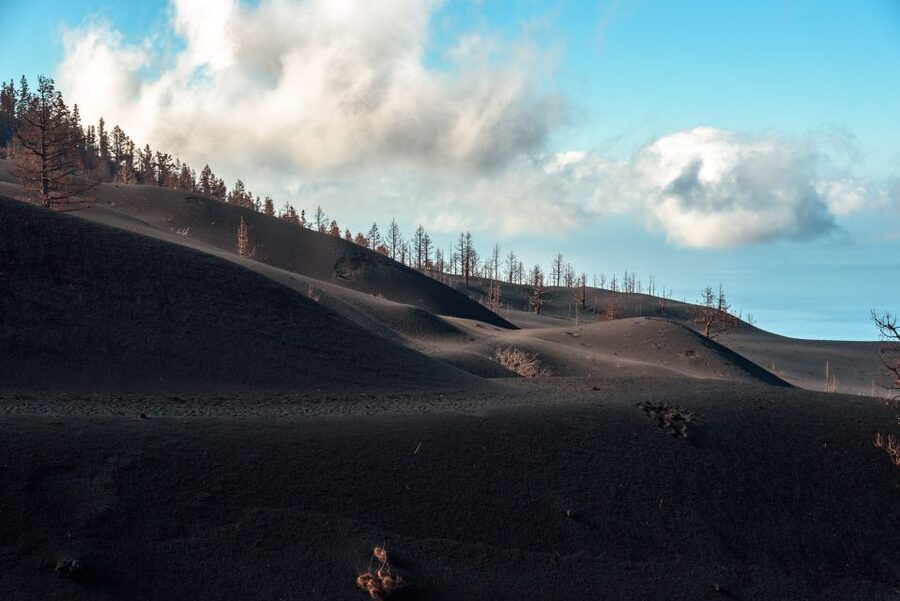
The contrast is part of the appeal. Older volcanic areas have had time to soften under plants and weather. Tajogaite is harsher and darker, with ash underfoot and fresh rock formations laid out across the slopes. Guides use the route to explain how the island formed, how different volcanic rocks develop, and how molten rock chose its path downhill.
I especially value the human side of the story. Lava destroyed more than 3,000 buildings, along with forests and homes in the surrounding area. A good guide does not treat the eruption as only a dramatic natural show. Local guides can explain how nearby people were affected, which gives the black ash and twisted lava a more serious meaning.
More Volcano Hikes and Treks in Spain
- La Palma: Tajogaite Volcano Guided Hike
★ 4.8 · 275 reviews - La Palma: Caldera de Taburiente National Park Guided Hike
★ 4.8 · 140 reviews - La Palma: Guided trekking tour to volcanoes south
★ 4.9 · 44 reviews
From El Paso to the trailhead
You meet at the designated point, which can vary with the option booked. The usual arrangement includes round-trip transport by van, with the drive to the trail taking about 15 minutes and the return taking about the same time.
That transfer is a small but useful part of the package. You do not need to arrange your own ride to the starting point, and it lets you take in more of the Cumbre Vieja area before walking. One practical detail is worth checking carefully: hotel pickup and drop-off are not included. You need to reach the meeting point yourself.
The exact pickup location matters, especially if you are staying outside El Paso. The meeting point may be listed as C. Antonio Pino Pérez, 1, but confirm the details attached to your booking. One useful feature of the operator is that timing and arrival information are normally provided in advance.
Once at the trailhead, your guide sets the pace and explains how the walk will work. Groups have varied in size, with some outings described as small groups of eight and others closer to 14 people. That means the feel can depend on the day, but the guide-led format keeps everyone together.
Walking over ash and new volcanic ground
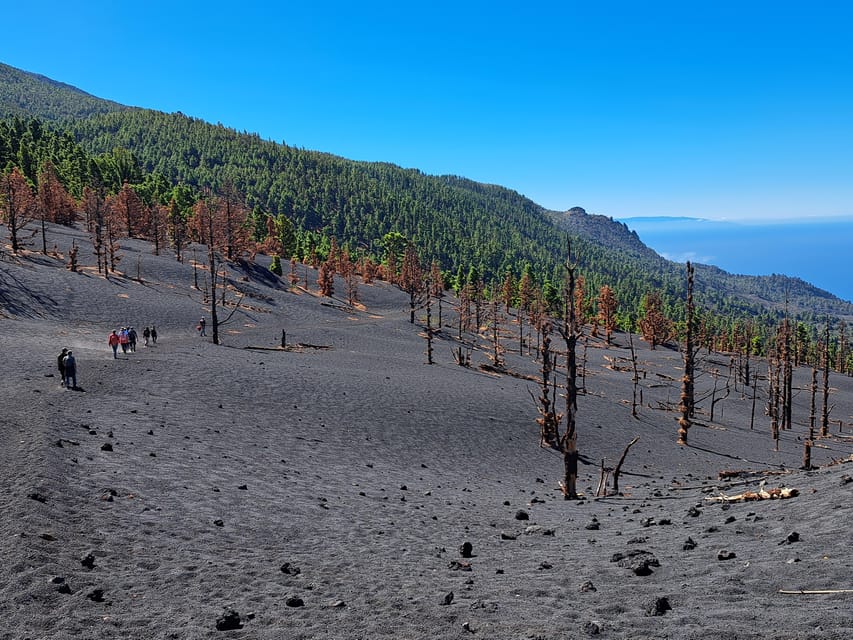
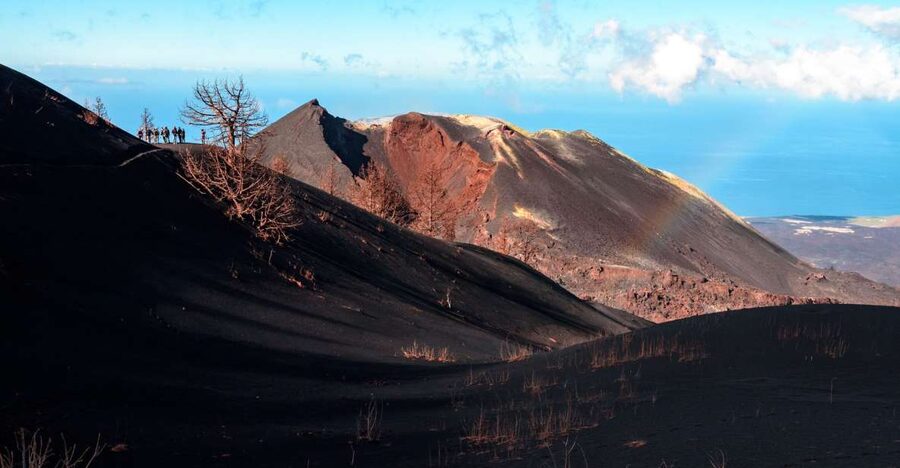
The main route covers about eight kilometers. It follows a comfortable path around the back edge of the volcano and includes about 300 meters of ascent and 300 meters of descent. The published route describes this as a hike to the top area of the volcano, but you do not climb onto the crater itself.
Do not confuse comfortable path with flat path. You will walk over ash and uneven volcanic ground, and the uphill and downhill sections add effort. Good walking shoes are essential. Trainers may be fine for some people, but sturdy, comfortable footwear gives you better footing and keeps loose ash from becoming a nuisance.
The ash changes the feel of the walk. It is not the same as strolling on a paved viewpoint trail. You can see how the eruption covered the ground, filled hollows, and altered the shape of the slopes. The route also offers views of lava flows from above and from different angles, helping you understand how far the molten rock travelled.
The guide usually stops at useful viewpoints rather than rushing you past them. That matters here because the scenery is not something you absorb in one quick glance. You need time to look across the crater area, compare the dark ash with surviving vegetation, and take photographs.
Weather can change quickly on Cumbre Vieja. Some walks have had cloud that limited visibility, while others offered wide views across the volcanic area. A cloudy day will not erase the geological interest, but it can reduce the drama of the distant views. Bring a jacket even if El Paso is warm and bright when you leave.
What the guide adds to the walk
This is a guide-dependent experience, and the strong record of named guides is one of its best features. Bebe is often praised for her patience, clear explanations, and ability to adjust to different walking speeds. Juan is noted for explaining both the eruption and the wider formation of La Palma, while Amanda has been described as lively and well prepared.
Steven has used videos and images to show what the eruption looked like at the time, then connected those scenes with the ground in front of the group. Gianluca is known for combining detailed information with humor and for keeping an eye on the group. Other guides, including Angel, Sule, Mario, Armanda, Rebecca, and others, have also led outings.
The details vary by guide, but the best version of the tour is active rather than lecture-like. You can ask about the crater, lava, rocks, island formation, local communities, and nearby nature. Some guides even draw quick diagrams in the ash to explain how volcanic processes work.
That hands-on style makes a difference. A volcano can look like a pile of black rock if nobody explains what you are seeing. With a good guide, the ash becomes evidence of the eruption, the lava becomes a record of movement, and the crater becomes part of a story about pressure beneath the island.
Language is another practical point. English and Spanish departures are available daily. German tours run on some days and at some times, so check the schedule if German is important to you. The guide’s ability to communicate clearly matters more than a long scientific vocabulary, and this outing is at its best when you feel free to ask questions.
More Volcano Hikes and Treks in La Palma:
- Bali: Sunrise Mount Batur Guided Hike with Breakfast
★ 4.8 · 9,660 reviews - Bali: Mount Batur Sunrise Guided Hike and Natural Hot Spring
★ 4.8 · 9,284 reviews - Mount Etna: Summit Guided Hiking Tour up to 3,400 m
★ 4.8 · 4,792 reviews - Mount Etna: Trek to 3000m with cable car and 4×4
★ 4.6 · 3,823 reviews
The human cost behind the dramatic views
It is easy to treat a new volcano as a thrilling photo opportunity. Tajogaite deserves more care than that. The 2021 eruption destroyed buildings, forests, roads, and parts of daily life, and the route shows the scale of that change.
Your guide can explain how the lava carved its own route and formed new ground near the coast. Seeing the flow from higher up makes its size easier to understand. You can also appreciate why access is limited and why the area is visited with a guide rather than as an open walking zone.
That restriction adds value to the tour, but it is also a safety measure. You are not wandering freely across the volcanic area or climbing the crater. You follow a set route with someone who understands the ground and keeps the group together.
I like that the tour does not separate science from people. The best explanations cover the mechanics of an eruption, then turn to the residents who lost homes or saw familiar forests buried. That combination makes the visit more respectful and more memorable than a simple walk to a viewpoint.
Is $45 a fair price?
At $45 per person, I consider this a strong value for a four-hour outing. The cost includes the guide and round-trip transport from the meeting point. If you tried to arrange transport, access, and a specialist explanation separately, you would likely spend more time and effort for a less coherent visit.
The price is especially fair if you want to understand what you are seeing. You are not paying only for a path and a view. You are paying for access to a restricted volcanic area, transport to the trailhead, and several hours of interpretation.
The value depends on your expectations. If you want a short walk with no exertion, this is not the right use of $45. The route takes about four hours in total, includes eight kilometers of walking, and requires reasonable fitness. If you enjoy walking and want context about the 2021 eruption, the combination is hard to beat.
The reserve-now-and-pay-later option can help if your island plans are still shifting. Free cancellation is available up to 24 hours before the activity for a full refund. Those booking terms are useful, but the more important planning issue is your footwear, clothing, and ability to handle the route.
Clothing, weather, and walking tips
Pack for changing conditions rather than the weather at sea level. Bring warm clothing, a jacket, a hat, sunscreen, and water. A charged smartphone is also recommended, useful for photographs and for staying reachable during the outing.
Wear comfortable shoes with a good sole. Ash can be loose, and the route includes both uphill and downhill sections. The walking is often described as easy to moderate, but fitness levels differ. If you regularly walk for several hours, you should find it manageable. If you rarely walk on uneven ground, the ascent and descent may feel more demanding.
There are no pets allowed, and the activity is not suitable for wheelchair users or people with mobility impairments. It is also not recommended for people with pre-existing medical conditions. If you have any concern about the distance or height change, ask before booking rather than hoping the guide can shorten the route.
Bring water even if the day feels cool. Cloud and wind can make the volcano feel chilly, while sun and dark ash can make exposed sections feel warmer. Weather may also limit visibility, but the educational side of the tour still has value on a cloudy day.
Who will enjoy this tour most?
I would choose this trek during the first few days of a La Palma visit if you want an introduction to the island’s volcanic character. Guides often offer useful ideas about the island and its geography, and the tour gives you a clear sense of how volcanic activity shaped La Palma.
It suits adults, fairly fit older children, and anyone who likes walking with a purpose. One eight-year-old managed the route through the ash, and a 14-year-old enjoyed the explanations, but that does not mean every child will find eight kilometers easy. Consider your child’s walking habits, patience, and ability to handle exposed weather.
It is also a good pick for people who prefer interpretation to sightseeing alone. You will get more from the route if you want to ask how eruptions work, why the lava flowed where it did, and what happened to nearby communities.
I would be cautious if you dislike group pacing. The guide keeps people together, and the pace may be set by the slowest walker. One outing required repeated waits for two people who were not fit enough for the route. That is not a fault of the walk, but it is a reminder to judge the distance honestly.
Should you book the Tajogaite Volcano trek?
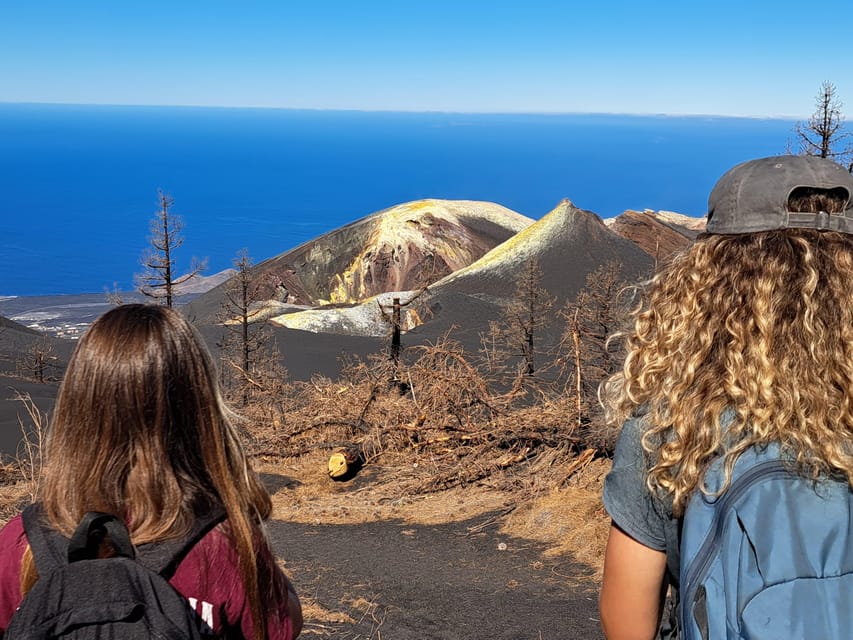
Book it if you want to stand close to La Palma’s newest volcano, walk across ash from the 2021 eruption, and understand the event through both geology and local stories. The $45 price is reasonable because transport and a live guide are included, and the four-hour format gives you time to see more than one viewpoint.
Skip it if you need a very short, flat outing, have mobility limitations, or would rather explore at your own pace. For everyone else, this is one of the clearest ways to grasp how quickly an eruption can remake an island. Check the language, meeting point, weather, and fitness requirements, then bring good shoes and a jacket.
FAQ
How long does the Tajogaite Volcano trek last?
The activity lasts four hours, including about 15 minutes of transport each way and roughly 3 hours and 45 minutes for the guided volcano visit.
How far do you walk?
The route is about eight kilometers. It includes approximately 300 meters of ascent and 300 meters of descent.
Do you climb onto the crater?
No. You walk to the top area and around the back edge, but you do not climb on the crater itself.
What does the $45 price include?
The price includes a live guide and round-trip transportation from the meeting point.
Is hotel pickup included?
No. Hotel pickup and drop-off are not included. You need to reach the specified meeting point yourself.
Where does the tour begin?
There are two starting-location options, and the meeting point can vary with the option booked. C. Antonio Pino Pérez, 1 is listed as a meeting and drop-off location, so check your booking details.
Which languages are available?
English and Spanish are available daily. German tours operate on some days and at some times, depending on availability.
What should I bring?
Bring comfortable shoes, warm clothing, a hat, sunscreen, water, a charged smartphone, and a jacket.
Can I bring my pet?
No. Pets are not allowed on the activity.
Is the trek suitable for wheelchair users?
No. The activity is not suitable for wheelchair users, people with mobility impairments, or people with pre-existing medical conditions.
Just added around La Palma
- Tajogaite Volcano VIP Experience: Private Tour with a Certified Guide★ 5.0 · 8 reviews
- Tajogaite Volcano: the official route with a certified local guide★ 5.0 · 231 reviews
- La Palma: San Antonio and Teneguia Volcanos Tour by 4×4 Bus★ 4.8 · 120 reviews
- La Palma: Volcano Route Buggy Tour (Price Per Vehicle) 2 PAX★ 4.7 · 115 reviews
- La Palma Tour: Santa Cruz, Cumbrecita and Volcanic Landscape★ 3.5 · 74 reviews
- La Palma: Caldera de Taburiente National Park Guided Hike★ 4.8 · 140 reviews
- La Palma: Guided Tour to Tajogaite Volcano with Transfer★ 4.8 · 177 reviews
- La Palma: Guided trekking tour to volcanoes south★ 4.9 · 44 reviews
La Palma Volcano Tours, compared.
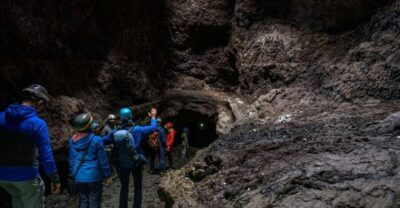
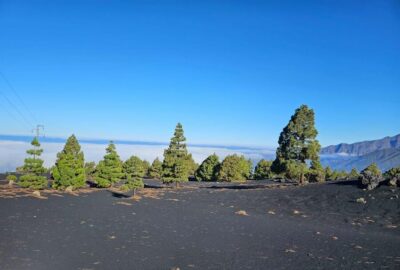
La Palma: Tour to the new Tajogaite volcano 360º.
Read our review →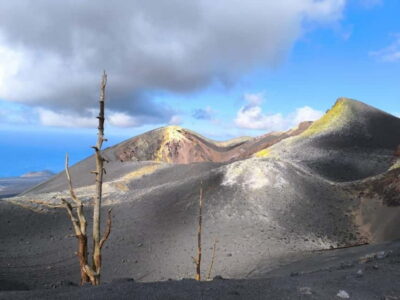
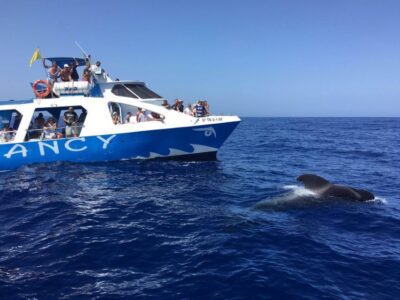
La Palma: Wildlife Viewing and Cumbre Vieja Boat Tour
Read our review →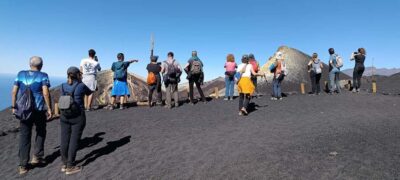
Tajogaite Volcano: the official route with a certified local guide
Read our review →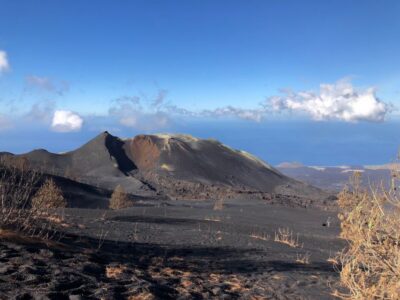
La Palma: Guided Tour to Tajogaite Volcano with Transfer
Read our review →
La Palma: Caldera de Taburiente National Park Guided Hike
Read our review →
La Palma: San Antonio and Teneguia Volcanos Tour by 4×4 Bus
Read our review →Browse the lists this tour appears in