
REVIEW · ITALY
Etna: summit craters trekking with volcano guide 3350mt
Etna’s summit is not a simple sightseeing stop. After a cable-car ride and 4×4 climb, you hike across black volcanic sand toward craters at roughly 3,350 meters, where the air is thin, the wind can bite, and the views stretch across Sicily and the Ionian coast. The payoff is a close look at an active volcano, with gas vents, volcanic bombs, sulfur colors, and fresh-looking lava terrain.
I like the small-group feel when available and the way guides such as Antonio, Massimo, Giacomo, and Giovanni set a steady pace with regular breaks. I also like that boots, walking poles, helmets, and insurance are included, so you do not need to arrive with a full mountaineering kit. The drawback is the extra €65 cash payment for the cable car and 4×4, which makes the real cost much higher than the advertised $77.
The route is never guaranteed. Strong winds, eruptions, seismic risk, cloud, or official restrictions may keep you below the summit, but the guide can usually replace the upper section with another volcanic route. That flexibility is essential on Etna, not a minor footnote.
Key points to know before climbing Etna
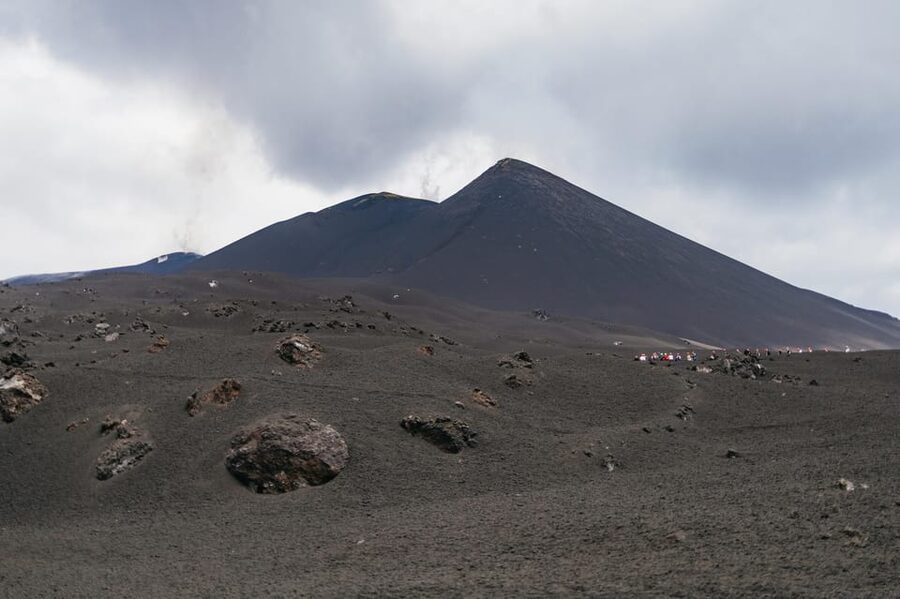
- The summit hike begins at about 2,800 meters: The cable car and 4×4 save you a large amount of climbing, but the remaining walk is still physically demanding.
- The full cost is higher than the headline price: Add €65 per person in cash for the cable car and 4×4, or €52 if volcanic conditions limit the outing to the 3,000-meter area.
- The guide makes the difference: Expect explanations of eruptions, lava, sulfur, craters, and volcanic risk in English, French, or Italian.
- Weather can change the plan: You may reach 3,350 meters, stop at 3,000 meters, or take a lower alternative route.
- Prepare for cold, wind, and thin air: Long trousers, layers, gloves, a warm jacket, water, snacks, and a face covering are sensible even in summer.
- This is a medium-high difficulty walk: You need to be comfortable on loose, sandy, uneven ground and capable of several hours outdoors.
What the six-hour Etna experience is really like
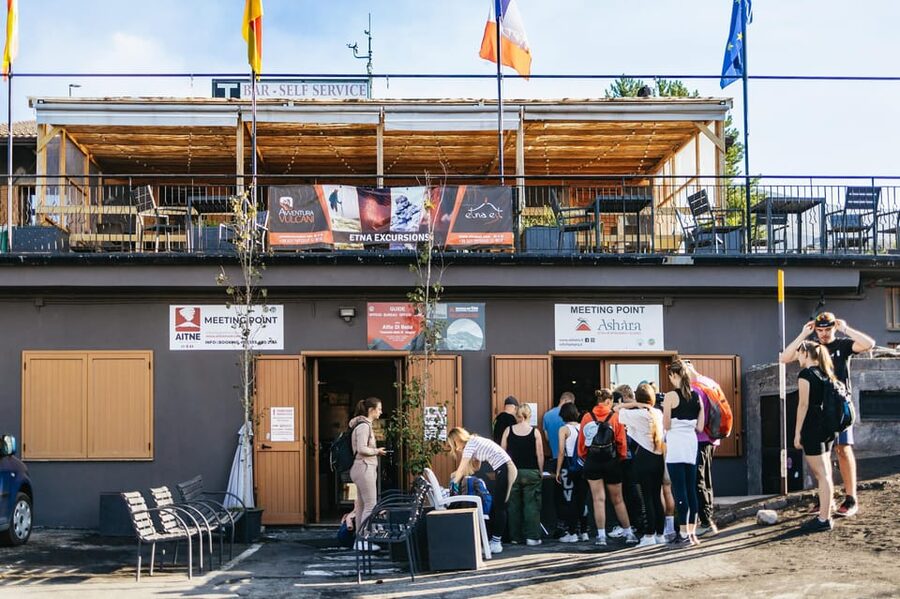
You meet Ashàra Etna and Stromboli Guides at the information point near Rifugio Sapienza on Etna’s south side. The meeting point is close to Terrazza dell’Etna restaurant, but allow time to find the exact desk and get fitted out.
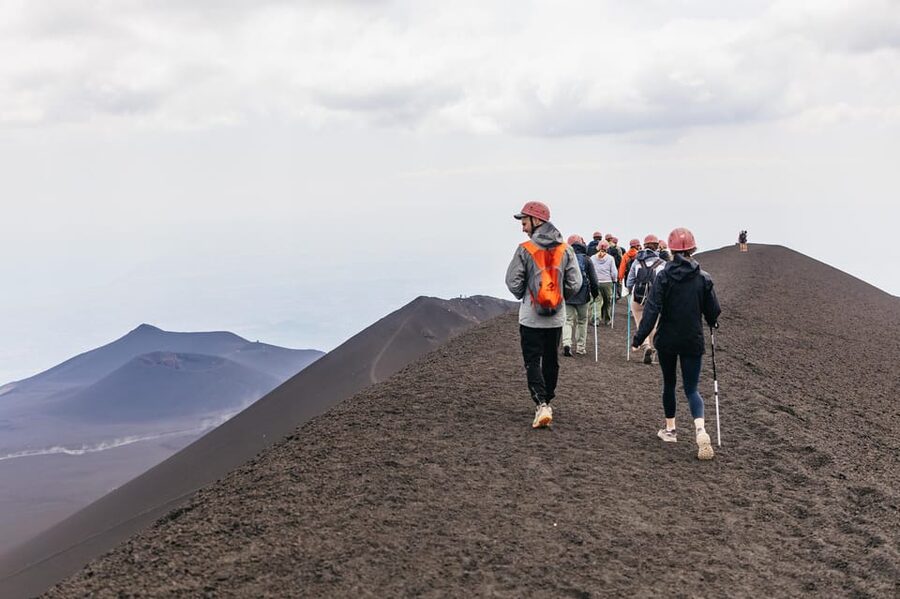
The tour includes hiking boots, a rock helmet, walking poles, and RCT insurance. In colder months, equipment and clothing support may also be available, but you should not count on borrowed layers as your main plan. Bring your own warm jacket, gloves, hat, and extra shirt.
The day lasts about six hours. That sounds manageable, but the altitude and loose ground make the outing harder than an ordinary half-day walk. I would describe it as a serious excursion for a reasonably fit person, not a technical climb and not a casual stroll.
Group size can vary. Some outings have been small, around ten people, while others have been much larger. A smaller group usually means less waiting at the equipment point and more direct contact with the guide. Larger groups may move more slowly, especially during boot fitting and cable-car boarding.
More Volcano Hikes and Treks in Italy
- Mount Etna: Summit Guided Hiking Tour up to 3,400 m
★ 4.8 · 4,792 reviews - Catania: Mount Etna Trekking Tour Beyond the Tourist Trails
★ 4.9 · 1,596 reviews - Mount Etna: Summit Trekking Tour
★ 4.9 · 347 reviews
Cable car from Rifugio Sapienza to 2,500 meters
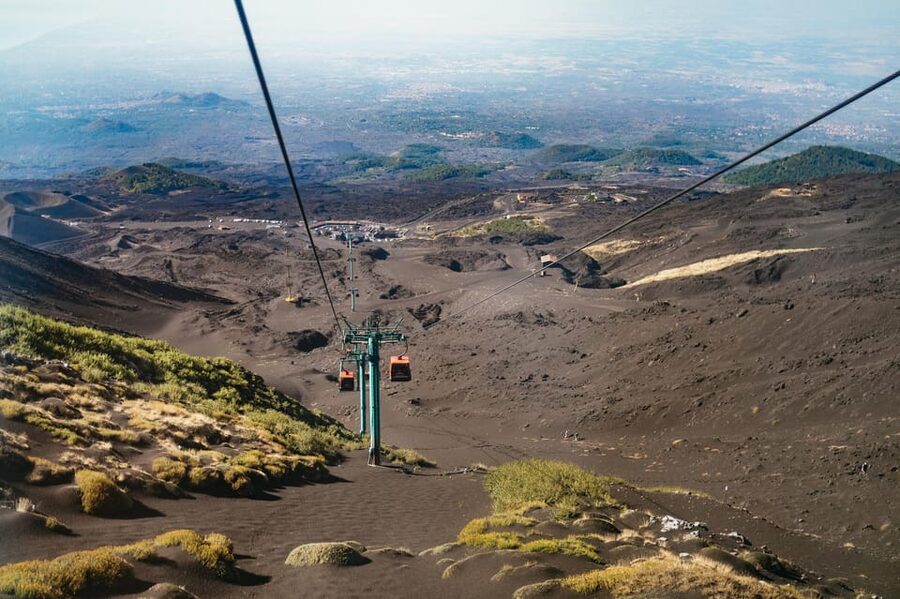
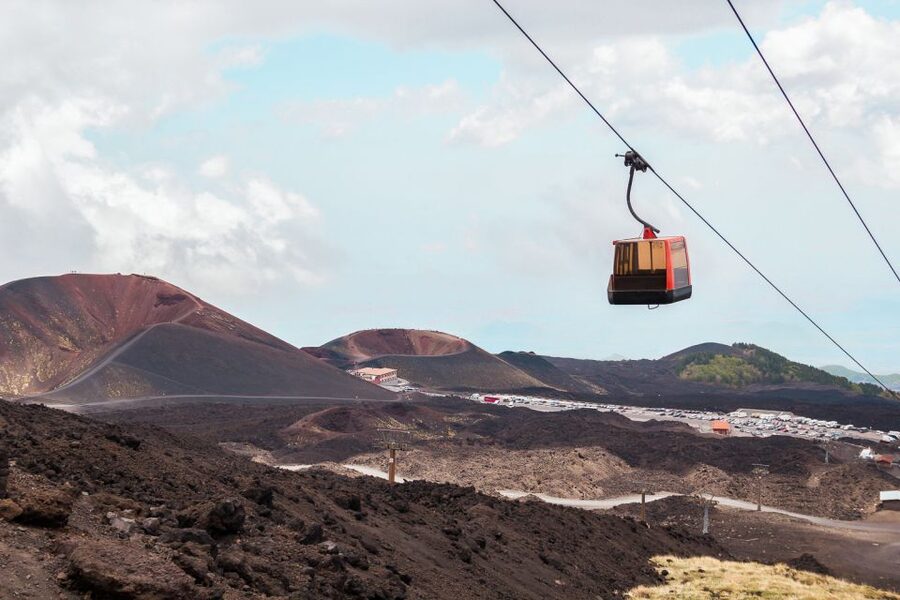
The cable car takes about 25 minutes and carries you from the busy lower slopes to roughly 2,500 meters. This is more than a transport link. You watch the green lower mountain give way to darker volcanic ground, and you gain altitude quickly.
The cable-car station can be busy. If your group is large, expect some waiting while tickets are arranged and everyone boards. The cable-car ticket is not included in the tour price, and the €65 transport charge covers both the cable car and the 4×4 ride to the higher starting point.
The altitude change is worth taking seriously. You might feel the thinner air before the walking begins, especially if you live near sea level. Use the early stage to settle your breathing rather than racing ahead for photos.
The 4×4 ride to the high trailhead
From the upper cable-car station, a 4×4 vehicle continues for about 30 minutes toward 2,800 meters. This ride gets you close to the high volcanic zone without requiring a long ascent from Rifugio Sapienza.
It also explains why the tour can reach the upper craters within six hours. You are not climbing the entire mountain from the base. You are using mechanical transport for the lower and middle sections, then walking through the most dramatic upper terrain.
The ride may feel rough in places, and the high-altitude setting is exposed. Once you leave the vehicle, there is little shelter from sun or wind. Pack your day bag so water, snacks, sunscreen, sunglasses, and an extra layer are easy to reach.
Walking through black lava and lunar-like ground
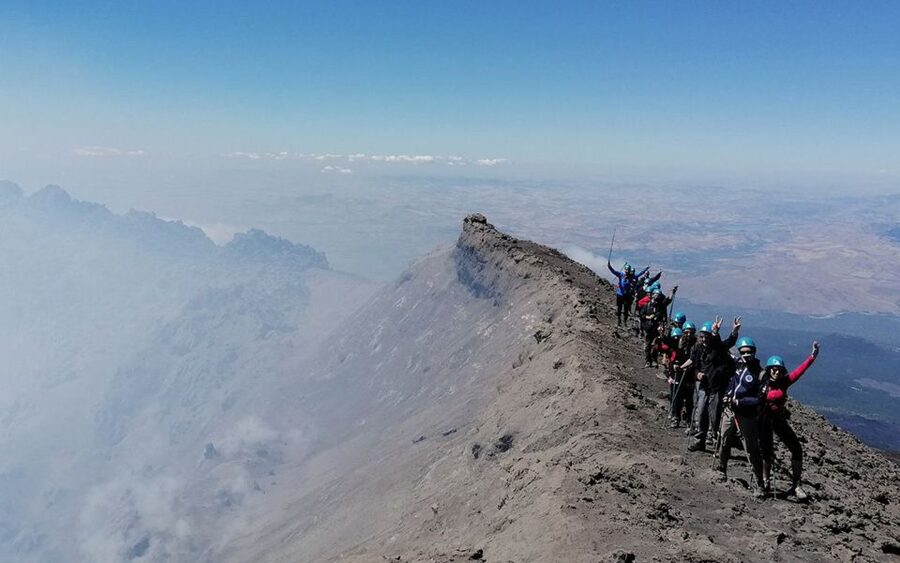
The upper walk begins with volcanic terrain that can look almost unreal. The route crosses dark lava flows, loose sand, volcanic bombs, and ridges shaped by earlier eruptions. The surface is uneven, so walking poles are genuinely useful rather than decorative equipment.
The first section toward the summit takes about 40 minutes, followed by longer walking around the central crater and upper mountain. You may find that the uphill pace is slow. Loose ash gives way under your boots, and every step can require more effort than it would on a firm path.
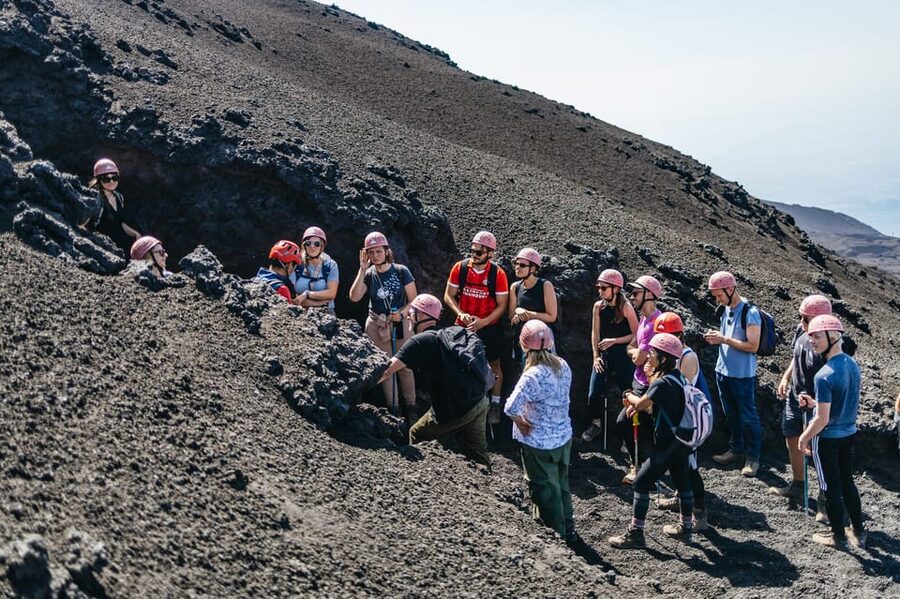
This is where a good guide earns the fee. Guides keep the group together, watch for signs of fatigue, and adjust the pace. Massimo, Antonio, Giacomo, Giovanni, and other Ashàra guides are repeatedly praised for clear explanations, patience, humor, and careful decisions in changing conditions.
Do not treat the guide as someone who simply points out the route. The upper slopes can be confusing, and volcanic restrictions may change the permitted path. A qualified guide also knows when a dramatic-looking route is not a safe one.
More Mount Etna Tours in Mount Etna:
- Mount Etna: scenic Summit Trek with a volcano Guide and Gear
★ 4.5 · 284 reviews - Mount Etna: Half-Day Guided Tour and Hike
★ 4.4 · 264 reviews - Mount Etna: Craters of the 2002 Eruption Trekking Experience
★ 4.8 · 237 reviews - From Catania: Mount Etna Half-Day Tour and Wine Experience
★ 4.5 · 214 reviews
The Central Crater and Etna’s summit zone
The central crater area is the main goal of the outing. From the rim, you look into a steep volcanic hollow and across toward the Northeast Crater and Southeast Crater. The Southeast Crater has produced some of Etna’s most striking recent eruptions, and its shape may change with ongoing activity.
The exact summit altitude is generally described here as about 3,350 meters. At that height, the experience is physical as well as scenic. Cold wind can arrive suddenly, clouds can close in, and breathing can feel harder during even a modest ascent.
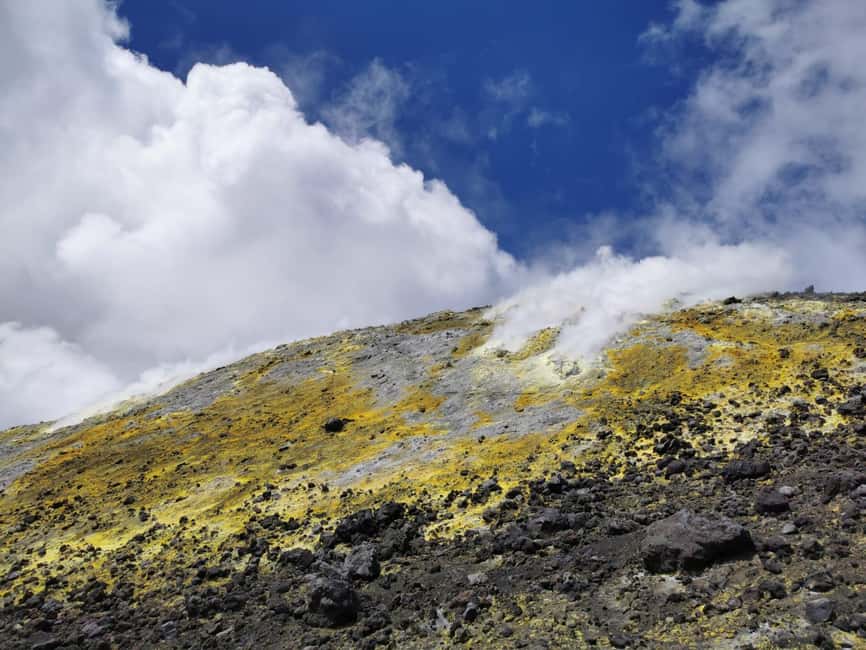
The guide’s explanation adds meaning to what might otherwise be a field of black rock. You learn about lava flows, eruption patterns, crater formation, sulfur, volcanic gases, and the way Etna’s activity reshapes the mountain. The colors on the ground can come from sulfur and other elements released and altered by heat.
You may see gas emissions and heat-related changes in the soil. Do not approach vents or wander away from the group for a closer photograph. The mountain is active, and the safe route depends on current conditions.
On a clear day, the views reach toward the Ionian coast and across Sicily. The contrast is striking: a high, barren volcanic summit above the brighter coastal world below. Clouds can erase that view, but the crater itself and the textures of the upper slopes remain worthwhile.
The summit is not guaranteed, and that is the right policy
Etna is an active volcano, so this is not a tour where the advertised endpoint should override safety. Strong wind, eruption warnings, seismic activity, poor visibility, or official closures can stop the group short of 3,350 meters.
If summit access is restricted, the excursion may continue to around 3,000 meters. In some cases, the cable car and 4×4 plan changes, or the group uses another section of the mountain. One outing reached about 3,100 meters during strong winds and still offered an excellent alternative route.
You should book this with the right expectation: the experience is a guided high-mountain Etna outing, not a guaranteed summit certificate. The best guides explain the change, keep the group safe, and provide volcanic points of interest instead of forcing an unsafe ascent.
That approach has real value. An independent attempt may sound adventurous, but route restrictions and changing volcanic conditions are difficult to judge without local training and current information. The guides stay in contact with people monitoring the volcano and make decisions based on the day’s risk.
Barbagallo Craters, lava channels, and Valle del Bove
The descent is not simply a return over the same route. The group visits the Barbagallo craters, then crosses a lava-flow channel and continues toward views of Valle del Bove.
The Barbagallo craters show how quickly a new eruption can add features to Etna. Their dark cones and rough edges make a strong contrast with older slopes, and they give the descent its own character.
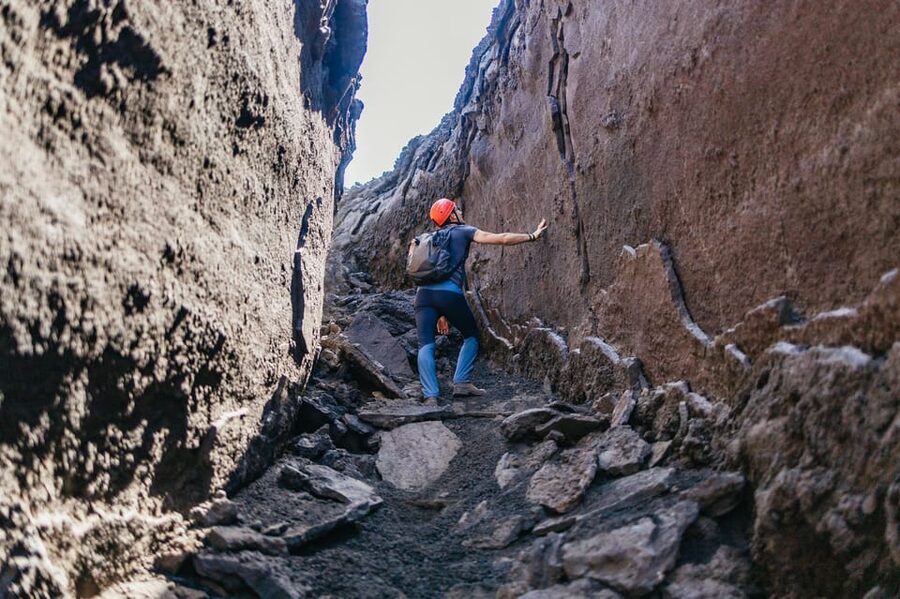
Crossing a lava channel lets you see the shape of a flow at close range. You may notice broken, rough rock beside smoother sections, depending on the route and conditions. The guide connects these formations to the movement and cooling of lava rather than leaving you with only a photo stop.
Valle del Bove is one of the major visual rewards of the south-side route. From above, the broad volcanic depression gives scale to the mountain. You can better understand how large Etna is when the craters and lava fields occupy the foreground and the valley opens beyond them.
The descent can be easier on your lungs but harder on your legs. Loose volcanic sand may make you slide, particularly on downhill sections. Keep your poles planted, take short steps, and do not feel pressured to match the fastest person in the group.
Price, equipment, and what you really receive
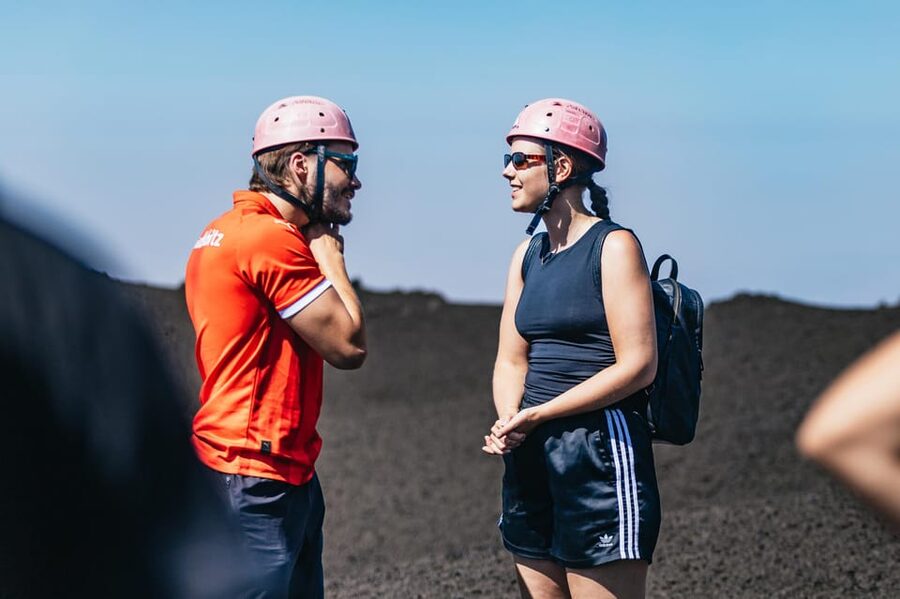
The listed tour price is $77 per person, but the required transport costs €65 in cash per person. That makes the total substantially higher, so budget for the added payment before you arrive. If the tour is restricted to the 3,000-meter area and uses only the cable car, the stated transport cost is €52 per person.
The package includes the guided hike, a multilingual volcano or Alpine guide, hiking boots, a helmet, walking poles, and RCT insurance. Food and water are not included.
I consider the equipment useful, especially if you are touring Sicily with ordinary holiday shoes. Proper boots and poles make loose ash more manageable, while the helmet is appropriate for a volcanic setting. Still, bring your own personal clothing system rather than relying entirely on rental equipment.
Pack:
- Water and a packed lunch or substantial snacks
- Sunglasses, sunscreen, and a sun hat
- Long trousers and warm layers
- A windproof jacket and an extra shirt
- Gloves, especially outside the hottest summer months
- A 10 to 20-liter daypack
- A face covering for wind and blowing volcanic dust
Shorts, pets, strollers, luggage, and large bags are not allowed. The supplied information also advises against joining if you have heart, back, respiratory, or blood-pressure problems, vertigo, or pregnancy. Children under 11 are not accepted.
How hard is the summit crater trek?
The tour is rated medium-high difficulty. You should be comfortable walking for several hours on uneven, sandy ground, with a substantial uphill section at altitude. You do not need to be an experienced mountaineer, but basic fitness matters.
A sensible pace is more important than speed. The guides generally include breaks for water, snacks, photos, and explanations. If you need a slower rhythm, say so early rather than waiting until you are exhausted.
Altitude affects people differently. You may notice shortness of breath, especially on steeper sections. If you feel unwell, tell the guide immediately. The guide can stop, shorten, or alter the route when safety requires it.
The most difficult combination is often wind, loose ash, and a steep 50-meter rise, rather than a single long climb. Snow is also possible outside summer, and conditions can change even when Catania is warm. In February and during shoulder seasons, crampons or warmer gear may be needed depending on the route.
Guide quality and group experience
The strongest part of the outing is the human guidance. The named guides praised most often include Massimo, Antonio, Giacomo, Giovanni, Marco, Nello, and Luca. You cannot necessarily request a specific guide, but the operation offers English, French, and Italian.
The best guides combine three jobs. They lead the route, explain the science, and monitor the group. Antonio is noted for setting a comfortable pace and answering questions, while Massimo is often described as energetic, caring, and strong on volcanic detail. Giacomo is praised for humor and attention to the group.
Communication before the outing can be helpful, including messages sent through WhatsApp. That matters when weather or volcanic activity forces a last-minute change. The meeting point can be a little confusing, so read the instructions carefully and look for the Ashàra information point near Terrazza dell’Etna.
The main organizational weakness is possible waiting at the start. A large group may take a long time to receive boots and helmets, then wait again at the cable-car station. Once the walking begins, the day is usually more rewarding and better paced.
Should you book the Etna summit trek?
Book it if you want more than a quick cable-car viewpoint and you are prepared for a demanding, exposed walk. You will get the best value if you care about volcanic geology, want to walk near summit craters, and appreciate having a trained guide make the safety calls.
Think twice if you need a guaranteed 3,350-meter summit, dislike cold wind or loose ground, or are looking for a low-effort family outing. The extra €65 transport charge also changes the budget calculation.
For fit adults who pack properly, this is a strong way to experience Etna. The summit may close, the weather may turn, and the route may change, but those realities are part of visiting a live volcano. Book with flexibility, bring serious layers, and judge the tour by the quality of the guided mountain experience rather than by the exact altitude reached.
FAQ
Where does the Etna summit trek meet?
Meet at the Ashàra information point at Rifugio Sapienza on Etna’s south side, close to the Terrazza dell’Etna restaurant.
How long does the activity last?
The complete excursion lasts about six hours, including the cable car, 4×4 ride, guided walk, stops, and return journey.
Is the cable car and 4×4 transport included in the price?
No. The cable car and 4×4 tickets cost €65 per person and must be paid in cash on the spot. If volcanic activity limits the outing to 3,000 meters and only the cable car is used, the stated cost is €52 per person.
What languages are available?
The live guides operate in English, French, and Italian.
What equipment is included?
The tour includes hiking boots, walking sticks, a rock helmet, hiking guidance, and RCT insurance.
Will the tour always reach 3,350 meters?
No. The route can change because of weather, environmental conditions, seismic activity, volcanic eruptions, or official restrictions. The group may stop at 3,000 meters or follow another route at a lower altitude.
What should I bring?
Bring water, food or snacks, sunscreen, sunglasses, a sun hat, long trousers, socks, a jacket, a T-shirt, an extra shirt, gloves, and a 10 to 20-liter daypack. A face covering is also useful in strong wind or volcanic dust.
More Volcano Hikes and Treks in Mount Etna
- Mount Etna: Hike to The Highest Point With a Guide
★ 4.8 · 147 reviews - Piano Provenzana: Mount Etna Hiking Trip to 3,380 Meters
★ 4.8 · 54 reviews - From Catania: Etna tour to the Base of the Summit Craters
★ 4.9 · 35 reviews - Etna South: High Altitude Winter Trek with an Alpine Guide
★ 4.8 · 27 reviews
Just added around Mount Etna
- Taormina and Catania: Private Etna Exploration and Cave Tour★ 4.8 · 32 reviews
- Taormina and Catania: Private guided Etna hike by cable car★ 5.0 · 17 reviews
- Piano Provenzana: Mount Etna Hiking Trip to 3,380 Meters★ 4.8 · 54 reviews
- Mount Etna: Private Trek on the North Slope Craters★ 5.0 · 4 reviews
- Mount Etna: Trek to the Craters of The 2002 Eruption★ 4.9 · 9 reviews
- Mount Etna: Half-day Morning Jeep Tour★ 5.0 · 71 reviews
- Etna South: High Altitude Winter Trek with an Alpine Guide★ 4.8 · 27 reviews
- Mount Etna: Craters of the 2002 Eruption Trekking Experience★ 4.8 · 237 reviews
Italy Volcano Tours, compared.
From Naples: Pompeii Ruins & Mount Vesuvius Day Tour
Read our review →
Pompeii and Mount Vesuvius Day Trip from Rome with Pizza Lunch
Read our review →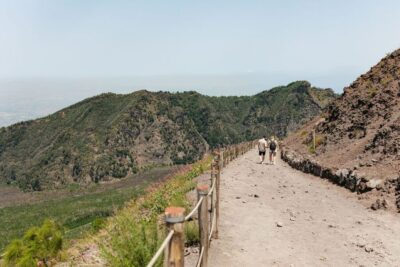
From Rome: Pompeii Day Trip with Optional Vesuvius and Lunch
Read our review →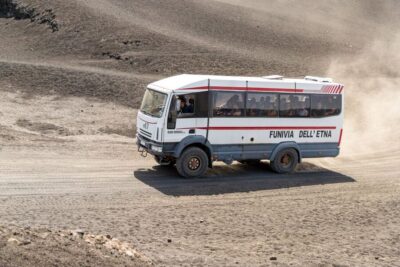
Mount Etna: Summit Guided Hiking Tour up to 3,400 m
Read our review →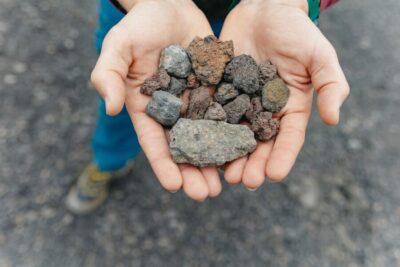
Catania: Mount Etna Morning or Sunset Day Trip with Tasting
Read our review →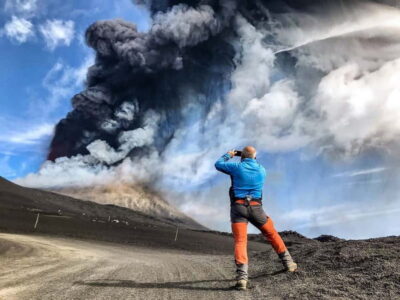
Mount Etna: Trek to 3000m with cable car and 4×4
Read our review →
Pompeii & Mt.Vesuvius Day Tour from Naples with Pizza Lunch
Read our review →
Mount Vesuvius: Skip-the-Line Ticket and Smart Digital Guide
Read our review →Browse the lists this tour appears in