
REVIEW · FUJIKAWAGUCHIKO
Mt Fuji Area Private Guided Tours in English-Nature up close, quiet, personal
A good Mt. Fuji day is not just about getting a photograph of the mountain. It is about finding a quiet lakeshore, hearing water at a forest waterfall, walking among giant cedar trees, and seeing how volcanic ground shaped the whole region. This private tour with Chris or Yumi takes you around the Fuji Five Lakes area by car, with room to pause when the scenery deserves more than a quick look.
I especially like the personal pace and the nature-first route. You can stop at lesser-visited viewpoints, walk through the Aokigahara forest, and spend time at places that large bus tours cannot easily reach. I also like the practical care: the guides have supplied hiking boots, coats, socks, walking sticks, blankets, and rain gear when needed.
The main consideration is price. At $320 per person, this is a serious spend, especially for a solo traveler or couple. The tour lasts about five to six hours, so you are paying for a private vehicle, a native English-speaking guide, flexibility, local knowledge, and a much calmer day than you would get by piecing the route together on public buses.
Key points at a glance
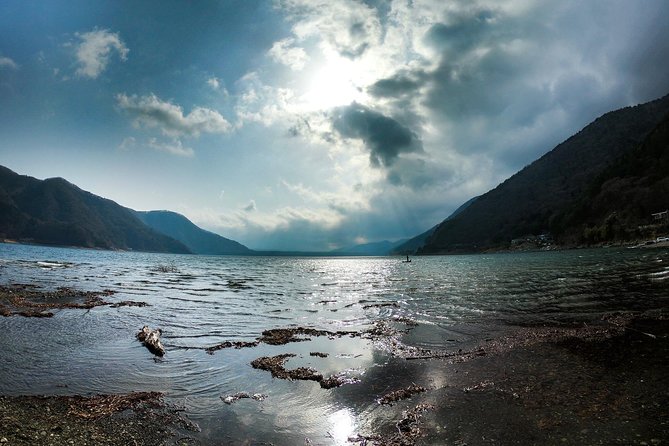
- Quiet views around two lakes: Travel beside Lake Kawaguchiko and Lake Saiko, with stops chosen for clear Mt. Fuji views and a slower pace.
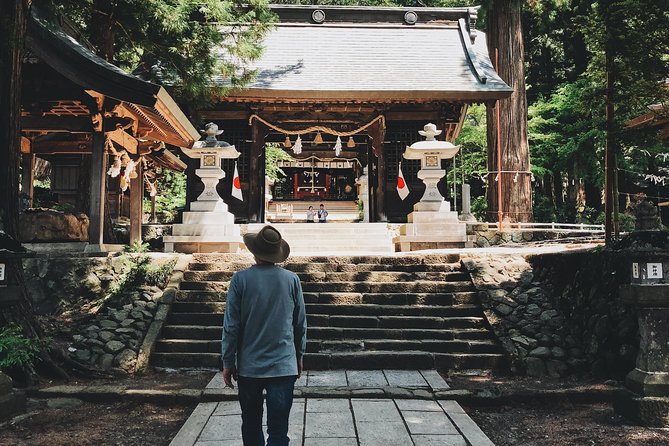
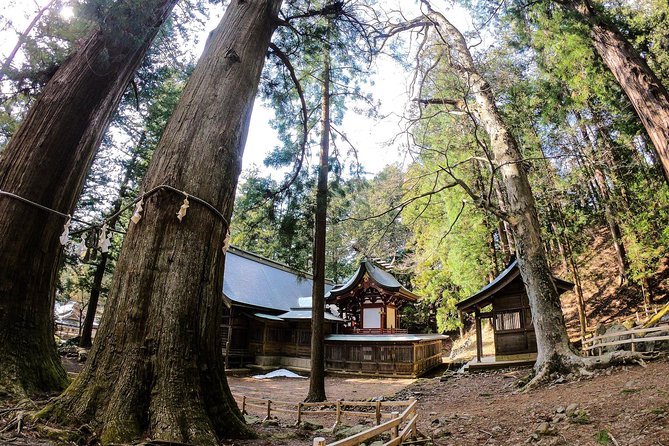
- A 1,200-year-old shrine forest: Visit Kawaguchi Asama Shrine, one of the area’s oldest sacred sites, beneath enormous cedar trees.
- Waterfalls with a Fuji backdrop: See Haha no Shirataki, or Mothers White Falls, where the setting combines rushing water, forest, and mountain views.
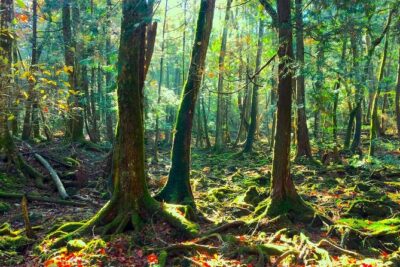
- Volcanic forest walking: Take a gentle walk through Aokigahara Jukai, the Sea of Trees, at Yacho no Mori Koen.
- A genuinely private day: Only your group participates, so you can shape the route, linger longer, or adjust plans around weather and mobility.
- Helpful outdoor equipment: Boots, warm clothing, and other gear may be available when conditions or your packing call for it.
Why this tour feels different from a standard Mt. Fuji outing
Many Mt. Fuji day trips focus on one famous photo stop, a crowded observation deck, and a tight schedule. This experience takes a broader view. The mountain is the anchor, but the forests, lakes, shrines, caves, waterfalls, and volcanic ground receive equal attention.
That matters because Mt. Fuji is often hidden by cloud. A private guide can respond to changing conditions instead of forcing you through a fixed list of stops. If the summit disappears, the day can still work well because the forests and shrine are worthwhile on their own.
Chris has lived in the area for about 20 years and knows the roads, viewpoints, forest paths, and seasonal changes well. Yumi also leads tours, and the two sometimes work together. Their approach is relaxed and personal rather than formal. You may stop for local food, coffee, French pastries, or a short break simply because the day calls for it.
The vehicle is especially useful here. The Fuji Five Lakes area covers a lot of ground, and bus connections can eat into a short visit. With private transport, you can see several different settings in five to six hours without spending the day waiting at stops.
More Mount Fuji Tours in Fujikawaguchiko:
- Explore Mt. Fuji Ice Cave in Aokigahara Forest
★ 5.0 · 243 reviews - From Tokyo: Mount Fuji Full Customized Tour English Guide
★ 5.0 · 137 reviews - Ramen Cooking Class at Ramen Factory in Mt.Fuji
★ 5.0 · 101 reviews
Kawaguchi Asama Shrine and its ancient cedar trees
The route begins around Kawaguchi Asama Shrine, depending on your pickup time and the day’s plan. This is not just a quick religious site for a photograph. Its appeal comes from the forest around it.
The shrine is shaded by enormous cedar trees said to be more than 1,200 years old. Their age gives the place a quiet weight. You are looking at a living part of the region’s spiritual and natural past, not simply another stop on a sightseeing loop.
The shrine is also connected with Mt. Fuji’s cultural importance and is part of the mountain’s World Cultural Heritage designation. Your guide can explain the local meaning of the site, the surrounding traditions, and how people have related to Fuji over time.
Allow yourself time to look up. The trees are the main event here. The atmosphere can feel markedly different from the lakeside photo stops, especially if you arrive when the area is quiet.
Haha no Shirataki, or Mothers White Falls
Near the shrine, the route can continue to Haha no Shirataki, known in English as Mothers White Falls. It is a smaller natural site than Japan’s famous major waterfalls, but that is part of its appeal. You get a more intimate setting, with falling water, trees, and possible views toward Lake Kawaguchiko and Mt. Fuji.
The falls change with the season. In colder weather, water and surrounding surfaces may begin to freeze. In warmer months, the sound of moving water adds a welcome break from driving and sightseeing.
This stop also shows why sturdy shoes matter. The tour is not presented as a hard hike, but it includes short walks over natural ground. If you have poor footwear, wet weather can make a simple path less pleasant. The guides have supplied boots and socks for some visitors, which can be useful if you packed only city shoes.
Oishi Flower Park and Lake Kawaguchiko views
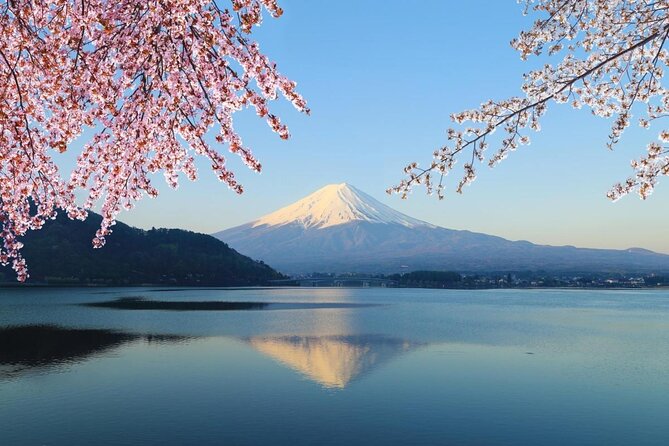
Oishi Flower Park is one of the more open, accessible stops on the route. It gives you a broad setting for viewing Mt. Fuji across Lake Kawaguchiko, with gardens and seasonal flowers adding color in the foreground.
This is a good place for photographs, but conditions control the result. Fuji may be sharp and clear, partly visible, or covered by cloud. A private guide cannot control the weather, but can adjust the order of stops and return to a viewpoint when the sky changes.
The route then moves toward Lake Saiko, one of the Fuji Five Lakes. The contrast between Kawaguchiko and Saiko is useful. Kawaguchiko is the better-known sightseeing base, while Saiko often feels quieter and more rural. You get a better sense of the area as a collection of distinct communities and natural spaces rather than one large tourist zone.
More Private Tours in Fujikawaguchiko:
- From Kawaguchiko: Mt. Fuji Private Tour with a Local Guide
★ 5.0 · 35 reviews - Private Local Hiking to enjoy the nature and culture of Mt.Fuji
★ 5.0 · 22 reviews - From Tokyo Private Mount Fuji & Hakone Day Trip With Pick Up
★ 5.0 · 7 reviews - Tokyo: Private Day Tour to Mount Fuji with English Driver
★ 4.5 · 4 reviews
Walking through Aokigahara’s lava forest
Aokigahara Jukai, often called the Sea of Trees, is the most unusual part of the tour. At Yacho no Mori Koen, or Wild Birds Forest Park, you can walk through a forest growing over old volcanic lava.
The ground is not ordinary soil. Dark, uneven lava shapes the paths and creates a striking base for the trees, moss, and forest plants. This is where a guide adds real value. Chris has pointed out the forest’s biodiversity, local plant life, wildlife, and even dangerous mushrooms to people on the tour.
The forest has an unfortunate reputation in popular culture, but the experience here is focused on nature, geology, and quiet observation. You should follow your guide and stay on the appropriate path. This is not the place to wander off alone.
The walking pace is flexible. Past visitors with mobility concerns were not rushed, and the tour has also worked for a pregnant participant because the walking was gentle and breaks were available. Still, you should tell the provider about your needs before the day. Natural paths are not the same as paved city sidewalks.
The forest can be especially atmospheric in changing weather. In autumn, the trees shift color. In winter, the cold sharpens the silence. In spring, new growth appears gradually. The scenery will not be identical from one month to the next, which is one reason this tour suits repeat visits.
Quiet viewpoints, caves, and the art of waiting
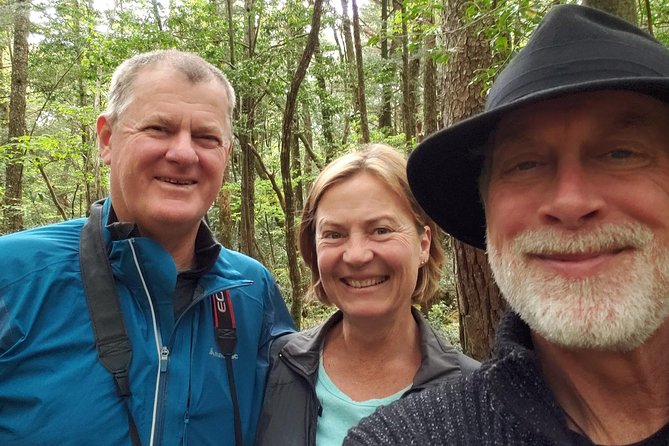
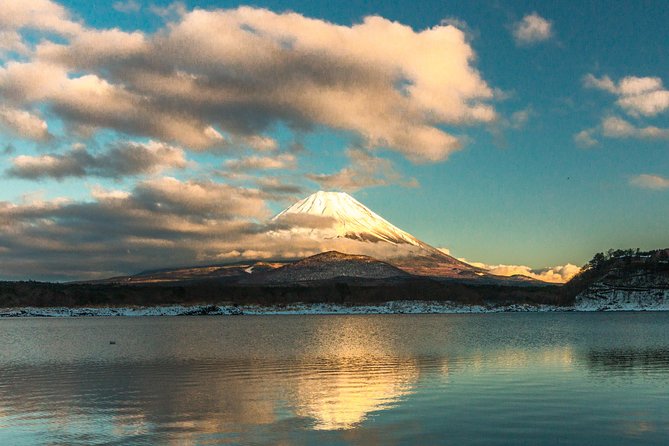
The tour is not locked to a rigid route. Your guide may take you to less-used viewpoints around the lakes, caves, or forest areas, depending on conditions and your interests. Some previous routes have included Dragon Cave, additional waterfall stops, and lakeside locations such as Lake Shoji.
Lake Shoji is known in the tour’s local storytelling as a place for the Kodaki Fuji view, where Mt. Fuji appears to embrace nearby Mount Omuro. The exact view depends on weather, timing, and visibility, but this kind of stop explains the value of having someone who knows the area rather than following a generic map.
You may also spend time simply sitting. Camping chairs, tea, blankets, or warm layers have been provided on some outings. That sounds like a small touch, but it changes the rhythm of the day. Instead of taking a rushed photo and returning to the vehicle, you can sit near the water and watch the mountain.
This is also a good tour for photography. The guide can help you choose viewpoints and may take photographs for you. The best images often come from patience rather than from the most famous lookout.
Food, coffee, and useful local help
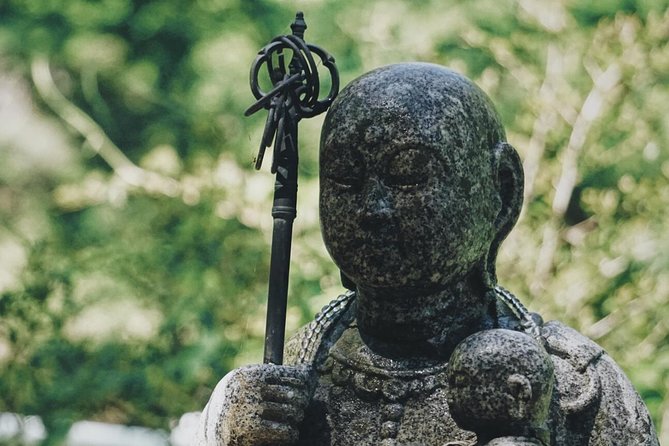
Food and drinks are not included in the $320 price, and lunch is also separate. That is worth planning for, since the tour is long enough for most people to want something to eat.
The guides can stop at local eateries, bakeries, or cafes, depending on the route and your preferences. Regional noodle and vegetable soup has been part of some days, as have French pastries and coffee. These pauses are not merely fuel stops. They give you a chance to try something local without losing the entire afternoon to restaurant logistics.
Tell the guide what you want before or during the tour. You may prefer a proper lunch, light snacks, or a quick bakery stop. Since food is not covered, bring a payment method and allow room in your budget.
The guides have also helped people with bus and train directions, including getting back to Tokyo. That support is useful if Kawaguchiko is only one part of a larger Japan trip. Still, the tour itself includes pickup and guiding, not a return transfer to Tokyo, so confirm your onward plan.
Price, pickup, and timing
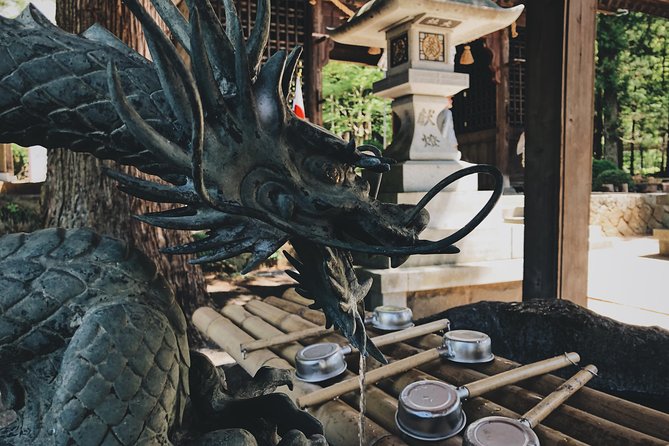
The listed price is $320 per person, with group discounts available. Since this is a private activity, only your party joins. The value improves for a family or small group that would otherwise pay for several separate transport fares, taxis, and admissions.
The value is less obvious for a solo visitor who wants only one famous viewpoint. If that is your plan, a cheaper public bus route may be enough. If you want several lakes, forest paths, waterfalls, shrine scenery, and a flexible schedule in one day, the private format makes more sense.
Pickup is offered from Kawaguchiko Station or hotels in the Fujikawaguchiko area. The listed meeting window is from 8:30 AM to 11:30 AM, Monday through Sunday, for the stated operating period. The experience lasts approximately five to six hours, although the exact start and route can be discussed with the provider.
Mobile tickets and confirmation at booking make the basic arrangements simple. You should still provide accurate pickup details and mention mobility needs, preferred stops, food wishes, and outdoor clothing concerns ahead of time.
Weather, clothing, and comfort
Mt. Fuji is famously dependent on weather. Even on a good day, clouds can cover the summit for part of the morning and lift later. The provider requires suitable weather and may offer another date or a full refund if poor conditions force cancellation.
Bring layers. The lakes and forests can feel colder than Tokyo, particularly in winter or when the wind moves across the water. Comfortable shoes are important, though the guide may have boots, socks, coats, gloves, hats, walking sticks, or rain gear available.
You should not expect a strenuous mountain climb. The activity includes short walks and light hiking, with time to pause. Most people can participate, but children must be accompanied by an adult, and you should describe any mobility limits before booking.
Who should book this experience?
I would recommend it most strongly if you:
- Have one day in the Kawaguchiko area and want to see more than a single viewpoint.
- Prefer forests, waterfalls, shrines, and lakes over shopping or crowded attractions.
- Want an English-speaking guide who can explain local nature, stories, history, and customs.
- Are traveling as a family or small group and value private transport.
- Enjoy photography and can be patient with changing mountain weather.
- Want a calm day after several crowded days in Tokyo or elsewhere in Japan.
I would think twice if you want a fixed sightseeing checklist, a long mountain hike, or a very low-cost outing. The route is flexible by design, and the price reflects personal service rather than admission tickets.
Should you book the Mt. Fuji private tour?
Book it if you want to experience Mt. Fuji as a living region rather than a backdrop. The strongest parts are the quiet forest walks, ancient cedar shrine, waterfall stops, volcanic terrain, and the ability to slow down when a view is worth keeping.
The $320 price is high, but the private van, English guiding, flexible route, outdoor equipment, and local food help make the cost easier to understand. For a family or small group, it can be a practical way to cover ground. For a solo traveler on a tight budget, public transport may be the better choice.
My best advice is to contact Hidden Japan with your priorities before the day. Tell Chris or Yumi if you care most about photography, easy walking, shrines, forests, food, or quiet viewpoints. That conversation is central to what you are buying: not a fixed list of stops, but a personal day around the mountain.
FAQ
Where does the tour take place?
The tour operates around Fujikawaguchiko and the Fuji Five Lakes area in Japan. Stops can include Lake Kawaguchiko, Lake Saiko, Kawaguchi Asama Shrine, Haha no Shirataki, Oishi Flower Park, and Aokigahara Jukai Forest.
How long does the experience last?
The tour lasts approximately five to six hours.
Is hotel pickup available?
Yes. Pickup is offered from Kawaguchiko Station or hotels in the Fujikawaguchiko area.
Is this a private tour?
Yes. Only your group participates in the activity.
Is the guide English-speaking?
Yes. The experience includes a native English-speaking guide and driver. Chris and Yumi lead the tours.
Are food and lunch included?
No. Food, drinks, and lunch are not included in the price.
Do I need to bring hiking equipment?
The tour includes walking in forests and natural areas. The guides may provide equipment such as hiking boots, socks, coats, gloves, hats, walking sticks, blankets, and rain gear when needed, but you should still wear comfortable clothing and shoes.
What happens if the weather is poor?
The experience requires good weather. If it is canceled because of poor weather, you will be offered another date or a full refund. You can also cancel up to 24 hours before the start time for a full refund.
Just added around Fujikawaguchiko
- Tokyo To Mount FUJI Day Trip With English guide★ 4.7 · 14 reviews
- Tokyo: Private Day Tour to Mount Fuji with English Driver★ 4.5 · 4 reviews
- Tokyo: Mt. Fuji Highlights Tour with Lake Kawaguchi Cruise★ 4.6 · 4 reviews
- Tokyo: Mt. Fuji Hidden Gems and Aokigahara Forest Tour★ 4.6 · 20 reviews
- Tokyo: Mount fuji & Hakone Private Day Tour★ 5.0 · 4 reviews
- Mt.FUji private Full Day Trip with English Driver★ 4.0 · 4 reviews
- From Kawaguchiko: Mt. Fuji Private Tour with a Local Guide★ 5.0 · 35 reviews
- Lake Kawaguchiko: Ramen Cooking Class with Souvenir★ 5.0 · 7 reviews
Fujikawaguchiko Volcano Tours, compared.
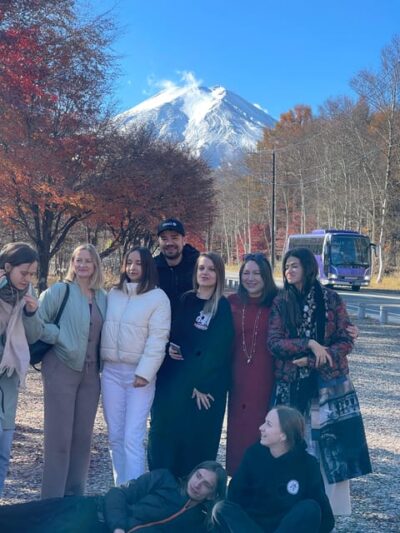
From Tokyo: Mount Fuji Full Customized Tour English Guide
Read our review →
Ramen Cooking Class at Ramen Factory in Mt.Fuji
Read our review →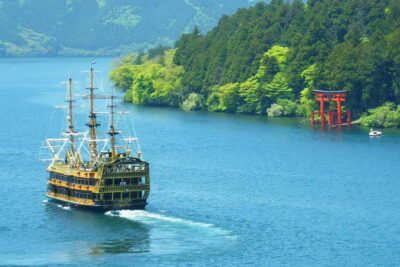
Mt Fuji Hakone/Enoshima Tour:Optional Ropeway/Lake Ashi Boat
Read our review →
From Kawaguchiko: Mt. Fuji Private Tour with a Local Guide
Read our review →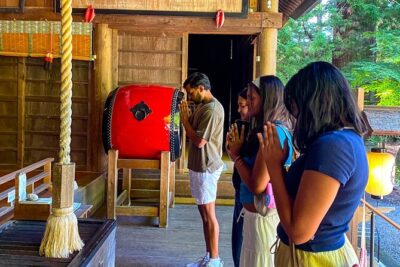
Private Local Hiking to enjoy the nature and culture of Mt.Fuji
Read our review →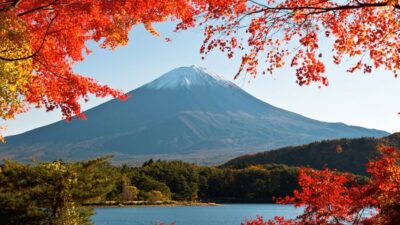

Mt. Fuji Guided Scenic Trike Adventure from Lake Kawaguchi
Read our review →Browse the lists this tour appears in