
REVIEW · FUJIKAWAGUCHIKO
Explore Mt. Fuji Ice Cave in Aokigahara Forest
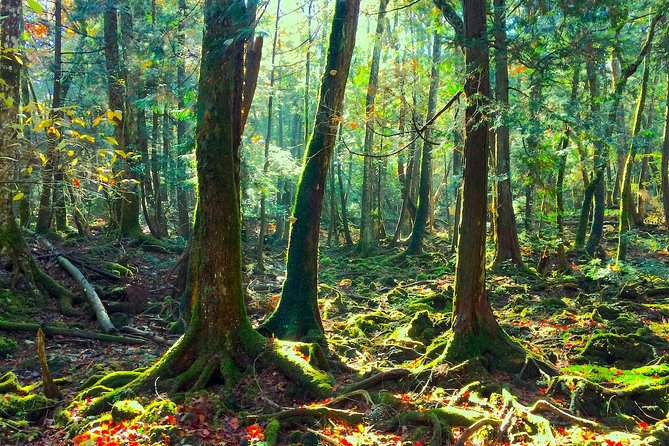
Beneath the trees of Aokigahara Forest, Mt. Fuji has left behind a cold, dark world of lava tubes and year-round ice. This three-hour tour takes you through the forest and into a secluded cave, using a headlamp, helmet, gloves, and coveralls. The cave sits near 0°C, even when the forest above feels mild.
I like the special entry permit, which gives you access that is difficult to arrange independently, and I like the guides, especially Tada, Toshi, Takasi, and Tadasuke, who bring geology, plants, wildlife, and local history to life in clear English. The main caution is physical: the route includes a forest walk and some scrambling over rocks, so good shoes and reasonable fitness matter.
Key points to know before you book
- The cave formed from Mt. Fuji lava: Snowmelt later froze inside the lava tube, creating natural ice formations.
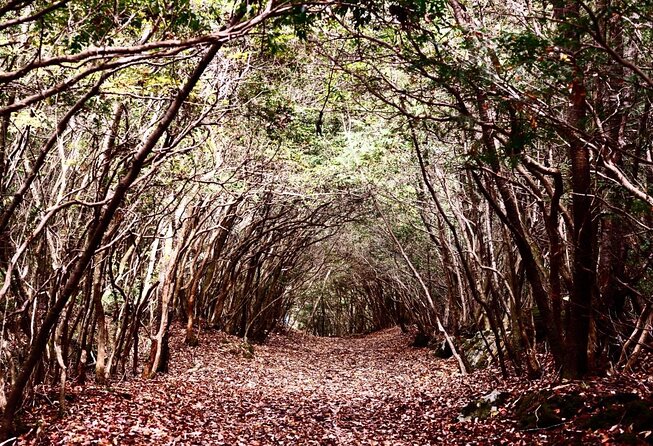
- Aokigahara is part of the experience: About 40 minutes of forest walking leads to the cave, followed by another 40 minutes back.
- Your equipment is supplied: You get a helmet, headlamp, gloves, and coveralls for the cold, uneven cave.
- Groups are kept small: The stated maximum is 12 people, and some departures have operated as private tours when others did not attend.
- English guidance adds real value: Tada, Toshi, Takasi, and Tadasuke have been praised for their clear explanations and friendly manner.
- Wear proper clothing and shoes: Long sleeves, long trousers, a winter jacket, and shoes with firm grip are sensible choices.
A volcanic cave made by Mt. Fuji
This is not a polished show cave with bright walkways and display boards. It is a natural lava cave formed after a major eruption at the base of Mt. Fuji about 1,200 years ago.
As the lava cooled, it left hollow spaces beneath the surface. Meltwater from Mt. Fuji later entered these chambers and froze. The result is a cave with natural ice formations, rock walls, and a temperature close to 0°C. The ice is not simply decoration. It is part of the area’s continuing geological story.
The tour gives you access to a secluded cave that is not set up as a standard tourist attraction. That is one reason the permit matters. Without the operator’s arrangements and local guidance, this would be difficult to find and harder to enter safely.
I like that the cave is only part of the outing. The forest walk gives you time to understand where the cave came from, rather than treating it as an isolated photo stop. You get a better sense of how Mt. Fuji shaped the ground beneath the trees.
More Mount Fuji Tours in Fujikawaguchiko:
- Mt Fuji Area Private Guided Tours in English-Nature up close, quiet, personal
★ 5.0 · 288 reviews - From Tokyo: Mount Fuji Full Customized Tour English Guide
★ 5.0 · 137 reviews - Ramen Cooking Class at Ramen Factory in Mt.Fuji
★ 5.0 · 101 reviews
Walking through Aokigahara Forest
The tour begins with preparation and transport to the departure point. If you arrange pickup, the operator can collect you at Kawaguchiko Station or at a hotel around Lake Kawaguchiko. A vehicle is included, which saves you from trying to locate an obscure forest entrance on your own.
Before setting out, you receive the supplied equipment. The standard kit includes a helmet, headlamp, gloves, and coveralls. There is also time to use the toilet, change clothing, and settle in before the walk.
The forest portion takes about 40 minutes on the way to the cave and another 40 minutes on the return. That makes the walk a major part of the experience, not a short approach. Expect a quiet woodland route with volcanic soil, moss, roots, and uneven ground. The forest has a dense, unusual feel, and guides point out plants, wildlife, and details you could easily pass without noticing.
Aokigahara is sometimes reduced to a grim nickname in popular media. A good guide handles that subject with care. Tada has been praised for explaining the forest’s cultural and geological background without turning the walk into a sensational story. That is important. You come here for a natural place shaped by volcanic forces, and the tour treats it with respect.
The forest can also change the mood of the outing. Several guides have been praised for keeping the atmosphere relaxed and friendly, with humor that helps people feel comfortable. You get the mystery of the woods without being pushed into a gloomy experience.
The 0°C cave below the trees
After the forest walk, you reach the cave entrance and prepare for the underground section. The headlamp is essential because the cave is not brightly lit for you. Moving with a single beam of light makes the experience feel more direct and less like a conventional attraction.
Inside, the temperature is around 0°C. That sharp change is part of the fun, but it also explains why the clothing advice matters. Wear long sleeves and long trousers, and bring a warm layer even if the weather around Lake Kawaguchi is pleasant. The coveralls, gloves, helmet, and headlamp are provided, but you still need a suitable base layer underneath.
The route requires some maneuvering around rocks. It has been described as manageable but tricky in places, especially if your shoes have little grip. This is not the right outing for anyone who needs a flat, carefully paved route. The cave is spacious enough that severe claustrophobia may not be a major issue, but it is still an underground space with cold air, uneven footing, and sections that require care.
Your guide leads the way and explains how the lava tube formed, how ice developed inside it, and how the cave has been used over time. Toshi, Tada, Takasi, and Tadasuke have all been singled out for their strong English, humor, and detailed explanations. A local guide also helps you notice how the cave changes from one area to another.
The natural ice is best understood as a living feature of the cave. It forms through the relationship between winter cold, meltwater, and the cave’s sheltered conditions. The shapes and amount of ice can vary, so the exact sight in front of you will depend on the season and conditions.
You will have time to look around and take photographs, but do not expect photographs to capture the whole effect. The cold, darkness, rock, and narrow beam from the headlamp are part of what makes the cave memorable.
A tour shaped by its guides
The strongest part of this experience is the guide’s role. The forest and cave are interesting on their own, but the explanations give them meaning.
Tada has been praised for his English, patience, humor, and ability to work well with children. Tadasuke has guided mixed-language groups in both Japanese and English and explains the forest’s geology and natural life clearly. Toshi is known for strong familiarity with the cave and forest, while Takasi has been especially well received by families, including groups with young children.
Guide quality can vary by departure, but the operator clearly places a lot of weight on local knowledge. You are not simply following a flashlight into a hole. You get explanations about the lava, the forest floor, plants, wildlife, and past uses of the cave.
This also makes the tour useful for people who are curious but not experienced with caves. A guide can set the pace, point out where to place your feet, and explain what you are seeing. Follow instructions closely. The operator may stop the activity if someone ignores safety directions or disrupts the group.
Some bookings end up as private outings if other people cancel. That is not guaranteed, but it can give you more time to ask questions and set the pace. The regular group limit is 12 people, which is still small enough to keep the guide close and the experience personal.
More Lava Tubes and Ice Caves in Fujikawaguchiko:
- From Vik: Katla Ice Cave and Super Jeep Tour
★ 4.6 · 2,110 reviews - From Vik: Katla Ice Cave & Super Jeep Tour
★ 4.6 · 1,450 reviews - Reykjavik: Katla Ice Cave & South Coast Tour
★ 4.7 · 1,244 reviews - Ice Cave by Katla Volcano Super Jeep Tour from Vik
★ 4.5 · 1,100 reviews
How the three-hour schedule works
The advertised duration is about three hours, though timing can shift with the pace of the group and conditions.
The usual flow looks like this:
- Meet at the agreed point or arrange pickup around Lake Kawaguchi.
- Get fitted with the helmet, headlamp, gloves, and coveralls.
- Travel to the forest departure area in an air-conditioned vehicle.
- Walk through Aokigahara for about 40 minutes.
- Explore the lava ice cave for about 60 minutes.
- Walk back through the forest for about 40 minutes.
- Return to the meeting point, review the outing, and finish.
The schedule has a good balance. The cave exploration lasts about an hour, which gives you enough time to see the ice and hear the explanations without making the entire outing feel rushed. The forest walking also provides a gradual change from open air to underground cold, then back again.
If you are coming from Tokyo, timing deserves attention. One booking problem arose when the actual meeting time was earlier than the time shown in the general excursion details. Confirm the precise meeting instructions before setting out, and arrive early. This is a guided departure into a remote area, so the vehicle cannot always wait for late arrivals.
What the $53 price includes
At about $53.06 per person, this tour offers reasonable value for a three-hour experience, especially because the price includes more than cave admission.
You receive the guide, English-language assistance, local transport during the outing, pickup and drop-off around Lake Kawaguchi, the special entry arrangement, equipment, taxes, and private transportation. Buying the gear separately or trying to arrange access on your own would remove much of the convenience.
The value is strongest if you are already staying near Lake Kawaguchi. Pickup from a station or nearby hotel keeps the day simple, and you do not need to work out the forest access point yourself.
The price is less attractive if you only want a quick cave photo. A substantial portion of the tour is spent walking through Aokigahara, and the forest is not a filler between two attractions. You are paying for a guided nature outing, local interpretation, transport, and access to a cave that is not straightforward to visit independently.
Food and drinks are not included. Accommodation and transport to the area are also your responsibility, so add those costs if you are making a special trip from Tokyo or another part of Japan.
Clothing, fitness, and family considerations
Take the clothing advice seriously. Wear long sleeves, long trousers, and a warm jacket. The cave is close to freezing, and the forest route can be damp or uncomfortable in poor weather. Lightweight clothing under the coveralls is practical, since the walk to and from the cave may feel warmer than the underground section.
Shoes are even more important. Choose hiking shoes or another pair with firm grip. Several parts of the cave require careful movement over rocks, and smooth soles can make the route more awkward.
You should have moderate physical fitness. The tour includes roughly 80 minutes of forest walking, plus an hour inside an uneven lava cave. Some climbing and scrambling may be required. It is not a good fit for people with serious mobility limits.
Children can join when accompanied by an adult. The guides have worked well with young children, but parents should judge the child’s comfort with darkness, cold, helmets, and uneven ground. This is an active outing, not a gentle sightseeing ride.
Pregnancy and alcohol are specific safety concerns. The operator notes that the program may not be safe for people who are pregnant or have been drinking. Follow the guide’s directions throughout the route.
Weather and changing conditions
The tour requires good weather. If poor weather forces cancellation, you are offered another date or a full refund. That policy is useful, but it does not make bad weather irrelevant to the experience.
Rain can make the forest more atmospheric, but it may also make roots, rocks, and soil more slippery. The provider may decide that conditions are unsafe. Check the forecast before leaving, and allow flexibility in your schedule if this is an important part of your Fuji-area visit.
Weather also affects the wider outing. Clear conditions can bring views of Mt. Fuji during the drive or at a scenic stop, while mist and rain make the forest feel quieter and more enclosed. The cave itself remains the main attraction, but the approach can look quite different from one day to the next.
Who should book this experience?
I would choose this tour if you want something more active and unusual than the usual Kawaguchiko circuit. It suits people interested in geology, forests, caves, photography, and small-group outings. It is also a good choice if you prefer learning from a local guide rather than simply walking through a marked attraction.
Families with older children may enjoy it, especially with a guide such as Takasi or Tada who can keep the explanations lively. Couples and solo visitors can also benefit from the small group format. Solo bookings may even become private if no one else joins, though that should be viewed as luck rather than a promise.
I would skip it if you want a flat route, dislike cold or dark spaces, or have limited mobility. I would also avoid booking it as a tight add-on to another fixed activity, since pickup times and weather can affect the schedule.
Should you book the Mt. Fuji ice cave tour?
Book it if you want a real forest walk followed by a cold, rough-edged cave experience, not a quick attraction with polished facilities. The special entry permit, supplied equipment, local transport, and strong English guidance make the $53.06 price fair for the right kind of visitor.
Before paying, confirm the meeting time, check the forecast, and bring shoes with good grip and warm layers. If you can handle the walking and scrambling, this is one of the more distinctive ways to experience the volcanic world beneath Mt. Fuji.
FAQ
How long does the Mt. Fuji ice cave tour last?
The experience lasts about three hours. Timing can change depending on weather, group pace, and the progress of the program.
What does the tour include?
The tour includes a local driver-guide, an English-speaking guide, pickup and drop-off around Kawaguchiko Station or hotels near Lake Kawaguchi, private transportation, taxes, and cave equipment. The equipment includes a helmet, headlamp, gloves, and coveralls.
How cold is the ice cave?
The cave is described as having a temperature of about 0°C. Wear warm layers under the provided coveralls.
Is the cave tour physically difficult?
You need moderate physical fitness. The outing includes about 40 minutes of forest walking each way, plus cave exploration over uneven rock. Some scrambling and careful maneuvering are required.
Can children join the tour?
Yes. Children must be accompanied by an adult. Parents should consider the child’s ability to manage a cold, dark cave and an uneven forest route.
Is pickup available?
Yes. Pickup and drop-off are offered from Kawaguchiko Station and hotels around Lake Kawaguchi.
What happens if bad weather cancels the tour?
If poor weather causes cancellation, you are offered a different date or a full refund. You can also cancel for a full refund if you do so at least 24 hours before the experience begins.
Just added around Fujikawaguchiko
- Tokyo To Mount FUJI Day Trip With English guide★ 4.7 · 14 reviews
- Tokyo: Private Day Tour to Mount Fuji with English Driver★ 4.5 · 4 reviews
- Tokyo: Mt. Fuji Highlights Tour with Lake Kawaguchi Cruise★ 4.6 · 4 reviews
- Tokyo: Mt. Fuji Hidden Gems and Aokigahara Forest Tour★ 4.6 · 20 reviews
- Tokyo: Mount fuji & Hakone Private Day Tour★ 5.0 · 4 reviews
- Mt.FUji private Full Day Trip with English Driver★ 4.0 · 4 reviews
- From Kawaguchiko: Mt. Fuji Private Tour with a Local Guide★ 5.0 · 35 reviews
- Lake Kawaguchiko: Ramen Cooking Class with Souvenir★ 5.0 · 7 reviews
Fujikawaguchiko Volcano Tours, compared.
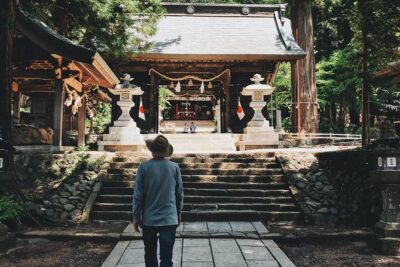
Mt Fuji Area Private Guided Tours in English-Nature up close, quiet, personal
Read our review →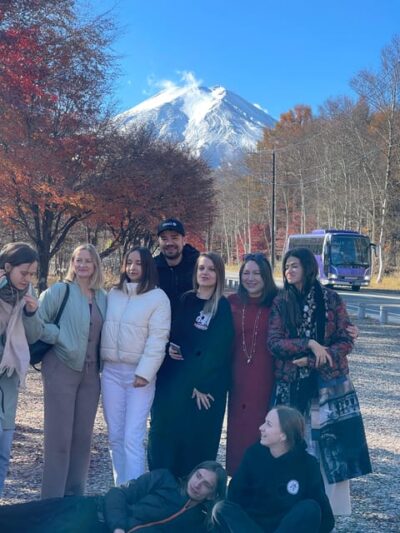
From Tokyo: Mount Fuji Full Customized Tour English Guide
Read our review →
Ramen Cooking Class at Ramen Factory in Mt.Fuji
Read our review →
Mt Fuji Hakone/Enoshima Tour:Optional Ropeway/Lake Ashi Boat
Read our review →
From Kawaguchiko: Mt. Fuji Private Tour with a Local Guide
Read our review →
Private Local Hiking to enjoy the nature and culture of Mt.Fuji
Read our review →

Mt. Fuji Guided Scenic Trike Adventure from Lake Kawaguchi
Read our review →Browse the lists this tour appears in