
REVIEW · ARUSHA
4 Days /3 nights Tarangire, Serengeti and Ngorongoro crater
Tarangire’s giant baobabs and large elephant herds make this safari special from the first day. Then the scenery opens into the Serengeti’s broad plains before you finish among the dense wildlife of Ngorongoro Crater, where rhino, buffalo, zebra, gazelle, and flamingo may all share the same view.
I like the small group limit of six, which should make long drives and game viewing more comfortable. I also like the practical meal plan: three breakfasts, three dinners, and four lunches are included, so you are not left arranging food while moving between parks. The main drawback is the pace. You cover three major destinations in four days, with several long road sections and campsite nights.
- Tarangire’s elephant country: Baobab trees and seasonal water routes help draw large numbers of elephants.
- Serengeti’s Seronera area: This central zone has a dependable water source and a strong mix of wildlife.
- Ngorongoro’s crater floor: A full game-drive day brings you into one of Tanzania’s most concentrated wildlife areas.
- Small-group travel: The maximum group size is six people.
- Arusha return: You are scheduled to reach Arusha at about 5 p.m. on the final day.
- Trip planning support: Adam is specifically praised for answering questions and shaping the days around individual interests.
Three parks, four days, and a lot of road time
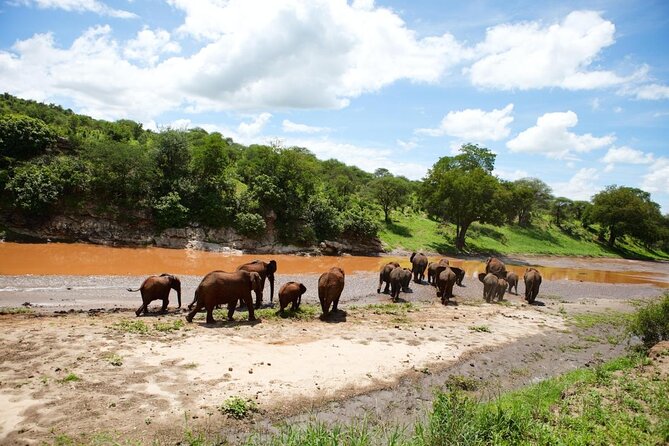
This is a compact northern Tanzania safari built around three famous names: Tarangire National Park, Serengeti National Park, and Ngorongoro Crater. You start and finish in Arusha, with pickup offered and a maximum of six people in the group.
The route gives you a useful sample of northern Tanzania. Tarangire brings elephants and baobabs. The Serengeti brings open country and a chance to see a broad mix of animals. Ngorongoro gives you a concentrated final wildlife day inside a volcanic crater.
I would choose this trip if you have only four days available and want the classic northern circuit in a small group. I would not choose it if you want slow mornings, long stays in one park, or a strong focus on the annual migration at a particular time of year. The itinerary covers a great deal, but it does so at a brisk pace.
The price is $980 per person. That is a serious outlay, but the value depends on what matters most to you. The trip includes four lunches, three breakfasts, and three dinners, along with the safari program and transport between parks. Airfare and travel insurance are not included. Since the provided details do not spell out every park fee, campsite standard, or transport specification, I would ask for those details before paying.
Day one: Tarangire’s elephants and baobab trees
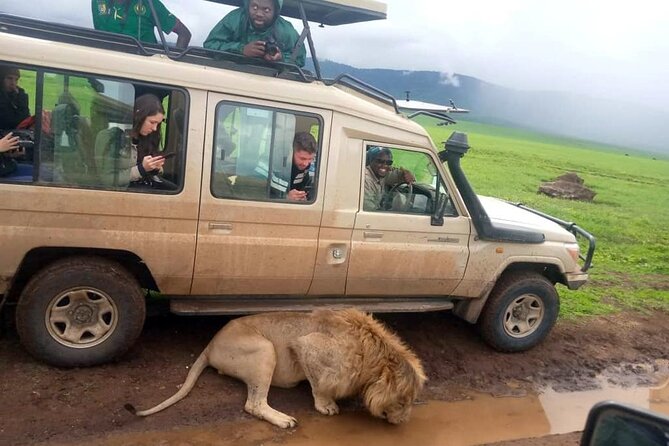
After breakfast, you head toward Tarangire National Park for a full day of game viewing. The drive and park time take about seven hours in total, with a picnic lunch inside the park.
Tarangire is famous for its elephant population, and the baobab trees are more than dramatic scenery. Their broad trunks and seasonal food value help make this an important elephant area. The park forms part of a yearly movement that can include up to 3,000 elephants, 25,000 wildebeest, and 30,000 zebras.
That does not mean you will see every one of those animals on your particular day. It does explain why Tarangire is a strong first stop, especially for someone who wants elephants to be a central part of the safari rather than a lucky extra.
The full-day format gives you time to look beyond the headline animals. You might find zebras, wildebeest, and other species connected to Tarangire’s seasonal movements. The supplied plan also highlights the park’s natural beauty, so keep your eyes up between sightings. The baobabs give the drive a distinct sense of place.
At the end of the afternoon, you drive to a campsite for dinner and the night. The accommodation is described only as a campsite, so ask what kind of tent, bedding, washing facilities, and power arrangements are provided. For some people, that simple night is part of the safari feel. For others, it is the first point to consider carefully.
More Ngorongoro Crater Safaris in Arusha:
- 5-Day Highlights mid-Range Crater, Serengeti, Tarangire
★ 5.0 · 296 reviews - Private 6-Day Tarangire Manyara Crater and Serengeti with Mid-Range Lodges
★ 5.0 · 238 reviews - 5 Days Camping Tarangire, Serengeti & Ngorongoro crater & Visiting Maasai
★ 5.0 · 229 reviews
Day two: Crossing the highlands into the Serengeti
The second day starts after breakfast with a drive through the high farmland around Karatu and the Ngorongoro Conservation Area. You then leave the higher ground and enter the Serengeti.
The change in scenery is one of the pleasures of this route. The road leads from cultivated highland country toward the Serengeti’s open plains, which stretch far into the distance. This is a long transfer day, listed at about seven hours, but it is not simply a transport day. The route itself helps you understand how quickly northern Tanzania changes from working farmland to protected wild country.
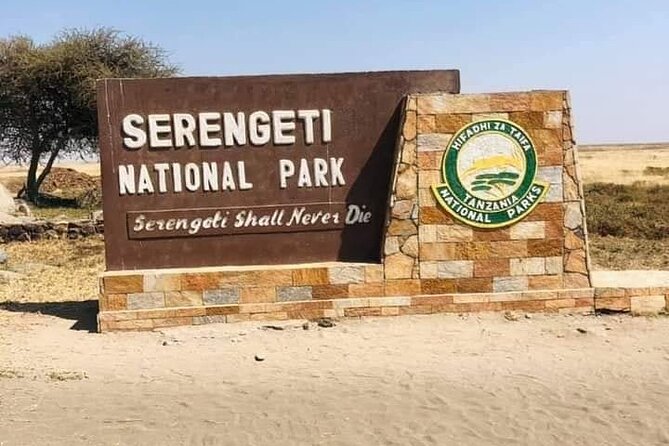
The plan takes you toward the central Serengeti and the Seronera area. Seronera is important because the Seronera River provides water, helping draw wildlife into this part of the park. That gives you a good reason to visit the central zone, particularly when you want a strong general game drive rather than a trip aimed at one single species.
You arrive in time for lunch, followed by an afternoon game drive. This timing is useful because you get a first look at the Serengeti on the same day you enter it. You also get the chance to see the plains in changing afternoon light, when the broad setting can be as memorable as the animals.
The tradeoff is clear: much of day two is spent on the road. You will have less time in the Serengeti than you would on a longer safari. Still, placing the central park area in the plan is sensible for a short trip, since Seronera offers access to a wide range of wildlife and a reliable water source.
Dinner and another campsite night follow. If you are sensitive to basic accommodation, get a clear description in advance. The tour information confirms camping, but not the comfort level.
Day three: A transition toward Ngorongoro
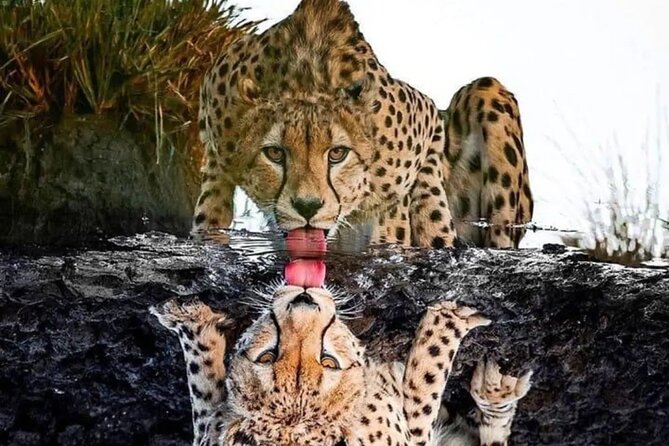
The third day begins with breakfast and a morning game drive in the park. You carry lunch boxes and then make your way toward Ngorongoro, with game viewing along the route.
This is an important detail in the schedule. You are not simply leaving the Serengeti at dawn and spending the whole day in a vehicle. There is still a morning chance to watch the park before the transfer begins. At the same time, you should expect the day to feel like a transition rather than another full Serengeti day.
The listed duration is about six hours, followed by dinner and a campsite night. The wording places the Ngorongoro crater game drive on the final day, so day three is best understood as the approach to the crater area, with wildlife viewing along the way.
I like this arrangement for a short safari because it protects a full crater day at the end. The downside is that the schedule leaves little room for delays or extra stops. Ask how the exact departure time works, especially if you want to make the most of the morning game drive.
Day four: Wildlife concentrated inside Ngorongoro Crater
After breakfast, you descend into Ngorongoro Crater with a lunch box for a full day of game viewing. The final drive back to Arusha takes place later in the afternoon, with arrival expected at about 5 p.m.
The crater is the most concentrated wildlife setting on this route. Its year-round water and grazing areas support an estimated 30,000 animals. You may see wildebeest, zebra, buffalo, eland, warthog, hippo, and African elephants in the crater floor environment.
Predators are also a major reason to value this day. Lions, hyenas, jackals, cheetahs, and leopards are listed among the species found here. A sighting is never guaranteed, but the density of animals gives you a better setting for repeated opportunities than a quick stop in a much larger, more open area.
The plan specifically calls out buffalo, gazelle, zebra, and flamingo at Lake Magadi. That detail matters because Lake Magadi adds a different scene to the crater drive. Depending on conditions, the lake can bring birdlife into the view while larger animals move across the surrounding floor.
Black rhino are another major attraction. The crater is home to some of Tanzania’s last remaining black rhino, although you should treat any rhino sighting as a bonus rather than a promise.
The full-day crater visit is the strongest part of the schedule for me. You have time to see several types of habitat and then eat a picnic lunch on the crater floor. The cost is a late return to Arusha. The final six-hour day combines breakfast, descent, game viewing, lunch, and the drive back, so do not plan an important evening connection without checking the timing carefully.
A few more volcano tours around Arusha worth a look
- 4 Days Join Group tour Tarangire Serengeti and Ngorongoro crater
★ 5.0 · 219 reviews - 4 Days Tarangire Serengeti Ngorongoro Crater
★ 5.0 · 117 reviews - 4 Day Ngorongoro Crater Tarangire and Serengeti National Park
★ 5.0 · 44 reviews - 4 Days lodge safari Tarangire , Ngorongoro crater & Walking
★ 5.0 · 39 reviews
What the small group changes
A maximum of six people is one of the more useful features here. Safari vehicles can feel cramped when every seat is taken, especially on long transfers between Arusha, Tarangire, Serengeti, and Ngorongoro. A smaller group should make it easier for everyone to see from the vehicle and to agree on the pace of stops.
It also gives you more room to ask questions. Adam is specifically associated with careful planning, answering questions, and taking personal interests into account. I would contact him before departure with a short list of priorities, such as elephants, big cats, rhino, birds, or photography.
The group size is a maximum, not a promise that you will have the vehicle to yourself. Confirm whether the price is based on a shared safari and ask how many people are expected for your departure date.
Meals, camping, and the practical side
The food plan includes three breakfasts, three dinners, and four lunches. Lunch appears as a picnic or lunch box during park days, which fits the route. You will not need to leave the parks to find a midday meal.
The tour does not include airfare or travel insurance. You should also check the details that are not specified in the supplied information: campsite facilities, drinks, park fees, vehicle type, and any extra conservation or crater charges.
Pickup is offered, and the published meeting hours run Monday through Sunday from 8 a.m. to 10:30 a.m. Confirmation is provided at booking. The activity is near public transportation, though the safari itself depends on arranged road transport between the parks.
Most people can take part according to the supplied information. Even so, you should be comfortable with long drives, changing campsite nights, picnic meals, and a full day of game viewing followed by a return to Arusha.
Free cancellation is available when you cancel at least 24 hours before the start time. Cancellations or changes made inside that window are not accepted for a refund, and the cut-off follows local time.
Who will get the most from this safari
I would recommend this trip to a first-time safari visitor with limited time in Tanzania. You get elephants in Tarangire, the central Serengeti, and a full Ngorongoro day, which covers the major highlights without requiring a week away.
It also suits people who value trip planning and direct communication. The arrangements can be discussed through the provider, and Adam’s planning support is useful if you have particular interests.
Families and small groups may appreciate the maximum of six, though the long drives and campsite nights still require patience. If comfort is your top concern, ask detailed questions about the sleeping arrangements before booking.
I would be more cautious if your main goal is the Great Migration. The route includes the Serengeti, but no season or migration location is promised. Animal movements change, so you should ask what sightings are realistic for your travel dates.
Should you book the four-day route?
Book it if you want a compact, classic safari with three major parks, included meals, pickup, and a small group. Tarangire’s elephants and Ngorongoro’s dense wildlife give the trip two strong anchors, while the Serengeti adds the wide-open setting that many people hope to see.
Think twice if you dislike long road transfers, basic camping, or a tightly packed schedule. Before you commit to the $980 price, confirm campsite standards, park and conservation fees, vehicle arrangements, and the exact group size.
For the right kind of safari, this is a practical route with strong wildlife variety. It asks you to trade some comfort and free time for access to three of Tanzania’s best-known protected areas in only four days.
FAQ
Where does the safari start and end?
The safari starts in Arusha, Tanzania, and returns to Arusha on the final day at about 5 p.m.
How long is the experience?
The trip lasts four days and includes three nights.
Which parks are included?
The route includes Tarangire National Park, Serengeti National Park, and Ngorongoro Crater.
Is pickup offered?
Yes, pickup is offered. Confirmation is provided at the time of booking.
What is the maximum group size?
The activity has a maximum of six people.
Which meals are included?
The price includes three breakfasts, three dinners, and four lunches.
Are airfare and travel insurance included?
No. Airfare tickets and travel insurance are not included.
Where do you sleep?
The itinerary specifies campsite accommodation for the nights, but it does not give further details about the campsite facilities.
Is the tour suitable for most people?
The provided information says most people can participate. The trip includes long drives, game drives, picnic or lunch-box meals, and campsite nights.
What is the cancellation policy?
You can cancel at least 24 hours before the experience starts for a full refund. Cancellations or changes made less than 24 hours before the start time are not accepted for a refund.
Just added around Arusha
- 4 Days Private Safari – Tarangire, Serengeti & Ngorongoro Crater★ 5.0 · 28 reviews
- 3Days luxury safari to Tarangire Ngorongoro crater and Manyara★ 5.0 · 16 reviews
- Elephant Special Serengeti & Ngorongoro Crater 5 Days / 4 Nights★ 5.0 · 21 reviews
- Tanzania Safari 10 Days- Serengeti, Lake Manyara, Ngorongoro Crater.★ 5.0 · 4 reviews
- 4 Days Tanzania Safari Tarangire, Serengeti and Ngorongoro Crater★ 4.5 · 16 reviews
- 03 days Serengeti and Ngorongoro Crater group (camping)★ 5.0 · 75 reviews
- Private Group Serengeti Safari, Crater & Tarangire National Park★ 5.0 · 5 reviews
- Small Group Serengeti and Ngorongoro Crater Adventure Safari★ 5.0 · 7 reviews
Arusha Volcano Tours, compared.
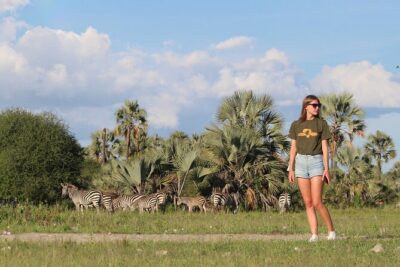
5-Day Highlights mid-Range Crater, Serengeti, Tarangire
Read our review →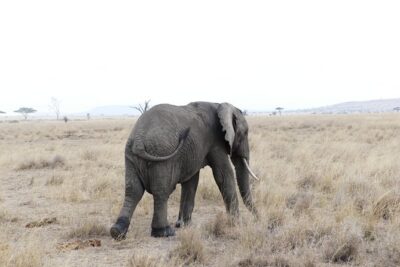
Private 6-Day Tarangire Manyara Crater and Serengeti with Mid-Range Lodges
Read our review →
5 Days Camping Tarangire, Serengeti & Ngorongoro crater & Visiting Maasai
Read our review →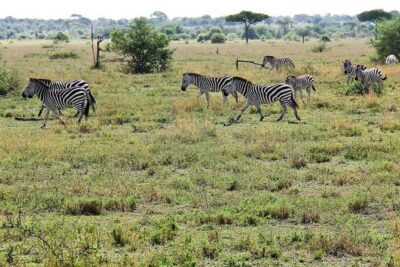
4 Days Join Group tour Tarangire Serengeti and Ngorongoro crater
Read our review →3 Day Serengeti National Park & Ngorongoro Crater Camping Safari
Read our review →
5 Days Tanzania Group Joining Safari, Tarangire/Serengeti/Ngorongoro Crater
Read our review →
5 day safari Tarangire Serengeti and Ngorongoro crater
Read our review →Browse the lists this tour appears in