
REVIEW · ARUSHA
2 Days 1 Night Tarangire & Ngorongoro Crater
Tarangire’s elephants and giant baobabs give this short safari its strongest opening, while Ngorongoro Crater brings a compact wildlife show on the second morning. I like the contrast between the two parks, and I like that the price includes a 4×4 Land Cruiser, guide, park fees, meals, water, and one night’s accommodation. The main tradeoff is time: Day 2 includes a five-hour crater drive followed by about four hours back to Arusha.
I also like the practical rhythm. You leave Arusha at 8:30 AM, spend the first day in Tarangire, then start early enough to reach the crater floor around 6:30 AM. This is a good fit if you want a short safari with serious wildlife chances, but it is not a slow, leisurely trip.
Key points at a glance
- Tarangire’s elephant country: The Tarangire River draws large elephant herds, along with giraffes, zebras, buffalo, lions, cheetahs, leopards, and other species.
- A five-hour Ngorongoro game drive: The crater floor offers a concentrated chance to see lions, hyenas, hippos, buffalo, elephants, cheetahs, and possibly black rhinos.
- Good inclusions for the price: Park and concession fees, meals, drinking water, a professional guide, and a 4×4 Land Cruiser are covered.
- A genuine two-park contrast: Tarangire gives you open views and close animal encounters, while Ngorongoro packs varied wildlife into a volcanic caldera.
- Comfort after the first game drive: The overnight stop includes dinner, and the accommodation may be a clean lodge or glamping-style camp with a bar and evening entertainment.
- A demanding second day: The early crater descent, picnic lunch, steep exit, and long drive to Arusha make Day 2 full but rewarding.
Why this two-day safari works
At $730 per person, this is not a casual day trip. It is a compact safari package with major costs already built in: non-resident park fees, concession or camping fees, daily game drives, a professional English-speaking driver-guide, a 4×4 Land Cruiser, meals, taxes, and two litres of drinking water per person per day.
That makes the price easier to judge. You are paying for access to two of Tanzania’s best-known wildlife areas, not simply for transport between them. The value is strongest if you want to avoid arranging park entry, vehicle hire, lodging, meals, and guiding separately.
The schedule is tight, but the two parks complement each other well. Tarangire is known for elephants and baobabs, with wildlife often seen in a broad natural setting. Ngorongoro offers a more concentrated game-viewing experience on the crater floor. In two days, you get variety without adding extra nights.
You should also read the duration carefully. The main plan is written as two safari days and one night, although the booking information describes the experience as lasting two to three days. Confirm the exact dates and accommodation details before paying, especially if your wider Tanzania trip depends on a fixed return time.
More Ngorongoro Crater Safaris in Arusha:
- 5-Day Highlights mid-Range Crater, Serengeti, Tarangire
★ 5.0 · 296 reviews - Private 6-Day Tarangire Manyara Crater and Serengeti with Mid-Range Lodges
★ 5.0 · 238 reviews - 5 Days Camping Tarangire, Serengeti & Ngorongoro crater & Visiting Maasai
★ 5.0 · 229 reviews
Day 1: Arusha to Tarangire at 8:30 AM
Pickup from your Arusha hotel is scheduled for 8:30 AM. From there, you head toward Tarangire National Park with a picnic lunch for a full day of game viewing.
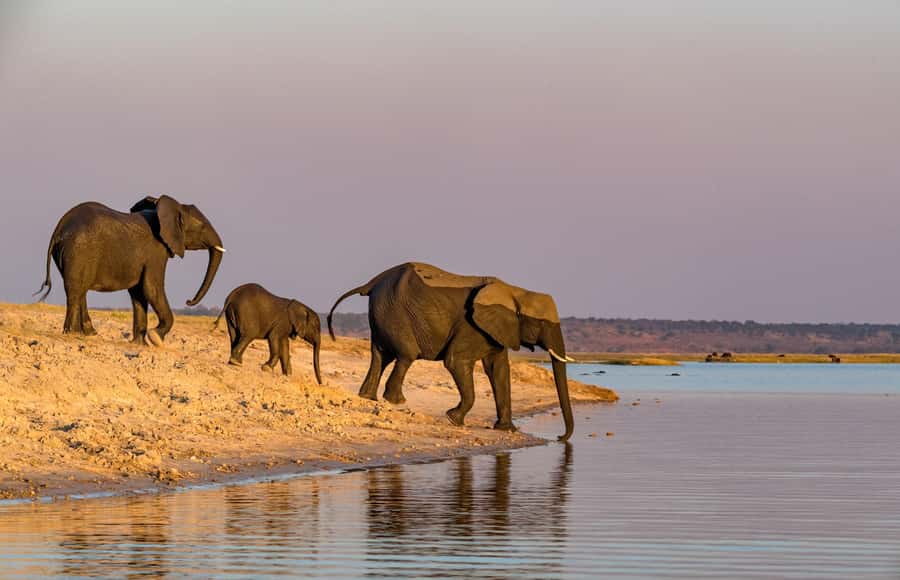
Tarangire is famous for its large baobab trees. Their thick trunks and high branches give the park a distinctive look, and they make a striking contrast with the animals feeding below. The Tarangire River is the park’s main water source and helps explain why wildlife gathers here.
The big prize is elephants. The park is known for some of the largest elephant herds in Africa, and the first day gives you a strong chance to see them in their natural setting. You may also look for lion, leopard, cheetah, lesser kudu, buffalo, oryx, eland, giraffe, and zebra.
I would keep your camera ready, but I would not measure this day only by the number of large predators you see. Tarangire’s appeal also comes from its scenery, birdlife, baobabs, and the chance to watch elephants moving through open country. The experience has a different feel from Ngorongoro, and that difference is one of the tour’s main strengths.
Your guide drives the game-viewing route and can stop for photographs. The guide’s role matters here. A good guide helps you spot animals that blend into the scrub, explains what you are seeing, and manages the day so you get both wildlife time and a sensible break for lunch.
The packed lunch is included, though the quality of meals can matter more than you might expect on a safari. One booking party specifically found the local food enjoyable and preferred it to the less appealing packed meals seen in other vehicles. That detail is worth keeping in mind when you compare operators, since lunch is part of the day you will remember.
After the game drive, you return to your camp or lodge for dinner. The accommodation is not named in advance in the supplied details, so ask for the exact property before departure if that matters to you. The overnight stop has been described as a clean, pleasant lodge, and one stay included dinner, a bar, music, dancers, and acrobats.
That kind of evening can be a welcome change after hours in a vehicle. It also means the overnight experience may be more than a basic place to sleep, although the exact accommodation can vary.
What Tarangire gives you that Ngorongoro does not
Tarangire is the more spacious of the two park experiences. You are not simply looking down into one enclosed volcanic basin. Instead, the river, trees, baobabs, and open areas create changing views as the vehicle moves through the park.
One useful distinction is animal distance. Tarangire can offer closer sightings, especially with elephants. A close elephant encounter is thrilling, but you should still follow your guide’s instructions and remain inside the vehicle unless told otherwise.
Ngorongoro, by contrast, can produce excellent wildlife viewing but not every animal will be near the road. Bring binoculars if you have them. A pair of binoculars is particularly useful for animals farther across the crater floor, and it helps you enjoy the setting even when a predator is not close.
The park list is broad, but no safari can promise every species. The advertised possibilities include the Big Five, yet sightings depend on timing, animal movement, weather, and the work of the guide. Treat lion and rhino sightings as fortunate results, not guaranteed features.
Day 2: Into Ngorongoro Crater at 6:30 AM
Day 2 begins early with a quick breakfast and a descent toward the crater floor at about 6:30 AM. This early start is not a minor detail. It gives you a full five-hour game drive before the long return to Arusha.
Ngorongoro Crater is described as the world’s largest inactive, intact, and unfilled volcanic caldera. Its floor covers about 260 square kilometres and sits more than 2,000 feet below the rim. The scale is difficult to take in from a single viewpoint, but the descent makes the geography clear as the route drops toward the broad floor.
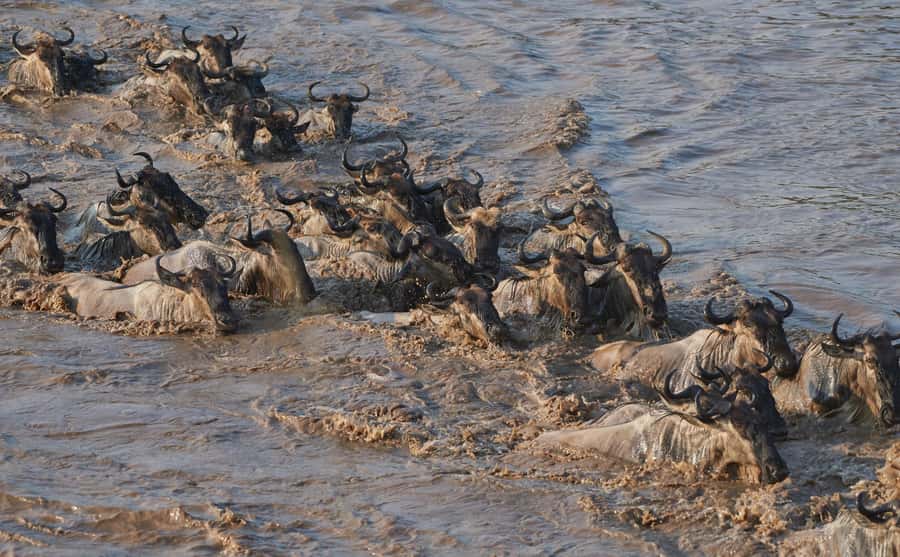
Once below the rim, you spend about five hours looking for wildlife. The crater is known for a strong concentration of animals, including African elephants, buffalo, black rhinos, hippos, hyenas, cheetahs, and lions. The compact setting can make the game drive feel especially productive, though animal distances vary.
One booking party saw two rhinos fairly close, which is a memorable possibility in a park known for black rhino sightings. Another person found animals in Ngorongoro farther away and needed binoculars. Both points are useful: the crater can produce exceptional sightings, but you should be prepared for some animals to remain across the open floor.
The guides are expected to help with this. The service includes a professional driver-guide, and the strongest praise has focused on clear explanations, support, and a willingness to stop for photographs. The guide also handles the driving on rough park roads, so you can concentrate on the animals and scenery rather than navigation.
More Evening Tours in Arusha:
- Catania: Mount Etna Morning or Sunset Day Trip with Tasting
★ 4.8 · 4,028 reviews - Tenerife: Teide National Park Sunset & Stargazing Tour
★ 4.2 · 3,812 reviews - Tenerife: Sunset and Stargazing at Teide National Park
★ 4.7 · 2,826 reviews - Teide National Park Sunset & Stargazing with Dinner (Star Safari)
★ 5.0 · 2,601 reviews
Picnic lunch beside the Hippo Pool
Lunch is taken at the Hippo Pool, a memorable setting for a midday break. You should keep your expectations practical. This is still a safari lunch, not a restaurant meal, and the schedule continues afterward.
The useful part is the location. A picnic beside a water-filled area gives you a chance to pause while remaining close to the natural setting that brought you to the crater. Follow your guide’s instructions closely around the pool and do not wander away from the designated area.
After lunch, the vehicle begins the steep ascent out of the crater. The climb marks the end of the game drive, but not the end of the day. You still have about four hours of driving to Arusha, with drop-off planned at your preferred location around 6:00 PM.
This is the day’s main drawback. You will have an early breakfast, a long game drive, a steep exit, and a lengthy road journey before reaching town. If you are tired after a full day in Tarangire, Day 2 will feel demanding. If your priority is seeing Ngorongoro without adding another night, the effort may be worth it.
The 4×4, guide, meals, and group format
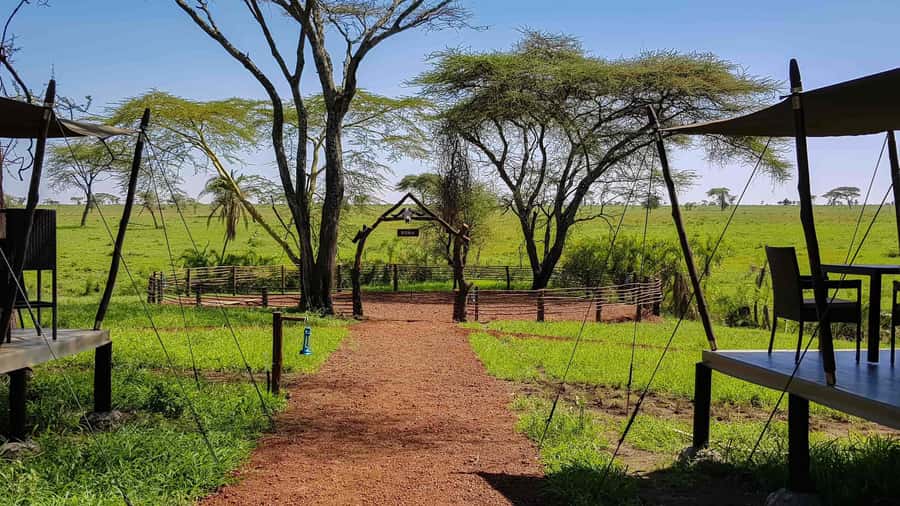
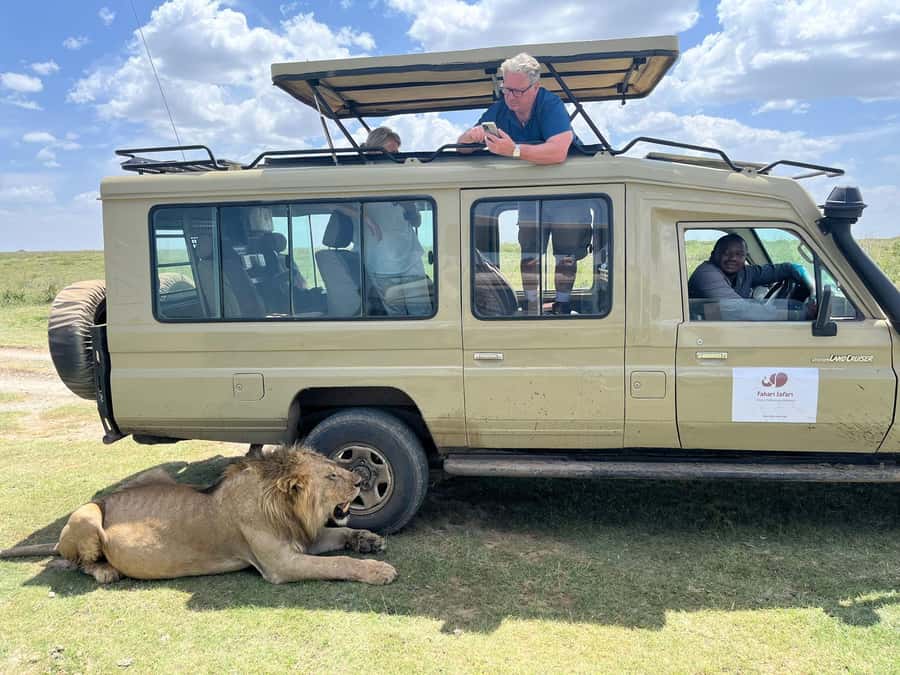
Transport is by 4×4 Land Cruiser, the standard style of vehicle for this kind of safari. The vehicle matters because game drives take place on park roads rather than ordinary city streets. You will spend many hours seated, so wear comfortable clothing and bring sun protection.
The tour is available privately or in a small group. A private vehicle gives you more control over stops and pace, while a small group can be more social and may suit a solo visitor who wants company. One solo young woman found the experience comfortable and safe, and another booking party enjoyed sharing the vehicle with other people.
The listed language is English. If you need another language, ask before booking rather than assuming it will be available.
Meals follow the itinerary, and drinking water is provided at two litres per person per day. That is useful, but you should still pay attention to the heat and your own needs. Personal items, souvenirs, travel insurance, visa fees, international flights, airport transfers unless specifically arranged, and extra accommodation are not included.
Government increases in taxes or park fees can also be charged separately. Activities not listed in the plan are outside the package.
Is $730 good value?
For a two-day, one-night safari covering Tarangire and Ngorongoro, $730 per person can be reasonable if you value a bundled arrangement. You are not just buying two park entries. The package includes the vehicle, guide, meals, water, accommodation-related camping or concession fees, and taxes and VAT.
The value is especially clear for a first safari or a short stay in Arusha. Planning these elements independently can be difficult, and park fees alone form a meaningful part of the cost.
The price may feel high if you mainly want a quick look at one park or if you already have a vehicle and guide arranged. It also does not cover international travel, airport transfers, insurance, visas, or extra nights, so calculate the full trip budget rather than treating $730 as the final cost of your Tanzania visit.
The strongest reason to choose this package is efficiency. You see two major destinations in a short window and return to Arusha by about 6:00 PM on the second day.
Who should book this safari?
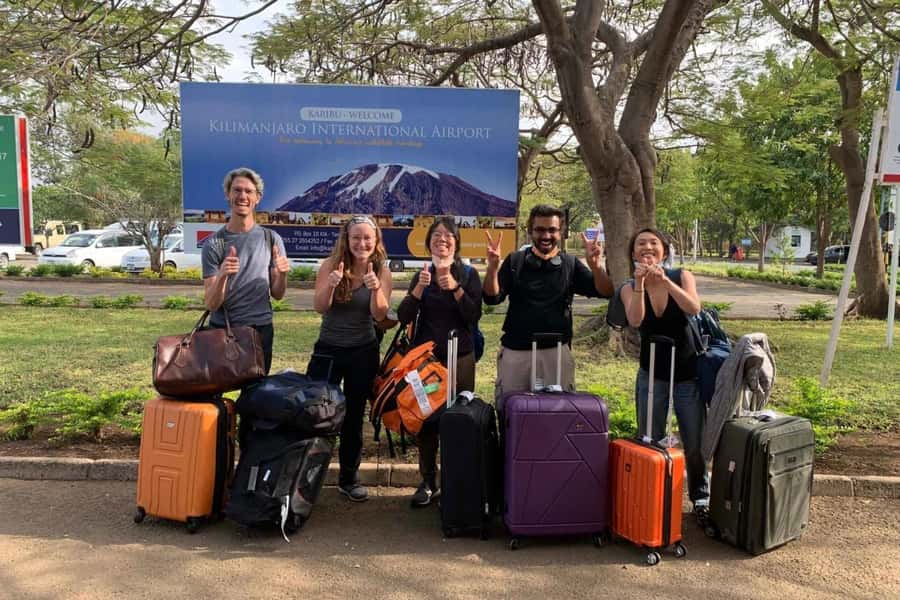
I would recommend it to you if you have limited time, want to see two famous wildlife areas, and prefer having the main costs arranged in advance. It also suits solo visitors who would rather join a small group than organize a private safari alone.
It is a good match for people who want elephants, lions, rhinos, baobabs, crater scenery, and a professional guide in one compact trip. The high rating across the supplied bookings also reflects the parts that matter most on safari: pickup, organization, guiding, food, accommodation, and support.
I would hesitate if you dislike early starts, long drives, or full days in a vehicle. I would also ask more questions before booking if the exact lodge, group size, or private versus shared vehicle is important to you.
Final decision: a strong short safari with one hard day
Book this tour if you want a practical introduction to Tanzania’s wildlife and can accept a brisk schedule. Tarangire gives you elephants and baobabs, while Ngorongoro adds the crater setting and a real chance at lions, rhinos, hippos, and other major species.
The package is strongest for its two-park contrast, included costs, helpful English-speaking guide, and simple return to Arusha. The main compromise is Day 2, which is long from the 6:30 AM descent to the evening drop-off.
Bring binoculars, allow room for animals to be far away, and confirm the accommodation and group format in advance. If those details suit you, this is a well-priced way to fit two of Tanzania’s best-known safari destinations into a very short visit.
FAQ
Where does the safari start and finish?
The safari starts in Arusha, with pickup from your hotel at about 8:30 AM on Day 1. It returns to Arusha on Day 2, with drop-off at your preferred location planned for around 6:00 PM.
How long is the experience?
The itinerary covers two safari days and one night. The booking information describes the duration as two to three days, so confirm the exact schedule for your selected date.
Which parks does the safari visit?
You visit Tarangire National Park on the first day and Ngorongoro Crater on the second day.
What time does the Ngorongoro game drive begin?
You have an early breakfast and descend into the crater at about 6:30 AM.
How long is the game drive in Ngorongoro Crater?
The planned game drive on the crater floor lasts about five hours.
Is accommodation included?
One night of accommodation is included as part of the safari plan. The exact camp or lodge is not specified in the supplied details, so ask for the property before departure.
Is food included?
Yes. Meals are provided according to the itinerary. Day 1 includes a picnic lunch, dinner is provided at the camp or lodge, and Day 2 includes breakfast and a picnic lunch at the Hippo Pool.
Is drinking water included?
Yes. Two litres of drinking water per person per day are included while on safari.
Is the tour private or shared?
Both private and small-group options are available. The experience includes a professional English-speaking guide and transport in a 4×4 Land Cruiser.
More 2-Day Experiences in Arusha
- 2 Days Group Joining Camping Safari Tarangire Park and Ngorongoro Crater
★ 4.5 · 28 reviews - 2 Days Joined Group Tarangire and Ngorongoro Crater National Park
★ 4.5 · 17 reviews - 2 Day Safari Tarangire and Ngorongoro Crater
★ 5.0 · 16 reviews - 2-Days Private Midrange Safari; Tarangire & Ngorongoro Crater
★ 5.0 · 11 reviews
Just added around Arusha
- 4 Days Private Safari – Tarangire, Serengeti & Ngorongoro Crater★ 5.0 · 28 reviews
- 3Days luxury safari to Tarangire Ngorongoro crater and Manyara★ 5.0 · 16 reviews
- Elephant Special Serengeti & Ngorongoro Crater 5 Days / 4 Nights★ 5.0 · 21 reviews
- Tanzania Safari 10 Days- Serengeti, Lake Manyara, Ngorongoro Crater.★ 5.0 · 4 reviews
- 4 Days Tanzania Safari Tarangire, Serengeti and Ngorongoro Crater★ 4.5 · 16 reviews
- 03 days Serengeti and Ngorongoro Crater group (camping)★ 5.0 · 75 reviews
- Private Group Serengeti Safari, Crater & Tarangire National Park★ 5.0 · 5 reviews
- Small Group Serengeti and Ngorongoro Crater Adventure Safari★ 5.0 · 7 reviews
Arusha Volcano Tours, compared.
5-Day Highlights mid-Range Crater, Serengeti, Tarangire
Read our review →
Private 6-Day Tarangire Manyara Crater and Serengeti with Mid-Range Lodges
Read our review →
5 Days Camping Tarangire, Serengeti & Ngorongoro crater & Visiting Maasai
Read our review →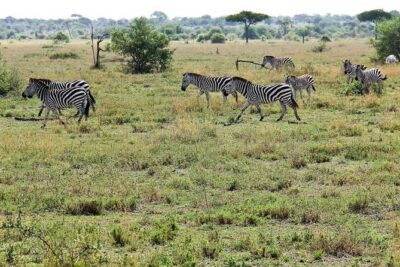
4 Days Join Group tour Tarangire Serengeti and Ngorongoro crater
Read our review →3 Day Serengeti National Park & Ngorongoro Crater Camping Safari
Read our review →
5 Days Tanzania Group Joining Safari, Tarangire/Serengeti/Ngorongoro Crater
Read our review →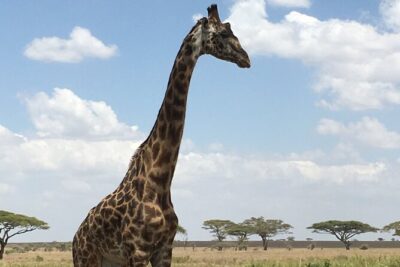
5 day safari Tarangire Serengeti and Ngorongoro crater
Read our review →Browse the lists this tour appears in