
REVIEW · VOLCANO HIKES & TREKS
Sucre: 2 days trek in Inca Trails and the Crater de Maragua
The best part of this two-day trek is the constant change underfoot and ahead: 12th-century Inca paths, river valleys, steep mountain slopes, dinosaur footprints, and the colorful folds of Maragua Crater. It is not one scenic walk repeated for two days. Each section feels different.
I like the mix of natural and cultural stops, especially the visit to a local weaver and the chance to see Jalqa villages rather than simply pass through empty countryside. I also like the small-group format, with no more than 10 people. The main thing to consider is the physical effort: the first day includes a steep climb toward the crater, and the accommodation and meals are simple.
Key points at a glance
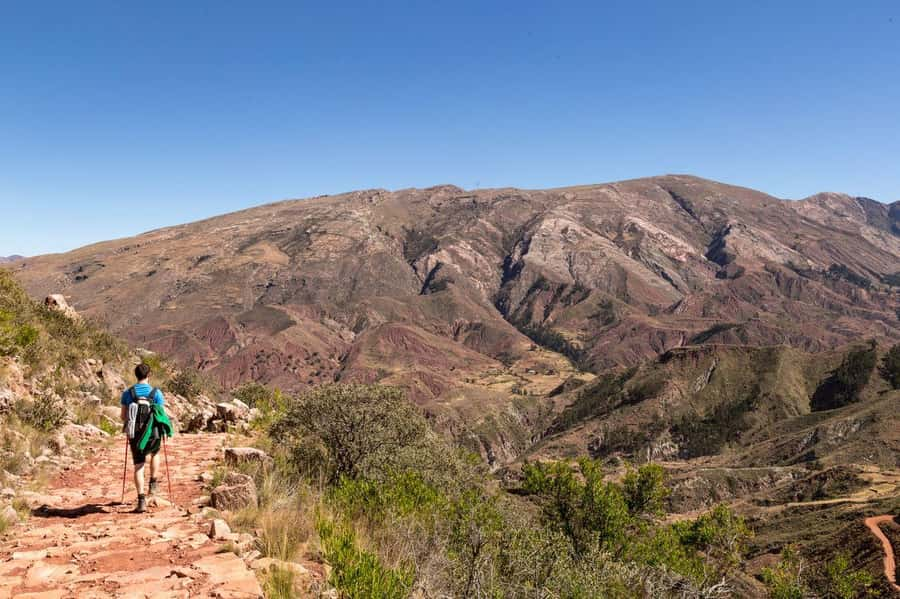
- Walk the old Inca route from Chataquila: The first descent follows stone paths before reaching river country.
- See Maragua Crater from inside and above: The Devil’s Throat viewpoint offers wide views and birdwatching.
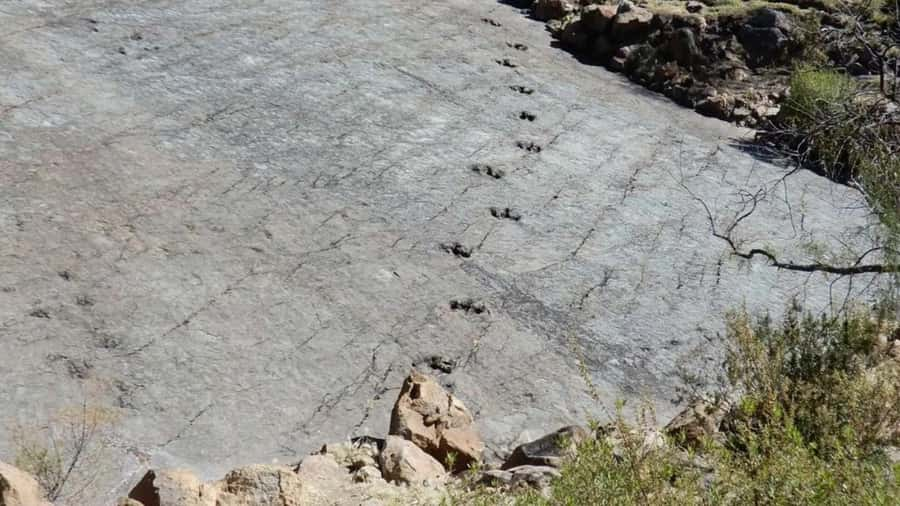
- Visit dinosaur footprints at Niño Mayo: This is a real geological stop, not just a trail-side claim.
- Meet a Jalqa textile maker: You can see how local weaving remains part of community life.
- Enjoy a small group with an English or Spanish guide: Guides may include Gary, Lizandro, Li, or Johnny.
- Pack for a basic overnight: Shared rooms, water not included, and personal hygiene supplies are your responsibility.
Why this Sucre trek is different
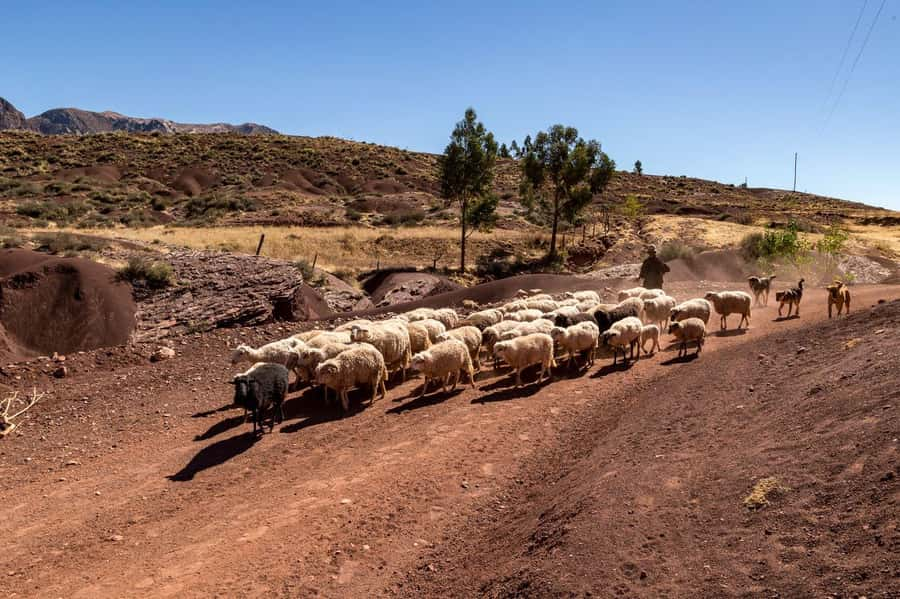
Many outings from Sucre focus on a single viewpoint or a short walk. This one works as a two-day route through the Chuquisaca countryside, linking old paths with living villages and striking geology.
The route is also a good choice if you want a guide who can explain what you are seeing. The guides connected with this operation previously worked for CondorTrekkers and now run their own business. Gary, Lizandro, Li, and Johnny have each led groups, with English available alongside Spanish. French may be possible depending on guide availability.
That guide matters here. You can walk parts of the route independently, but the value of a local guide is more than finding the trail. A guide can explain the dinosaur footprints, point out plants and rock formations, help you meet local residents, and keep the group moving through a route with several different surfaces.
The trek has a strong outdoor focus, but it is not a polished resort-style excursion. You sleep in a shared room, carry your own water and personal items, and eat simple food along the way. For me, that trade-off makes sense at $124 per person, especially since the cost includes transport, entry tickets, a professional guide, four meals, fruit, and the overnight stay.
More Volcano Hikes and Treks in the world:
- Mount Etna: Summit Crater Trek with Cable Car
★ 4.8 · 1,875 reviews - La Palma: Tajogaite Volcano Guided Trek
★ 4.8 · 1,810 reviews - Etna: summit craters trekking with volcano guide 3350mt
★ 4.7 · 1,712 reviews
Starting at Estadio Patria and reaching Chataquila
Your morning begins at 8:00 at the main entrance of Estadio Patria on German Mendoza Street. At about 8:15, you take a public bus toward Chataquila.
This is worth understanding before you book. The bus is public transport, not a private transfer, and the ride can take longer if the group must wait for more passengers. It is a practical local start, but not the most controlled part of the day. Arrive early, keep your day pack close, and do not expect a perfectly fixed departure rhythm.
Chataquila is where the walking begins. The opening section descends along old Inca stone paths. The trail is historic in feel because you are walking on a route built and used centuries ago, rather than on a modern road cut into the hills.
The descent is not necessarily the hardest part, but uneven stones can be tiring on ankles and knees. Hiking shoes are important. Trekking poles may also help, although they are not listed among the required items.
The Inca Trail, Chaunaca, and Socapampa
After the first descent, the route passes through the Chaunaca and Socapampa areas. The terrain changes as you follow the river on mostly level ground, with some short, gentle rises and dips.
This middle section gives your legs a break after the stone path. It also lets you notice the shift from dry mountain trail to river country. The route is not flat in the strict sense, but the ups and downs are shorter and milder than the climb later in the day.
The walk covers about 16 kilometers on the first day. That distance, combined with the elevation changes and the need to carry water, makes this a full hiking day. You should be comfortable walking for several hours and managing uneven ground without regular vehicle support.
This is where a guide such as Gary or Lizandro can add real value. The route passes through areas where geology, plants, and local history matter as much as the view. One guide was especially appreciated for botanical and geological explanations, while another was praised for using less obvious paths to meet local people.
Climbing toward Maragua Crater
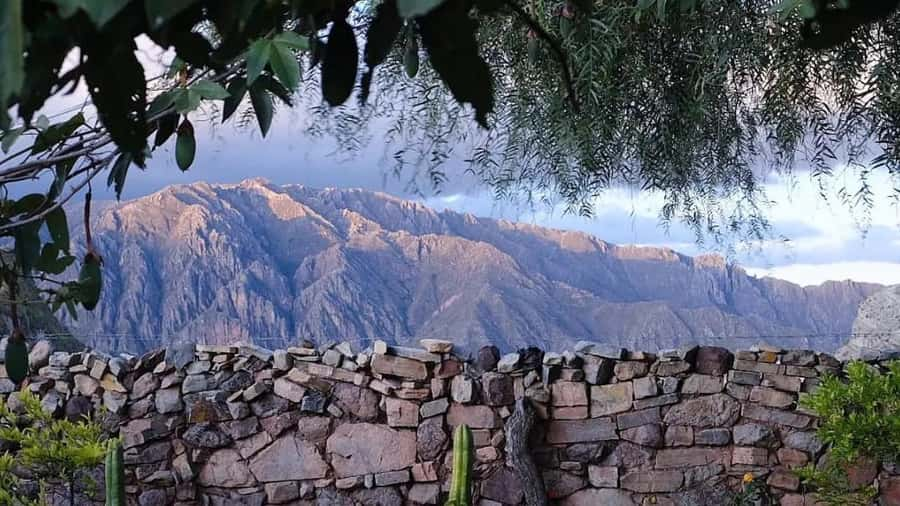
From Socapampa, the trail turns toward Maragua Crater. The final section begins with a steep climb around the mountains, then continues along the slopes until you reach the crater.
This is the day’s main physical test. The climb comes after many kilometers of walking, so pacing matters. Do not race the group at the start. Keep water handy, use sunscreen, and take your time on the steeper section.
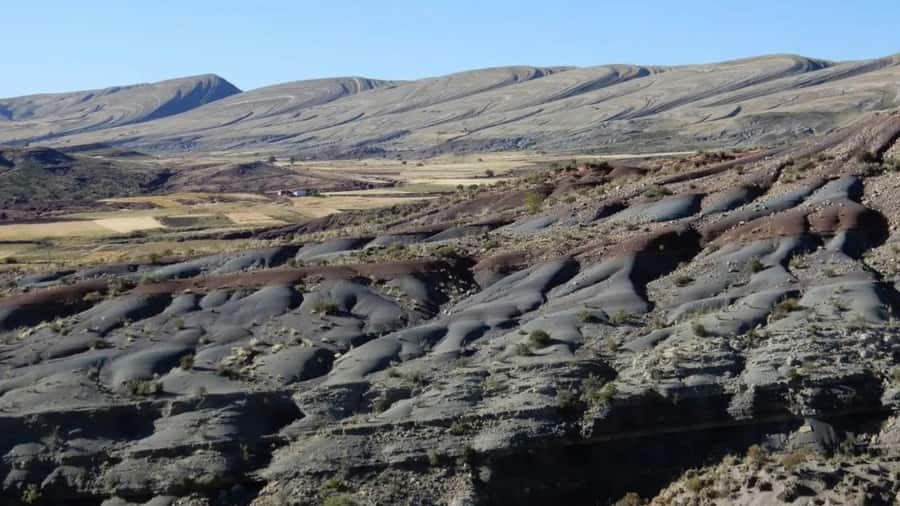
Maragua Crater is known for its bold, colorful mountain folds. From inside, the surrounding ridges form a broad bowl of changing reds, greens, browns, and other mineral tones. The name suggests a volcanic crater, but the visual appeal here comes from the shape and color of the rock formations.
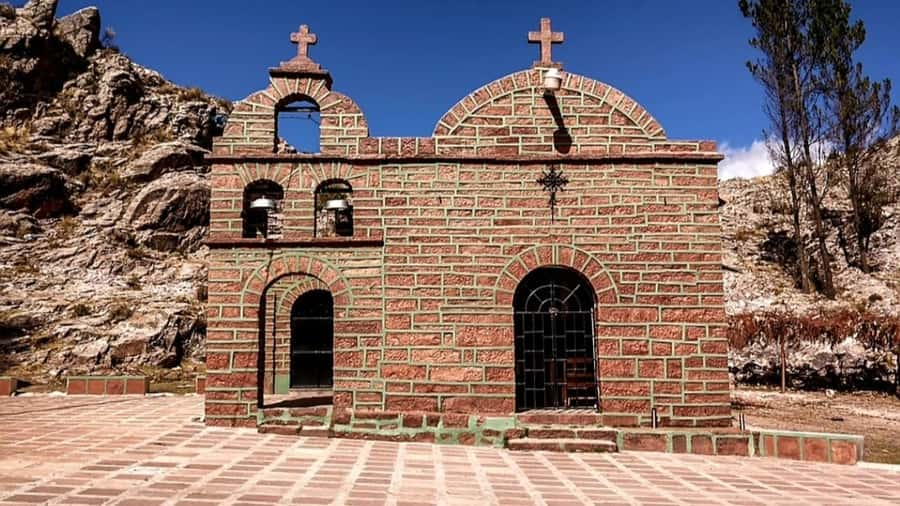
The first night is spent in the crater area. Inside the crater, there is time for extra walks and viewpoints, including the Devil’s Throat. From there, you can look over the surrounding countryside and watch for local birdlife. Bring binoculars if you use them, though they are not required.
The overnight stay is part of the experience, but keep expectations modest. The room is shared, and the food and accommodation are simple. One useful way to think about it is that you are paying for access to a remote route and local hosting, not for hotel comfort.
A few more volcano tours around the world worth a look
- From Antigua: Adventure, 2-Day Hiking to Acatenango Volcano
★ 4.4 · 1,189 reviews - From Antigua: 2-Day Acatenango Volcano Hiking with Guide
★ 4.1 · 366 reviews - 2D1N Senaru Crater Rim Trekking
★ 5.0 · 178 reviews - Santorini 2-Day Combo: Volcano Boat Cruise & Island Bus Tour
★ 4.3 · 146 reviews
Morning in the crater and the climb to the viewpoint
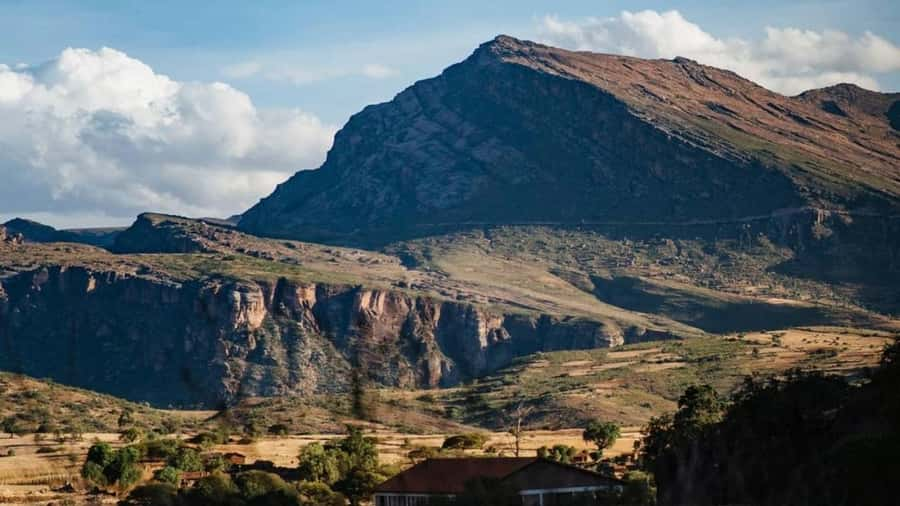
The second day begins early with a walk from the lodging through the Maragua Crater. To leave the crater, you hike uphill toward a viewpoint that looks back across the entire formation.
This climb is shorter than the previous day’s long approach, but it comes first thing in the morning. The reward is a useful change in perspective. You have already seen the crater from within, and now you can understand its full shape from above.
After the viewpoint, the trail becomes easier. Expect short rises and dips rather than one long climb. This portion is a good reason to bring a camera, since the route continues through the colorful mountain country of the Frailes range.
The second day covers about 12 kilometers. It is still a proper hiking day, but the walking from the dinosaur footprints to Majada is described as easier and particularly scenic.
Dinosaur footprints at Niño Mayo
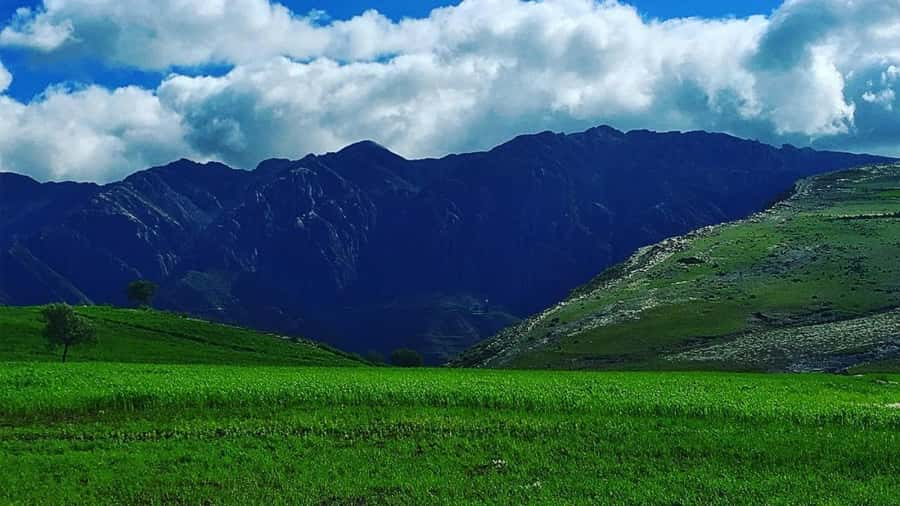
The route continues to the dinosaur footprints at Niño Mayo. This is one of the trek’s most unusual stops because the attraction is not simply a mountain view or an old stone path. You are looking at preserved traces of prehistoric animals in the rock.
The experience depends on your guide’s explanation. Li, one of the guides, has been praised for giving clear background on the footprints and surrounding geology. That kind of context turns a quick photo stop into a better understanding of why the site matters.
The information describes ancient routes associated with dinosaurs, but the practical point is simpler: you will visit a designated dinosaur footprint area during the walk. Do not expect a museum or a large visitor center. This is an outdoor stop along the trail, so sturdy shoes, sun protection, and attention to the guide are useful.
Jalqa weaving and the walk to Majada
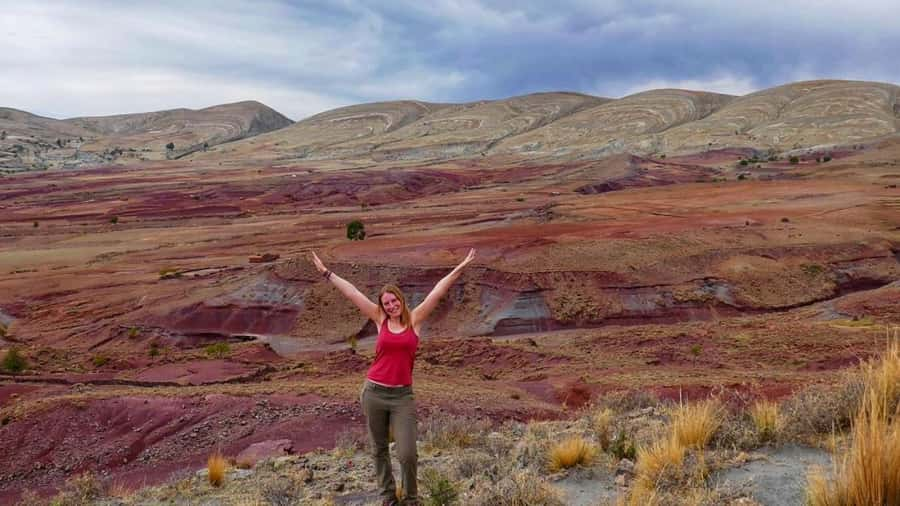
After Niño Mayo, the group visits a local weaver. This is one of the strongest cultural parts of the route because you see textile work in a community setting rather than only in a shop.
The weaver explains the craft and the methods used by the community. The visit offers a closer look at Jalqa culture, which is also present in the villages and clothing traditions of the region. You should treat this as a meeting with a local craftsperson, not as a staged entertainment stop.
From there, you continue toward Majada. The final walk is about 5 kilometers and takes roughly two hours. The path is considered easier, with colorful mountains and views across the Frailes range.
Majada gives the second day a clear finish before the return drive. After the walk, a private vehicle takes you back to Sucre. The return road itself can be a memorable part of the day, with sweeping mountain views and dramatic turns. It is also a reminder that this is a remote countryside route, not an urban day trip with a quick highway transfer.
Meals, water, and what to carry
The tour includes lunch and dinner on the first day, then breakfast and lunch on the second. Fruit is also included. That covers the main planned meals, but you should bring snacks if you like to eat between stops.
Water is not included. This is the most important packing detail. Carry enough for the walking day, and ask the operator before departure if you need specific guidance about refilling. The supplied information does not give a guaranteed water source or a recommended quantity.
Personal hygiene items are not provided. Pack wet wipes, toilet paper, a toothbrush, toothpaste, and soap. A flashlight is also required, along with a waterproof bag for documents and electronics.
Your day pack should include:
- Water and snacks
- Sunglasses, a sun hat, and sunscreen
- Hiking shoes and a change of clothes
- Rain gear
- Personal medication
- Passport or identification card, with a copy accepted
- Flashlight and waterproof bag
- Swimwear, if you want it for the trip
The swimwear is listed among the suggested items, but the route description does not promise a swimming stop. Pack it only if you have room.
How hard is the route?
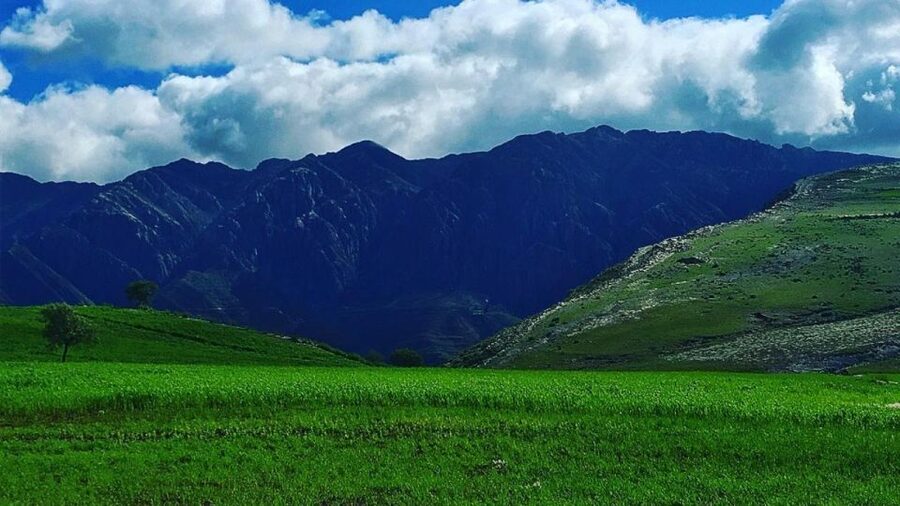
This trek suits people who are used to long walks on uneven ground. The first day has three clear sections: a descent on stone paths, a mostly level river section, and a steep ascent toward the crater.
The second day starts with an uphill exit from the crater, then becomes more comfortable. The total distances are about 16 kilometers on day one and 12 kilometers on day two.
You should not book this if you have a mobility impairment, are pregnant, or are afraid of heights. It is also not suitable for children under 10. The stated upper age limit is 95, though fitness and health matter more than a number.
The trail is generally in good condition, but that does not make it easy. A guide may walk at a brisk pace. One useful tip from the experience is to speak up if you need more time for photographs. The scenery changes often, so it is reasonable to ask for a short pause rather than trying to take every photo while walking.
Is $124 good value?
At $124, the price is fair for what is included. You receive public transport from Sucre, private transport back, entry tickets, a guide, shared overnight accommodation, one breakfast, two lunches, one dinner, and fruit.
The small group limit of 10 is another plus. It gives you a better chance to ask questions and makes village visits more personal than a large coach outing. English and Spanish are available, and French may be possible depending on the guide.
The value depends on what you want from the overnight. If you need a private room, restaurant meals, and a carefully timed vehicle transfer, this will feel basic. If you want a guided route through unusual scenery with local contact and no need to arrange several transport legs yourself, the price is attractive.
You can cancel up to 24 hours before departure for a full refund, and reserve now while paying later. Those policies make planning easier, but the main decision is still the walking standard and simple accommodation.
Who should book this trek?
I would choose this for an active visitor staying in Sucre who wants more than a viewpoint and a short afternoon walk. It suits you if old trails, geology, birdlife, village visits, and local weaving all sound worthwhile.
It is also a good fit if you value a guide. Gary has been praised for being patient and engaging, Lizandro for clear English and good organization, Li for explanations of the dinosaur site, and Johnny for his friendly manner, cooking, and photography help. The exact guide is not guaranteed, but the operator has several experienced leaders.
Pack light. A large bag will make the hills and overnight transfer harder, and the basic lodging does not call for much equipment. Bring only what you need for two days, plus the required personal supplies.
A three-day version is also possible, adding the Tumpeca area. That extension includes rock paintings, unusual geological formations, old trails, forests, and more contact with surrounding communities. You need to arrange that option directly by email or WhatsApp.
Should you book it?
Book this trek if you want active days, dramatic mountain colors, and real cultural stops rather than a comfortable sightseeing circuit. The route gives you several strong reasons to leave Sucre: Inca stonework, Maragua Crater, the Devil’s Throat, dinosaur footprints, Jalqa weaving, and the Frailes mountain views.
Skip it if steep climbs, shared lodging, limited personal facilities, or carrying your own water will make the trip stressful. For the right hiker, $124 buys a varied and well-supported two-day route with a small group and a useful local guide. I would call it one of the better active excursions from Sucre, provided you arrive prepared for a genuine hike.
FAQ
Where does the trek meet in Sucre?
The meeting point is at the main entrance of Estadio Patria on German Mendoza Street.
How long is the trek?
The trek lasts two days. The first day covers about 16 kilometers, and the second day covers about 12 kilometers.
What transport is included?
Public transport from Sucre to Chataquila is included at the start. A private vehicle returns you to Sucre after the walk to Majada.
Is accommodation included?
Yes. One night in a shared room is included near Maragua Crater.
Which meals are included?
The first day includes lunch and dinner. The second day includes breakfast and lunch. Fruit is also included.
Is drinking water included?
No. You need to bring your own water.
What languages are available?
The tour is offered in English and Spanish. French may be available depending on guide availability.
How large is the group?
The group is limited to 10 participants.
Can the trek be extended to three days?
Yes. A three-day, two-night option can include the Tumpeca area, rock paintings, geological formations, forests, ancient trails, and nearby communities. You need to request that option by email or WhatsApp.
Just added around the world
- Volcanoes National Park: Guided, Small-Group Hike★ 5.0 · 15 reviews
- Evening Volcano Explorer from Hilo★ 4.5 · 67 reviews
- Fat Tire E-Bike Rental – Volcanoes National Park★ 4.5 · 26 reviews
- Evening Volcano Explorer Tour from Kona★ 4.5 · 24 reviews
- Big Island Waterfalls, Blacksand Beaches, Lava Tubes & Volcanoes★ 5.0 · 24 reviews
- Expert Led Private Guided Tour Hawaii Volcanoes National Park★ 5.0 · 5 reviews
- Private – All Inclusive Big Island Volcano & Waterfalls Tour★ 5.0 · 8 reviews
- Best of Big Island: Volcanoes, Waterfall, Blacksand Beach & Lunch★ 5.0 · 14 reviews
Volcano Hikes & Treks, compared.
Bali: Sunrise Mount Batur Guided Hike with Breakfast
Read our review →
Bali: Mount Batur Sunrise Guided Hike and Natural Hot Spring
Read our review →
Mount Etna: Summit Guided Hiking Tour up to 3,400 m
Read our review →
Mount Etna: Trek to 3000m with cable car and 4×4
Read our review →
Bali: Mount Batur Sunrise Trek With Guide and Breakfast
Read our review →
Mount Batur Sunrise Hike and Natural Hot Spring Option
Read our review →
Mount Etna: Summit Crater Trek with Cable Car
Read our review →
Browse the lists this tour appears in