
REVIEW · ARUSHA
5 Days Marangu Route – Mount Kilimanjaro Trek
The Marangu Route gives you Kilimanjaro in a compact package: five trekking days, hut accommodation, and a midnight push to Uhuru Peak at 5,895 meters. You start in rainforest, cross heath and moorland, pass the stark saddle below Kibo, and reach the crater rim at sunrise if the weather and your legs cooperate.
I like the practical setup. Airport pickup and an equipment check take care of two early worries, while the hut route means you are not sleeping in tents during the climb. I also like the personal touch promised by the small group limit of 15 people. The main caution is the schedule: five hiking days is a short time for acclimatization, and the summit day is both long and demanding.
The company has more than 12 years of experience and uses guides whose names have included Meshack, Maziku, Franky, John, and Julius on past departures. The strongest praise has focused on friendly support, mountain tips, and professional guiding. That matters here, because a good guide can help you set a steady pace when the summit night gets cold, dark, and tiring.
The key facts before you book
- Five hiking days, seven days overall: The package includes arrival, the trek, a return night, and a free day before departure.
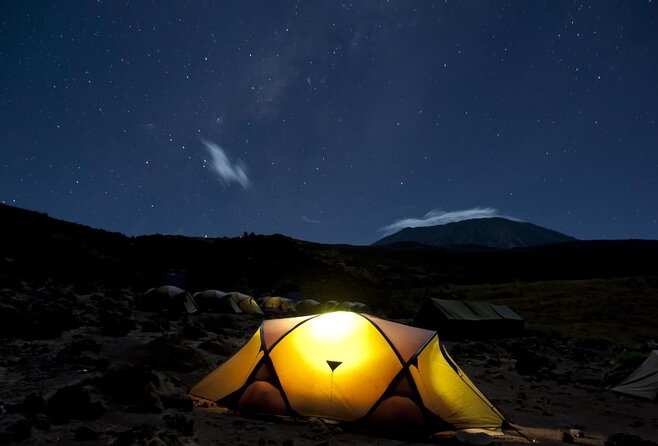
- Marangu’s hut route: You sleep at Mandara, Horombo, and Kibo huts rather than camping.
- Midnight summit attempt: You reach Gillman’s Point around sunrise, then continue toward Uhuru Peak.
- Maundi Crater viewpoint: A short outing from Mandara Hut gives you a view toward Kenya.
- Group limit of 15: The trip is not a private departure, but it is capped at a manageable size.
- $1,500 per person: The price has good potential value, but you should confirm exactly what is included before paying.
Arrival day in Moshi or Arusha
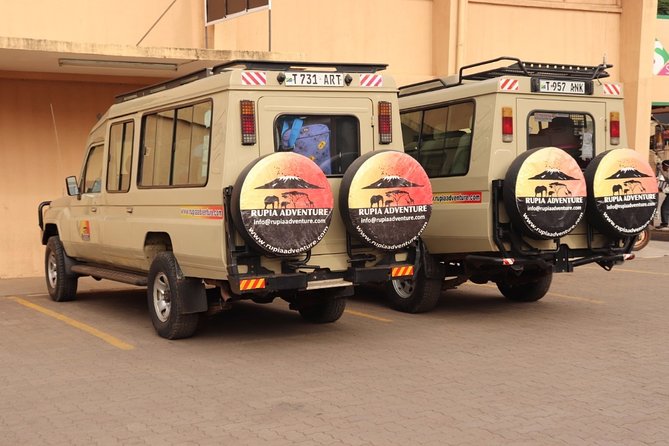
Your trip begins with pickup at Kilimanjaro International Airport and a transfer to your hotel. The plan describes a night at Panama Hotel or Mvuli Hotel in Arusha, or an alternative property, while other parts refer to Moshi. That wording deserves clarification before booking. Ask where your first and final nights will be, how long the transfer takes, and which hotel is confirmed.
You meet your guide on the first day for a trek briefing and equipment check. This is one of the most useful parts of the schedule. Missing mountain gear can be rented that day, so you have a chance to catch problems before reaching the gate.
Use the briefing well. Ask what the summit timetable will be, what happens if you need to slow down, and what equipment the operator supplies or rents. The material provided does not list every inclusion, so you should also confirm meals, transfers, park fees, porter support, and hotel arrangements.
The first day is not just a formality. It gives you time to arrive, check your boots and warm layers, and avoid discovering a major problem at 3 a.m. on summit night.
More Volcano Hikes and Treks in Arusha
- Mount Kilimanjaro Day Hike Through Marangu Route to Mandara Hut
★ 5.0 · 37 reviews - Mount Kilimanjaro Day Hike
★ 4.5 · 23 reviews - Mount Kilimanjaro day trip trekking
★ 5.0 · 12 reviews
Day 2: rainforest to Mandara Hut
After breakfast, you are collected from your lodge and driven to Marangu Gate. Park paperwork comes first, then the walking begins in dense rainforest.
This is a pleasant opening stage. The forest provides shade and thick plant life, and you may catch sight of primates along the route. The first day feels more like a mountain walk than a battle with altitude, though you should still keep your pace slow and even.
Mandara Hut is the destination. After resting, your guide can take you to Maundi Crater. This extra outing is a smart part of the program because it gives you a first broad view toward the Kenyan interior without requiring a major detour.
The day also helps you understand the rhythm of the trek: walk, eat, rest, and listen to your guide. Do not race because the trail feels easy. You have much higher ground ahead, and saving energy is more important than proving anything in the rainforest.
Day 3: Mandara to Horombo at 3,700 meters
The second hiking day begins with an early breakfast. Soon after leaving Mandara, the forest thins and you enter the heath and moor zone. The plants become shorter, the views open up, and the route begins to feel properly alpine.
The walk to Horombo Hut takes about four to six hours. Horombo sits at roughly 3,700 meters and gives you views toward Mawenzi, Kibo, and the Masai steppe. This is one of the most rewarding camps on the route because you can see the huge scale of the mountain system around you.
It is also a key altitude day. You may feel fine at the start and tired by the time you reach the hut. Keep drinking, eat even if your appetite is low, and tell your guide about headaches, nausea, unusual tiredness, or trouble walking. The itinerary does not describe a separate acclimatization day at Horombo, so the short five-day schedule deserves serious thought.
For fit hikers who handle altitude well, this route can be a direct and efficient way up. For anyone new to high altitude, the pace may feel aggressive. You should not judge success by toughness alone. The safest approach is to move slowly and speak up early.
Day 4: across the saddle to Kibo Hut
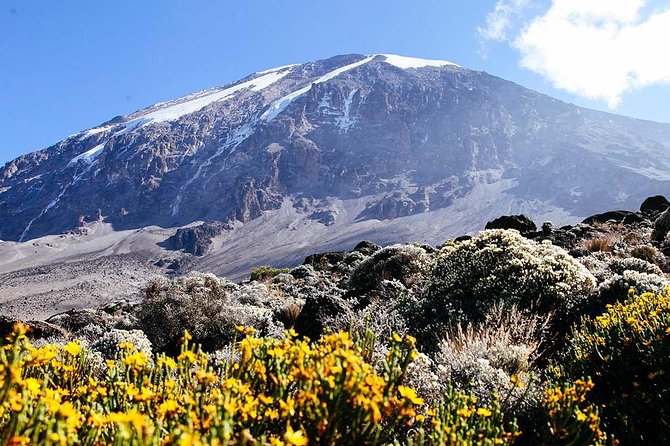
This is a long stage of about five to six hours. The trail passes the Last Water point, then crosses the broad, nearly bare saddle between Mawenzi and Kibo.
The saddle is one of the route’s most striking sections. Vegetation falls away, and the open ground makes the mountain feel much more exposed. You can see Kibo ahead and Mawenzi behind, with little shelter between them. It is a simple place, but the scale and silence make a strong impression.
Kibo Hut is reached in the afternoon. You eat an early evening meal and go to bed early because the summit attempt begins around midnight. That early bedtime can be difficult. You may be excited, tired, or too focused on the next stage to sleep well. Rest whenever you can.
Pack your summit clothing before lying down. Put your warm layers, headlamp if provided, water, snacks, gloves, and camera where you can reach them quickly. The information supplied does not state which personal equipment is included, so confirm this during the equipment check.
More Volcano Hikes and Treks in Tanzania
- 7 Days Machame Route Trek Mount Kilimanjaro
★ 5.0 · 12 reviews - Lemosho Route 7 Days Trekking at Mount Kilimanjaro
★ 5.0 · 7 reviews - Day Hike to Mount Kilimanjaro (Mandara Hut)
★ 5.0 · 6 reviews - Day Hike to Mount Kilimanjaro, Local experience and Chagga Culture
★ 5.0 · 6 reviews
Day 5: the midnight climb to Uhuru Peak
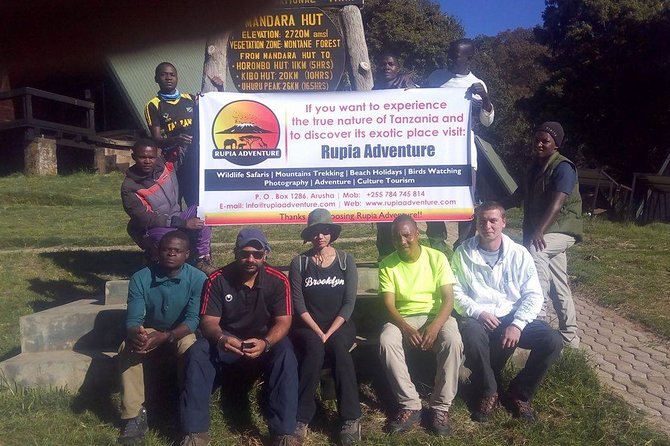
Summit day is the heart of the trip and the hardest part by far. You leave around midnight and climb slowly through the cold darkness.
The route passes Hans Meyer Cave at about 5,220 meters. From there, the slope continues upward toward Gillman’s Point at 5,681 meters, the crater rim. The plan expects you to arrive around sunrise. The first light is a real reward after several hours of cold, steep walking.
Gillman’s Point is not the final summit. After a short rest, you continue for another one to two hours toward Uhuru Peak, at 5,895 meters. The air is thin, the ground may feel difficult, and every step can require patience. One past departure reached Uhuru around 6 a.m., which gives you a useful sense of the timing, though your pace and conditions may differ.
After the summit, you return to Kibo Hut for a warm meal and a one to two-hour break. Then you continue down to Horombo Hut. This makes the day exceptionally long. You do not simply climb to the top and stop. You summit, descend to Kibo, rest briefly, and then keep walking.
I would treat the summit as a test of steady pacing, not speed. Listen closely to your guide. Meshack, Maziku, Franky, John, and Julius have been named as guides on past trips, but your assigned guide may be different. The important question is how clearly the guide explains the pace, rest stops, and safety decisions.
Day 6: the long descent through the forest
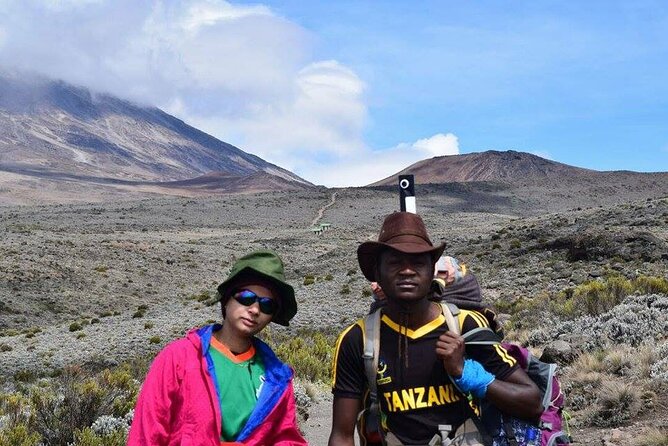
After the summit push, you descend from Horombo through the heath and moor zone to Mandara Hut at about 2,700 meters. A warm lunch is planned there, which should be welcome after the previous day.
The trail then returns to tropical rainforest. The change is striking. You move from open, sparse ground back into shade and thicker vegetation, with the air feeling warmer as you lose height.
The full descent to Kilimanjaro National Park Gate takes about six hours. At the gate, you say goodbye to the mountain guides and transfer back to your hotel in Moshi. A hot shower and a quiet evening are well earned.
This day is easier than summit day in terms of altitude, but tired knees and sore feet can make the descent slow. Use trekking poles if you have them, and do not assume going downhill requires no effort.
Day 7: a useful recovery day
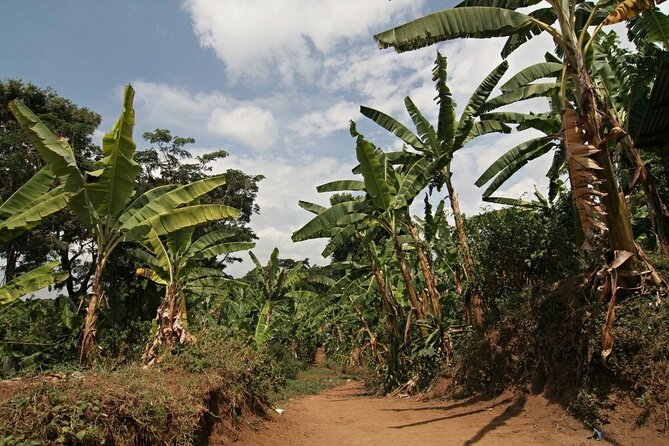
The final day is left free before your flight home. Depending on your departure time, you can rest or explore Moshi town for souvenirs.
This extra day is a good design choice. It gives you room to recover from the summit and reduces the pressure of rushing straight from the mountain to the airport. It also makes the package feel like seven days overall, even though the mountain portion is five days.
Safari and Zanzibar extensions are available if you want to continue around Tanzania. The information provided does not give prices or schedules for those add-ons, so treat them as optional planning ideas rather than part of the $1,500 package.
What the $1,500 price means
At $1,500 per person, the package may offer solid value for a Kilimanjaro trip that includes airport pickup, hotel nights, transfers, guiding, park access, hut accommodation, and meals. But the supplied details do not spell out every inclusion, so the price cannot be judged fairly without a written breakdown.
Before booking, ask these direct questions:
- Are park fees included?
- Are all meals included during the trek?
- Are porters included, and how are tips handled?
- Is airport pickup included both ways?
- Which hotel is confirmed in Moshi or Arusha?
- What equipment can be rented, and at what cost?
- Is the price based on a shared group of up to 15 people?
- What happens if you stop before the summit?
The operator’s stated maximum of 15 people is useful. A group of that size can still feel organized, though it may not offer the quiet, flexible pace of a private trek. If the group is smaller, communication with the guide may be easier. Ask for the expected group size for your date.
The strongest reasons to choose this trek
The biggest advantage is the hut-based format. You avoid carrying camping equipment and return each evening to a fixed shelter. That can make the trip feel simpler, especially if this is your first major mountain trek.
The second advantage is the clear route progression. You begin in rainforest, move through heath and moor, cross the saddle, and finish at the crater rim. Each day feels different, and the Maundi Crater stop adds a worthwhile viewpoint early in the climb.
Guide support is another important point. Specific departures have included Meshack and Maziku, who were praised for being cheerful and encouraging, while Franky was noted for sharing useful mountain tips. John and Julius were described as professional and strong. These details suggest the company’s guide team is a major part of the experience, though you should request the name of your own guide when possible.
The drawbacks you should take seriously
The five-day Marangu schedule is not the most forgiving choice for altitude. You climb from the gate to high huts quickly, with no full extra acclimatization day shown in the plan. Some people manage this well, but nobody can guarantee how your body will respond.
The summit day is also a serious physical demand. A midnight start, the climb to Gillman’s Point, the extra push to Uhuru, the return to Kibo, and the continued descent to Horombo create a very long day.
The cancellation terms are strict. The experience is non-refundable and cannot be changed for personal reasons. If poor weather causes cancellation, you are offered another date or a full refund. If the minimum group size is not reached, you are offered another date or experience, or a full refund. Plan flights and extra hotels with that restriction in mind.
Who should book it?
This trek suits you if you want a structured Kilimanjaro climb, prefer huts to tents, value airport pickup and an equipment check, and accept a demanding summit schedule. It is also a good fit if you want to pair the mountain with a safari or Zanzibar extension.
I would be more cautious if you have no high-altitude experience, want a slow acclimatization plan, or dislike early starts and long descents. In that case, ask whether a longer route or an added acclimatization day is available.
Should you book Rupia Adventure?
Book this trip if the hut format, seven-day timing, and $1,500 price fit your plans, and if the company confirms the missing details in writing. The friendly guide reports, named staff, airport transfer, equipment check, and group cap all add practical value.
Do not book without clarifying the Moshi and Arusha hotel wording, what the price includes, and how the operator handles altitude problems. The Marangu Route is accessible in terms of logistics, but the summit is never easy. Go with realistic expectations, a slow pace, and enough warm gear, and this can be a memorable route to Africa’s highest point.
FAQ
How long is the complete experience?
The full package lasts approximately seven days, including arrival, five hiking days, the return night after the trek, and a free day before your flight.
How long is the mountain trek itself?
The hiking section runs from Day 2 through Day 6, making it a five-day trek on the Marangu Route.
Where does the trek begin?
You are driven to Marangu Gate after breakfast, where park paperwork is completed before hiking begins.
Where do you sleep during the trek?
The itinerary names Mandara Hut, Horombo Hut, and Kibo Hut. This is a hut-based trek rather than a camping itinerary.
What time does the summit climb begin?
The final ascent begins around midnight from Kibo Hut.
What is the highest point reached?
The route aims for Uhuru Peak, which is listed at 5,895 meters.
How high is Gillman’s Point?
Gillman’s Point is listed at 5,681 meters and is reached around sunrise during the summit stage.
Is airport pickup available?
Yes. Pickup is offered from Kilimanjaro International Airport, followed by transfer to the hotel.
How many people can join the trip?
The maximum group size is 15 people.
What is the cancellation policy?
The experience is non-refundable and cannot be changed for personal reasons. If poor weather or an insufficient number of participants causes cancellation, you are offered another date or experience, or a full refund.
More 5-Day Experiences in Arusha
- 5-Day Highlights mid-Range Crater, Serengeti, Tarangire
★ 5.0 · 296 reviews - 5 Days Camping Tarangire, Serengeti & Ngorongoro crater & Visiting Maasai
★ 5.0 · 229 reviews - 5 Days Tanzania Group Joining Safari, Tarangire/Serengeti/Ngorongoro Crater
★ 5.0 · 85 reviews - 5 day safari Tarangire Serengeti and Ngorongoro crater
★ 5.0 · 83 reviews
Just added around Arusha
- 4 Days Private Safari – Tarangire, Serengeti & Ngorongoro Crater★ 5.0 · 28 reviews
- 3Days luxury safari to Tarangire Ngorongoro crater and Manyara★ 5.0 · 16 reviews
- Elephant Special Serengeti & Ngorongoro Crater 5 Days / 4 Nights★ 5.0 · 21 reviews
- Tanzania Safari 10 Days- Serengeti, Lake Manyara, Ngorongoro Crater.★ 5.0 · 4 reviews
- 4 Days Tanzania Safari Tarangire, Serengeti and Ngorongoro Crater★ 4.5 · 16 reviews
- Private Group Serengeti Safari, Crater & Tarangire National Park★ 5.0 · 5 reviews
- Small Group Serengeti and Ngorongoro Crater Adventure Safari★ 5.0 · 7 reviews
- 03 days Serengeti and Ngorongoro Crater group (camping)★ 5.0 · 75 reviews
Arusha Volcano Tours, compared.
5-Day Highlights mid-Range Crater, Serengeti, Tarangire
Read our review →
Private 6-Day Tarangire Manyara Crater and Serengeti with Mid-Range Lodges
Read our review →
5 Days Camping Tarangire, Serengeti & Ngorongoro crater & Visiting Maasai
Read our review →
4 Days Join Group tour Tarangire Serengeti and Ngorongoro crater
Read our review →3 Day Serengeti National Park & Ngorongoro Crater Camping Safari
Read our review →
5 Days Tanzania Group Joining Safari, Tarangire/Serengeti/Ngorongoro Crater
Read our review →
5 day safari Tarangire Serengeti and Ngorongoro crater
Read our review →Browse the lists this tour appears in