
REVIEW · ROTORUA
Te Puia: Te Rā Guided Day Tour
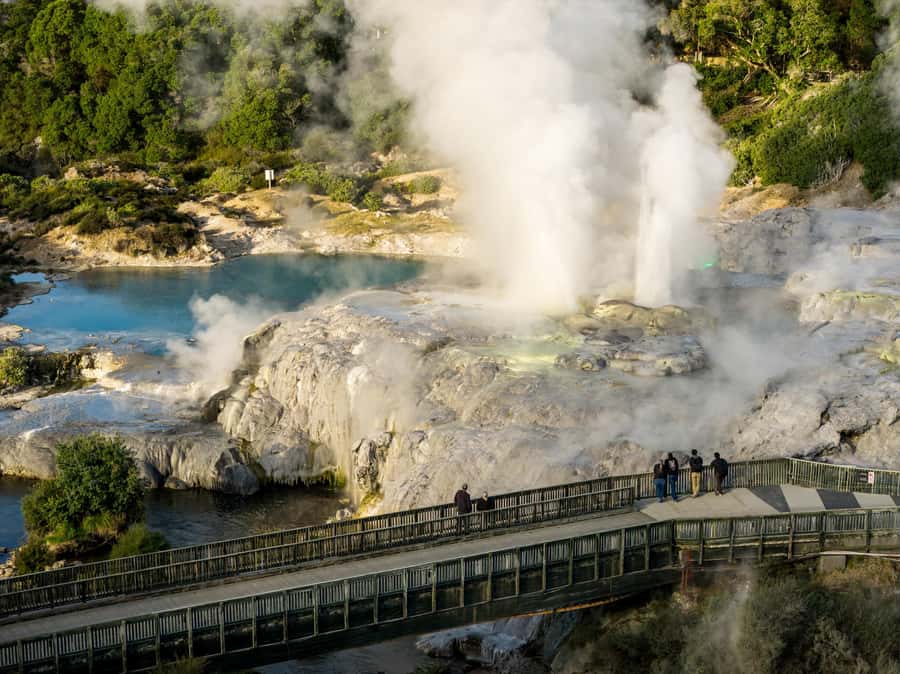
Pōhutu Geyser is the star here, but Te Puia gives you three very different Rotorua experiences in one visit: boiling mud and native bush, protected kiwi, and Māori carving and weaving. The best guides, including Paul, Michael, Makaere, Nate, Kohu, and Mita, bring the place to life with stories rather than simply pointing out the steam.
I like the strong mix of nature and culture, and I like that your entry supports the New Zealand Māori Arts and Crafts Institute. Seeing kiwi in a purpose-built nocturnal enclosure is another real highlight. The trade-off is time: 90 minutes can feel hurried, especially if you want more background on Māori history or a longer look at the school.
Key points at a glance
- Pōhutu Geyser: Get close to the largest active geyser in the Southern Hemisphere, with the guide helping you find a good viewing position.
- Three experiences in one: The tour links geothermal features, kiwi conservation, and Māori arts without requiring separate tickets.
- Live Māori guidance: Your English-speaking kaiārahi shares ancestral stories, cultural context, and details about the land.
- Protected kiwi viewing: See New Zealand’s national icon in a specially designed nocturnal enclosure.
- Working arts school: Watch students practise weaving, wood carving, stone carving, and bone carving.
- Useful timing note: Arrive 15 minutes early, wear comfortable shoes, and allow extra time after the tour if you want to browse the wider site.
Why Pōhutu Geyser sets the tone
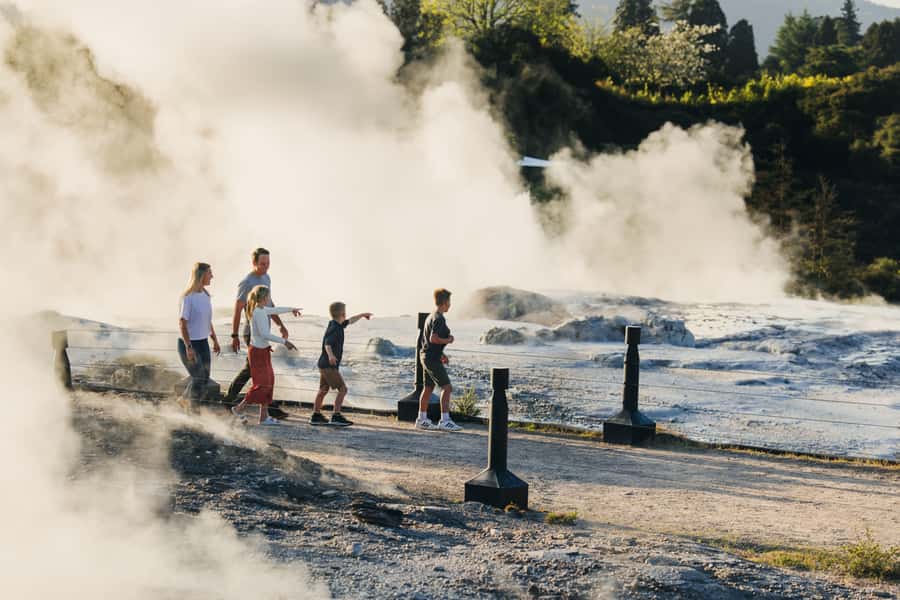
Te Puia’s strongest opening card is the Whakarewarewa Geothermal Valley. You walk past steaming ground, bubbling mud, active geysers, and native bush, with Pōhutu Geyser providing the big visual moment.
Pōhutu is the largest active geyser in the Southern Hemisphere. Its eruptions give the walk a sense of occasion, but conditions affect what you see. On a cold, wet day, steam can partly hide the full plume. Even so, the geyser may continue spouting while you are there, and your guide can suggest where to stand for the clearest view.
The geothermal area is not just a collection of dramatic sights. A good guide explains how the hot ground shapes the valley and connects the natural setting with Māori life and identity. The best commentary here has a personal feel. Michael, for example, was praised for his care for the environment, while other guides brought humour and pride in Māori heritage.
You should wear comfortable shoes. The tour involves walking outdoors, and rain can make the experience less convenient. Bring weather protection, since an umbrella is not guaranteed. The route is listed as wheelchair accessible, but the activity is also marked as unsuitable for people with mobility impairments, so you should confirm the current route and access arrangements before booking if mobility is a concern.
More Geothermal Parks and Geysers in Rotorua
- Rotorua Canopy Tours: 2.5Hour Native Forest Zipline Adventure
★ 5.0 · 4,563 reviews - Rotorua: Wai-O-Tapu Geothermal Park Entry Ticket
★ 4.6 · 2,601 reviews - Rotorua’s Ultimate Zipline: 6 ziplines, 400 m Tandem, Cliff Walk
★ 5.0 · 2,557 reviews
The 90-minute route and how it feels
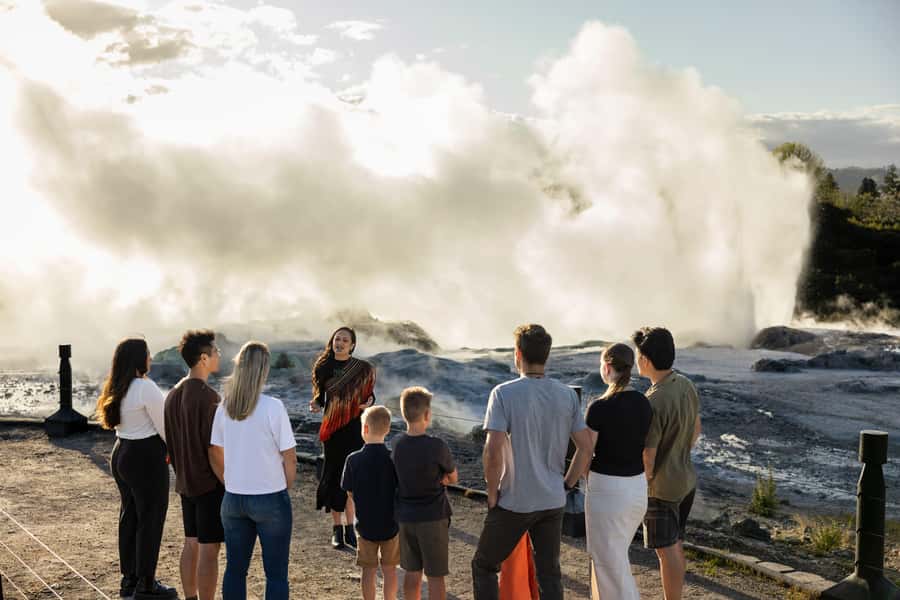
The entire guided visit lasts about an hour and a half and begins and ends at Te Puia in Rotorua. That compact format suits you if you want a focused introduction rather than a full-day visit.
The pace is generally efficient, but it can feel quick. One reason is that the tour covers a large amount of ground and several subjects in a short time. Another is that the arts school can absorb much of the attention, leaving less time to linger in the geothermal valley.
A large group can make this more noticeable. One guide may be easy to hear in a small group, while a bigger gathering can make it harder to catch every explanation. If you are near the back, move closer when the group stops. This matters because the value of the tour comes as much from the guide’s explanation as from the sights themselves.
Guides vary in style, but the strongest examples include Paul’s humour, Makaere’s friendly manner, and the energy brought by younger guides such as Kohu. You are not simply following a recorded script. The quality of the visit depends partly on how well your guide handles questions, weather, and the size of the group.
Kiwi Conservation Centre: a quiet encounter with New Zealand’s icon
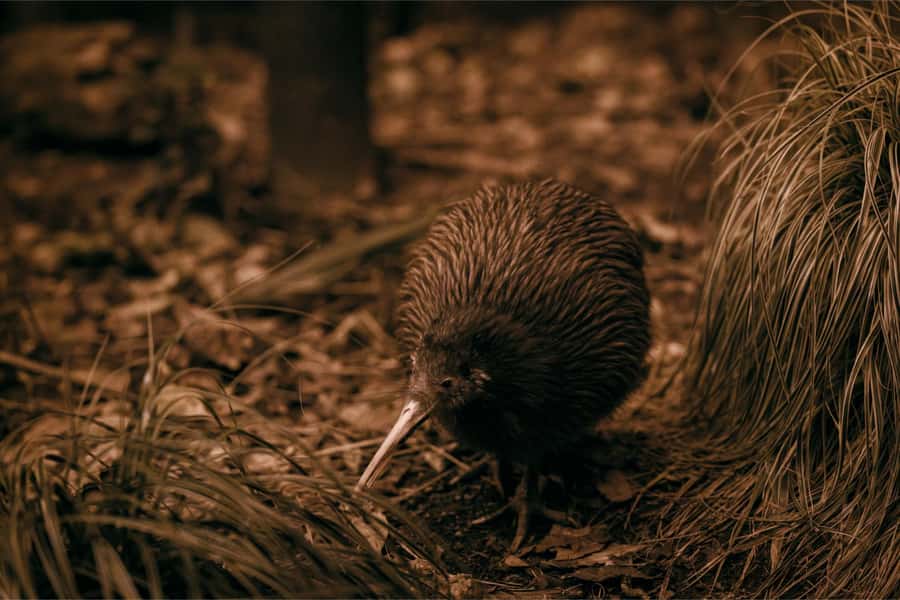
The Kiwi Conservation Centre gives the tour an important change of pace. After the noise and steam of the geothermal valley, you visit kiwi in a specially designed nocturnal enclosure.
Because kiwi are nocturnal, the enclosure is kept dark. You should not expect a bright, open wildlife display. Instead, you get a chance to look for this shy national icon in conditions designed around its natural routine.
That setting is valuable because kiwi are difficult to see in the wild. Here, the visit also links sightseeing with conservation. The centre is dedicated to protecting the bird, so your entry is tied to more than a quick photo opportunity.
The kiwi stop is short enough that you may want to return later if the wider admission allows it. Seeing a kiwi in person can be one of the most memorable parts of the day, especially if New Zealand’s national bird is high on your list. Keep your expectations realistic: the enclosure is dark, and the animal may not pose in an obvious spot.
Māori arts at a working school
The New Zealand Māori Arts and Crafts Institute is where the tour moves from natural forces to living cultural practice. You see students developing traditional skills in weaving, wood carving, stone carving, and bone carving.
This is not only a display of finished objects. The school shows how these skills are taught and carried forward. That makes it one of the more meaningful stops at Te Puia, especially if you want to understand Māori culture through working practices rather than a short performance or a row of souvenirs.
The Āhua Gallery is included as well. It gives you another place to see Māori art and design, though the 90-minute schedule may not leave enough time to examine everything closely.
Several visitors found the school especially interesting but wished for more time and more explanation of Māori history. I think that is the main limitation of this section. The guide can introduce the subject, but 90 minutes is not enough for a full cultural course. If you want detailed history, plan to spend more time at Te Puia after the guided walk.
The cultural value is strongest when your guide connects the techniques with Māori identity and the work of the school. This is also where the financial side of the visit becomes easier to understand: Te Puia operates the arts school, and income from the site supports that cultural education.
Same volcano country, a different day out:
- Rotorua Rafting: Kaituna River White Water Rafting & Free Sauna
★ 5.0 · 1,952 reviews - Mitai Maori Village Cultural Experience in Rotorua
★ 4.5 · 1,294 reviews - Rafting Rotorua: Kaituna River White Water Experience
★ 4.9 · 1,274 reviews - Rotorua: Te Pa Tu Māori Cultural Experience with Dinner
★ 4.8 · 1,193 reviews
What the $59 admission includes
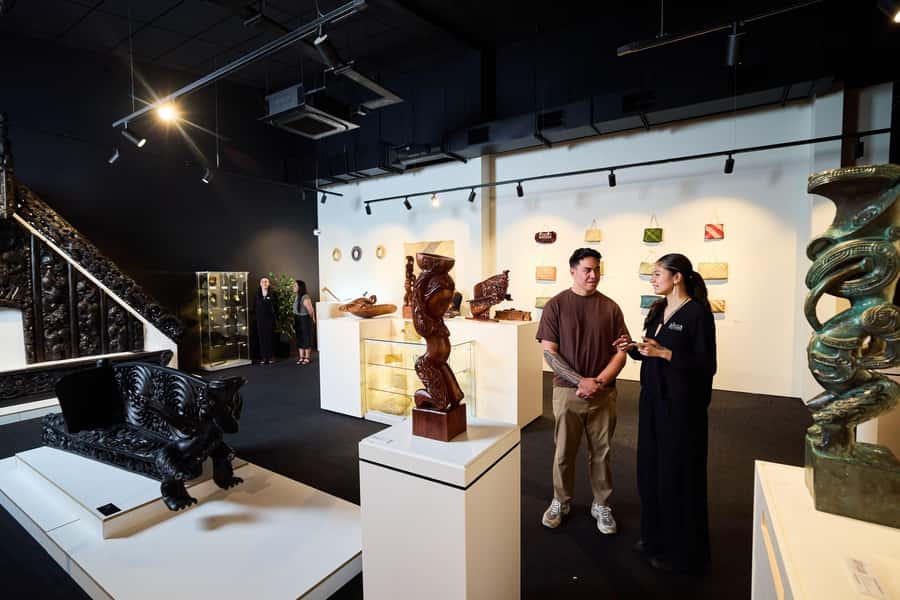
At $59 per person, the tour is priced as a compact introduction to three of Rotorua’s main draws. Your ticket includes entry to Te Puia, the guided walk, the Whakarewarewa Geothermal Valley, the Kiwi Conservation Centre, the New Zealand Māori Arts and Crafts Institute, and the Āhua Gallery.
That is good value if you would otherwise pay separately to see geothermal features, kiwi, and Māori arts. The value is less convincing if you want a slow visit, extensive museum time, or a long cultural presentation. The price buys a guided overview, not an all-day private tour.
Food and drinks are not included, and there is no hotel pickup or drop-off. You need to make your own way to Te Puia in Rotorua. Arrive 15 minutes before departure so you are ready when the group leaves.
If you live in New Zealand, check the exact local price before paying. One booking experience involved confusion about a separate fee for New Zealand residents, with no refund offered afterward. That appears to be a pricing or booking issue rather than a problem with the walk itself, but it is worth checking carefully.
What the guides add to the visit
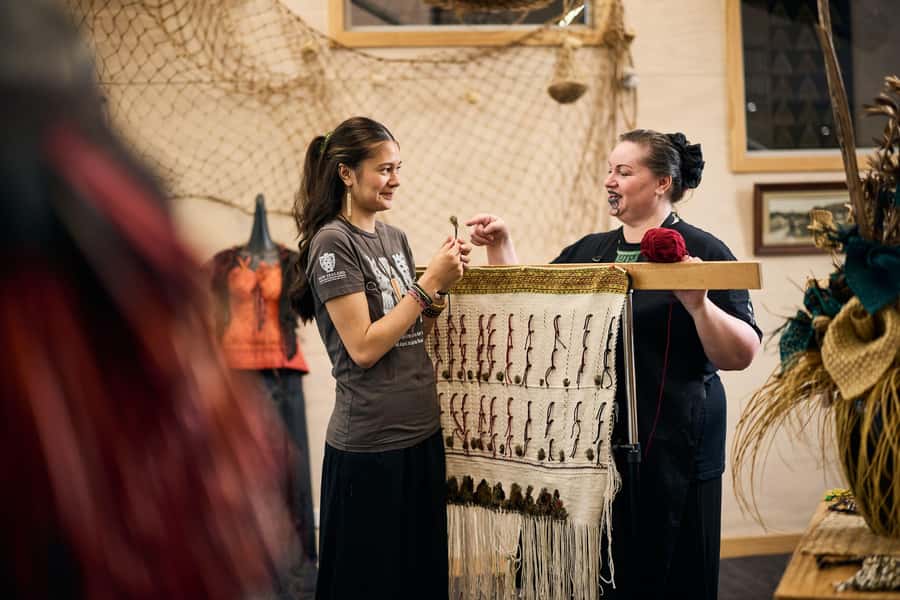
The guide can make or break a short tour. Te Puia’s kaiārahi are expected to explain Māori traditions and heritage, along with ancestral stories and connections to the land.
The best examples in the feedback include Michael, who spoke with passion about the environment, Paul, who combined humour with clear information, and Makaere, who was described as friendly and impressive. Nate, Kohu, and Mita also received praise for their energy and command of the subject.
That range tells you something useful. You may get a lively storyteller, a calm expert, or a newer guide who is still finding a rhythm. Several guides were singled out for answering questions well, which is important because the tour covers subjects that can be hard to absorb in one pass.
English is the only listed tour language. If English is not your first language, staying close to the guide will help. In a large group, a portable microphone would also make the commentary easier to follow.
Weather, crowds, and how to prepare
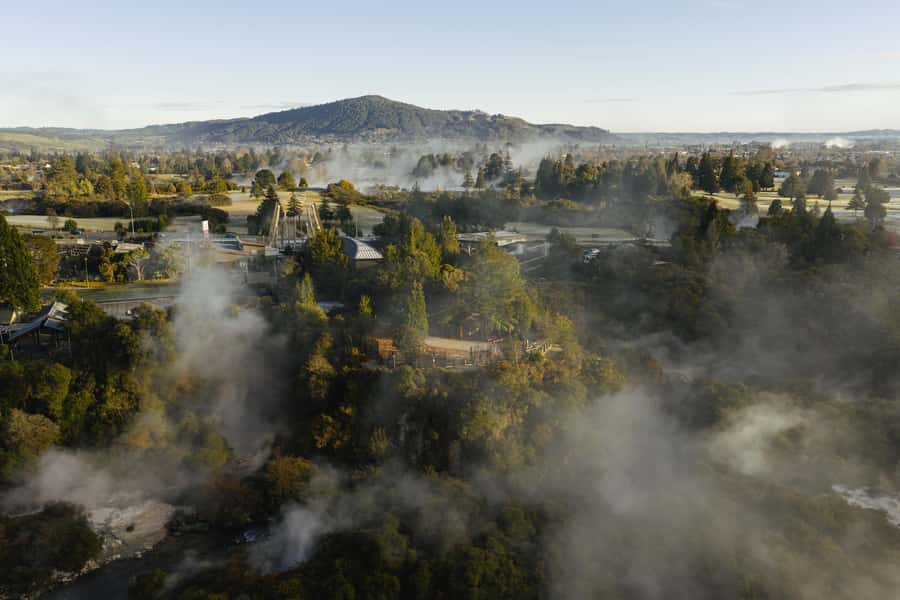
Rotorua’s geothermal sights work in any weather, but rain and cold can change the experience. Wet conditions may make the walk less comfortable, and steam can obscure part of Pōhutu’s plume. Still, the geothermal valley remains active, and the guided commentary gives you something to focus on beyond the view.
Wear comfortable shoes and bring suitable rain protection. The tour does not include food or drinks, so plan around that if you are visiting at mealtime.
The tour is a good fit for first-time visitors to Rotorua, families who want several major sights in one stop, and anyone interested in both nature and Māori culture. It also works well for people with limited time in town.
I would be more cautious about booking it if you dislike guided groups, want to photograph every geothermal feature at your own pace, or need extended time at the arts school. The route is short, and the group may keep moving just when you want to stop.
Should you book Te Puia’s Te Rā tour?
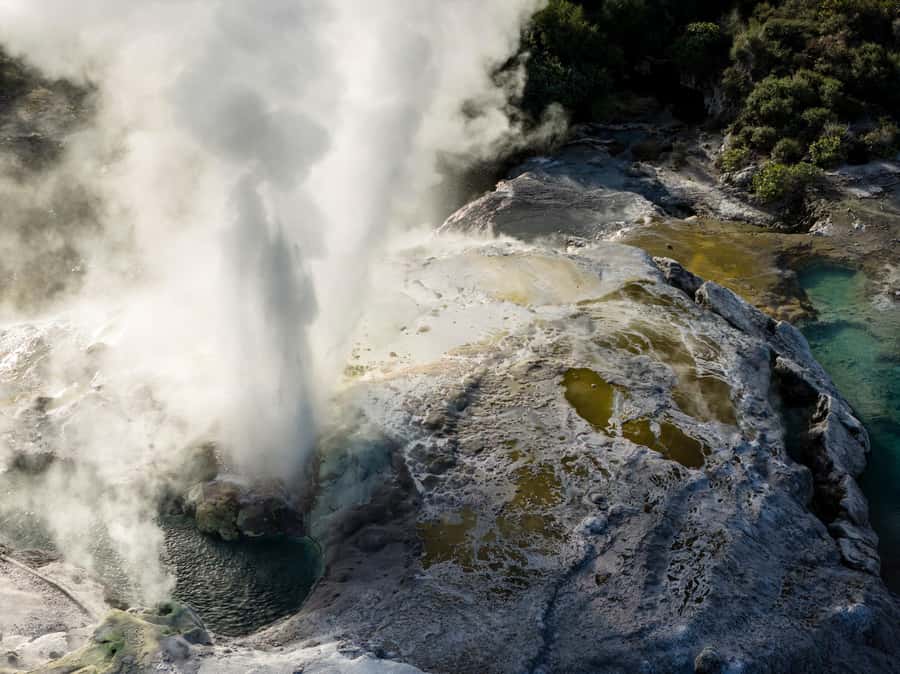
Book it if you want an efficient Rotorua introduction with a real cultural centre at its heart. Pōhutu Geyser and the kiwi enclosure give you memorable natural and wildlife encounters, while the arts institute adds depth that a geothermal-only visit would miss.
The main compromise is pace. You will see a lot in 90 minutes, but you will not master Māori history or explore every gallery in detail. If possible, leave extra time after the guided tour to look around, revisit a favourite area, and browse the gift shop.
At $59, I consider it worthwhile for a first visit, particularly if you value a live guide and want the ticket to support Māori arts education. Check pricing carefully if you are a New Zealand resident, arrive early, and choose this tour for breadth rather than a slow, specialised study of any one part of Te Puia.
FAQ
How long is Te Puia’s Te Rā guided tour?
The guided experience lasts 90 minutes, or one and a half hours.
Where does the tour begin and end?
It starts and finishes at Te Puia in Rotorua, New Zealand.
What is included in the ticket?
Your ticket includes entry to Te Puia, the guided tour, the Whakarewarewa Geothermal Valley, the Kiwi Conservation Centre, the New Zealand Māori Arts and Crafts Institute, and the Āhua Gallery.
Is Pōhutu Geyser included?
Yes. The guided route visits Pōhutu Geyser, the largest active geyser in the Southern Hemisphere.
Can I see kiwi on this tour?
Yes. The tour includes the Kiwi Conservation Centre, where kiwi are kept in a specially designed nocturnal enclosure.
What language is the tour conducted in?
The live guided tour is conducted in English.
Does the tour include food or drinks?
No. Food and drinks are not included.
Is hotel transportation provided?
No. Hotel pickup and drop-off are not included. You need to reach Te Puia independently.
What should I bring?
Wear comfortable shoes. Weather protection is also sensible because part of the tour takes place outdoors.
Can I cancel for a refund?
You can cancel up to 24 hours before the scheduled activity for a full refund. The tour also offers a reserve-now, pay-later option.
Just added around Rotorua
- Te Puia: Tuku Iho Trail with Cultural Show★ 5.0 · 5 reviews
- Te Puia: Te Pō Indigenous Combo – Tour, Dinner + Haka★ 4.4 · 52 reviews
- Te Puia: Te Rā Guided Day Tour + Haka Cultural Performance★ 4.7 · 128 reviews
- Rotorua: White Island, Mount Tarawera & Waimangu Volcanic …★ 4.4 · 5 reviews
- Rotorua: Wai Ariki Hot Springs & Spa 1hr Restorative Bathing★ 4.8 · 16 reviews
- Rotorua: Waimangu Volcanic Valley Ticket & Self-Guided Walk★ 4.8 · 104 reviews
- Rotorua: Velocity Valley – One Ride Pass★ 4.9 · 15 reviews
- Rotorua: Velocity Valley – Two Ride Pass★ 4.6 · 8 reviews
Rotorua Volcano Tours, compared.
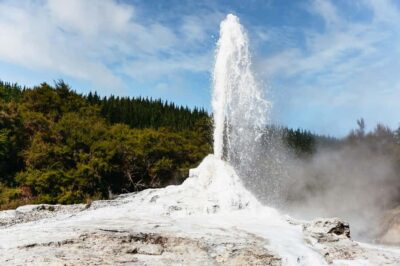
Rotorua: Wai-O-Tapu Geothermal Park Entry Ticket
Read our review →
Mitai Maori Village Cultural Experience in Rotorua
Read our review →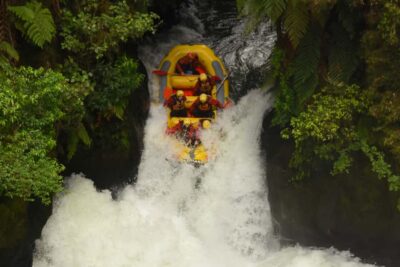
Rafting Rotorua: Kaituna River White Water Experience
Read our review →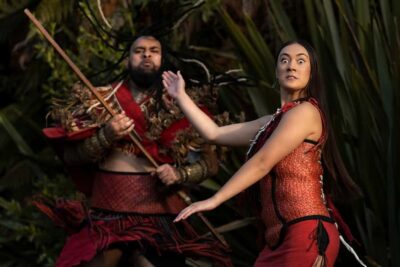
Rotorua: Te Pa Tu Māori Cultural Experience with Dinner
Read our review →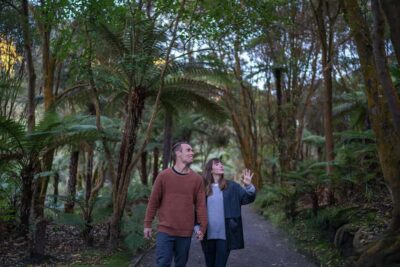
Rotorua: Hell’s Gate Outdoor Mud Spa & Guided Walk
Read our review →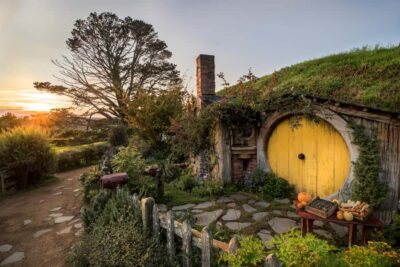
From Rotorua: Hobbiton Movie Set Tour with Festive Lunch
Read our review →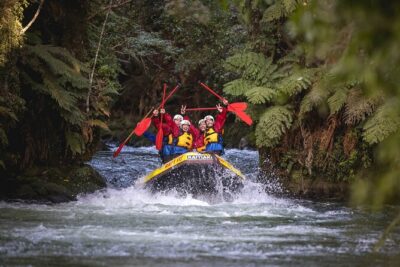
Rafting Rotorua Kaituna White Water Rafting | Kaitiaki Adventures
Read our review →
Rotorua: The National Kiwi Hatchery Kiwi Encounter Tour
Read our review →Browse the lists this tour appears in