
REVIEW · ROTORUA
Te Puia: Te Rā Guided Day Tour + Haka Cultural Performance
Rotorua’s Pōhutu Geyser is the star here. It erupts naturally at regular intervals, so you get the drama of boiling water and steam without a timed artificial trigger. The two-hour visit then adds a kiwi conservation centre, Māori carving and weaving, and a spirited performance inside a carved meeting house.
I like the way the tour joins geology with living Māori culture, rather than treating them as separate attractions. I also like the practical format: a 90-minute guided walk followed by a 30-minute performance, with time to continue looking around afterward. The main drawback is group size. A crowded walk can make it harder to hear, and children in one group were reported to have disrupted the experience.
Key points
- Pōhutu Geyser erupts naturally: You may see it more than once during your visit.
- A kiwi encounter is possible: The conservation centre houses three kiwi, but photography is not allowed.
- The guide adds meaning: Guides explain Māori traditions, family connections, ancestral stories and the geothermal setting.
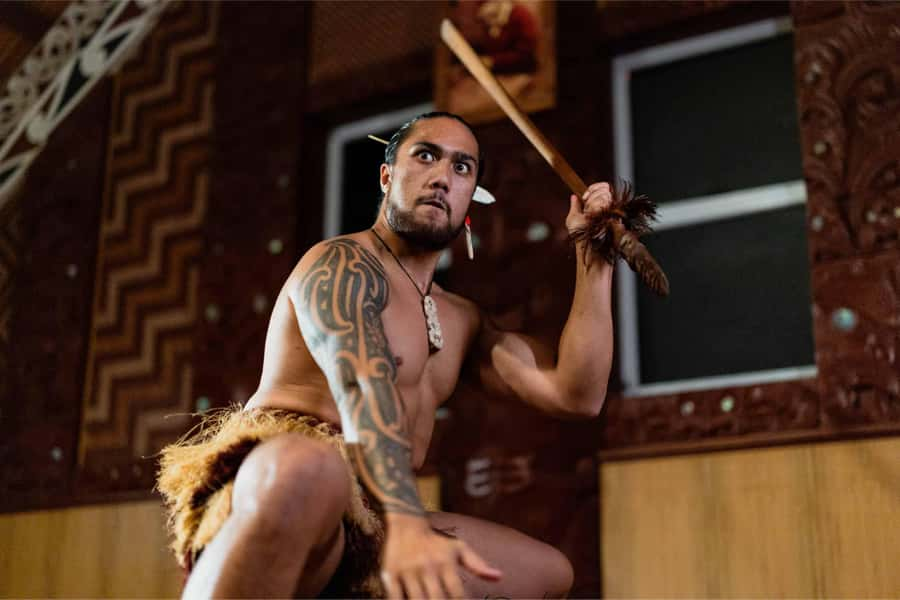
- The performance is a full cultural welcome: Expect a pōhiri, waiata, mōteatea, poi and haka.
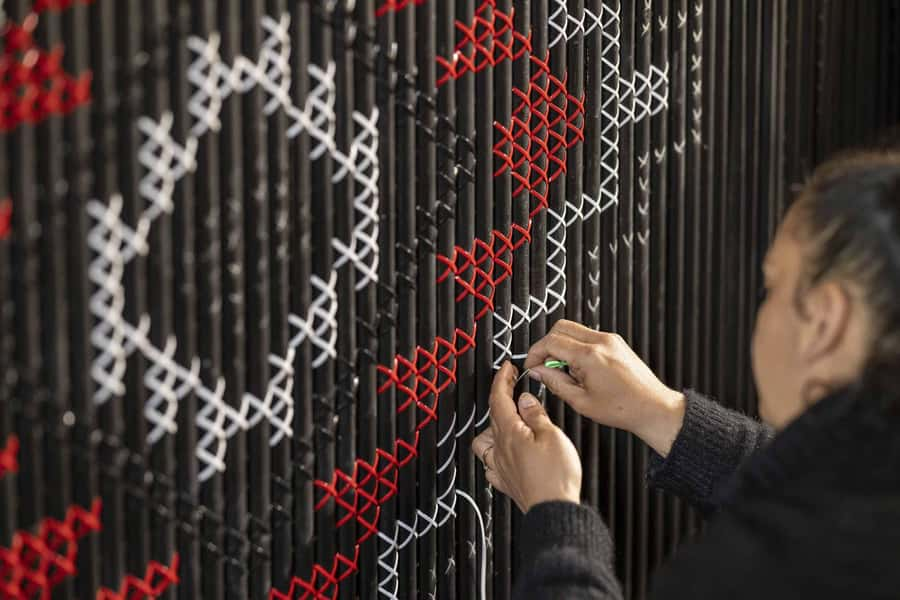
- Māori arts remain active here: You see carving and the work of the New Zealand Māori Arts and Crafts Institute.
- The $80 price covers the main experience: Guiding, the performance, geyser, kiwi centre and arts institute are included, but transport and food are not.
Why Te Puia works as a Rotorua introduction
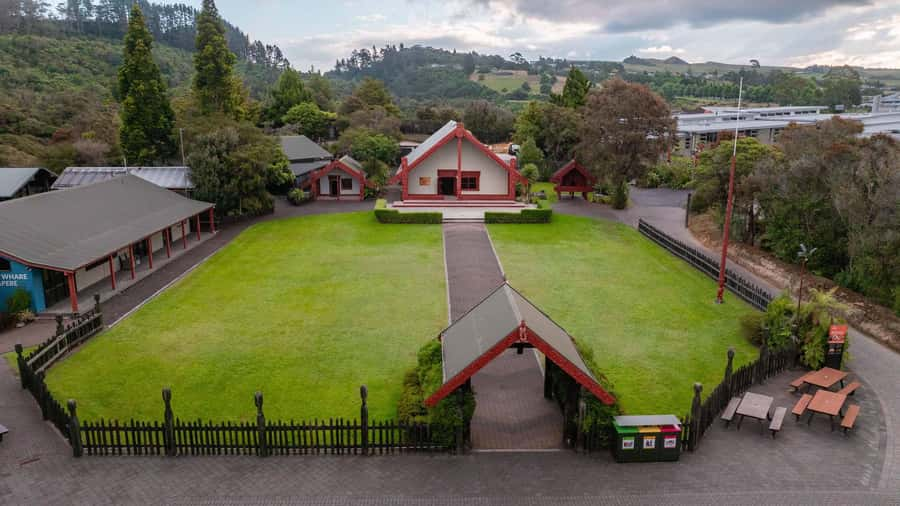
Te Puia gives you several classic Rotorua experiences in one compact visit. You see steam rising from the earth, watch for a kiwi in a conservation centre, learn about Māori arts, and sit down for a cultural performance. If you have only a short time in Rotorua, that mix is a strong reason to consider it.
The visit begins at the main entrance on Hemo Road. You check in there before joining an English-speaking kaiārahi, or guide, for the walking portion. The exact starting time varies, so check availability when booking and allow enough time to arrive before departure.
I like the balance between explanation and spectacle. The geothermal valley supplies the big visual moments, while the guide gives you the background needed to understand why the arts centre matters and how Māori traditions connect to place and family.
This is not simply a geyser stop with a dance show added at the end. The two parts support each other. The valley shows the power of the land, and the arts institute and performance show the continuing cultural life of the people who belong to it.
More Geothermal Parks and Geysers in Rotorua
- Rotorua Canopy Tours: 2.5Hour Native Forest Zipline Adventure
★ 5.0 · 4,563 reviews - Rotorua: Wai-O-Tapu Geothermal Park Entry Ticket
★ 4.6 · 2,601 reviews - Rotorua’s Ultimate Zipline: 6 ziplines, 400 m Tandem, Cliff Walk
★ 5.0 · 2,557 reviews
Walking through the geothermal valley
The guided walk lasts about 90 minutes. Wear comfortable shoes, since you will be on your feet and moving through an outdoor geothermal area. A hat, sunscreen and water are sensible, especially on a sunny day. Rotorua weather can change, so a light extra layer is also useful, though it is not listed as a requirement.
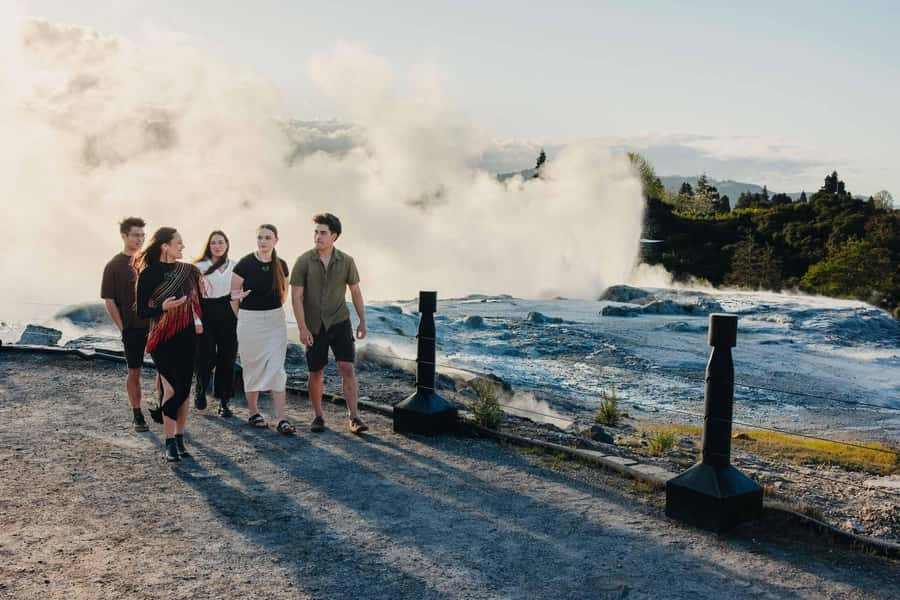
The major stop is Pōhutu Geyser. Steam, pools and mineral colors give the valley an otherworldly feel. One particularly useful detail is that Pōhutu erupts naturally and regularly. You are not waiting for a performance created by a machine or a chemical schedule, and you may have more than one chance to see it during your time at Te Puia.
That regular activity makes the visit less stressful. You do not need to build your entire morning around a single predicted eruption. If the geyser erupts while your group is elsewhere, you may be able to see it again later when you are exploring independently.
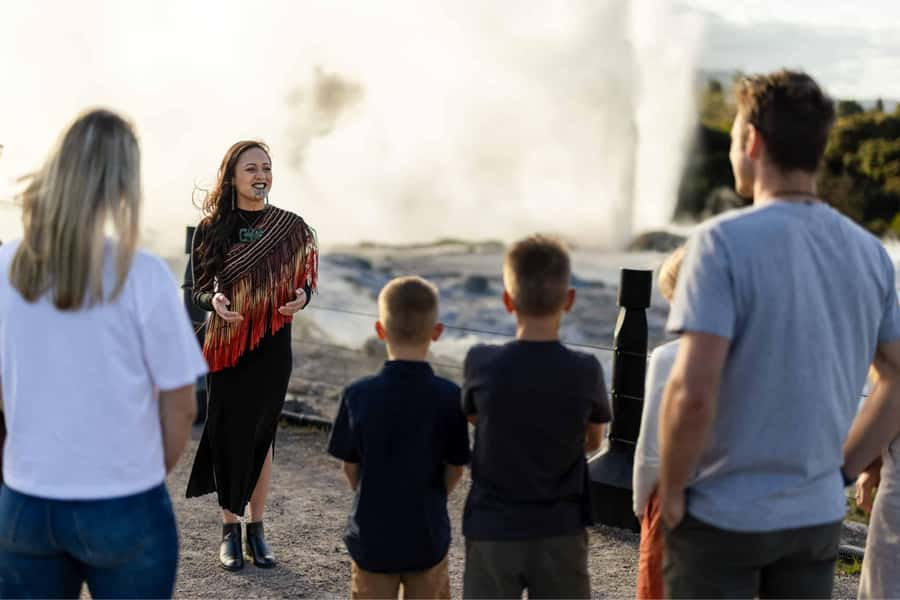
Your guide explains the geothermal features as part of the wider Māori connection to the area. This matters because the valley is not just scenery to photograph. The stories and traditions give the hot springs, geysers and land a human context.
Photography is allowed in much of the experience, but be respectful during cultural moments. The kiwi area is an important exception: you cannot photograph the birds. That rule protects the animals and also encourages you to watch carefully instead of viewing the encounter only through a phone screen.
The kiwi conservation centre
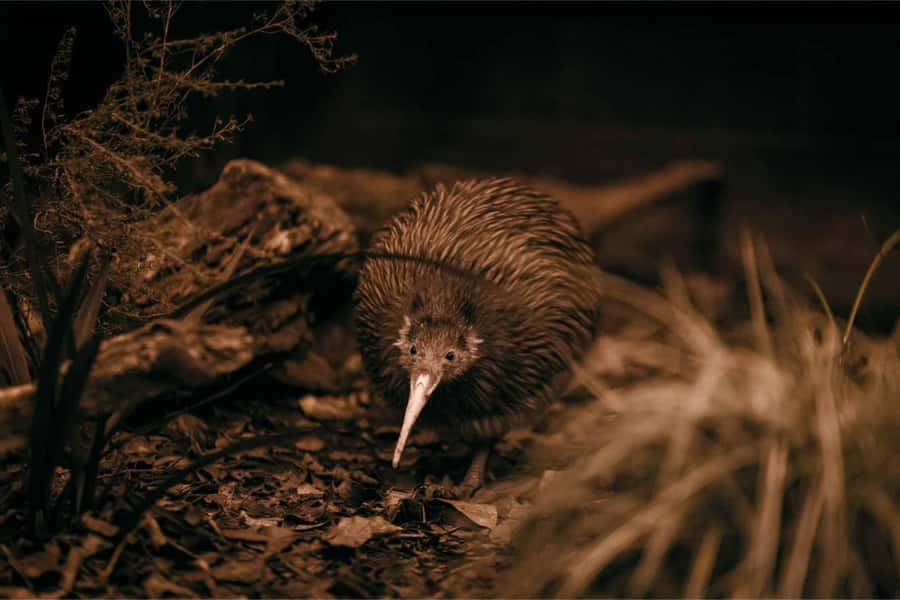
The kiwi conservation centre is one of the most memorable stops, especially if you have never seen New Zealand’s national bird. Three kiwi are kept in conservation care, and seeing one is not guaranteed in the same way as seeing a geyser. Still, the centre gives you a genuine chance to observe these unusual, nocturnal birds.
Do not expect a quick photo opportunity. Photography is not permitted, so you need to slow down and pay attention. That can be frustrating if you want a souvenir image, but it is the right trade-off for the birds.
The kiwi stop also changes the pace of the tour. After the open geothermal valley, you move into a place focused on careful conservation. I would give yourself a moment here rather than treating it as another item to tick off. A kiwi sighting can become the quiet highlight of a busy morning.
If seeing a kiwi is your main reason for booking, keep your expectations realistic. The centre is included, but the supplied information does not promise a sighting. The experience is strongest when you value the conservation setting as well as the possibility of seeing the bird.
Māori carving, weaving and the Arts and Crafts Institute
The New Zealand Māori Arts and Crafts Institute adds depth to the visit. You learn about Māori carving and other traditional skills, including work with wood and natural stone. This is not a decorative shop stop dressed up as culture. The institute is connected to the preservation and teaching of these practices.
One historical detail gives the place extra weight: the Māori school was established in the 1920s. Its continuing role helps explain why you see craft as a living practice, not only as an object from the past.
Your guide is important here. A good guide can point out what you are looking at, explain the meaning behind designs and connect the work to Māori identity. One guide named Jay was singled out for clear, engaging explanations, and other guides have been praised for speaking with pride about their families, colleagues and culture. Guide quality can vary from group to group, but the format gives you a chance to ask questions.
If you are interested in Māori art, do not rush this part. Look closely at the carving and ask questions when there is time. The institute is one of the places where the tour moves beyond a quick performance and lets you see skills being preserved through practice.
Same volcano country, a different day out:
- Rotorua Rafting: Kaituna River White Water Rafting & Free Sauna
★ 5.0 · 1,952 reviews - Mitai Maori Village Cultural Experience in Rotorua
★ 4.5 · 1,294 reviews - Rafting Rotorua: Kaituna River White Water Experience
★ 4.9 · 1,274 reviews - Rotorua: Te Pa Tu Māori Cultural Experience with Dinner
★ 4.8 · 1,193 reviews
The 30-minute performance in Te Aronui a Rua
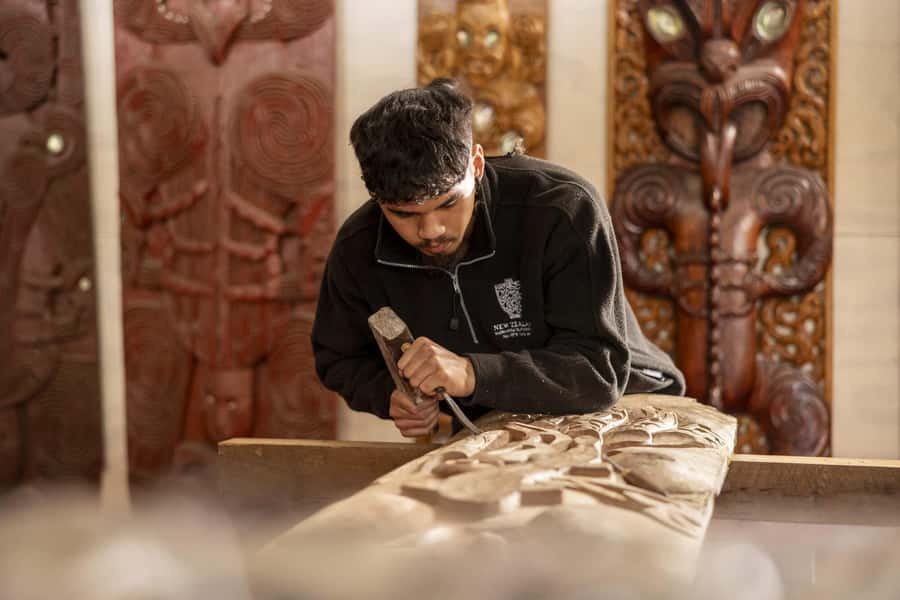
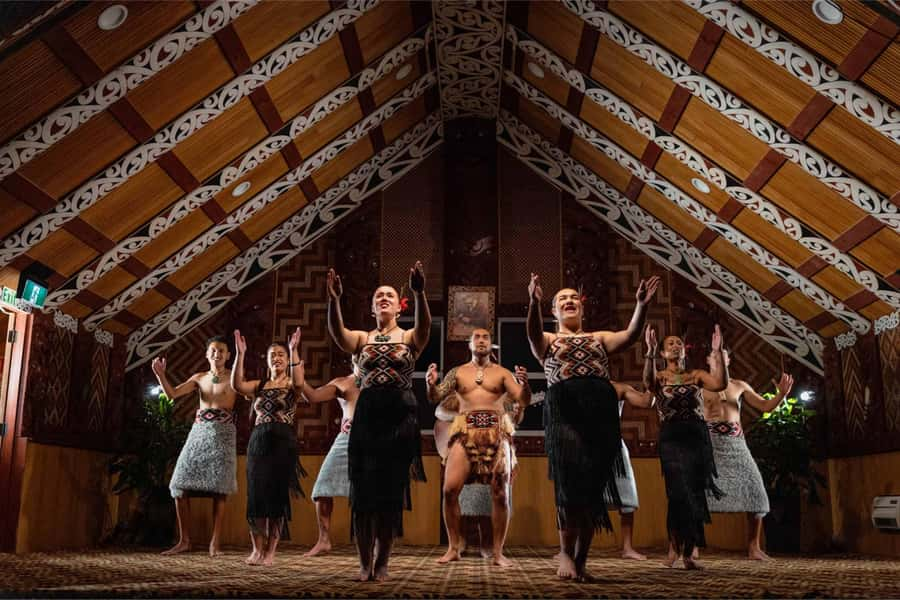
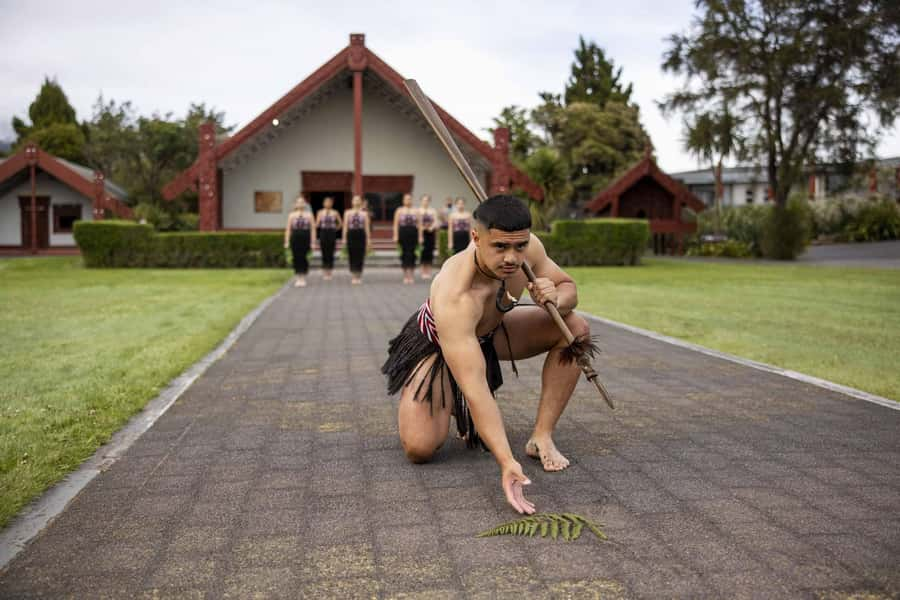
After the walking tour, you enter Te Aronui a Rua, a beautifully carved meeting house, for the cultural performance. The 30-minute program includes a pōhiri, or traditional welcome, waiata, mōteatea, poi and haka.
The pōhiri sets the tone. You are not simply taking seats for a stage show. You are being welcomed into a Māori cultural setting, and the customs around that welcome deserve attention and respect. Follow the instructions from staff and watch what is happening before reaching for your camera.
The waiata and mōteatea bring a different mood from the haka. The songs and traditional chant provide space for voice, rhythm and story, while the poi adds precise movement and visual pattern. The haka supplies the force many people expect, but it works best when you see it as part of a wider program rather than the entire point of the performance.
I would choose a seat with a clear view if you can. One part of the welcome can be blocked when a large family group gathers near the chief ceremony. That is a minor planning issue, but it can affect your experience, particularly if you are seated behind taller people or at an awkward angle.
The performance is often the emotional high point of the visit. It is direct, energetic and easy to follow even if you know little about Māori culture. The best approach is to enjoy the rhythm while also remembering that the ceremony has meaning beyond entertainment.
How the timing affects your day
The standard structure is simple:
- Check in at 20 Hemo Road.
- Join the 90-minute guided walk.
- Watch the 30-minute cultural performance.
- Return to the main Te Puia area.
That two-hour core makes this easy to fit into a Rotorua day. You can book it in the morning and continue elsewhere afterward, or use it as a focused afternoon visit.
Build in extra time if you want to explore at your own pace after the guided portion. The tour gives you an introduction, but the geyser, arts areas and other parts of Te Puia reward a slower look. One practical point is worth noting: a noon tour has finished after 2pm in at least one case, which can interfere with a planned hangi lunch. If you have a meal reservation, allow a generous margin.
Food and drinks are not included. Bring water, particularly in warm weather, and plan separately for lunch or snacks. Transport to and from Te Puia is also not included, so you need to make your own way to Hemo Road.
Is $80 good value?
At $80 per person, I consider this good value if you want several Rotorua highlights in one organized visit. The price includes the 90-minute guided walk, Pōhutu Geyser, the kiwi conservation centre, entry to the New Zealand Māori Arts and Crafts Institute and the cultural performance.
The value comes from the combination. A separate geothermal visit may give you more time among hot pools and volcanic features, while a standalone performance may give you more focus on Māori culture. Te Puia gives you both, plus arts and kiwi conservation, in two hours.
You are also paying for interpretation. Without a guide, you can see steam and carved buildings, but you will miss much of the meaning. The guide explains the Māori traditions, ancestral stories and working arts that turn a set of sights into a connected visit.
There are limits. The walking group may feel too large, and the experience can be less satisfying if you want a quiet, unhurried exploration. The performance is only 30 minutes, so you should not book this expecting an extended cultural program. You are buying a well-packed introduction.
Free cancellation is available up to 24 hours before the start for a full refund, and you can reserve now and pay later. Those policies make the booking less risky if your Rotorua plans are still moving around.
Group size, mobility and practical comfort
The outdoor walk is manageable for many people who are comfortable on their feet, but the supplied information gives conflicting accessibility advice. The activity is described as wheelchair accessible in one section, while another says it is not suitable for wheelchair users or people with mobility impairments.
Because of that conflict, contact Te Puia before booking if you use a wheelchair or have limited mobility. Do not assume the full route is suitable without confirmation. The geothermal valley may involve walking surfaces and distances that are difficult for some visitors.
Group size also matters. A large group can make it harder to hear the guide and easier to miss details around the geyser or carving areas. Families are welcome, but the tour may feel less calm when children are restless. If you prefer close contact with a guide and plenty of questions, ask about group arrangements before you pay.
Bring comfortable shoes, a hat, sunscreen and water. Smoking is not allowed. Photography is generally permitted, but cultural sensitivities apply, and kiwi photography is specifically not allowed.
Who should book Te Puia
I would recommend this to first-time Rotorua visitors who want a clear introduction without spending an entire day at one site. It is also a good fit for couples, families with older children and anyone who wants both geothermal sights and Māori culture in the same outing.
You will get the most from it if you enjoy guided interpretation. The strongest parts are not only the geyser and haka, but also the explanations about Māori arts, family, history and tradition.
I would hesitate if you dislike set group tours, need a very quiet visit or want a long, specialist look at geothermal science. A dedicated geothermal park may give you more volcanic features, while a longer cultural program may offer more time for performance and discussion.
Should you book the Te Rā Guided Day Tour and Haka?
Book it if you want a compact, well-rounded Rotorua experience with three reliable draws: natural geothermal activity, Māori arts and a cultural performance. The regular eruptions of Pōhutu Geyser reduce the pressure of perfect timing, and the kiwi centre adds a chance to see a bird that is difficult to encounter elsewhere.
The performance is the deciding factor for many people. If a pōhiri, waiata, poi and haka appeal to you, the $80 price is reasonable because the program also includes the guided valley walk and arts institute.
Choose another option if mobility is a concern unless Te Puia confirms the route is suitable for you. Also check your meal plans around a midday start. For most first visits to Rotorua, though, this is an efficient and meaningful way to meet the region’s geothermal power and Māori culture in one place.
FAQ
How long does the Te Puia experience last?
The experience lasts two hours. It includes a 90-minute guided walk and a 30-minute Māori cultural performance.
Where does the tour begin and end?
You check in at the main entrance of Te Puia, 20 Hemo Road, Rotorua. The experience returns to the same location.
What is included in the $80 price?
The price includes the guided walk, cultural performance, visit to Pōhutu Geyser, access to the Kiwi Conservation Centre and entry to the New Zealand Māori Arts and Crafts Institute.
Is food or transportation included?
No. Food and drinks are not included, and you must arrange your own transportation to and from Te Puia.
Can I take photographs?
Photography is allowed, but you should respect cultural sensitivities. Photography of the kiwi is not allowed.
Is the tour wheelchair accessible?
The supplied activity information gives conflicting details. One section describes it as wheelchair accessible, while another says it is not suitable for wheelchair users or people with mobility impairments. Contact Te Puia directly to confirm the current route and access arrangements before booking.
Just added around Rotorua
- Te Puia: Tuku Iho Trail with Cultural Show★ 5.0 · 5 reviews
- Te Puia: Te Pō Indigenous Combo – Tour, Dinner + Haka★ 4.4 · 52 reviews
- Rotorua: White Island, Mount Tarawera & Waimangu Volcanic …★ 4.4 · 5 reviews
- Rotorua: Velocity Valley – One Ride Pass★ 4.9 · 15 reviews
- Rotorua: Wai Ariki Hot Springs & Spa 1hr Restorative Bathing★ 4.8 · 16 reviews
- Rotorua: Waimangu Volcanic Valley Ticket & Self-Guided Walk★ 4.8 · 104 reviews
- Rotorua: Velocity Valley – Two Ride Pass★ 4.6 · 8 reviews
- Rotorua: Waimangu Valley Walk and Steaming Cliffs Kayak Tour★ 4.7 · 6 reviews
Rotorua Volcano Tours, compared.
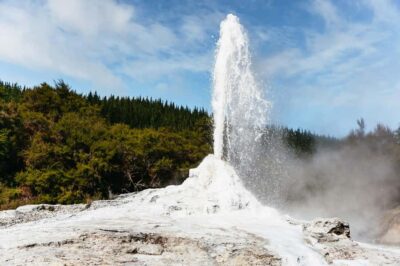
Rotorua: Wai-O-Tapu Geothermal Park Entry Ticket
Read our review →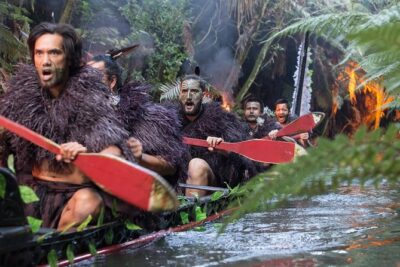
Mitai Maori Village Cultural Experience in Rotorua
Read our review →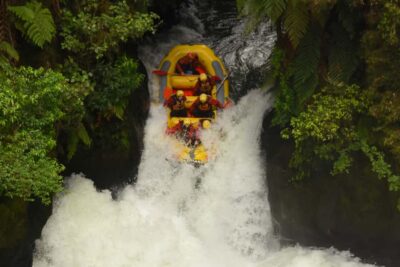
Rafting Rotorua: Kaituna River White Water Experience
Read our review →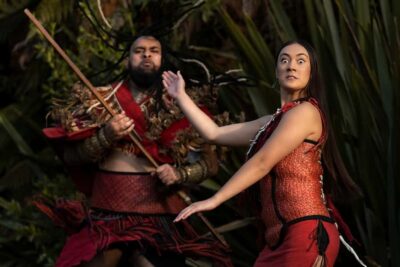
Rotorua: Te Pa Tu Māori Cultural Experience with Dinner
Read our review →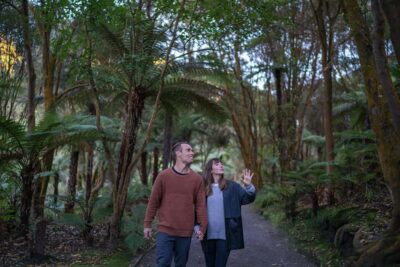
Rotorua: Hell’s Gate Outdoor Mud Spa & Guided Walk
Read our review →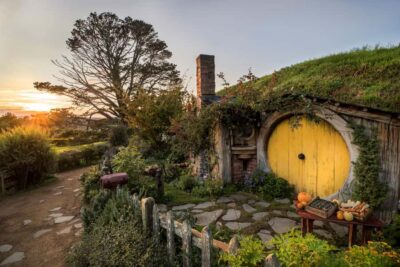
From Rotorua: Hobbiton Movie Set Tour with Festive Lunch
Read our review →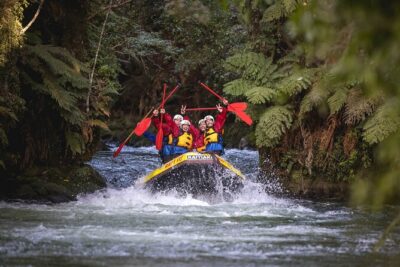
Rafting Rotorua Kaituna White Water Rafting | Kaitiaki Adventures
Read our review →
Rotorua: The National Kiwi Hatchery Kiwi Encounter Tour
Read our review →Browse the lists this tour appears in