
REVIEW · SAN PEDRO DE ATACAMA
San Pedro de Atacama: Volcano Downhill Bike Tour
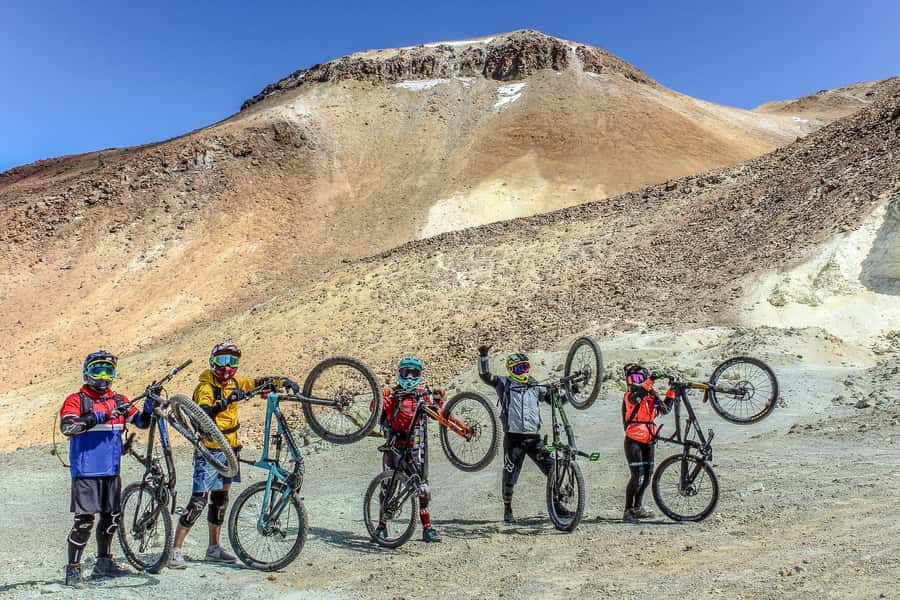
Cerro Toco gives you a rare kind of mountain-bike day: you drive almost to the top of a high Andes volcano, then spend hours riding down through dirt, rock, and firm packed ground. At roughly 17,000 feet, the altitude is the main event before the first pedal stroke.
I like the 15-mile descent and the fact that you are not left to manage it alone. Guides Gary, also listed as Gari, and Sti adjust the bikes, explain the route, carry first-aid support, and keep checking how you feel. I also like the small touches: breakfast and a hot drink near Licancabur, snacks and water on the ride, and photos afterward.
The main caution is the altitude. You may be an experienced cyclist and still feel the thin air. Weather can also move the start time or change the plan, so this is not the best activity for a tightly packed morning schedule.
Key points to know before booking
- Start high, then ride down: The route begins near the top of Cerro Toco at about 17,000 feet and finishes far lower.
- The ride covers 15 miles: Expect roughly five hours for the mountain-bike portion, including stops and support.
- Beginner-friendly terrain, serious altitude: The trail is described as technically easy, around S0/S1, but your body still needs to cope with extreme elevation.
- Volcano views are constant companions: Licancabur and several other Andean peaks frame the route.
- Professional support is included: You get a mountain bike, helmet, gloves, guards, water, snacks, a support vehicle, and first-aid help.
- Weather controls the day: Pickup time may shift because of wind and mountain conditions.
Cerro Toco turns a drive into a long downhill ride
San Pedro de Atacama sits in one of the driest parts of Chile, but this trip quickly leaves the town behind. Your pickup is at Casa Quitor, with hotel pickup in San Pedro included. The drive toward the Paso Jama route takes about 30 minutes, followed by a stop and another 30-minute drive toward Cerro Toco.
That road time matters. You are not pedaling uphill for hours in thin air. Instead, the vehicle takes you high into the Andes, where you prepare for a long descent. The tradeoff is a very early start and a morning shaped by weather reports. The exact pickup time is set according to conditions in the mountain range, not simply by a fixed timetable.
The tour lasts about six hours in all, but the mountain-bike section takes about five hours. That does not mean five hours of nonstop speed. You will stop for photos, food, water, breathers, and trail guidance. The pace is meant to let you enjoy the setting, not merely race to the bottom.
A few more volcano tours around Chile worth a look
- Haleakala Sunrise Best Self-Guided Bike Tour
★ 4.5 · 745 reviews - Big Island: Fat Tire E-Bike Tour through Volcanoes National Park
★ 5.0 · 546 reviews - Ubud: Downhill Cycling with Volcano, Rice Terraces and Meal
★ 5.0 · 536 reviews
A quiet viewpoint near Licancabur
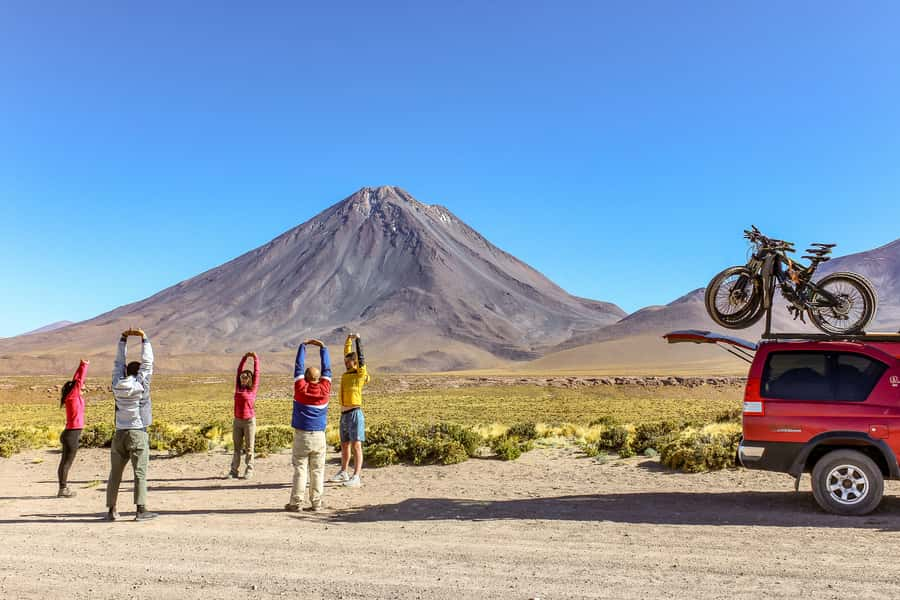
The first notable stop is a viewpoint near Licancabur Volcano, at about 12,800 feet. It is a useful pause before reaching the higher starting point, especially because it gives you time to notice how your body reacts to the altitude.
You get a light breakfast and a hot drink after a 15-minute warm-up activity. That may sound modest, but hot food and a warm drink are welcome in a cold high-altitude morning. The stop also gives you a chance to take photos before the ride begins in earnest.
Licancabur is the visual anchor of the day. During the descent, you can look to one side for the volcano and to the other for a line of lesser-known peaks. The view is not an occasional reward at the end of a trail. It is part of the ride, and the open setting makes the route feel unusually remote.
The practical point is to use this stop well. Eat something, sip the drink, and pay attention to symptoms such as headache, nausea, dizziness, or unusual shortness of breath. The guides are there to monitor your condition, but you need to speak up early.
Reaching the 17,000-foot starting point
From the viewpoint, the vehicle continues toward Cerro Toco. The high point is listed at around 17,000 feet, or roughly 5,200 meters. One description of the ride places the upper altitude at about 5,300 meters, so expect very high elevation by any measure.
At the top, the guides give you a safety briefing and fit you with the equipment. The bike is adjusted to your height and needs, which is important on rough ground. You receive a helmet, gloves, elbow and forearm guards, and knee and shin guards. The equipment list also mentions an integral helmet in the supplied details, so ask the guide exactly which helmet style will be provided on your date.
This is where the trip separates itself from a casual bike outing near town. The route may be technically simple, but the setting is demanding. A rider with only about a year of mountain-bike experience completed the route comfortably, and the trail was described as S0/S1, the easiest end of common mountain-bike grading. Still, easy riding skills do not remove the need for care at altitude.
Take the safety briefing seriously. Listen to how the guides want you to control speed, handle loose rocks, and regroup. If you feel weak or lightheaded, say so. A downhill ride is only fun when you have enough energy and focus to steer.
Fifteen miles through dirt, rock, and firm trail
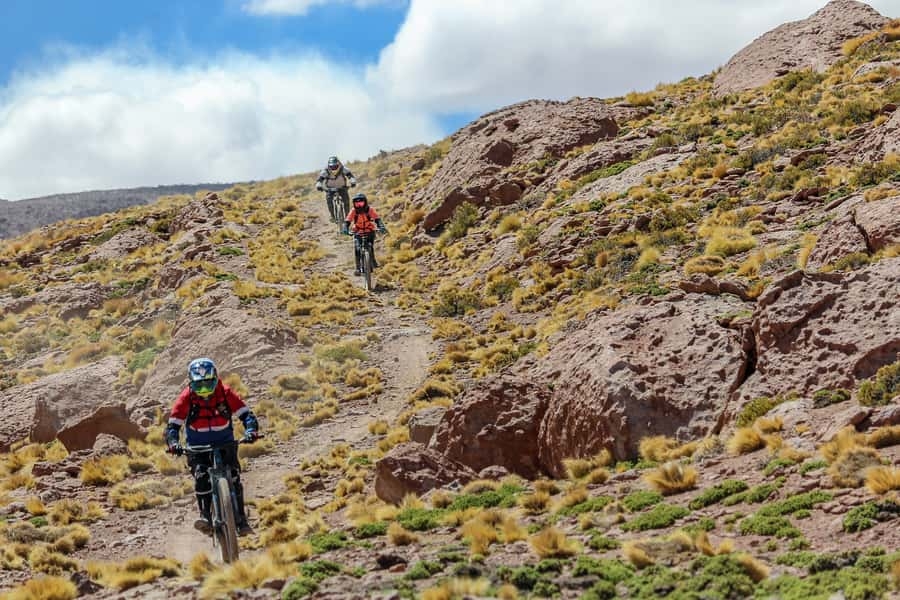
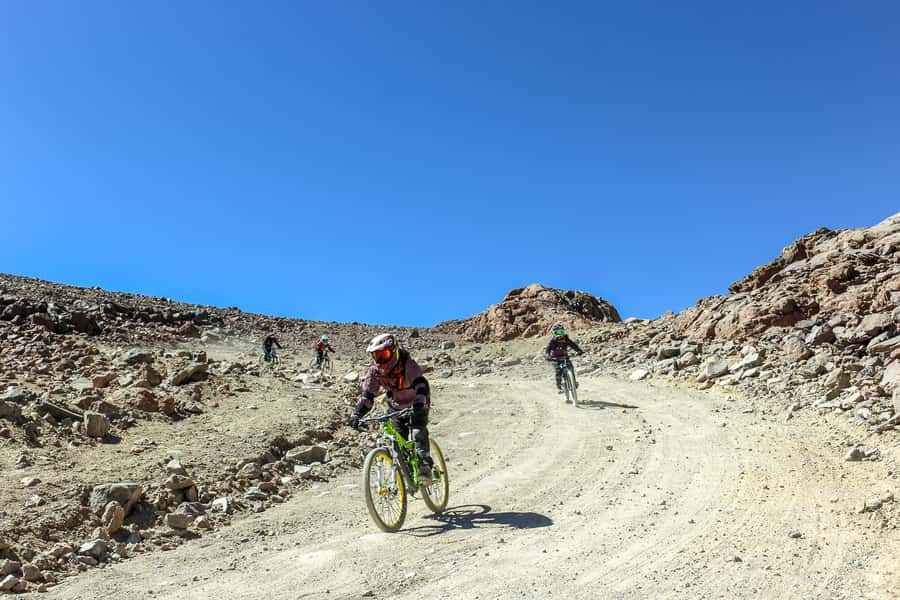
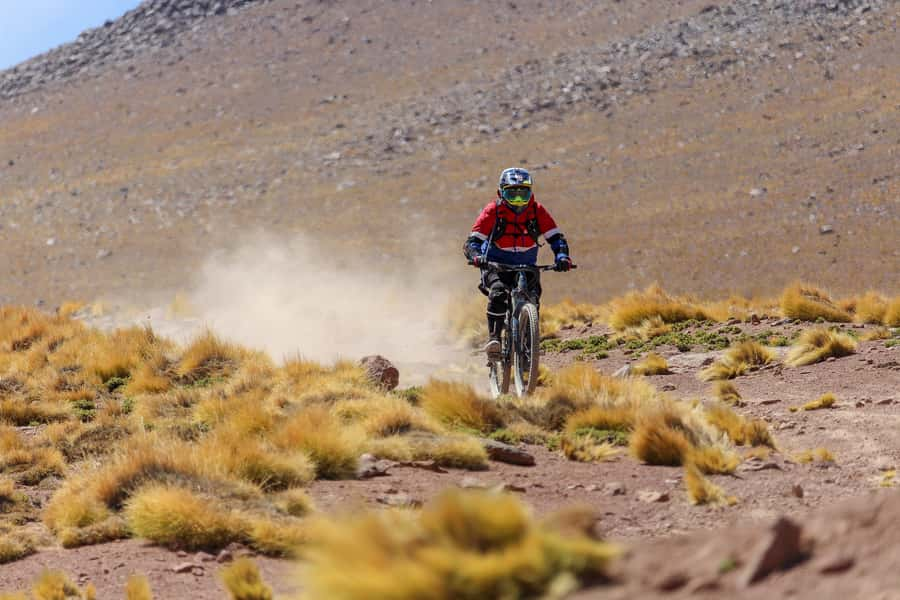
Once your bike is ready, the route heads downhill for about 15 miles. The surface changes as you go, with dirt, rocks, and compact ground forming the main mix. You are accompanied by the guides throughout, and a support vehicle carries first-aid equipment and provides technical help.
The route is not described as a highly technical downhill course. That is good news for a fit beginner who wants a big adventure without advanced jumps or difficult maneuvers. You still need basic bike control, comfort with uneven ground, and the ability to brake and steer for a long period.
I would expect the ride to feel different in sections. Dirt and compact trail can let you settle into a steady rhythm, while rocky patches demand slower handling and more attention. Do not chase speed just because the road points down. At this altitude, your judgment and reaction time matter more than your top speed.
Breaks are available when you need them. Use them. You can catch your breath, drink water, look across the peaks, and let the group come together. The scenery is one of the strongest reasons to book this trip, so stopping is not wasted time.
The support vehicle is another meaningful part of the package. A remote ride at this elevation would feel very different without first-aid and technical backup. It does not make the ride risk-free, but it gives you a proper support structure rather than leaving you to deal with a problem on your own.
Same volcano country, a different day out:
- San Pedro de Atacama: El Tatio Geysers Tour
★ 4.7 · 943 reviews - From Santiago: Cajón del Maipo and Volcán San José Hike 8K
★ 4.9 · 418 reviews - Pucón: Villarrica Volcano Climb
★ 4.8 · 191 reviews - From San Pedro de Atacama: El Tatio Geyser Field & Wetlands
★ 4.5 · 141 reviews
The guides make the high altitude manageable
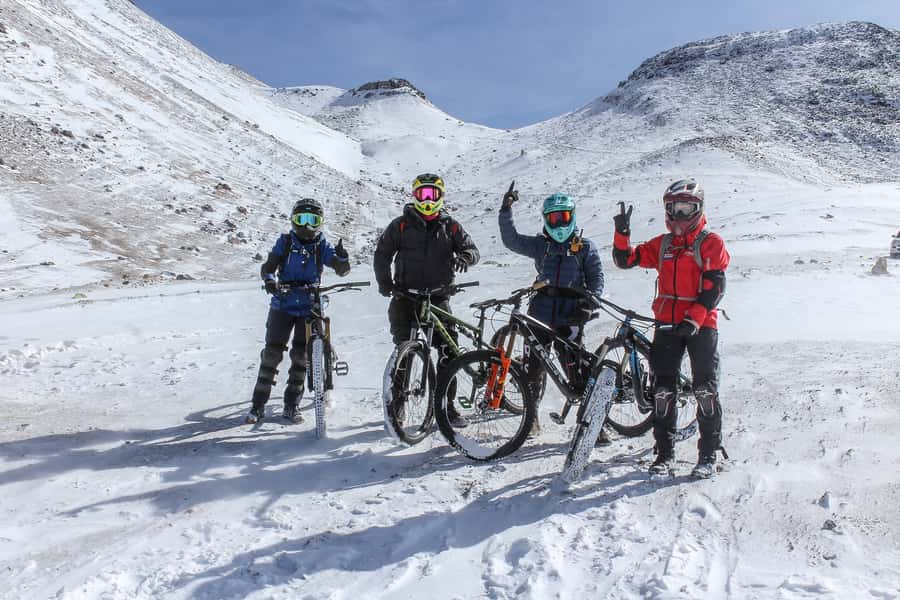
The guide team is one of the most important parts of this outing. Gary, also written as Gari in one account, and Sti are identified as guides for the ride. They speak English and Spanish, and the guiding includes both trail support and information about local culture.
The best guide behavior here is practical. You want the bike fitted correctly, a clear explanation of the terrain, regular checks on how you are feeling, and help if the bike needs attention. That is especially important because 5,200 meters can affect people in ways that are hard to predict.
The guides are also your link to the place beyond the handlebars. You get the volcano views and broad Andean scenery, but local information can make the drive and rest stops more meaningful. This is not a long cultural tour, so do not book it mainly for history or town sightseeing. Book it for the mountain setting, with local context added along the way.
The tour is offered as a private group, which can make the ride feel more personal than a large mixed excursion. It also means the cost deserves a close look. A solo booking may feel expensive, especially since one rider reported paying the equivalent of double the expected price when traveling alone. Confirm the final rate and group arrangement before you commit.
What the $250 price really covers
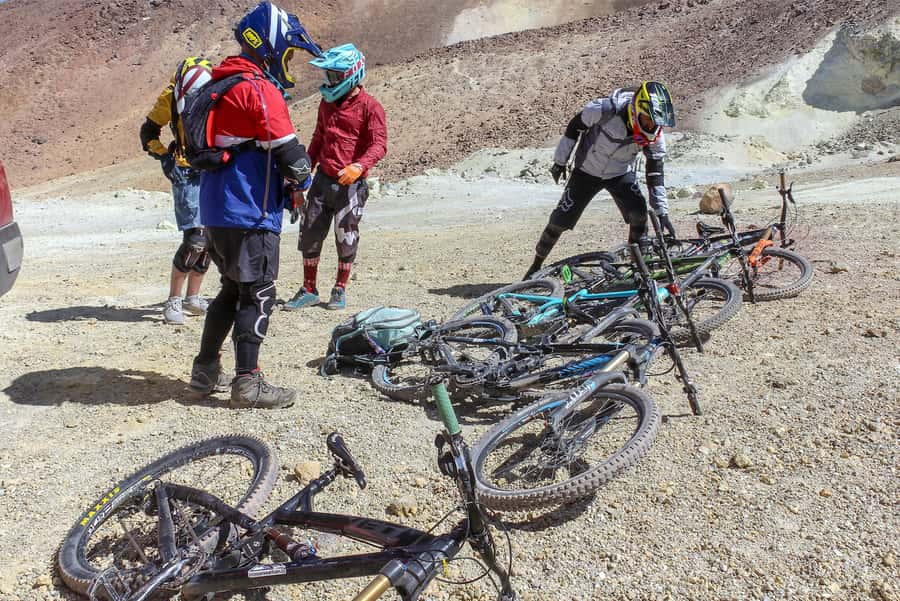
At $250 per person, this is not a cheap way to rent a bicycle. You are paying for far more than the bike itself: round-trip transportation from San Pedro, English- and Spanish-speaking guides, safety equipment, a professional support vehicle, first-aid capability, snacks, water, breakfast, a hot drink, and HD photos.
The price makes more sense if you want a carefully supported day at an extreme elevation. Renting a bike independently would not provide the same transport, gear, route support, or safety backup. You would also need to arrange your own access to the mountain and manage the logistics of a long descent.
The value is weaker if you are mainly looking for a short bike ride or a low-cost way to see the volcanoes. The drive, weather uncertainty, and high-altitude preparation are part of the deal. You are paying for a specialized adventure, not a flexible afternoon activity.
The photos add some value, especially because it can be hard to take good pictures while riding and managing gear. They are promised as part of the outing, but delivery may not be immediate. One rider was still waiting for the photo email three days after the tour, so do not plan around receiving them right away.
Weather can change the schedule
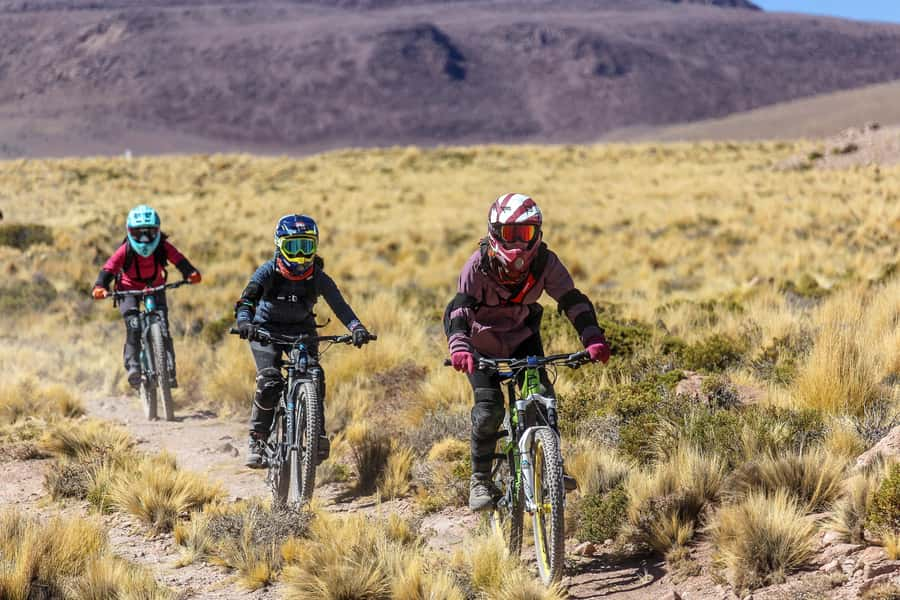
Mountain conditions control this trip. Wind is the main concern mentioned in the supplied information, and the operator may shift pickup times after checking the forecast. One departure moved from 7:30 to 8:00 and then to 9:00 the evening before because of a wind forecast.
That kind of change can be frustrating, especially if you have dinner plans, another tour, or a bus to catch. The forecast may also look different in your weather app than it does for the specific mountain route. Keep the surrounding morning open and avoid placing an important connection immediately afterward.
The upside is that a weather-based adjustment is sensible at this elevation. Strong wind and exposed high-mountain terrain are not minor inconveniences. I would rather see the operator move the start than push ahead with a bad forecast.
The activity includes free cancellation up to 24 hours before departure for a full refund, and you can reserve now and pay later. Those terms help, but they do not remove the need to keep your itinerary flexible on the day itself.
Who should book this ride
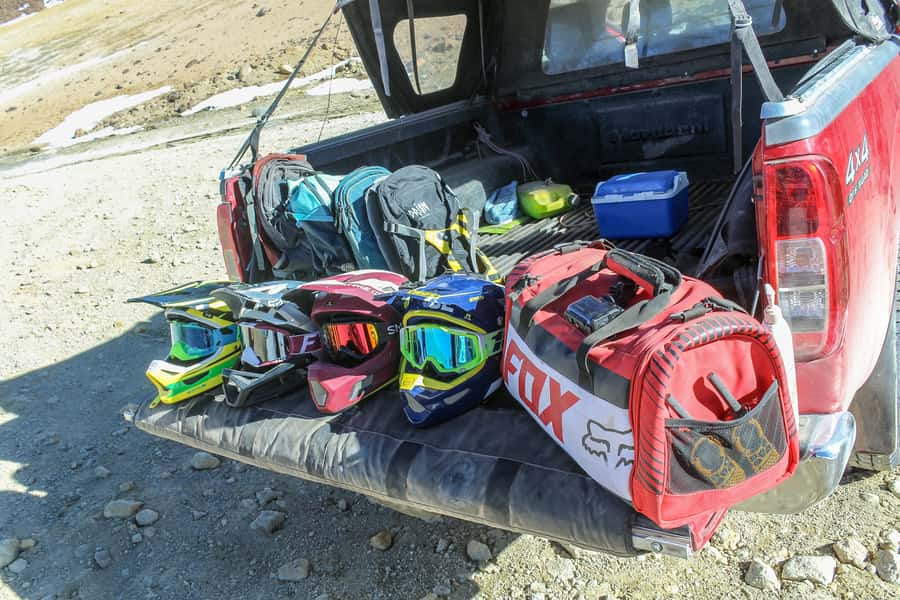
You are a good fit if you are in generally good health, comfortable on a mountain bike, and excited by a long downhill route rather than a gentle scenic cycle. You do not need advanced downhill skills. The relatively easy trail grading makes this accessible to a rider with limited mountain-bike experience, provided you can manage uneven ground and a five-hour outdoor outing.
You should be cautious if you have never spent time at high altitude. The guides prepare you, but preparation is not the same as acclimatization. People with impaired mobility should not book this activity, and children under 12 are not permitted.
Your first days in San Pedro also matter. If you have just arrived from sea level, you may find the height harder than expected. The activity information does not set an acclimatization requirement, so you should judge your own condition honestly and discuss concerns with the operator before departure.
This is also best for people who can accept a little uncertainty. The tour may start later, and you may spend part of the day waiting for your body or the group to settle. If you need a clockwork schedule, choose a simpler activity.
Small practical details that improve the day
Wear clothing that can handle cold at the top and warmer conditions lower down. The supplied details confirm breakfast, snacks, and water, but you should still follow the operator’s instructions about personal needs.
Use the first viewpoint as a health check, not only a photo stop. If the altitude feels wrong there, tell the guide before reaching the highest point. It is easier to adjust the plan early than after the downhill ride has begun.
Expect the bike portion to be active for several hours. Even a mostly downhill route uses your hands, arms, legs, and core as you steer and brake. The trail may be technically easy, but fatigue can make simple terrain less simple.
Ask about the photo delivery process before you leave San Pedro. HD pictures are included, but the delivery may take time. Also confirm the pickup time the evening before, since weather changes can lead to late updates.
Should you book the Cerro Toco bike tour?
Book it if you want a high-altitude adventure that feels unusual even by San Pedro standards. The combination of a 15-mile descent, volcanic views, professional equipment, support vehicle, and bilingual guides gives you a strong package for the price. The route can suit a relative beginner, but you need a sound body and a sensible attitude toward altitude.
Skip it if you dislike schedule changes, struggle with rough trails, or want a relaxed sightseeing morning. The ride is not difficult mainly because of technical biking. It is demanding because you begin near 17,000 feet and spend much of the day exposed to mountain conditions.
For the right rider, this is one of the more memorable ways to see the Andes around San Pedro. Just leave room in your schedule, listen to the guides, and treat the altitude with respect.
FAQ
How long does the Cerro Toco downhill bike tour last?
The full activity lasts about six hours, including transportation, stops, preparation, and riding. The mountain-bike portion takes about five hours.
How far do you ride?
You ride about 15 miles downhill from the high slopes of Cerro Toco.
What altitude does the ride begin at?
The starting point is around 17,000 feet, or approximately 5,200 meters. One supplied description gives the upper point as about 5,300 meters.
Is the ride suitable for beginners?
The trail is described as technically easy, around S0/S1, and can suit a relative beginner with some mountain-bike experience. You still need to be in good health and able to handle a long ride at high altitude.
What equipment is included?
The tour includes a professional mountain bike, helmet, gloves, elbow and forearm guards, knee and shin guards, a backpack with snacks and water, and support from a vehicle carrying first-aid equipment.
Is hotel pickup included?
Yes. Pickup is included from hotels in San Pedro de Atacama, with the listed pickup location at Casa Quitor.
What happens if the weather is poor?
The activity depends on weather conditions in the Andes. The operator may change the pickup time or schedule because of wind and other mountain conditions. You can cancel up to 24 hours in advance for a full refund.
Just added around Chile
- Tatio Geysers Tour: San Pedro de Atacama★ 5.0 · 5 reviews
- San Pedro de Atacama: Saver Pack Tatio Geysers + Moon Valley★ 4.5 · 15 reviews
- San Pedro de Atacama: Geysers del Tatio★ 4.8 · 9 reviews
- San Pedro de Atacama: Tatio Geysers and Machuca Tour★ 4.6 · 6 reviews
- San Pedro de Atacama: Láscar Volcano Summit Hiking Day Trip★ 4.5 · 8 reviews
- San Pedro de Atacama: El Tatio Geysers & Machuca Lagoon Trip★ 4.8 · 4 reviews
- San Pedro de Atacama: El Tatio Geyser Field and Wetlands★ 5.0 · 7 reviews
- Puerto Varas: Osorno Volcano, Petrohue Falls Full-day Trip★ 4.9 · 5 reviews
San Pedro de Atacama Volcano Tours, compared.
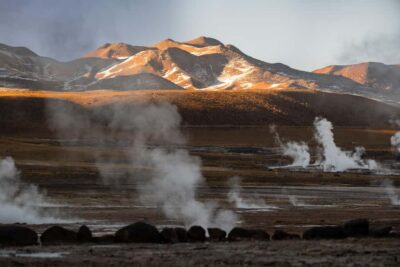
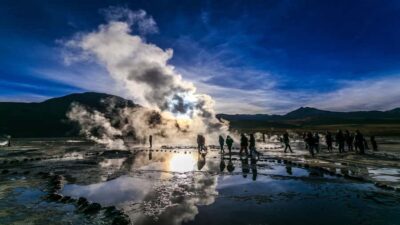
From San Pedro de Atacama: El Tatio Geyser Field & Wetlands
Read our review →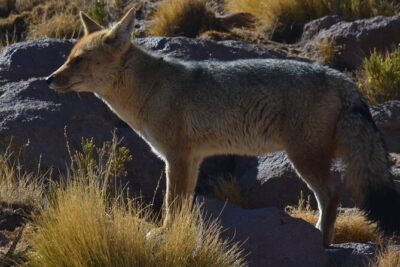
Full Day Tour to Geyser del Tatio, Vado Putana and Machuca
Read our review →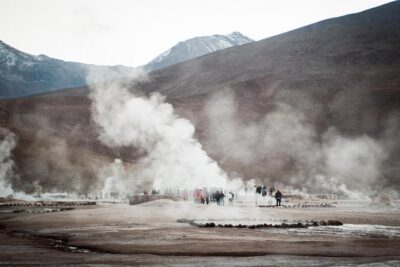
El Tatio Geysers Tour from San Pedro de Atacama
Read our review →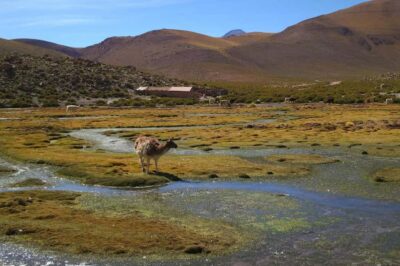
From San Pedro de Atacama: Geysers del Tatio Half-Day Tour
Read our review →
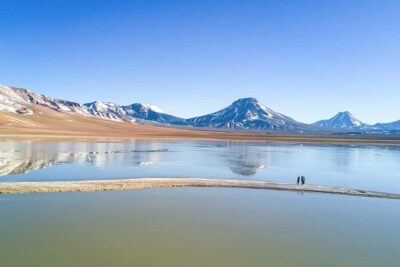
San Pedro de Atacama: Láscar Volcano Summit Hiking Day Trip
Read our review →
San Pedro de Atacama: El Tatio Geyser Field and Wetlands
Read our review →Browse the lists this tour appears in