
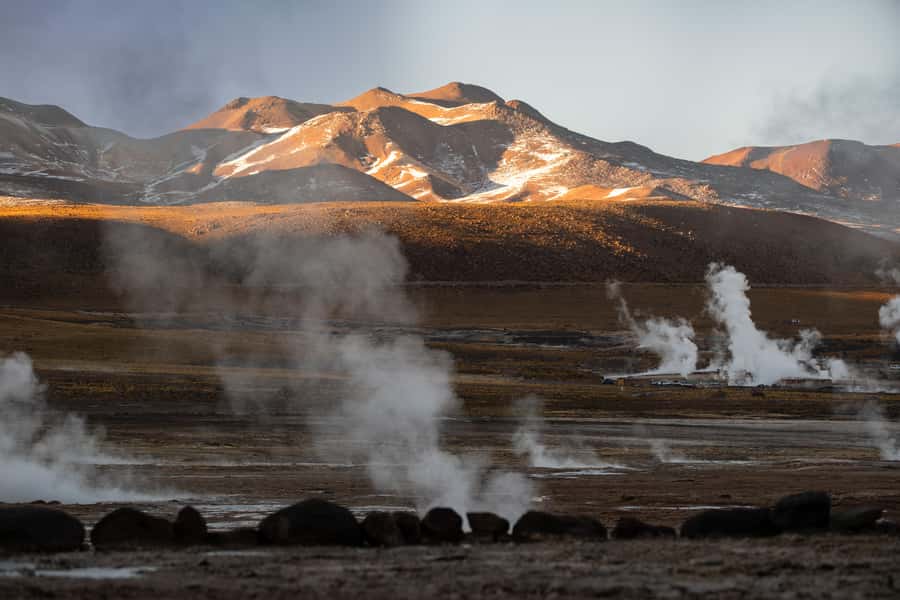
REVIEW · SAN PEDRO DE ATACAMA
San Pedro de Atacama: El Tatio Geysers Tour
El Tatio is at its most dramatic before breakfast, when sunrise turns the geyser steam gold and the high desert is still bitterly cold. At 4,200 meters above sea level, this is not a gentle morning outing, but the reward is a rare mix of volcanic power, open mountain scenery, flamingos, and wild vicuña.
I like two things in particular: the early arrival gives you the best light and cooler air for the geysers, and the cooked breakfast is served after the main viewing, when you are ready for something hot. The route back through Putana Valley adds wildlife and local scenery instead of sending you straight to town.
The tradeoff is real: pickup begins between 4:30 and 5:10 AM, and temperatures can fall to minus 10 Celsius or below. The altitude can also cause dizziness or sickness, so you should spend time at lower elevations first and take the warnings seriously.
Key points to know before booking
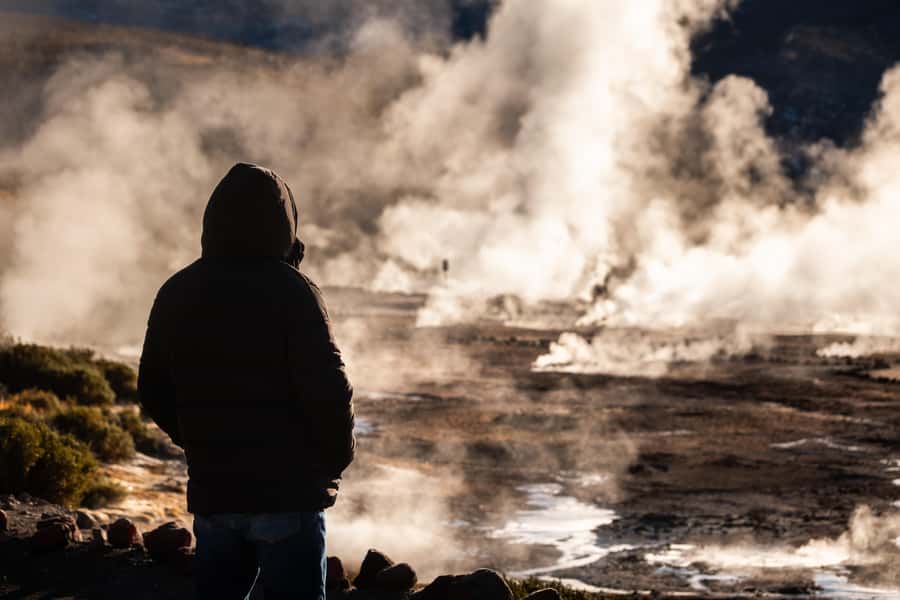
- Sunrise at 4,200 meters: See steam columns change color as the sun rises behind the mountains.
- Around 80 geysers: Walk among different geothermal formations inside the El Tatio area.
- Breakfast with mountain views: Eat bread, cheese, ham, scrambled eggs, jam, coffee, chocolate, and milk after the coldest part of the morning.
- Wildlife in Putana Valley: Look for flamingos, vicuña, and other high-altitude flora and fauna.
- Hotel pickup included: Pickup applies to hotels in the urban area of San Pedro de Atacama, not remote ayllus or Toconao.
- Extra entrance charge: The 15,000 Chilean peso admission fee must be paid in cash in advance at the agency.
Why the pre-dawn start is worth it
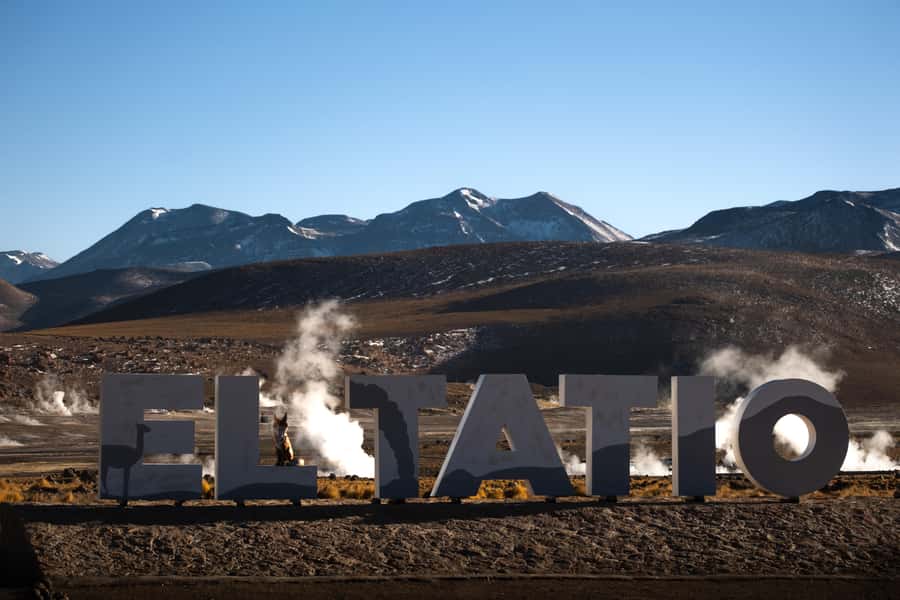
The early departure is not just a scheduling nuisance. It is the reason you see El Tatio at its most active and photogenic time.
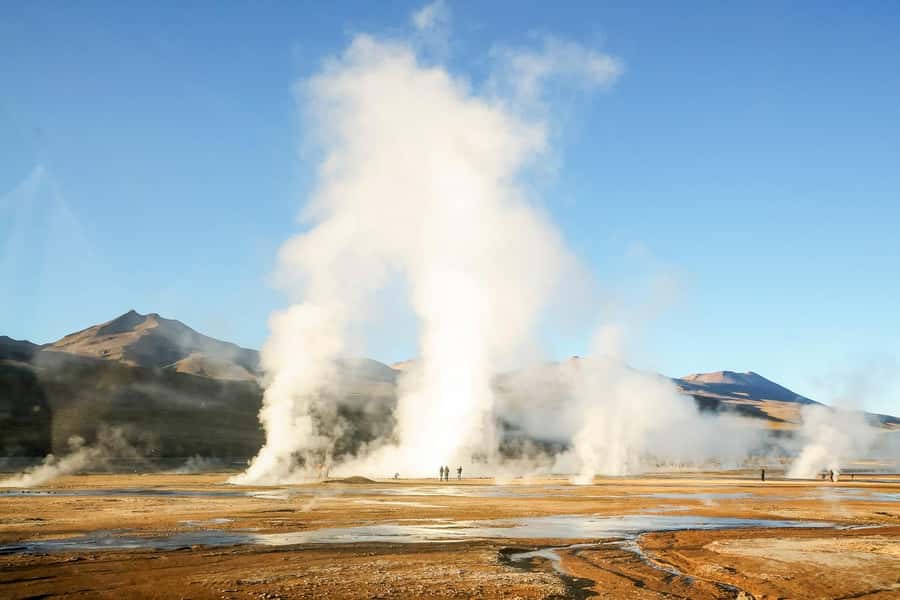
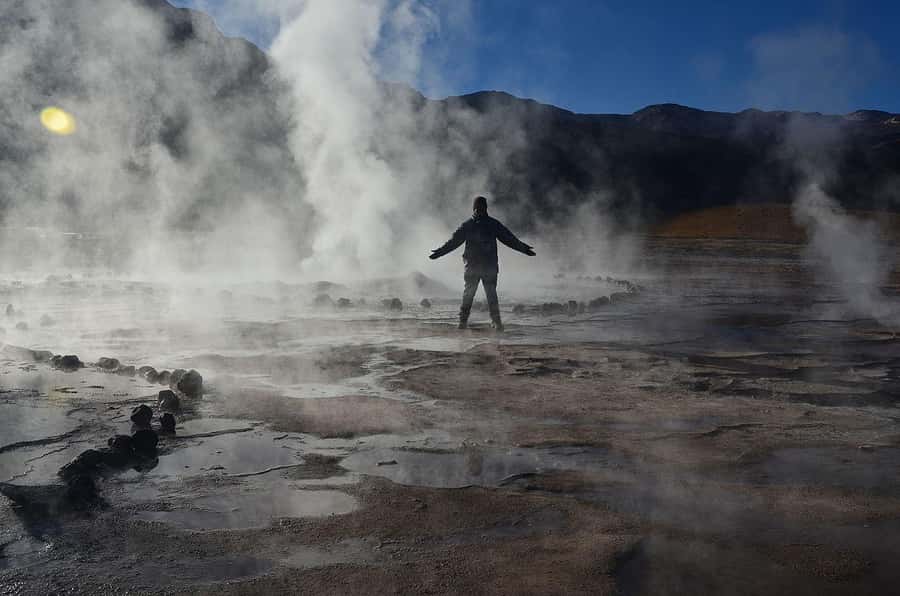
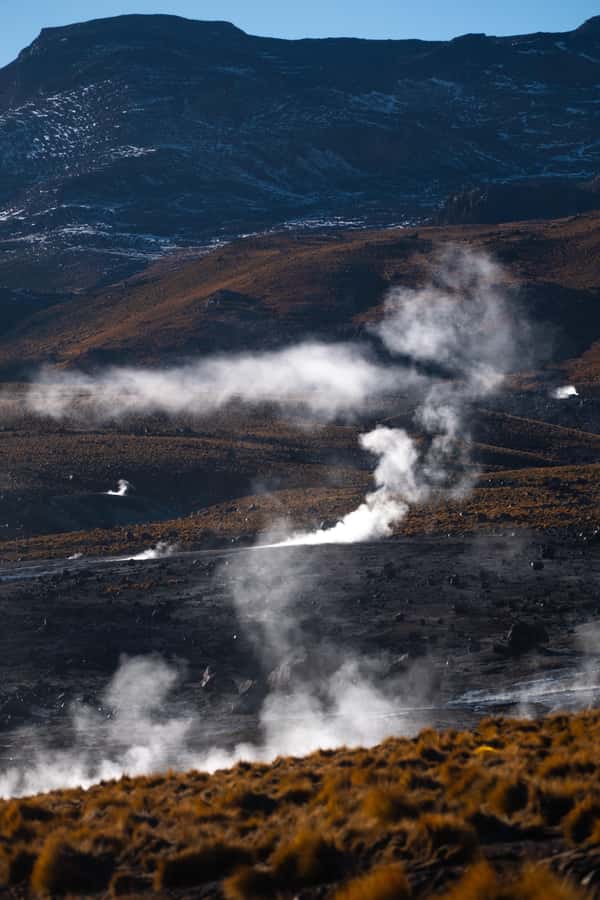
Before sunrise, the geothermal field is sharply defined against the dark mountains. Hot water and steam rise from the ground, and the cold air makes every plume look thicker. As daylight arrives, the colors shift from gray and blue to white and gold. The contrast between frozen morning air, glowing steam, and the brown volcanic peaks is the central moment of this excursion.
You will likely spend much of the drive asleep, which is sensible. The road journey begins while San Pedro is still dark, and the high-altitude visit comes early enough that you want your energy for walking and listening. Pickup times vary, so confirm the exact time before the morning of departure.
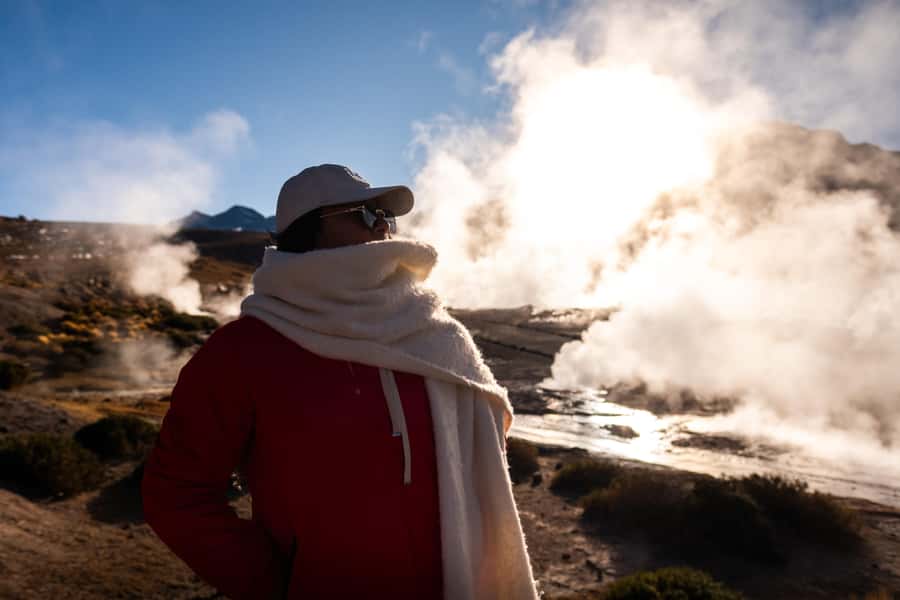
The cold deserves more attention than it often gets. Even in warmer months, the geyser field can feel severe before the sun reaches it. Bring gloves, a hat, and a windbreaker, and wear several layers rather than one very heavy coat. A shirt under your warm clothes matters because temperatures rise quickly by late morning.
Comfortable shoes are enough for the walking, according to the practical experience shared on the tour. You do not need specialist hiking equipment, but you should be ready for wind, cold, and thin air.
More Geothermal Parks and Geysers in Chile:
- From San Pedro de Atacama: El Tatio Geyser Field & Wetlands
★ 4.5 · 141 reviews - Full Day Tour to Geyser del Tatio, Vado Putana and Machuca
★ 5.0 · 134 reviews - El Tatio Geysers Tour from San Pedro de Atacama
★ 4.5 · 100 reviews
El Tatio’s geysers at 4,200 meters
El Tatio is described as the third largest geothermal field in the world and the largest in the Southern Hemisphere. The scale becomes clearer once you are among its many vents, pools, and columns of steam. The tour allows time to explore about 80 geysers within the national park area.
The attraction is not a single dramatic eruption. It is the combination of many geothermal features spread across a stark high plateau. Some vents release steady steam, while others bubble or send hot water upward. The guide helps explain what you are seeing and points out the differences between the formations.
Guide quality matters here because the scene can otherwise become a quick photo stop. Guides including Francisco, Brandon, Malú, Franco, Chris, and Andreas have been singled out for clear explanations, friendly energy, and help with questions. Francisco appears often in the feedback, but guide assignments can change, so you should not book expecting one specific person unless the operator confirms it.
One useful point is that a guide can also help you manage the altitude. The best guides check how people are feeling, keep the group together, and explain when to slow down. That is more valuable here than a long lecture about geology.
Do not rush away after the first viewing area. The field contains different types of geysers and changing angles toward the mountain range. One downside is that the available time may not let you see every formation at an unhurried pace. If photography is your priority, keep your camera ready but listen for the guide’s instructions and stay within the marked areas.
Breakfast after the coldest hour
After sunrise and the first walk, breakfast becomes more than a simple inclusion. You have been outside in freezing air at high altitude, and a warm meal gives you time to recover before the rest of the route.
The spread includes bread, cheese, ham, scrambled eggs, jam, coffee, chocolate, and milk. Several people have also appreciated the fresh bread and healthy options. It is a straightforward meal, not a restaurant breakfast, but it is substantial enough for the morning and served with broad mountain views.
The timing is smart. Eating before the geysers would mean standing in the cold with a full stomach while trying to concentrate on the scenery. Having breakfast afterward lets you enjoy the field first and warm up when you need it most.
Bring your own water as well. The tour provides breakfast, but water is listed among the items to bring, and the dry high desert air can leave you thirsty. Sunscreen is also necessary. The sun becomes strong quickly once it clears the mountains, even when the air remains cool.
The Putana Valley route back
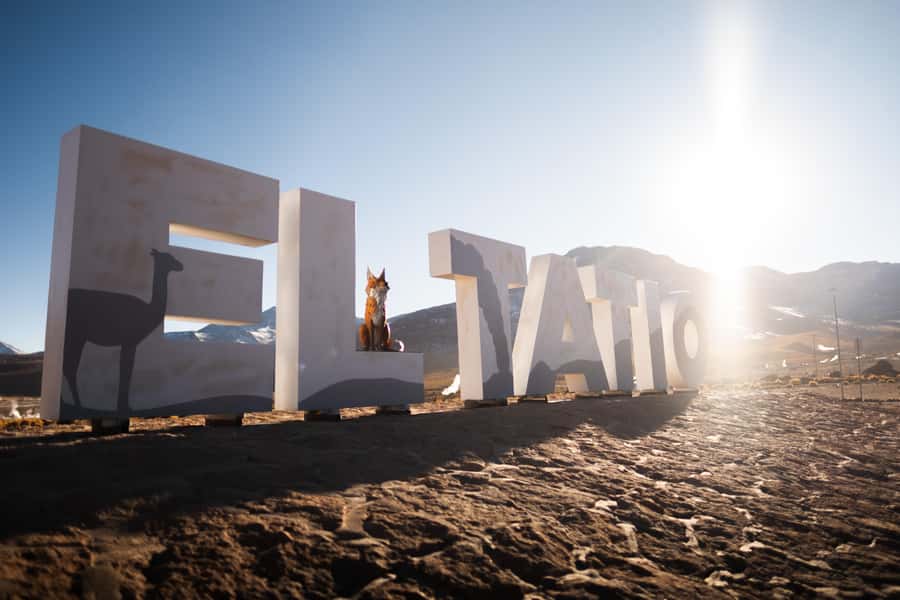
The return journey gives the tour welcome variety. Instead of repeating the geyser experience or driving directly to San Pedro, the vehicle passes through Putana Valley, where you can see high-altitude plants and animals.
This is your chance to look for vicuña and other local wildlife in the open desert. Sightings are never guaranteed, and the number of animals can vary with the season. Flamingos are the main wildlife prize at the lagoon stop, where they feed and move across the shallow water.
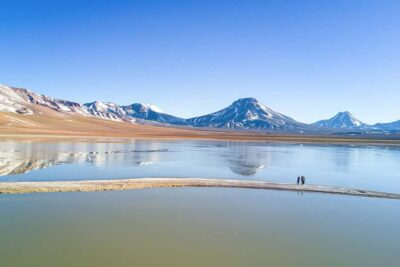
The flamingo stop is worth keeping in perspective. It is not a guaranteed close encounter with a huge flock. In some seasons, you may see only a few birds, while at other times larger groups are present. The stop still adds a different kind of beauty after the stark geothermal field: a wetland, pink birds, distant mountains, and desert vegetation.
The route can also include views of small communities and optional local food opportunities near a village. Some people have tried llama barbecue during this part of the day. That purchase is separate from the tour, so consider it an optional local taste rather than part of the included package.
The drive itself is part of the experience. The route crosses difficult high-desert roads, and a careful driver makes a meaningful difference. Drivers named in the feedback include Felipe, Brian, David, Aldo, Patricio, and Andres. Driving standards can vary by crew, but safe and steady driving has been repeatedly praised.
Same volcano country, a different day out:
- From Santiago: Cajón del Maipo and Volcán San José Hike 8K
★ 4.9 · 418 reviews - Pucón: Villarrica Volcano Climb
★ 4.8 · 191 reviews - From Puerto Varas: Osorno Volcano & Petrohue Falls Day Tour
★ 4.6 · 121 reviews - Puerto Montt: Osorno Volcano and Petrohué Falls Guided Tour
★ 4.5 · 104 reviews
Altitude is the main practical concern
This is a high-altitude tour, and the elevation is not a footnote. At 4,200 meters, even fit people can feel light-headed, tired, or short of breath. The operator advises taking lower-altitude excursions first so your body has time to adjust.
You should reconsider this outing if you have altitude sickness, heart problems, or high blood pressure. It is also listed as unsuitable for people over 60 and children under seven. These restrictions are stricter than you may expect, but the combination of elevation, cold, and an early start explains the caution.
If you begin to feel unwell, tell the guide promptly. Do not try to prove that you can push through it for the sake of a photograph. Drink water, walk slowly, and follow the guide’s instructions.
Altitude affects the way you experience the geysers. A short walk can feel more tiring than expected, and cold wind makes it harder to stay comfortable. The tour is manageable for many people who prepare properly, but it is not a casual stroll at sea level.
What the $70 price really includes
The tour costs $70 per person, with bilingual Spanish and English guiding, hotel pickup, breakfast, transportation, and the full seven-hour route included. You must add the 15,000 Chilean peso entrance fee to El Tatio, paid in cash in advance at the agency.
That makes the total cost higher than the headline price, so budget for the admission charge before booking. Even with that extra payment, I find the package good value if you want sunrise access without driving yourself before dawn.
A rental car may look cheaper at first, but the early departure, high-altitude roads, fuel prices in the Atacama, and need to navigate in the dark all matter. Driving yourself can give you more freedom, but this particular outing is one of the cases where a group transfer is practical. You can sleep during the uphill journey and let someone familiar with the road handle the drive.
The main value is not simply transportation. You are paying for the timing, a prepared breakfast, bilingual interpretation, and a route that includes both geysers and wildlife. If you only want a short photo stop, the seven-hour commitment may feel long. If you want a fuller morning outside San Pedro, the price is easier to justify.
Pickup limits and the final return
Pickup is included from hotels inside the urban area of San Pedro de Atacama. It does not cover accommodations in Quitor, Yaye, Checar, Sequitor, Solor, or Coyo, nor hotels in Toconao. Check your accommodation location before paying, since you may need to reach the pickup point yourself.
The excursion finishes at Plaza Touristour rather than necessarily returning you directly to your hotel. The stated return window is late morning, around 11:00 to 11:40 AM, after roughly seven hours on the road. That leaves part of the day free, though you may want a quiet afternoon after the early start and altitude.
The group atmosphere depends on the guide and the day. Guides such as Francisco, Brandon, Lucas, Aslye, and Malú have been praised for humor, clear explanations, photography help, and making sure people were comfortable. One practical criticism involved difficulty hearing from the back when no microphone or speaker was used, so consider sitting where you can hear the guide clearly.
Drones, alcohol, and drugs are not allowed. Those rules are simple, but the drone restriction is worth noting if you hoped to film the geyser field from above.
How to dress and what to pack
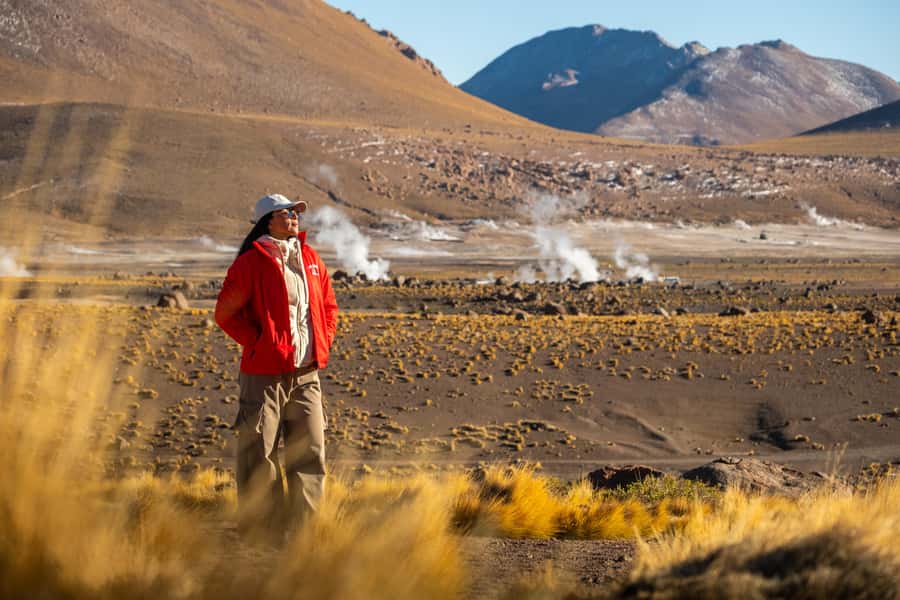
Pack for two different climates in one morning. You may begin in freezing wind and finish in warm desert sun.
- Thermal or warm base layers
- A heavy jacket and windbreaker
- Hat and gloves
- Long trousers
- Comfortable walking shoes
- Sunscreen
- Water
- A phone or camera with spare battery protection from the cold
The most common packing mistake is bringing one thick layer that becomes uncomfortable later. Several thinner layers let you remove clothing as the day warms. Gloves and a hat are especially useful before sunrise, when the wind can make minus 5 to minus 13 Celsius feel even colder.
Do not rely on the desert name to suggest warmth. The Atacama is dry, but El Tatio’s elevation changes the conditions completely.
Who should book this morning tour?
I would choose this tour if you want the classic El Tatio experience without managing a pre-dawn drive. It suits people who value scenery, wildlife, a prepared meal, and some guiding rather than only a quick visit to the geysers.
It is also a good choice for visitors who prefer English or Spanish explanations and want help understanding the geothermal field. The guides can add context, answer questions, help with photos, and keep an eye on how people are handling the altitude.
I would hesitate if you dislike early starts, struggle with cold, or have not allowed time to adjust to San Pedro’s elevation. You should also check the age and health restrictions before booking. The geysers will still be there, but this is not the right first activity for someone arriving at altitude and immediately heading higher.
Should you book El Tatio with PukARUMI Travel Agency?
Yes, if you are prepared for the cold and altitude and want a well-rounded morning rather than a simple geyser transfer. The sunrise, varied geothermal formations, cooked breakfast, Putana Valley, and flamingo lagoon make the $70 tour a strong use of time, especially when you add the 15,000 peso entrance fee to the budget.
Book it after a lower-altitude day, bring more warm clothing than you think you need, and confirm your pickup point. If you do those three things, this is one of the most memorable outings from San Pedro. If you need a slow morning or cannot handle high altitude, choose another Atacama activity instead.
FAQ
How long does the El Tatio Geysers Tour last?
The tour lasts about seven hours. Pickup begins between 4:30 and 5:10 AM, with the exact time confirmed before departure, and the tour ends at Plaza Touristour in the late morning.
What is the tour price?
The listed price is $70 per person. The El Tatio entrance fee is extra and costs 15,000 Chilean pesos per person.
How do I pay the entrance fee?
The entrance fee must be paid in cash in advance at the agency.
Is hotel pickup included?
Yes, pickup is included from hotels in the urban area of San Pedro de Atacama. Pickup is not provided from accommodations in Quitor, Yaye, Checar, Sequitor, Solor, Coyo, or Toconao.
What language is the tour in?
The tour has a live bilingual guide who speaks Spanish and English.
What food is included at breakfast?
Breakfast includes bread, cheese, ham, scrambled eggs, coffee, chocolate, milk, and jam.
How cold is El Tatio in the morning?
The mornings are always cold, regardless of the season. Temperatures can reach around minus 10 to minus 5 Celsius, and some departures have experienced temperatures as low as minus 13 Celsius.
What should I bring?
Bring warm clothing, several layers, a windbreaker, sunscreen, and water. A hat, gloves, and comfortable walking shoes are also sensible choices.
Is the tour suitable for children?
The tour is not suitable for children under seven years old.
Is the tour suitable for people with altitude or heart problems?
The tour is not suitable for people with altitude sickness, heart problems, or high blood pressure. The operator also lists it as unsuitable for people over 60. You should take lower-altitude tours first to help acclimatize.
Just added around Chile
- Tatio Geysers Tour: San Pedro de Atacama★ 5.0 · 5 reviews
- San Pedro de Atacama: Saver Pack Tatio Geysers + Moon Valley★ 4.5 · 15 reviews
- San Pedro de Atacama: Volcano Downhill Bike Tour★ 4.8 · 5 reviews
- San Pedro de Atacama: Geysers del Tatio★ 4.8 · 9 reviews
- San Pedro de Atacama: Tatio Geysers and Machuca Tour★ 4.6 · 6 reviews
- San Pedro de Atacama: Láscar Volcano Summit Hiking Day Trip★ 4.5 · 8 reviews
- San Pedro de Atacama: El Tatio Geysers & Machuca Lagoon Trip★ 4.8 · 4 reviews
- San Pedro de Atacama: El Tatio Geyser Field and Wetlands★ 5.0 · 7 reviews
San Pedro de Atacama Volcano Tours, compared.
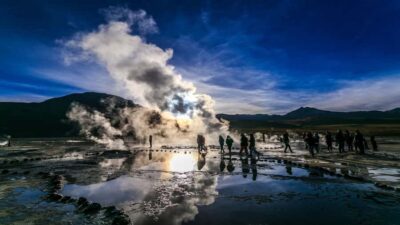
From San Pedro de Atacama: El Tatio Geyser Field & Wetlands
Read our review →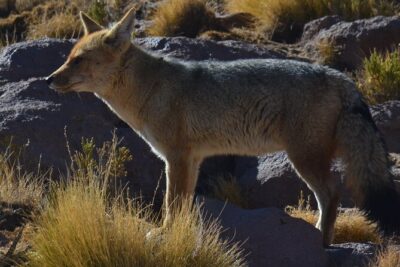
Full Day Tour to Geyser del Tatio, Vado Putana and Machuca
Read our review →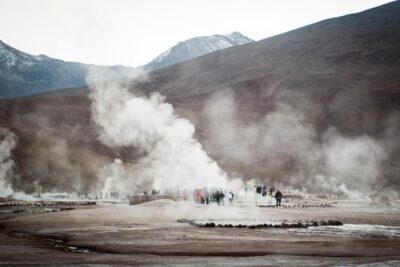
El Tatio Geysers Tour from San Pedro de Atacama
Read our review →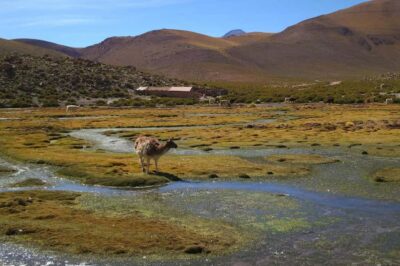
From San Pedro de Atacama: Geysers del Tatio Half-Day Tour
Read our review →
San Pedro de Atacama: Láscar Volcano Summit Hiking Day Trip
Read our review →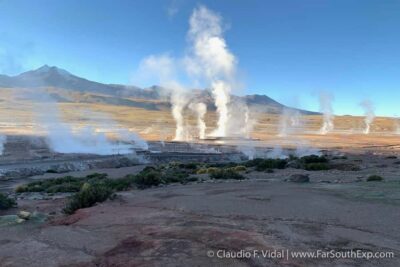
San Pedro de Atacama: El Tatio Geyser Field and Wetlands
Read our review →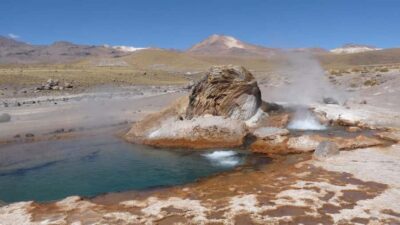
San Pedro de Atacama: Tatio Geysers and Machuca Tour
Read our review →Browse the lists this tour appears in