
REVIEW · LAVA & ERUPTION TOURS
Guided tour of the 2004 lava tunnels
Réunion’s 2004 lava tunnels offer something you cannot get from a roadside viewpoint: a slow journey inside the cooled remains of a volcanic eruption. You walk across fresh-looking lava ropes, switch on your headlamp, and enter a world of black, brown, red, and anthracite-gray rock. I like the small maximum of six people and the practical safety gear, which make the underground section feel focused rather than crowded. I also like the guide’s volcanic explanations, including the chance to spot shapes that resemble a dodo or shark.
The main consideration is physical effort. You may spend much of the two hours standing, with stretches that require bending or squatting. You need good shoes, long pants, water, and a moderate fitness level. This is not a casual walk through a lit cave.
Key points before you book
- The route enters a 2004 lava tunnel: You explore rock formed by a relatively recent eruption of Piton de la Fournaise.
- The approach takes about 15 minutes: You walk over rough lava ropes while your guide explains the surrounding volcanic terrain.
- The underground visit lasts about two hours: Expect a slow pace, dark passages, low sections, and changing body positions.
- All core safety gear is supplied: You receive a helmet, headlamp, gloves, and knee pads.
- The group is limited to six people: This suits anyone who wants room to listen and move carefully.
- The price is about $75.31 per person: For two and a half hours, specialist equipment, and instruction, the cost is reasonable if you enjoy geology and active outings.
Walking across the lava to the tunnel entrance
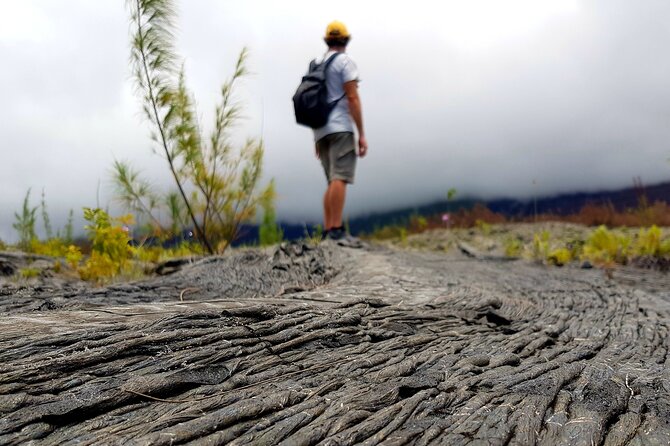
The meeting point is on Route des Laves in Sainte Rose, Réunion 97439. From there, you make a roughly 15-minute approach on lava ropes, the uneven, rope-like ridges left by flowing molten rock as its surface cooled.
This short walk matters because it gives you a first look at the volcanic setting before you go underground. Your instructor explains the scenery and the way lava shaped the ground beneath your feet. It is a useful introduction, not just filler before the main event.
You should treat this approach as real walking, not a smooth path to a cave door. Wear hiking shoes or sturdy basketball shoes, and choose long pants rather than shorts. The required clothing also includes a T-shirt, with no tank top, plus a small backpack and a bottle of water.
The outing depends on good weather. That matters on exposed volcanic ground, where rain can make the approach less pleasant and may lead to cancellation. If poor weather cancels the activity, you are offered another date or a full refund.
More Lava and Eruption Tours in the world:
- Reykjavik: LAVA SHOW – Immersive Experience Entry Ticket
★ 4.8 · 3,360 reviews - Lava Show Reykjavik Admission Ticket – Optional Premium Upgrade
★ 5.0 · 3,278 reviews - Reykjavik: Red Lava Horse Riding Tour
★ 4.8 · 2,383 reviews
Getting equipped for volcanic speleology
Before entering the tunnel, the instructor gives you the necessary equipment:
- Helmet
- Individual headlamp
- Gloves
- Knee pads
The headlamp is especially important. This is not a cave with installed lighting or a marked path glowing ahead of you. Once you move beyond the entrance, your lamp becomes your main source of sight. The change from open daylight to total darkness is part of the experience, and your guide helps you adjust before the group continues.
The knee pads and gloves are practical rather than decorative. Parts of the route require you to bend or squat, and you may need to use your hands for balance. The equipment lets you concentrate on the rock forms and your footing instead of worrying about every scrape.
Bring a change of clothes. The supplied information specifically calls for one, along with a rain suit, water, and a camera. You will want to protect your clothing from dust or contact with the cave walls. The safest approach is to wear clothes you do not mind getting marked.
Entering the 2004 lava tunnel
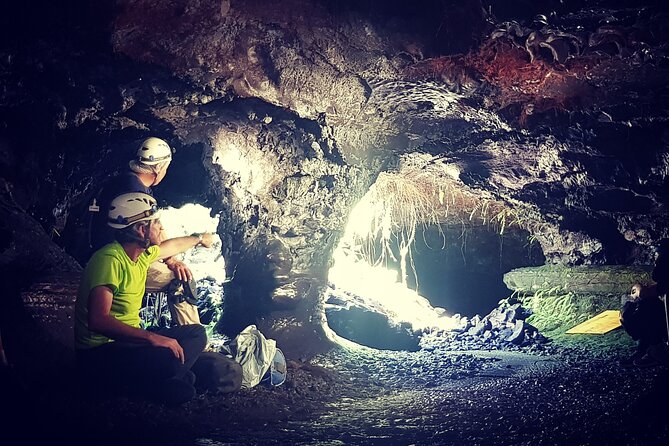
The tunnel formed during the 2004 activity of Piton de la Fournaise. A lava tunnel develops when the outside of a lava flow cools into a crust while hotter lava continues moving underneath. Once the inner flow drains away or cools, it can leave a hollow passage.
That simple process creates the setting for this tour. You are not visiting an ancient limestone cave shaped by dripping groundwater. You are walking through a volcanic passage formed by flowing lava, where the textures often look more like melted material frozen in place.
Your guide explains how these tunnels form and introduces you to volcanic speleology, the study and exploration of lava caves. This explanation adds real value. Without it, the walls might look like a collection of strange black shapes. With it, you can connect the textures to the force and movement of an eruption.
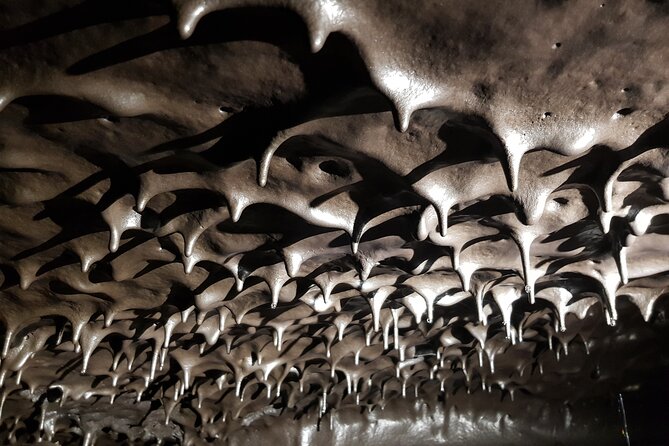
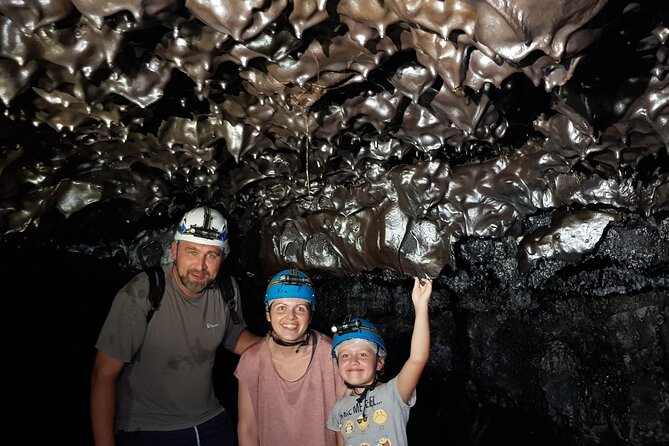
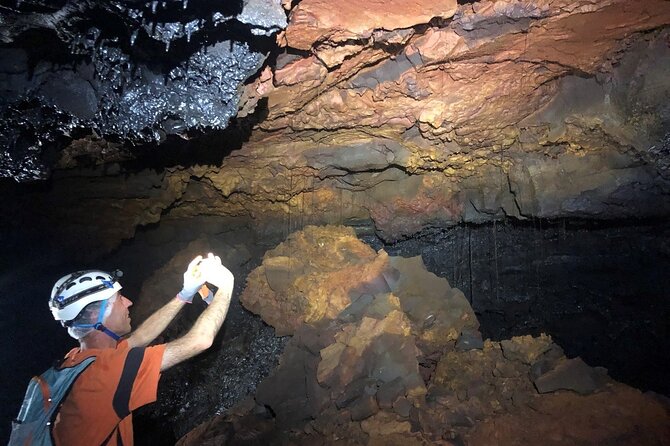
The tunnel itself is described in shades of anthracite gray, brown, red, and black. The colors may change as your headlamp reaches different surfaces. Some sections can look smooth, while others carry ridges, drips, benches, and rough formations.
Lava stalactites, benches, and creatures in the rock
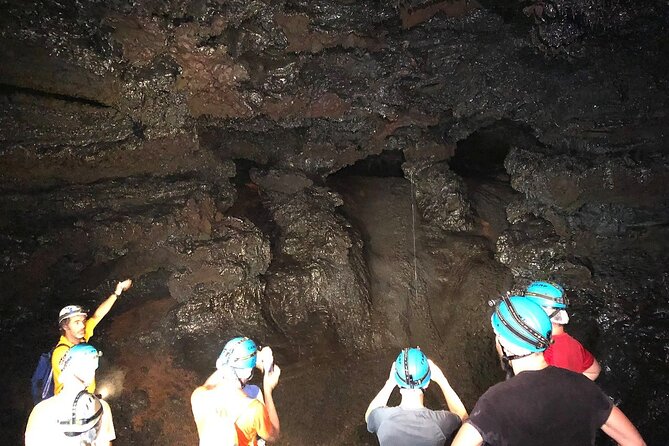
The most enjoyable part is the way the guide helps you read the formations. You may see ceilings that look as if dark chocolate has melted and flowed downward. These are described as stalactite-like lava formations, created when molten material cooled on the roof of the tunnel.
You may also encounter lava benches and forests of stalagmites. Their names give you a useful way to understand the space, but this is also a place for imagination. One formation is compared to a dodo and another to a shark. You can look for those shapes, then decide what else the rock suggests to you.
I like this combination of science and playful observation. The guide does not simply point out odd shapes and move on. The volcanic explanation gives the formations meaning, while the chance to see animals or familiar objects keeps the walk lively.
Do not expect a polished gallery where each feature is clearly labeled. The appeal comes from moving slowly and using your own headlamp to reveal details. The experience rewards patience more than speed.
More Guided Tours in the world:
- Lanzarote: Guided Off-Road Volcano Buggy Tour
★ 4.7 · 4,385 reviews - La Palma: Tajogaite Volcano Guided Trek
★ 4.8 · 1,810 reviews - Etna: summit craters trekking with volcano guide 3350mt
★ 4.7 · 1,712 reviews - Rotorua: Hell’s Gate Outdoor Mud Spa & Guided Walk
★ 4.7 · 1,140 reviews
Two hours of slow movement underground
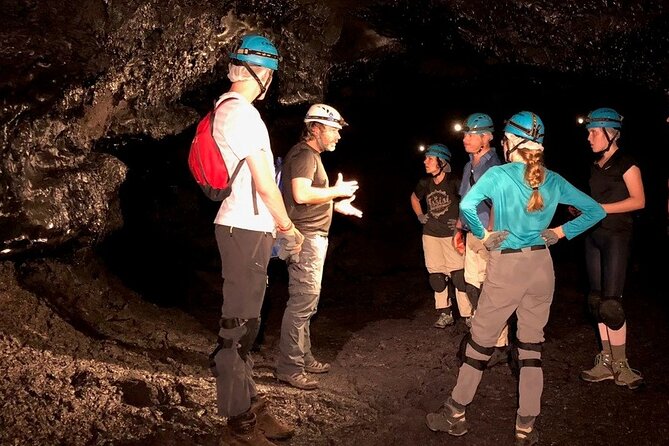
The main underground section lasts about two hours, with the full experience taking roughly two and a half hours including the approach and preparation. The pace is deliberately slow. You may be upright for much of the route, but at times you will bend, squat, or move through lower sections.
That makes the tour more demanding than its duration might suggest. Two hours on uneven volcanic rock is different from two hours on a paved sightseeing route. A moderate level of physical fitness is required, and you should be comfortable with changing your posture repeatedly.
The small group limit helps here. With no more than six people, the instructor can keep the group together and explain formations without trying to speak over a large crowd. You also have less pressure to rush through a narrow or awkward section.
Still, you should be honest about your comfort level. If you dislike confined spaces, darkness, or crouching, this may not be the right choice. The available details do not provide specific accessibility information, so anyone with mobility concerns should confirm suitability before booking.
Why the guide makes a difference
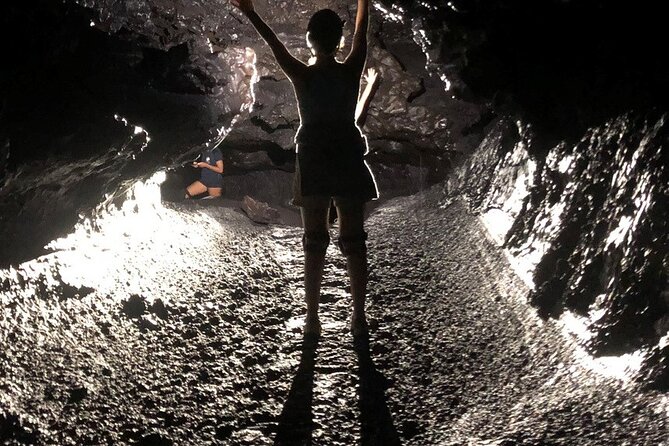
The guide is not only there to lead the way. The tour depends on explanations about how lava tunnels form and what you are seeing in the walls and ceiling. That turns an unusual walk into a lesson in volcanology.
Fred is one guide associated with the experience, and the available feedback specifically praises his relaxed manner and clear explanations. That is useful to know because a calm guide matters in a dark, uneven setting. You want instructions that are easy to follow and a pace that does not make you feel hurried.
The guide also gives you a description of the scenery during the approach. This connects the surface and underground portions of the outing. You first see the lava ropes from above, then enter one of the spaces created by the same volcanic force.
Because group size is capped at six, you have a better chance to hear the explanations and ask questions. The tradeoff is that this is a specialist activity rather than a general island tour. You will spend most of your time focused on volcanic rock, not on a wide range of Réunion attractions.
What to wear and carry
The tour supplies the main protective equipment, but your personal clothing still matters. Pack or wear:
- Long pants
- A T-shirt, not a tank top
- Hiking shoes or basketball shoes with a secure fit
- A small backpack
- A water bottle
- A camera
- A change of clothes
- A rain suit
Good footwear is the most important item on that list. The short approach crosses lava, and the tunnel requires careful movement. Sandals and smooth-soled casual shoes would not be a sensible choice, even though the activity information does not formally list footwear restrictions beyond recommending hiking or basketball shoes.
Water is also worth taking seriously. The tour lasts about two and a half hours and includes active movement in uneven conditions. The guide supplies equipment, but not the personal items you need for comfort.
A camera is listed as an optional item to bring, though you should keep it secure and use it carefully. Your headlamp will reveal the formations, but the dark setting can make photography difficult. Do not let taking pictures distract you from footing or from the guide’s instructions.
Is $75.31 a fair price?
At about $75.31 per person, this is not the cheapest way to spend a morning or afternoon on Réunion. It is also more than a simple self-guided walk, because the price covers instruction, the equipment, and access to a specialized underground activity.
I think the value is strongest if you are genuinely interested in volcanoes, caves, geology, or active outdoor experiences. You receive a helmet, headlamp, gloves, and knee pads, and the group is limited to six. Those details make the cost easier to justify than a large-group excursion with little personal attention.
The price is less attractive if you want a broad introduction to the island or prefer easy sightseeing. This tour focuses closely on one volcanic feature, and much of the time is spent moving through dark, uneven spaces. You are paying for a rare kind of access and guidance, not for a long list of separate attractions.
The high rating and 100 percent recommendation attached to the experience support the idea that it delivers what it promises. I would still judge it by fit rather than by rating alone. The right question is whether you want to spend two hours underground in protective gear, not simply whether the activity is popular.
Timing, confirmation, and cancellation
The activity is generally booked about 34 days ahead, so I would reserve early if your Réunion dates are fixed. Confirmation is sent within 48 hours of booking, subject to availability, and the booking uses a mobile ticket.
The meeting point and end point are the same location on Route des Laves, Sainte Rose. No separate transport is included in the information provided, so you should plan how you will reach the meeting point yourself.
Cancellation is free up to 24 hours before the local start time. A cancellation made less than 24 hours ahead is not refunded, and changes inside that window are not accepted. The activity can also be canceled if the weather is poor or if the minimum number of participants is not met. In either case, you are offered another date or experience, or a full refund.
Who should book this experience?
I would recommend it to you if you enjoy unusual natural sights and do not mind working a little for them. It suits people with moderate fitness who are comfortable standing, bending, squatting, and walking over rough lava.
It is also a good pick for anyone who wants more than a photograph of Piton de la Fournaise. The guide helps you understand how the volcano created the tunnel, and the formations give you plenty to examine at close range.
I would be cautious if you need a flat, easy route, dislike darkness, or want a relaxed sightseeing activity. The available information does not promise a fully accessible path, and the repeated changes in posture are a clear part of the outing.
Should you book the 2004 lava tunnel tour?
Book it if you want a rare volcanic experience, a small group, and a guide-led explanation of how lava creates underground passages. The combination of a 15-minute surface approach, two hours below ground, and supplied safety gear gives the activity a clear purpose and a fair value at $75.31.
Skip it if you prefer open viewpoints, short walks, or a simple island tour. For the right person, though, this is one of Réunion’s more distinctive ways to meet Piton de la Fournaise, not just admire it from a distance.
FAQ
Where does the lava tunnel tour begin?
It begins at Route des Laves, Sainte Rose 97439, Réunion. The activity also ends back at this meeting point.
How long does the experience last?
The full experience lasts about two hours and 30 minutes. The approach walk takes about 15 minutes, and the underground exploration lasts about two hours.
What equipment is provided?
The tour provides a helmet, individual headlamp, gloves, and knee pads.
What should I wear?
Wear long pants, a T-shirt rather than a tank top, and hiking shoes or basketball shoes. You should also bring a small backpack, water bottle, camera, rain suit, and a change of clothes.
How large is the group?
The activity has a maximum of six participants.
Is the tour physically demanding?
You need a moderate fitness level. You will often be standing, but you may also need to bend and squat as you move through the tunnel.
Can I cancel for a full refund?
Yes. You can cancel at least 24 hours before the local start time for a full refund. Poor weather or failure to meet the minimum number of participants may also result in another date or a full refund.
Just added around the world
- Volcanoes National Park: Guided, Small-Group Hike★ 5.0 · 15 reviews
- Evening Volcano Explorer from Hilo★ 4.5 · 67 reviews
- Fat Tire E-Bike Rental – Volcanoes National Park★ 4.5 · 26 reviews
- Evening Volcano Explorer Tour from Kona★ 4.5 · 24 reviews
- Big Island Waterfalls, Blacksand Beaches, Lava Tubes & Volcanoes★ 5.0 · 24 reviews
- Expert Led Private Guided Tour Hawaii Volcanoes National Park★ 5.0 · 5 reviews
- Best of Big Island: Volcanoes, Waterfall, Blacksand Beach & Lunch★ 5.0 · 14 reviews
- Big Island Private Tour Waipio Valley Volcanoes Waterfalls★ 5.0 · 4 reviews
Lava & Eruption Tours, compared.
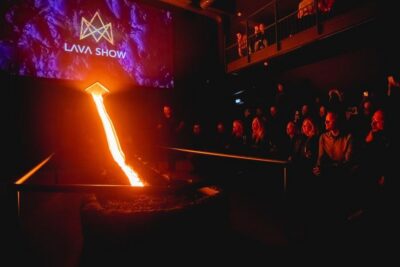
Reykjavik: LAVA SHOW – Immersive Experience Entry Ticket
Read our review →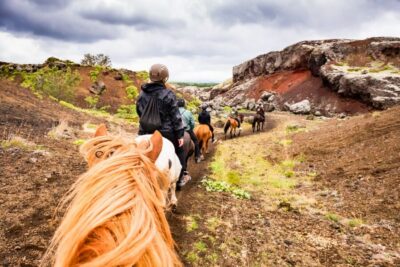
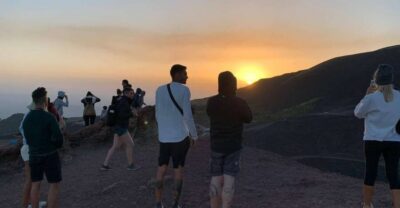
Catania: Sunset Jeep Tour of Mount Etna and Lava Flow Caves
Read our review →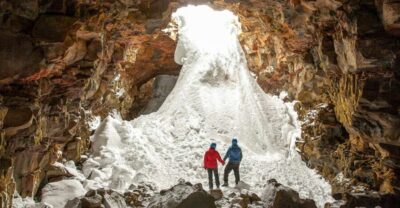
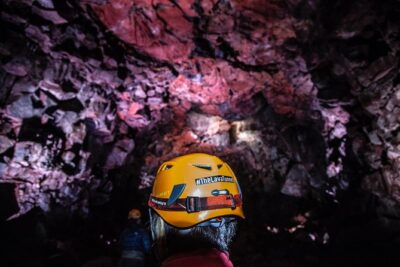
Raufarhólshellir Lava Tunnel: Underground Expedition
Read our review →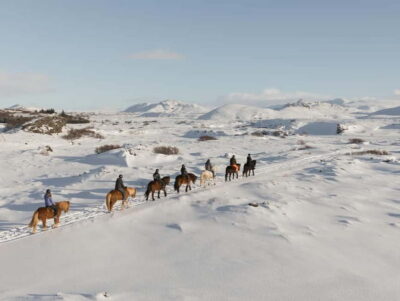
From Reykjavík: Icelandic Horse Riding Tour in Lava Fields
Read our review →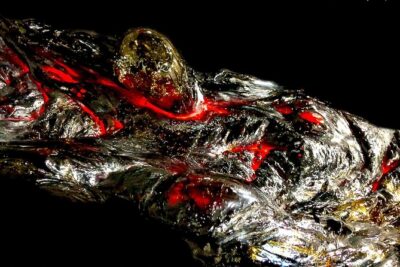
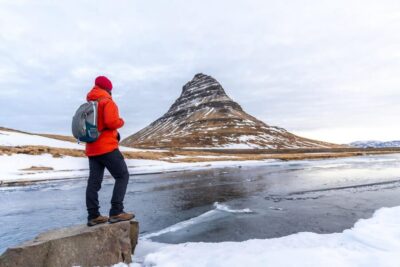
Reykjavik: Snæfellsnes Day Trip with Vatnshellir Lava Cave
Read our review →Browse the lists this tour appears in