
REVIEW · AREQUIPA
Colca Canyon: 2-Day Tour from Arequipa to Puno
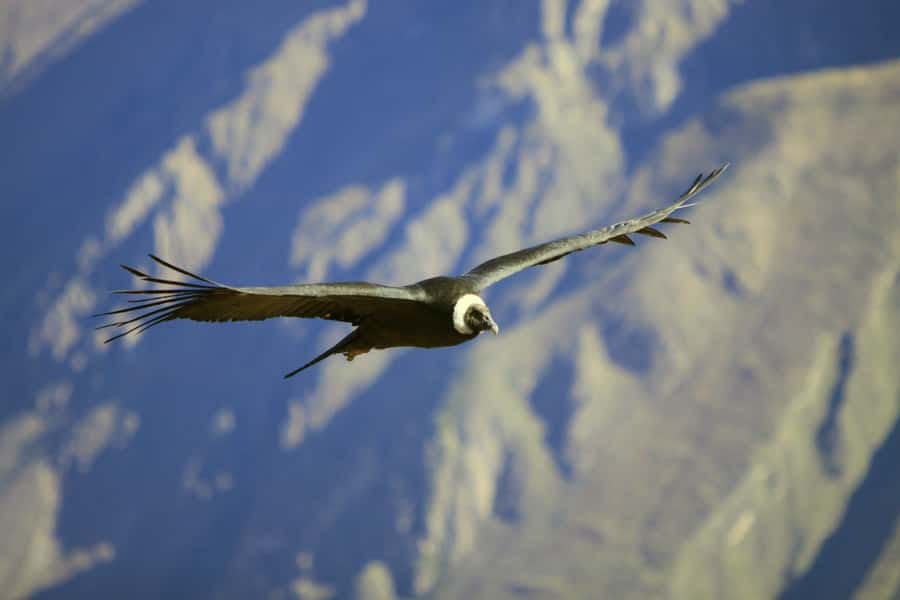
The best moment comes early on day two, when a giant Andean condor may circle below the Mirador Cruz del Condor. You look into a canyon about 1,200 meters deep, then continue by coach toward Puno through some of Peru’s highest and most dramatic country.
I like that this trip does more than shuttle you between cities. You get wildlife at Pampa Cañahuas, volcano and glacier views, and the chance to see vicuñas, flamingos, alpacas, and llamas. I also like the practical route: you spend a night in Chivay instead of trying to force Colca Canyon into a rushed day trip. The main drawback is the long second-day road journey, which can be rough between Chivay and Puno.
Key points to know before booking
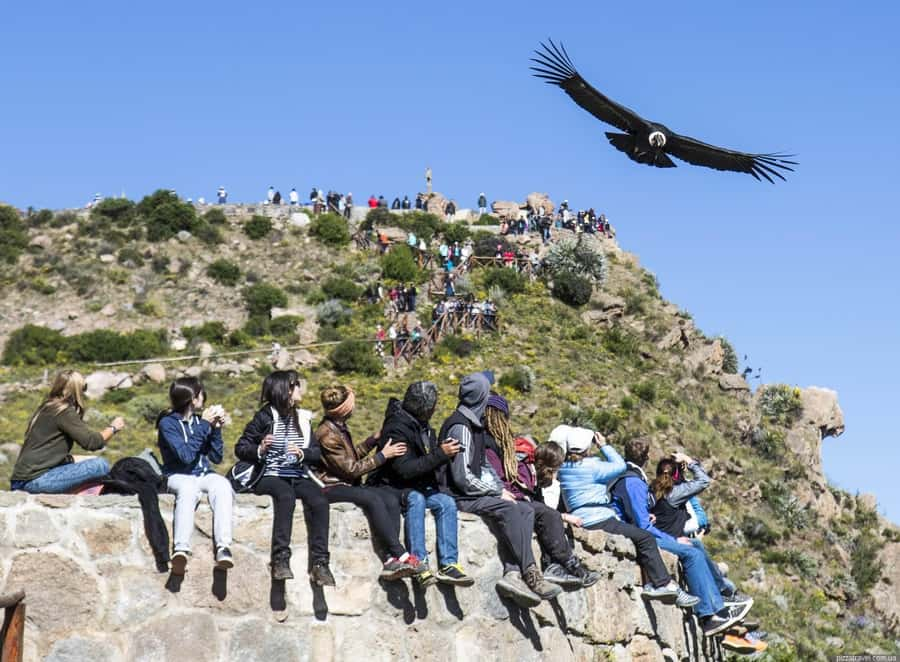
- Condor viewing at Cruz del Condor: Arrive early for the best chance of seeing these huge birds ride the canyon air.
- A very high route: The road reaches about 4,800 meters on day one and another stated high point of 4,850 meters on day two.
- Useful city-to-city planning: This is a one-way trip from Arequipa to Puno, not a round trip to Arequipa.
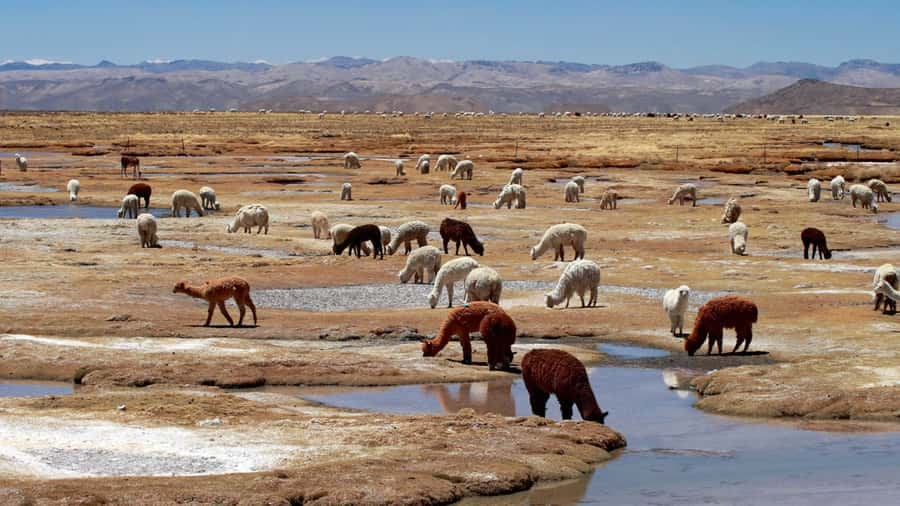
- Wildlife in Pampa Cañahuas: Look for vicuñas, alpacas, llamas, flamingos, ibis, and the Andean eagle.
- Strong guide support: Irene, Raul, and Peter have been praised for clear explanations, good organization, and help with altitude problems.
- Budget price, extra costs: The $107 price covers guiding, transport, and excursions, but not lodging, meals, entrance fees, or some out-of-town transfers.
Why this two-day route works
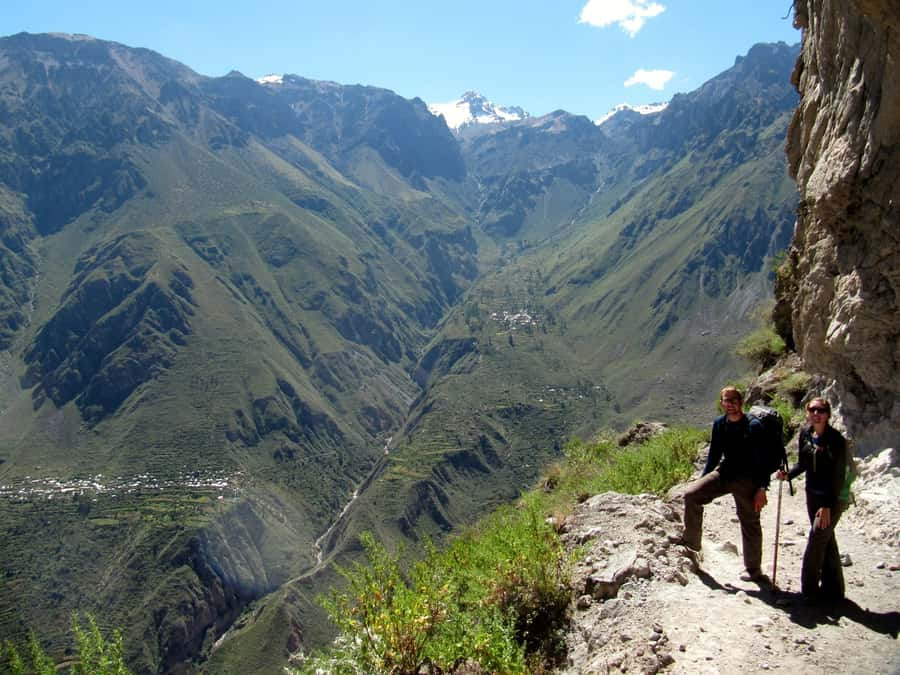
Colca Canyon is often treated as a quick side trip from Arequipa. This tour gives it more breathing room, then uses the next day to take you onward to Puno. That matters because the canyon is not close to Arequipa, and the high roads are better appreciated with stops rather than one long push.
Your first morning begins with pickup from a city-center hotel in Arequipa. From there, a professional driver and an English or Spanish-speaking guide take you toward Chivay, the main town used for access to Colca Canyon. The drive to Chivay takes about four hours, with viewpoints and stops along the way.
This is not a walking tour. Much of the experience takes place from a coach window, at roadside viewpoints, and in short stops. If you want an active canyon trek, this is the wrong format. If you want a practical way to combine wildlife, high-altitude scenery, Colca Canyon, and a transfer to Puno, it makes good sense.
The package costs $107 per person. That is a reasonable price for a guided two-day route with transport from Arequipa to Puno, but it is not an all-inclusive deal. You still pay for the overnight stay, food and drinks, entrance fees, and certain transfers outside Chivay town or Puno city. Add those costs before comparing it with a private transfer or a longer organized trip.
More Colca Canyon Tours in Arequipa:
- From Arequipa: Colca Canyon Full-Day Guided Tour with Meals
★ 4.5 · 982 reviews - From Arequipa: 2-Day Colca Canyon Trekking Tour
★ 4.8 · 243 reviews - Colca Canyon Plus
★ 5.0 · 198 reviews
Day one, from Arequipa to the high plains
The first day is built around the road itself. Soon after leaving Arequipa, you begin climbing into the high Andes, where open plains replace city streets and the air gets noticeably thinner. The route reaches a stated high point of about 4,800 meters, or roughly 15,000 feet.
That altitude is not a minor detail. You may feel short of breath, light-headed, or simply tired. Bring water, take the stops slowly, and avoid treating the viewpoints as a race. A guide can help you keep an eye on how you are feeling, but you should still tell the guide promptly if the altitude affects you.
Pampa Cañahuas Reserve
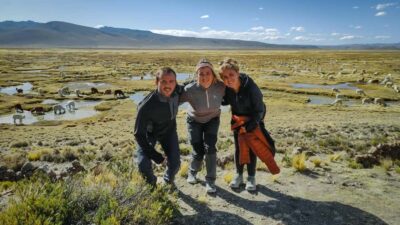
One of the most useful stops is Pampa Cañahuas Reserve. This is where you have a good chance to see vicuñas, the wild relatives of alpacas and llamas. Alpacas and llamas may also appear, along with Andean flamingos, ibis, and the Andean eagle.
The reserve gives the first day a real purpose beyond getting to Chivay. Keep your camera ready, but do not expect every animal to pose close to the road. The attraction is seeing wildlife in a broad highland setting, not visiting a controlled animal enclosure.
Stops here also help break up the drive. You can get out, take photographs, and adjust to the altitude before continuing. Sunlight at this height can be intense, so sunglasses and a sun hat are useful, even when the air feels cold.
Volcanoes, lakes, and glaciers
The road passes views of volcanoes including Ampato, Sabancaya, Huallca, and Misti. You also see alpine lakes and glaciers along the route. These are wide, exposed views, and the changing colors and textures make the bus journey more rewarding than a standard intercity transfer.
Still, keep expectations realistic. The exact visibility depends on weather, road conditions, and where the coach stops. You are not promised a private viewpoint at every volcano, and much of the scenery will be seen through the vehicle windows.
The trip uses the high pass as part of the attraction, but altitude can also be the day’s hardest feature. You may want to keep your first afternoon in Chivay quiet rather than filling it with more demanding activity.
A few more volcano tours around Arequipa worth a look
- 2 Day 1 Night Trek / Colca Canyon
★ 4.5 · 92 reviews - 2 Day Trek Including Transfer to Puno / Colca Canyon
★ 4.5 · 38 reviews - From Arequipa: 2-Day Colca Canyon Tour with Transfer to Puno
★ 4.2 · 17 reviews - Arequipa | Ascent to Chachani Volcano 2 days / 1 night
★ 4.9 · 10 reviews
An overnight in Chivay, with planning required
You stay overnight in Chivay, but the accommodation is not included. You need to book it yourself, and the practical advice is to arrange lodging in Chivay town if you want to avoid extra pickup or drop-off charges.
The afternoon is described as free time, giving you room to rest, eat, or explore at your own pace. Since meals are not included, this is also when you need to sort out dinner and prepare for an early start the next morning.
The tour does not name one fixed hotel, so comfort, location, and breakfast arrangements will depend on what you book. Staying in town is the simplest choice for meeting the group and avoiding an awkward transfer from somewhere farther out.
This overnight stop is a useful buffer. You are not trying to see Cruz del Condor and then race all the way from Arequipa to Puno in one day. You also get a chance to sleep at altitude before the canyon visit, though that can be an adjustment for some people.
Day two, the condors of Cruz del Condor
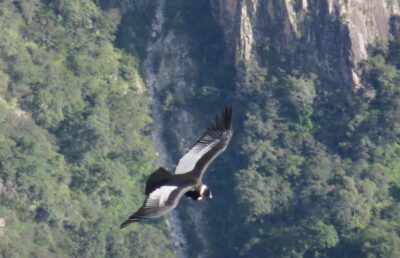
Day two starts very early with pickup from your Chivay hotel. The early hour is important because Cruz del Condor is the main wildlife moment of the trip, and the condors are often seen circling on rising air in the morning.
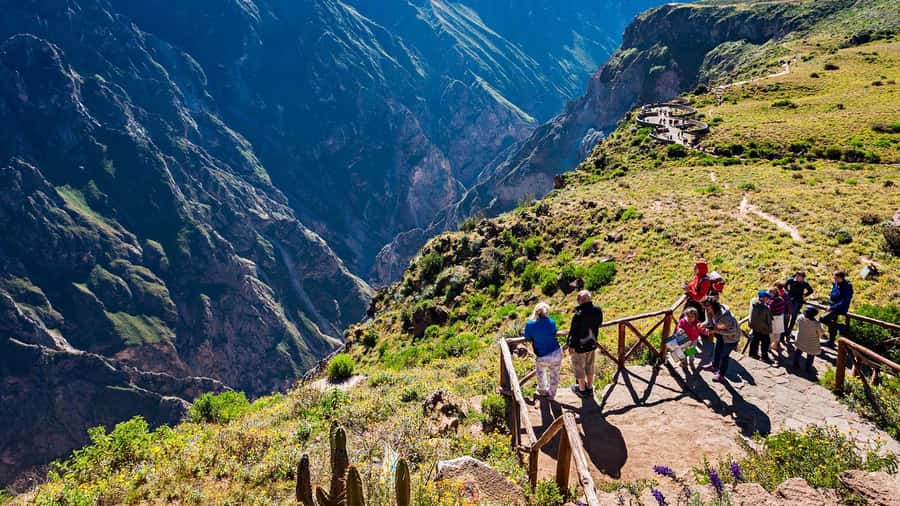
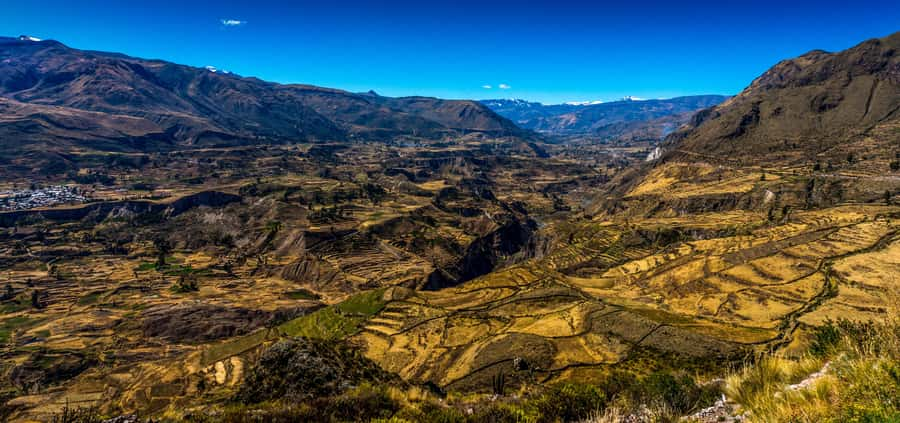
At the viewpoint, the canyon falls away below you. The stated depth is about 1,200 meters, giving the stop a sense of scale even before a bird appears. The condors can seem surprisingly close as they glide across the canyon, but sightings are still wildlife sightings, not a scheduled performance.
Bring a phone or camera with a zoom if you have one. A standard phone can capture the canyon well, but the birds may look small in photographs. More important, watch the sky and listen to the guide’s explanation of what you are seeing.
This is where the guide can make a real difference. Irene has been praised for clear explanations and good organization. Raul has been singled out for his handling of the route, timing, and scenery. Peter has been noted for explaining Colca during the long drives and for helping a participant who felt unwell at altitude.
Those names are useful because they show what good guiding means here. You are not simply dropped at a viewpoint. A strong guide helps the group understand the canyon, keeps the morning moving, and notices when someone is struggling.
The road from Chivay to Puno
After the canyon visit, you board a comfortable tourist coach toward Puno. This is the longest-feeling part of the trip, especially if the road is rough. One account describes poor road conditions between Chivay and Puno, with the vehicle shaking for much of the route.
That drawback deserves attention. Even with a comfortable coach, comfort depends heavily on the road surface. If you get motion sick, choose a seat with a clear forward view if possible, carry any medication you normally use, and keep water close. The supplied information does not confirm seat selection, so do not assume you can reserve a particular place.
The route includes stops at lakes, lagoons, trout farms, and places where Andean flamingos may be seen. These pauses help make the transfer feel like a sightseeing day instead of a simple bus ride. They also give you a chance to stretch after long periods on the road.
Lunch is not included. The trip has been described as stopping at buffet restaurants on both afternoons, and you may feel that joining the buffet is the easiest choice. If you prefer choosing your own meal, ask the guide about your options before the stop. The tour does not promise independent restaurant selection or a meal included in the price.
The high point before Puno
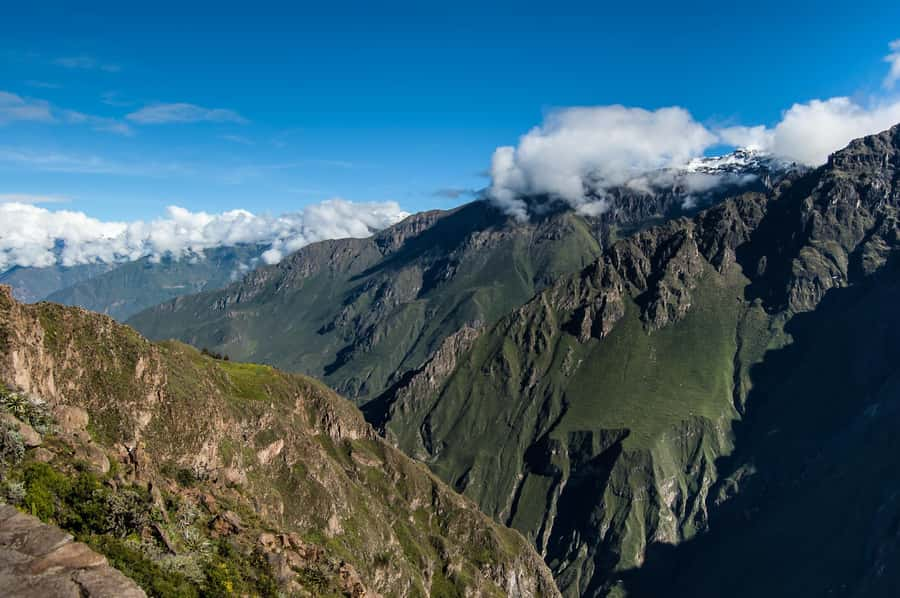
The coach reaches another very high section of the route, listed at 4,850 meters, with the information also giving a figure of 12,000 feet. Those measurements do not match exactly, but the practical point is clear: this is an extremely high road crossing.
The view from the highlands can be memorable, with broad open country, distant peaks, lakes, and a strong sense of the scale of the Andes. It is also another point where you should move slowly and pay attention to your body. Do not assume that feeling fine at a lower stop means you will feel fine at the highest point.
The route then continues toward Puno and Lake Titicaca. Lake Titicaca is presented as the birthplace of the first Inca, Manco Capac, a traditional origin story that gives the final part of the trip cultural weight as well as scenic value.
The tour ends in Puno rather than returning to Arequipa. That makes it particularly useful if you are building a larger Peru route, but less useful if your plans require you to finish back in Arequipa. Plan your next hotel and transfer in Puno before you leave Chivay.
What the price includes, and what it does not
At $107, the tour offers good value if you need transport between Arequipa and Puno and want guided sightseeing along the way. A professional driver, guide, excursions, and transportation are included, so you are paying for more than a simple bus ticket.
The missing items add up:
- Overnight accommodation in Chivay
- Entrance tickets and fees
- Food and drinks
- Transfers outside Chivay town or Puno city
The overnight omission is the biggest point to price carefully. A budget room may keep the total reasonable, while a more expensive hotel can change the value calculation. Meals and entry fees should also be included in your trip budget.
Pickup is included from city-center hotels in Arequipa. Extra charges may apply if you stay outside the central area, and the same issue applies to drop-off arrangements in Puno. Booking hotels in Arequipa, Chivay town, and Puno city keeps the logistics simpler.
You can bring luggage during the trip, which is handy because the tour ends in Puno. Oversize luggage is not allowed, so pack compactly or arrange separate transportation for larger bags.
Altitude, clothing, and day-to-day comfort
The tour reaches heights above 4,000 meters on both days. Comfortable shoes are sensible for viewpoint stops, but this is not described as a strenuous hiking trip. You will mainly be walking short distances at stops and viewpoints.
Pack sunglasses and a sun hat. The high-altitude sun can be strong, and the open roads offer little shade. Your passport or ID card is also required.
The most important preparation is mental as much as physical. The two days include long drives, early pickup, thin air, and a rough section of road. In return, you get a lot of scenery without having to arrange several separate transfers.
Guides can help with altitude, but no tour can remove the effects of high elevation. If you begin to feel unwell, tell the guide rather than trying to keep pace with the group. Peter’s handling of an altitude problem shows why attentive guiding matters on this route.
Who should book this experience
I would choose this tour if I wanted to connect Arequipa and Puno while seeing Colca Canyon along the way. It suits you if you value scenery and wildlife more than a relaxed schedule, and if you are comfortable spending many hours on a coach.
It is also a good fit for first-time visitors who want an English-speaking guide to explain the route. Irene, Raul, and Peter have each been associated with the qualities that matter most here: clear explanations, sound timing, group care, and practical help at altitude.
I would hesitate if you dislike long bus rides, need a soft and predictable road journey, or want every meal and admission fee built into the price. The Chivay to Puno road can be rough, and the early start for Cruz del Condor is not optional if you want the best chance of seeing condors.
I would also think twice if your schedule is very tight. A two-day route sounds short, but it includes a four-hour first-day transfer, a dawn canyon outing, a long onward coach journey, and several high-altitude stops.
Should you book the Arequipa to Puno Colca Canyon tour?
Book it if you want a practical, scenic transfer with real stops rather than a plain ride between cities. The condors, high passes, reserve wildlife, volcanoes, and Lake Titicaca give the trip plenty of substance for the price.
Before paying, confirm your Chivay hotel, estimate meals and entrance fees, and decide how you will handle luggage. If you accept the long road hours and rough section between Chivay and Puno, this is a strong way to link two major Peruvian destinations while seeing one of the Andes’ most memorable viewpoints.
FAQ
Does the tour return to Arequipa?
No. The tour travels from Arequipa to Chivay and then continues to Puno. You should plan to stay in Puno after the tour.
Is accommodation in Chivay included?
No. You must arrange and pay for the overnight accommodation yourself.
Are food and drinks included?
No. Food and drinks are not included. Buffet restaurants may be used for lunch stops, but you pay for your own meal.
Are entrance fees included?
No. Entrance tickets and fees are not included in the stated price.
What languages does the guide speak?
The tour is available with a live guide in English or Spanish.
Where is pickup included?
Pickup is included from city-center hotels in Arequipa. Extra charges may apply for locations outside the stated city areas.
Can I bring luggage?
Yes. You can bring luggage during the trip because the tour ends in Puno. Oversize luggage is not allowed.
What should I bring?
Bring your passport or ID card, comfortable shoes, sunglasses, and a sun hat.
Just added around Arequipa
- Sillar Route in Arequipa and viewpoint of the Volcanoes★ 4.0 · 71 reviews
- Private 3 Day Colca Canyon Trekking tour (superior Service)★ 5.0 · 58 reviews
- Full Day Tour / Colca Canyon★ 4.0 · 70 reviews
- Full Day Tour to Colca Canyon from Arequipa★ 4.0 · 34 reviews
- 3-Day Colca Canyon trek with Professional Guide★ 5.0 · 40 reviews
- 2 Day 1 Night Trek / Colca Canyon★ 4.5 · 92 reviews
- 2 Day Trek Including Transfer to Puno / Colca Canyon★ 4.5 · 38 reviews
- From Arequipa: 2-Day Colca Canyon Tour with Transfer to Puno★ 4.2 · 17 reviews
Arequipa Volcano Tours, compared.
From Arequipa: Colca Canyon Full-Day Guided Tour with Meals
Read our review →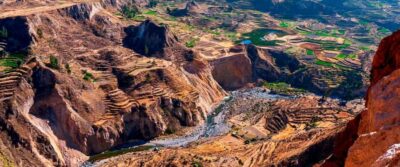
From Arequipa: 2-Day Colca Canyon Trekking Tour
Read our review →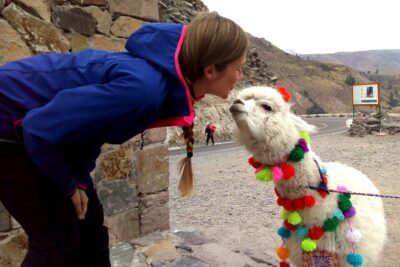
From Arequipa: Full Day Tour of Colca Canyon with Meals
Read our review →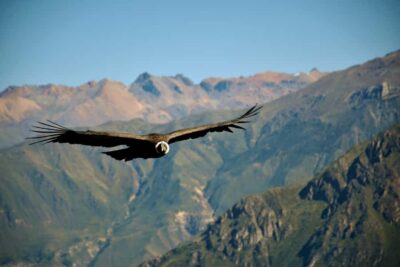
From Arequipa: Colca Canyon Day Trip with Transfer to Puno
Read our review →
Sillar Route in Arequipa and viewpoint of the Volcanoes
Read our review →Browse the lists this tour appears in