
REVIEW · AREQUIPA
Colca Canyon Plus
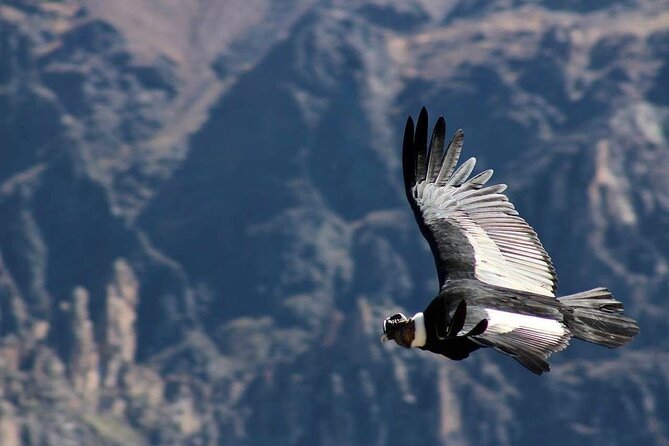
The Andean condor is the headline, but the best part of Colca Canyon Plus is the slow build toward it. You cross high plains filled with vicuñas, pass volcanoes and wetlands, sleep in the Colca Valley, then reach Cruz del Cóndor early enough for a real chance to see the birds riding the canyon air.
I like the small maximum group of 14, which makes the many photo stops less clumsy. I also like the overnight stay in Coporaque, rather than rushing back to Arequipa the same day. The main concern is altitude: the route reaches 4,910 meters, and the optional walk in Coporaque may feel demanding if you are not acclimatized.
Key points at a glance
- 4,910-meter high point: Abra Patapampa gives you broad views of volcanoes and the Cordillera de Chila.
- Wild vicuñas in their habitat: Salinas y Aguada Blanca National Reserve offers a genuine first look at Andean wildlife.
- A night in Coporaque: The overnight stay places you near the canyon rather than leaving you with a long same-day excursion.
- Cruz del Cóndor early in the day: You get viewing time, a short canyon walk, and several viewpoints on the return.
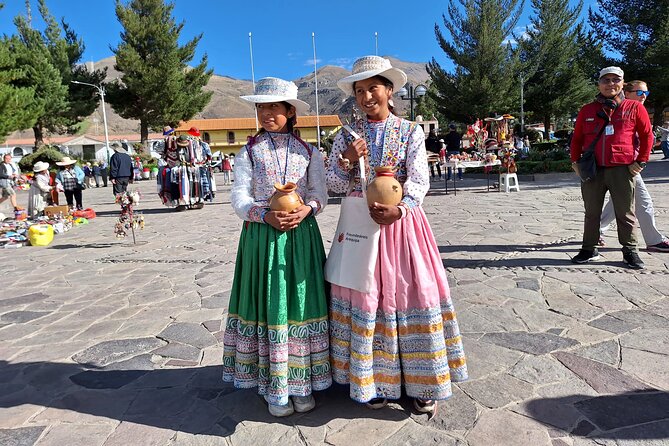
- Local activities included: At La Casa de Mamayacchi, you can learn about a typical dish and try traditional Colca clothing.
- Good value at $103.85: Transport, guide, breakfast, and one night of lodging are included, but lunches, dinner, and the $22 condor viewpoint fee are extra.
Why two days makes sense from Arequipa
Colca Canyon is too far from Arequipa for a relaxed one-day outing. A day trip can show you the famous viewpoint, but it usually leaves little room for village life, a walk, or the high country along the way. This two-day plan gives the route some breathing room.
The price is $103.85 per person, which is fair for a small-group trip with transport, a professional guide, breakfast, and hotel accommodation. You still need to budget for two lunches, dinner, and the $22 entrance fee for Mirador Cruz del Cóndor. Those extras matter, but the package covers the costly parts of moving between Arequipa and the canyon.
The group limit is 14 people. That is not a private tour, but it is small enough for a guide to manage questions and coordinate stops without turning every viewpoint into a herd. The tour is booked, on average, 39 days ahead, so I would not leave it until the last moment if your dates are fixed.
More Colca Canyon Tours in Arequipa:
- From Arequipa: Colca Canyon Full-Day Guided Tour with Meals
★ 4.5 · 982 reviews - From Arequipa: 2-Day Colca Canyon Trekking Tour
★ 4.8 · 243 reviews - From Arequipa: Full Day Tour of Colca Canyon with Meals
★ 4.4 · 146 reviews
Day one, vicuñas and volcanoes above 4,000 meters
The first stretch takes you out of Arequipa with views of Misti, Chachani, and Pichu Pichu. These volcanoes help you read the geography before the road climbs into Salinas y Aguada Blanca National Reserve.
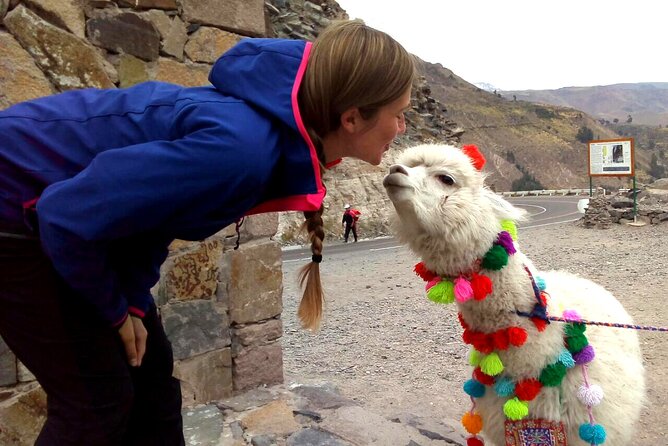
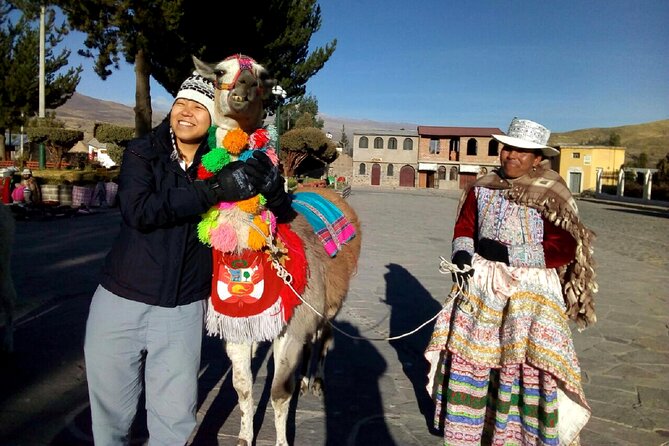
At Pampa Cañahuas, the focus shifts from volcanoes to wildlife. This is where you can stop to watch vicuñas living in the wild, rather than seeing them in a collection or fenced display. Vicuñas are one of the four American camel species, and their slim build and fine wool make them easy to distinguish from the larger llamas and alpacas you see later.
The reserve sits at roughly 4,000 meters, so the first stops are not just scenic. They are your first test of how your body handles altitude. Move slowly, drink water, and do not treat every short walk as a race. You will have time to take photographs, and the clear high-country setting rewards patience.
A short detour reaches the stone forest of Puruña. The rock formations give you a chance to stretch your legs and see a less famous part of the reserve. The panoramic views are useful here because they show the high plain as a whole, rather than giving you another isolated photo stop.
The route then returns to the main road and pauses at a local restaurant. A mate de coca is available, and local women demonstrate work with alpaca fiber and Andean plants. This is a practical cultural stop, not a grand museum visit. You can see how local materials connect to daily work, and there is restroom service here, a small but welcome detail on a long mountain drive.
Tocra wetlands and the 4,910-meter viewpoint
The road continues through Tocra, a high plain above 4,400 meters. Lakes and wetlands attract wild birds, while llamas and alpacas add the familiar Andean shapes to the view. Bring a jacket and keep your camera ready, since the stops are made for quick photographs as well as sightseeing.
Abra Patapampa, also called the Viewpoint of the Andes, is the highest point of the tour at 4,910 meters. From here, you can look toward Ampato, Sabancaya, Hualca-Hualca, Mismi, and the Cordillera de Chila.
This is also the point where altitude deserves the most respect. You may feel fine on the vehicle, then notice breathlessness when you step out. Keep your time outside easy and follow your guide’s instructions. The tour requires a moderate level of physical fitness, and this high point is the clearest reason why.
The attraction here is not a single monument. It is the scale of the Andes: volcanic peaks, open high plains, and a road that seems to thread between them. If you prefer dramatic scenery to long museum visits, this part will likely be one of your favorites.
Coporaque, local food, and a quieter night
As you approach Chivay at about 3,651 meters, the scenery changes again. The multicolor terraces of the Colca Valley begin to appear, showing how communities have shaped the slopes for farming over many centuries.
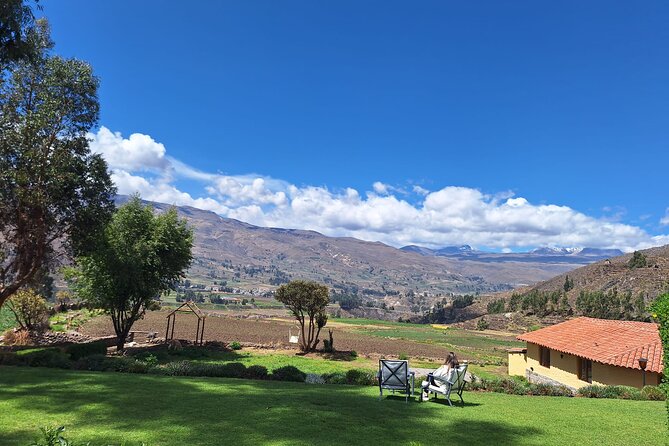
There is a short visit to Chivay plaza before the route follows the right bank of the canyon toward Coporaque. Your accommodation is at La Casa de Mamayacchi, where you have free time for lunch. Lunch is not included, so plan to pay separately.
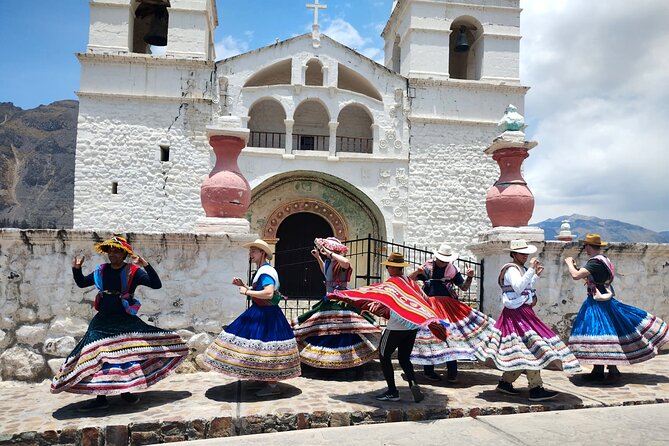
The lodge adds more than a bed for the night. With help from your guide, you can learn to prepare a typical dish or try traditional clothing from the Colca Valley. These activities are simple, hands-on ways to connect the scenery with local life. They also break up what would otherwise be a long sequence of viewpoints and vehicle rides.
You can then join an optional walk through Coporaque and the surrounding area. It lasts about an hour and a half, and it is specifically dependent on how you feel at altitude. I would treat this as a choice, not an obligation. If your head feels clear and your breathing is comfortable, the walk gives you a closer look at the town and nearby countryside. If not, staying near the lodge is the sensible call.
Thermal baths in town are available on request, with transport provided. The details of the bath visit are not fixed in the tour plan, so ask your guide about timing and cost before committing. You return to the hotel for a double or twin room.
This overnight location is one of the strongest parts of the trip. You are not simply checking off Cruz del Cóndor and returning to Arequipa. You have an evening in the canyon area and a chance to experience a traditional village at a slower pace.
Same volcano country, a different day out:
- Full-Day Colca Canyon Tour from Arequipa
★ 4.3 · 112 reviews - 2 Day 1 Night Trek / Colca Canyon
★ 4.5 · 92 reviews - From Arequipa: Colca Canyon Day Trip with Transfer to Puno
★ 4.6 · 90 reviews - Sillar Route in Arequipa and viewpoint of the Volcanoes
★ 4.0 · 71 reviews
Cruz del Cóndor and the morning flight of the birds
Day two starts early with breakfast, followed by the drive along the left side of the Colca Canyon to Mirador Cruz del Cóndor. The early departure is worthwhile because the condors are the central reason many people choose this route.
At the viewpoint, you have time to watch the canyon and wait for the Andean condors to glide on rising air. No wildlife sighting can be guaranteed, but the schedule gives you a proper viewing window rather than a hurried stop. The scale of the canyon makes the viewpoint worthwhile even during a quiet bird period.
After the main viewpoint, your guide leads a short walk near the canyon, lasting about an hour. This gives you another angle on the cliffs and creates a second opportunity to watch the condors. Wear steady shoes and keep your pace comfortable. The tour does not require serious hiking, but the altitude and uneven ground can make an easy walk feel harder than expected.
The Cruz del Cóndor entrance fee is $22 per person, and it is not included in the tour price. Set this money aside before departure. The fee is the main extra charge connected with the headline attraction.
Terraces, villages, and the return to Arequipa
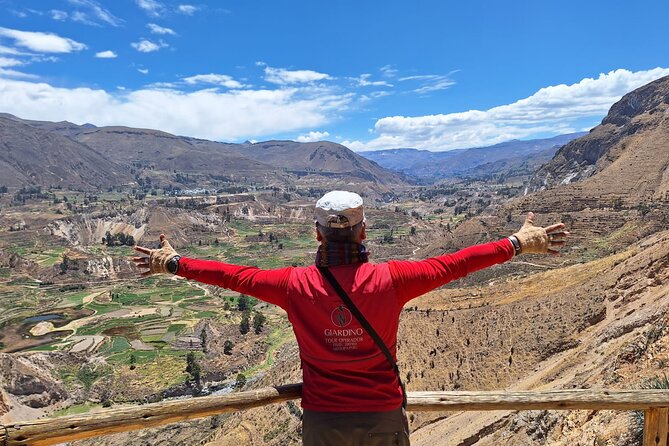
The return route adds several worthwhile stops. In Pinchollo, you can see another traditional Colca village and continue to Antahuilque viewpoint, where terraces dating back 1,500 years are visible.
That detail helps explain why the canyon is more than a dramatic gorge. Its terraces record long-term farming and careful use of steep ground. From above, the patterns can look decorative, but they are working evidence of how people made a living here.
Choquetico viewpoint provides another look at the canyon, along with a litomaqueta, a model of the terraces carved into rock. This is useful if you want to understand the shape of the valley. The model turns a huge, hard-to-read view into something you can study at close range.
The route continues through Maca and Yanque before reaching Chivay around midday. Lunch is on your own in Chivay. Since you have already spent much of the morning out in the cold high country, a proper meal and a short rest here are welcome.
After lunch, the vehicle begins the return to Arequipa, arriving around 4:00 p.m. You are then transferred to your hotel. The full second day is long, but the timing is practical: the condor viewpoint comes first, cultural and terrace stops follow, and the return does not stretch into the late evening according to the planned arrival.
There is also a transfer option from Chivay to Puno on Lake Titicaca. You need to consult the operator about that service, but it could help you avoid returning to Arequipa if Puno is your next destination.
Guides, transport, and the pace of the trip
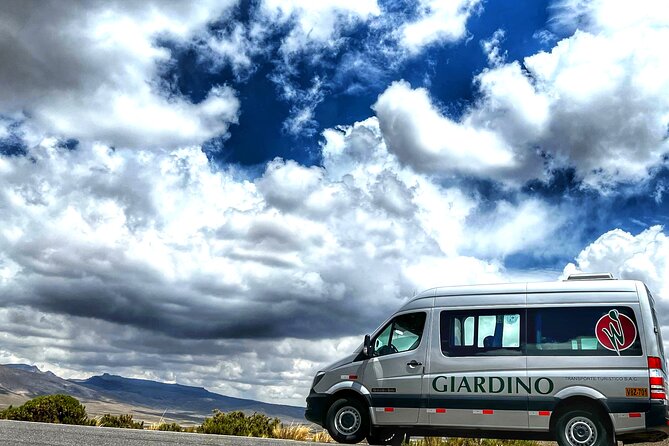
The tour includes tourist transportation and a professional guide. Names associated with the guiding team include Antonio San Cristobal and a driver named Derly, both noted for courteous, organized service. A guide named Mayan is also associated with this experience and is described as consistently cheerful and generous with explanations. Guide assignments can change, so do not assume a particular person will lead your departure.
The guide matters here because the route has many short stops and several changes in altitude. A good guide helps you understand why a wetland matters, points out the volcanoes, explains the terraces, and keeps the group moving without making the day feel rushed.
The vehicle is your base for much of the trip. Expect substantial driving, with stops added for photographs, short walks, villages, and viewpoints. This suits you if you want to cover a large area without arranging several separate transfers. It is less suitable if you want long, independent hikes or hours at each location.
What to pack and how to handle the altitude
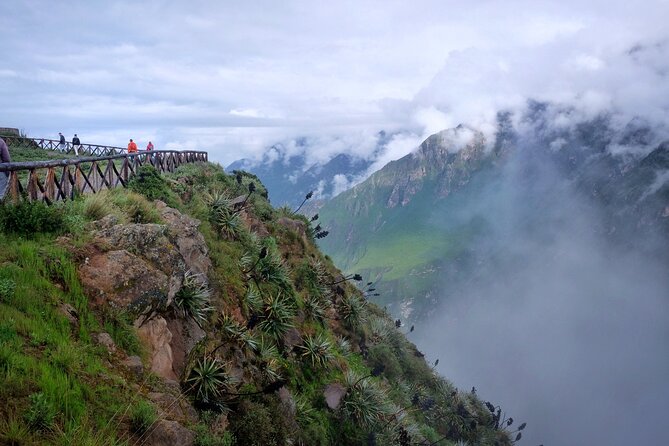
Pack layers. Temperatures can shift sharply between the sunny road, exposed viewpoints, and shaded canyon areas. Comfortable walking shoes are useful for Puruña, the Coporaque walk, and the short route near Cruz del Cóndor.
You should also carry water, sun protection, and cash for meals and the condor viewpoint fee. Breakfast is included, but lunch and dinner are not. The local restaurant stop has restrooms, yet you should still use facilities when available because parts of the route are remote.
The itinerary reaches 4,910 meters and includes an optional 90-minute walk. You do not need advanced fitness, but you should be comfortable with moderate activity and should be honest with yourself about altitude. If you feel unwell, skip the optional walk and tell your guide.
Who will get the most from Colca Canyon Plus
I would choose this trip if you want a broad introduction to the Colca region rather than a strenuous canyon trek. It combines wildlife, volcanoes, wetlands, village visits, cultural activities, condors, terraces, and a thermal bath option in two days.
It is a good match for photographers, first-time visitors to the canyon, and anyone who prefers a structured route with a small group. The overnight stay also makes it more appealing than a rushed day trip from Arequipa.
You may want a different plan if your main goal is a long descent into the canyon or several days of trekking. This experience views the canyon from above and includes short walks, not a demanding multi-day hike inside the gorge.
Cancellation is flexible up to three full days before the start time for a full refund. Changes made inside that period are not accepted, and poor weather can lead to a new date or a full refund. The activity requires good weather, so keep some flexibility in your schedule if possible.
Should you book this two-day Colca trip?
Book it if you want the famous condor viewpoint but also care about the route getting there. The high reserve, wild vicuñas, Coporaque overnight, local clothing and cooking activities, and terrace viewpoints give the trip substance beyond one bird-watching stop.
At $103.85, the package offers solid value once you account for transport, a guide, breakfast, and a night in the canyon area. Just add the $22 entrance fee, meals, and any optional extras to your budget.
My advice is to book this if you can manage high altitude and a full schedule, then keep the Coporaque walk optional. The best version of the trip is not about forcing every activity. It is about reaching Cruz del Cóndor rested enough to look up, wait quietly, and watch the Andes come alive.
FAQ
How long is the Colca Canyon Plus tour?
The experience lasts approximately two days. It leaves Arequipa for the Colca region on day one and returns to Arequipa around 4:00 p.m. on day two.
What is the highest point on the tour?
The highest point is Abra Patapampa, also called the Viewpoint of the Andes, at 4,910 meters.
Is accommodation included?
Yes. One night in a double or twin room is included, with accommodation at La Casa de Mamayacchi in Coporaque.
Is food included?
Breakfast is included. Lunch and dinner are not included, so you need to pay for those meals separately.
How much is the Cruz del Cóndor entrance fee?
The Mirador Cruz del Cóndor entrance fee is $22 per person and is not included in the tour price.
Is the Coporaque walk required?
No. The walk through Coporaque and nearby areas takes about one and a half hours and is optional, depending on how you feel at altitude.
How many people are in the group?
The tour has a maximum of 14 participants.
Just added around Arequipa
- Sillar Route in Arequipa and viewpoint of the Volcanoes★ 4.0 · 71 reviews
- Private 3 Day Colca Canyon Trekking tour (superior Service)★ 5.0 · 58 reviews
- Full Day Tour / Colca Canyon★ 4.0 · 70 reviews
- Full Day Tour to Colca Canyon from Arequipa★ 4.0 · 34 reviews
- 3-Day Colca Canyon trek with Professional Guide★ 5.0 · 40 reviews
- 2 Day 1 Night Trek / Colca Canyon★ 4.5 · 92 reviews
- 2 Day Trek Including Transfer to Puno / Colca Canyon★ 4.5 · 38 reviews
- From Arequipa: 2-Day Colca Canyon Tour with Transfer to Puno★ 4.2 · 17 reviews
Arequipa Volcano Tours, compared.
From Arequipa: Colca Canyon Full-Day Guided Tour with Meals
Read our review →
From Arequipa: 2-Day Colca Canyon Trekking Tour
Read our review →
From Arequipa: Full Day Tour of Colca Canyon with Meals
Read our review →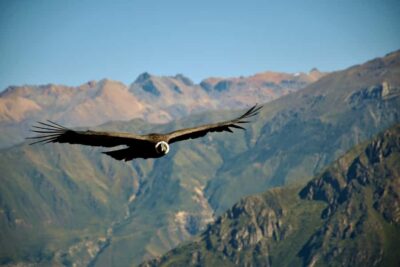
From Arequipa: Colca Canyon Day Trip with Transfer to Puno
Read our review →
Sillar Route in Arequipa and viewpoint of the Volcanoes
Read our review →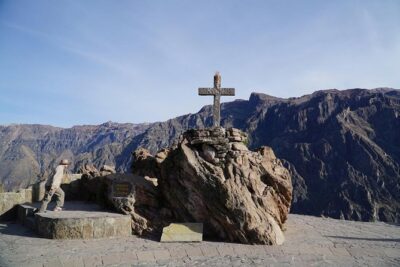
Browse the lists this tour appears in