
REVIEW · CHIVAY
From Arequipa: Fullday Tour Colca Canyon + Transfer To Puno
The real prize here is the Cruz del Cóndor, where Andean condors may glide close to the canyon rim in the morning air. I like that this trip also gives you a practical transfer from Arequipa to Puno, and I like the mix of viewpoints, village stops, hot springs, vicuñas, alpacas, and high-altitude wetlands.
The drawback is the clock. This is a 16-hour day, with much of it spent in a vehicle, and the one-day format gives you short photo stops rather than time to walk into the canyon. Lunch and entrance fees also cost extra.
Key points to know before booking
- Cruz del Cóndor is the morning centerpiece: Arrive at about 8:30 AM, when condor sightings are a strong possibility.
- The tour doubles as a transport day: You finish at Puno’s terrestrial bus terminal at about 7:00 PM.
- Chacapi Hot Springs adds a welcome break: The optional entry fee is S/. 15, and the pools have natural views.
- You reach 4,910 meters: The volcano viewpoint is high, so prepare for cold, thin air and a demanding schedule.
- The day includes more than canyon scenery: Expect colonial churches, pre-Inca tombs, terraces, camelids, wetlands, and vicuñas.
- Budget for extras: Foreign visitors pay S/. 70 for the canyon, S/. 15 for the thermal baths, and lunch is not included.
Why this Arequipa to Puno trip makes sense
This excursion is best understood as two useful travel days squeezed into one. In the morning, you tour the Colca Canyon. In the afternoon, you continue toward Puno instead of returning to Arequipa. That makes the $56 price attractive if Puno is already your next destination.
I like this arrangement because transport between major Peruvian stops can otherwise take up a full day with little sightseeing. Here, the road becomes part of the experience. You pass through high Andean scenery, see vicuñas in the Aguada Blanca and Salinas National Reserve, and pause at mountain wetlands before reaching Puno.
Still, you need to accept the tradeoff. A separate two-day Colca Canyon trip would give you more time in the valley and more chances to walk. This one-day version is a sightseeing transfer, not a proper canyon trek.
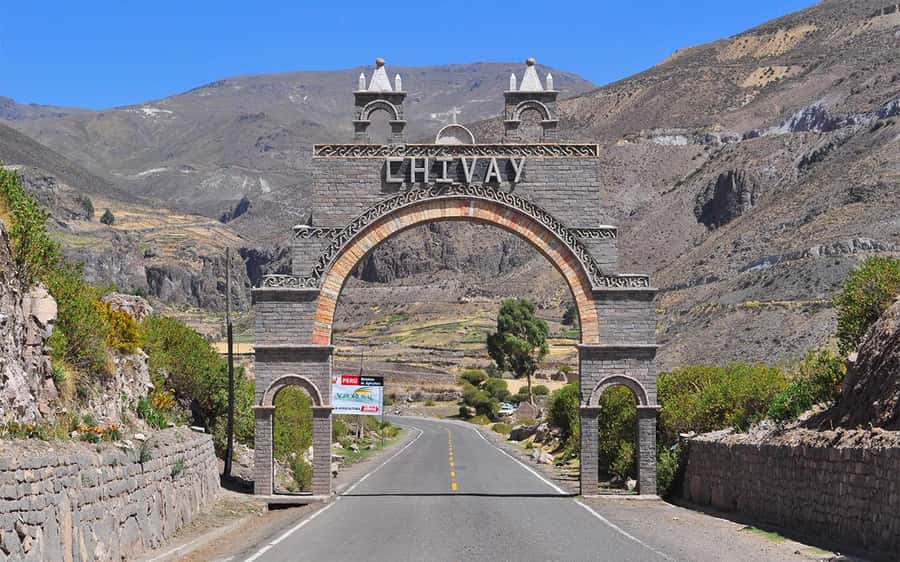
The departure begins between 2:30 and 3:00 AM, with hotel pickup in Arequipa. That means you should organize your bags the night before and expect very little sleep. The group first drives through Yura and continues toward Chivay, stopping for breakfast after roughly three hours.
More Colca Canyon Tours in Chivay:
- 2-Day Tour Colca Canyon in Arequipa with end in Puno
★ 4.6 · 248 reviews - Turist Bus Colca Canyon (Chivay) To Puno
★ 5.0 · 83 reviews - From Puno to Arequipa: 2 Days/1 Night Colca Canyon Tour
★ 3.6 · 83 reviews
Breakfast in Chivay after the early start
Breakfast lasts about 50 minutes in Chivay. After leaving Arequipa in darkness, this stop gives you time to eat, stretch, and prepare for the main attraction.
Breakfast is included, which helps with the early departure. You should still carry water and small snacks, since this is a long day and the next scheduled meal is lunch in Chivay later in the morning.
The road from Chivay to the canyon takes about 45 minutes. By this point, you are already gaining altitude, so take things slowly. The schedule is tight, and there is no need to turn a normal mountain morning into a race.
Cruz del Cóndor and the first view of Colca
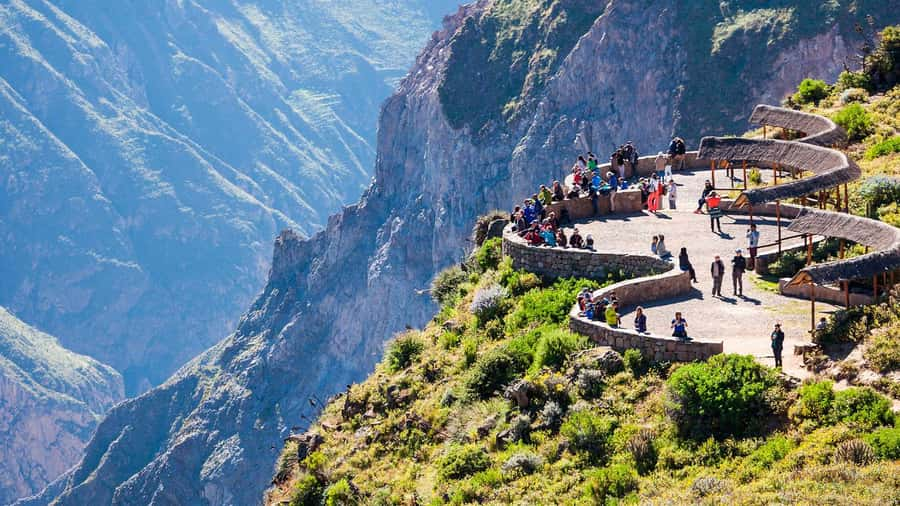
The group reaches Cruz del Cóndor at approximately 8:30 AM. This is the emotional high point of the outing, and the timing is important. Morning air currents often give condors the lift they need to circle above the canyon.
From the viewpoint, you can look into one of the deepest canyons in the world. The attraction is not only the depth below you. It is also the sight of a huge bird passing near the rim, often giving you a better sense of scale than any photograph.
You get about an hour and a half for the canyon visit, guided touring, walking, and photos. That sounds generous, but it passes quickly. You will want to watch the sky, take pictures, listen to the guide, and simply look into the gorge.
Bring a warm layer. The start of the day can be cold, and high-altitude viewpoints can feel exposed. Comfortable shoes matter too, since the stop includes walking rather than a quick roadside photograph.
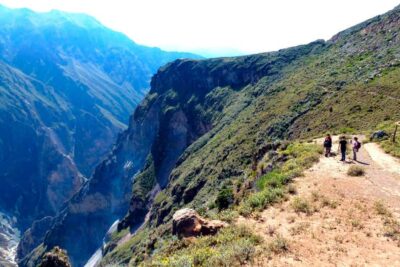
The main limitation is that you do not walk down into Colca Canyon. You see it from the rim and nearby viewpoints. If your dream is a hike through the valley, stay overnight in the Colca area and choose a longer program.
Pinchollo, Maca, and Yanque add local character
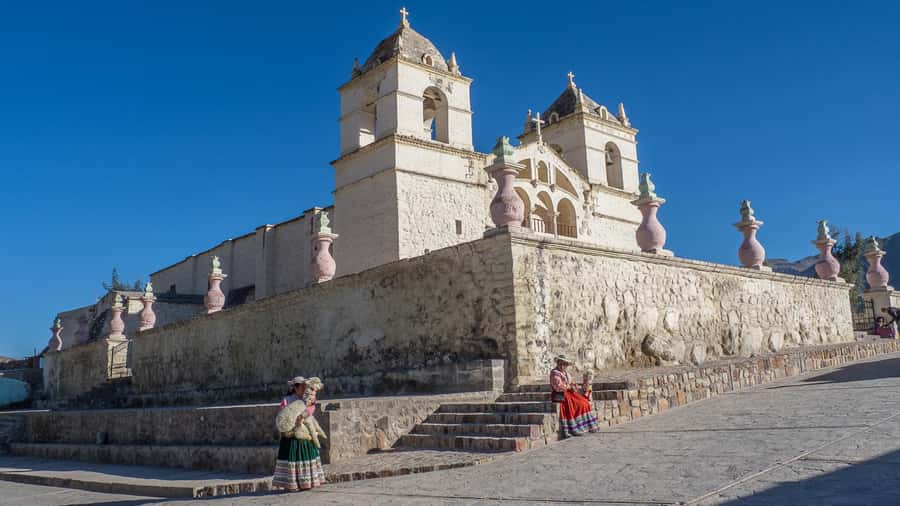
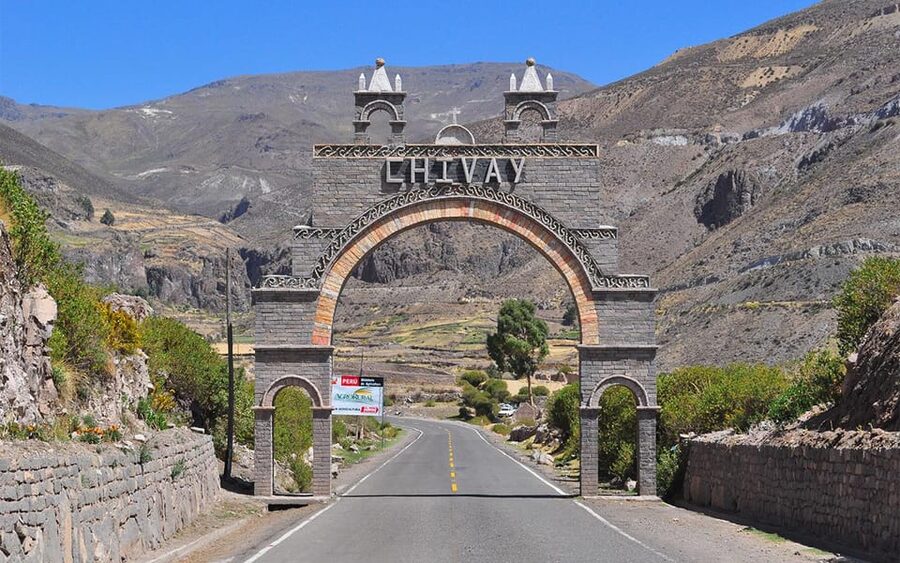
After Cruz del Cóndor, the route turns toward several Colca communities. Stops include Pinchollo, Maca, and Yanque, towns known for their colonial churches.
These visits break up the canyon sightseeing with a look at local architecture and daily life. The churches give the guide a chance to explain the area beyond its famous viewpoints, while the villages provide a more human scale after the wide gorge.
The schedule also includes opportunities to see typical clothing, South American camelids, and trained birds. These displays can feel arranged for visitors, so keep your expectations sensible. They are short cultural encounters, not a full village visit.
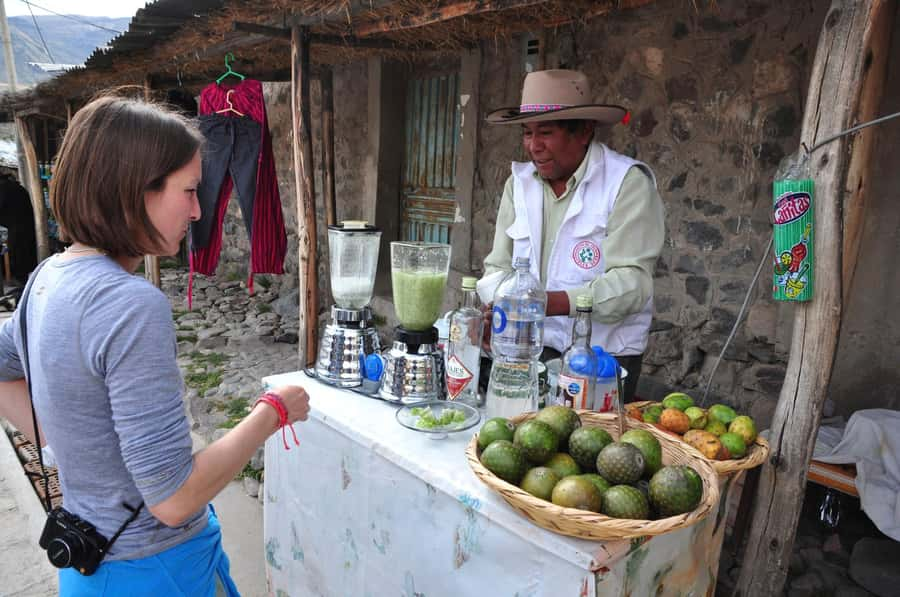
You may also be offered a Colca Sour made with sancayo, a local cactus fruit. It is a distinctive regional drink and one of the small details that makes this route feel tied to Colca rather than being just a scenic bus ride.
A few more volcano tours around Chivay worth a look
- Arequipa: Fullday Colca Canyon + Lunch + Transfer to Puno
★ 4.6 · 5 reviews - Tenerife: Mount Teide Tour with Cable Car Ticket & Transfer
★ 4.3 · 5,094 reviews - From Naples: Mount Vesuvius Transfer with Entry Tickets
★ 4.3 · 1,247 reviews - From Pompeii: Bus Transfer to Vesuvius with Park Entry Fee
★ 4.4 · 1,205 reviews
Antahuilque and Choquetico viewpoints
The Antahuilque and Choquetico viewpoints show another side of the region. From here, you can see pre-Inca tombs, models, agricultural terraces, and the broad sweep of the Colca area.
The terraces are especially useful for understanding how people farmed in steep mountain country. From ground level, they can look like lines across the hills. From a viewpoint, their scale and careful construction become much clearer.
These stops are relatively short, about 30 minutes in the itinerary. Use your time well. Listen to the explanation first, then take photographs. If you only rush to the edge for a picture, you will miss the reason these viewpoints matter.
The word viewpoint is important here. You are stopping to look and learn, not setting off on a long walk. That makes the itinerary accessible to people who want a broad introduction to Colca without committing to a trek.
Chacapi Hot Springs provide the day’s best pause
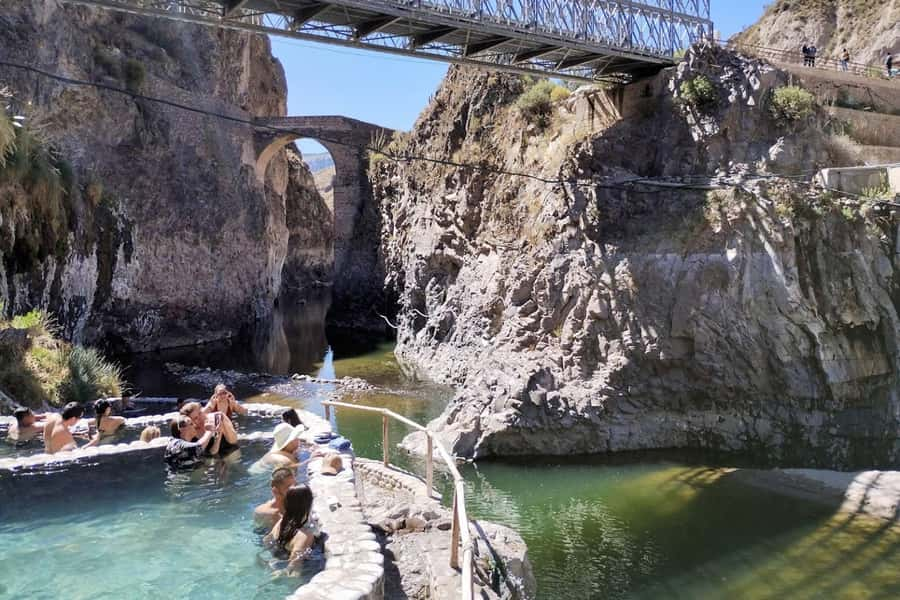
At about 11:30 AM, the group heads to Chacapi Hot Springs. You have roughly an hour here, and the pools are set among natural views. Entry is optional and costs S/. 15.
I consider this a worthwhile extra after the cold early morning and repeated vehicle stops. A warm soak gives you a chance to relax before lunch and the long drive to Puno.
Bring whatever you need for the water, though the supplied details do not specify changing facilities or towel service. If you do not want to pay for the baths, the stop still works as a break from the road.
The timing also has a practical catch. You have already been awake for many hours, and the hot water may make you feel even sleepier. Enjoy the pause, but keep some energy for the second half of the journey.
Lunch in Chivay is not part of the $56 price
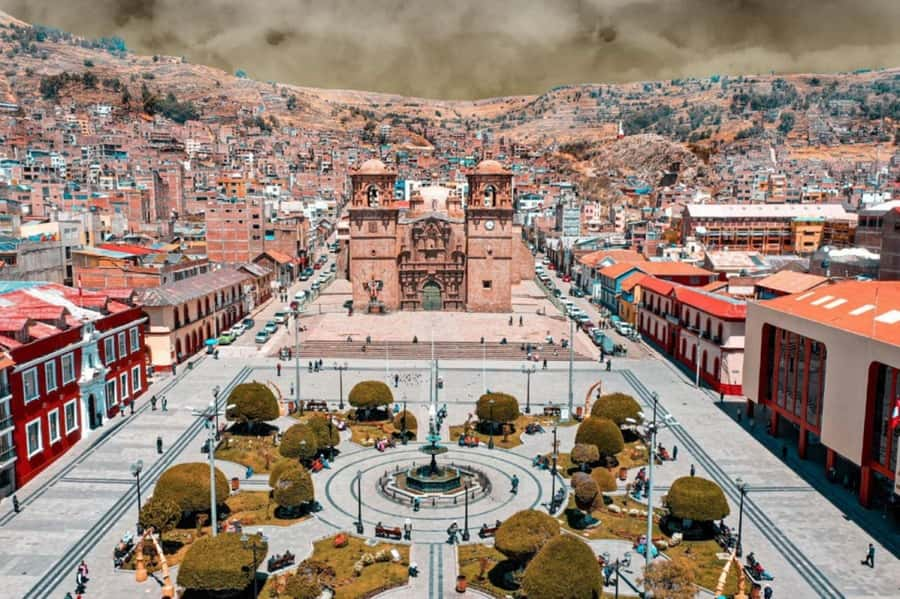
At about 12:30 PM, you return to Chivay for one hour of lunch. The meal is not included, so add that expense to your budget.
The schedule may involve changing to another tourist vehicle for the journey to Puno. That transfer is part of the plan, but you should pay attention to your belongings when moving between vehicles.
One useful detail from the available feedback is that a restaurant on the route had very good views toward a waterfall. You should not treat that as a guaranteed feature of every departure, but it suggests that the meal stop can offer more than a quick plate of food.
A separate point is the Pucara Museum stop mentioned in one account. The detailed itinerary supplied here does not list it as a scheduled stop, so do not book this tour expecting a museum visit. If one is offered on your departure, check the added cost before entering. One passenger considered its fee high for what was on display.
The road to Puno reaches serious altitude
After lunch, the route continues toward Puno. The first major stop is a high volcano viewpoint at 4,910 meters above sea level. This is not a minor rise in altitude. The thin air can affect anyone, even if you are fit.
Move slowly, avoid unnecessary exertion, and follow the guide’s instructions. The stop is listed as about 20 minutes, which is enough for photos and a short look without turning it into a strenuous activity.
You then pass through the Tocrapampa wetlands. These high Andean wetlands support wild birds and herds of alpacas and llamas. The scene is different from Colca Canyon, but that contrast is one of the day’s strengths.
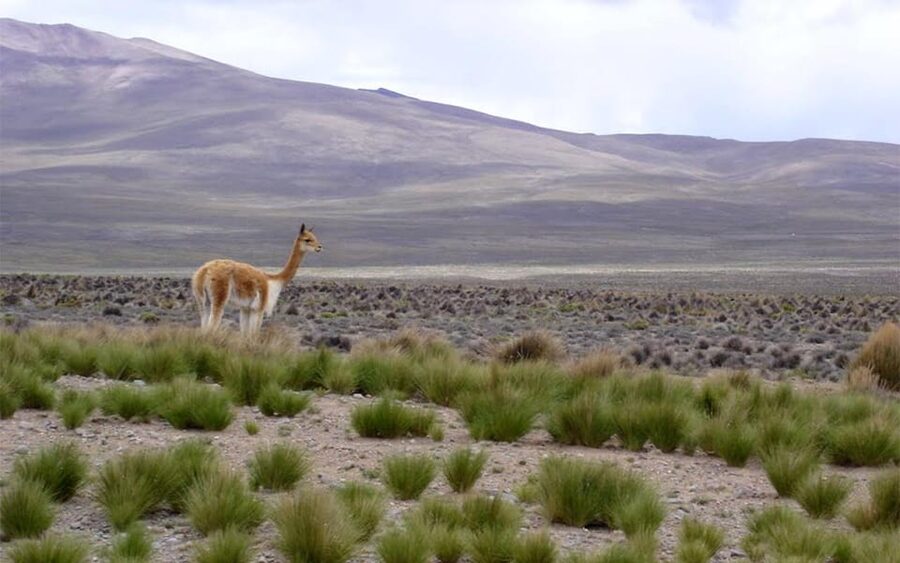
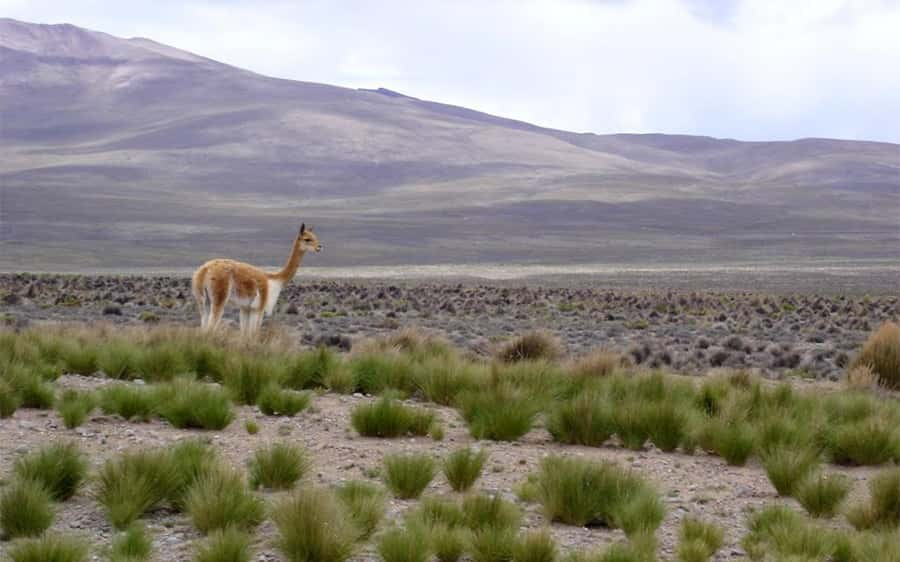
At Pampa Cañahuas, within the Aguada Blanca and Salinas National Reserve, you may see vicuñas. These elegant wild camelids are known for their fine fiber. Unlike domesticated alpacas and llamas, vicuñas are wild animals, so sightings depend on where the herds are at that moment.
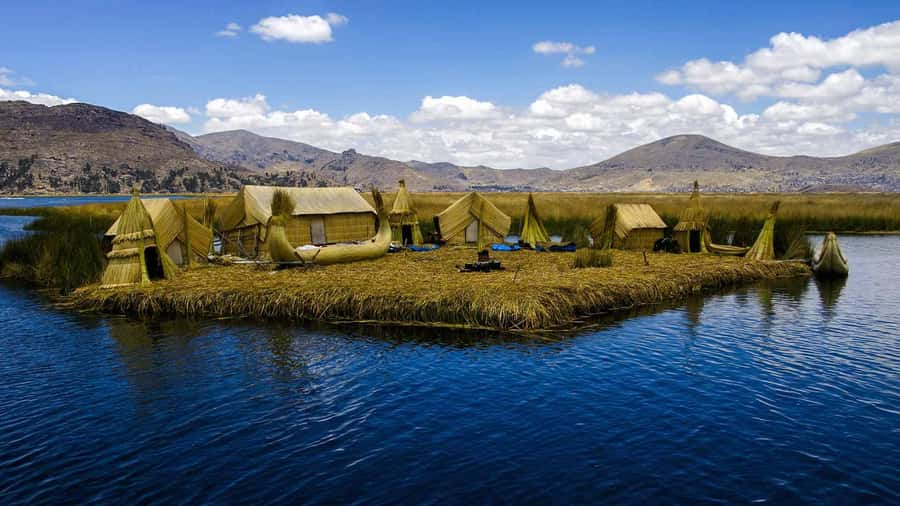
The route also includes high Andean lagoons near Puno. These stops give you a sense of the broad, open country around the altiplano before the final approach to the city.
The vehicle time is the price of convenience
The transport saves you the trouble of arranging a separate journey from Colca to Puno, but it also defines the day. The itinerary includes a three-hour first drive, a 45-minute transfer to the canyon, about an hour and a half at the main site, and then roughly five hours on the road toward Puno.
That is a lot of sitting. You will get out regularly at viewpoints and attractions, but the tour is not designed for long walks or quiet time in one place.
I would choose it if your priority is efficient travel with sightseeing built in. I would not choose it if your priority is slow travel, hiking, or a detailed visit to every Colca village.
The arrival is scheduled for about 7:00 PM at the terminal terrestre in Puno, postal code 21001. The experience does not include a listed visit to Lake Titicaca after arrival. If you want to see the lake, plan that separately from Puno.
Guides, language, and the human side of the trip
The tour runs with an official tourism guide in English or Spanish. That matters because the stops cover more than scenery. A good explanation can connect the condors, terraces, churches, tombs, camelids, and altitude into a coherent picture of the region.
One passenger specifically remembered a guide named Sheila and praised the team and driver for helping when they felt unwell. The driver also returned a forgotten hat from the vehicle. Those are small details, but they matter on a day when you are tired, cold, and moving between several stops.
You should still take responsibility for your own comfort. Keep medicine, water, identification, and valuables with you rather than in a luggage compartment. The tour is long enough that a forgotten item can be difficult to recover, even if the staff are helpful.
What the price really includes
At $56 per person, the package offers solid value for a guided canyon visit plus transport onward to Puno. Hotel pickup, tourist mobility, breakfast, the guide, and the Colca to Puno transfer are included.
The advertised price is not your final spending total. You need to allow for:
- Colca Canyon entry: S/. 70 for foreign visitors, S/. 20 for Peruvian nationals, or S/. 40 for Latin American visitors
- Chacapi Hot Springs: S/. 15, optional
- Lunch in Chivay, not included
- Any extra attraction or museum fee offered during the route
For a foreign visitor, the canyon ticket alone is more than the tour price in local-currency terms. That is normal for some major Peruvian attractions, but it changes the budget calculation.
The value is strongest when you need to get from Arequipa to Puno anyway. If you are returning to Arequipa, the transfer benefit disappears, and a slower Colca option may make more sense.
Who should book this 16-hour day
I would recommend this tour to you if you:
- Have only one day for Colca Canyon
- Need transport onward to Puno
- Want condor views without a multi-day hike
- Enjoy frequent scenic stops
- Are comfortable with an early start and long vehicle rides
- Want a guide in English or Spanish
I would hesitate if you:
- Need plenty of sleep
- Struggle with high altitude
- Want a serious canyon walk
- Prefer independent meals and flexible timing
- Plan to visit Lake Titicaca immediately after arrival
- Dislike changing vehicles during a long transfer
The cancellation policy is useful for a changing itinerary: you can cancel up to 24 hours ahead for a full refund. You can also reserve now and pay later, which helps when your Peru route is not fully fixed.
Final verdict: book it for the route, not just the canyon
This is a practical, scenic, and demanding way to connect Arequipa and Puno. The condor viewpoint is the star, while the hot springs, colonial churches, terraces, wetlands, vicuñas, and camelids keep the day from becoming a single photo stop.
Book it if you value time and transport efficiency more than depth. You will see a lot, but you will not truly explore Colca Canyon on foot. If you can spare two days, choose a longer Colca program. If you need to reach Puno and want the road between the cities to become part of your sightseeing, this $56 trip is a sensible choice.
FAQ
How long does the tour last?
The tour lasts about 16 hours, beginning between 2:30 and 3:00 AM and arriving in Puno at approximately 7:00 PM.
Where does the tour begin?
Pickup takes place at hotels in Arequipa.
Where does the tour finish?
The tour finishes at the terrestrial bus terminal in Puno, at Terminal Terrestre, Puno 21001, Peru.
Is breakfast included?
Yes. Breakfast in Chivay is included and lasts about 50 minutes.
Is lunch included?
No. Lunch in Chivay is not included. The lunch stop lasts about one hour.
Are entrance tickets to Colca Canyon included?
No. The canyon entrance fee is S/. 70 for foreign visitors, S/. 20 for Peruvian nationals, and S/. 40 for Latin American visitors.
How much does Chacapi Hot Springs cost?
Entry to Chacapi Hot Springs costs S/. 15 and is optional.
What languages are available for the guide?
The live guide is available in English or Spanish.
Will the tour visit Lake Titicaca?
The tour ends in Puno, where you can visit Lake Titicaca separately. A specific lake visit is not listed as part of this day tour.
Can I cancel the booking?
Yes. You can cancel up to 24 hours in advance for a full refund. The activity also allows you to reserve now and pay later.
Just added around Chivay
- Tour Fullday Colca Canyon with Breakfast and Typical Lunch★ 4.3 · 35 reviews
- Offer Price: Colca Canyon One Day in Arequipa with Breakfast★ 4.5 · 4 reviews
- Full Day Trip to Colca Canyon from Arequipa ending in Puno★ 4.5 · 4 reviews
- Full day excursion to Colca Canyon★ 4.2 · 6 reviews
- From Puno: 2-Day Tour to Colca Canyon ending in Arequipa★ 4.1 · 4 reviews
- From Arequipa: Tour Colca Canyon 2 Days with End in Puno★ 4.2 · 12 reviews
- From Arequipa: Colca Canyon Full-Day Tour with Breakfast★ 3.3 · 4 reviews
- From Arequipa: One Day Trip to Colca Canyon Ending in Puno★ 4.0 · 14 reviews
Chivay Volcano Tours, compared.
2-Day Tour Colca Canyon in Arequipa with end in Puno
Read our review →
From Puno to Arequipa: 2 Days/1 Night Colca Canyon Tour
Read our review →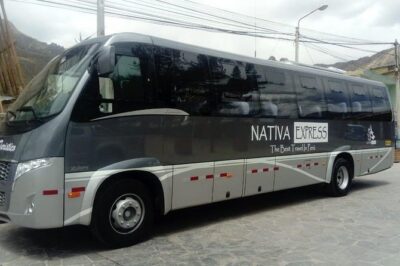
From Arequipa Trek : 2-Days of Hiking in the Colca Canyon
Read our review →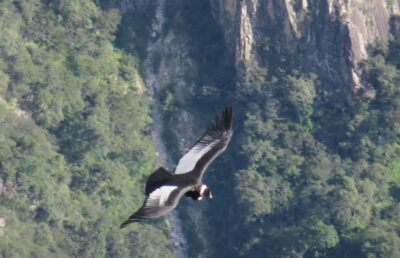
Tour Fullday Colca Canyon with Breakfast and Typical Lunch
Read our review →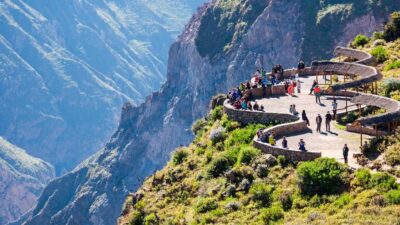
From Arequipa: One Day Trip to Colca Canyon Ending in Puno
Read our review →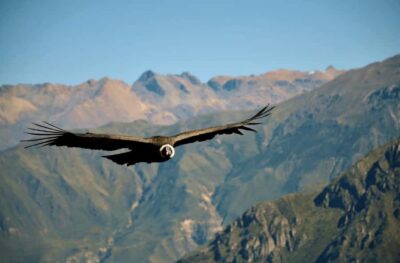
From Arequipa: Tour Colca Canyon 2 Days with End in Puno
Read our review →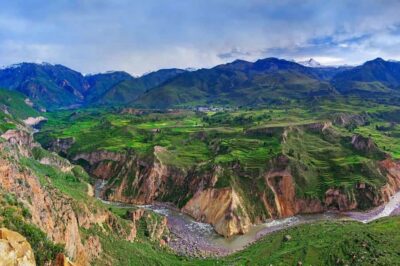
Arequipa: 2-Day Colca Canyon Classic Tour return to Arequipa
Read our review →Browse the lists this tour appears in