
REVIEW · CHIVAY
Turist Bus Colca Canyon (Chivay) To Puno
The best part of this Chivay to Puno transfer is that it turns a long mountain ride into a half-day sightseeing trip. You stop at high Andean viewpoints, look for vicuñas and flamingos, and cross the open country between the Colca Valley and Lake Titicaca.
I like the four sightseeing stops and the chance to ride with a bilingual guide instead of simply sitting on a bus. I also like the practical touches: air conditioning or heating, an onboard toilet, phone chargers, and possible hotel drop-off in Puno’s historic center.
The main caution is that the advertised snacks, bottled water, and Wi-Fi may not always be available. One passenger found the bus comfortable and the guide helpful, but had to buy water during the ride and could not use Wi-Fi for work.
Key points to know before booking
- Abra Patapampa reaches the high Andes: Stop for views of Ampato, Sabancaya, Hualca Hualca, Mismi, and the Chila range.
- Wildlife appears along the route: Tocrapampa and Pampa Cañahuas are good places to look for llamas, alpacas, vicuñas, and, with luck, guanacos or foxes.
- Lagunillas adds a birding stop: Small lakes reflect the sky, and Andean flamingos may appear depending on the season.
- The afternoon schedule is straightforward: Meet beside the church on Chivay’s main plaza between 12:30 and 1:10 pm, then leave at about 1:15 pm.
- The ride can run long: Normal arrival in Puno is around 7:00 to 7:30 pm, but road construction once stretched the trip to about 7.5 hours.
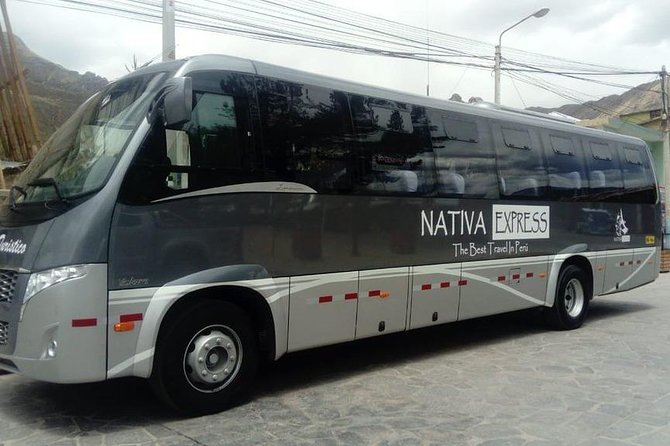
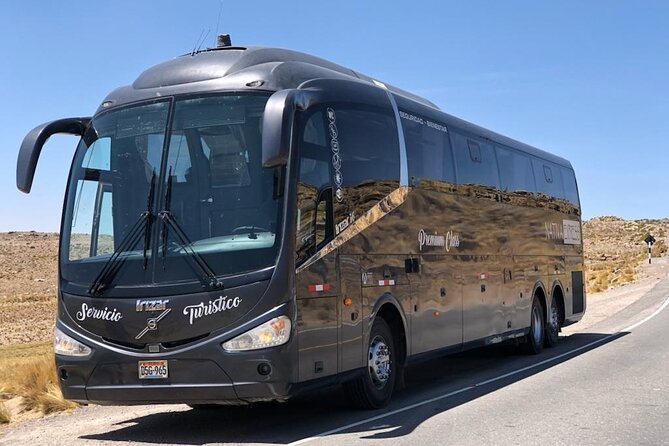
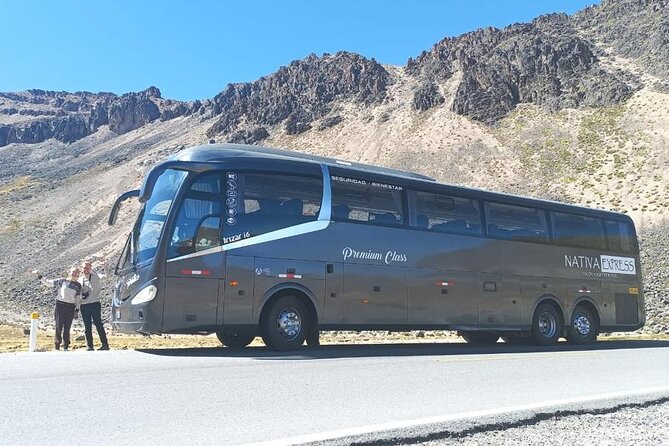
- Comfort is better than on a basic bus: You get air conditioning or heating, a toilet on some vehicles, reading lights, and charging points.
Why this Chivay to Puno ride makes sense
The road between Chivay and Puno is not just a way to get from one town to another. It crosses some of southern Peru’s most striking high-altitude country, where volcanoes, volcanic plains, wild camelids, and small lakes fill the view.
A regular public bus may get you there for less, but you would likely miss the planned stops and the explanations from a guide. This service gives you a sightseeing transfer, which is useful if your Peru trip already includes the Colca Canyon and you want to continue to Puno without giving up a full day to separate transport.
The listed price is $41.03 per person. I consider that fair for a roughly 6.5-hour ride when you count the guide, four stops, air conditioning or heating, onboard facilities, and the chance of a hotel transfer in central Puno. It is not the cheapest way to cover the distance, but it offers much more than point-to-point transport.
The group can reach 40 people. That means you should expect a shared coach rather than a small private outing. The larger group keeps the price down, though each stop may feel more organized and less flexible than a private car.
More Colca Canyon Tours in Chivay:
- 2-Day Tour Colca Canyon in Arequipa with end in Puno
★ 4.6 · 248 reviews - From Puno to Arequipa: 2 Days/1 Night Colca Canyon Tour
★ 3.6 · 83 reviews - Tour Fullday Colca Canyon with Breakfast and Typical Lunch
★ 4.3 · 35 reviews
Meeting at Chivay’s main plaza
The meeting point is the operator’s office beside the church on Chivay’s main plaza. You are asked to arrive between 12:30 and 1:10 pm, with departure planned for about 1:15 pm.
This is a useful meeting point because the plaza is easy to identify, but do not treat the departure time casually. You need to allow time to find the office, check in, and settle your luggage before the bus leaves.
The afternoon departure also has a practical advantage. You can spend the morning in Chivay or finish an earlier Colca Canyon activity, then continue to Puno without changing buses. The tradeoff is a late arrival, normally between 7:00 and 7:30 pm.
If your Puno hotel is in the historic center, the staff may be able to take you directly to the hotel. That can save you the trouble of arranging a taxi after dark. The wording is important, though: this is possible for hotels in the historic center, not a guaranteed door-to-door service for every address.
Abra Patapampa and the high Andes
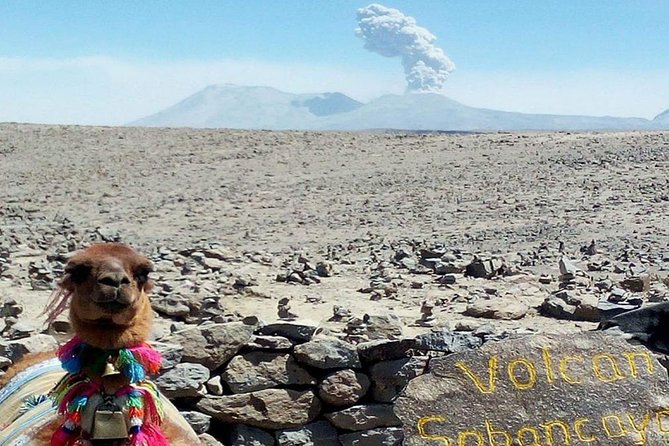
The first main stop is Abra Patapampa, also called the Mirador de los Andes. At roughly the high point of the route, you look across an enormous Andean setting with several volcanoes and mountain ranges.
The named peaks include Ampato, Sabancaya, Hualca Hualca, and Mismi. Mismi is especially interesting because it is identified here as the source of the Amazon River. You also see part of the Chila range, adding another layer to the broad mountain view.
This stop lasts about eight minutes, so you need to move quickly. It is enough time for photographs and a short look around, but not enough for a long walk or extended quiet time.
You may also notice apachetas, small towers of stones traditionally left by people as offerings during journeys. They add a human detail to what might otherwise feel like an empty mountain pass. At this altitude, the air can feel cold, so keep a jacket close even if Chivay was mild.
The short stop is both its strength and its weakness. You get a memorable viewpoint without adding much time to the transfer, but you will not have much room for lingering or careful photography.
Tocrapampa and the search for camelids
Tocrapampa is described as a technical stop, with time to observe South American camelids in their natural setting. Llamas and alpacas often graze in the open country, while vicuñas may appear if conditions are favorable.
Vicuñas are especially notable because their fiber is among the finest and most valuable used in the textile industry. Seeing them in the wild gives you a better sense of the difference between a working llama or alpaca and this more delicate wild relative.
This part of the route is less about a single famous viewpoint and more about watching the roadside carefully. Keep your camera ready, but do not expect guaranteed wildlife sightings. The animals are free-ranging, and the view depends on the season, distance, and luck.
The stop also breaks up the bus ride at a useful point. After leaving Chivay and climbing into the open Andes, a short pause lets you stretch and look away from the road. The exact length of the Tocrapampa stop is not specified, so follow the guide closely when it is time to return.
Same volcano country, a different day out:
- From Arequipa Trek : 2-Days of Hiking in the Colca Canyon
★ 4.5 · 35 reviews - From Arequipa: Fullday Tour Colca Canyon + Transfer To Puno
★ 4.4 · 17 reviews - From Arequipa: One Day Trip to Colca Canyon Ending in Puno
★ 4.0 · 14 reviews - From Arequipa: Tour Colca Canyon 2 Days with End in Puno
★ 4.2 · 12 reviews
Pampa Cañahuas, hot drinks, and a useful pause
The next major stop is Patahuasi, in the Pampa Cañahuas area of the Aguada Blanca National Reserve. The reserve lies behind Chachani Volcano and is another strong location for spotting vicuñas, llamas, and alpacas.
With luck, you might also see a fox or guanaco in the distance. These sightings are never promised, which is part of the appeal. You are looking at open highland country rather than visiting an enclosed animal park.
Patahuasi is also the most practical stop on the route. You have about 15 minutes to use the restrooms, buy crafts or souvenirs, and try hot herbal drinks made with chachacoma or muña. Those drinks are closely tied to the high Andes and can be welcome in the cool air.
The stop has a simple local feel. You can warm up, use the facilities, and buy a small item without making a separate shopping detour later. Bring some Peruvian soles if you want to purchase something, since the tour price covers the transfer rather than souvenirs or extras.
The bus is equipped with an onboard chemical toilet depending on the vehicle, but Patahuasi gives you a more dependable chance to use a proper facility. I would take advantage of it, especially since the ride continues for several hours.
Lagunillas and Andean flamingos
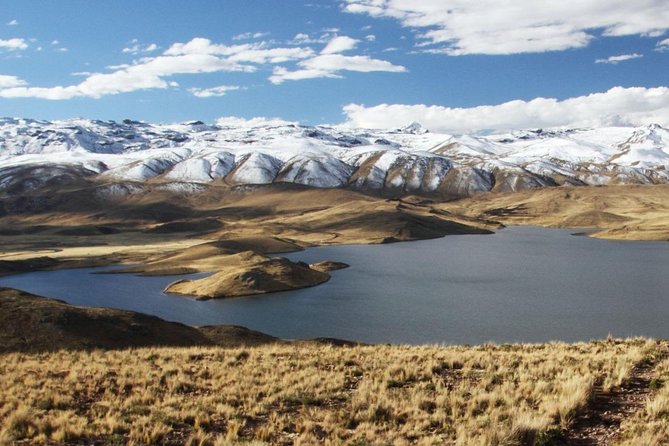
Lagunillas is the final scenic stop before Puno. From the viewpoint, you see a group of small lakes that can reflect the sky like mirrors. The effect changes with the weather, light, and wind, so this stop can look different from one day to the next.
The lakes are also home to Andean flamingos and other birds, depending on the season. Bring a phone or camera with a zoom function if you have one. Birds may be distant, and a close portrait is not guaranteed.
The stop lasts about 15 minutes. That gives you enough time to take photographs and scan the water, though it is still a brief roadside visit rather than a birding excursion.
I like the change of mood here. Abra Patapampa is about volcanoes and high passes, Pampa Cañahuas is about camelids and local drinks, and Lagunillas brings water and birdlife into the picture. Together, the stops make the transfer feel varied rather than repetitive.
What the bus ride is really like
The vehicle is described as air-conditioned, with heating available when needed. That matters on this route because conditions can shift quickly between sunny, cold, and windy. You also get individual reading lights and charging points for phones, tablets, and laptops.
Wi-Fi is listed as included, but you should not plan important work around it. At least one passenger found that Wi-Fi was not offered, along with the promised snacks and bottled water. Treat those items as possible conveniences, not supplies you can count on.
Pack your own water and a few snacks. This is especially important because the trip runs through remote highland areas, and buying water at a roadside stop may cost more than expected. The bus may provide coffee, water, or snacks, but carrying your own removes the uncertainty.
The onboard toilet is listed as available according to the type of vehicle. It is a helpful backup, though the stop at Patahuasi is the better time to use facilities.
A professional bilingual Spanish-English guide travels with the group and provides attention onboard. The guide’s role is valuable at the stops, where a short explanation can help you understand the volcanoes, apachetas, wildlife, and reserve area. No individual guide name is provided, so you should not expect to book around a particular guide.
Timing, delays, and the late arrival in Puno
The planned ride lasts about six hours and 30 minutes. In normal conditions, you reach Puno between 7:00 and 7:30 pm.
Roadwork or traffic can stretch the journey. One passenger reached Puno after about 7.5 hours because of construction traffic and still found the bus comfortable, but described the long day as tiring. Build some flexibility into your evening plans.
I would avoid booking an important dinner, flight connection, or timed evening activity immediately after the expected arrival. The safest plan is to treat 7:30 pm as the earliest useful point for arranging your Puno evening, and allow extra time if the roads are under repair.
The late arrival is not a flaw in the sightseeing design. It is simply the result of combining a long transfer with four stops. If you want the quickest possible journey, this is not the right format. If you want to make the route part of the day, the timing is reasonable.
Who will get the most value
I would choose this bus if you want to move from Chivay to Puno while still seeing the highland country between them. It works well for people who prefer an organized transfer, want explanations in English or Spanish, and do not want to arrange several separate stops by private vehicle.
It also suits you if luggage storage, a scheduled departure, and possible hotel drop-off matter more than total flexibility. Most people can participate, and the service is near public transportation at the Chivay starting point.
I would think twice if you need reliable Wi-Fi, guaranteed refreshments, or a strict arrival time. Remote mountain roads can bring delays, and the supplied comforts may vary by vehicle or day.
The 4.8 rating from 83 reviews and the 95 percent recommendation figure point to a generally strong experience, but the practical complaint about missing water, snacks, and Wi-Fi deserves attention. The safest approach is simple: bring your own provisions, download anything you need before departure, and regard the bus connection as the main product.
Should you book the Chivay to Puno bus?
Book it if you want a scenic, guided transfer with four worthwhile stops and a fair price of $41.03. The volcano views at Abra Patapampa, wildlife country around Pampa Cañahuas, and reflective lakes at Lagunillas give you a much better day than a plain highway ride.
Skip it if your priority is speed, dependable internet, or complete control over the schedule. For everyone else, this is a sensible way to connect two major southern Peru destinations, provided you carry water and allow the evening to run late.
Free cancellation is available until 24 hours before the 1:15 pm start time. Changes or cancellations inside that window are not accepted, and poor weather may lead to a different date or a full refund.
FAQ
Where does the Chivay to Puno tour start?
It starts at the Nativa Express office beside the church on Chivay’s main plaza.
What time should I arrive in Chivay?
You should arrive between 12:30 and 1:10 pm. The planned departure is about 1:15 pm.
What time does the bus reach Puno?
Normal arrival is between 7:00 and 7:30 pm. Road construction or traffic can make the journey longer.
How many sightseeing stops are included?
Four stops are included during the trip: Abra Patapampa, Tocrapampa, Patahuasi in Pampa Cañahuas, and Laguna Lagunillas.
Is a guide included?
Yes. A professional bilingual guide providing Spanish and English assistance travels onboard.
Is Wi-Fi available on the bus?
Free Wi-Fi is listed as included, but it may not always be offered. Do not rely on it for essential work.
Are water and snacks included?
A bottle of water, snacks, and coffee are described as included services, but availability may vary. Bring your own water and snacks as a backup.
Can the bus take me to my hotel in Puno?
If your hotel is in Puno’s historic center, it may be possible to receive hotel drop-off. The activity ends in a different location from the Chivay starting point.
Just added around Chivay
- Tour Fullday Colca Canyon with Breakfast and Typical Lunch★ 4.3 · 35 reviews
- Offer Price: Colca Canyon One Day in Arequipa with Breakfast★ 4.5 · 4 reviews
- Full Day Trip to Colca Canyon from Arequipa ending in Puno★ 4.5 · 4 reviews
- Full day excursion to Colca Canyon★ 4.2 · 6 reviews
- From Puno: 2-Day Tour to Colca Canyon ending in Arequipa★ 4.1 · 4 reviews
- From Arequipa: Fullday Tour Colca Canyon + Transfer To Puno★ 4.4 · 17 reviews
- From Arequipa: Tour Colca Canyon 2 Days with End in Puno★ 4.2 · 12 reviews
- From Arequipa: One Day Trip to Colca Canyon Ending in Puno★ 4.0 · 14 reviews
Chivay Volcano Tours, compared.
2-Day Tour Colca Canyon in Arequipa with end in Puno
Read our review →
From Puno to Arequipa: 2 Days/1 Night Colca Canyon Tour
Read our review →
From Arequipa Trek : 2-Days of Hiking in the Colca Canyon
Read our review →
Tour Fullday Colca Canyon with Breakfast and Typical Lunch
Read our review →
From Arequipa: Fullday Tour Colca Canyon + Transfer To Puno
Read our review →
From Arequipa: One Day Trip to Colca Canyon Ending in Puno
Read our review →
From Arequipa: Tour Colca Canyon 2 Days with End in Puno
Read our review →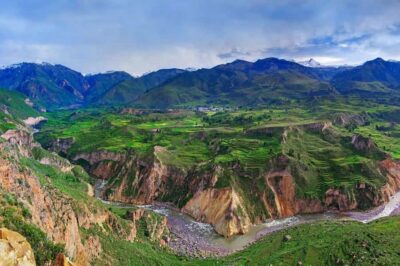
Arequipa: 2-Day Colca Canyon Classic Tour return to Arequipa
Read our review →Browse the lists this tour appears in