
REVIEW · CHIVAY
2-Day Tour Colca Canyon in Arequipa with end in Puno
The real prize here is the Colca Canyon to Puno route, not simply a quick canyon photo stop. Over two days, you cross high Andean country, watch for condors at Cruz del Cóndor, sleep in Chivay, and continue through protected scenery toward Lake Titicaca. I like the overnight stop because it breaks up a long bus journey, and I like the small-group format, limited to 18 people. The main caution is altitude: the route reaches 4,800 meters, and several meals and entrance fees cost extra.
I also like the human touch of guides such as Juan Pablo, Roy, Cecilia, Mike, and Lorena, who have been praised for explaining local crops, geology, animals, villages, and history. The weak point is organization at times. One pickup ran an hour late, and the final ride to Puno can feel long after a full morning in the canyon.
Key points at a glance
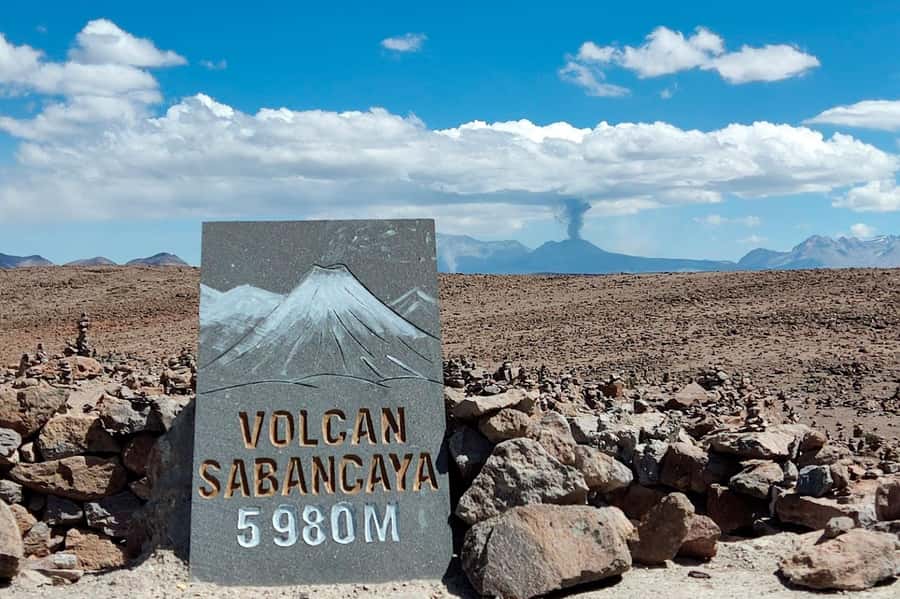
- 4,800-meter volcano viewpoint: Stop at the highest point on the road, with wide views of the western mountain range.
- Chivay overnight: Spend the night in the main town of the Colca Valley instead of rushing back to Arequipa.
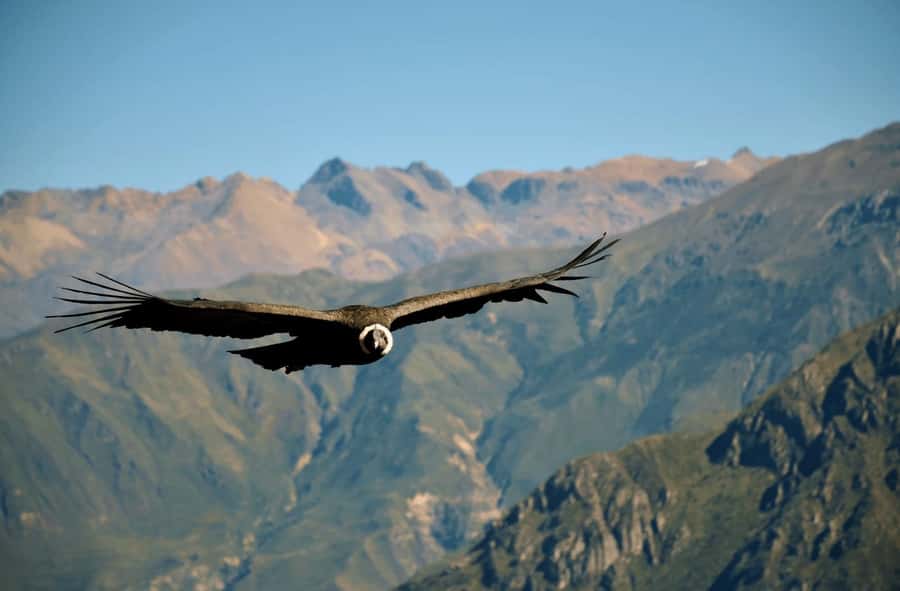
- Condor viewing at Cruz del Cóndor: Allow about 45 minutes at the canyon lookout, where condors may pass close overhead.
- Hot springs in Chacapi: Add a warm bath in pools kept between 35 and 38 degrees Celsius.
- Arequipa to Puno connection: Change vehicles in Chivay after lunch and reach central Puno at about 7:30 p.m.
- Low headline price: The $78 fare covers transport and guiding, but not your hotel, meals, the hot springs, or the $20 condor lookout ticket.
Why this two-day route works better than a rushed canyon visit
Colca Canyon is often treated as a very long day trip from Arequipa. That can work if your schedule is tight, but this two-day plan has a more sensible rhythm. You spend the first day crossing the high country and reaching Chivay, then visit the canyon early the next morning before continuing to Puno.
I like that arrangement for two reasons. First, the route is not only about the canyon itself. The drive through the Salinas and Aguada Blanca National Reserve brings you into a world of vicuñas, alpacas, volcanoes, and open highland plains. Second, Chivay gives you a proper night between two long drives. You can eat, sleep, and use the hot springs instead of sitting on a bus for the entire day.
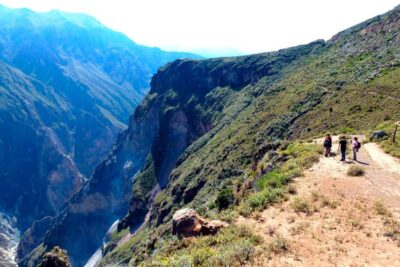
This is still a road-based tour, not a hiking trip. You will see the canyon from viewpoints rather than walk deep into it. That makes the experience suitable for anyone who wants the major sights without a demanding trek, but less suitable if you are looking for several hours on foot in the canyon.
The tour costs $78 per person. That is a good starting price for two days of guided transport from Arequipa to Puno, especially since the final transfer is included. Still, you need to add the cost of a Chivay hotel, meals, the optional hot springs, and the mandatory $20 ticket for the Mirador de la Cruz del Cóndor. The final bill is higher than the advertised fare, so budget honestly before booking.
More Colca Canyon Tours in Chivay:
- From Puno to Arequipa: 2 Days/1 Night Colca Canyon Tour
★ 3.6 · 83 reviews - Turist Bus Colca Canyon (Chivay) To Puno
★ 5.0 · 83 reviews - Tour Fullday Colca Canyon with Breakfast and Typical Lunch
★ 4.3 · 35 reviews
Day one: vicuñas, coca tea, and the climb to 4,800 meters
Pickup takes place between 7:30 and 8 a.m. from hotels in central Arequipa. The vehicle comes as close as traffic rules allow. If your hotel is in a remote area, you may need to meet at the Cathedral on the main square.
The route heads toward Chivay, which is usually reached around 12:30 p.m., including the stops. The drive is scenic, but altitude becomes the key issue. You are advised to arrive in Arequipa at least one day before the tour so your body has time to adjust. Eating lightly is also sensible, since the road climbs quickly and reaches very high elevations.
Your first major stop is the Salinas and Aguada Blanca National Reserve. This is where you may see vicuñas living in the wild. These slender camelids are smaller and more delicate-looking than alpacas, and spotting them gives the drive a clear sense of place. Keep your camera ready, but do not expect every animal to pose beside the road.
At Patahuasi, the group stops for traditional coca tea. The drink is closely tied to high-altitude travel in the Andes and is offered as a help with mountain sickness. It is not a substitute for acclimatization, but this is a useful pause to drink something warm, use facilities, and take stock of how you are feeling.
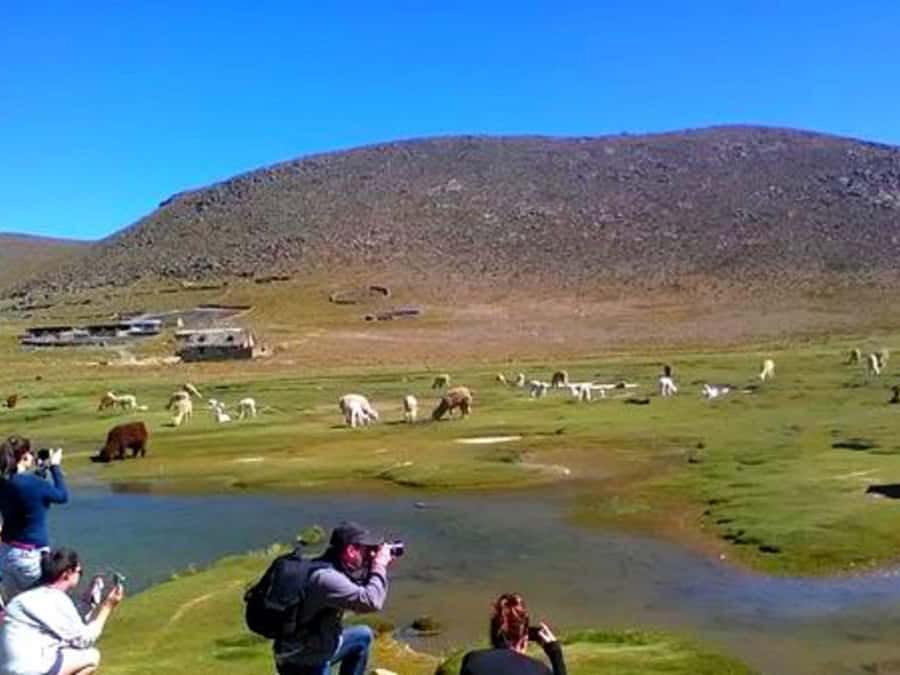
The next stop is the Toccra Bofedales, wet highland pasture where alpacas graze freely. This is one of the more appealing parts of the route because it shows working rural country rather than a single grand lookout. You may find the stop brief, but it adds animals and daily life to a day otherwise dominated by road views.
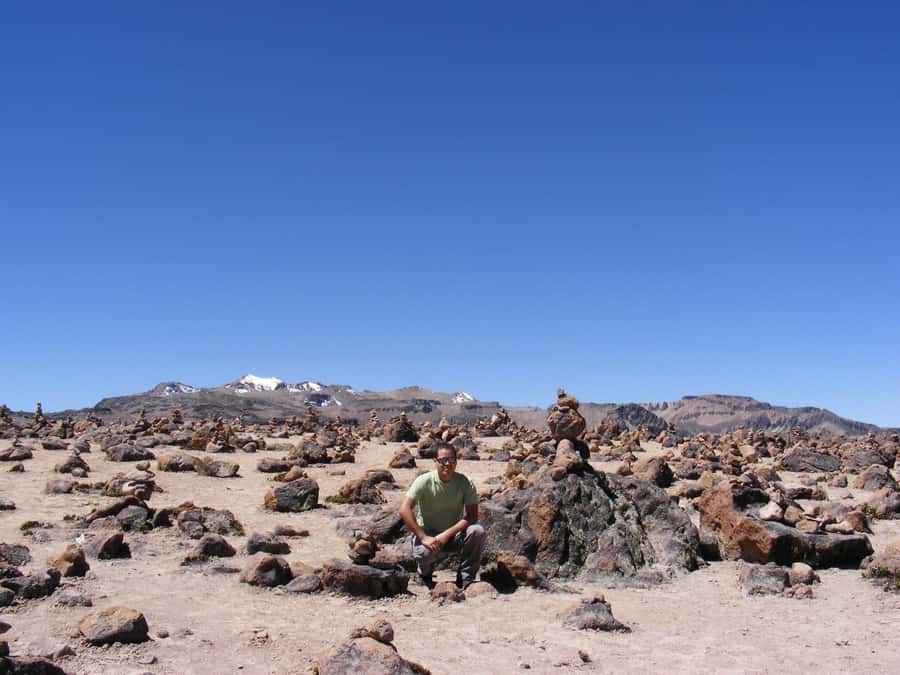
The highest point comes at the Mirador de los Volcanes, about 4,800 meters above sea level. From here, you can see a large part of the western mountain range. The air is thin, and even a short walk can feel harder than expected. Take your time, keep warm, and do not treat this stop like an ordinary roadside break.
From the volcano viewpoint, it is about 40 minutes to Chivay. Lunch is scheduled there at around 12:30 p.m., and you pay for it yourself. Some people choose the buffet, while others prefer a simpler meal. The quality can vary, so this is one place where you may want to ask what is included before paying.
Chivay overnight: hot springs and a folk evening
You must book accommodation inside Chivay itself. A hotel outside town may require an extra transfer fee and can interfere with the schedule. This rule matters because the tour is designed around a central overnight stop, not a distant country hotel.
The accommodation is not included in the $78 price. You arrange and pay for it separately. That gives you some choice, but it also means you need to confirm the location before booking your room. A central Chivay hotel keeps the evening simple and avoids extra transport arrangements.
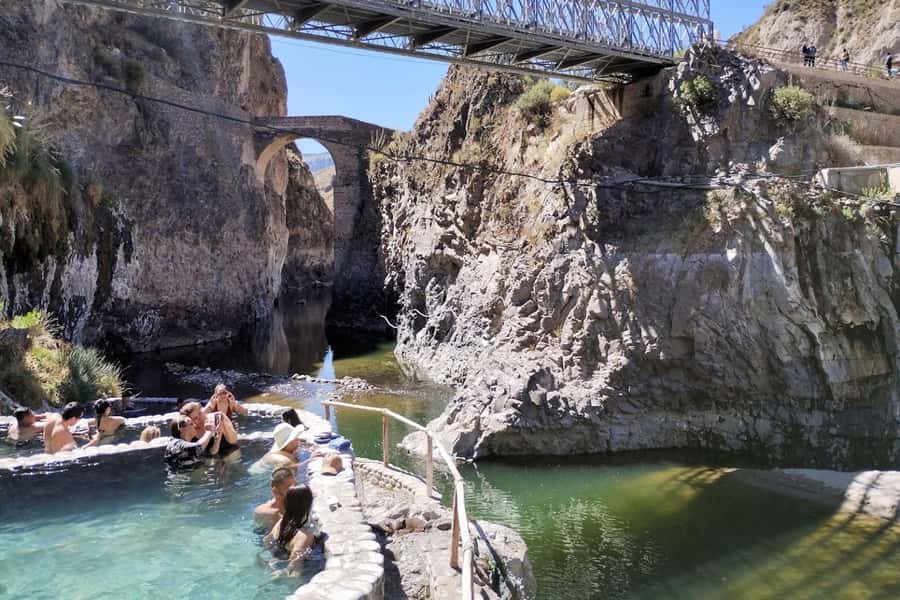
The afternoon option is a visit to the thermal baths at Chacapi. Entry costs about $5 per person, and the pools range from 35 to 38 degrees Celsius. After a morning at altitude, a warm soak can be a welcome way to rest, though the stop is optional and should not be confused with a private spa experience. It is a public thermal bath visit within the tour schedule.
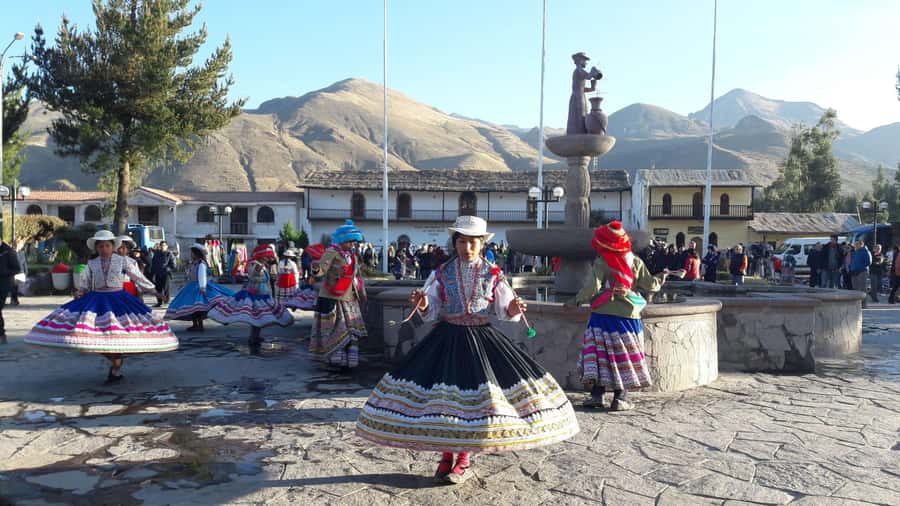
Dinner is also separate. You can eat on your own or join an evening meal with folklore music and typical dances from the area. The dinner and performance received strong praise for being enjoyable and offering a useful look at local culture. It is a good choice if you want an easy evening and do not want to search for a restaurant after a long road day.
The practical drawback is that your final cost rises quickly once you add the room, two lunches, dinner, and the hot springs. Even so, the overnight is valuable. I would rather pay for one night in Chivay than spend the first day racing through the valley and return to Arequipa exhausted.
Day two: the condor lookout and the Colca Valley
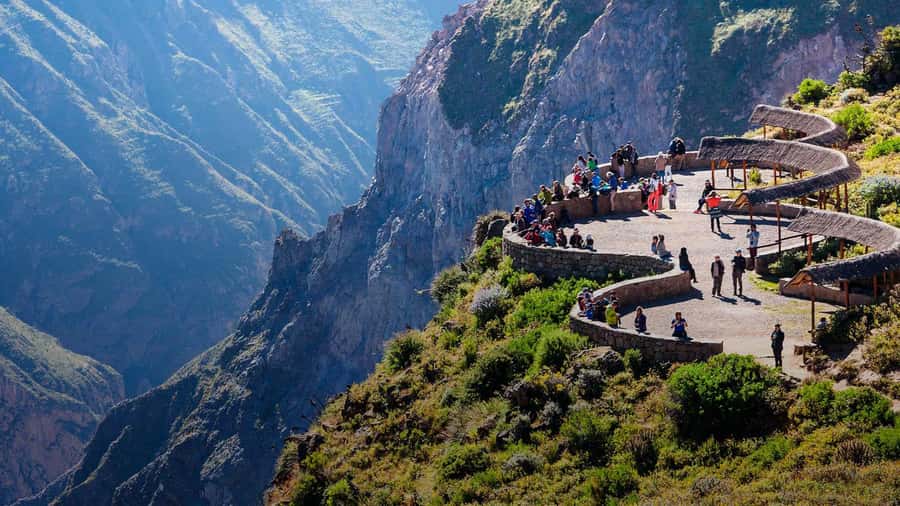
After breakfast, the group travels about 30 minutes to the Mirador de la Cruz del Cóndor. The entrance ticket is mandatory and costs $20 per person. It is not included in the tour price, so keep cash or another accepted payment method ready according to the operator’s instructions.
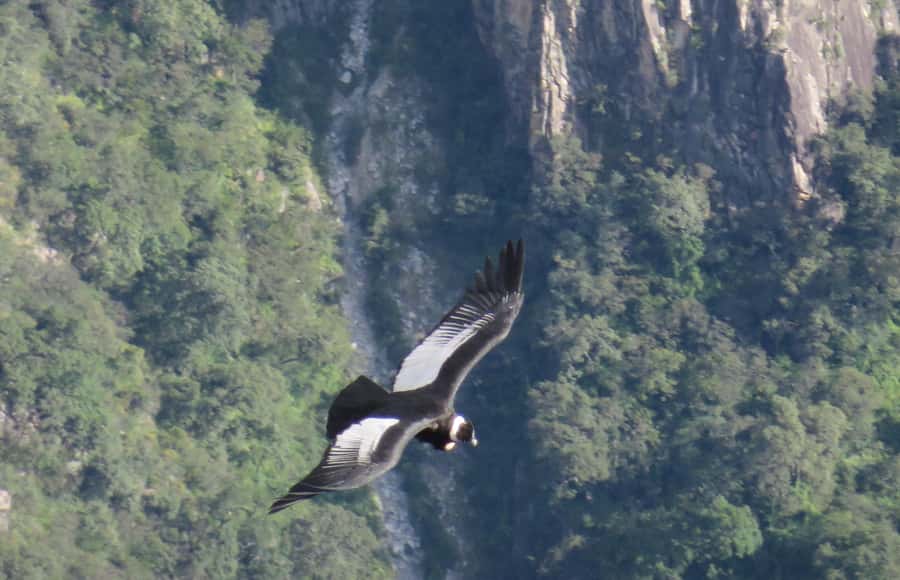
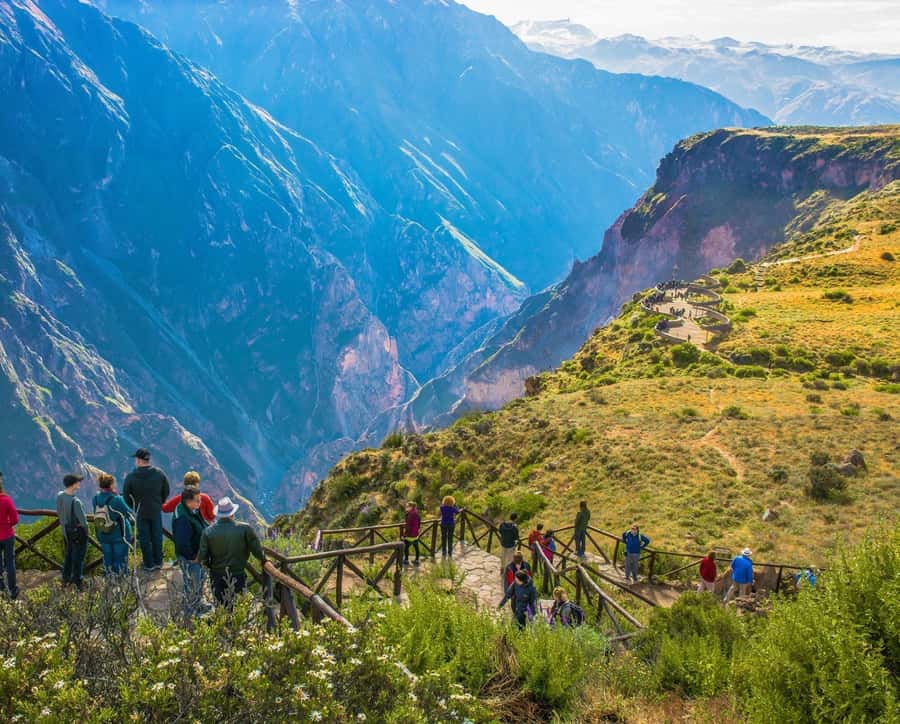
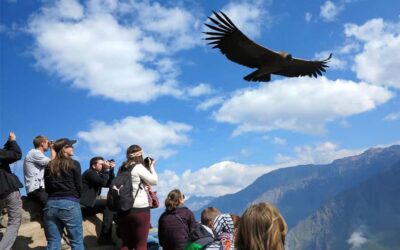
The lookout is the main event. You have about 45 minutes to watch for Andean condors and look into the Colca Canyon. The birds use the rising air currents along the canyon walls, and their size becomes clear when one passes over the viewpoint. Sightings can never be guaranteed, but the timing is arranged to give you a strong chance.
One particularly useful detail is that the guide helps manage the timing. Lorena, for example, was praised for reaching the lookout at the right moment. Guides such as Roy and Juan Pablo have also been singled out for explaining the valley, animals, geology, crops, and villages. The exact guide depends on the departure, but the tour is offered in English and Spanish.
The canyon view itself is broad and dramatic. You are looking across a huge cut in the Andean country, with terraces and slopes spreading away from the lookout. This is a viewpoint visit, not a canyon hike. Forty-five minutes is enough for photographs and a good look, though people who want quiet, extended observation may find the stop short.
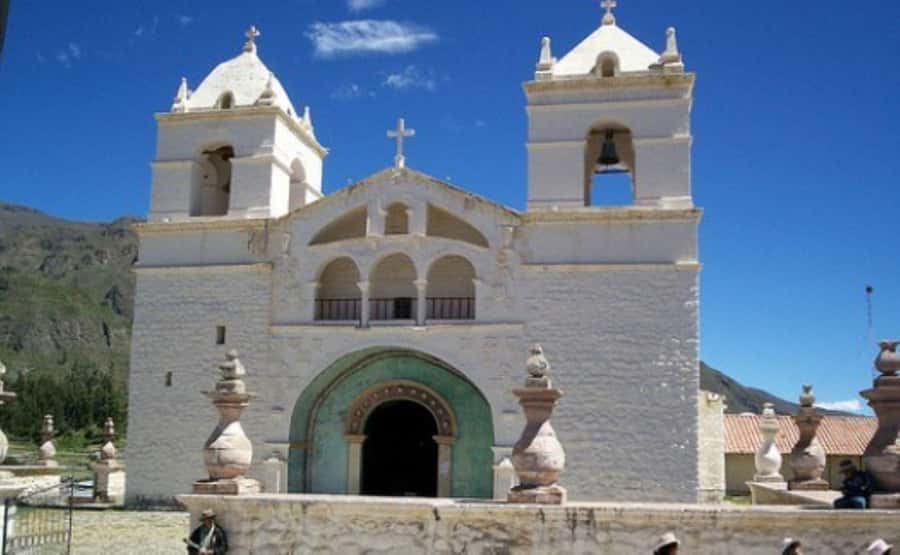
On the return to Chivay, the bus stops at several viewpoints. These give you different angles on the terraced valley, known locally for its impressive andenería. The terraces show how farming has adapted to steep ground over many generations. The route also pauses in Maca, where you can see the town church and optionally try a local drink such as Colca Sour.
Lunch in Chivay follows at about noon and is again paid separately. Some meals are buffet style. The food was described as good value by some people, while others found the buffets underwhelming. I would treat lunch as convenient rather than a central reason to choose the tour.
A few more volcano tours around Chivay worth a look
- From Arequipa Trek : 2-Days of Hiking in the Colca Canyon
★ 4.5 · 35 reviews - From Arequipa: Tour Colca Canyon 2 Days with End in Puno
★ 4.2 · 12 reviews - Arequipa: 2-Day Colca Canyon Classic Tour return to Arequipa
★ 4.6 · 10 reviews - Arequipa: 2-day Colca Canyon Trekking, Ending in Puno
★ 4.8 · 8 reviews
The afternoon transfer from Colca to Puno
At 1:15 p.m., you change vehicles in Chivay for the trip to Puno. This is an important feature of the tour. Instead of returning to Arequipa, you continue east toward Lake Titicaca, making the experience useful for a larger Peru itinerary.
The Puno transfer uses guided tourist transport and includes stops at scenic points and protected natural areas along the route. It is not a short hop. Arrival is scheduled for about 7:30 p.m., so you should expect several hours on the road after lunch.
The second vehicle is generally described as comfortable, and a midway stop breaks up the ride. Even so, this is the least relaxed part of the experience. After an early morning, a canyon lookout, several viewpoints, and lunch, you may find the final journey tiring. Cecilia’s well-paced tour was praised, but the Puno ride was still described as long. Pack water, a light snack, and something warm for the vehicle.
Arrival in Puno is at one of two central drop-off points, depending on traffic: Hotel Conde de Lemus or the Gran Unidad School in San Carlos. Both are about two blocks from the main square. You are not taken to every hotel, so check the final walk to your accommodation before setting out.
Guides, vehicles, and group size
The group is limited to 18 people, which is small enough for the guide to answer questions and keep the stops organized. That matters at the condor lookout and at the high-altitude stops, where a large coach group can feel clumsy.
The guides named in feedback include Juan Pablo, Roy, Cecilia, Mike, and Lorena. The strongest praise centers on clear explanations and steady assistance. Juan Pablo was noted for discussing geology, crops, birds, animals, and local villages, while Roy was praised for combining facts with stories. Mike also received strong praise, and Cecilia was described as attentive and well paced.
Drivers have also made a difference. Pablo and Edgar were both praised for safe driving and practical help. The road climbs to 4,800 meters and covers long distances, so a calm driver is not a minor detail.
Organization can be uneven. One pickup was reported to be an hour late because of poor coordination. Most departures will not necessarily have this problem, but I would keep your first morning flexible and confirm the pickup time clearly. The operator provides permanent assistance, and the guide asks for you by name at the hotel door.
Who should book this Colca Canyon tour?
I would choose this tour if you want to connect Arequipa and Puno without arranging separate transport, and if you prefer viewpoints to strenuous canyon hiking. It suits people who want a broad introduction to the Colca Valley, with animals, villages, terraces, condors, hot springs, and high-country scenery packed into two days.
It is also a good fit if you value a night in Chivay. That pause makes the route less punishing than a same-day return, and the hot springs and folk dinner give the overnight some purpose.
I would think twice if you dislike long bus rides, are very sensitive to altitude, or want plenty of unstructured time. The schedule is full, the altitude is serious, and the ride to Puno comes after a busy morning. The canyon visit itself is also fairly short.
Should you book it?
For $78, this is strong value as a transport-and-guiding package, especially when you need to get from Arequipa to Puno. Just add the real extras: accommodation in Chivay, meals, the $5 hot springs if chosen, and the $20 Cruz del Cóndor ticket.
Book it if you want an efficient, scenic route with a comfortable overnight break and a good chance to see condors. Skip it if you want a slow canyon stay, a long hike, or a quiet private trip. Arrive in Arequipa at least a day early, book a hotel in central Chivay, and prepare for altitude and a long final ride. That planning will make this two-day journey far more enjoyable.
FAQ
How long is the tour?
The tour lasts two days. Pickup from Arequipa is between 7:30 and 8 a.m. on day one, and arrival in Puno is scheduled for about 7:30 p.m. on day two.
Is accommodation in Chivay included?
No. You must book and pay for your own hotel in Chivay. The hotel should be inside the town, or an additional transfer cost may apply.
Is the Colca Canyon entrance ticket included?
No. The mandatory ticket for the Mirador de la Cruz del Cóndor costs $20 per person and is paid separately.
Are the hot springs included?
No. Entry to the Chacapi hot springs is optional and costs about $5 per person. The pools range from 35 to 38 degrees Celsius.
Does the tour include meals?
No. Lunches, dinner, and other food are not included. Breakfast is listed for the second morning, but your accommodation arrangements are separate.
Where does the tour finish in Puno?
The service ends at either Hotel Conde de Lemus or the Gran Unidad School in San Carlos, depending on traffic. Both locations are about two blocks from Puno’s main square.
What languages are available?
The tour provides a live guide in English and Spanish. Groups are limited to 18 participants.
Just added around Chivay
- Tour Fullday Colca Canyon with Breakfast and Typical Lunch★ 4.3 · 35 reviews
- Offer Price: Colca Canyon One Day in Arequipa with Breakfast★ 4.5 · 4 reviews
- Full Day Trip to Colca Canyon from Arequipa ending in Puno★ 4.5 · 4 reviews
- Full day excursion to Colca Canyon★ 4.2 · 6 reviews
- From Puno: 2-Day Tour to Colca Canyon ending in Arequipa★ 4.1 · 4 reviews
- From Arequipa: Fullday Tour Colca Canyon + Transfer To Puno★ 4.4 · 17 reviews
- From Arequipa: Tour Colca Canyon 2 Days with End in Puno★ 4.2 · 12 reviews
- From Arequipa: Colca Canyon Full-Day Tour with Breakfast★ 3.3 · 4 reviews
Chivay Volcano Tours, compared.
From Puno to Arequipa: 2 Days/1 Night Colca Canyon Tour
Read our review →
From Arequipa Trek : 2-Days of Hiking in the Colca Canyon
Read our review →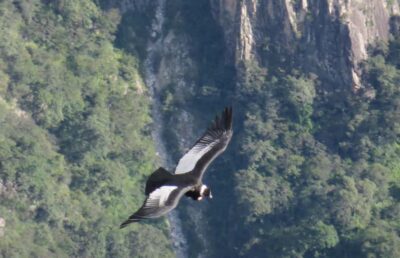
Tour Fullday Colca Canyon with Breakfast and Typical Lunch
Read our review →
From Arequipa: Fullday Tour Colca Canyon + Transfer To Puno
Read our review →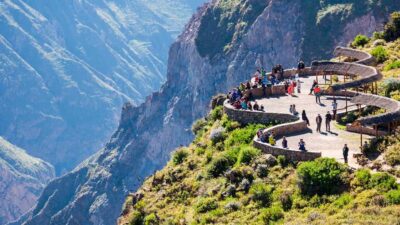
From Arequipa: One Day Trip to Colca Canyon Ending in Puno
Read our review →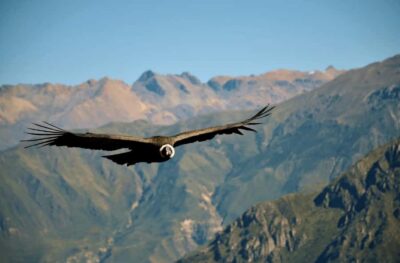
From Arequipa: Tour Colca Canyon 2 Days with End in Puno
Read our review →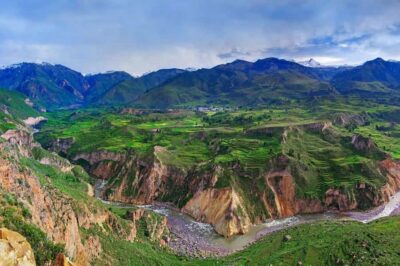
Arequipa: 2-Day Colca Canyon Classic Tour return to Arequipa
Read our review →Browse the lists this tour appears in