
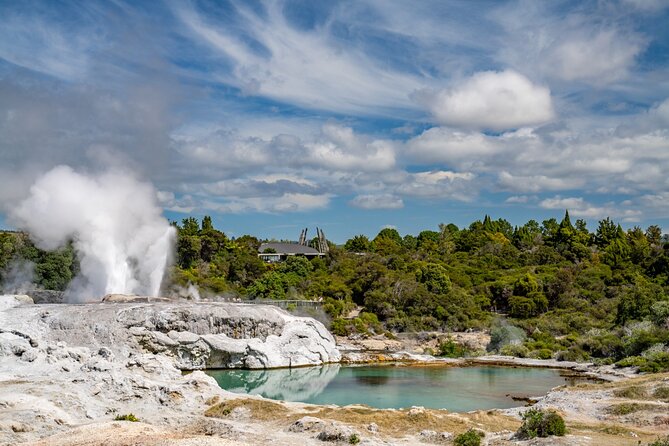
REVIEW · ROTORUA
Whakarewarewa Village Guided Tour
Whakarewarewa is not a museum dressed up as a village. It is a working Māori community built around steam, boiling mud, and hot water. I like the local guides, who connect the geothermal sights with family life, language, and village history. I also like the small but memorable taste of corn cooked in a hot pool.
The one-hour tour is a brisk introduction rather than a full cultural program. You will see plenty of geothermal activity, but those hoping for an extended performance or a long lesson in Māori customs may want to add another experience. Book an earlier time if you want to browse the shops afterward or catch a separate cultural performance.
Key points to know before you go
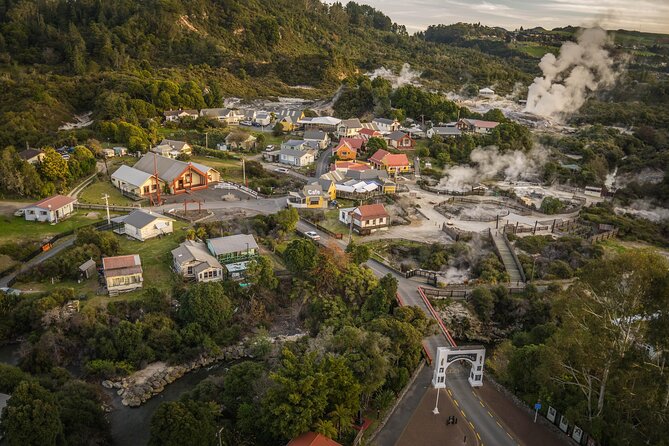
- A living Māori village: Whakarewarewa is home to Tūhourangi Ngāti Wāhiao people, not simply a recreated historic site.
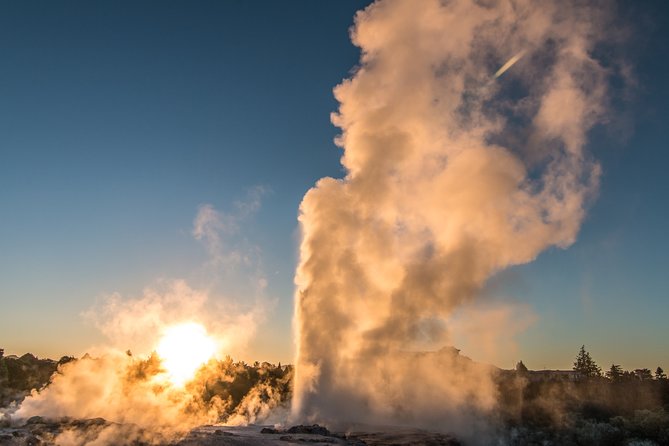
- Pohutu Geyser viewing: The tour includes two viewing platforms for seeing the famous geyser safely.
- Guides with village ties: Guides have included Philip, Daniel, and Kylie, along with others who grew up in the community.
- A taste of geothermal cooking: Your ticket includes a piece of corn cooked in the village hot pool.
- One-hour walking tour: Wear comfortable shoes and expect to keep moving through the village.
- Performance timing matters: The guided walk does not automatically include every cultural show, so check the schedule before booking.
Entering a village shaped by steam and fire
Rotorua has no shortage of geothermal attractions, but Whakarewarewa gives the hot ground a human setting. Here, steam rises beside homes, paths cross areas of boiling mud, and hot pools are part of the community’s daily story.
The village is home to the Tūhourangi Ngāti Wāhiao people, who have guided visitors for more than two hundred years. That long tradition matters. You are not simply looking at a geyser from a marked path. You are learning how local Māori families have lived with the powerful ground beneath them.
The experience begins at 17 Tryon Street in Whakarewarewa, Rotorua. After check-in, you join a guided walk of about one hour. The group can include up to 20 people, a useful limit because a smaller group makes it easier to hear the guide and ask questions.
I like the way the tour brings together two subjects that are often separated: Māori culture and geothermal science. The bubbling pools are impressive on their own, but the guide explains how people used this natural heat for cooking and other parts of daily life.
More Geothermal Parks and Geysers in Rotorua
- Rotorua Canopy Tours: 2.5Hour Native Forest Zipline Adventure
★ 5.0 · 4,563 reviews - Rotorua: Wai-O-Tapu Geothermal Park Entry Ticket
★ 4.6 · 2,601 reviews - Rotorua’s Ultimate Zipline: 6 ziplines, 400 m Tandem, Cliff Walk
★ 5.0 · 2,557 reviews
What the one-hour walk includes
The route takes you through the village and past geothermal features, including boiling mud and hot-spring pools. You also reach two viewing platforms for Pohutu Geyser, one of Rotorua’s best-known natural sights.
The platforms give you a safer viewpoint than wandering close to the geothermal ground. That is important in a place where the water can be extremely hot and the surface is not something to treat casually. Keep with the guide and follow the marked route.
The geothermal features are the visual heart of the tour. You might see steam drifting across the path, mud bubbling in thick bursts, and hot water moving through the pools. The exact activity will vary, since geothermal sites do not perform on a human timetable.
The guide adds the meaning behind the scenery. You learn how the village operates as a community and how Māori life developed in this unusual setting. Some guides have shared personal connections to the village, including stories from growing up there or belonging to families with deep roots in the community.
That personal element can make a real difference. Past guides have included Philip, Daniel, and Kylie, and each has been praised for bringing energy, humor, and pride to the walk. Your guide will depend on the departure time, but the experience is designed around a Māori guide rather than a detached audio explanation.
The small taste that explains geothermal cooking
One of the tour’s most distinctive details is a piece of corn cooked in the largest hot pool. It is a simple tasting, not a full meal, but it helps you understand the practical side of geothermal living.
You can look at a hot pool and think only of scenery. Tasting food prepared with that heat gives the place a more direct connection to everyday life. It shows how the geothermal activity has been used as a resource, not just admired as a natural oddity.
The corn is also a welcome change of pace during the walk. It is a small sample, so do not arrive expecting lunch. Think of it as a taste of local technique and a memorable detail you are unlikely to get at a standard sightseeing stop.
Stories, language, and life in the community
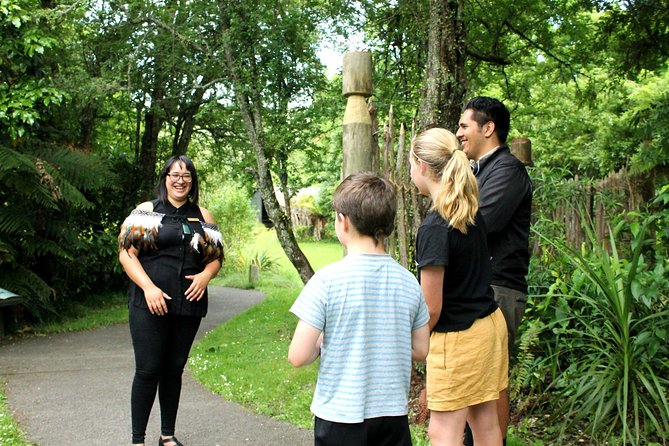
The strongest part of the tour is usually the guide’s explanation of village life. You learn about Māori traditions, the village’s past, and the way the community continues today.
The walk can also touch on language and the customs connected with the people of Whakarewarewa. Some guides include songs, chants, or personal stories. However, the exact balance can vary. One departure may feel heavy on geothermal features, while another may give you more time with cultural stories.
That variation is worth keeping in mind when you choose this tour. It is a guided village introduction, not necessarily a complete Māori cultural evening. If your main goal is a performance, confirm whether one is included at your chosen time or available separately.
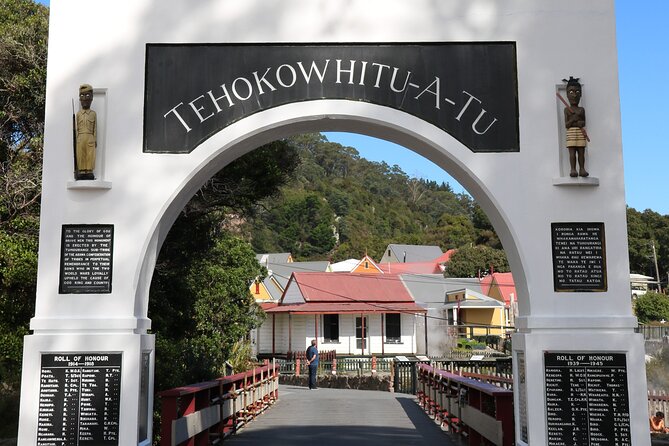
The village entrance also has cultural meaning. The gateway honors Māori war heroes, adding another layer to the visit before you even begin the walk. Take time to look around rather than rushing straight to the guide.
You may also find a museum, shops, a café, and gift shops in the village area. These give you more ways to continue the visit, but timing matters. A late tour, particularly one beginning around 3 p.m., may finish after some shops have closed.
Same volcano country, a different day out:
- Rotorua Rafting: Kaituna River White Water Rafting & Free Sauna
★ 5.0 · 1,952 reviews - Mitai Maori Village Cultural Experience in Rotorua
★ 4.5 · 1,294 reviews - Rafting Rotorua: Kaituna River White Water Experience
★ 4.9 · 1,274 reviews - Rotorua: Te Pa Tu Māori Cultural Experience with Dinner
★ 4.8 · 1,193 reviews
Why the guide matters so much

A short tour depends heavily on the person leading it. The best guides do more than point out steam and explain names. They give the village a human voice.
Guides who grew up in Whakarewarewa can describe the place as a home, not just a workplace. That can make stories about childhood, family, and village routines especially effective. A young guide may be just as compelling as an older one if they bring confidence, humor, and a clear connection to the community.
The tour has also received praise for answering questions and adjusting explanations to the group. If you are curious, ask about how people use the hot pools, how the village developed as a place to welcome visitors, or how Māori traditions continue in modern Rotorua.
At the same time, a cultural tour can include difficult parts of New Zealand’s past. You may hear strong views about colonization, religion, politics, and historical conflict. A guide is entitled to explain the subject from a Māori perspective, but the tone can vary. If you prefer a strictly neutral sightseeing talk, this may feel more direct than expected.
For me, the value is in hearing the story from the community connected to the place. You should still arrive ready to listen to a perspective, not just collect a few dates and photographs.
A quick pace, with time to look around later
The official walking time is about one hour. That is long enough to see the key geothermal features and get an introduction to village life, but short enough to fit into a busy Rotorua schedule.
You will be walking, so comfortable shoes are a sensible choice. The paths can be wet in rainy weather, and steam or showers may affect visibility. The tour can still be enjoyable in rain, but bring suitable outerwear and protect anything you do not want exposed to moisture.
The guide sets the pace. Stay with the group so you do not miss explanations or fall behind near the geothermal areas. Afterward, you may have time to revisit parts of the village at your own speed, depending on your schedule and opening hours.
Families and most people who can manage a normal walking tour should be able to take part. The experience is near public transportation, and it begins and ends at the same village location. Transport from elsewhere in Rotorua is not included, so plan your own way to 17 Tryon Street.
Is $34.13 a fair price?
At $34.13 per person, this is reasonably priced for a guided Rotorua attraction, especially if you want both geothermal scenery and cultural context in one visit. You are paying for admission, a live guide, the village walk, Pohutu Geyser viewing platforms, and the corn tasting.
The value is strongest when you treat the tour as an introduction. You see the main features, hear how the community lives with geothermal power, and gain enough background to understand other Māori experiences in New Zealand.
The value is weaker if you expect a long cultural show, a full meal, or a half-day visit. The tour lasts about an hour, and the corn is a sample rather than a substantial food experience. Any additional performance may require a separate ticket or a different schedule.
Prebooking is useful because you select a time and avoid arriving without a guaranteed place. It also helps you build the rest of your Rotorua day around the walk. The group limit of 20 is another plus, since the guide can usually be heard without the feel of a large bus excursion.
Choosing the best time of day
Your departure time affects what you can do before and after the walk. An earlier visit leaves room to explore the museum, café, shops, and gift shops afterward.
A 3 p.m. departure can work well if you are filling a late afternoon, but do not assume every facility will still be open when the tour ends. If browsing is important to you, shop before the walk or choose an earlier slot.
Some people also want to see singing, chanting, or a cultural performance. The guided tour may include traditional sounds or brief cultural elements, but it does not guarantee a full performance at every departure. Check the available schedule before you book, particularly if a show is the main reason for your visit.
If you are short on time, the one-hour format is a strength. You can visit Whakarewarewa without sacrificing most of your day. If you want a slower cultural experience, look at the longer options offered by the village.
Who will get the most from this tour?
I would recommend it to anyone visiting Rotorua for the first time who wants more than a geothermal park. It suits you if you want a local guide, a short walking route, and a direct introduction to Māori community life.
Families should find the mix of bubbling mud, geysers, stories, and corn tasting easy to follow. It also works for people who want a manageable activity between other Rotorua sights.
The tour is a good fit for history-minded visitors, but keep your expectations precise. You will receive an introduction rather than an academic study. The strongest detail may come from the guide’s personal stories, not from a long sequence of dates.
You may want something else if your priority is a full concert, a formal hangi meal, or a longer hands-on cultural program. Those elements are not guaranteed by this one-hour booking.
Should you book Whakarewarewa Village?
Book it if you want a compact Rotorua experience that joins Māori culture with real geothermal activity. The village setting, the Pohutu Geyser viewpoints, and the hot-pool corn make it more meaningful than simply stopping to photograph steam.
Choose an earlier time if you want to browse the village facilities afterward. Wear comfortable shoes, allow for changing weather, and check whether a separate performance is available if singing and dancing are important to you.
At 4.7 out of 5 from 477 ratings, with 92 percent recommending it, the experience has a strong record. Its main limitation is also clear: one hour cannot cover every part of Māori culture or village history. For a short, personal, and reasonably priced introduction, I would make room for it in a Rotorua visit.
FAQ
Where does the Whakarewarewa Village Guided Tour begin?
The tour begins at Whakarewarewa, The Living Māori Village, at 17 Tryon Street, Whakarewarewa, Rotorua 3010, New Zealand.
How long does the tour last?
The guided experience lasts approximately one hour.
What can I see during the tour?
You can see boiling mud, hot-spring pools, and Pohutu Geyser from two viewing platforms. The walk also introduces Māori traditions and life in the village.
Is food included?
Yes. The tour includes an opportunity to taste a piece of corn cooked in the village’s largest hot pool.
Is a cultural performance included?
The guided tour may include traditional singing, chants, or other cultural elements, but a full performance is not guaranteed by this booking. Some performances may be available separately at set times.
How large is the group?
The activity has a maximum of 20 participants.
Can I cancel for a refund?
You can cancel up to 24 hours before the experience begins for a full refund. Cancellations or changes made less than 24 hours before the start time are not refundable, and poor weather may result in a rescheduled date or full refund.
Just added around Rotorua
- Te Puia: Tuku Iho Trail with Cultural Show★ 5.0 · 5 reviews
- Te Puia: Te Pō Indigenous Combo – Tour, Dinner + Haka★ 4.4 · 52 reviews
- Te Puia: Te Rā Guided Day Tour + Haka Cultural Performance★ 4.7 · 128 reviews
- Rotorua: White Island, Mount Tarawera & Waimangu Volcanic …★ 4.4 · 5 reviews
- Rotorua: Wai Ariki Hot Springs & Spa 1hr Restorative Bathing★ 4.8 · 16 reviews
- Rotorua: Waimangu Volcanic Valley Ticket & Self-Guided Walk★ 4.8 · 104 reviews
- Rotorua: Velocity Valley – One Ride Pass★ 4.9 · 15 reviews
- Rotorua: Velocity Valley – Two Ride Pass★ 4.6 · 8 reviews
Rotorua Volcano Tours, compared.
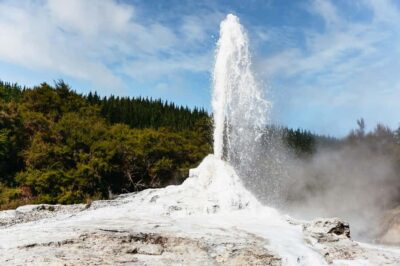
Rotorua: Wai-O-Tapu Geothermal Park Entry Ticket
Read our review →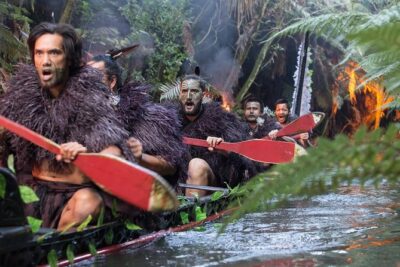
Mitai Maori Village Cultural Experience in Rotorua
Read our review →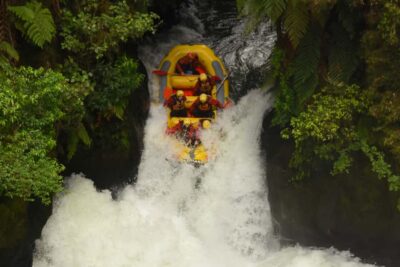
Rafting Rotorua: Kaituna River White Water Experience
Read our review →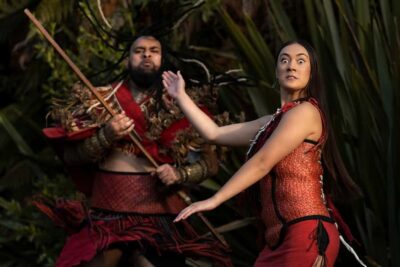
Rotorua: Te Pa Tu Māori Cultural Experience with Dinner
Read our review →
Rotorua: Hell’s Gate Outdoor Mud Spa & Guided Walk
Read our review →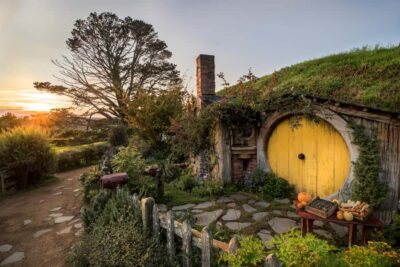
From Rotorua: Hobbiton Movie Set Tour with Festive Lunch
Read our review →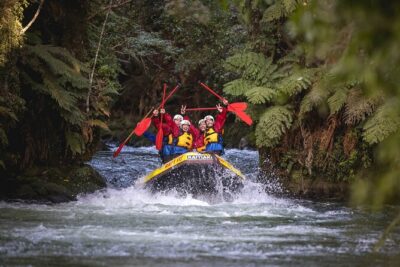
Rafting Rotorua Kaituna White Water Rafting | Kaitiaki Adventures
Read our review →
Rotorua: The National Kiwi Hatchery Kiwi Encounter Tour
Read our review →Browse the lists this tour appears in