REVIEW · BIG ISLAND
Big Island: Hawai’i Volcanoes National Park Guided Hike
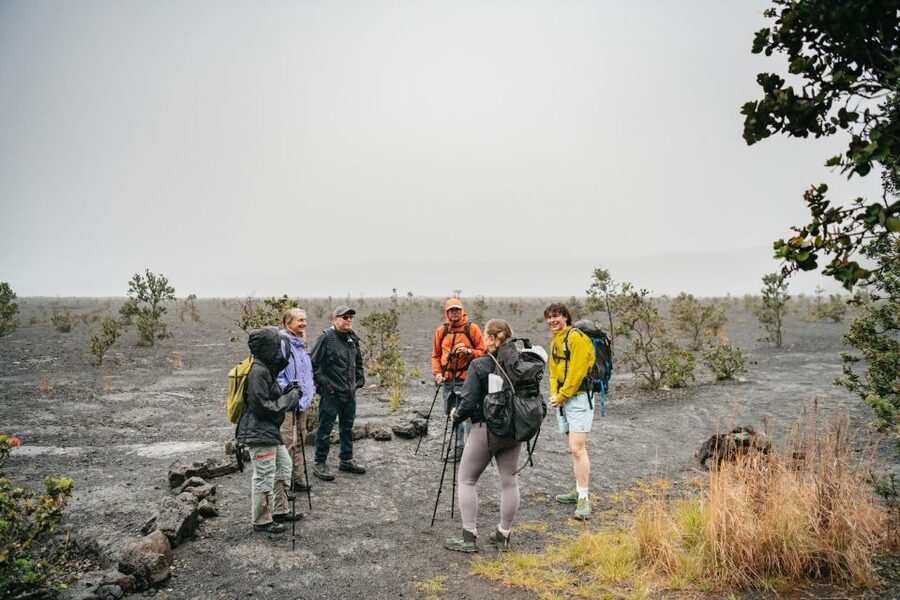
The most striking part of this hike is the walk across Kilauea Iki Crater, a broad, solidified lava lake that lets you grasp the scale of a volcanic eruption. The route then moves through rainforest, steam vents, a native Hawaiian forest, and the dark passage of Thurston Lava Tube.
I like the mix of open volcanic ground and cool forest walking. I also like the small group limit of 10, plus the generous picnic lunch and the chance to hear Hawaiian volcano stories from guides such as Jennifer. The main thing to consider is the price: at $230 per person, you still pay the national park entry fee, and one recent booking received snacks instead of the advertised breakfast buffet.
Key points at a glance
- Kilauea Iki Crater: Walk beside and across a hardened lava lake with wide views into the crater.
- Thurston Lava Tube: Enter a long underground cave made by ancient flowing lava.
- Rainforest and steam vents: See how wet forest and volcanic heat exist side by side.
- Guide-led interpretation: Learn about ecology, volcanic activity, Hawaiian legends, and the area’s changing geology.
- Food included: The plan includes a breakfast buffet and a gourmet picnic with salads, sandwiches, and desserts.
- Small-group format: Choose a group hike limited to 10 people or arrange a private outing.
Why this hike is more than a walk to a lava tube
Hawai’i Volcanoes National Park can feel hard to understand from a car window. You can stop at viewpoints, photograph steam, and read signs, but the scale of Kilauea becomes clearer when your feet carry you across its old lava lake.
This tour links several parts of the park into one long outing. You begin in the rainforest, pass native vegetation and possible wildlife sightings, cross or approach Kilauea Iki Crater, reach an active caldera, and finish underground in Thurston Lava Tube. That variety gives the day a strong rhythm. You are not looking at the same type of scenery for six and a half hours.
The guide adds value by explaining how volcanic ground supports plant life, how lava shaped the crater, and why steam vents appear where they do. The experience is not only a hike with scenery. It is a guided lesson in how water, heat, rock, and forest share one small part of Hawai’i Island.
You should also know what this is not. It is not a short, casual stroll, and it is not a guaranteed wildlife outing. The advertised duration is 390 minutes, or about 6.5 hours. That is a full day outdoors, with enough walking to require proper hiking shoes and a reasonable level of fitness.
More Volcano Hikes and Treks in Big Island
- Kilauea: Volcanoes National Park Guided Hike
★ 4.8 · 61 reviews - Big Island: Off the Beaten Path Volcano Crater Hike
★ 5.0 · 15 reviews - Big Island GOAT Experience: Mauna Kea Summit, Sunset & Stars
★ 5.0 · 1,706 reviews
Meeting your guide at Kilauea Visitor Center
The tour begins at Kilauea Visitor Center inside Hawai’i Volcanoes National Park. This is a useful starting point because you are already within the park when the hike begins. You do not need to spend the first part of the outing driving between the island’s towns and the park’s main sights.
The group can include up to 10 people, which is small enough for questions and conversation without the feel of a large bus excursion. You can also choose a private tour if you want a more personal pace and a guide focused on your party.
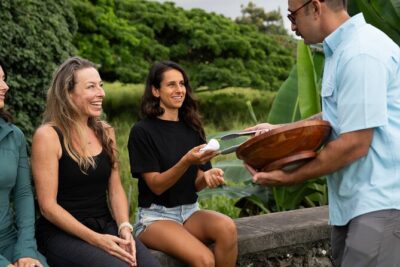
English is the tour language. Jennifer has received especially warm praise for her friendly manner, care for the people in her group, and stories about volcanoes and Hawaiian legends. One small but memorable touch was her bringing homemade cookies for the group. That sort of personal attention can make a long hike feel more relaxed.
The day is described as starting with a breakfast buffet of fruit, salmon, cheese, tea, and coffee. There is one important caution here: a recent booking received snack foods such as bars and nuts instead of that full breakfast. If you are counting on breakfast before a long hike, confirm the current food arrangement or eat something beforehand.
Through rainforest and native Hawaiian forest
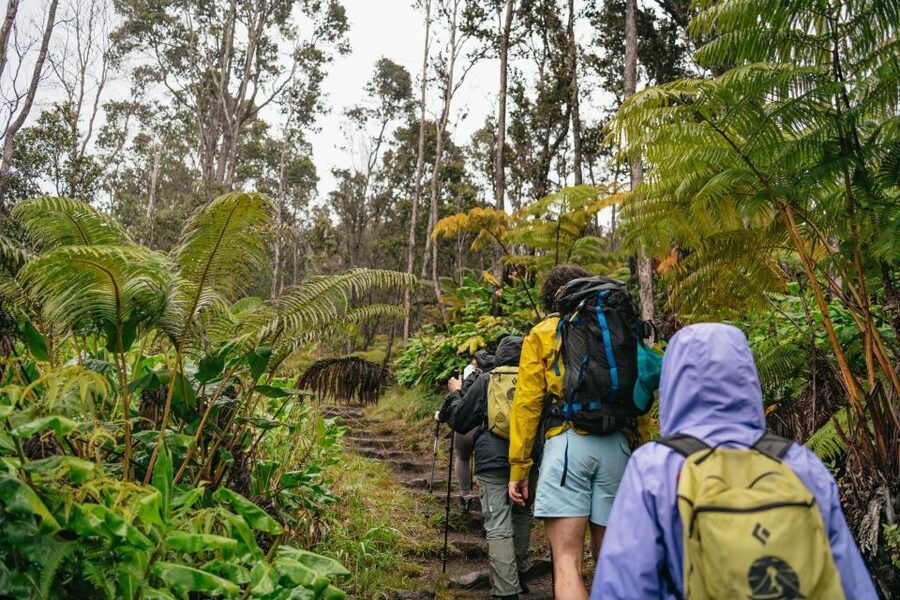
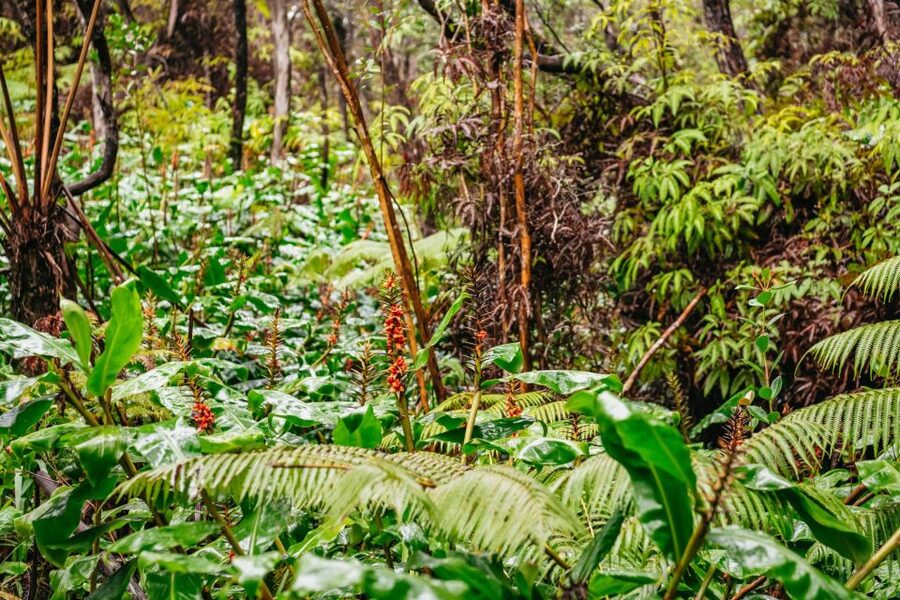
The early part of the route takes you through lush rainforest. This section gives you a useful contrast with the exposed volcanic ground later in the day. The forest is not merely a pleasant approach to the crater. It helps show how native Hawaiian plant life occupies ground shaped by volcanic activity.
Keep your eyes open for native wildlife, but treat sightings as a possibility rather than a promise. The guide can point out ecological details that are easy to miss when you walk alone, including how plants and animals fit into an isolated island environment.
Rainforest weather can change quickly, so rain gear belongs in your day pack even if the sky is clear at the start. The tour runs rain or shine. That policy can work in your favor if you want to keep a fixed holiday schedule, but it also means you should be ready for damp trails and reduced visibility.
The forest portion may be the easiest place to settle into the group. You can ask questions, learn how the guide reads the park, and adjust your pace before the route reaches more open volcanic ground.
Seeing the solidified lava lake at Kilauea Iki
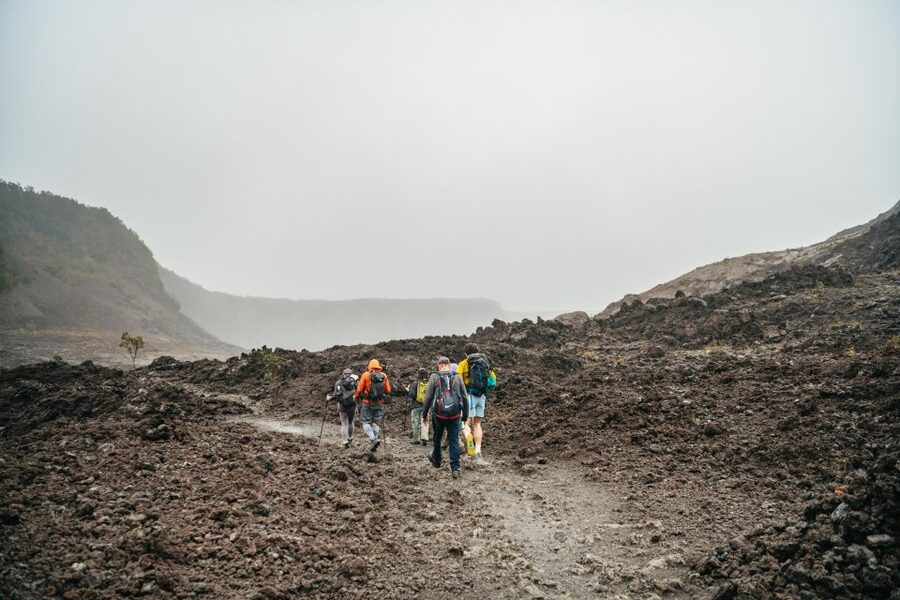
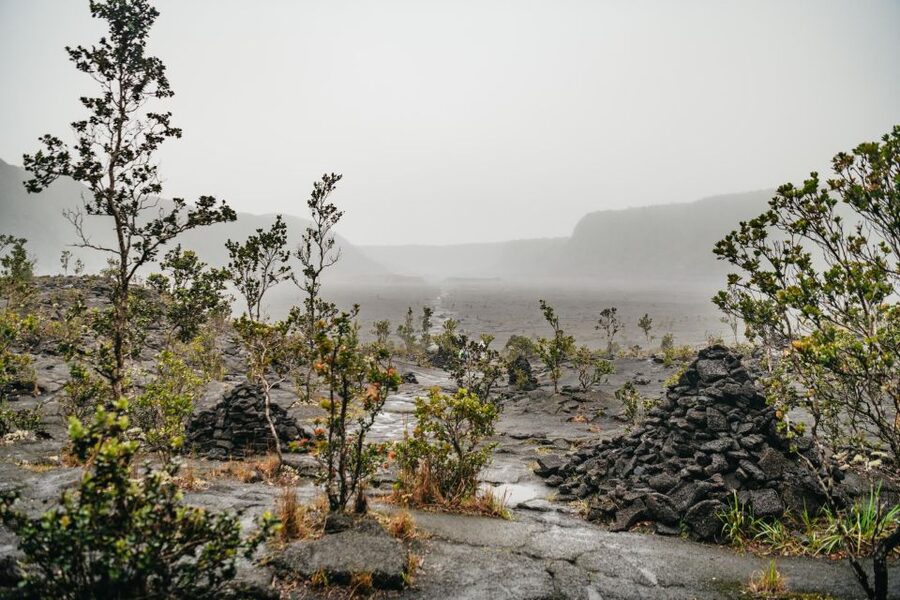
Kilauea Iki Crater is the visual center of the hike. Its solidified lava lake gives you a direct sense of how a formerly molten surface can harden into a broad, walkable expanse. From the surrounding viewpoints, you can take in the full crater and see the scale of the volcanic event that created it.
The guide helps translate that scale into something understandable. Instead of simply seeing a large depression, you learn how the crater formed and how the area changed after the eruption. The walk across or around the crater also gives you a physical connection to the story. The rock is not an abstract exhibit behind glass. It is the ground beneath your boots.
This is one of the best reasons to choose a guided hike instead of visiting only by car. A guide can explain what you are looking at while you are standing inside the setting, not later from a brochure. The open views also offer a break from the forest and make the middle of the day feel dramatic.
The tradeoff is exposure. A crater crossing can feel more demanding than a shaded forest trail, especially in wet or windy weather. Bring water, use hiking shoes with a solid grip, and do not count on the day staying dry simply because the morning begins pleasantly.
More Volcano Hikes and Treks in the USA
- Big Island: Mauna Kea Summit and Stars Small-Group Adventure Tour
★ 5.0 · 1,545 reviews - Big Island: Mauna Kea Summit Tour with Free Night Star Photo
★ 5.0 · 1,449 reviews - Hilo: Mauna Kea Summit, Sunset, & Stargazing Experience
★ 4.8 · 629 reviews - Oahu: Diamond Head Hike with Roundtrip Transportation
★ 4.3 · 354 reviews
Steam vents and the active caldera
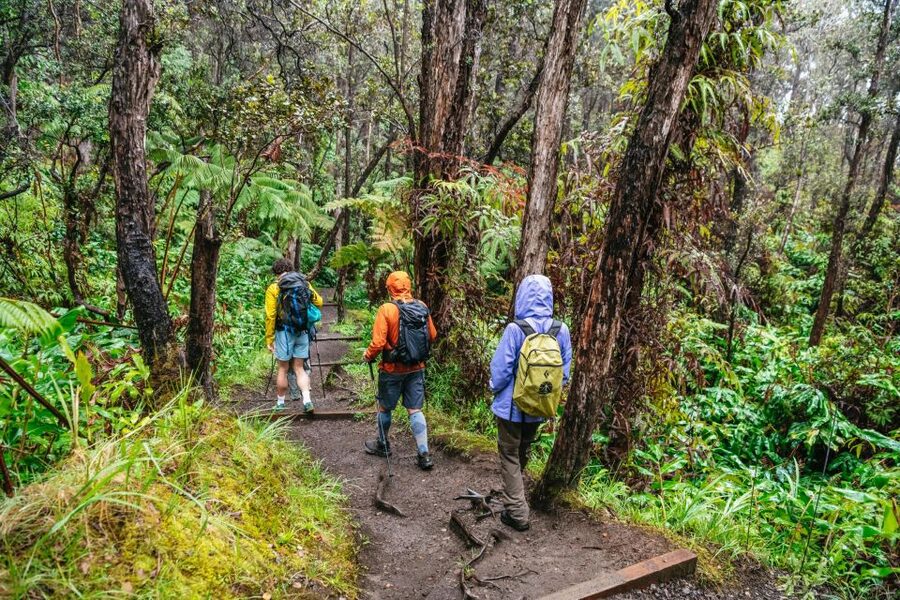
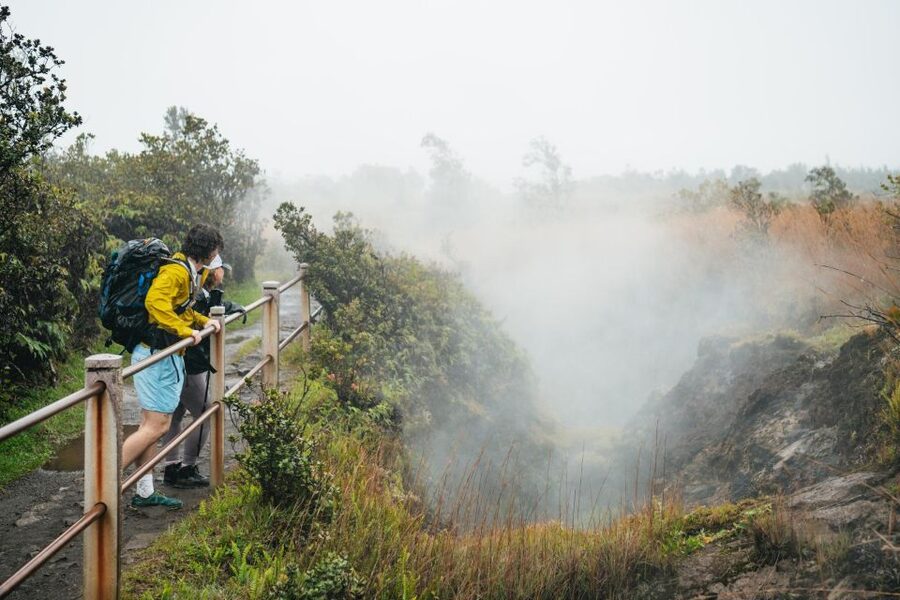
After the crater, the route moves between steam vents and native forest toward an active caldera. This is where the park’s volcanic power feels closest to the surface. You may see steam rising from the ground and feel heat in the air near the vents.
The guide’s explanation matters here. Steam, heat, and volcanic rock can look simple at first, but together they show that the area remains geologically active. The route gives you a sense of the forces below the ground without turning the hike into a technical geology lecture.
You should follow the guide’s instructions carefully around all volcanic features. The supplied information describes the route as moving through a field of steam vents and toward a caldera, but it does not promise a particular eruption view or a specific level of volcanic activity on the day you visit. Conditions in a volcanic park can change, so the experience is best approached as a close look at an active volcanic area, not a guaranteed lava show.
This section also gives the tour its strongest sense of place. Rainforest, heat, open crater rock, and steam all appear within the same outing. That variety is the real payoff of the route.
Walking into Thurston Lava Tube
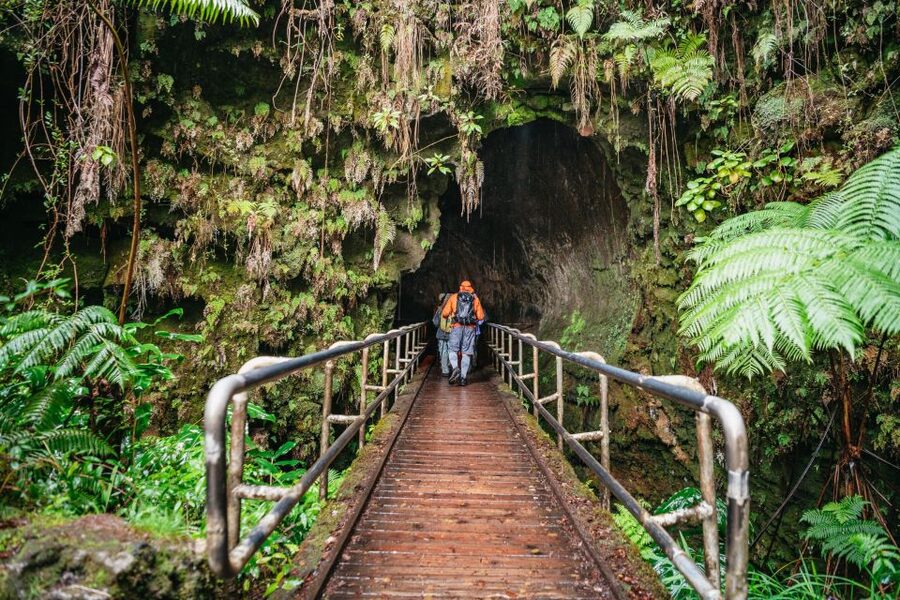
The final major sight is Thurston Lava Tube, a long underground passage formed when the outside of a lava flow cooled while molten rock continued moving inside. Once the flow drained, it left a natural tunnel behind.
Entering the tube changes the mood of the hike. After open crater views and steam vents, you move into a cooler, enclosed space shaped by ancient lava. The tube is not a constructed attraction. Its walls and ceiling were formed by the flow itself, which makes the stop feel like a direct encounter with the island’s volcanic past.
The route description calls the tube a finish to the hike before returning to the visitor center. That order has one practical drawback: the food break may come late. Richard, who gave the outing top marks, specifically suggested moving lunch earlier because it was essentially served near the end of the tour. If you get hungry during long walks, carry water and a small personal snack unless the provider confirms that breakfast will be substantial.
The tube is also one reason the tour may not suit people with mobility impairments. The experience is built around extended walking, uneven outdoor conditions, and a descent into a natural cave. Children under 8 are not permitted.
Breakfast and picnic lunch: useful, but confirm the details
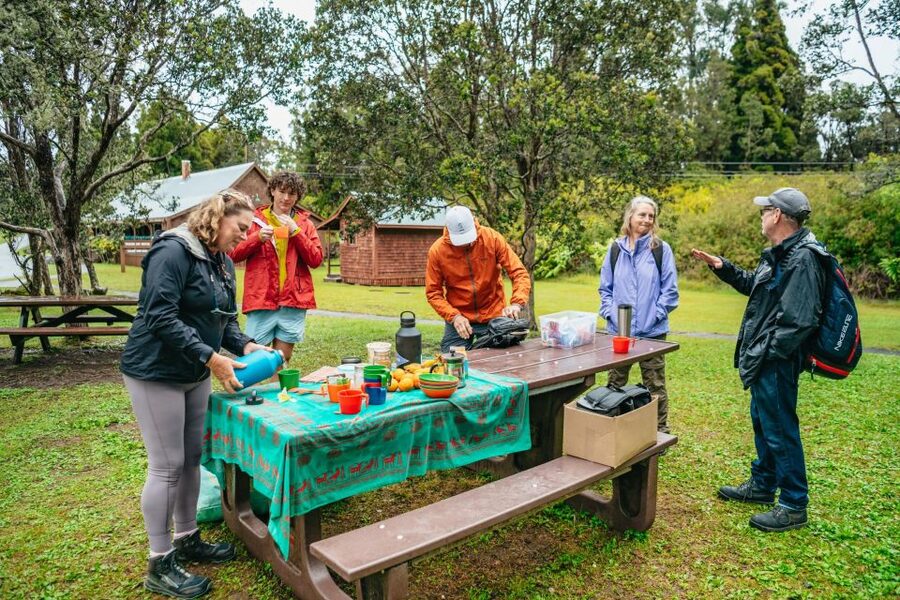
Meals are part of the value calculation. The advertised breakfast buffet includes fruit, salmon, cheese, tea, and coffee. A meal at the start can be helpful before a 6.5-hour hike, especially if you plan to spend the day away from restaurants.
The advertised picnic lunch includes salads, sandwiches, and desserts. That is more useful than a simple packaged snack because it gives the group a proper break and removes the need to find food in the middle of the park.
Still, the breakfast detail deserves attention. One recent booking reported receiving bars and nuts rather than the promised buffet. That does not prove the same thing will happen on every departure, but it is enough reason to ask what is being served on your date. The picnic received positive comments, and the food was described as tasty, so lunch appears to be the safer part of the meal plan.
Bring water regardless. Included food does not replace hydration, and the tour requires you to remain comfortable through forest, crater, steam vents, and the lava tube.
Is $230 a fair price?
At $230 per person, this is not a budget park outing. You are paying for a guide, a small group, a long guided route, breakfast as described, and a picnic lunch. The value is strongest if you want interpretation and structure rather than simply entering the park and choosing your own stops.
A private tour can make the price easier to justify if you value a customized experience, but the supplied information does not state the private-tour price. The group option is limited to 10 people, which keeps it more personal than a large sightseeing bus.
Park entry is extra. Current options provided for this activity are $15 per person, $30 per vehicle, or an $80 annual national park pass. The best choice depends on how many people are in your vehicle and whether you plan to visit other national parks during the year.
I would compare the total cost against a self-guided park day. Independent visitors pay less and control their schedule, but they must handle their own route planning, food, and interpretation. This hike makes more sense for you if the guide’s explanations, included meals, and linked itinerary are central to your day.
Who should book this hike?
This outing suits adults and families with children age 8 or older who can manage a long day on foot. It is a good match if you want to see more than one park feature and prefer a guide to connect the ecology and volcanic geology.
You should book it if you like a mix of scenery: rainforest, crater views, steam vents, a caldera, and an underground tube. You should also book it if you enjoy asking questions and hearing stories, since the guide is a key part of the experience.
It may not suit you if you want a short visit, dislike changing weather, or need a route designed for limited mobility. It is also less appealing if you are mainly hoping to see active lava. The information promises an active volcanic setting, not a guaranteed flowing-lava sighting.
Wear hiking shoes, bring water and rain gear, and expect to be outdoors in all conditions. Alcohol and drugs are not allowed.
Should you book it?
I would book this hike if you want a full, guided introduction to Hawai’i Volcanoes National Park and value a small group over the lowest possible price. The combination of Kilauea Iki Crater, steam vents, forest, caldera views, and Thurston Lava Tube gives the day real variety.
I would pause before booking if breakfast is important to you, since the food offering has not been consistent for every booking. Ask for the current meal plan, add the park entry fee to the price, and be honest about your walking ability.
For an active visitor who wants context, good food, and a guide such as Jennifer to bring the volcano stories to life, this is a strong choice. For a casual sightseeing day, enter the park independently and choose shorter stops instead.
FAQ
How long does the Hawai’i Volcanoes National Park hike last?
The tour lasts 390 minutes, which is about 6.5 hours.
Where does the tour begin?
Meet your guide at the Kilauea Visitor Center inside Hawai’i Volcanoes National Park.
Is park entry included in the tour price?
No. Park entry costs extra. The provided options are $15 per person, $30 per vehicle, or an $80 annual national park pass.
What food is included?
The activity includes a breakfast buffet listed as fruit, salmon, cheese, tea, and coffee, plus a gourmet picnic with salads, sandwiches, and desserts. One recent booking received snacks instead of the listed breakfast buffet, so confirm the current arrangement before setting out.
Is this a private tour or a group tour?
You can choose a group tour limited to 10 participants or arrange a private tour.
What should I bring?
Bring hiking shoes, water, and rain gear. The hike takes place rain or shine. Children under 8 and people with mobility impairments should not book this activity.
More Volcano National Parks in the USA
- Best of Mount Rainier National Park from Seattle: All-Inclusive Small-Group Tour
★ 5.0 · 805 reviews - Maui: Haleakala National Park Sunrise Tour
★ 4.7 · 545 reviews - From Seattle: Mount Rainier National Park Guided Tour
★ 4.8 · 412 reviews - Small-Group Big Island Tour: Hawaii Volcanoes National Park and Kona Coffee Farm
★ 5.0 · 343 reviews
More Volcano National Parks in Big Island
- Hawaii: Volcanoes National Park E-Bike Rental and GPS Audio
★ 4.8 · 16 reviews - Hilo Shore Excursion: Volcanoes National Park & Black Sand Beach
★ 4.5 · 2,338 reviews - Big Island: Fat Tire E-Bike Tour through Volcanoes National Park
★ 5.0 · 546 reviews - Big Island, Hawaii: Volcanoes National Park Safari
★ 4.5 · 545 reviews
Just added around Island Of Hawaii
- Mauna Kea: Stellar Explorer Tour from Hilo★ 4.5 · 67 reviews
- Mauna Kea: Stargazing Experience with Free Photos★ 4.2 · 32 reviews
- Kilauea: Volcanoes National Park Guided Hike★ 4.8 · 61 reviews
- Hawaii: Volcanoes National Park E-Bike Rental and GPS Audio★ 4.8 · 16 reviews
- Hawaii: Big Island Volcanoes Day Tour with Dinner and Pickup★ 4.5 · 34 reviews
- Big Island: Volcano, Chocolate & Waterfall Adventure★ 4.7 · 78 reviews
- Big Island, Hawaii: Volcano and Stargazing Tour with Dinner★ 4.8 · 179 reviews
- Big Island: Volcano Adventure★ 3.6 · 8 reviews
Big Island Volcano Tours, compared.
Big Island in a Day: Volcanoes Waterfalls Sightseeing and History
Read our review →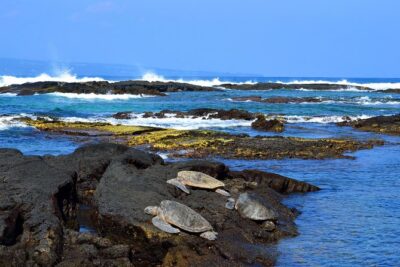
Hilo Shore Excursion: Volcanoes National Park & Black Sand Beach
Read our review →
Big Island GOAT Experience: Mauna Kea Summit, Sunset & Stars
Read our review →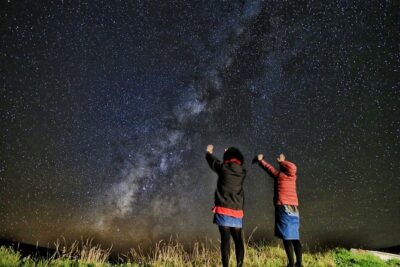
Small Group Big Island Twilight Volcano and Stargazing Tour
Read our review →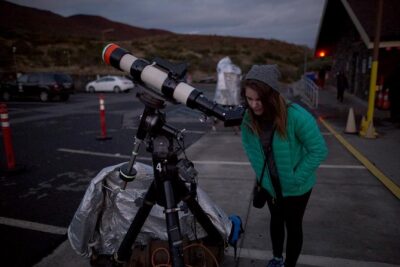
Big Island: Mauna Kea Summit and Stars Small-Group Adventure Tour
Read our review →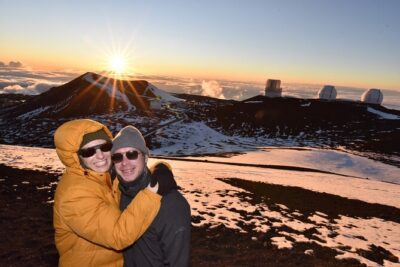
Big Island: Mauna Kea Summit Tour with Free Night Star Photo
Read our review →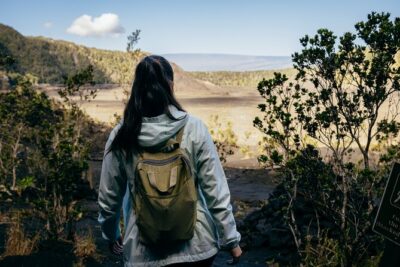
Big Island Highlights: Coffee, Volcano, Black Sands & Waterfall
Read our review →