REVIEW · BIG ISLAND
Kilauea: Volcanoes National Park Guided Hike
Kilauea can change by the hour, and this hike makes that uncertainty part of the adventure. You may walk through cool native forest, study a hardened lava lake, and receive a real-time update if volcanic activity shifts. I especially like the small groups of no more than 10 and the guides’ habit of turning a walk into a clear lesson about rocks, plants, animals, and Hawaiian culture.
I also like the practical touches: trekking poles, backpacks, a healthy snack, and guides such as Jennifer and Yvonne who adjust the pace and answer questions. The main consideration is simple: lava viewing is never guaranteed, and the hike runs rain or shine. The route is not suitable for children under 6 or people with mobility impairments.
Key points to know before you book
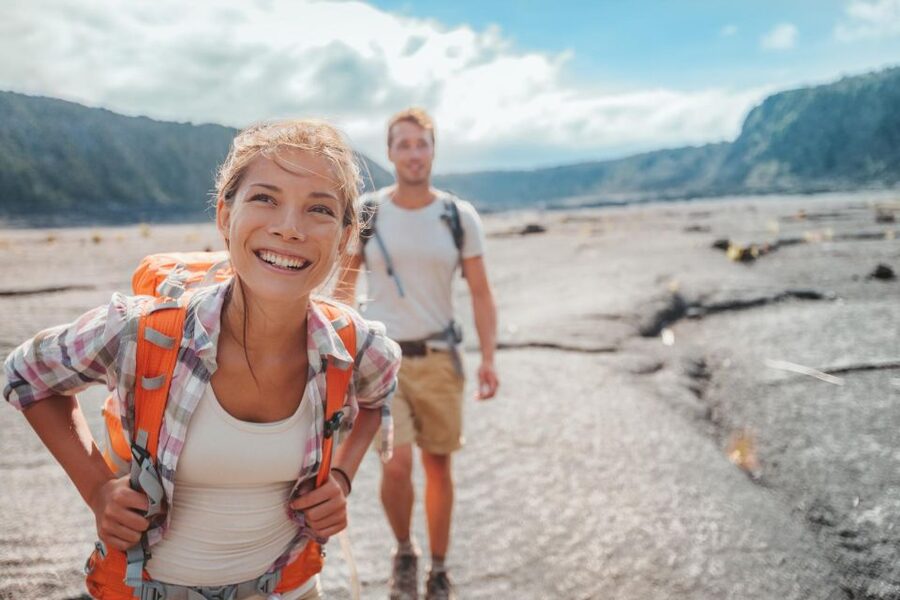
- A four-mile loop around Kilauea’s hardened lava lake combines forest walking with volcanic scenery.
- Jennifer and Yvonne bring strong volcano and ecology knowledge, with talks on eruptions, steam vents, native plants, wildlife, and Hawaiian traditions.
- Small groups are limited to 10 people, allowing time for questions, photographs, and route adjustments.
- Real-time eruption updates can change your timing, as guides may contact you about unusual volcanic activity or better viewing chances.
- The walk ends near Volcano House, where you can stop for food and a view after the hike.
- Rain gear and proper shoes matter, since the activity operates in wet weather as well as dry conditions.
What the Kilauea hike is really about
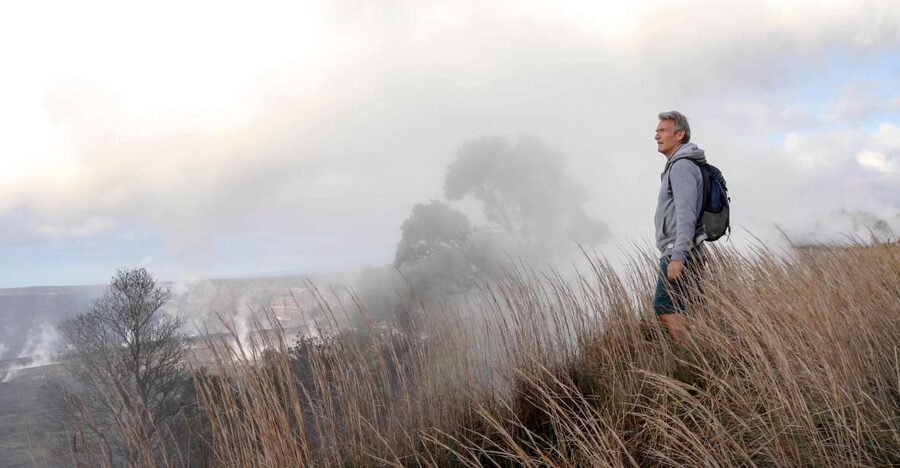
This is not a quick stop at an overlook followed by a few general facts. The activity is built around a four-mile loop in Hawaiʻi Volcanoes National Park, with enough time to look closely at the ground beneath you and the living world around it.
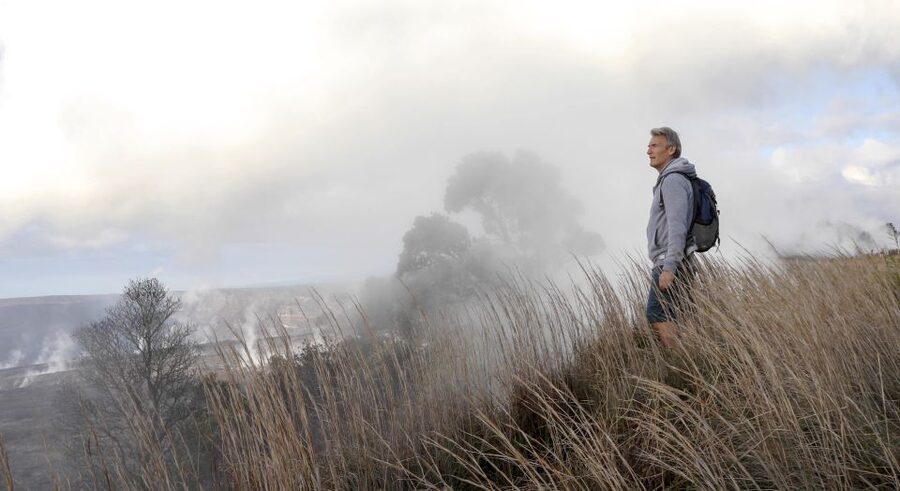
The route takes you through native Hawaiian rainforest and around a hardened lava lake. That pairing is the heart of the outing. You get the quiet, damp feel of forest, then the stark evidence of volcanic heat and movement. The contrast helps you understand Kilauea as a working volcano, not just a scenic backdrop.
The three-hour duration gives the guide room to stop often. That matters here. A volcanic park can look like a broad stretch of black rock or forest until someone points out why the surface looks that way, how an eruption altered it, or which plants are native and which ones are invasive.
You should expect an educational walk rather than a hard-core trek. One earlier route included a comfortable descent into the caldera, with a somewhat more demanding walk back up. Another group covered close to eight miles after the guide adjusted the outing to suit them, so the exact experience can vary with conditions, group interests, and guide judgment.
More Volcano Hikes and Treks in Big Island
- Big Island: Hawai’i Volcanoes National Park Guided Hike
★ 4.9 · 30 reviews - Big Island: Off the Beaten Path Volcano Crater Hike
★ 5.0 · 15 reviews - Big Island GOAT Experience: Mauna Kea Summit, Sunset & Stars
★ 5.0 · 1,706 reviews
Meeting at Kilauea Visitor Center
You meet at the Kilauea Visitor Center. There is no hotel pickup or drop-off, so you need to arrange your own way to the park and pay the park entrance fee separately.
That meeting point is useful because it keeps the outing focused. You are not spending part of your three hours collecting people from different hotels or riding in a van with strangers. The activity specifically avoids shared van transport, which suits anyone who would rather begin walking and talking with the guide right away.
Plan to arrive ready to hike. Comfortable shoes are required, and hiking shoes are the sensible choice. Open-toed shoes and high heels are not allowed. Bring water and rain gear, even if the weather looks friendly when you leave your hotel.
The park’s weather can shift, and this activity runs rain or shine. A rain jacket is more useful than an umbrella on a trail. The supplied backpacks and trekking poles also help, particularly if the ground is wet or uneven.
Walking through native Hawaiian rainforest
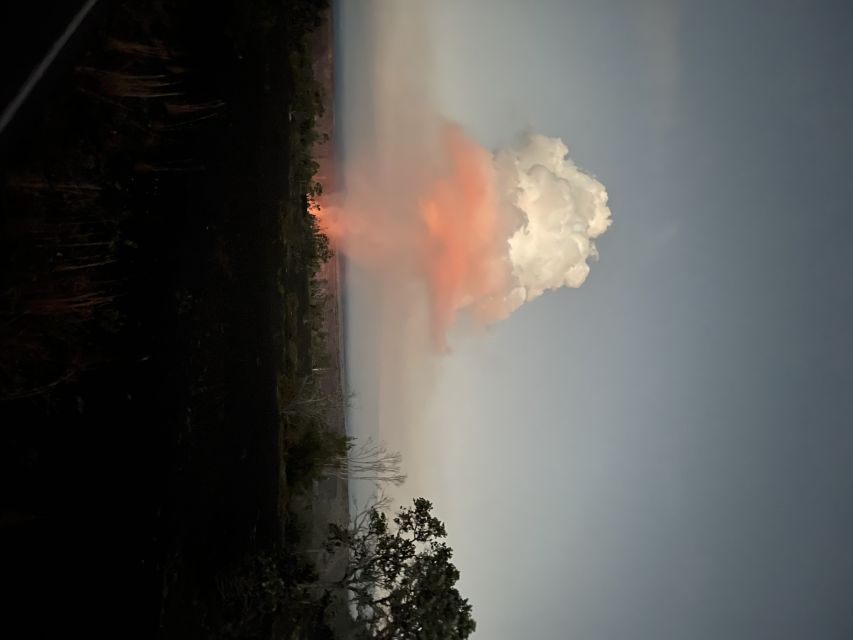
The forest section gives this tour its softer side. Instead of spending the whole outing among exposed lava, you move through a native Hawaiian plant community and listen for signs of animal life.
The guides explain the difference between native and invasive plants, a point that can otherwise be easy to miss. You may also hear about the animals that live here. One group spotted Hawaiian chickens, a small but memorable reminder that the park has more life than volcanic rock and steam.
Jennifer has been praised for carrying extra ponchos, poles, and snacks, then stopping at good photo spots and taking pictures for the group. That kind of help is valuable on a hike. You can pay attention to the trail and the views instead of constantly managing your phone, gear, and footing.
The forest is also where the guides can explain how weather creates a local microclimate. One guide even carried tilt-meter charts and used them to explain eruption trends during the walk. That may sound technical, but it gives you a sense of how scientists monitor a volcano that can appear quiet one moment and become active later.
Do not expect a wildlife tour with guaranteed sightings. The focus is on the plants, geology, and atmosphere of the park, with animals as a possible bonus. The native forest still earns its place in the itinerary because it shows how life returns and adapts around volcanic ground.
Reading the hardened lava lake
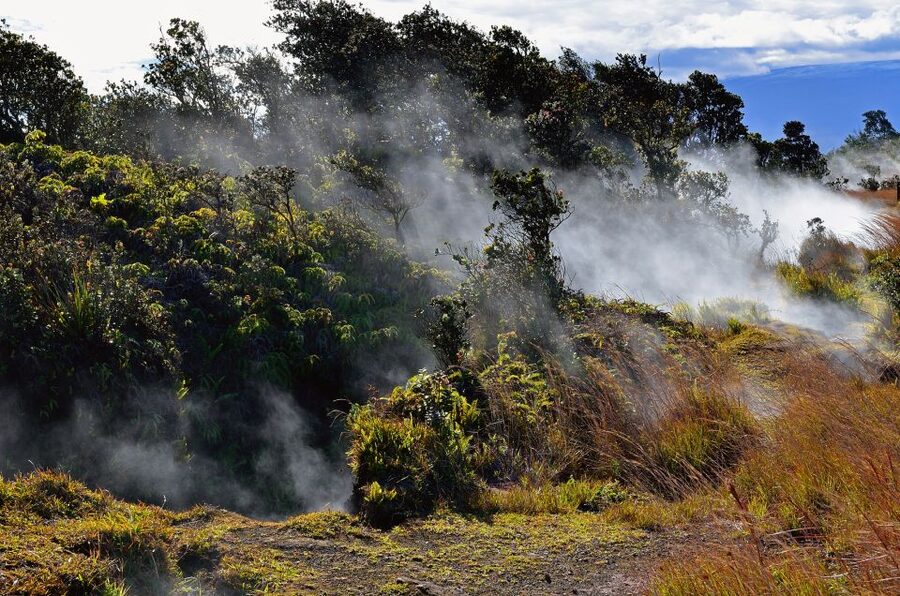
The hardened lava lake is the major geological feature on the route. You walk around a surface that once held molten rock, and the guide explains what you are seeing rather than leaving you to guess.
This is where the activity earns much of its $120 price. You could walk through parts of the park independently, but the meaning of a lava lake is not always obvious from the trail. With Jennifer or Yvonne, you can ask about eruptions, earthquakes, steam vents, volcanic rock, and changes in the crater area.
The guides also connect physical geology with local culture. You may hear Hawaiian legends connected to the volcano and learn how Hawaiians regard Kilauea. That approach gives the place more depth without turning the walk into a lecture.
The route is generally described as moderate to easy, but it still includes hills. An earlier morning outing included a few climbs and a lava tube, while another group walked into the crater and continued farther because the guide tailored the route. These details point to an important practical fact: your group’s pace and interests can shape the day.
If you want a fast, fixed route with no stops, this is not the right format. If you enjoy asking questions and examining unusual features, the flexible pace is a strength.
More Volcano Hikes and Treks in the USA
- Big Island: Mauna Kea Summit and Stars Small-Group Adventure Tour
★ 5.0 · 1,545 reviews - Big Island: Mauna Kea Summit Tour with Free Night Star Photo
★ 5.0 · 1,449 reviews - Hilo: Mauna Kea Summit, Sunset, & Stargazing Experience
★ 4.8 · 629 reviews - Oahu: Diamond Head Hike with Roundtrip Transportation
★ 4.3 · 354 reviews
Understanding Kilauea beyond the view
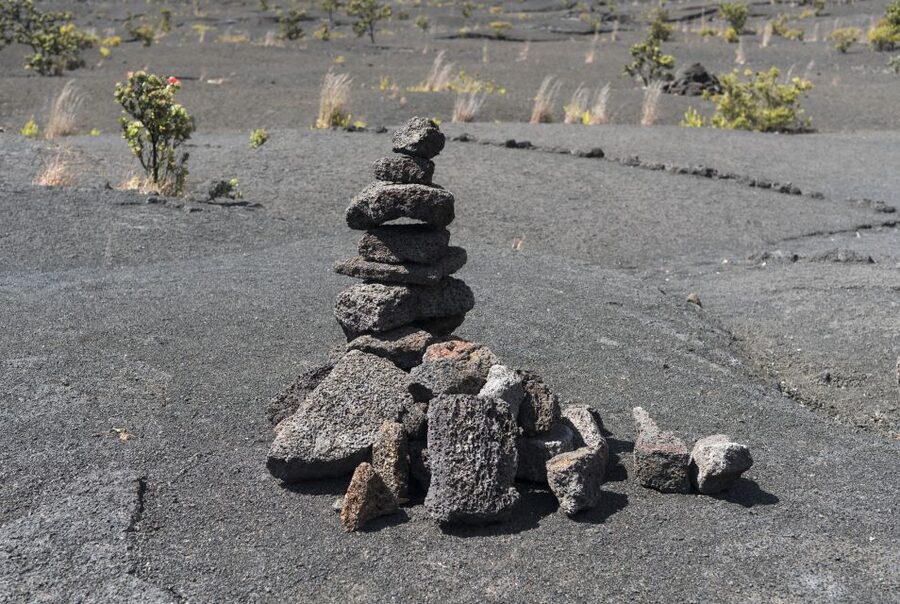
The strongest guides here do not simply recite dates and names. They explain how volcanic activity affects the ground, the plants, the weather, and the way people understand the area.
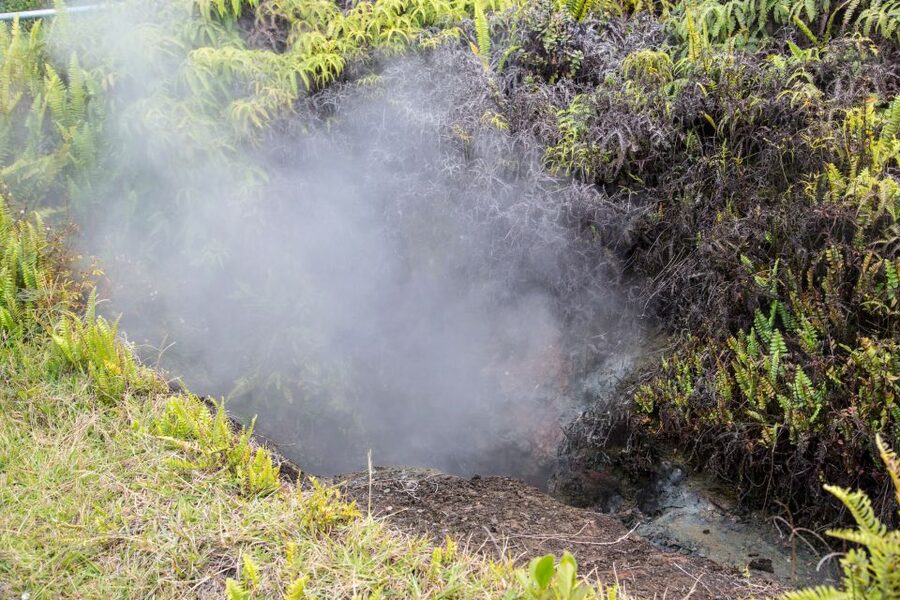
You may discuss past eruptions, earthquakes, steam vents, magma, and the history of Kilauea. You may also learn how scientists track activity and why a change in volcanic behavior matters. The information is tied to what you are seeing, so the walk remains connected to the place.
Yvonne has a background in volcanology studies, while Jennifer has been praised for her clear explanations of geology, ecology, and Hawaiian culture. Both names appear repeatedly in the experience details, and both are associated with friendly, attentive guiding.
The guide may show pictures, videos, charts, or a telescope when conditions call for it. One outing included a telescope that helped the group see magma during an eruption. Another guide noticed increased activity after a tour and later sent an update when an eruption began.
That kind of communication is a real benefit, but you should keep expectations sensible. The guide can share current information and help you find suitable viewing areas, but no one can promise lava at a particular hour. Weather, visibility, and the volcano’s activity control the result.
Lava viewing and changing tour times
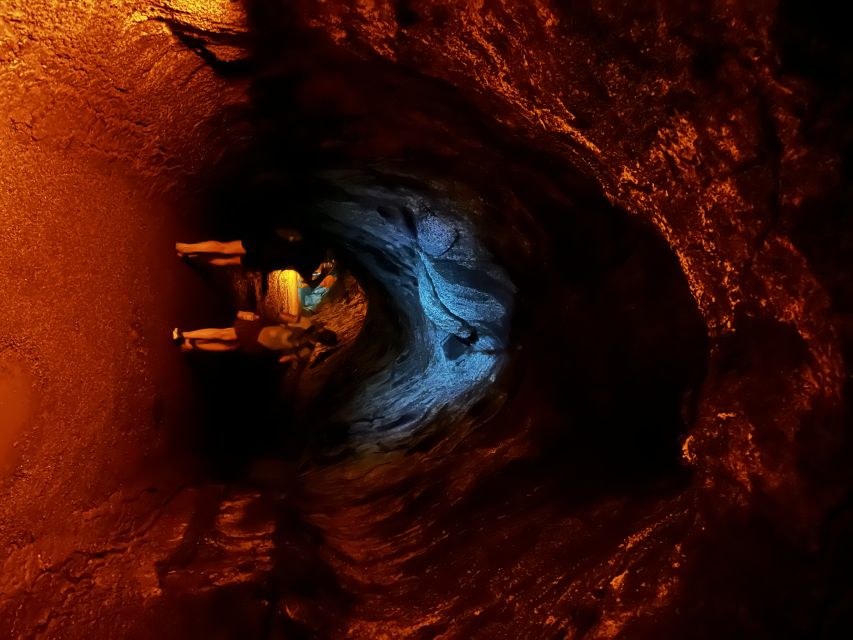
The possibility of seeing lava is the most exciting part of this experience, and also the part you should treat most carefully.
The tour provides real-time updates on lava viewing. If Kilauea erupts earlier than expected, the guide may contact you about meeting earlier so you have a better chance to see it. That happened for one outing, and another guide sent an update after noticing increased activity.
If an eruption is active during your visit, you might see glowing lava or magma from a suitable viewing area. A telescope may be available, depending on the guide and conditions. Night viewing after the hike has also been possible for some groups near Volcano House.
Still, this is a guided hike first, not a guaranteed lava-watching trip. Kilauea may be quiet, clouds may block the view, or weather may affect visibility. Book this if you want to understand the volcano and enjoy the park in any condition. Book another type of activity only if your main goal is a guaranteed eruption sighting, which this tour cannot provide.
Finishing near Volcano House
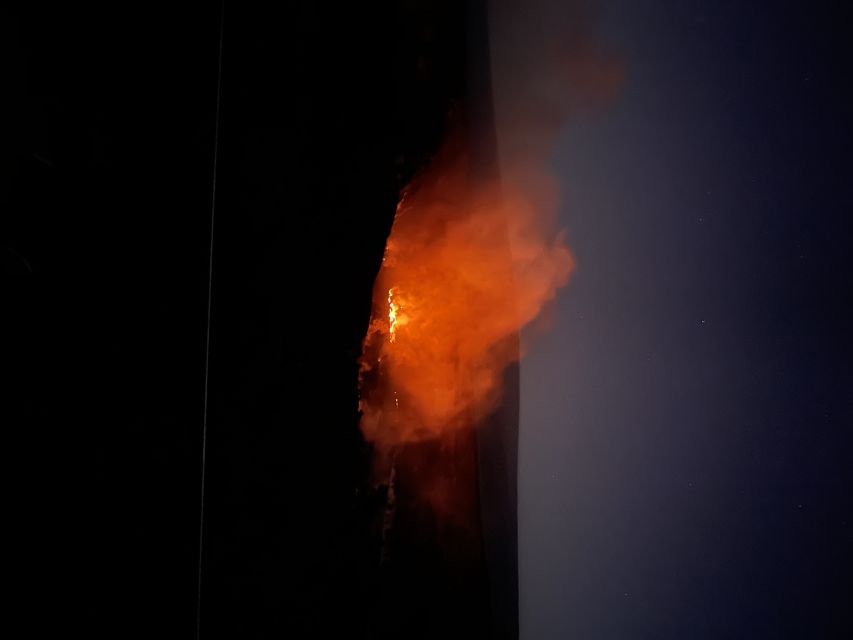
The hike concludes at the Volcano House restaurant and bar. You are encouraged to stop for a meal and enjoy the view after walking, but the meal is not included in the $120 price.
This ending works well because it gives you an easy place to rest, eat, and continue thinking about what you have seen. Several outings included lunch or dinner at Volcano House, and one evening visit offered a view of glowing lava at night.
Treat the restaurant stop as an optional finish, not part of the included service. Bring money or a payment method if you want to eat there, and allow extra time if you are building the stop into your day.
What the $120 price buys you
At $120 per person, this is not the cheapest way to walk in Hawaiʻi Volcanoes National Park. The park entrance fee is extra, and you handle your own transport to the Kilauea Visitor Center.
The value comes from the human side of the experience. Your fee covers a certified interpretive guide, a small group, a healthy snack, backpacks, and trekking poles. You are also paying for route judgment, current volcanic information, and explanations that connect geology with ecology and Hawaiian culture.
A self-guided visit costs less and may suit you if you are happy reading signs and exploring at your own pace. The guided option makes more sense if you want to understand the terrain, ask detailed questions, improve your chances of responding to eruption updates, or avoid wandering around without knowing what you are seeing.
The small group limit matters here. Ten people is still a group, but it is small enough for questions and photographs without the feel of a bus tour. Private outings may happen when no other participants book, though that cannot be assumed.
Who should book this walk
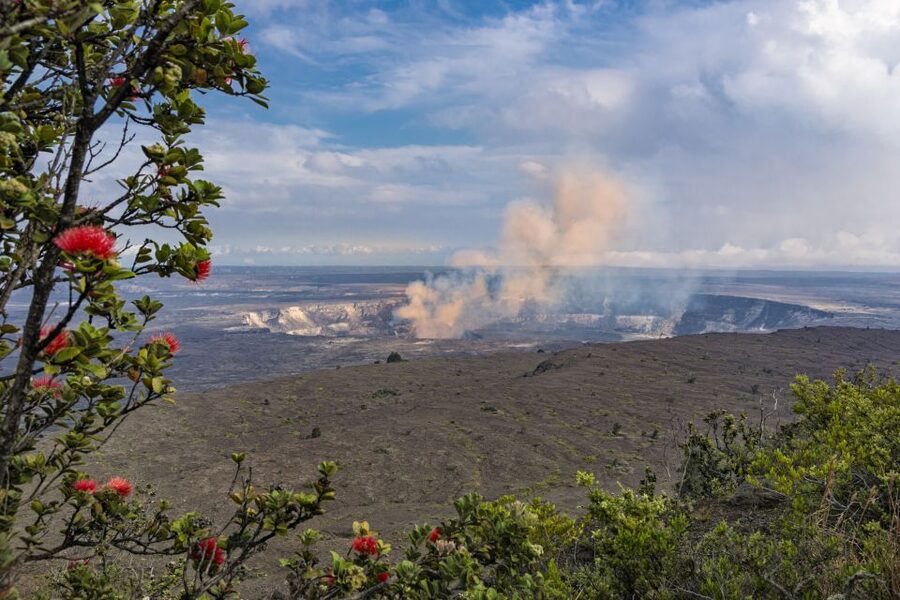
I would choose this experience if you have three hours, enjoy learning while walking, and want more than a quick crater viewpoint. It suits adults, older children aged 6 and above, couples, families with capable young hikers, and visitors who want an introduction to the park before exploring on their own.
It is especially useful for first-time visitors. The guide can point out plants, lava features, steam vents, cultural connections, and viewing areas that might otherwise pass unnoticed.
I would think twice if you have mobility limitations, dislike rain, or need a guaranteed lava sighting. The outing takes place outdoors in changing weather and includes hills. You need closed, supportive footwear and enough comfort with walking to complete a four-mile loop.
The English-language format is also worth noting. The guides speak English, although one group with limited English enjoyed the hike with help from a translation device. You should not assume that translation support is included, but the guides may still communicate patiently and clearly.
Cancellation is flexible: you can cancel up to 24 hours ahead for a full refund, and you can reserve now and pay later. Check the available start times when booking, since timing can matter if volcanic activity changes.
My verdict on the Kilauea guided hike
Book it if you want a thoughtful, small-group walk that explains what you are seeing. The native forest, hardened lava lake, Hawaiian stories, and current eruption information create a fuller picture of Kilauea than a short stop at an overlook.
The price is fair for a three-hour guided experience with gear and a snack, though it is not a bargain if you only want a trail walk. The best reason to go is the guide’s ability to connect the ground, plants, wildlife, science, and culture in one outing.
Keep your plans flexible, bring rain gear, and accept that the volcano makes the final decision. If you can do that, this is a strong choice for seeing Hawaiʻi Volcanoes National Park with context, care, and a real chance of catching an extraordinary volcanic moment.
FAQ
Where does the Kilauea guided hike meet?
The meeting point is the Kilauea Visitor Center in Hawaiʻi Volcanoes National Park.
How long is the activity?
The guided hike lasts three hours.
How far do you walk?
The planned route is a four-mile loop through native Hawaiian rainforest and around a hardened lava lake.
Is lava viewing guaranteed?
No. Lava viewing depends on weather conditions and the current activity of Kilauea.
Can the tour schedule change because of volcanic activity?
The guide provides real-time updates on lava viewing, and the meeting time may be adjusted when volcanic activity creates a better viewing opportunity.
What is included in the price?
The experience includes a certified interpretive guide, a healthy snack, backpacks, and trekking poles.
Is the park entrance fee included?
No. The park entrance fee is not included.
What should I bring?
Bring comfortable or hiking shoes, water, and rain gear. Open-toed shoes and high-heeled shoes are not allowed.
Is the hike suitable for children and people with mobility impairments?
The activity is not suitable for children under 6 or people with mobility impairments.
More Volcano National Parks in the USA
- Best of Mount Rainier National Park from Seattle: All-Inclusive Small-Group Tour
★ 5.0 · 805 reviews - Maui: Haleakala National Park Sunrise Tour
★ 4.7 · 545 reviews - From Seattle: Mount Rainier National Park Guided Tour
★ 4.8 · 412 reviews - Small-Group Big Island Tour: Hawaii Volcanoes National Park and Kona Coffee Farm
★ 5.0 · 343 reviews
More Volcano National Parks in Big Island
- Hawaii: Volcanoes National Park E-Bike Rental and GPS Audio
★ 4.8 · 16 reviews - Hilo Shore Excursion: Volcanoes National Park & Black Sand Beach
★ 4.5 · 2,338 reviews - Big Island: Fat Tire E-Bike Tour through Volcanoes National Park
★ 5.0 · 546 reviews - Big Island, Hawaii: Volcanoes National Park Safari
★ 4.5 · 545 reviews
Just added around Island Of Hawaii
- Mauna Kea: Stellar Explorer Tour from Hilo★ 4.5 · 67 reviews
- Mauna Kea: Stargazing Experience with Free Photos★ 4.2 · 32 reviews
- Hawaii: Volcanoes National Park E-Bike Rental and GPS Audio★ 4.8 · 16 reviews
- Hawaii: Big Island Volcanoes Day Tour with Dinner and Pickup★ 4.5 · 34 reviews
- Big Island: Hawai’i Volcanoes National Park Guided Hike★ 4.9 · 30 reviews
- Big Island: Volcano, Chocolate & Waterfall Adventure★ 4.7 · 78 reviews
- Big Island, Hawaii: Volcano and Stargazing Tour with Dinner★ 4.8 · 179 reviews
- Big Island: Volcano Adventure★ 3.6 · 8 reviews
Big Island Volcano Tours, compared.
Big Island in a Day: Volcanoes Waterfalls Sightseeing and History
Read our review →
Hilo Shore Excursion: Volcanoes National Park & Black Sand Beach
Read our review →
Big Island GOAT Experience: Mauna Kea Summit, Sunset & Stars
Read our review →
Small Group Big Island Twilight Volcano and Stargazing Tour
Read our review →
Big Island: Mauna Kea Summit and Stars Small-Group Adventure Tour
Read our review →
Big Island: Mauna Kea Summit Tour with Free Night Star Photo
Read our review →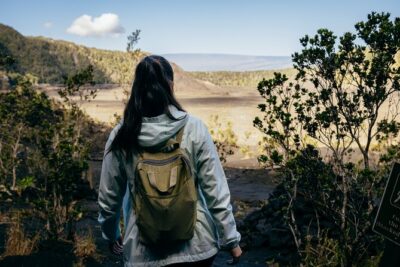
Big Island Highlights: Coffee, Volcano, Black Sands & Waterfall
Read our review →