
REVIEW · BIG ISLAND
Mauna Kea: Stellar Explorer Tour from Hilo
Mauna Kea: Stellar Explorer is really two outings in one: a useful tour of Hilo’s volcanic sights followed by a serious night under the stars. You’ll visit Rainbow Falls, Boiling Pots, and Kaumana Caves before crossing Saddle Road between Mauna Kea and Mauna Loa. The final telescope session can reveal planets, nebulae, star clusters, and galaxies.
I like the small group size, capped at 13, because it gives the guide room to answer questions. I also like the quality of the astronomy program. Guides such as Nate, Rich, Hunter, Eric, and Henry have earned praise for explaining stars, Hawaiian culture, plants, and volcanic activity in plain language.
The main drawback is simple: astronomy depends on weather. One guest had a rewarding day of sightseeing with Hunter but saw no stars because clouds stayed in place. The tour also costs $189 and does not visit the Maunakea summit or Visitor Center.
Key points to know before booking
- The evening telescope session is the main event: Large-aperture telescopes are used for wide views of the night sky, not just quick looks at one bright object.
- You see three Hilo-area sights first: Rainbow Falls, Boiling Pots, and Kaumana Caves give the tour a useful daytime and early-evening foundation.
- Saddle Road connects two giant volcanoes: You cross the high route between Mauna Kea and Mauna Loa while learning about both mountains.
- The tour respects Native Hawaiian concerns: It does not go to the Maunakea summit or Visitor Center.
- Bring the right clothes: Long pants, closed-toe shoes, and a jacket are required or strongly necessary.
- Weather can change the payoff: The sightseeing is dependable, but the star viewing is never guaranteed.
Why this Hilo stargazing tour works
At $189 per person, this is not a cheap sightseeing shuttle. It is a long, small-group outing that combines several Hilo-area stops, transport along Saddle Road, telescope equipment, jackets, and astronomy instruction.
I think the price makes the most sense if you want someone else to handle the driving and explain what you are seeing. The best guides do more than point at a star. Nate has been praised for making the astronomy easy to follow, while Rich has been singled out for his humor and friendly style. Hunter has a strong command of Hawaiian history, plants, and local features. Eric has also been praised for combining culture, botany, and astronomy.
The seven-hour length matters. You are not squeezing in a waterfall and a five-minute look at the sky. The tour has time to move from Hilo’s wet volcanic setting to the high, dark country around Mauna Kea. Still, it is a full outing, so do not schedule a demanding evening activity afterward.
The group limit of 13 is another reason this costs more than a large bus tour. You should have a better chance to ask questions and get time at the telescope. The transport has also received a high satisfaction score, with 85 percent of recorded ratings giving it a perfect mark.
A few more volcano tours around Island Of Hawaii worth a look
- Big Island, Hawaii: Volcano and Stargazing Tour with Dinner
★ 4.8 · 179 reviews - Big Island: Volcano, Chocolate & Waterfall Adventure
★ 4.7 · 78 reviews - Kilauea: Volcanoes National Park Guided Hike
★ 4.8 · 61 reviews
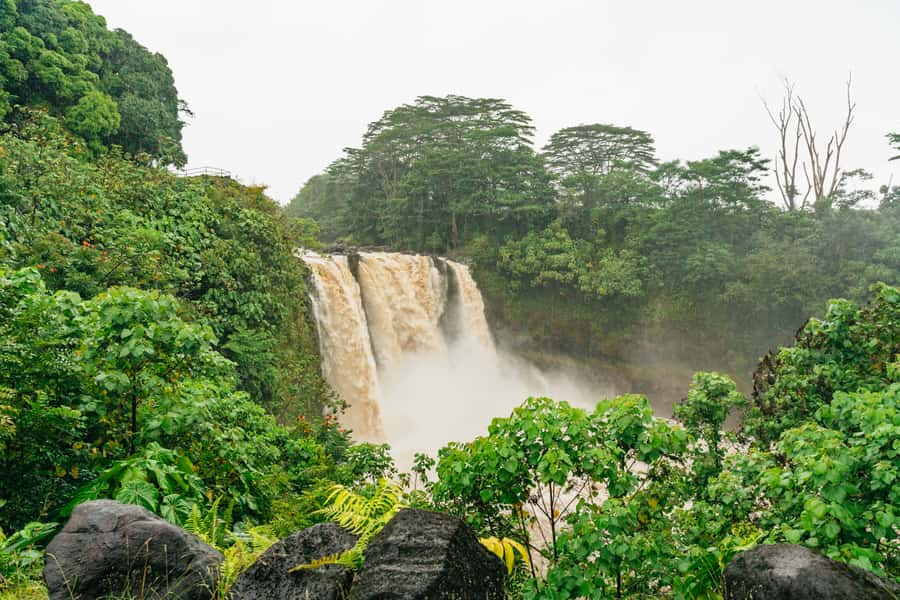
Rainbow Falls begins the Hilo portion
Rainbow Falls is an easy first stop and gives you an immediate look at the power of water on the Big Island. The waterfall is one of Hilo’s best-known sights, but a guide adds useful context about the island’s volcanic setting and natural features.
This is not meant to be a long hike. It is a viewing stop within a larger day, so you can appreciate the falls without spending the entire morning or afternoon there. I like that the tour begins with a familiar Hilo sight before moving into less obvious places.
Your guide may also connect the area to local plants, volcanic activity, and Hawaiian culture. Those subjects come up often on this tour, and they help turn a series of stops into a coherent story about the island.
Boiling Pots adds moving water and volcanic context
Boiling Pots is another Hilo-area stop, known for its active-looking pools and rushing water. The name suggests bubbling water, but the real value here is seeing how the river moves through a rough volcanic setting.
You should expect a short sightseeing stop rather than a long walk or a swimming session. The tour includes Boiling Pots because it pairs well with Rainbow Falls and Kaumana Caves, giving you three different ways to see the island’s volcanic character.
Guides have been praised for explaining volcanic formation and local lore at these stops. That matters because the sights are easy to glance at and leave. A good explanation helps you notice the details that might otherwise pass by.
Kaumana Caves offer a very different stop
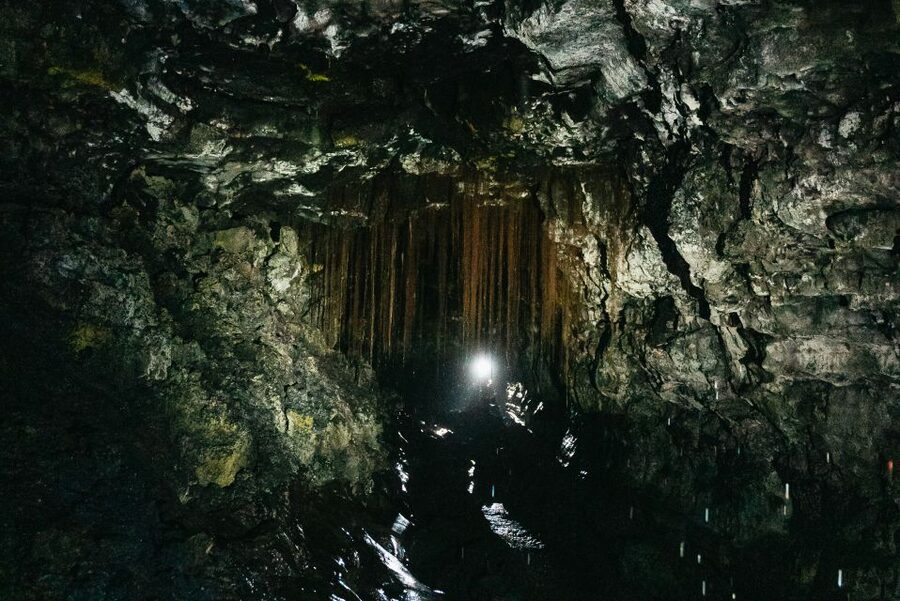
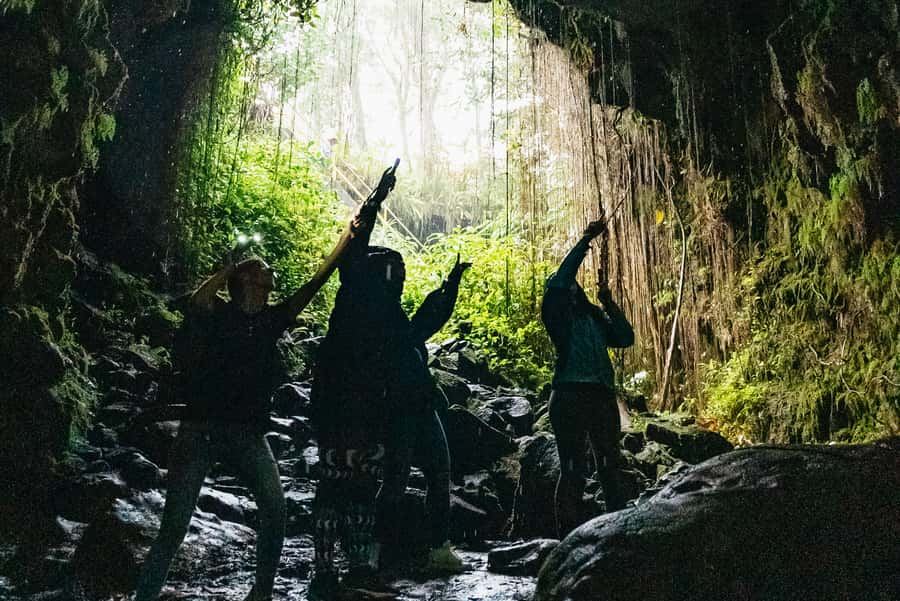
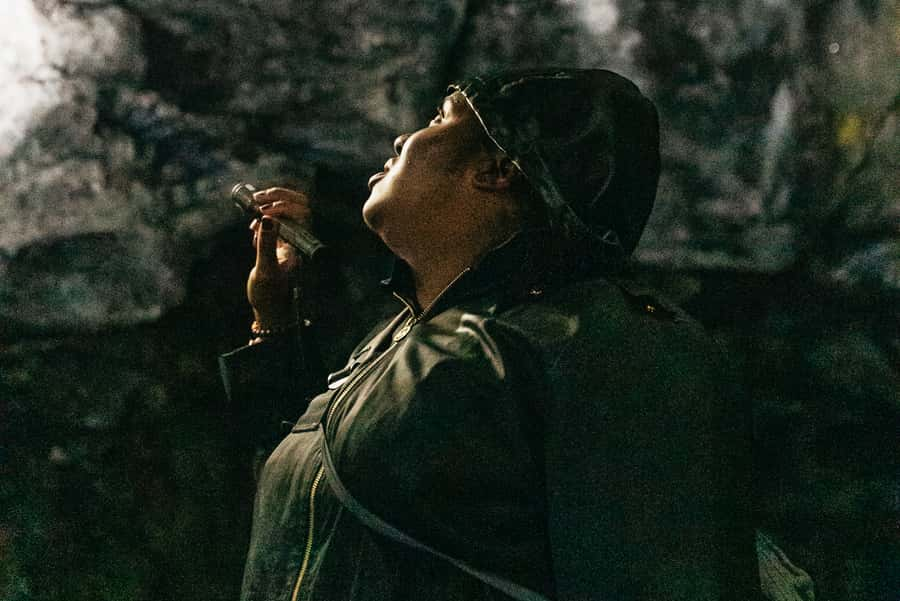
Kaumana Caves change the pace. After waterfalls and open river views, you enter a dark lava tube with a more enclosed, earthy feel. Several people have singled out the cave as one of the most memorable parts of the route.
Wear closed-toe shoes with a solid sole. The tour requires them, and this is not the place for sandals. Long pants are also required, which makes sense for a cave visit and for the colder hours later in the day.
I like the cave because it gives the tour variety. You are not simply stopping at viewpoints. You move from falling water to rushing pools to a volcanic passage, then later to a clear view of the sky. The stops also make the astronomy easier to appreciate. You have already spent time learning how the island was shaped before looking outward at other worlds.
Same volcano country, a different day out:
- Big Island: Coffee, Black Sand, Volcano and Waterfall Tour
★ 4.9 · 57 reviews - Hawaii: Big Island Volcanoes Day Tour with Dinner and Pickup
★ 4.5 · 34 reviews - Mauna Kea: Stargazing Experience with Free Photos
★ 4.2 · 32 reviews - Big Island: Evening Volcano Explorer from Hilo
★ 4.7 · 31 reviews
Saddle Road puts Mauna Kea and Mauna Loa in context
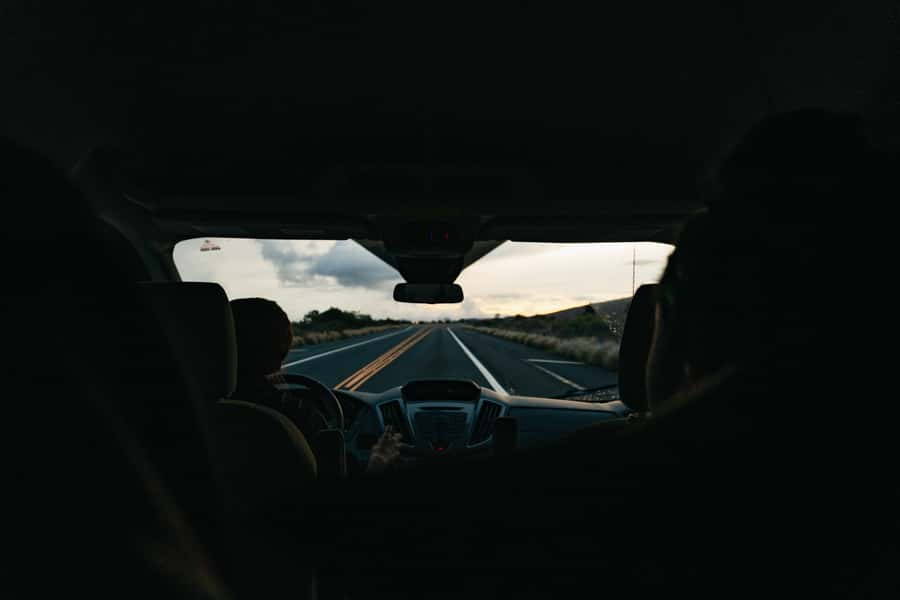
The drive across Saddle Road is one of the most important parts of the outing. You travel between Mauna Kea and Mauna Loa, described here as two of the tallest and biggest volcanoes on Earth.
The route is not just a way to reach the stargazing area. It gives your guide time to explain the scale and formation of the island. The best commentary connects geology with culture, plants, and astronomy. Past guide feedback points to Hunter, Eric, Rich, and others doing exactly that in different ways.
Expect a change in conditions as the tour heads toward its nighttime viewing area. Mauna Kea is high and exposed, so your jacket is not optional in practical terms. The operator provides jackets, but you should still bring your own warm layer, along with long pants and closed-toe shoes.
This portion may be less exciting if you want constant photo stops. It is a transport segment, and the road can take time. Its value comes from the setting and the explanation, not from a packed sequence of attractions.
The astronomy session is built around real observing
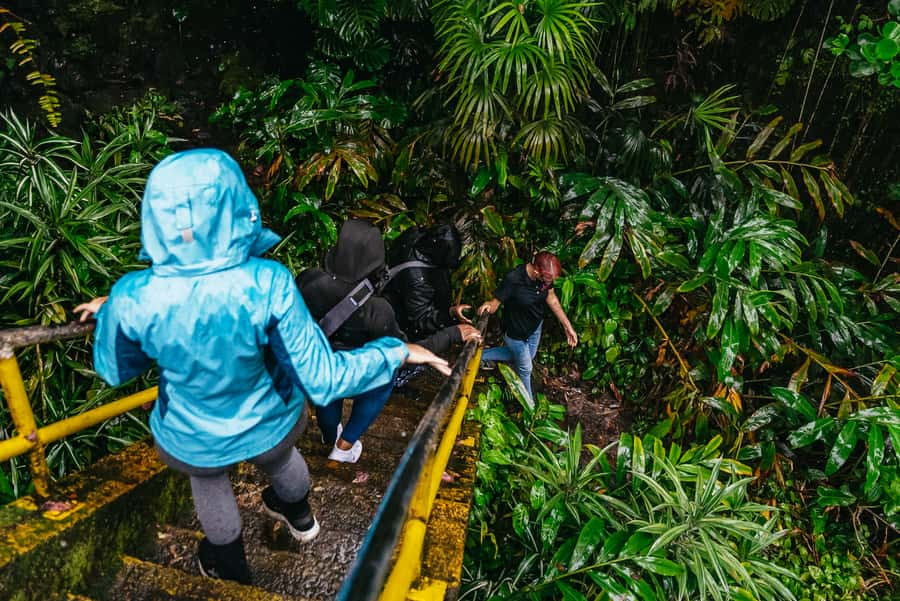
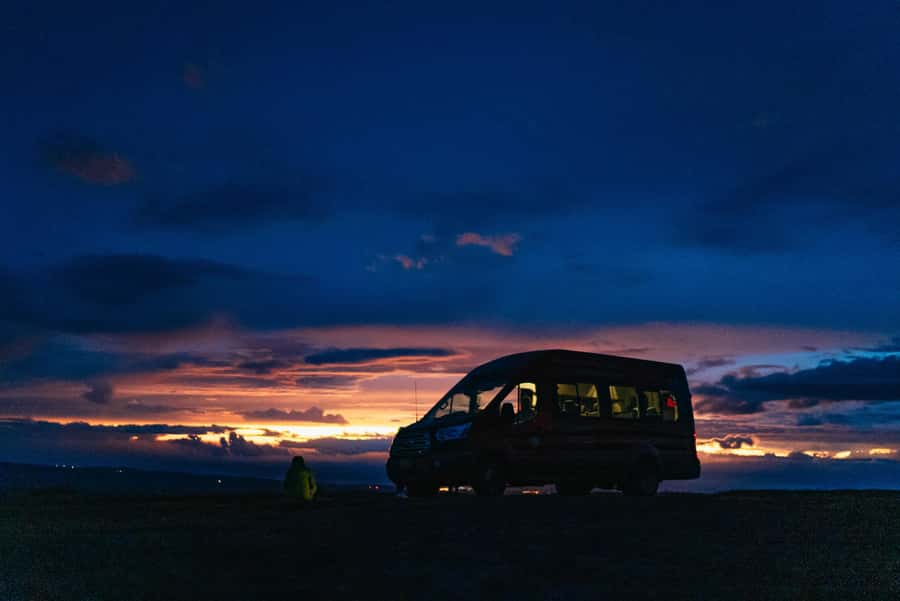
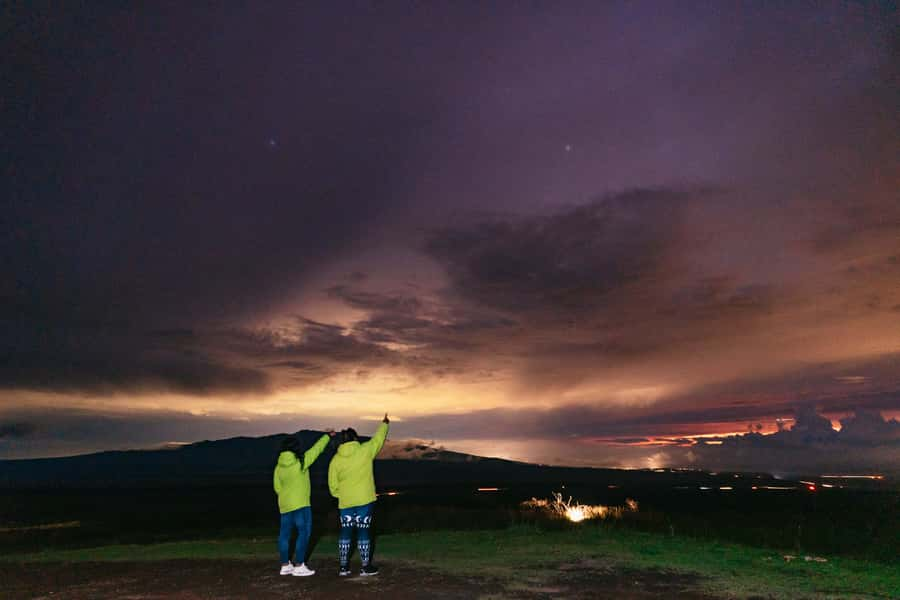
The final stop is at one of the preferred stargazing locations on Mauna Kea, but not at the summit or Visitor Center. The tour avoids both out of respect for Native Hawaiian concerns.
That choice is important to understand before booking. Some people assume a Mauna Kea tour must reach the summit. This one does not. Its focus is the night sky, using a location chosen for dark conditions and telescope viewing.
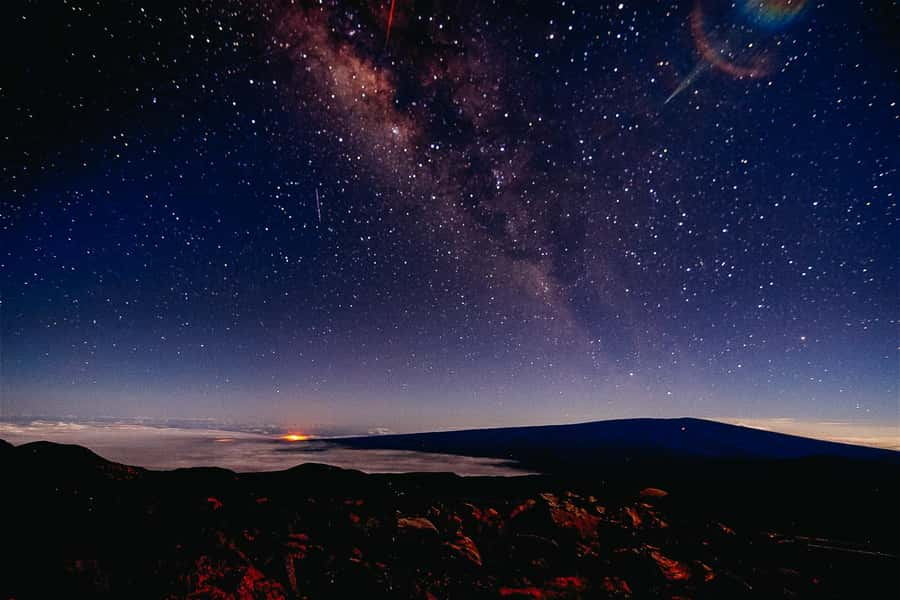
The telescopes have a fast focal ratio, which allows broad, wide-field views of objects that can be difficult to see through other equipment. In simple terms, you may see more than a tiny bright dot. Depending on the weather and the current sky, the viewing list can include galaxies, nebulae, star clusters, planets, double stars, and the moon.
I especially like the range of possible targets. The moon and planets offer familiar landmarks, while nebulae, galaxies, and star clusters show you a much larger universe. Past sessions have included clear views of Saturn and Jupiter, the North Star, and star clusters found through persistent searching.
The experience is not a fixed show with a guaranteed order. The guide and astronomer must work with cloud cover, visibility, and what is above the horizon that night. That makes each session somewhat different, but it also means you should not book it expecting one specific planet.
Expect astronomy with a human voice
The astronomy narration is a major reason to choose this tour rather than simply driving to a viewpoint. The astronomers have written for well-known magazines and worked at world-class observatories for decades. Their job is not just to operate the equipment. They explain what you are seeing and why it matters.
The strongest guide comments are practical and enthusiastic. Nate has been praised for teaching visitors about Saturn, Jupiter, and the North Star. Henry has been credited with finding excellent star clusters through patience. Rich brings humor and energy, while guides such as Eric and Hunter add local culture and natural history to the evening.
Guide assignments can change, so you should not book on the assumption that one particular person will lead your trip. Still, the range of feedback suggests that the guide is central to the experience. You are paying for interpretation as much as for the telescope.
The session can also feel personal in a very small group. One couple reported being the only two people on their departure, while the stated maximum is 13. A small group gives you a better chance to ask about a strange star, a planet’s color, or the story behind a constellation.
Weather is the biggest variable
Clouds are the one part of this tour nobody can control. One person had an excellent experience at Rainbow Falls and Kaumana Caves but saw no stars because the sky never cleared. That is not a flaw in the telescope or the guide. It is the basic risk of any outdoor astronomy program.
You should book this tour for the full experience, not only for a promised view of Saturn. The waterfalls, river pools, cave, volcanic geology, and cultural commentary still give you a worthwhile day if the sky closes up.
That said, the dark-sky session is the part that can make the tour feel extraordinary. A clear night may show thousands of stars and reveal objects you cannot see from a city. If astronomy is your main reason for booking, allow some flexibility in your itinerary and avoid treating the result as guaranteed.
What to wear and what to bring
The clothing rules are practical, not fussy:
- Long pants are required.
- Closed-toe shoes are required. Open-toed shoes are not allowed.
- Bring a jacket.
- Telescope equipment is supplied.
- Jackets are included, but an extra warm layer is still a sensible choice.
You should dress for the caves and the colder evening conditions, not only for warm Hilo. Comfortable footwear matters more than stylish footwear here.
The meeting point is the Grand Naniloa DoubleTree Hotel at 93 Banyan Drive in Hilo. The tour is conducted in English, and transport is included as part of the small-group outing.
Free cancellation is available up to 24 hours before departure, and you can reserve now while paying later. Check the available start time before booking, since the exact departure time can vary.
Who will get the most from this tour
I would recommend this experience to anyone who wants a broad introduction to Hilo’s natural features and has a real interest in astronomy. It suits couples, families with older children, and small groups who prefer an informed guide to planning several stops on their own.
It is also a good choice if you want cultural and natural interpretation together. The better guides explain Hawaiian culture, local plants, volcanic activity, island history, and the night sky without treating them as separate subjects.
You may want a different plan if your main goal is the Maunakea summit. This tour does not go there. You may also be disappointed if you need a guaranteed astronomical target or prefer a short, simple evening activity.
Is Mauna Kea: Stellar Explorer worth $189?
For me, the value depends on how much you care about the guided experience. If you only want to photograph Rainbow Falls, the price will feel high. If you want transport, three Hilo-area stops, a drive across Saddle Road, telescope equipment, jackets, and several hours of astronomy instruction, the cost is easier to justify.
The most valuable part is the combination. You learn about volcanic activity before looking at planets and galaxies through professional equipment. You also avoid treating Mauna Kea as just a high viewpoint. The tour acknowledges Native Hawaiian concerns by staying away from the summit and Visitor Center while still offering a serious night-sky program.
I would book it if your schedule allows seven hours and you can accept cloud cover as part of the deal. I would skip it if the summit is essential, if you dislike long outings, or if $189 feels too steep for an experience with weather-dependent results.
FAQ
How long is the Mauna Kea Stellar Explorer tour?
The tour lasts seven hours.
Where does the tour meet?
The meeting point is the Grand Naniloa DoubleTree Hotel at 93 Banyan Drive, Hilo, Hawaii 96720.
How much does the tour cost?
The listed price is $189 per person.
Does the tour visit the Maunakea summit?
No. The tour does not visit the Maunakea summit or Visitor Center out of respect for Native Hawaiian concerns.
Which sights are visited before stargazing?
The route includes Rainbow Falls, Kaumana Caves, and Boiling Pots before the nighttime astronomy session.
Does the tour cross Saddle Road?
Yes. You travel across Saddle Road between Mauna Kea and Mauna Loa.
Is telescope equipment included?
Yes. All telescope equipment is provided.
Are jackets provided?
Yes. Jackets are included, though you must also bring long pants and wear closed-toe shoes.
What language is the tour conducted in?
The live tour guide speaks English, and the tour is conducted in English.
Can I cancel the tour for a full refund?
Yes. You can cancel up to 24 hours in advance for a full refund.
Just added around Island Of Hawaii
- Mauna Kea: Stargazing Experience with Free Photos★ 4.2 · 32 reviews
- Kilauea: Volcanoes National Park Guided Hike★ 4.8 · 61 reviews
- Hawaii: Volcanoes National Park E-Bike Rental and GPS Audio★ 4.8 · 16 reviews
- Hawaii: Big Island Volcanoes Day Tour with Dinner and Pickup★ 4.5 · 34 reviews
- Big Island: Hawai’i Volcanoes National Park Guided Hike★ 4.9 · 30 reviews
- Big Island: Volcano, Chocolate & Waterfall Adventure★ 4.7 · 78 reviews
- Big Island, Hawaii: Volcano and Stargazing Tour with Dinner★ 4.8 · 179 reviews
- Big Island: Volcano Adventure★ 3.6 · 8 reviews
Big Island Volcano Tours, compared.
Big Island in a Day: Volcanoes Waterfalls Sightseeing and History
Read our review →
Hilo Shore Excursion: Volcanoes National Park & Black Sand Beach
Read our review →
Big Island GOAT Experience: Mauna Kea Summit, Sunset & Stars
Read our review →
Small Group Big Island Twilight Volcano and Stargazing Tour
Read our review →
Big Island: Mauna Kea Summit and Stars Small-Group Adventure Tour
Read our review →
Big Island: Mauna Kea Summit Tour with Free Night Star Photo
Read our review →
Big Island Highlights: Coffee, Volcano, Black Sands & Waterfall
Read our review →
Deluxe Volcano Experience with Restaurant Dinner
Read our review →Browse the lists this tour appears in