REVIEW · ROTORUA
Rotorua: Scenic Flight over Mt Tarawera & Waimangu Valley
Mount Tarawera is best understood from the air. From a floatplane on Lake Rotorua, you rise over Mokoia Island and the surrounding lakes, then cross to the huge volcanic rift left by the 1886 eruption. The water takeoff and landing are the first thrill, while the view into Tarawera’s crater is the real prize.
I especially like the way this flight links several sights in one short outing: Mount Tarawera and Waimangu Valley are far easier to grasp from above. I also like that the small plane gives every passenger a window seat. The main drawback is the weather. Cloud or poor visibility can shorten the route or cancel the flight, so avoid making this your only chance to see Rotorua’s volcanic country.
Key points to know before you book
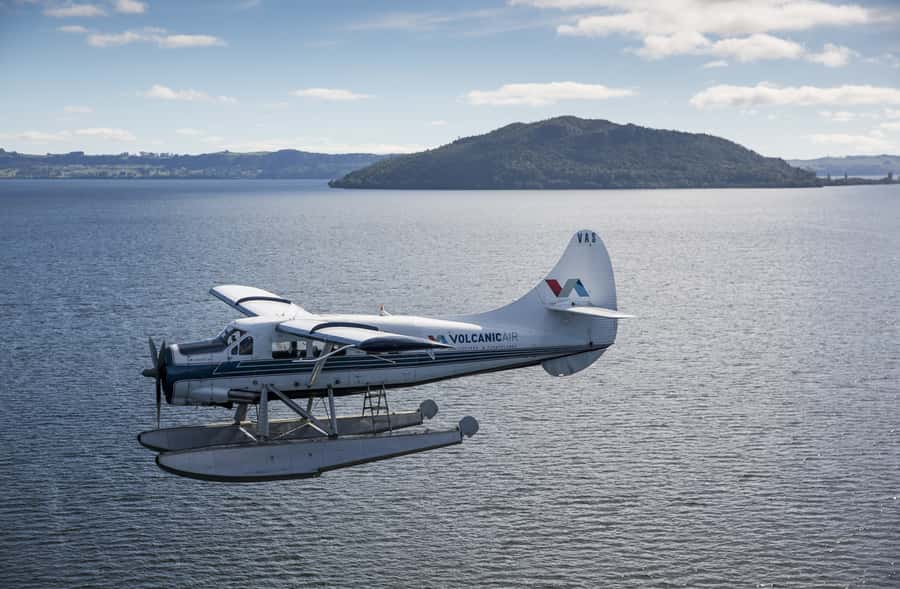
- Floatplane from Lake Rotorua: The flight begins and ends with a water takeoff and landing.
- Mount Tarawera from above: See the volcano’s 8-kilometer crater rift and the peaks rising to 3,680 feet.
- Waimangu Valley by air: Look down on Inferno Crater, Frying Pan Lake, and the surrounding crater lakes.
- Small group of up to 10: Every passenger has a window seat, making photography much easier.
- About 30 minutes in the air: The full experience lasts 40 minutes, including a 20-minute safety briefing.
- Weather controls the route: The flight may change, shorten, or not operate if conditions make flying unsafe or block the views.
Why this Rotorua flight is worth considering
Rotorua has plenty of ways to see its geothermal country, but an aerial view gives you something a walking visit cannot. From ground level, you see steaming pools, hot springs, and geysers one at a time. From the floatplane, you see how the lakes, forest, volcanic ridges, and crater systems fit together.
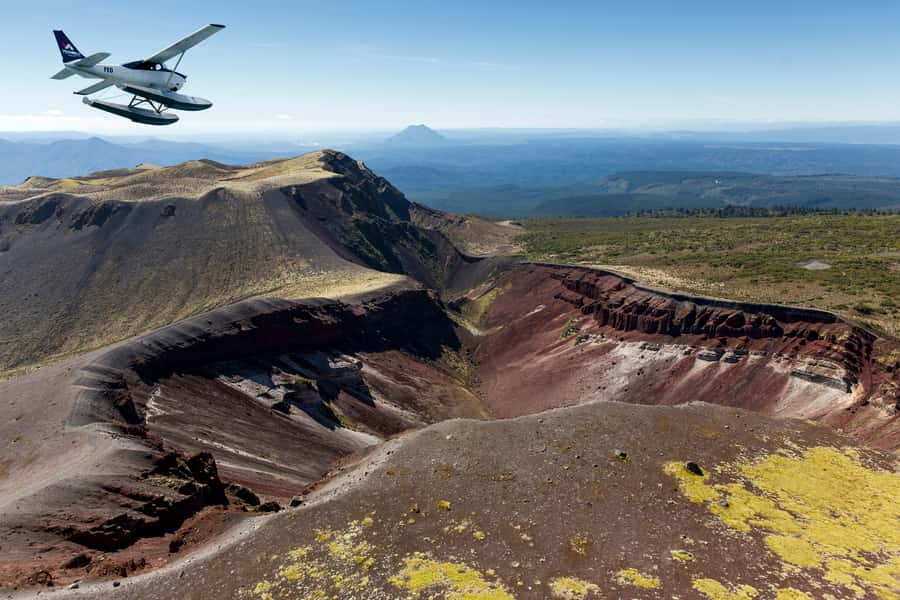
That wider view matters at Mount Tarawera. The volcano is not simply a cone with a lookout. Its long crater rift cuts across the summit, a visible reminder of the eruption that changed the region in 1886. The flight takes you directly over that break in the mountain, giving you a clear sense of its scale.
The price is $236 per person, which is not a casual add-on for most New Zealand trips. Still, you are paying for a small aircraft, a water flight, a pilot-guide, and access to a large area in only 40 minutes. If you would otherwise spend several days visiting Rotorua’s lakes and geothermal sites separately, the flight offers an efficient overview. It does not replace a walk through Waimangu Valley, but it gives you a memorable map of the whole area.
More Geothermal Parks and Geysers in Rotorua
- Rotorua Canopy Tours: 2.5Hour Native Forest Zipline Adventure
★ 5.0 · 4,563 reviews - Rotorua: Wai-O-Tapu Geothermal Park Entry Ticket
★ 4.6 · 2,601 reviews - Rotorua’s Ultimate Zipline: 6 ziplines, 400 m Tandem, Cliff Walk
★ 5.0 · 2,557 reviews
Starting at Lake Rotorua with a floatplane takeoff
Check in at the operator’s office building near 1 Lakefront Drive. Look for the large signs on the roof. The experience begins with a safety briefing at Lake Rotorua, listed as about 20 minutes.
The briefing is important because this is a small floatplane operation, not a large sightseeing aircraft. You will receive instructions before boarding, and the pilot controls the final route based on weather, visibility, volcanic activity, and passenger loading.
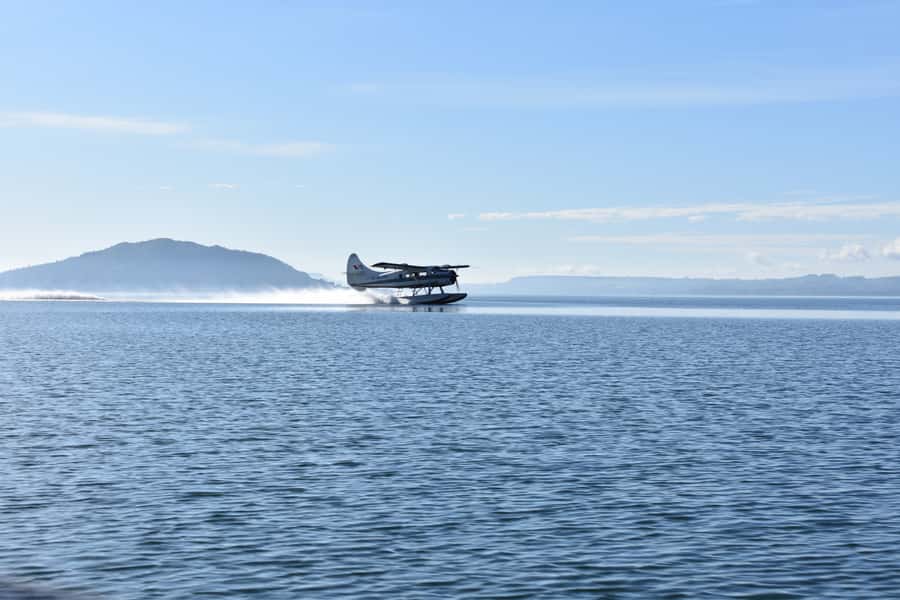
Then comes the part that makes this outing different from a standard scenic flight. The aircraft accelerates across the lake before lifting from the water. The takeoff is not a long runway departure followed by an instant climb. You feel the plane skim across Lake Rotorua first, then rise over the water and nearby scenery.
The landing works the same way in reverse. As you return, the floatplane descends toward Lake Rotorua and settles onto the surface. Some people will enjoy this more than the aerial sightseeing itself. If you dislike heights or feel uneasy in small aircraft, this may not be the right excursion.
Mokoia Island and Rotorua’s connected lakes
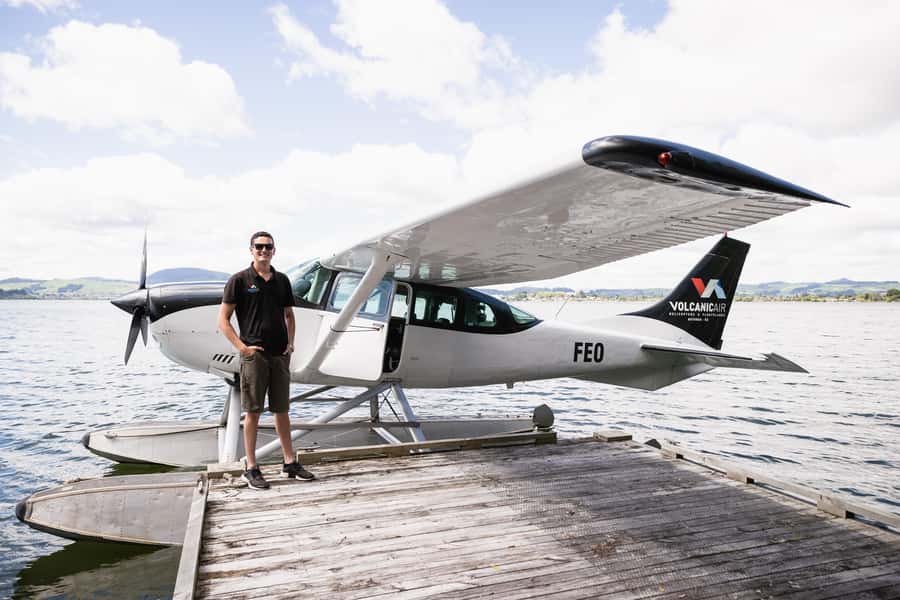
After takeoff, the route climbs around Mokoia Island and crosses the ridge toward the lakes district. This opening section helps you understand why Rotorua is known for water as much as for geothermal activity.
From above, the lakes appear as separate pieces of a much larger volcanic region. Native New Zealand bush fills the spaces between the water and the ridges. The changing views give you a quick sense of the area’s scale before the route turns toward Mount Tarawera.
Your pilot provides English commentary about Rotorua, its volcanic origins, and the geothermal parks below. An English audio guide is also included. The balance between looking and listening is useful here, but keep your camera ready. The aircraft moves quickly, and a view can disappear behind a wing or turn before you have framed it.
One practical advantage is the small group size. The plane carries no more than 10 participants, and every passenger has a window seat. That removes one common scenic-flight problem: paying for a view and then spending the trip looking past someone else’s shoulder.
Mount Tarawera and the 1886 crater rift
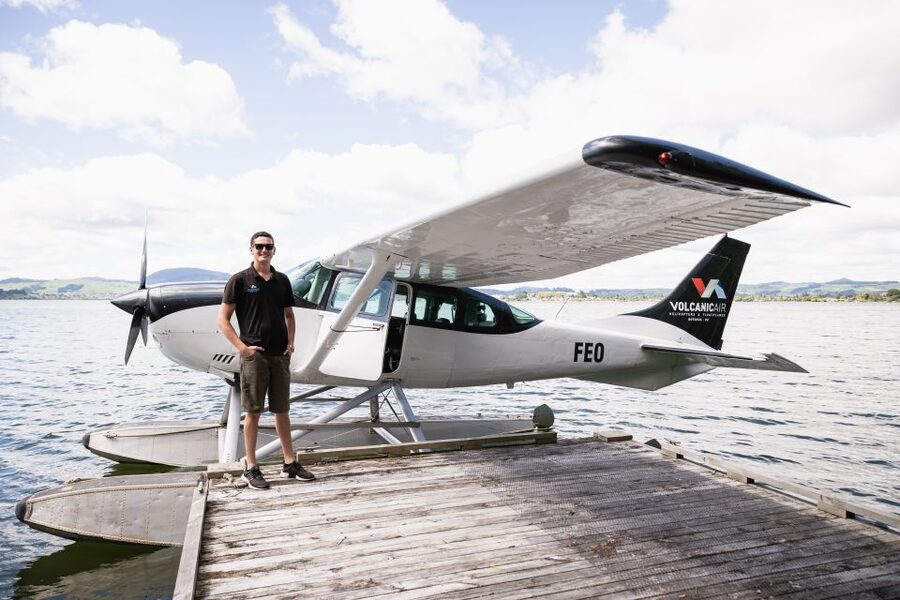
Mount Tarawera rises to 3,680 feet and dominates this part of the North Island. From the air, you see its volcanic peaks and the long rift created by the 1886 eruption.
The route passes directly over the crater rift, which extends for about 8 kilometers. That is the sight to focus on. The broken summit is not just a colorful geological feature. It marks one of the most destructive eruptions in New Zealand’s living memory.
The eruption devastated the surrounding area and destroyed the Pink and White Terraces, once described as the eighth wonder of the world. You will not see those terraces on this flight, but the crater helps explain their disappearance and the force involved.
This is where the pilot’s commentary adds real value. A quick flight over a crater can otherwise become a collection of dramatic photographs. With the history explained as you pass above it, the mountain becomes easier to read.
You should also expect the exact view to depend on the day. Cloud can cover the peaks or flatten the sense of scale. The operator may alter the flight if the volcano or the route cannot be seen clearly. That is frustrating if you have planned around a single departure, but it is a sensible safety rule.
More Volcano Helicopter Flights in New Zealand
- Mt Tarawera Helicopter Tour with Volcano Landing
★ 5.0 · 40 reviews - Mount Tarawera Volcanic Adventure by Helicopter
★ 5.0 · 11 reviews - Rotorua: Helicopter Flight and Guided Walk on Mt Tarawera
★ 5.0 · 10 reviews - Taupo: Huka Falls Helicopter Ride
★ 5.0 · 9 reviews
Waimangu Valley, Inferno Crater, and Frying Pan Lake
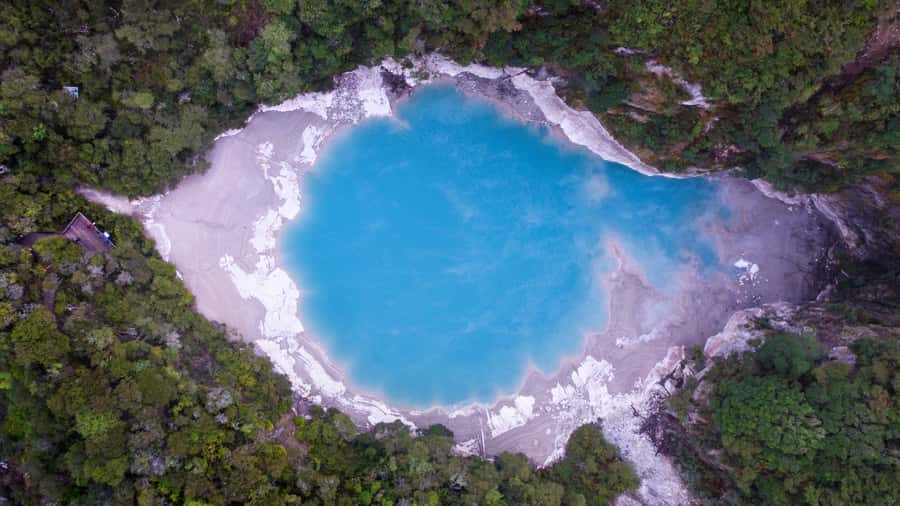
The flight continues over Waimangu Volcanic Valley, one of Rotorua’s major geothermal areas. From the air, you can see the shape of the valley and the crater lakes that are harder to understand from a path on the ground.
Inferno Crater and Frying Pan Lake are key sights below. Their colors and steam make a striking contrast with the surrounding forest and dark volcanic ground. From your window, you get a broad view rather than a close look at the water’s surface.
That distinction is worth keeping in mind. A flight shows patterns, scale, and connections. A ground visit gives you the sounds, smells, walking paths, and close views of thermal features. If you have time for only one experience, choose based on what you value most. The flight is the better choice for seeing the region as a whole. A visit on foot is better for spending time beside individual geothermal features.
The aerial view also saves time. Waimangu Valley and Mount Tarawera are not presented as separate day trips. They form part of one carefully planned circuit, along with Rotorua’s lakes and city sights.
Returning over Whakarewarewa and Pohutu Geyser
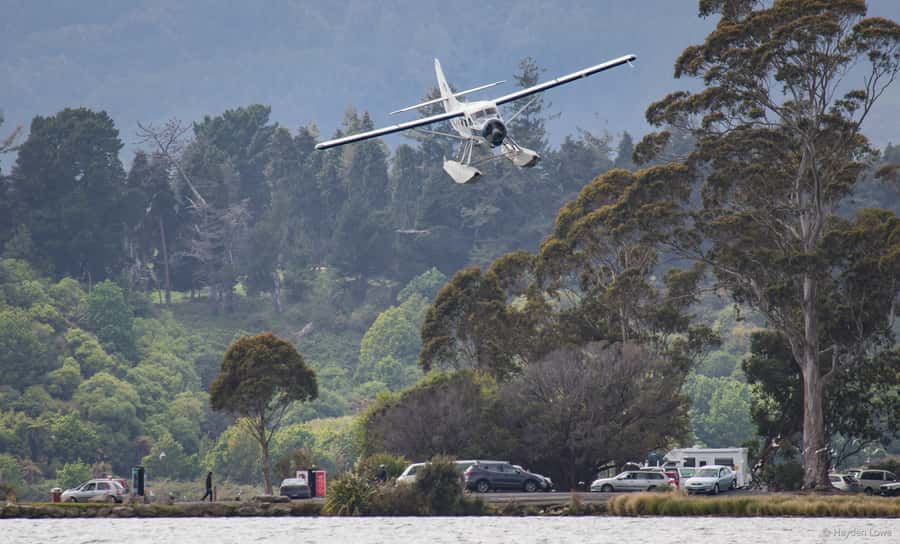
The return route takes you past the Whakarewarewa Thermal Valley and Pohutu Geyser before crossing over Rotorua city. This gives you another angle on the region’s geothermal activity.
Pohutu Geyser is one of Rotorua’s best-known thermal landmarks. From above, the view is brief, so you should not expect the detail of a dedicated geothermal park visit. The value is seeing it within the wider setting of Whakarewarewa and the city.
The final approach over Rotorua brings the flight back to its starting point. You descend toward Lake Rotorua and land on the water. After leaving the aircraft, allow a few minutes for the short walk back to the office area.
The complete outing is advertised as 40 minutes, with around 30 minutes of actual flying. That is a useful distinction when planning your day. The experience is short enough to fit before or after another Rotorua activity, but the safety briefing and boarding process mean you should not schedule another attraction immediately at the same time.
What the small plane means for photography
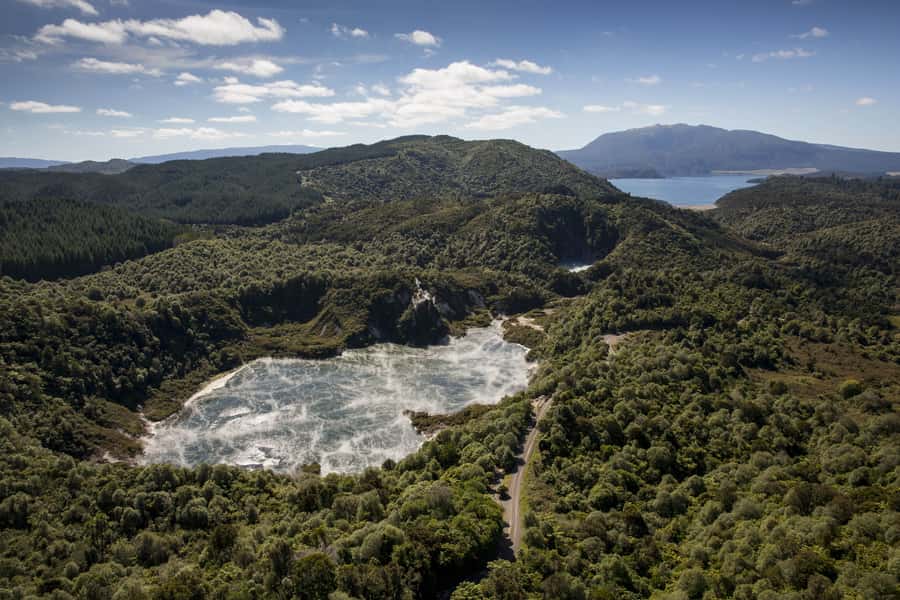
This is a good flight for photographs because every passenger has a window seat. You can frame the crater, lakes, and geothermal features without trying to move across a large cabin.
Bring a camera, but keep your setup simple. Bags are not allowed, and bulky equipment will not suit the small aircraft. Warm clothing is also recommended. The plane can feel cool, especially when you are concentrating on the view instead of moving around.
You may find that reflections, window angles, and fast turns make some shots harder than expected. The best approach is to watch first and photograph second. Mount Tarawera’s crater and the colored geothermal features at Waimangu are the sights most worth putting the camera down for a moment.
The experience also works well for people who want to remember the geography rather than collect dozens of images. The flight moves from lake to ridge to crater to thermal valley in a compact circuit. That sequence gives you a clearer mental picture of Rotorua than a single viewpoint can.
Weather, route changes, and the main tradeoff
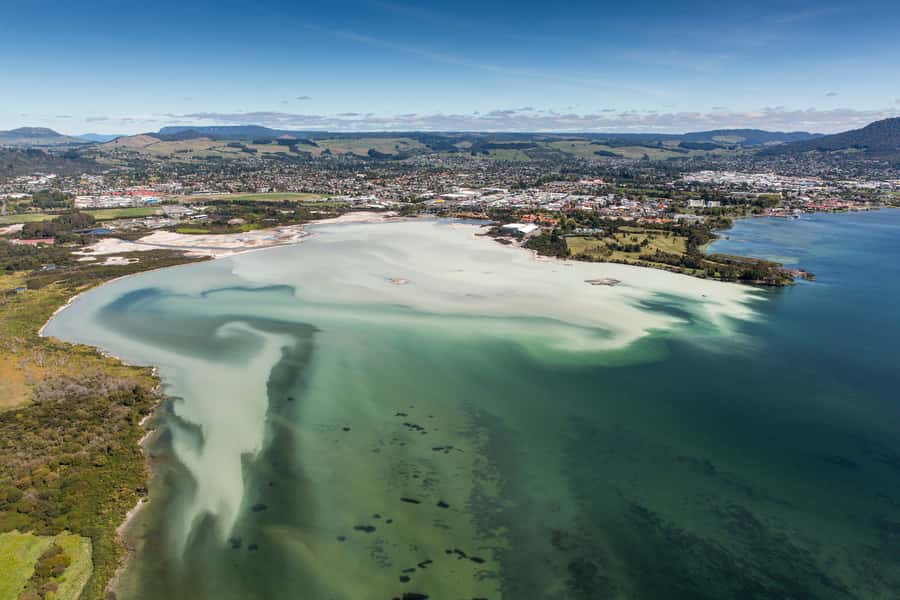
Weather is the biggest uncertainty. This flight will not operate if conditions are unsafe or if the important views cannot be seen. Even when the aircraft can take off, the full circuit may not be possible.
The route, flight time, and inclusions can change because of weather, volcanic activity, and passenger loading. A partial flight may still include local scenery, but it may not deliver the full Mount Tarawera and Waimangu circuit you had imagined.
That makes timing important. I would schedule this experience early enough in your Rotorua stay to leave room for a second attempt if the weather disrupts the first one. The cancellation terms allow a full refund when you cancel at least 24 hours in advance, and you can reserve now and pay later, which helps keep your plans flexible.
The operator may provide a partial refund when the full circuit cannot be flown. That is fairer than pretending a shortened flight delivered the same experience, but you should still book with realistic expectations. This is a weather-dependent flight, not a fixed sightseeing bus route.
Who will enjoy this flight most
I would recommend it to you if you want a fast, memorable overview of Rotorua’s volcanic country. It suits photographers, first-time visitors, and anyone who wants to connect the lakes and thermal areas before exploring them on the ground.
It is also a good choice if you enjoy unusual transport. The floatplane takeoff and landing give the experience a sense of occasion that a standard aircraft lacks. The water flight is short, but it changes the mood from ordinary sightseeing to a genuine local adventure.
The flight is less suitable if you are afraid of heights or have altitude sickness. It is not suitable for wheelchair users. A passenger weight above 110 kilograms may bring a surcharge, and anyone above 135 kilograms, as measured by the operator, must pay two adult fares under New Zealand requirements.
If you have limited mobility but can board with help, contact the operator before booking. One passenger with Parkinson’s disease specifically received assistance from pilot Ben getting into and out of the plane. That shows that personal help may be possible, but it does not change the stated restriction for wheelchair users.
Is $236 a fair price?
At $236, this is a special-occasion activity rather than a budget way to see Rotorua. You are paying for a small group, a water aircraft, about 30 minutes of flight time, and views that would take much longer to assemble from roads and walking trails.
The value improves if you are short on time. In one outing, you see Rotorua’s lake district, Mount Tarawera, Waimangu Valley, Whakarewarewa, Pohutu Geyser, and the city. You also receive pilot commentary rather than simply looking through a window.
The value is weaker if you are mainly interested in close geothermal details. For that, a ground visit gives you more time at each feature. You should also think about weather risk. Paying a premium for a flight that may be shortened or postponed requires some flexibility.
The strong points are clear: smooth water operations, a small group, window seats for all, and pilots who can explain the area. Pilot Ben received particular praise for a smooth takeoff and landing and for patiently helping a passenger with mobility needs. Those details matter because confidence in the crew is especially important in a small aircraft.
Should you book the Mount Tarawera flight?
Book it if you want the broadest possible view of Rotorua in a short time and you can accept a weather-dependent schedule. The combination of floatplane, crater rift, lakes, Waimangu Valley, and geothermal sights makes this more than a quick trip over town.
I would not choose it as a replacement for every ground-based attraction. Instead, use it as an aerial introduction or a final look at the region after you have seen some of it on foot. Plan for warm clothing, bring only your camera, and keep your departure day flexible.
For the right person, $236 buys a view that is difficult to reproduce from the road. If Mount Tarawera is high on your Rotorua list, this is one of the most direct and memorable ways to understand the volcano and the country around it.
FAQ
Where does the floatplane flight begin?
The experience begins at the Rotorua lakefront, at 1 Lakefront Drive. Check in at the office building and look for the large signs on the roof.
How long does the experience last?
The full experience lasts about 40 minutes. Around 30 minutes is spent flying, with a safety briefing of about 20 minutes included in the overall schedule information.
What will I see from the plane?
You can expect views of Lake Rotorua, Mokoia Island, Rotorua’s lakes district, Mount Tarawera, its crater rift, Waimangu Volcanic Valley, Inferno Crater, Frying Pan Lake, Whakarewarewa Thermal Valley, Pohutu Geyser, and Rotorua city.
Does the flight take off and land on water?
Yes. The floatplane takes off from Lake Rotorua and returns to the lake for landing.
What happens if the weather is poor?
The flight may be canceled if conditions are unsafe or if the main views cannot be seen. The route, flight time, and inclusions may also change because of weather, volcanic activity, or passenger loading.
What should I bring, and are bags allowed?
Bring a camera and warm clothing. Bags are not allowed on the flight.
More Volcano Helicopter Flights in Rotorua
- From Reykjavik: New Volcanic Area Helicopter Tour
★ 4.8 · 500 reviews - Volcano Adventure: Hilo Sightseeing w/ Optional Helicopter Tour
★ 4.5 · 412 reviews - Iceland Volcanic Eruption Area Helicopter Tour from Reykjavík
★ 4.5 · 196 reviews - Hana Rainforest and Haleakala Crater Helicopter Tour
★ 4.5 · 146 reviews
Just added around Rotorua
- Te Puia: Tuku Iho Trail with Cultural Show★ 5.0 · 5 reviews
- Te Puia: Te Pō Indigenous Combo – Tour, Dinner + Haka★ 4.4 · 52 reviews
- Te Puia: Te Rā Guided Day Tour + Haka Cultural Performance★ 4.7 · 128 reviews
- Rotorua: White Island, Mount Tarawera & Waimangu Volcanic …★ 4.4 · 5 reviews
- Rotorua: Velocity Valley – One Ride Pass★ 4.9 · 15 reviews
- Rotorua: Wai Ariki Hot Springs & Spa 1hr Restorative Bathing★ 4.8 · 16 reviews
- Rotorua: Waimangu Volcanic Valley Ticket & Self-Guided Walk★ 4.8 · 104 reviews
- Rotorua: Velocity Valley – Two Ride Pass★ 4.6 · 8 reviews
Rotorua Volcano Tours, compared.
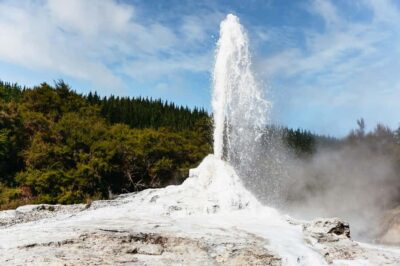
Rotorua: Wai-O-Tapu Geothermal Park Entry Ticket
Read our review →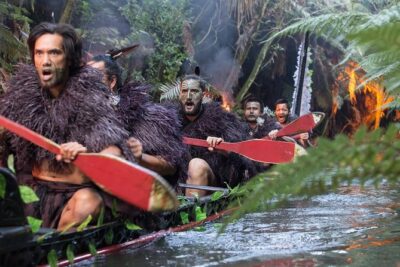
Mitai Maori Village Cultural Experience in Rotorua
Read our review →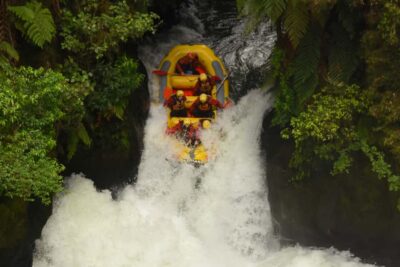
Rafting Rotorua: Kaituna River White Water Experience
Read our review →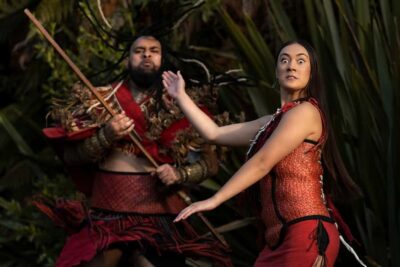
Rotorua: Te Pa Tu Māori Cultural Experience with Dinner
Read our review →
Rotorua: Hell’s Gate Outdoor Mud Spa & Guided Walk
Read our review →
From Rotorua: Hobbiton Movie Set Tour with Festive Lunch
Read our review →
Rafting Rotorua Kaituna White Water Rafting | Kaitiaki Adventures
Read our review →