
REVIEW · ITALY
Mount Etna: Hike to The Highest Point With a Guide
Mount Etna is not a tame mountain walk. This is a guided route across fresh volcanic terrain, where hot gas rises from fumaroles, old lava still steams, and strong wind can turn a sunny day into a serious outing. You ride the cable car from 1,900 to 2,500 meters, then walk toward the upper craters and reach about 3,000 meters when conditions and the group’s health allow.
I like two things right away: the guides make geology easy to understand, and the supplied poles, helmets, jackets, boots, backpacks, and insurance remove some of the usual hassle. The route also gets you close to features you cannot safely explore alone, including the 2002 craters and the active Southeast Crater area.
The catch is that this is a real high-altitude trek, not a scenic cable-car stop with a short stroll. Snow, ice, loose volcanic gravel, narrow paths, wind, and thin air can make the five hours demanding. The cable car costs an additional €52, and the tour is best for fit hikers who are comfortable with exposed ground.
Key points to know before booking
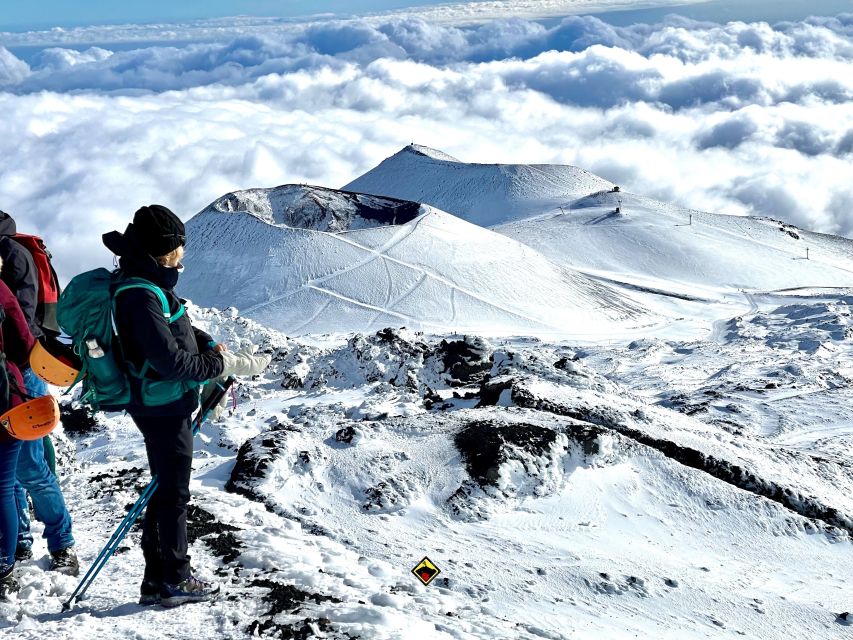
- Reach 3,000 meters when conditions allow: Special authorization lets the guide pass the usual 2,750-meter limit for scientific purposes, but the route changes with volcanic activity and weather.
- See active volcanic features up close: You may walk beside recent lava flows, feel heat from rocks, and approach fumaroles releasing hot gas.
- Guides are the heart of the experience: Vincenzo, Andrea Montemagno, Nikos, Fabio, and other licensed guides are praised for clear explanations, humor, patience, and careful group management.
- Expect a tough mountain day: The terrain is manageable for trained hikers, but snow, ice, wind, altitude, and steep loose gravel can make the route harder than the distance suggests.
- Budget beyond the advertised price: The excursion costs $65 per person, but the return cable car ticket is €52 per person and is paid locally.
- Come dressed for winter on a sunny day: Bring gloves, a hat, warm layers, long trousers, sunglasses, sunscreen, food, and water. These are not optional extras at the top.
Reaching Mount Etna’s upper world
The meeting point is the parking area in front of Bar Esagonal at Rifugio Sapienza, about 1,900 meters above sea level. The guides from Guide Vulcanologiche Etna Nord wait there before helping the group prepare and purchase the cable car tickets.
The first stage is a cable car ride to roughly 2,500 meters. That sounds easy, and it is physically easy compared with the walk, but do not treat it as the whole excursion. The main route begins after the cable car, where the air is colder, the ground becomes uneven, and the altitude starts to matter.
The listed activity lasts five hours, including the cable car section, guided walking, breaks, and the return. The walking distance reported for a similar outing was about 7.5 kilometers, with around 760 meters of total ascent and descent. That gives you a useful idea of the effort, though the exact route depends on snow, volcanic conditions, and official restrictions.
You may be walking with a group of around 8 to 10 people, though one outing had about 20 participants. That difference matters. A small group usually means more time for questions and a steadier pace. A larger group may create more waiting at narrow or exposed sections.
More Volcano Hikes and Treks in Italy
- Mount Etna: Summit Guided Hiking Tour up to 3,400 m
★ 4.8 · 4,792 reviews - Etna: summit craters trekking with volcano guide 3350mt
★ 4.7 · 1,712 reviews - Catania: Mount Etna Trekking Tour Beyond the Tourist Trails
★ 4.9 · 1,596 reviews
The climb beyond 2,750 meters
The special feature of this excursion is permission to continue above the standard 2,750-meter limit, reaching about 3,000 meters for scientific purposes. The guide only takes the group higher if there is no serious altitude sickness and if conditions permit.
This is not a promise to reach the same point every time. Mount Etna is active, and access rules can change. The route must follow the current ordinance, and the guide may shorten or alter it if wind, snow, volcanic activity, or visibility creates a problem.
At 3,000 meters, even a fit person may notice the difference. You might feel short of breath, light-headed, or unusually tired. The path also runs near crater edges, so vertigo can be a real concern. The guide controls the pace and pauses to explain the volcano, but you still need to be honest about how you feel.
I appreciate that the guides do not treat the upper section as a race. Vincenzo is praised for stopping often, giving people time to recover, and keeping an eye on the group. Nikos is also noted for helping people through strong wind and difficult ground. That kind of attention matters more here than a fast pace.
Lava flows, fumaroles, and the Barbagallo Crater
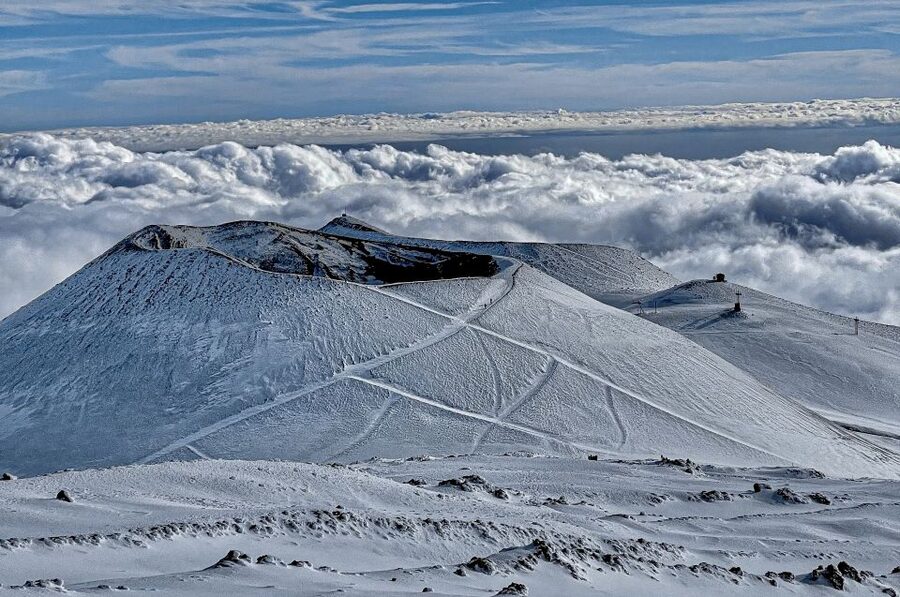
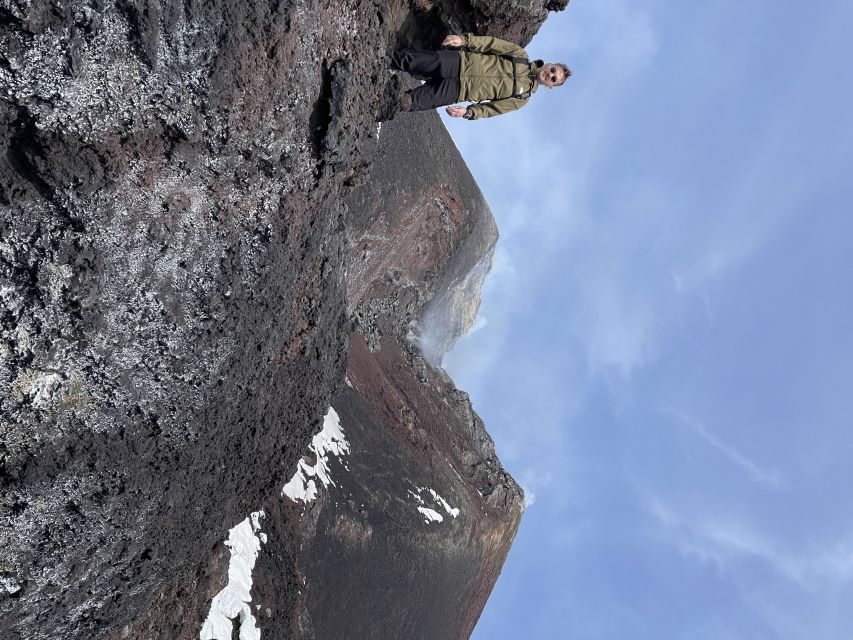
Once you leave the cable car, the appeal is not simply reaching a high number on a map. You are walking across volcanic ground shaped by repeated eruptions. Black basalt, loose ash, ridges, and old lava flows give the area an almost lunar appearance, though the surface is rough and practical footwear is essential.
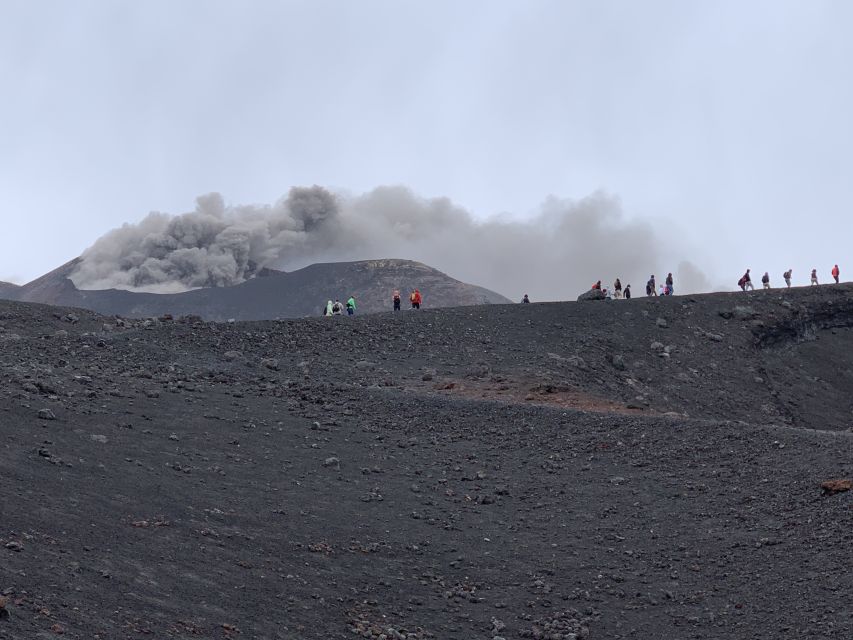
One memorable section takes you beside lava from recent eruptions. Some banks may still be warm or steaming. You can feel heat in volcanic rocks underfoot, while fumaroles release hot gases from below. The guide explains what you are seeing and keeps you away from the most dangerous zones.
Do not expect a dramatic plume at every fumarole. Volcanic activity changes, and the visible steam depends on weather and the state of the vents. The value is in getting close enough to understand that Etna is not simply an extinct cone. It is an active system with heat and gas still moving beneath you.
The route includes the Barbagallo Crater, with a guided visit lasting roughly two hours and twenty minutes in the stated plan. That is the main portion of the walk. The guide may pause for geology, eruption stories, safety instructions, and views across Sicily.
The explanations are one of the strongest reasons to book a guide rather than walk alone. Andrea Montemagno is praised for explaining the subject in both English and Italian. Vincenzo is repeatedly singled out for his humor, practical help, and passion for the volcano. You are not just looking at black rock. You are learning how eruptions build, bury, and reshape the mountain.
The small basalt canyon and Southeast Crater
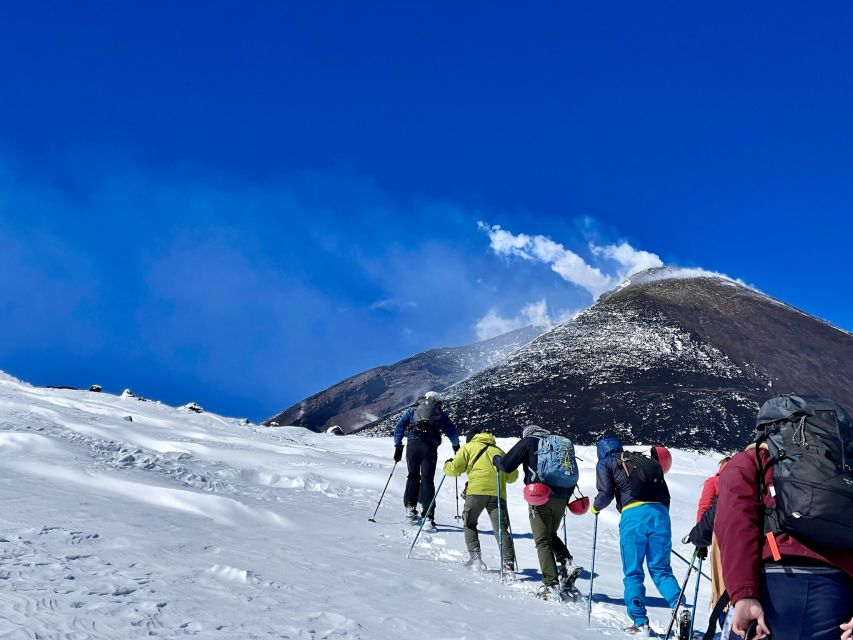
A small basalt canyon is included when it is not buried by snow. This qualification is important, especially for winter and early spring visits. Snow can hide smaller formations and force the guide to choose safer ground.
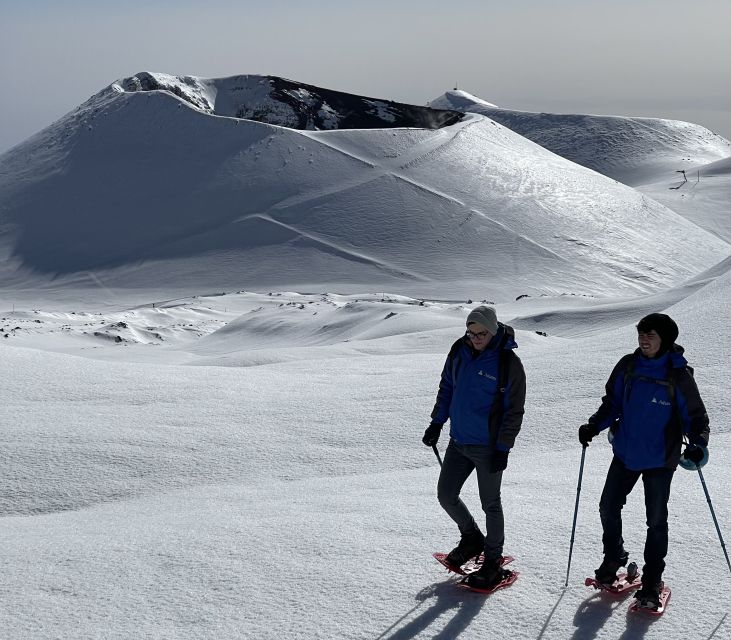
The canyon is a good example of why the route changes with the season. A dry period may reveal dark walls and channels. A snowy period can turn the same area into a white, icy passage that requires more care or becomes inaccessible. Snowshoe rental costs an additional €15 when deep snow makes it necessary.
The route then reaches the base of the Southeast Crater, described as the most active crater at the time of the outing. You are not simply wandering along the rim of an unrestricted crater. Access is controlled, and the guide keeps the group within permitted areas.
This section can feel exposed. Strong wind has been reported at the top, with one winter outing experiencing conditions near 100 kilometers per hour. That is a useful warning, even if your own day is calmer. Take a warm jacket, gloves, and a hat. The supplied jacket is helpful, but the operator specifically does not include gloves or hats.
You will have time for photographs, but do not count on lingering at the highest point. In cold, windy conditions, the group may spend only a few minutes there before moving to a more sheltered spot. The reward is the view and the sense of being close to a living volcano, not a long summit picnic.
More Mount Etna Tours in Mount Etna:
- Mount Etna: Summit Trekking Tour
★ 4.9 · 347 reviews - Mount Etna: scenic Summit Trek with a volcano Guide and Gear
★ 4.5 · 284 reviews - Mount Etna: Half-Day Guided Tour and Hike
★ 4.4 · 264 reviews - Mount Etna: Craters of the 2002 Eruption Trekking Experience
★ 4.8 · 237 reviews
The 2002 craters and the descent
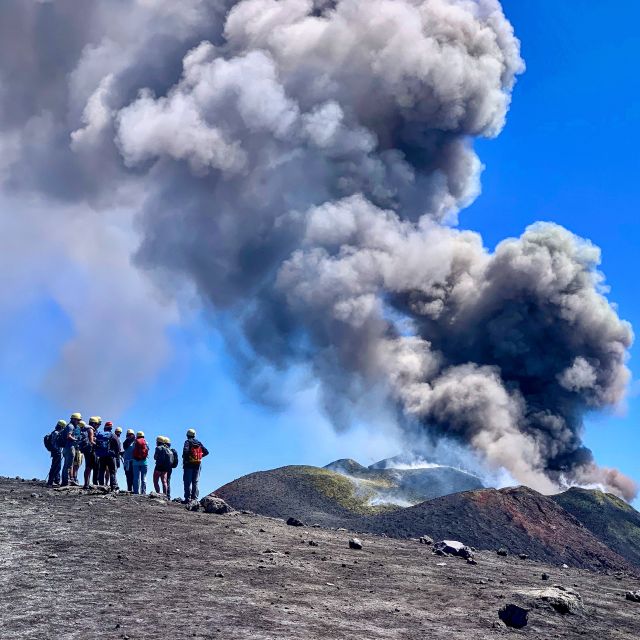
After the Southeast Crater area, the route continues toward the large craters formed in 2002. These provide another clear look at how recent eruptions alter Etna. The craters are not just scenic holes in the ground. They help you see the scale and force of an eruption that occurred within modern memory.
The descent can be harder than the ascent for some people. One section uses loose sandy shale, which demands concentration and can be tiring on the knees. Trekking poles are included and worth using, especially here. The guide can help you choose a safer line, but you need sturdy footing and patience.
In winter, the descent may be covered with snow. Ice can appear in shaded areas, and the route may require snowshoes if the snow is deep. The final stretch returns toward the cable car station, often on a simpler path than the steeper crater sections.
The itinerary also lists a brief transfer connected with Valle del Bove. This great volcanic valley is part of Etna’s wider system and adds scale to the outing, though the exact viewing point and route can change. You should think of the stop as part of the return sequence rather than a separate long hike.
What the $65 price really covers
The $65 price is attractive for a specialist mountain excursion, but it is not the full cost of the day. The return cable car ticket costs €52 per person and is paid on site. That brings the core outing to about $65 plus €52, before transport, food, or any snowshoes.
The tour price includes the licensed volcanological guide, Etna entry fee, trekking poles, helmets, accident insurance, warm jackets, trekking shoes, and a backpack. That package gives you real value if you do not have suitable high-altitude equipment with you.
The gear also has a safety purpose. The insurance will not cover you if you arrive without proper shoes, so do not rely on casual trainers. Bring your own hiking shoes if possible, or use the supplied pair if it fits well. Long trousers are a smart choice, since volcanic gravel, cold wind, and rough ground are part of the day.
Food and drinks are not included. Carry snacks and plenty of water. You may have breaks, but this is not a restaurant-based outing, and the upper mountain is not the place to discover that you skipped breakfast.
Transport from your hotel or town is also not included. You must reach the starting point at Rifugio Sapienza. From Syracuse, the drive has been described as about an hour, with shorter journeys from Catania or Taormina, though exact travel time depends on traffic and your starting address.
Who should book this Etna hike?
This outing suits you if you enjoy active days, can walk for several hours on rough ground, and want more than a view from the cable car. It is especially good for people who want the volcano explained by a specialist rather than simply photographed.
You do not need to be an expert mountaineer, but the activity is intended for trained hikers. Fitness matters because altitude, wind, loose gravel, steep sections, and cold can combine quickly. Some moderately fit people in their late fifties completed it, while others found the conditions tougher than expected.
The activity is not suitable for children under 12, people with mobility or heart problems, respiratory issues, epilepsy, high blood pressure, recent surgery, serious back problems, vertigo, or a low level of fitness. It is also not a good first hiking experience if you have never walked on uneven mountain terrain.
The supplied information includes one outing with children aged seven and nine, but the current rule says children under 12 are not allowed. Follow the current age requirement rather than relying on older arrangements.
You should also reconsider the trip if you dislike heights or narrow paths. Walking near crater edges can cause dizziness, and the guide cannot remove that exposure from the route.
The guides make the difference
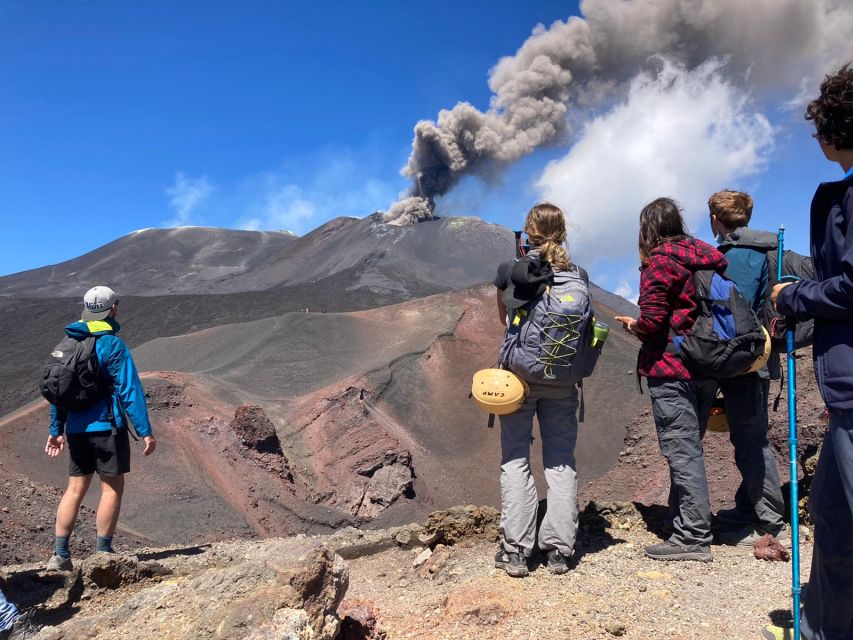
The strongest part of this experience is the human side. Vincenzo receives repeated praise for combining safety, humor, and clear explanations. Andrea Montemagno is noted for handling both English and Italian. Nikos is praised for keeping people together in hard wind and helping less confident members of the group. Fabio is also mentioned as part of a helpful guiding team.
Those details tell you what to expect from the best version of the tour: regular stops, explanations during the walk, help with poles and difficult sections, and a guide who watches the group rather than focusing only on the fastest hikers.
Language support is available in Italian, French, and English. Group size can vary, and the activity requires at least eight participants in total. If that minimum is not reached, the excursion can be cancelled. In bad weather, the operator will notify you about cancellation or rescheduling.
The cancellation policy allows a full refund if you cancel at least 24 hours ahead. You can also reserve now and pay later, which is useful when your Sicily plans depend on weather.
Practical packing advice for a cold volcano
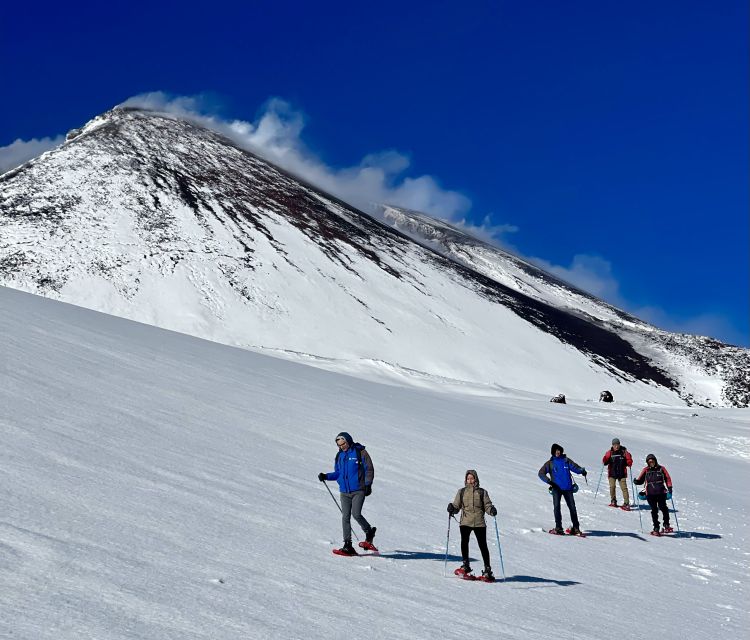
Use the supplied equipment as backup, not as a reason to pack lightly. Conditions can shift sharply between Rifugio Sapienza and 3,000 meters.
Bring:
- A windproof jacket and extra warm layers
- Gloves and a hat, since these are not included
- Long trousers and comfortable clothing
- Hiking shoes, even if you may use the supplied boots
- Sunglasses and sunscreen
- Water and snacks
- A change of clothes
- Weather-appropriate clothing for snow or strong wind
Avoid sandals, flip-flops, open-toed shoes, and high heels. Alcohol and drugs are not allowed. These rules are basic, but on volcanic gravel and icy ground, sensible footwear is a safety issue rather than a dress code.
Check the weather before you leave, but understand that a clear forecast at sea level says little about the summit. The mountain can be sunny below and cold, windy, or snowy above.
Should you book this Mount Etna tour?
Book it if you want a serious, guided encounter with Etna and you are prepared for a demanding five-hour mountain outing. The combination of cable car access, specialist explanations, fumaroles, recent lava, crater views, and included equipment makes the price reasonable, even after adding the €52 cable car ticket.
Skip it if you want a relaxed sightseeing stop, dislike exposed paths, or are not comfortable with cold, altitude, and changing conditions. You may not reach exactly 3,000 meters, and you may spend only a short time near the highest point.
For fit hikers who pack properly, this is a strong way to experience Mount Etna without guessing where it is safe to walk. The guides are the main reason to choose it. Their care, humor, and volcanic expertise turn a rough black slope into a place you can understand.
FAQ
How high does the Mount Etna hike go?
The route can reach about 3,000 meters when weather, volcanic activity, and the group’s health allow. Special authorization permits the guide to pass the usual 2,750-meter limit for scientific purposes.
Is the cable car included in the $65 price?
No. Round-trip cable car tickets cost €52 per person and are paid on site. The guide helps with purchasing the tickets before departure.
How long does the excursion last?
The activity lasts about five hours, including the cable car ride, guided walk, stops, and return toward the starting point.
What equipment is included?
The price includes a volcanological guide, trekking poles, helmets, accident insurance, the Etna entry fee, warm jackets, trekking shoes, and a backpack. Gloves and hats are not included.
Can children join the hike?
Children under 12 are not allowed on this excursion. The hike is intended for trained hikers and is not suitable for people with low fitness or several listed medical conditions.
What happens if the weather is bad?
The excursion may be cancelled or rescheduled in adverse weather. The route also follows current safety ordinances and may change because of wind, snow, volcanic activity, or other mountain conditions.
More Volcano Hikes and Treks in Mount Etna
- Piano Provenzana: Mount Etna Hiking Trip to 3,380 Meters
★ 4.8 · 54 reviews - From Catania: Etna tour to the Base of the Summit Craters
★ 4.9 · 35 reviews - Etna South: High Altitude Winter Trek with an Alpine Guide
★ 4.8 · 27 reviews - Taormina and Catania: Private guided Etna hike by cable car
★ 5.0 · 17 reviews
Just added around Mount Etna
- Taormina and Catania: Private Etna Exploration and Cave Tour★ 4.8 · 32 reviews
- Taormina and Catania: Private guided Etna hike by cable car★ 5.0 · 17 reviews
- Piano Provenzana: Mount Etna Hiking Trip to 3,380 Meters★ 4.8 · 54 reviews
- Mount Etna: Private Trek on the North Slope Craters★ 5.0 · 4 reviews
- Mount Etna: Trek to the Craters of The 2002 Eruption★ 4.9 · 9 reviews
- Mount Etna: Half-day Morning Jeep Tour★ 5.0 · 71 reviews
- Etna South: High Altitude Winter Trek with an Alpine Guide★ 4.8 · 27 reviews
- Mount Etna: Craters of the 2002 Eruption Trekking Experience★ 4.8 · 237 reviews
Italy Volcano Tours, compared.
From Naples: Pompeii Ruins & Mount Vesuvius Day Tour
Read our review →
Pompeii and Mount Vesuvius Day Trip from Rome with Pizza Lunch
Read our review →
From Rome: Pompeii Day Trip with Optional Vesuvius and Lunch
Read our review →
Mount Etna: Summit Guided Hiking Tour up to 3,400 m
Read our review →
Catania: Mount Etna Morning or Sunset Day Trip with Tasting
Read our review →
Mount Etna: Trek to 3000m with cable car and 4×4
Read our review →
Pompeii & Mt.Vesuvius Day Tour from Naples with Pizza Lunch
Read our review →
Mount Vesuvius: Skip-the-Line Ticket and Smart Digital Guide
Read our review →Browse the lists this tour appears in