
REVIEW · ROTORUA
Rotorua: Marama Geyser Light Trail & Geothermal Experience
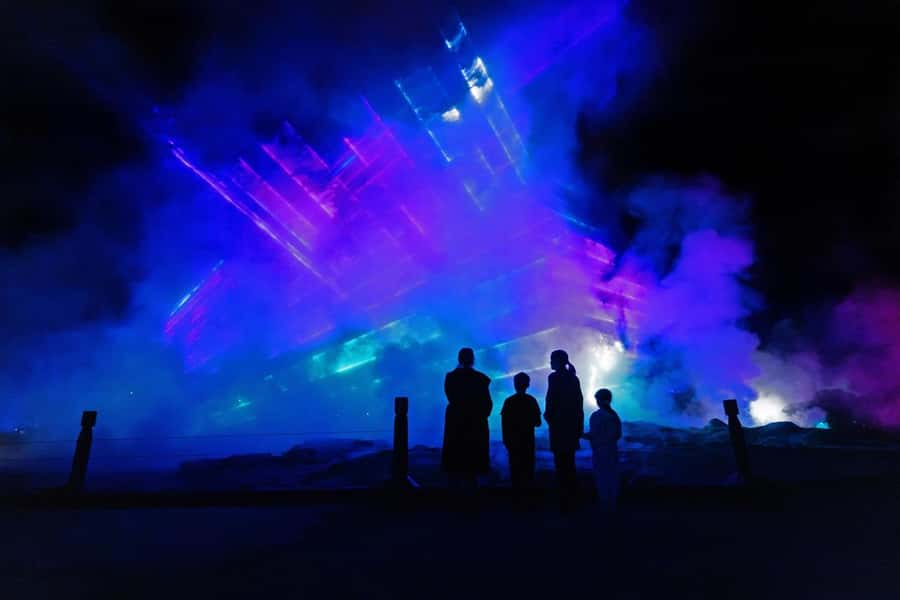
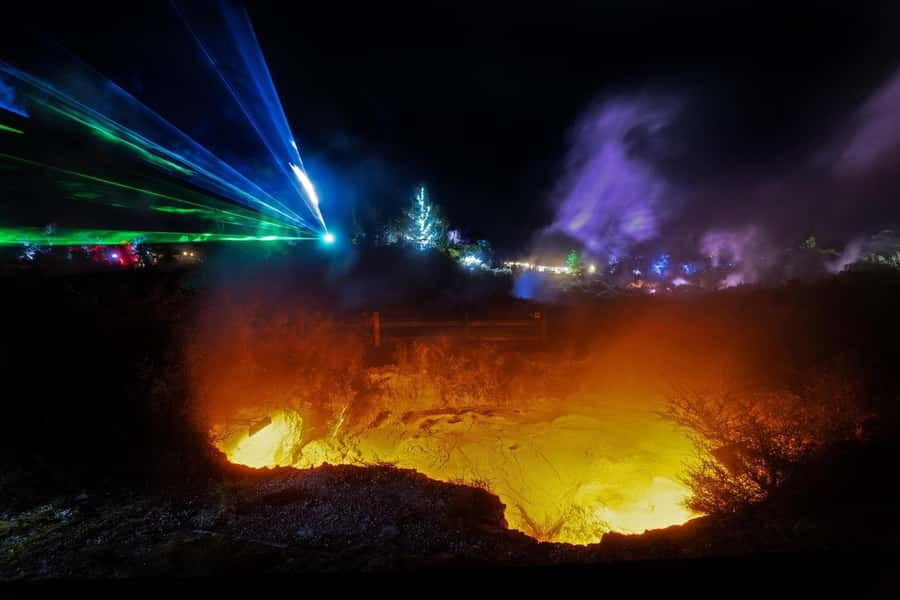
Te Puia’s geothermal valley takes on a completely different mood after dark. On the Mārama trail, geysers, paths, native scenery, and artworks appear in carefully timed pools of light while Maisey Rika’s music guides you through the night. The result is less a standard evening walk and more a slow-moving outdoor show.
I like the way the trail lets you explore at your own pace, and I especially like the chance to see Pōhutu Geyser lit at night. The music gives the walk an emotional thread, while the final passage through Pikirangi Village adds a cultural setting rather than ending with a simple light display. The main drawback is that the 1.5km route uses unpaved paths and includes strong visual effects, so it is not suitable for people with mobility impairments or some forms of light sensitivity.
Key points to know before you go
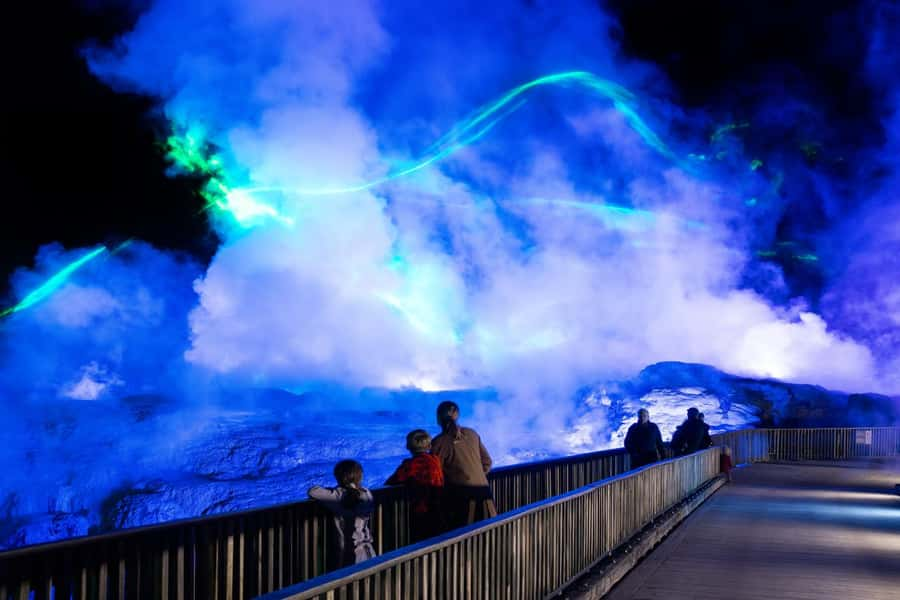
- Ten illuminated scenes turn Te Puia’s geothermal valley into a night-time art walk.
- Maisey Rika’s music accompanies the route and adds a distinctly New Zealand voice to the setting.
- Pōhutu Geyser looks especially striking after dark, with time to pause at the Terrace nearby.
- The 1.5km path takes about 60 minutes to explore, though the full visit is described as roughly 90 minutes.
- Pikirangi Village provides the final farewell, giving the route a clear cultural and visual ending.
- Wednesday to Sunday opening and four-hour evening gates give you some flexibility, but final entry is one hour before closing.
What the Mārama night walk is really like
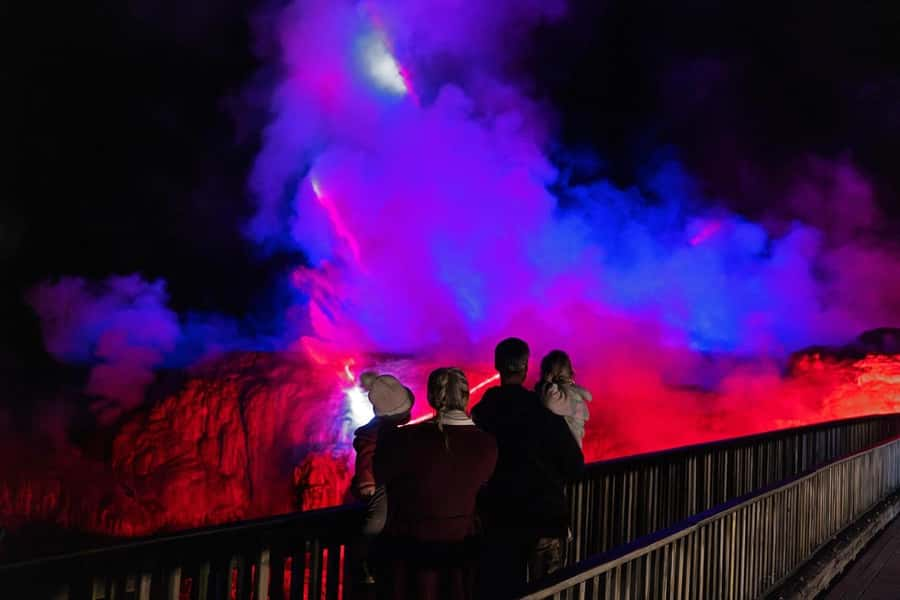
Mārama means moon, and the concept is easy to understand once you enter Te Puia after dark. You begin in darkness, then move through a series of scenes where light reveals parts of the valley in stages. The lighting is not only aimed at the geysers. It also picks out paths, artworks, vegetation, and open geothermal spaces.
This matters because Rotorua’s thermal areas can feel familiar in daylight. Steam, rock, pools, and geysers are impressive, but the daytime view is largely about natural force. At night, the same place becomes more theatrical. You see less at once, which makes each new pool of light feel like a small discovery.
The walk is hosted in English, with guides positioned around the route to explain what you are seeing. You are not locked into a tightly timed group procession. Instead, you can move at your own pace, pause for photos, and take in each scene before continuing.
That freedom is useful. Some people will want to stop often for pictures, while others will prefer to keep moving with the music. The trail allows both approaches, within the evening’s opening hours.
More Geothermal Parks and Geysers in Rotorua
- Rotorua Canopy Tours: 2.5Hour Native Forest Zipline Adventure
★ 5.0 · 4,563 reviews - Rotorua: Wai-O-Tapu Geothermal Park Entry Ticket
★ 4.6 · 2,601 reviews - Rotorua’s Ultimate Zipline: 6 ziplines, 400 m Tandem, Cliff Walk
★ 5.0 · 2,557 reviews
From the festival-style entrance into the valley
The opening area has a festival-like feel, with light and sound setting the tone before you reach the main geothermal sights. This gives you a gentle introduction rather than sending you straight into a dark path.
From there, the route leads past interactive artworks and changing scenes. The experience is designed around ten distinct sections, so you are not simply walking along one path with occasional colored lights. Each part offers a different view of the setting and a different relationship between sound, light, and the natural surroundings.
The interactive elements are worth approaching with the right expectations. This is primarily a visual and musical walk, not a puzzle trail or a game. One visitor felt that more riddles or hands-on play would have added interest, and that is a fair point if you are looking for an activity-led attraction. If you prefer atmosphere, photography, and a gentle pace, the format works better.
Maisey Rika’s music is one of the strongest parts of the route. Her voice gives the evening a local character and prevents the lighting from feeling like a generic commercial display. The music follows you through the scenes, helping connect the entrance, geothermal valley, and village at the end.
Pōhutu Geyser after dark
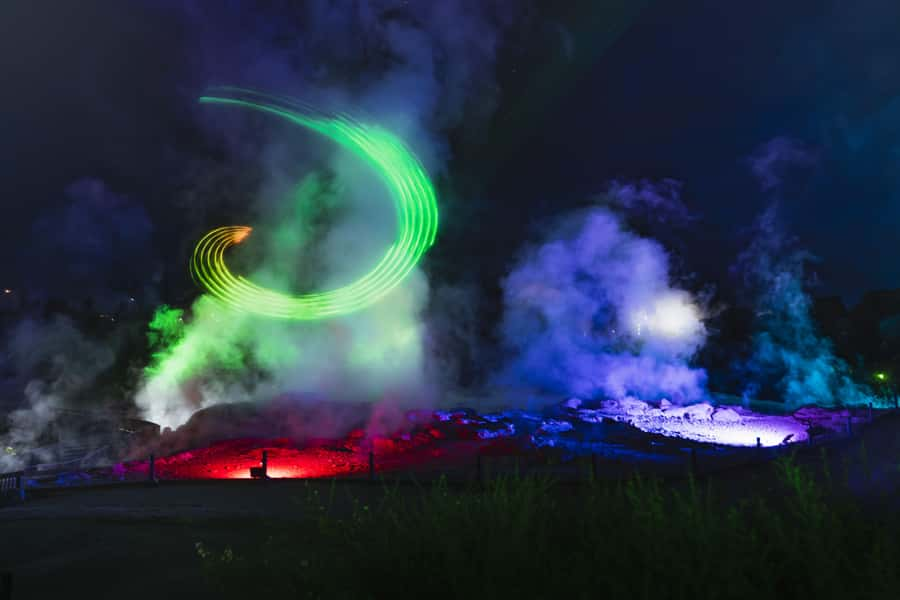
The geothermal valley is the heart of the outing. Here you see Te Puia’s famous thermal setting under artificial light, with paths and features revealed in different colors. The most memorable moment for many visitors is the view of Pōhutu Geyser.
Pōhutu is already a major sight during the day, but the night setting changes your focus. The light draws attention to the steam and movement, and the contrast with the dark valley makes the geyser feel more dramatic. Photos may not fully capture the effect. The experience depends on seeing the light, steam, sound, and scale together.
You should pause at the Terrace rather than rushing past. This is a natural rest point with views toward Pōhutu, and you can buy a sweet treat or drink there. Food is not included in the ticket, so bring that expectation with you. The purchase is optional, but a warm or sweet break can make the walk more comfortable on a cool evening.
The Terrace also gives you a chance to slow the pace. The route is only 1.5km, but the visual effects and geothermal setting reward patience. I would rather spend a few extra minutes looking toward the geyser than hurry through every scene simply to finish quickly.
Ten scenes, light effects, and the right expectations
Mārama works best when you treat it as a moving art installation in a geothermal setting. The route combines light, sound, storytelling, and interactive pieces, but it does not appear to be a traditional performance with seats, a stage, or a fixed running time.
That distinction helps you decide if it suits you. You will enjoy it most if you like atmospheric night walks and unusual photography. Families and couples may appreciate the changing scenes, while people who want a strong narrative or a hands-on challenge may find parts of it quiet.
Some effects can be intense. Bright lighting and movement may cause discomfort if you are sensitive to light or prone to motion sickness. The display is designed to catch your attention, so this is not an attraction where every lighting effect stays soft and subdued.
Take your time, but do not assume every scene will hold your attention equally. One section may appeal because of its color and sound, while another may seem more restrained. That variation is part of the design, though it also means the experience may feel less exciting to anyone expecting a constant spectacle.
The guides around the path help balance the artistic side with useful information. They explain what you are looking at and add context as you move through the valley. Their presence is practical, especially because the darkness and lighting can make it harder to orient yourself.
Same volcano country, a different day out:
- Rotorua Rafting: Kaituna River White Water Rafting & Free Sauna
★ 5.0 · 1,952 reviews - Mitai Maori Village Cultural Experience in Rotorua
★ 4.5 · 1,294 reviews - Rafting Rotorua: Kaituna River White Water Experience
★ 4.9 · 1,274 reviews - Rotorua: Te Pa Tu Māori Cultural Experience with Dinner
★ 4.8 · 1,193 reviews
The final passage through Pikirangi Village
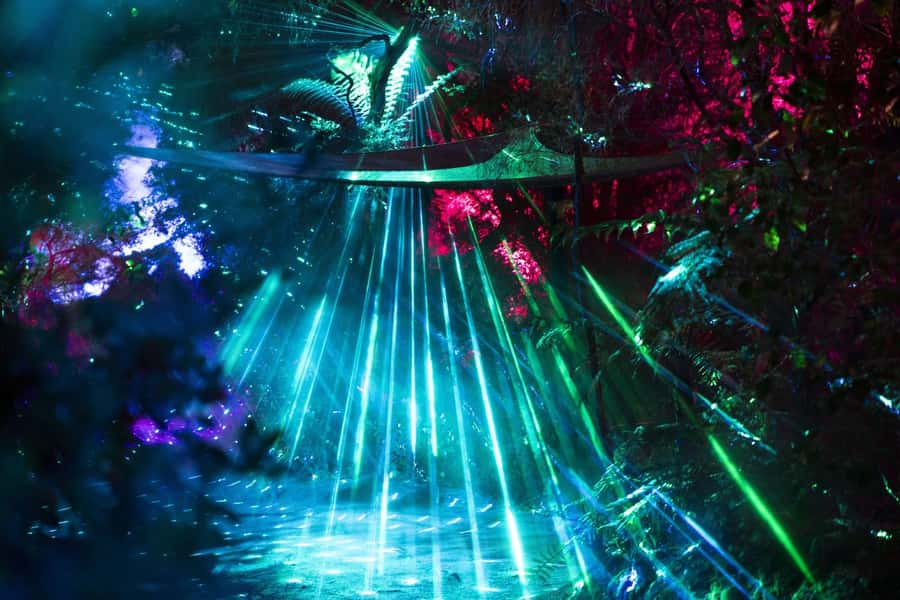
The trail ends beneath the glow of Mārama as you pass through Pikirangi Village. This is a smart finishing point because it shifts the mood away from pure lighting effects and back toward a traditional setting.
The village gives the experience a sense of place. Te Puia is not only a geothermal attraction, and the final scene helps remind you that the evening is connected to Māori culture as well as natural forces and modern artwork. The farewell feels more complete than ending beside a path or gift shop.
You should not expect a long cultural performance at the end based on the information available. Pikirangi Village functions as the closing setting for the walk. Its value lies in the atmosphere and context it adds to the final moments.
How long to allow and when to arrive
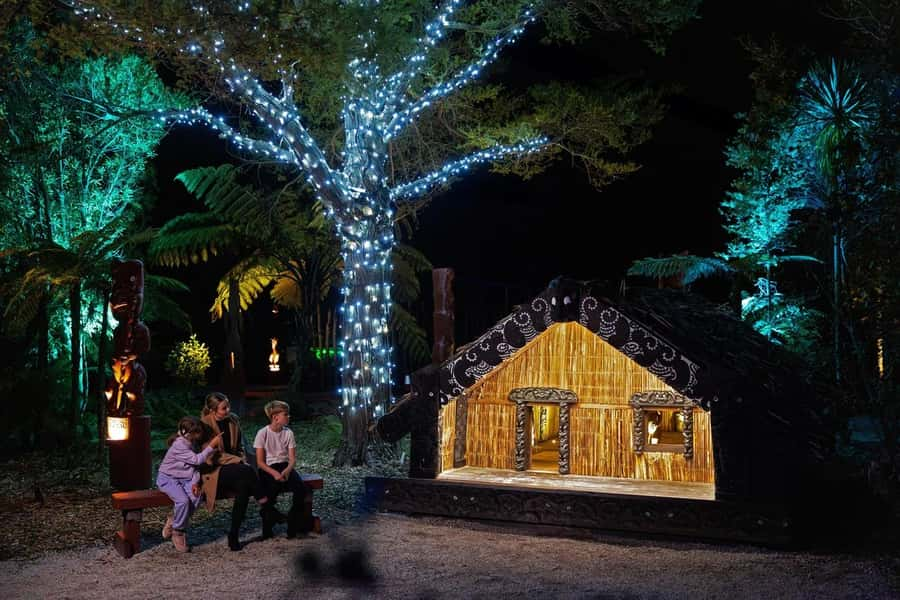
The 1.5km route takes around 60 minutes to explore at your own pace. The total experience is also described as approximately 90 minutes, so I would allow at least an hour and a half rather than planning another activity immediately afterward.
The gates open for four hours each evening, with final entry one hour before closing. This gives you room to choose a starting time within the operating period, though the precise available times depend on the date.
Mārama runs from Wednesday to Sunday. It does not operate every night, so check the schedule before building it into a short Rotorua visit. The meeting point is Te Puia’s main entrance at Carpark 1, on Hemo Road in Whakarewarewa, about 2.5km south of Rotorua.
The route is outdoors, and Rotorua evenings can feel cold even after a mild day. Wear warm, weather-appropriate clothing and comfortable shoes. Unpaved paths make sturdy footwear more useful than dress shoes.
Bring a camera, but keep your expectations realistic. The lit geyser is highly photogenic, yet the atmosphere is more impressive in person than in a quick phone image. Low light, steam, and changing colors can make photographs unpredictable.
Is the $29 price good value?
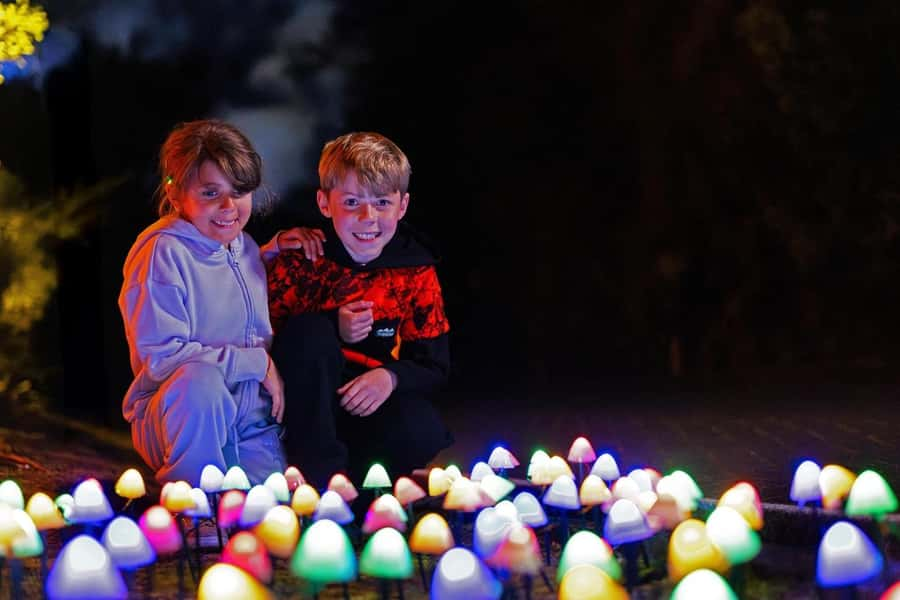
At $29 per person, Mārama sits at a reasonable price for a hosted evening attraction at Te Puia. You are paying for access to a specially lit geothermal setting, an English-hosted walk, music by a local artist, and the production work behind ten separate scenes.
The price makes the most sense if you already plan to visit Te Puia or want a distinct night-time activity in Rotorua. It is less compelling if you are looking only for a free walk or a quick look at illuminated scenery. The experience lasts longer than a simple photo stop, but it is also not an all-night event.
Food and drinks cost extra at the Terrace. That is not a serious problem, but you should include it in your budget if you want a break during the walk. The ticket itself covers the lighting, outdoor route, and sound experience.
The overall rating is strong at 4.6 from 42 reviews, and the most praised features are consistent: the atmosphere, the beautiful night view of the geyser, and the sense that the site is best appreciated in person. The main criticism is also useful: some people may want more games or interaction.
Who will enjoy Mārama most?
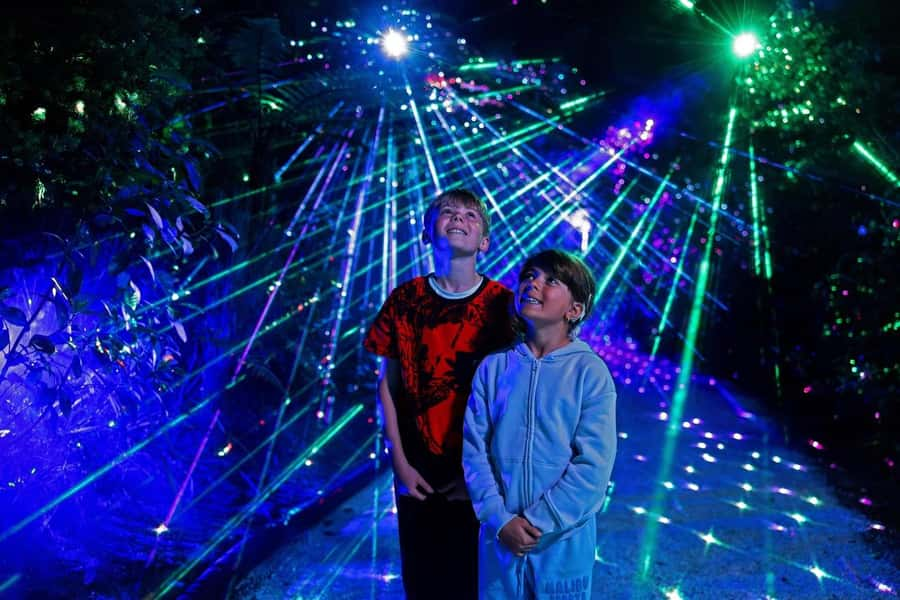
I would recommend this to you if you want to see Te Puia in a quieter, more unusual setting than the standard daytime visit. It suits people who enjoy photography, music, design, geothermal scenery, and short walks with plenty of stops.
It is also a good choice for an evening when you do not want a long dinner or a high-energy activity. The pace is gentle, and you can explore the route at your own speed.
You may want to choose something else if you need step-free access, dislike strong lighting effects, or want a highly interactive activity. The unpaved path is not suitable for wheelchairs, and the experience is specifically listed as unsuitable for people with mobility impairments.
Families should consider the age and interests of their children. The lights and geyser may hold attention well, but the route is not described as a game-based attraction. Children who need constant hands-on activity may find the slower sections less engaging.
The same advice applies to adults. If you want a riddle trail, extensive audience participation, or a tightly plotted show, Mārama may feel too gentle. If you want to watch a geothermal valley change mood around you, it is a better match.
Should you book the Mārama Geyser Light Trail?
Book it if you want a polished night walk with a strong sense of place, especially if the idea of seeing Pōhutu Geyser under lights appeals to you. The combination of geothermal scenery, Maisey Rika’s music, local cultural setting, and free-paced walking gives the evening more substance than a basic light display.
Skip it if mobility access is essential, intense visual effects bother you, or you are looking for a hands-on game. For most other visitors, the $29 price is fair, provided you allow around 90 minutes, dress warmly, and treat the outing as a scenic and musical experience rather than a thrill ride.
FAQ
Where does the Mārama Geyser Light Trail begin?
It begins at Te Puia’s main entrance at Carpark 1, on Hemo Road in Whakarewarewa, about 2.5km south of Rotorua.
How long does the experience take?
The 1.5km route takes about 60 minutes to explore at your own pace. The full experience is described as approximately 90 minutes.
What days does Mārama operate?
The experience runs from Wednesday to Sunday.
How late can I enter?
Final entry is available up to one hour before closing. Gates open for four hours each evening.
Is food included in the ticket?
No. You can buy a sweet treat or drink at the Terrace, but food is not included.
Is the experience wheelchair accessible?
No. The route includes unpaved paths and is not suitable for wheelchairs or people with mobility impairments.
What should I wear?
Wear comfortable shoes and warm, weather-appropriate clothing. The experience takes place outdoors at night.
Are the light effects suitable for everyone?
Some visual effects may be intense and could cause discomfort for people with light sensitivity or motion sickness.
Just added around Rotorua
- Te Puia: Tuku Iho Trail with Cultural Show★ 5.0 · 5 reviews
- Te Puia: Te Pō Indigenous Combo – Tour, Dinner + Haka★ 4.4 · 52 reviews
- Te Puia: Te Rā Guided Day Tour + Haka Cultural Performance★ 4.7 · 128 reviews
- Rotorua: White Island, Mount Tarawera & Waimangu Volcanic …★ 4.4 · 5 reviews
- Rotorua: Velocity Valley – One Ride Pass★ 4.9 · 15 reviews
- Rotorua: Wai Ariki Hot Springs & Spa 1hr Restorative Bathing★ 4.8 · 16 reviews
- Rotorua: Waimangu Volcanic Valley Ticket & Self-Guided Walk★ 4.8 · 104 reviews
- Rotorua: Velocity Valley – Two Ride Pass★ 4.6 · 8 reviews
Rotorua Volcano Tours, compared.
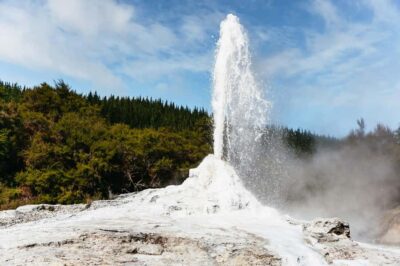
Rotorua: Wai-O-Tapu Geothermal Park Entry Ticket
Read our review →
Mitai Maori Village Cultural Experience in Rotorua
Read our review →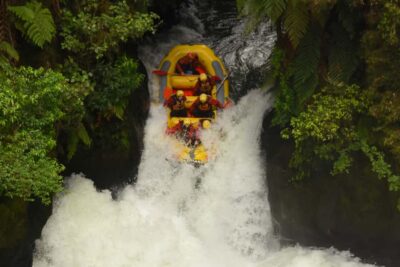
Rafting Rotorua: Kaituna River White Water Experience
Read our review →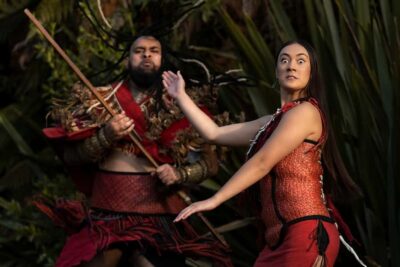
Rotorua: Te Pa Tu Māori Cultural Experience with Dinner
Read our review →
Rotorua: Hell’s Gate Outdoor Mud Spa & Guided Walk
Read our review →
From Rotorua: Hobbiton Movie Set Tour with Festive Lunch
Read our review →
Rafting Rotorua Kaituna White Water Rafting | Kaitiaki Adventures
Read our review →
Rotorua: The National Kiwi Hatchery Kiwi Encounter Tour
Read our review →Browse the lists this tour appears in