
REVIEW · ROTORUA
Rotorua: Hell’s Gate Geothermal Walk
Hell’s Gate is Rotorua’s most forceful geothermal show: boiling pools, steaming vents, sulfur crusts, and a mud volcano spread across a short walking route. The hot waterfalls and the surprising bush section give the place more variety than a simple chain of steaming pools. I like the clear self-guided map, and I like that a guide can add geology, Māori culture, and local stories. The main drawback is the sulfur smell, which can be strong, and the price details should be checked carefully because the entry ticket is listed separately from the $26 activity price.
Key points at a glance
- New Zealand’s largest active mud volcano: See bubbling mud and hot pools up close, while staying on the marked route.
- A one-hour geothermal walk: The roughly 2-kilometre circuit is manageable for many people, though the site is not suitable for people with mobility impairments.
- Two guided departures: English-speaking guided walks are listed at 10:30 AM and 2:30 PM, subject to availability.
- More than mud and steam: Look for hot waterfalls, steaming fumaroles, sulfur crystals, hot water lakes, and examples of land coral.
- Self-guided or guided: The supplied map and descriptions let you explore at your own pace, while a guide adds context and humor.
- Extra cultural activities: Māori carving and a mud foot pool may be available, but neither should be treated as guaranteed.
What makes Hell’s Gate different
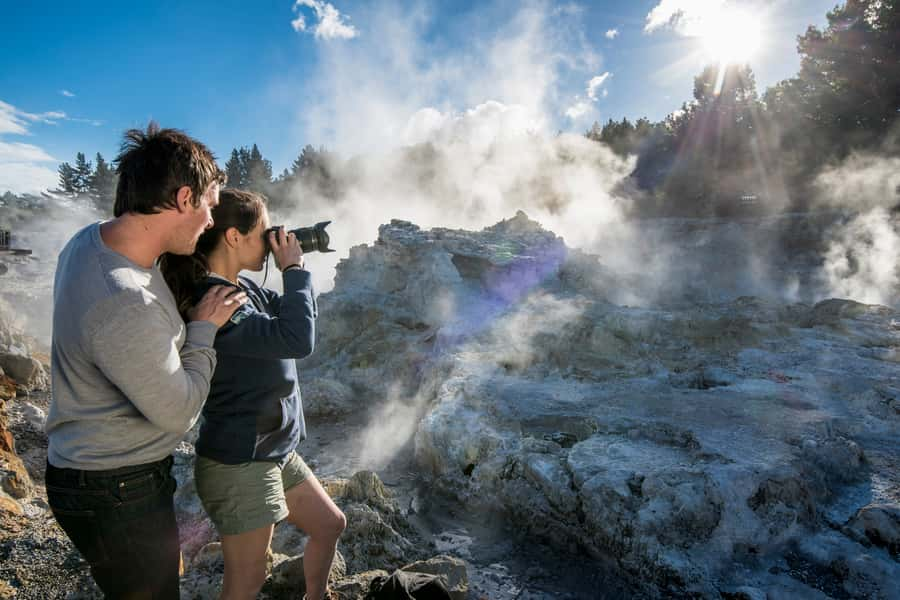
Rotorua has several geothermal attractions, but Hell’s Gate feels particularly raw. This is not a garden with a few carefully framed vents. The route takes you through an active geothermic field where the ground releases steam, mud bubbles, and hot water in many forms.
The setting also changes as you walk. One moment you are looking across a boiling pool or a sulfur-stained vent. The next, you are near thick vegetation and a hot waterfall. That contrast is one of the best reasons to choose Hell’s Gate instead of an attraction focused only on geysers.
The site is known for New Zealand’s largest active mud volcano and the Southern Hemisphere’s largest hot waterfalls. You can also see hot water lakes, fumaroles, sulfur crystals, and sulfur deposits. Some water temperatures exceed 100 degrees Celsius, so the fences and marked paths are not decoration. Keep to the route and do not reach toward the pools.
More Geothermal Parks and Geysers in Rotorua
- Rotorua Canopy Tours: 2.5Hour Native Forest Zipline Adventure
★ 5.0 · 4,563 reviews - Rotorua: Wai-O-Tapu Geothermal Park Entry Ticket
★ 4.6 · 2,601 reviews - Rotorua’s Ultimate Zipline: 6 ziplines, 400 m Tandem, Cliff Walk
★ 5.0 · 2,557 reviews
The one-hour route through the geothermal field
The walking route takes about one hour, with the full walk described as roughly 2 kilometres. You receive a map, and the marked path is simple enough to follow without a guide. That gives you control over your pace, which is useful if you want time for photographs or prefer not to stop at every feature.
The first impression is likely to be the combination of steam and smell. Sulfur has the familiar rotten-egg odor, and at Hell’s Gate it can be pungent. Most people can bear it, but you should prepare for it rather than expect a neutral outdoor walk. If you have very young children, the smell may be difficult, though carving participation requires children to be at least 12.
As you move through the reserve, the map explains the different pools and geothermal features. I like this format because it lets you pause at the places that interest you instead of being pushed along with a group. The written material is useful, though some people may want more explanation than it provides.
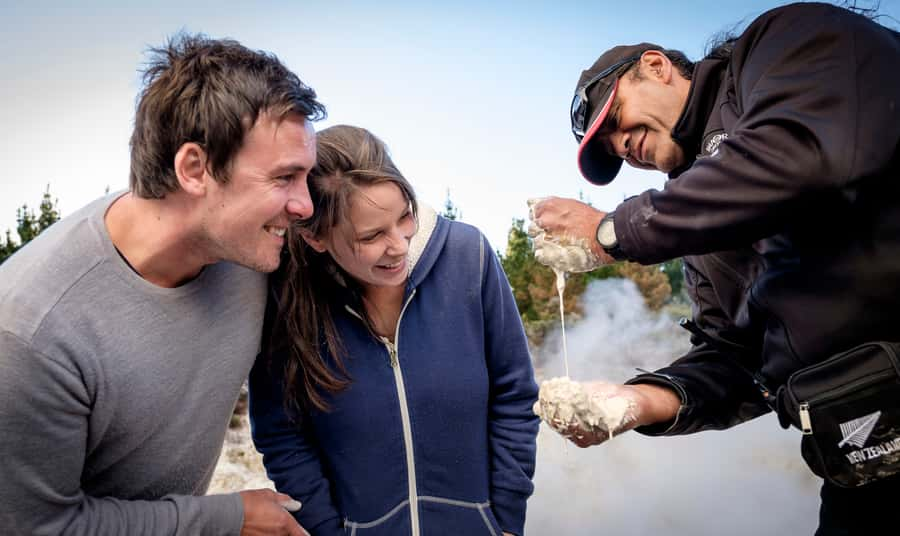
The mud volcano is a major stop. Bubbling mud has a very different character from a clear hot spring. It looks thick, restless, and almost alive. You may also encounter opportunities to feel geothermal mud, but interactive elements depend on what is operating on the day.
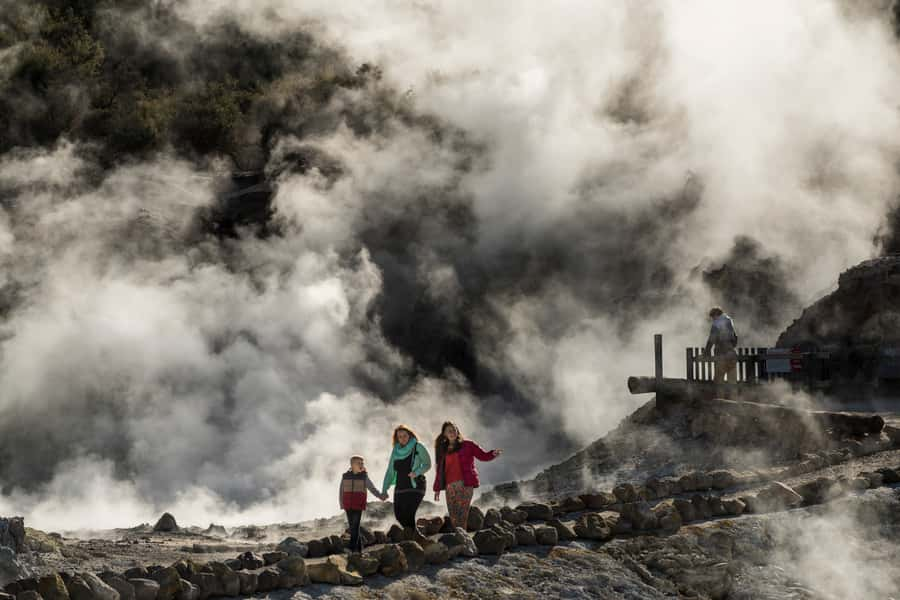
The pools and steaming vents show how varied geothermal activity can be. Some features are defined by boiling water, others by steam, mineral deposits, or thick mud. Sulfur crystals and deposits add color and texture, while the heat rising from the ground makes the route feel active rather than merely scenic.
The hot waterfall and bush section
The hot waterfall is one of Hell’s Gate’s most memorable sights. It adds movement to a setting otherwise filled with still pools and slow mud. The water, heat, and surrounding vegetation create a striking contrast, especially when steam softens the view.
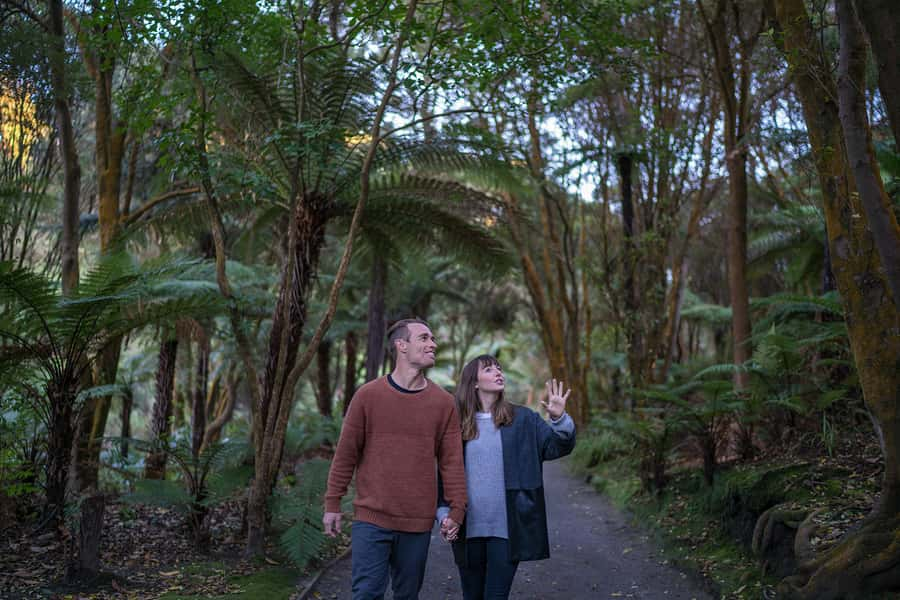
The bush section is another welcome change. You are not looking at geothermal features every second, and that is a strength. The walk becomes a short lesson in how plant life and intense heat can exist close together. A good guide can explain the vegetation and the properties of the pools, which helps you understand the site rather than simply photograph it.
Rain can actually improve the mood of the place. Hell’s Gate operates in all weather, and the park is described as being at its best when it rains. Wet conditions can make the steam more visible and give the geothermal field a darker, more dramatic feel. Bring weather-appropriate clothing and comfortable shoes. The route is outdoors, so a sunny forecast is not the only good forecast here.
Choosing between the map and a guided walk
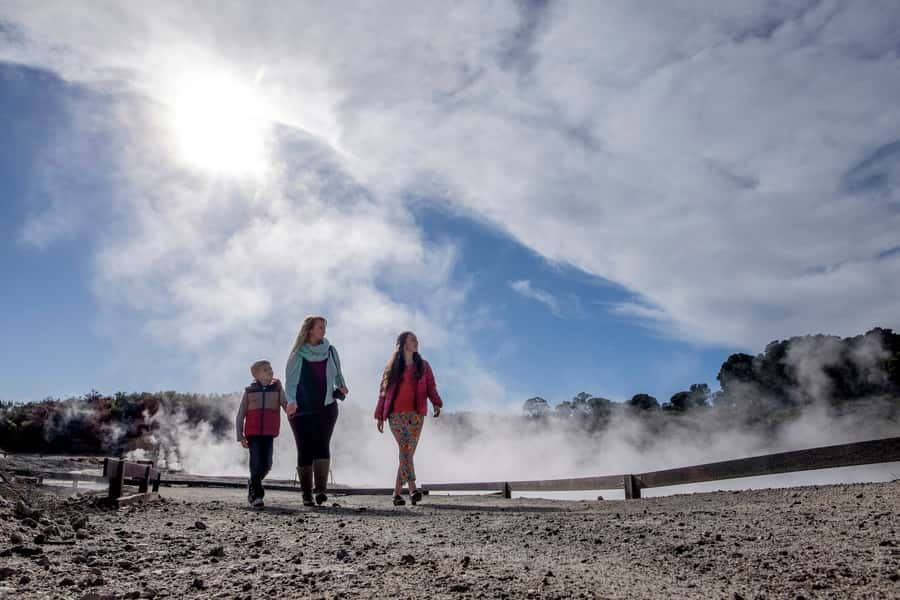
You have two sensible ways to experience Hell’s Gate. The self-guided option is the most flexible. You can walk at your own speed, read the descriptions, stop for photographs, and complete the route in about an hour.
The guided walk is the better choice if you want the geology and cultural context explained as you go. Guided departures are listed at 10:30 AM and 2:30 PM, and the guided tour is described as lasting 1.5 hours. That differs from the one-hour self-guided route, so allow extra time if you book or join the guide.
The guides can make a real difference. Guides named by visitors include T, Liam, and Luke, with Liam especially praised for being friendly, humorous, and informative. You should not expect a particular guide unless Hell’s Gate confirms one, but the repeated praise for the guiding style suggests that the live option is worth considering if the timing works.
The guided walk is also useful for anyone who sees geothermal attractions as a little repetitive. A pool can be impressive, but a guide can explain why its color, temperature, smell, or bubbling action differs from the next one. The geology becomes easier to follow, and the connection between Māori culture and the region adds a human layer to the visit.
If you have a tight Rotorua schedule, the self-guided route is practical. If you have room for the 10:30 AM or 2:30 PM departure, I would choose the guided option for the fuller explanation.
Same volcano country, a different day out:
- Rotorua Rafting: Kaituna River White Water Rafting & Free Sauna
★ 5.0 · 1,952 reviews - Mitai Maori Village Cultural Experience in Rotorua
★ 4.5 · 1,294 reviews - Rafting Rotorua: Kaituna River White Water Experience
★ 4.9 · 1,274 reviews - Rotorua: Te Pa Tu Māori Cultural Experience with Dinner
★ 4.8 · 1,193 reviews
Māori carving and the mud foot pool
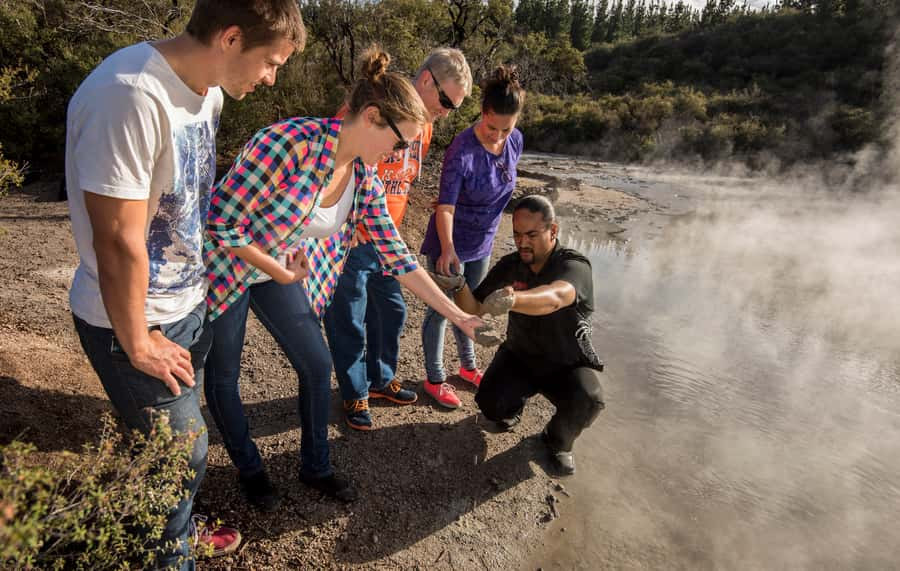
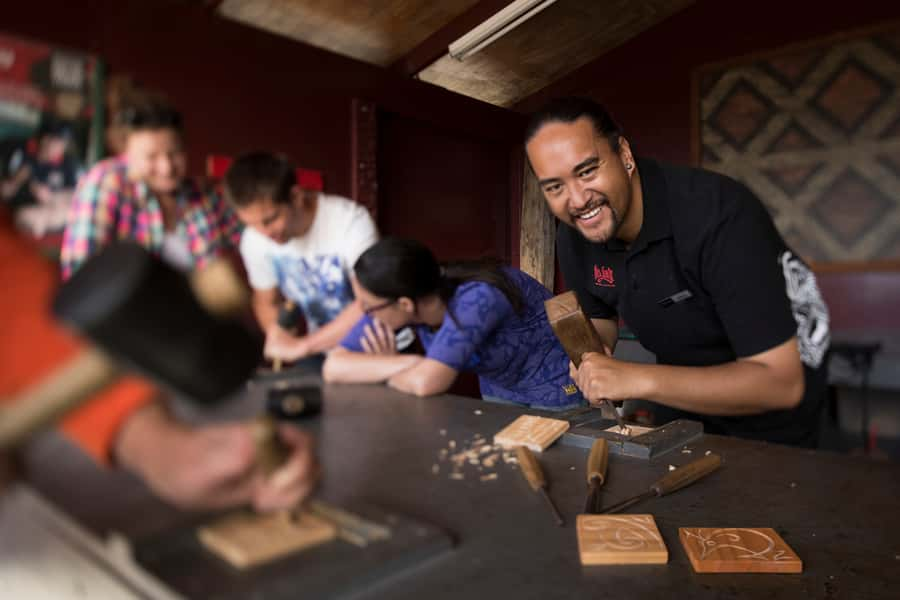
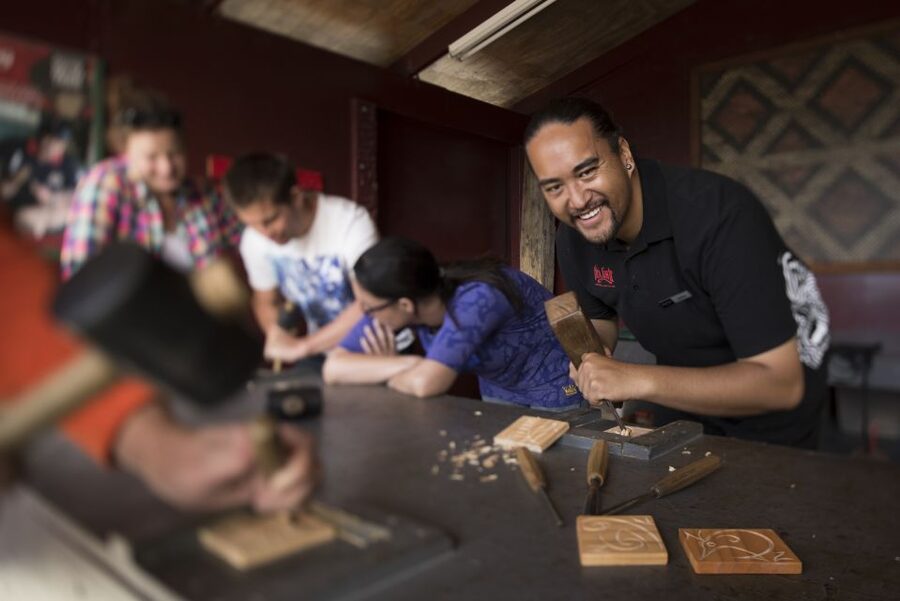
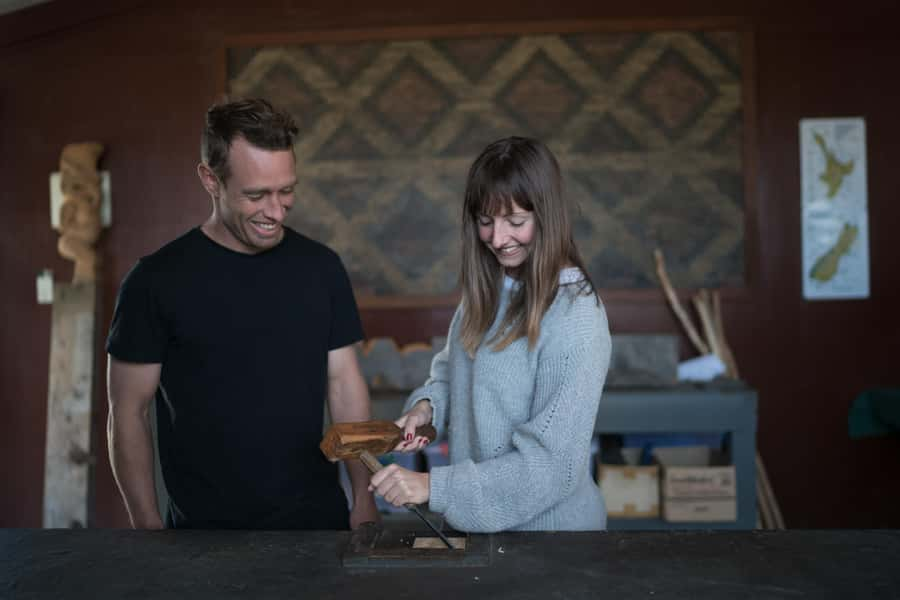
Māori carving is included as a complimentary activity when available. It is a pleasant addition because it gives the visit a hands-on cultural element rather than making the experience only about rocks and hot water. Children must be 12 or older to take part in the carving.
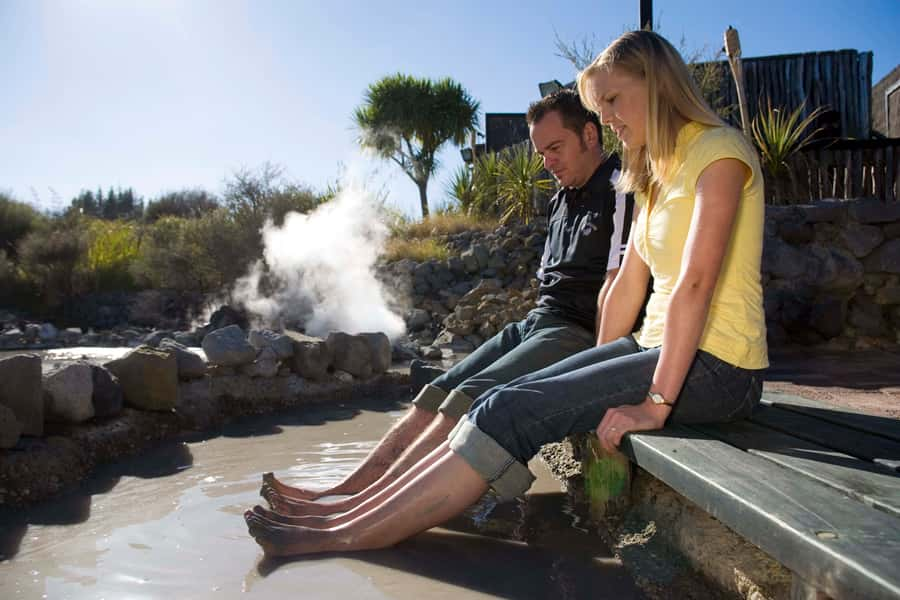
A mud foot pool may also be available. Since both the carving and foot pool are subject to availability, treat them as useful extras, not the reason to book. The geothermal walk is the core experience.
Allow time at the end for the carving if staff offer it. One visit found the carving lesson especially enjoyable, while another included the mud foot bath as a memorable bonus. The information provided does not specify how long these activities last or exactly how they operate, so ask on arrival.
Price, timing, and what you actually receive
The advertised price is $26 per person, but the supplied details also say that the entry ticket is not included. That is an important point to clarify before paying. Check the final booking breakdown to see whether the $26 refers to a particular reservation or add-on rather than complete admission.
Value depends on how you use the visit. If you only want a short walk through geothermal features, one hour is a reasonable amount of time. You receive the map, access to the reserve under the applicable ticket arrangement, and possible access to the guided walk and cultural activities when available.
The guided explanation can make the price feel more worthwhile, especially for a first geothermal visit. On the other hand, if you are comfortable reading a map and have already visited several Rotorua geothermal sites, the self-guided route may be enough.
Hell’s Gate is about a 15-minute drive from central Rotorua. From town, take State Highway 30 east, continue for about five minutes past the airport, then turn toward Whakatane. The reserve is roughly 3 kilometres down that road. You need your own transport or a separate transport arrangement, as no transfer is included in the supplied information.
Practical cautions before you go
Wear shoes you can walk in comfortably. Bring water, sunglasses, sunscreen, and clothing suited to the weather. Rain protection matters, and a rain cape is available to buy onsite if needed.
Protect jewelry from the sulfur. Sulfur fumes or residue can tarnish gold and silver items, so remove valuable jewelry before starting if you want to avoid cleaning it later. This is an easy precaution that is not obvious until it is too late.
Smoking and drones are not allowed. The route is not suitable for people with mobility impairments, and the geothermal ground can be hazardous beyond the marked path. You are visiting an active field, not a paved city park.
The site is an all-weather activity, but that does not mean every visitor will find every condition comfortable. Rain may improve the steam, while wind, cold, or heavy showers can make the walk less pleasant. Dress for the forecast rather than relying on the café or indoor areas afterward.
Who will enjoy Hell’s Gate most
I would recommend Hell’s Gate to anyone who wants to see Rotorua’s geothermal activity in several forms during one compact visit. It works well for visitors interested in geology, photography, Māori culture, or unusual natural sights.
The self-guided format suits independent walkers and people working around a busy itinerary. The guided format suits you if you want stories, explanations, and a more structured visit. The path is described as easy by some visitors, but the reserve is not suitable for people with mobility impairments, so check your own walking needs before booking.
Families should think about the sulfur smell and the age rule for carving. Older children and teenagers may enjoy the mud, steam, and strange colors, but you need to supervise them carefully around hot pools and boiling mud.
You should also decide how tolerant you are of strong odors. The smell is part of the place, not a minor side effect. If sulfur bothers you badly, the visit may be less enjoyable even though the sights are striking.
Should you book the Hell’s Gate walk?
Book it if you want a relatively short Rotorua outing with a strong sense of active geothermal power. The hot waterfall, mud volcano, bush section, sulfur deposits, and boiling pools give the walk more range than a simple hot-spring stop.
Choose the guided departure if you can match 10:30 AM or 2:30 PM and want geology and Māori culture explained as you go. Choose the self-guided route if your schedule is tight or you prefer to stop and photograph the features at your own speed.
Before confirming, check exactly what the $26 price includes, since entry is separately listed as not included. Also prepare for the sulfur smell, remove jewelry, and do not count on the carving or mud foot pool unless staff confirm they are operating. With those points settled, Hell’s Gate offers a memorable and practical introduction to Rotorua’s most active geothermal side.
FAQ
How long does the Hell’s Gate geothermal walk take?
The self-guided geothermal route takes about one hour and covers roughly 2 kilometres. The listed guided tour lasts 1.5 hours.
Is Hell’s Gate close to Rotorua?
Yes. Hell’s Gate is about a 15-minute drive from central Rotorua. Travel east on State Highway 30, continue about five minutes past the airport, then turn toward Whakatane. The reserve is about 3 kilometres farther along that road.
Can I explore Hell’s Gate without a guide?
Yes. A map for the geothermal walk is provided, and you can follow the route independently. The guided walk is subject to availability.
What time are the guided walks?
The guided walks are listed at 10:30 AM and 2:30 PM. The guide speaks English, and availability can vary.
What geothermal features can I see?
You can see steaming fumaroles, hot water lakes, sulfur crystals and deposits, boiling hot pools, erupting waters, a large active mud volcano, and hot waterfalls.
Is the walk suitable in rainy weather?
Yes. Hell’s Gate operates in all weather, and the geothermal park is described as being at its best when it rains. Bring weather-appropriate clothing, and a rain cape can be purchased onsite.
Is Māori carving included?
A complimentary Māori carving activity is listed, but it is subject to availability. Children must be at least 12 years old to participate.
What should I bring to Hell’s Gate?
Bring comfortable shoes, sunglasses, sunscreen, water, and clothing suitable for the weather. Smoking and drones are not allowed, and removing jewelry is sensible because sulfur fumes or residue may tarnish it.
More Walking Tours in Rotorua
- Rotorua: Hell’s Gate Outdoor Mud Spa & Guided Walk
★ 4.7 · 1,140 reviews - Volcanic Valley Self Guided Walking and Hiking at Waimangu
★ 4.5 · 248 reviews - Rotorua: Mount Tarawera Volcanic Crater Half-Day Guided Walk
★ 4.8 · 121 reviews - Rotorua: Waimangu Volcanic Valley Ticket & Self-Guided Walk
★ 4.8 · 104 reviews
Just added around Rotorua
- Te Puia: Tuku Iho Trail with Cultural Show★ 5.0 · 5 reviews
- Te Puia: Te Pō Indigenous Combo – Tour, Dinner + Haka★ 4.4 · 52 reviews
- Te Puia: Te Rā Guided Day Tour + Haka Cultural Performance★ 4.7 · 128 reviews
- Rotorua: White Island, Mount Tarawera & Waimangu Volcanic …★ 4.4 · 5 reviews
- Rotorua: Velocity Valley – One Ride Pass★ 4.9 · 15 reviews
- Rotorua: Wai Ariki Hot Springs & Spa 1hr Restorative Bathing★ 4.8 · 16 reviews
- Rotorua: Waimangu Volcanic Valley Ticket & Self-Guided Walk★ 4.8 · 104 reviews
- Rotorua: Velocity Valley – Two Ride Pass★ 4.6 · 8 reviews
Rotorua Volcano Tours, compared.
Rotorua: Wai-O-Tapu Geothermal Park Entry Ticket
Read our review →
Mitai Maori Village Cultural Experience in Rotorua
Read our review →
Rafting Rotorua: Kaituna River White Water Experience
Read our review →
Rotorua: Te Pa Tu Māori Cultural Experience with Dinner
Read our review →
Rotorua: Hell’s Gate Outdoor Mud Spa & Guided Walk
Read our review →
From Rotorua: Hobbiton Movie Set Tour with Festive Lunch
Read our review →
Rafting Rotorua Kaituna White Water Rafting | Kaitiaki Adventures
Read our review →
Rotorua: The National Kiwi Hatchery Kiwi Encounter Tour
Read our review →Browse the lists this tour appears in