
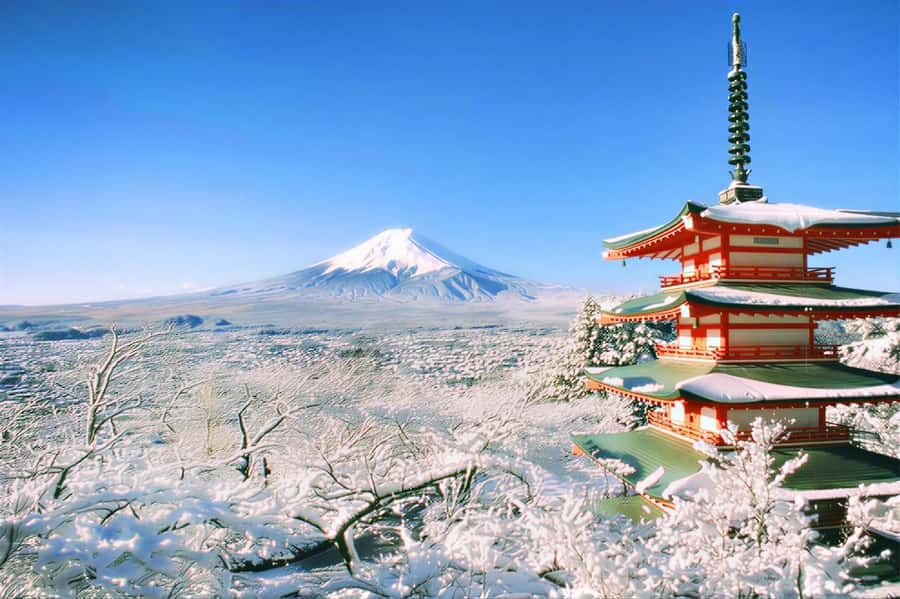
REVIEW · TOKYO
Tokyo: Mount Fuji Day Trip with Scenic & Local Stops
Mount Fuji is the star, but this $44 full-day outing gives you much more than a quick mountain photo. You move from a hilltop pagoda view to a retro shopping street, spring-fed ponds, lakeside scenery, and a swan stop. It is an efficient way to reach places that are awkward to connect by public transport in one day.
I especially like the six carefully chosen photo spots and the lack of mandatory shopping stops or paid extras. I also like that guides such as Will, Yuan, Yulina, Agnes, and Tim have been praised for being attentive, funny, and helpful. The catch is pace: this is roughly a 10-hour day, and clouds can hide Fuji completely.
Key points
- Six Fuji viewpoints in one day: Asama Park, Hikawa Clock Shop, Oshino Hakkai, Lake Kawaguchi, Fuji Lawson, and Lake Yamanaka.
- Useful photography help: Your guide can suggest framing and explain the classic clock tower and Fuji composition.
- A good-value price: At $44, round-trip transport and bilingual guiding cover a lot of ground.
- More than scenery: Oshino Hakkai adds traditional village details, koi ponds, and spring water.
- A gentle family moment: Swan feeding at Lake Yamanaka is suitable for all ages.
- Real weather risk: Fuji may be hidden by cloud, and traffic can shorten stops on busy days.
Why this Fuji day trip works
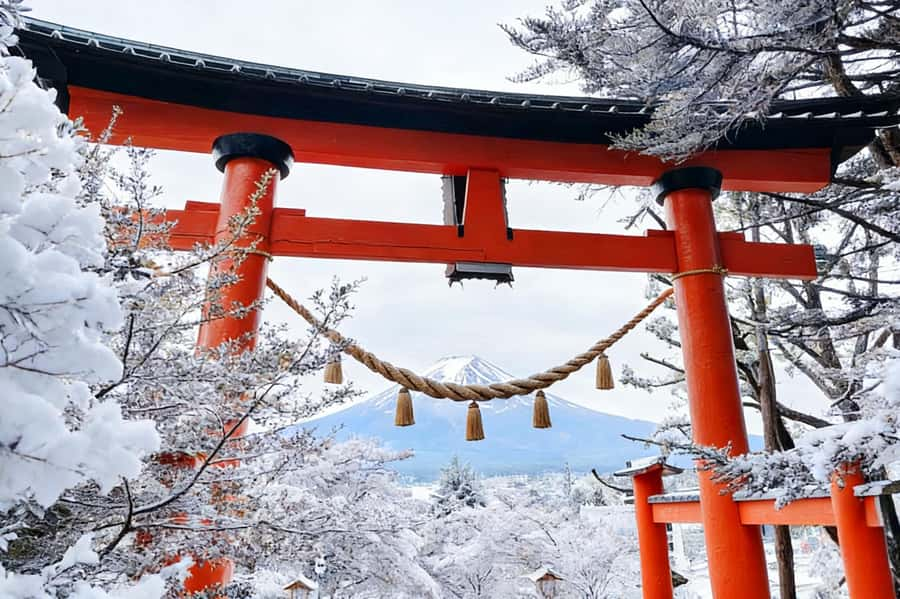
This tour is built around variety. You are not parked at one lookout for hours, hoping the weather clears. Instead, the route gives you several chances to see Mount Fuji from different angles and in different settings.
That matters because Fuji is a shy subject. A clear morning can turn cloudy by lunch, or the mountain may appear only in a narrow gap between buildings. Six stops improve your odds, though they cannot defeat bad weather.
The day begins from a Tokyo meeting point that depends on the option you book. From there, round-trip transport takes you toward the Fuji area. The guide may also drive, especially in a small group, so commentary can be limited while the vehicle is moving. Multilingual service may be shared among international passengers rather than delivered in one language all day.
At $44 per person, the value is strong if you want a broad introduction without arranging several train and bus connections. Meals, personal purchases, and insurance are extra, so think of the price as covering transport, guiding, and access to a long list of scenic stops rather than a complete day with food included.
More Mount Fuji Tours in Tokyo:
- Mt Fuji and Hakone 1-Day Bus Tour Return by Bullet Train
★ 5.0 · 26,383 reviews - Mt Fuji & Hakone Cruise, Drum Show Bullet Train 1 Day from Tokyo
★ 4.0 · 7,413 reviews - Tokyo Mt Fuji 5th St & Hakone Cruise Bus Tour w/Bullet Train
★ 4.4 · 5,024 reviews
Niikurayama Asama Park and the classic Fuji frame
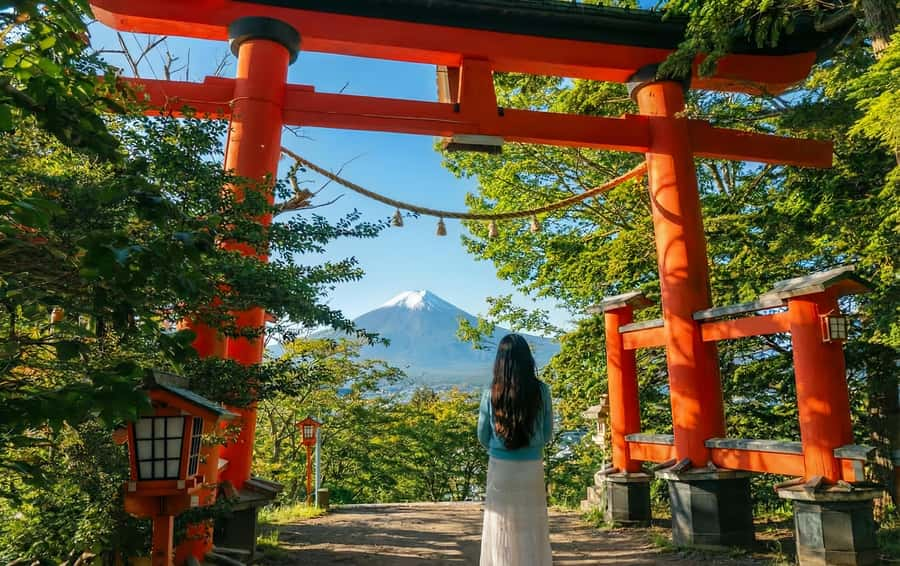
Niikurayama Asama Park is the tour’s big opening image. From the hilltop observatory, you look toward Mount Fuji with the famous pagoda and, in the right season, flowering trees or autumn color adding depth to the view.
The climb and mountain paths are important to note. Comfortable, non-slip shoes are a sensible choice, and a telephoto lens is recommended for the park. You can take a phone photo, of course, but a longer lens helps bring Fuji closer and compresses the pagoda, trees, and mountain into a tighter composition.
Your guide can offer simple photography pointers, such as where to position yourself and how to frame the mountain instead of merely pointing a camera at it. That small bit of help is useful if you want something better than a rushed snapshot.
The drawback is crowding. Asama Park is one of the best-known Fuji viewpoints, and peak seasons can make the observatory busy. You may need patience for a clear view or a clean photo. The route also is not suitable for people with mobility impairments or wheelchair users.
Hikawa Clock Shop and a retro street view
The Hikawa Clock Shop stop changes the mood. Here, Fuji rises beyond a traditional-looking street, creating a memorable contrast between everyday town life and Japan’s most famous mountain.
The classic photo places the clock tower or shopfront in the foreground with Fuji behind it. Your guide provides a hands-on explanation of how to line up that view. This is one of the stops where a little instruction helps, since the best frame depends on your position in the street and the amount of Fuji visible above the buildings.
Do not expect a long cultural tour here. The appeal is the streetscape and the photograph. You will have time to take pictures and look around, but this is a compact stop within a full route. Keep your attention on the surroundings as you take photos, and follow the guide’s directions about where to stand.
Oshino Hakkai and its clear spring ponds
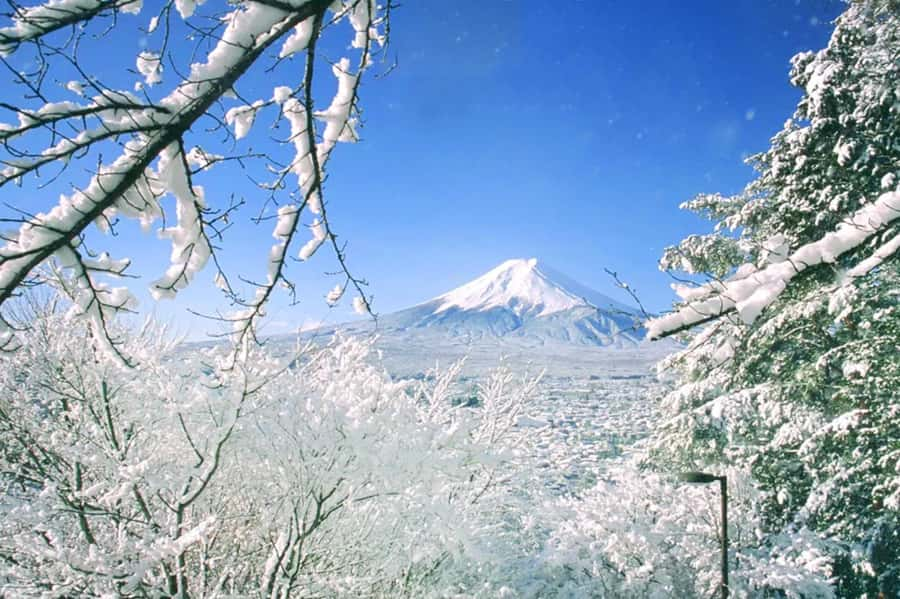
Oshino Hakkai adds a quieter, more traditional part of the day. The site is known for natural springs with exceptionally clear water, and you can stroll beside koi-filled ponds in a village setting.
This stop helps break up the photo hunt. Instead of seeking one grand vista, you are looking at water, fish, old-style buildings, and small details. The springs also give you a sense of the relationship between Mount Fuji and the communities around it, since the mountain’s water is part of the area’s identity.
Oshino Hakkai can get crowded, especially during peak periods. The narrow village paths may feel busy, and you should keep cash available for personal purchases. Meals are not included, so this may be a practical place to buy something if time and local arrangements allow, but you should not count on a scheduled meal here.
More Day Trips in Tokyo:
- Mt Fuji & Hakone Cruise, Drum Show Bus 1 Day from Tokyo
★ 4.0 · 1,287 reviews - Mt Fuji and Hakone 1-Day Bus Tour Return by Bus
★ 4.5 · 929 reviews - Tokyo: Mt. Fuji, Kamakura, Big Buddha, & Lake Ashi Day Trip
★ 4.5 · 867 reviews - Tokyo: Mt.Fuji & Lake Kawaguchiko 1-Day Bus Tour w/Optional Lunch
★ 4.5 · 839 reviews
Lake Kawaguchi, Fuji’s most flexible viewpoint
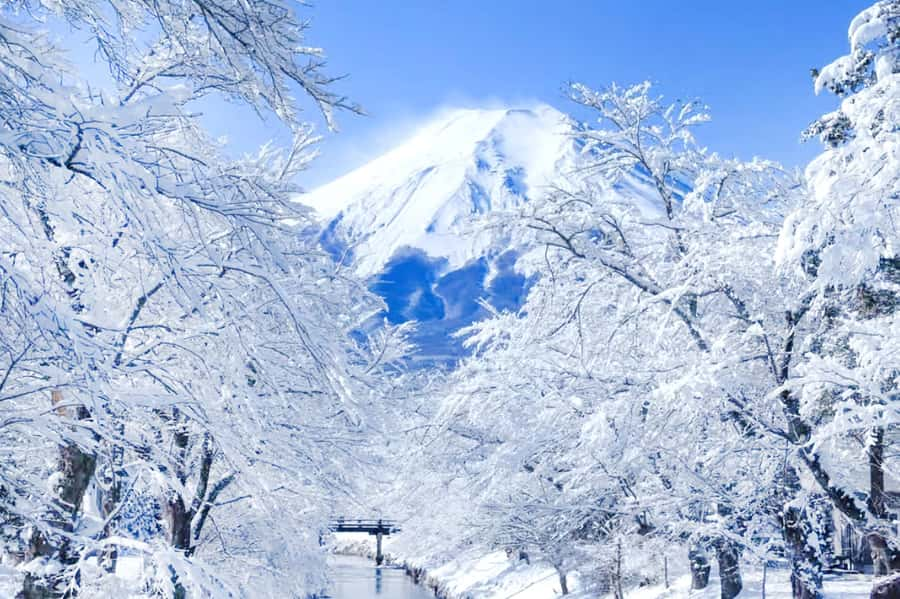
Lake Kawaguchi is often the most rewarding stop for simply looking at Fuji. On a clear day, the lake can reflect the mountain, giving you a broad, calm composition instead of a view interrupted by streets or buildings.
The lake also gives you flexibility. You can photograph Fuji from the shore, work with the water as foreground, and look for changing views as the group moves through the area. A seasonal option may add another way to capture dynamic Fuji images, though the exact activity and availability can depend on the date and conditions.
This is also one of the stops most affected by cloud. One person on the tour had a fast-paced day with plenty to see but only caught part of Fuji at Lake Kawaguchi because the mountain was covered. That is a useful warning: the tour can still be worthwhile in poor weather, but the main mountain photograph is never guaranteed.
Fuji Lawson and the playful convenience-store shot
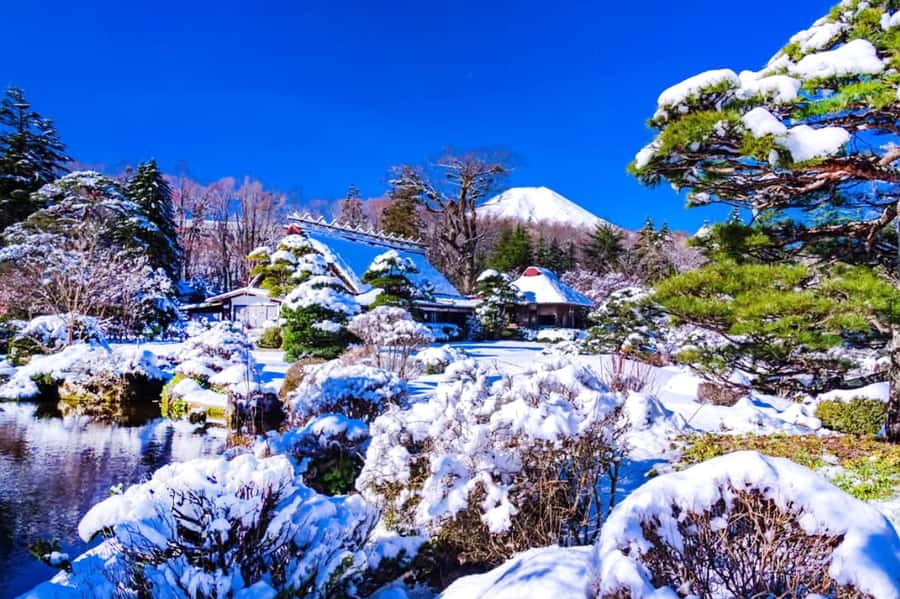
The Fuji Lawson stop is less about tradition and more about a modern Japanese photo style. The blue and white Lawson sign, with Fuji behind it, has become a popular image.
Your guide can also point you toward Fuji-limited snacks. A Fuji-themed treat makes a small, easy souvenir, and this is where the included Fuji spring mochi snack fits the day particularly well.
This stop is brief and highly visual. It may appeal most if you enjoy unusual city-and-mountain compositions or want a recognizable Japan photo that is not another shrine or pagoda. Since the area can be crowded, follow instructions carefully and do not block storefront access while taking pictures.
Lake Yamanaka and feeding the swans
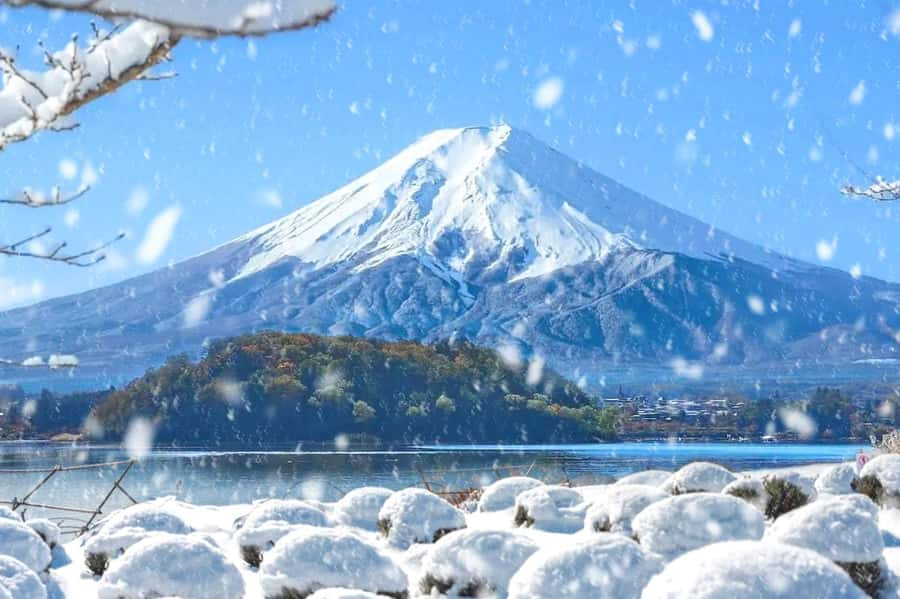
Lake Yamanaka closes the route with a gentler nature stop. You can feed swans by the water with Mount Fuji as a possible backdrop, making this the most relaxed part of the itinerary.
The swan feeding is suitable for all ages, so families may find it especially appealing. It also gives you something to do if the mountain is partly hidden. Even when Fuji refuses to appear, the lake and birds provide a pleasant change from climbing viewpoints and lining up for photos.
As always, the backdrop depends on weather. You may get a full Fuji-and-swan image, a partial view, or no mountain at all. The stop still has value, but it should not be treated as a guaranteed wildlife encounter with a perfect mountain behind it.
What the guides add to a long day
The guiding is one of the strongest parts of this experience. Names may vary by departure, but Will, Yuan, Yulina, Agnes, and Tim have each been praised for warmth, humor, clear help, or careful attention.
Will is noted for strong Japanese and English ability, as well as useful historical and cultural information. Yuan is described as especially attentive to practical needs, while Yulina received praise for making a long day feel worthwhile. Agnes was appreciated for being considerate and informative, and Tim for explaining local experiences and history.
Keep your expectations realistic about the bilingual format. The group may include people using different languages, and the driver may also serve as the guide. Commentary is limited while driving, which is sensible for safety, but it means you will not receive a constant lecture between every stop.
The best use of the guide is practical: listen for meeting instructions, photo positions, timing, cultural context, and snack suggestions. The route has many moving parts, so a guide who keeps the day organized is more useful than someone delivering nonstop facts.
Transport, timing, and the cost of convenience
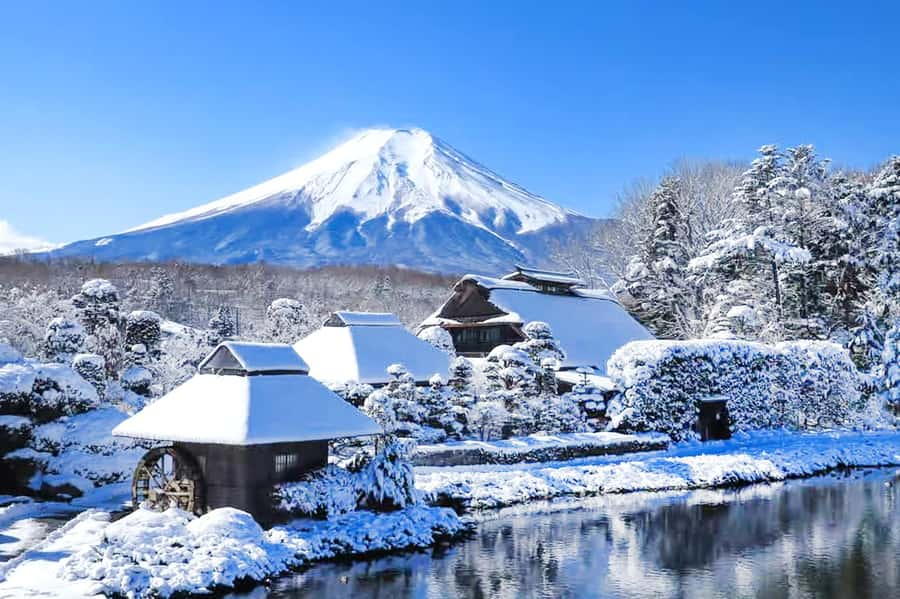
The full outing takes about 10 hours. That is a long day, but the schedule makes sense if you want to cover six locations from Tokyo without managing each connection yourself.
The transport has been described as clean and comfortable, though traffic remains the great unknown. Weekends and holidays can bring delays, crowded attractions, and early closures. Your guide may adjust the order, shorten a stop, or move time elsewhere when needed.
Do not book this if you have a same-day flight, Shinkansen, or tight evening reservation. The return time can shift because of Tokyo-area traffic and road congestion near the Fuji sites.
At $44, the tour is especially good value for a first visit or a short Tokyo stay. You get round-trip transport, an English-Chinese guide, six planned stops, and a Fuji spring mochi snack. You still pay for meals and personal purchases, and you need to arrange your own travel or accident insurance.
There are no required shopping stops or built-in optional extras, which keeps the price easier to understand. The tradeoff is that you give up the freedom to linger at one favorite location. This is a high-coverage day, not a slow photographic workshop.
Weather, clothing, and practical preparation
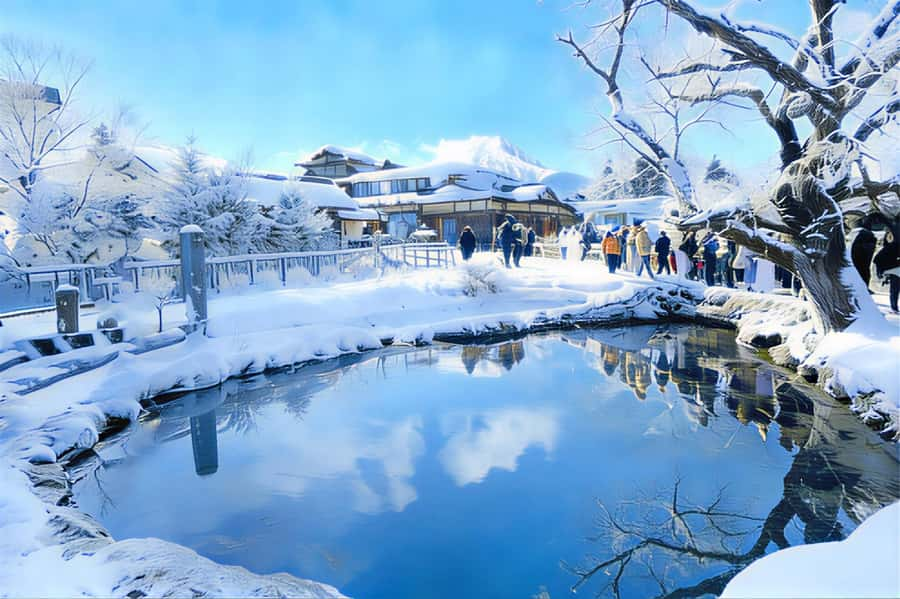
Pack comfortable shoes, especially for Asama Park and other uneven or sloping paths. Non-slip footwear is a better choice than fashion shoes, and a camera with a telephoto lens can help at the park.
Bring cash for personal expenses. Food and drinks are not allowed in the vehicle, and smoking is prohibited there. Meals are not included, so plan to purchase food during the day or before departure according to the guide’s timing.
Weather can change the route. If a facility closes, time may shift to another stop. Traffic, weather, disasters, or other events can cause delays or disruptions without a refund, so keep the day open and bring a flexible attitude.
The activity is not suitable for pregnant women, people with mobility impairments, wheelchair users, or people over 70 years old. Luggage should be declared in advance, and extra fees may apply.
You can cancel up to 24 hours before departure for a full refund. No-shows, late arrivals, and personal cancellations do not qualify, and the meeting point remains unchanged on departure day. If you need to change details, do so at least three days ahead.
Who should book this Mount Fuji route
I would choose this tour if you want maximum Fuji coverage for a low price and prefer someone else to handle the driving. It suits first-time visitors, families who like varied stops, and photographers who want several chances at the mountain rather than one fixed lookout.
It is also a good match for you if you enjoy mixing famous views with ordinary local scenes. The clock shop, Lawson storefront, spring ponds, and swans keep the day from becoming six versions of the same lookout.
I would hesitate if you want a slow pace, a private guide, long meals, or a guaranteed clear view of Fuji. You should also skip it if a late return would cause problems. The itinerary is full, and poor weather can reduce the mountain views even when every other stop goes ahead.
FAQ
How long does the Mount Fuji day trip last?
The outing takes about 10 hours in total, including transport from Tokyo and the return to the meeting point.
What languages are offered?
Guiding is available in English and Chinese. In small groups, the driver may also act as the guide, and commentary can be limited while driving.
What is included in the price?
The price includes a bilingual English-Chinese guide, round-trip transport from Tokyo, and a Fuji spring mochi snack.
Are meals included?
No. Meals are not included, and you should bring cash for food and other personal expenses.
Can I see Mount Fuji in every season?
The route operates with seasonal scenery such as cherry blossoms in spring and autumn foliage in fall, but clear views of Fuji depend on the weather. Cloud may hide the mountain.
Is the tour suitable for children?
The swan-feeding stop at Lake Yamanaka is suitable for all ages. The activity is not suitable for people with mobility impairments or wheelchair users.
Can I cancel for a refund?
You can cancel up to 24 hours in advance for a full refund. No refunds are provided for no-shows, late arrivals, or personal cancellations.
Should you book it?
Book this trip if you want to see many of the Fuji area’s recognizable sights without paying much or arranging complicated transport. The strong points are the low price, comfortable round-trip vehicle, varied stops, and guides who can help with both timing and photographs.
Just go in knowing that it is a long, busy day with weather and traffic risks. Bring good shoes, keep your evening free, and treat a clear Fuji view as a bonus rather than a promise. For that price, the broad mix of lakes, village scenery, photo stops, and swans makes this a smart choice for a first Fuji outing from Tokyo.
Just added around Tokyo
- Tokyo/Yokohama: Mt. Fuji and Hakone Private Day Tour★ 5.0 · 64 reviews
- Tokyo:Mt Fuji & Hakone Day Tour with English Speaking Driver★ 5.0 · 26 reviews
- Tokyo:Customizable Private Day Trip to Mt.Fuji & Safari Park★ 4.8 · 6 reviews
- Tokyo:Fuji-Kawagu Cable Car (Ticket Inc.) Shinkurayama&Panos★ 3.9 · 7 reviews
- Tokyo: Private Day Trip to Mount Fuji and Hakone★ 4.9 · 8 reviews
- Tokyo to Mount Fuji and Hakone: Private Full-Day Tour★ 3.7 · 5 reviews
- Tokyo: Private Mount Fuji Tour with Pickup and Drop-Off★ 4.7 · 69 reviews
- Tokyo: Private Mount Fuji Day Trip with Private Guide★ 3.5 · 5 reviews
Tokyo Volcano Tours, compared.
Mt Fuji and Hakone 1-Day Bus Tour Return by Bullet Train
Read our review →
Mt Fuji & Hakone Cruise, Drum Show Bullet Train 1 Day from Tokyo
Read our review →
From Tokyo: Mount Fuji Full-Day Sightseeing Trip
Read our review →
Tokyo: Mt. Fuji Tour, Hakone Ropeway, Owakudani, Lake Ashi
Read our review →
Tokyo:Mt.Fuji,Kawaguchiko Oishi Park,Arakurayama Sengen Park
Read our review →
Private Tour to Mt. Fuji and Hakone (Fully Licenced Operator)
Read our review →
Mount Fuji Full-Day Private Tour from Tokyo (Customizable)
Read our review →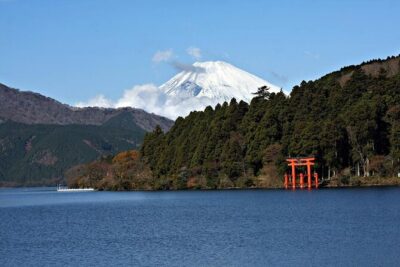
Mt Fuji & Hakone Cruise, Drum Show Bus 1 Day from Tokyo
Read our review →Browse the lists this tour appears in