
REVIEW · TAURANGA
Rotorua Geothermal Living Maori Village Tour Whakarewarewa 6.5hours Tour
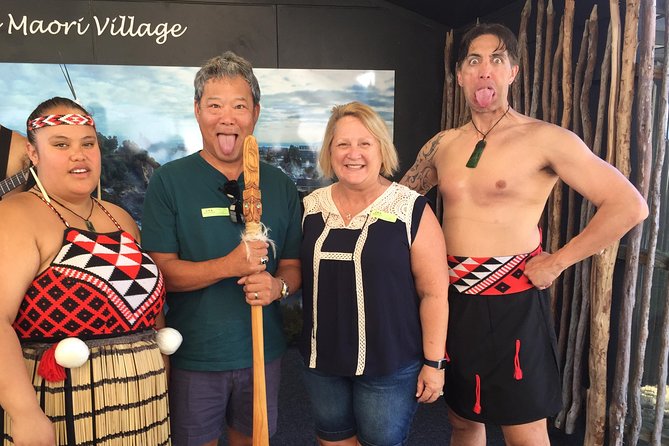
At the heart of this day is Whakarewarewa Living Māori Village, where people still live among boiling pools, steam vents, and geysers. A Māori guide leads you through the settlement, explaining how geothermal heat shapes cooking, bathing, daily work, and community life. You also see Pohutu geyser from a safe distance and watch a performance with singing, dancing, warrior displays, and the haka.
I like the direct connection with local life, rather than a visit limited to staged scenery. I also like the small air-conditioned vehicle, port pickup, and the chance to see Rotorua, Lake Rotorua, Mount Maunganui, forests, and kiwifruit country in one long day. The main drawback is the road time: the village is roughly 75 to 80 minutes from Tauranga each way, and some sightseeing is from the vehicle rather than on foot.
Key things to know before booking
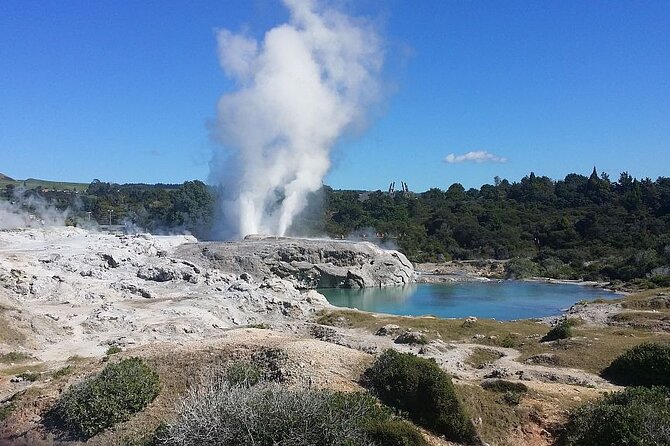
- Whakarewarewa is a living community: You visit a place where Māori residents still live and use the geothermal setting in daily life.
- Pohutu geyser erupts naturally: You are taken to a safe viewing area, but the exact timing and scale of an eruption are not controlled.
- The day runs about 6.5 hours: Expect a full shore excursion, with around two hours at the village and several scenic drives and short stops.
- A light hangi-style lunch is included: Geothermal cooking is part of the lesson, not just a meal added at the end.
- Guides make a real difference: Jack, Brian, Peter, Richie, Alistair, Grahame, Charlie, and Saskia have all led this outing at different times.
- The village group may be larger than the vehicle group: The minibus is limited to 20 people, but the local attraction may combine groups on busy days.
Why Whakarewarewa is the heart of the day
Rotorua is famous for steam, sulphur, mud, and geysers. But the most useful lesson here is that geothermal ground is not only something to photograph. At Whakarewarewa, the heat has long been part of everyday life.
Your local Māori guide explains how the bubbling pools and hot water have been used for cooking and other practical needs. You walk through a real settlement, not simply a museum display. That gives the visit a human scale. You are not looking at a geothermal area in isolation. You are seeing how a community has adapted to difficult ground and made use of what it has.
The village visit lasts about two hours, which gives you enough time to walk, listen, see the geothermal features, and take in the cultural setting without rushing through in a few minutes. The sulfur smell is part of the experience. It can be strong at first, so anyone sensitive to odors should be prepared.
The most valuable part is the local perspective. Guides may show you aspects of village life and explain the place from personal experience. Some have grown up there or come directly from the community, which makes the stories far more useful than a general commentary from a passing guide.
More Geothermal Parks and Geysers in New Zealand:
- Rotorua Canopy Tours: 2.5Hour Native Forest Zipline Adventure
★ 5.0 · 4,563 reviews - Rotorua: Wai-O-Tapu Geothermal Park Entry Ticket
★ 4.6 · 2,601 reviews - Rotorua’s Ultimate Zipline: 6 ziplines, 400 m Tandem, Cliff Walk
★ 5.0 · 2,557 reviews
Seeing Pohutu geyser and the geothermal pools
Pohutu is one of the major visual rewards. The geyser erupts naturally during the day, and you view it from a safe distance. Since nobody can promise the exact moment of an eruption, keep your expectations sensible. You may see a strong burst during your visit, or you may spend more time appreciating the steam, pools, and hot ground around it.
The geothermal area is not a place for wandering wherever you please. Stay with the guide and respect marked routes. Steam and boiling water are beautiful but dangerous, and the tour keeps you at suitable viewing points.
Bring layers, a hat, sunscreen, and shoes suitable for walking. Rotorua weather can change, and the mix of sun, wind, steam, and open paths makes flexible clothing useful. The tour operates in all weather conditions unless the operator cancels because conditions are unsafe or unsuitable.
The Māori cultural performance
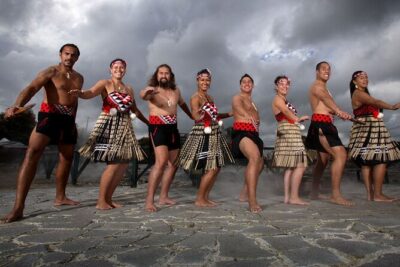
The 30-minute cultural performance is the other major part of the village visit. It includes singing, dancing, warrior demonstrations, and the haka. The haka is the moment many people anticipate, but the wider performance gives you a better sense of Māori movement, music, and group identity.
This is a staged presentation, so it is not the same as watching an informal community event. Still, it fits the visit well because the performers are presenting elements of their culture in the same community you have just explored. The young performers bring energy, while the village guide provides the background needed to understand what you are seeing.
You should think of the performance as a cultural introduction, not a complete lesson in Māori history or tradition. The quality can depend partly on your expectations. Most of the time, the singing and dancing are a strong part of the day, but one person found the show less impressive than expected. That is worth keeping in mind if you prefer long, detailed cultural programs.
What the hangi-style lunch adds
A light lunch is included and prepared in hangi style. The meal matters because it connects directly with the geothermal setting. You are not simply handed food in a coach stop. You have just learned how hot ground and steam can be used, then you get to taste food prepared in that tradition.
The listing describes the lunch as light, so do not book this expecting a large banquet. It is best treated as a welcome included meal during a busy day. Personal expenses are not included, so bring money for anything extra you may want to buy.
The food also gives you a natural break between walking and the performance. For families and older visitors, this pause helps keep the six-and-a-half-hour schedule comfortable.
A few more volcano tours around New Zealand worth a look
- Rotorua Rafting: Kaituna River White Water Rafting & Free Sauna
★ 5.0 · 1,952 reviews - Mitai Maori Village Cultural Experience in Rotorua
★ 4.5 · 1,294 reviews - Rafting Rotorua: Kaituna River White Water Experience
★ 4.9 · 1,274 reviews - Rotorua: Te Pa Tu Māori Cultural Experience with Dinner
★ 4.8 · 1,193 reviews
The drive from Tauranga to Rotorua
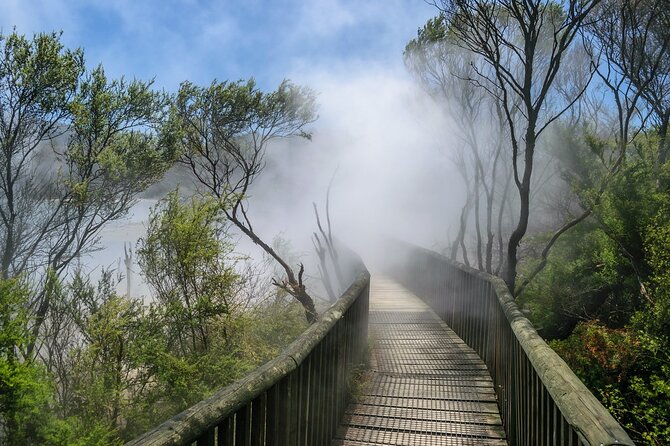
The trip begins and ends in the Tauranga area, with port pickup and drop-off for cruise passengers. The usual meeting point is 1 Salisbury Avenue in Mount Maunganui, but cruise passengers should check the confirmed departure instructions carefully because the time can change with an early or late ship arrival.
The road journey to Rotorua takes about 75 to 80 minutes in a minibus, according to the operator. That is a meaningful portion of the day. You should not choose this tour if you want to remain close to the port or dislike long drives.
I think the ride works best when you treat it as part of the outing rather than dead time. The guide provides commentary on Tauranga, Rotorua, local history, and the surrounding area. Depending on your guide, the commentary may be a major strength. Jack has been described as amusing and well informed, while Brian is known for keeping a mixed-age group moving at a good pace. Peter, Richie, Alistair, Grahame, Charlie, and Saskia have also led this route.
The vehicle is air-conditioned, which matters on a long day. The maximum group size is 20 people, considerably smaller than the large coaches commonly used by cruise lines. Smaller transport also allows the guide to respond more easily to questions and adjust the pace when possible.
Lake Rotorua and the Government Gardens
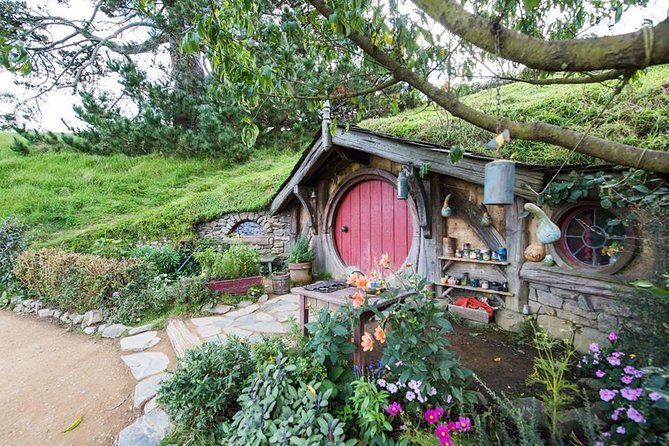
Lake Rotorua is a short viewing stop of about 15 minutes. It is the central body of water associated with the city, and it gives you a quick change from the road and geothermal village. Do not expect a long lakeside walk. This is a photo and orientation stop.
The Government Gardens receive about 10 minutes in the planned schedule. The gardens are known for the grand Elizabethan-style building that once housed New Zealand’s first health spa and now contains the Rotorua Museum. The building and grounds are worth seeing, but this tour does not provide a long visit inside the museum.
This is one of the day’s limitations. Some of the Rotorua sights are viewed during a drive or given only a short stop. If you want extended time in the gardens, museum, or city center, you would need a different itinerary.
Touring Rotorua by minibus
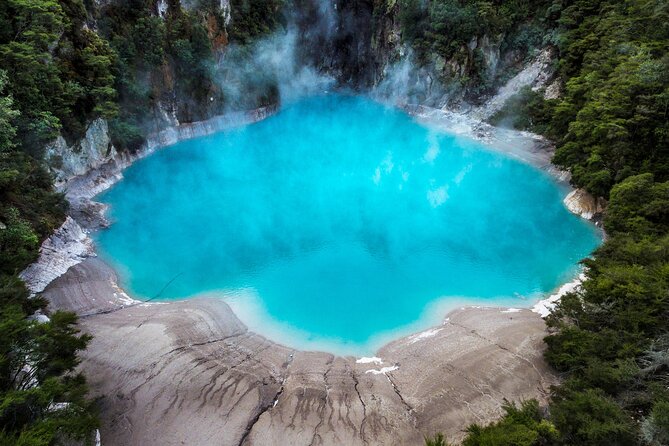
About an hour is allocated to seeing Rotorua and its main sights. The exact balance between driving, commentary, and brief stops may depend on traffic, the group, and the need to return to Tauranga on schedule.
Rotorua is a useful contrast to Whakarewarewa. The village shows how people live with geothermal ground, while the city shows the region as a major tourism center. The guide helps connect those two sides.
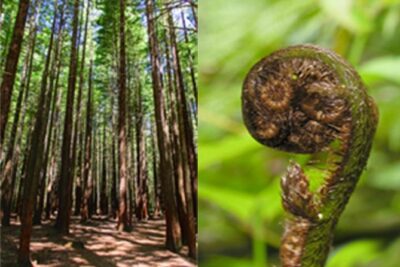
You may also pass forests and other local scenery on the route. One version of the day has included the Redwood Forest, although the supplied itinerary emphasizes the wider Rotorua tour rather than a dedicated forest walk. Confirm the exact plan if seeing the redwoods is important to you.
Mount Maunganui, Tauranga, and kiwifruit country
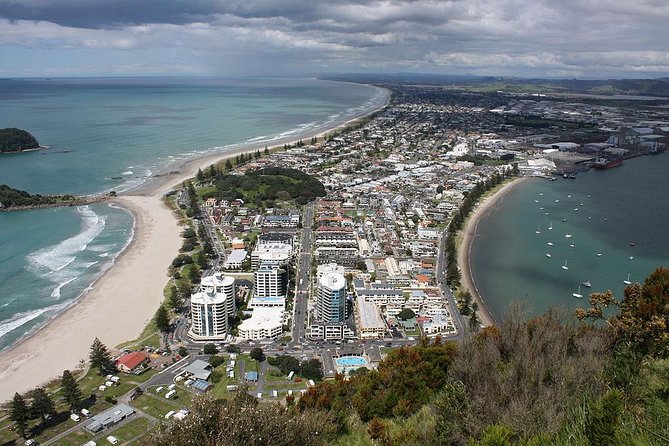
The return route includes a drive through Tauranga and Mount Maunganui. Mount Maunganui is one of New Zealand’s best-known beach suburbs and one of its more expensive residential areas. You travel along the coastal area, but the schedule does not promise a long beach stop or time to climb the mountain.
Tauranga itself is one of New Zealand’s fastest-growing cities and home to the country’s largest port. Seeing the city on the way out or back gives you useful context for the cruise stop. Again, much of this is viewed from the vehicle, so it is better for orientation than for detailed sightseeing.
The route also passes through Te Puke, known as the kiwifruit center of New Zealand. The surrounding region produces about 85 percent of the country’s kiwifruit crop. A quick kiwifruit stop has been added on some days when time allowed, but it should not be treated as guaranteed unless confirmed.
These drives are part of the value of the tour. You see more than Rotorua alone, but the tradeoff is limited time on foot. One parent appreciated that children stayed engaged with the village and the guide’s explanations, while another person wished for more actual stops and better photo opportunities outside the vehicle.
How the guides shape the experience
The operator uses experienced local guides, and the names associated with this tour include Jack, Brian, Peter, Richie, Alistair, Grahame, Charlie, and Saskia. You cannot select a particular guide when booking, but the quality of the day depends heavily on who is driving and narrating.
The strongest guides combine local history with a light touch. Richie, a former school principal from Tauranga, is especially suited to explaining the area in a clear, organized way. Brian has many years of experience and has been praised for handling groups with different ages and needs. Jack is known for mixing information with humor.
A good guide also protects the schedule. This is a shore excursion, so getting back to the ship matters. The operator says it has not missed a ship in 24 years of operation. That does not remove all risk from a delayed ship or road problem, but the focus on timing is reassuring.
Price, group size, and practical value
At $166.93 per person, this is not a cheap short attraction. It is a full-day outing with transport, a professional guide, port pickup and return, the Māori cultural performance, and lunch. If you paid separately for transport to Rotorua and admission to the village, the package could become expensive quickly.
The value is strongest for cruise passengers. You avoid arranging a rental car, finding the village, managing parking, and watching the clock alone. You also see several parts of the Bay of Plenty in one outing.
The small vehicle is another advantage. The stated maximum is 20 people, and many departures use around 12 to 20. However, the village itself may combine several tour groups. One group found about 50 people gathered for the local tour, making it hard to hear the guide. The operator does not control all arrangements once you arrive at the attraction, so this is a real, if occasional, weakness.
Free cancellation is available until 24 hours before the start time. The tour may be changed or refunded if poor weather or insufficient numbers cause cancellation. Check your email for the final departure time, and arrive 15 minutes early. The port schedule can alter the start time printed on your voucher.
Who should book this tour?
I would choose this tour if you want one substantial cultural experience and a broad look at the Tauranga and Rotorua region. It suits cruise passengers, families, older couples, and anyone who prefers a guided day to independent driving.
It is especially good for you if:
- You want to meet a local Māori guide and see a living community.
- You are interested in geothermal cooking and daily life, not only geyser photographs.
- You like commentary during scenic drives.
- You value port pickup and a planned return.
- You want lunch and a cultural performance included.
I would hesitate if you want long walks, quiet photography, or plenty of free time in Rotorua. The schedule is full, some stops are brief, and the road journey is unavoidable. People who dislike sulfur smells should also think twice.
Final verdict: a strong cultural shore excursion with a long road day
I would book this tour for the village experience, not simply for the sightseeing checklist. Whakarewarewa gives the day its purpose. The geothermal pools, Pohutu geyser, hangi cooking, local guide, and performance work together in a way that a quick drive past Rotorua cannot match.
The main compromise is time. You spend roughly two and a half hours on the road, and some attractions receive only a short stop. Still, the included transport, lunch, performance, and port return make the price reasonable for a cruise excursion.
Choose it if you want a clear introduction to Māori culture and Rotorua’s geothermal world. Skip it if you need a relaxed beach day or a deep visit to one museum. For most first-time visitors with a Tauranga port stop, this is one of the better ways to turn a single day into a memorable look at the region.
FAQ
How long does the tour last?
The tour lasts approximately 6 hours and 30 minutes, including transport from Tauranga, the village visit, Rotorua sightseeing, and the return journey.
Where does the tour start and finish?
The listed meeting point is 1 Salisbury Avenue, Mount Maunganui, New Zealand. The activity ends back at the meeting point, and port pickup and drop-off are included.
Is lunch included?
Yes. A light lunch prepared in hangi style is included. Personal expenses are not included.
What happens at Whakarewarewa Living Māori Village?
A Māori villager guides you through the living community and explains how residents use the geothermal environment. You see hot pools and steaming areas, learn about geothermal cooking, and view Pohutu geyser from a safe distance.
Is a cultural performance included?
Yes. The tour includes a 30-minute Māori cultural performance with singing, dancing, warrior demonstrations, and the haka.
Can the departure time change?
Yes. The departure time may change because of early or late cruise ship arrivals and departures. The confirmed time is sent when the booking is accepted, and you should check your email and arrive 15 minutes before the advised departure.
Just added around New Zealand
- Waitomo Glow Worm Caves & Te Puia (Rotorua) Private Tour★ 5.0 · 13 reviews
- Waitomo Glow Worm Caves & Te Puia – Rotorua’s Geothermal Valley★ 5.0 · 9 reviews
- Private Tour to Rotorua’s Natural wonders and Māori Arts & craft.★ 5.0 · 4 reviews
- TRIPLE DEAL Wai-O-Tapu, Redwood Forest & Blue Springs Ex Auckland★ 5.0 · 20 reviews
- Sunset kayak tour to Rangitoto Island★ 5.0 · 168 reviews
- Volcanic Rotorua Day Trip from Auckland★ 5.0 · 4 reviews
- Private Transfer From Auckland Airport To Rotorua★ 5.0 · 5 reviews
- Shore Excursion: Half-Day Auckland Volcanoes Tour★ 5.0 · 39 reviews
Tauranga Volcano Tours, compared.
6.5 hour Small-Group Rotorua Naturally Shore Excursion – Tauranga
Read our review →
Rotorua Geothermal Wonderland Tour – Departs Tauranga
Read our review →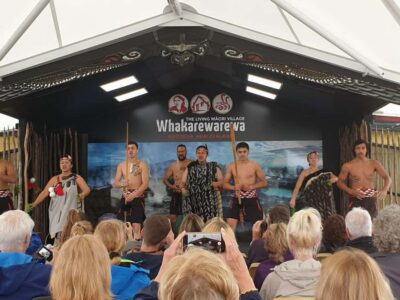
Tauranga: Rotorua Redwoods Tour & Maori Village Experience
Read our review →
Browse the lists this tour appears in