
REVIEW · BANYUWANGI
Ijen Crater Blue Fire Night Hike
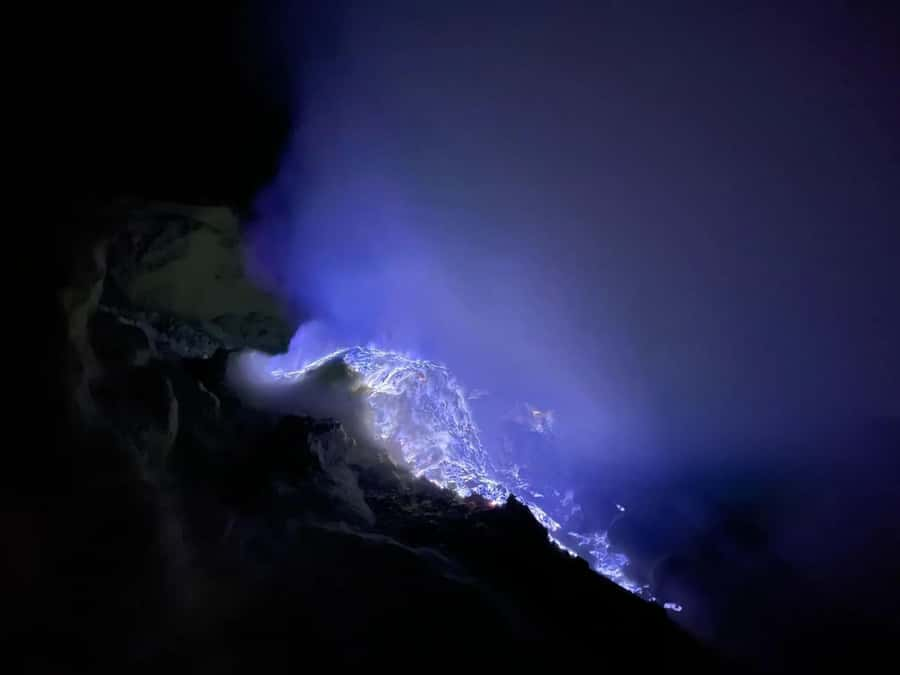
Ijen’s blue fire is the main event: electric-looking flames flicker in the darkness as volcanic gases burn inside the crater. You hike there before dawn, then watch the world’s largest acidic crater lake appear in turquoise and green as the sky brightens. It is a rare sight, but getting close can depend on slippery rock, weather, and safety rules.
I like the small groups of up to eight, which make it easier for guides to set a steady pace. I also like the strong guide team, especially Qim Qim, Sule, Ron Ron, Wahyu, Bagus, and Kiki, who are praised for encouragement, humor, and careful safety advice. The drawback is simple: this is a tough overnight outing, and the blue fire is not guaranteed. One participant chose not to descend because the rocks were too slippery.
Key points at a glance
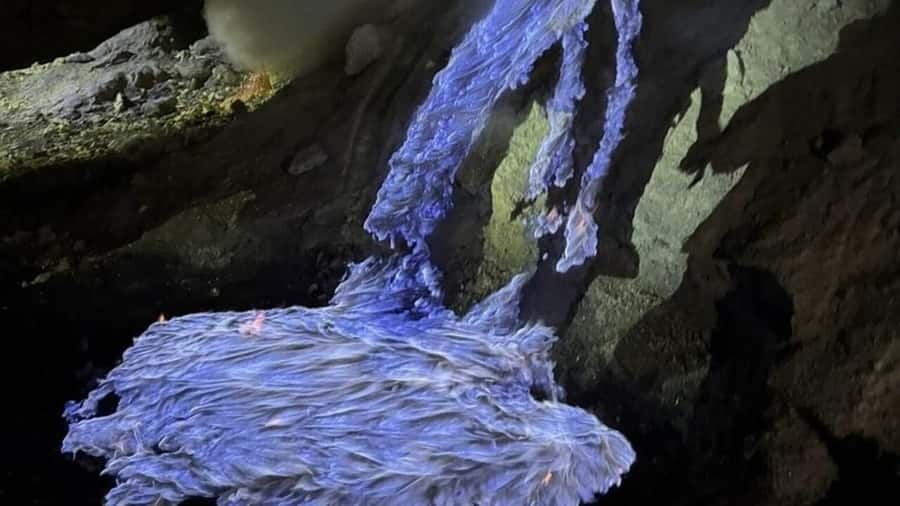
- Blue fire before sunrise: See burning volcanic gases in the dark when conditions and access allow.
- A demanding night hike: The route requires reasonable fitness, warm clothing, sturdy shoes, and patience.
- Small groups up to eight: Guides can support different walking speeds and keep the group together.
- Strong local guiding: Qim Qim and the wider team are known for humor, encouragement, safety checks, and good English.
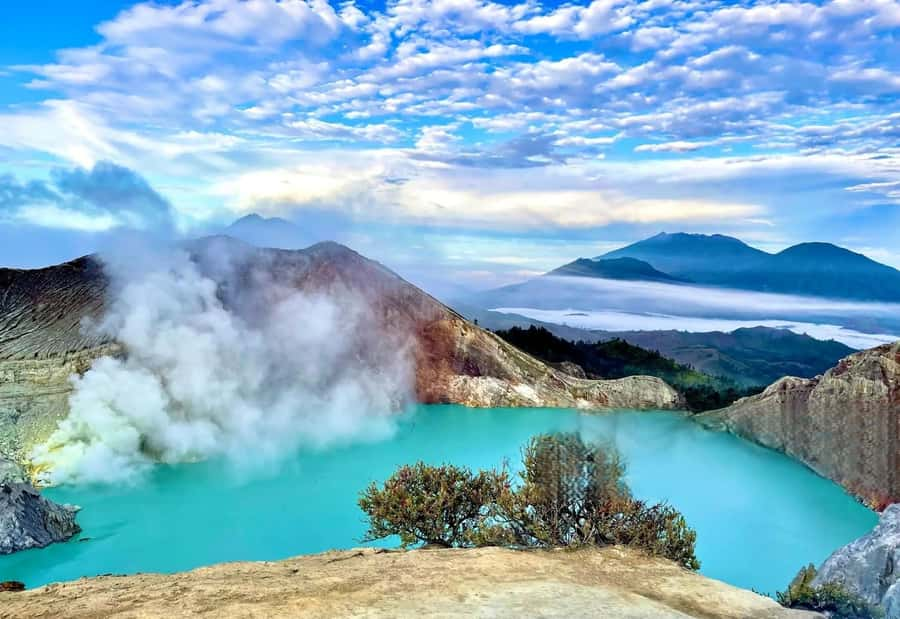
- Sunrise over an acidic lake: After the darkness fades, Ijen’s huge turquoise and green lake becomes the second great view.
- Long transport options: Pickups may begin in Bali, Ubud, Banyuwangi, Licin, or Kalipuro, with total duration ranging from 9 to 20 hours.
Why Ijen’s blue fire is worth a sleepless night
Blue fire is not ordinary lava. At Ijen, volcanic gases burn with a blue glow, and the effect can look almost unreal against the black crater walls. You need darkness to see it, which is why this tour begins late at night and reaches the crater before sunrise.
The timing also helps with crowd levels. Several participants were among the first groups down to the blue fire because their guides started early. That matters here. The narrow route can become busy, and an early arrival gives you a better chance of seeing the flames without a large group directly in front of you.
Still, I would not book this expecting a guaranteed show. The final approach can be slippery, especially in poor weather, and access may be limited for safety. One participant had a good trip but decided not to go down to the flames because the rocks were too slick. That is the right attitude: the blue fire is special, but it is not worth taking a foolish risk.
More Volcano Hikes and Treks in Indonesia
- Banyuwangi: Mt. Ijen Sunrise Hike with Pickup & Health Check
★ 4.9 · 109 reviews - Banyuwangi : Mt Ijen Hike, Blue Fire & Panoramic Lake Guided
★ 4.9 · 98 reviews - Banyuwangi: Ijen Crater Bluefire and Sunrise Guided Trek
★ 4.9 · 65 reviews
The overnight schedule, from hotel pickup to crater rim
Your day begins with pickup from one of several locations: Banyuwangi, Licin, Kalipuro, Ubud, Denpasar City, or Bali. The wide pickup area is useful if you are linking this outing with a Bali or East Java trip, but it also explains the broad 9 to 20 hour duration.
The Bali departures can involve a great deal of road time. One participant specifically praised the driver for making the long journey between Gilimanuk and Sanur twice. If you start from Bali, treat the outing as a full overnight mission rather than a short local excursion.
Pickup is optional, and you should wait in your hotel lobby 10 minutes before the scheduled time. Be punctual. The tour uses shared transport for some arrangements, and delays at the start can affect the climb and your chance of reaching the best viewing spots before the crowds.
At Lapangan Paltuding, the trailhead for Mount Ijen, you receive a 15-minute safety briefing. This is not filler. You need to understand the route, the volcanic gas precautions, and how the group will move through the dark.
The package includes an entry ticket for Mount Ijen National Park, parking, a headlamp, and a gas mask. Those inclusions reduce the number of things you must arrange yourself, though you still need proper footwear, water, warm layers, and rain protection.
Walking through the volcanic highlands in darkness
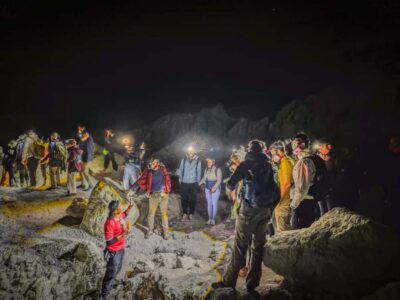
The hike begins before dawn, often around 2 a.m. according to the timing described by participants. You walk under the stars with a headlamp, following a guided route toward the crater rim.
The hike is described as moderately challenging, but that phrase should not make you careless. The route requires a reasonable level of fitness, and the overnight timing adds another layer of difficulty. You may be cold at the start, warm up as you climb, then need your jacket again when you stop near the rim.
Your guide sets the pace and helps you manage the climb. Qim Qim is repeatedly praised for encouragement, while the wider teams are noted for letting people move at a comfortable speed. That support is valuable if you are fit enough to continue but not used to steep night hikes.
Wear shoes with reliable grip. Comfortable walking shoes may be enough for some people, but proper hiking shoes are the safer choice. Pack water, a jacket, warm clothing, rain gear, and any trekking equipment you normally use. The supplied headlamp and gas mask are useful, but they do not replace good clothing or sensible footwear.
The dark makes the walk feel more dramatic, but it also hides the route. You need to stay close to the group and listen carefully to the guide. The guides are available in English, Indonesian, and Malay, and the safety briefing is an important part of the experience rather than a quick formality.
Seeing the blue flames below the rim
At Ijen, the blue fire is viewed in the darkness before sunrise. The guides lead the group toward the crater area, where burning gases create the blue glow.
This is the most physically and emotionally demanding part of the outing. The trail can be slippery, and access to the lower area may depend on current conditions. Some people may reach the flames, while others may view the area from a safer position. You should accept that possibility before booking.
The gas mask is included because volcanic gases are part of the setting. Follow the guide’s instructions carefully and use the equipment as directed. The aim is to see a rare natural event without treating an active volcanic area like an ordinary sightseeing stop.
The early start can pay off. The guides have a clear habit of trying to get groups into position before the heaviest foot traffic arrives. Several people also praised the team for keeping everyone safe while moving quickly enough to reach the blue fire early.
Do not judge the whole outing only by how close you get to the flames. If weather or rock conditions prevent a descent, the hike still includes the crater rim, sunrise, the sulfur-mining activity, and the volcanic setting. The blue fire is the headline, but it is not the only reason to come.
More Bromo and Ijen Volcano Tours in Banyuwangi:
- Banyuwangi/Bali: Ijen Volcano Midnight Blue Fire Guided Tour
★ 4.9 · 854 reviews - From Bali/Banyuwangi: Ijen Blue Fire Midnight Group Tour
★ 4.5 · 59 reviews - From Banyuwangi or Bali Sunrise Ijen Vulcano Hiking All Inclusive
★ 5.0 · 50 reviews - Ijen Blue Fire Trekking
★ 5.0 · 44 reviews
Sunrise above Ijen’s turquoise crater lake
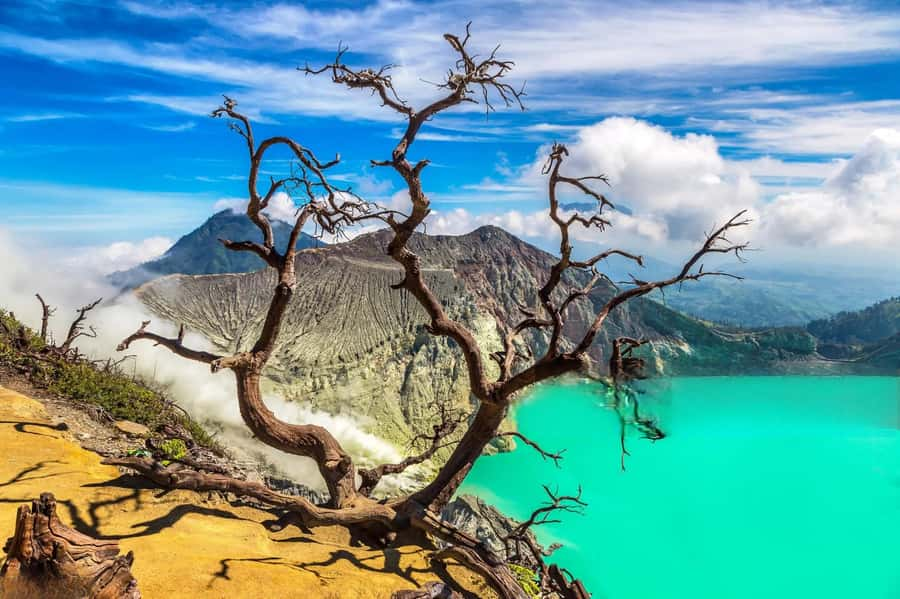
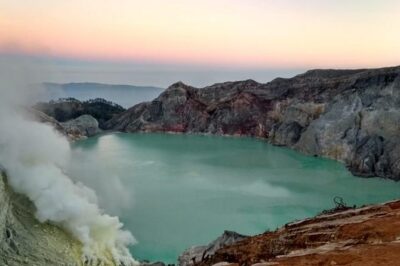
Once daylight arrives, the experience changes completely. The black, star-lit climb gives way to wide views of Ijen’s crater and its large acidic lake, which appears in shades of turquoise and green.
Sunrise is the calmer second act. The lake gives you a chance to stop, take photographs, and understand the scale of the crater after focusing on the blue flames below. The route includes a photo stop, guided touring, free time, scenic views, and sunrise viewing during the main Ijen visit.
Arriving early matters here too. One participant reached the crater edge at the beginning of sunrise and found a good viewing place before the larger groups arrived. Another described being among the first to see both the blue fire and the lake. If you care about photographs or quiet viewing, tell your guide that you would like to stay near the front of the group while still keeping a safe pace.
The color of the lake is part of the attraction, but do not treat it like a swimming spot. The activity information identifies it as an acidic crater lake, and the tour keeps you focused on viewing it from the designated route.
Meeting the sulfur miners at the crater
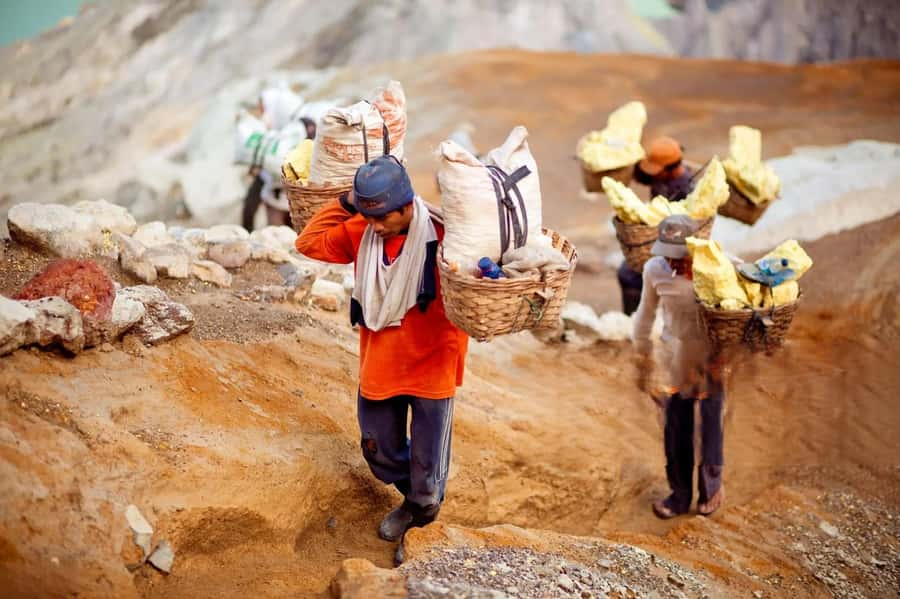
Ijen is not only a place for dramatic photographs. You also see the demanding work of local sulfur miners, who carry bright yellow sulfur from the crater.
This adds human weight to the visit. The sulfur is not a decorative detail scattered around a volcano. It comes from hard labor in a harsh setting, often involving steep paths and volcanic gases. Your guide can help explain what you are seeing, making the crater feel less like a scenic backdrop and more like a working volcanic site.
Approach this part with respect. Give miners room, listen to the guide, and avoid turning their work into a spectacle. The most valuable lesson here is the contrast between a short tourist visit and the repeated labor that takes place in the same crater.
Guides who keep the hard parts manageable
The guiding team is one of the strongest reasons to choose this trip. Qim Qim is the name that comes up most often, alongside Sule, Ron Ron, Wahyu, Bagus, and Kiki. The group is described as energetic, funny, patient, and careful about safety.
That style matters on a night hike. You need clear instructions, but you also need encouragement during the harder sections. Several people credited the guides with helping them continue when the climb became difficult. One guide even carried a kettle so the group could have hot tea near the top, a small comfort that makes sense after a cold early-morning ascent.
The humor can help keep spirits up, though you should still expect a serious approach to volcanic hazards. The best combination here is a guide who makes you laugh while also telling you when not to proceed. The comments about the team being entertaining should not be mistaken for a loose or careless operation. Safety warnings and pacing receive consistent praise.
The group limit is eight people. That is a useful size for a route where different fitness levels can quickly create gaps. You can ask questions, receive help, and avoid the anonymous feel of a large coach excursion.
What $35 includes, and where extra costs may appear
At $35 per person, this tour offers good value if you need transport, park entry, equipment, and guiding in one arrangement. The price includes pickup and drop-off service, the Mount Ijen National Park ticket, the hike, guided trekking, blue-fire viewing, a gas mask, a headlamp, a health certificate, and parking.
Meals and personal expenses are not included. Bring water and plan for food during a long outing. Since the total duration can reach 20 hours, the absence of meals is worth noting rather than treating it as a minor detail.
There is also an extra fee of 150,000 Indonesian rupiah for group pickup if your lodging is in the Ijen Resort or Licin area. Check that point before you pay so the low headline price does not surprise you later.
Free cancellation is available up to 24 hours before the activity for a full refund. You can also reserve now and pay later, which is useful when your Java plans depend on weather or transport connections.
Who should book, and who should skip it
I would choose this trip if you want a serious volcano outing rather than an easy viewpoint visit. It suits people who can handle a moderately challenging hike, an overnight schedule, cold conditions, and the possibility that the blue fire may be restricted.
It is also a good fit if you value a small group and want an active guide team. The transport coverage makes it practical for people staying in Banyuwangi, Bali, Ubud, Denpasar City, Kalipuro, or Licin, though Bali pickups can make the day especially long.
I would not choose it if you have a low level of fitness, mobility limitations, heart problems, respiratory issues, or are pregnant. The activity specifically excludes those conditions, and the volcanic gases, climb, darkness, and uneven route are not a sensible mix for an unsuitable participant.
The tour also requires a passport copy for the Ijen ticket. Have that ready in advance. Mount Ijen closes every first Friday of the month, so check your date before booking.
Should you book the Ijen blue-fire hike?
Book it if the thought of standing above a turquoise crater lake after a star-lit climb excites you more than the thought of losing a night of sleep. The blue fire is rare, the sulfur-mining context is powerful, and the guide team adds real value through pacing, humor, transport help, and safety support.
Just keep your expectations practical. The hike is hard, the schedule can stretch to 20 hours, and slippery rock may prevent a close view of the flames. For fit visitors who accept those limits, $35 is a strong price for the transport, equipment, park entry, and small-group guiding. For anyone seeking an easy excursion or a guaranteed blue-fire photograph, choose something gentler.
FAQ
How long does the Ijen blue-fire hike take?
The activity lasts between 9 and 20 hours, depending on availability, pickup point, and the transport arrangement.
What time does the hike begin?
The hike takes place overnight and is described as beginning around 2 a.m. in order to reach the blue fire before larger crowds arrive. Check the exact starting time when booking.
Is the blue fire guaranteed?
No. The blue fire can be affected by slippery rocks, weather, and safety conditions. One participant decided not to descend because the route was too slippery.
What equipment is included?
The tour includes a gas mask and headlamp, along with the Mount Ijen National Park entry ticket, parking, a health certificate, transport, and guided trekking.
What should I bring?
Bring comfortable or hiking shoes, warm clothing, a jacket, water, rain gear, and trekking equipment.
Where can pickup and drop-off take place?
Pickup and drop-off options include Licin, Bali, Denpasar City, Kalipuro, Ubud, and Banyuwangi, Indonesia. An additional 150,000 Indonesian rupiah fee applies for group pickup from the Ijen Resort or Licin region.
Is the hike suitable for everyone?
No. It is not suitable for pregnant women, people with mobility impairments, heart problems, respiratory issues, or a low level of fitness. The hike requires a reasonable level of fitness.
More Evening Tours in Banyuwangi
- Catania: Mount Etna Morning or Sunset Day Trip with Tasting
★ 4.8 · 4,028 reviews - Tenerife: Teide National Park Sunset & Stargazing Tour
★ 4.2 · 3,812 reviews - Tenerife: Sunset and Stargazing at Teide National Park
★ 4.7 · 2,826 reviews - Teide National Park Sunset & Stargazing with Dinner (Star Safari)
★ 5.0 · 2,601 reviews
More Volcano Hikes and Treks in Banyuwangi
- Bali or Banyuwangi: Mount Ijen Blue Fire Hiking
★ 4.6 · 7 reviews - Ijen Volcano Midnight Hike with Blue Fire & Guide (SHARING)
★ 4.8 · 5 reviews - From Bali : Mt Ijen Hike, Blue Fire & Panoramic Lake Guided
★ 5.0 · 5 reviews - Bali: Sunrise Mount Batur Guided Hike with Breakfast
★ 4.8 · 9,660 reviews
Just added around Banyuwangi
- From Banyuwangi or Bali Sunrise Ijen Vulcano Hiking All Inclusive★ 5.0 · 50 reviews
- Ijen Blue Fire & Sunrise Sharing Tour★ 5.0 · 6 reviews
- Kawah Ijen Midnight Tour (1 Day)★ 4.5 · 7 reviews
- 1 Day – ULTIMATE Tour Ijen Blue Fire From Surabaya, Malang and Banyuwangi★ 5.0 · 6 reviews
- Kawah Ijen Blue Fire Tour – Share Package★ 5.0 · 7 reviews
- Ijen Crater Tour★ 5.0 · 33 reviews
- 2 Days Private Tour Ijen and Bromo from Banyuwangi★ 5.0 · 31 reviews
- Guided Tour to Ijen Crater Blue Fire★ 5.0 · 4 reviews
Banyuwangi Volcano Tours, compared.
Banyuwangi/Bali: Ijen Volcano Midnight Blue Fire Guided Tour
Read our review →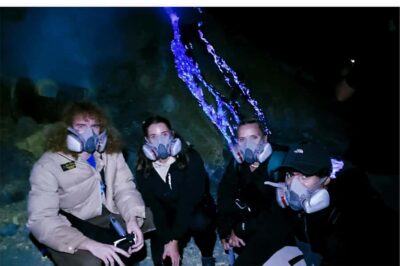
Banyuwangi: Mt. Ijen Sunrise Hike with Pickup & Health Check
Read our review →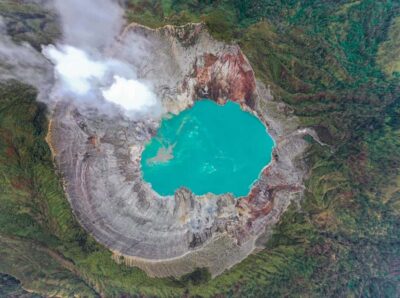
Banyuwangi : Mt Ijen Hike, Blue Fire & Panoramic Lake Guided
Read our review →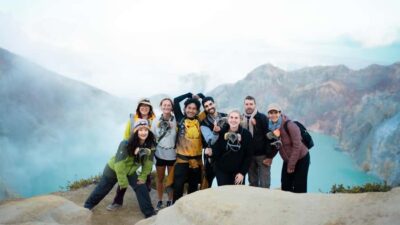
Banyuwangi: Ijen Crater Bluefire and Sunrise Guided Trek
Read our review →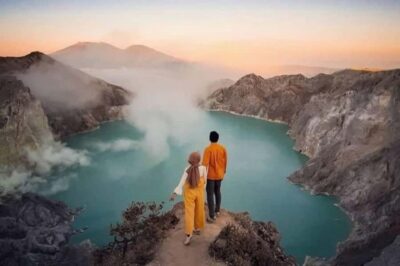
From Bali/Banyuwangi: Ijen Blue Fire Midnight Group Tour
Read our review →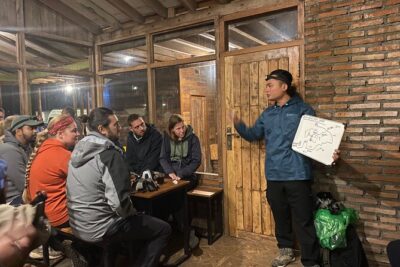
From Banyuwangi or Bali Sunrise Ijen Vulcano Hiking All Inclusive
Read our review →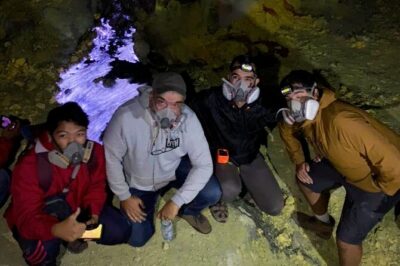
Browse the lists this tour appears in