
REVIEW · BANYUWANGI
Banyuwangi : Mt Ijen Hike, Blue Fire & Panoramic Lake Guided
Mount Ijen’s blue fire is the headline, but the full experience is much bigger: a midnight climb, sulfur miners at work, a sunrise above a turquoise lake, and a volcanic crater that feels truly wild. Guides such as Qim Qim, Malik, Raffi, and Haqim are known for keeping the group moving, sharing local details, and helping hikers over the rougher sections.
I like the early start because it can put you near the front when the park opens, giving you a better chance of seeing the blue fire before the narrow crater path fills up. I also like the practical inclusions: transport, park entry, headlamp, gas mask, safety gear, coffee or tea, and an English-speaking guide are covered for about $20 per person. The catch is simple: this is a demanding night hike, and the blue fire is never guaranteed.
Key points at a glance
- Blue fire depends on conditions: Volcanic activity, sulfur fumes, and mining work decide if it can be viewed.
- The climb begins at about 2:00 a.m.: You need enough stamina for a steep hike after very little sleep.
- The crater descent is conditional: The 900-meter descent is allowed only when fumes and ground conditions are judged safe.
- Qim Qim and his team add real energy: Their cheerful pace-setting and close attention are a major part of the experience.
- Sunrise brings the payoff: From about 2,386 meters, you can look across Ijen’s crater and lake while warming up with coffee or tea.
- Pack for cold, loose ground, and fumes: Bring warm layers, hiking shoes, long pants, drinks, cash, and expect temperatures around 8 to 13 degrees Celsius.
Why Mount Ijen is worth a sleepless night
Mount Ijen gives you three very different experiences in one outing. First comes the night hike, when your headlamp picks out the rough trail and the forest around you is mostly dark. Then comes the volcanic activity, with sulfur miners carrying heavy loads by traditional methods. Finally, daylight reveals the crater, the turquoise lake, and the surrounding highland views.
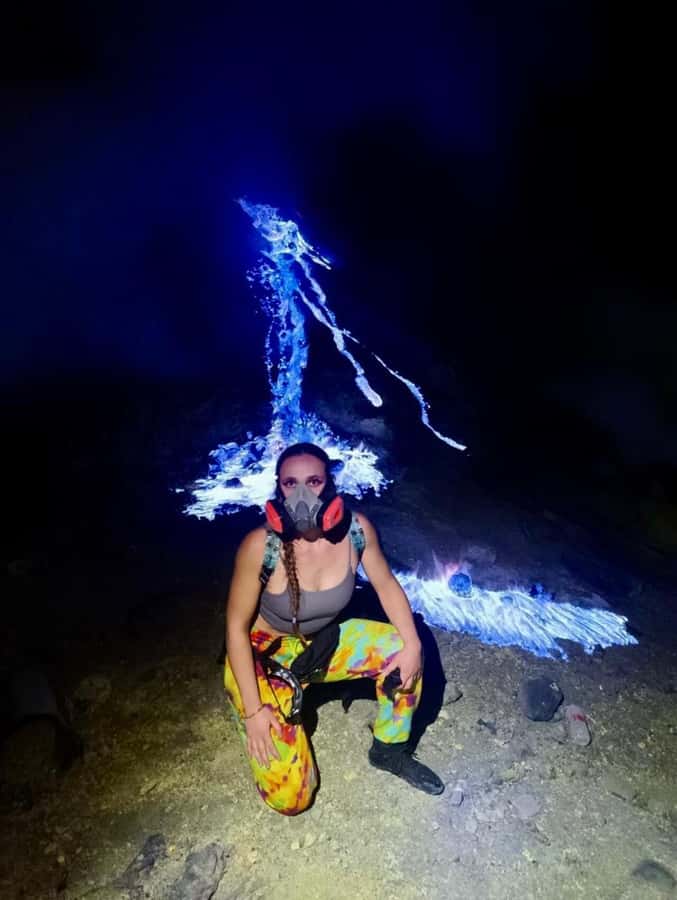
The blue fire is the unusual part. It is caused by burning sulfur gases and can appear as electric-blue flames in the darkness. It is also the least certain part of the trip. The flames may be faint, hidden by fumes, or extinguished by miners so they can work safely and efficiently. You should book this for the whole mountain experience, not for one photograph.
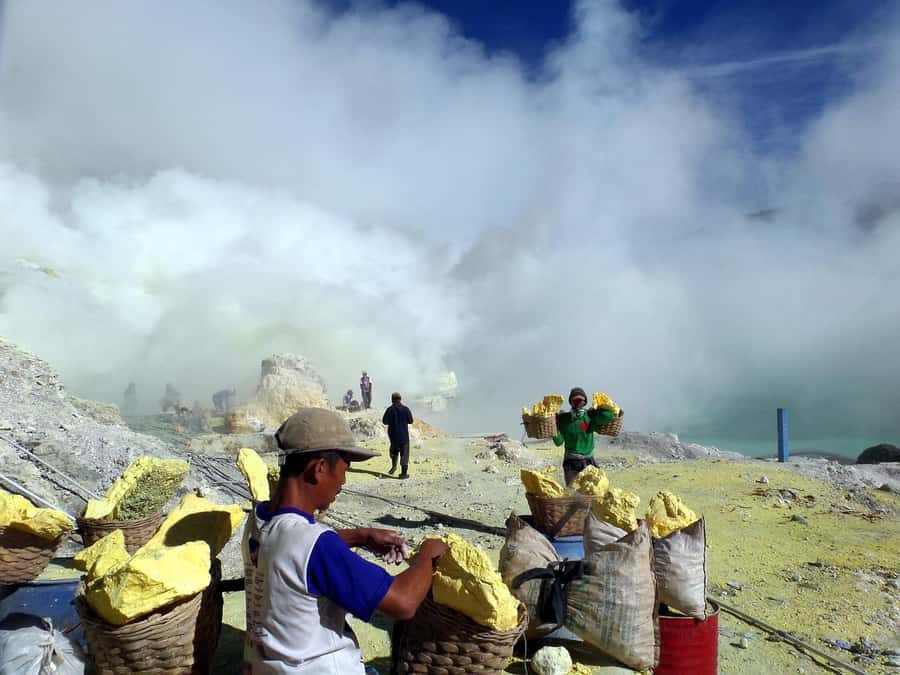
The human side matters, too. Sulfur mining here is not a staged demonstration. Miners still work with traditional methods, and your guide can explain the work and the conditions they face. Qim Qim is especially lively, often using humor, music, and encouragement to keep people going. His energy is useful at 3:00 a.m., when enthusiasm does not always come naturally.
More Volcano Hikes and Treks in Indonesia
- Banyuwangi: Mt. Ijen Sunrise Hike with Pickup & Health Check
★ 4.9 · 109 reviews - Banyuwangi: Ijen Crater Bluefire and Sunrise Guided Trek
★ 4.9 · 65 reviews - From Banyuwangi or Bali Sunrise Ijen Vulcano Hiking All Inclusive
★ 5.0 · 50 reviews
The midnight pickup from Banyuwangi
Pickup normally takes place between 11:00 and 11:30 p.m. from hotels in Banyuwangi, Glagah, Kalipuro, or Licin. You should wait in the hotel lobby about ten minutes early. The trip uses shared transport, so you may be joined by other people, and the exact feel of the ride depends on the group.
The drive ends at Bumi Perkemahan Paltuding, the main starting area for the hike. You have roughly twenty minutes there for a safety briefing, coffee or tea, and a chance to collect yourself before the climb. Use this pause well. Check your laces, adjust your layers, and make sure your headlamp and mask are ready.
One practical detail deserves attention: accommodation in Ijen resort villas or the Licin area carries an additional pickup charge of 150,000 Indonesian rupiah per group. Check this before booking so the low headline price does not surprise you later.
The ride itself is not the reason to choose this outing, but the early timing matters. Several guides aim to get their groups moving quickly once the park opens. Being near the front can give you quieter time at the crater and may improve your chance of seeing blue fire before the narrow route becomes crowded.
The 2:00 a.m. climb to the rim
The hike begins around 2:00 a.m. and usually takes about an hour to reach the summit area, though your pace and group size will affect the timing. This is not a stroll. The route rises steadily, and the loose surface can make the uphill work harder than the distance suggests.
You do not need to be an expert mountaineer, but you do need a moderate level of fitness. The tour is not suited to people with a low fitness level, mobility impairments, or serious difficulty walking on uneven ground. It is also not suitable for children under seven, pregnant women, or wheelchair users.
Good shoes matter. One person can feel fine on the climb but struggle on the descent, when the loose ground becomes slippery. Wear hiking shoes with a firm grip instead of worn trainers. Long pants protect your legs, while a jacket or warm layers help with the cold at the top.
The guides are one of the strongest reasons to book this particular trip. Qim Qim, Malik, Raffi, Ron Ron, Jojo, Kiki, Fifi, and Haqim are among the names associated with the guiding team. Their style is upbeat and hands-on. They check your pace, help slower hikers stay with the group, offer a hand on slippery sections, and take photographs at the viewpoint.
Qim Qim is often described as exceptionally energetic, sometimes singing or playing music to wake people up. That will suit you if you like a social, cheerful guide. If you prefer a quiet walk, his personality may feel a little much, though the group support is still useful.
Descending toward sulfur and blue fire
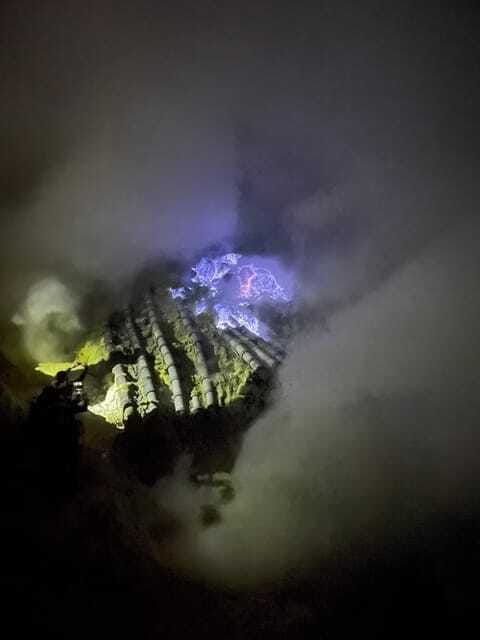
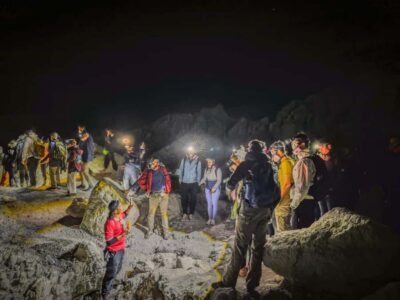
Around 3:00 a.m., you reach the summit and may begin the descent toward the crater. This is the most sensitive part of the outing. The path drops roughly 900 meters and can be steep, narrow, and exposed. You need to follow the guide closely and accept that the descent may be stopped if conditions are unsafe.
The recent earthquake has made the crater area less stable. Entry depends on the sulfur fumes and the judgment of the guide and local authorities. People with asthma, heart conditions, or a strong fear of heights should not attempt this section.
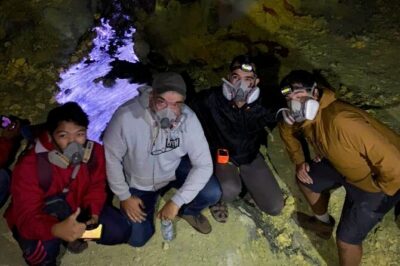
A gas mask and goggles are included, and the equipment is supplied by the tour. Still, gear does not remove the risks of an active volcano. Sulfur fumes can be intense, visibility can change, and the path may be crowded. Keep your mask ready and follow instructions rather than trying to push closer for a photograph.
If conditions allow, you may see sulfur miners at work. They carry sulfur using traditional methods, which gives the crater a serious human presence. Take care with your behavior here. This is a workplace, not a theatrical display, and the miners are trying to earn a living in difficult conditions.
Blue fire may appear during this part of the tour. When it does, darkness makes the color especially striking. But do not treat its absence as a failed trip. The flames can be extinguished by miners, hidden by fumes, or unavailable because volcanic conditions are unsuitable. No guide can guarantee it.
Some groups reach the crater early enough to have a short period with very few people around. That is a real advantage of moving promptly from Banyuwangi. Later, more than a thousand people may be using the narrow route, creating waits on the climb back up. A lively guide can keep spirits up, but no one can remove the crowds entirely.
More Bromo and Ijen Volcano Tours in Banyuwangi:
- Banyuwangi/Bali: Ijen Volcano Midnight Blue Fire Guided Tour
★ 4.9 · 854 reviews - From Bali/Banyuwangi: Ijen Blue Fire Midnight Group Tour
★ 4.5 · 59 reviews - Ijen Crater Blue Fire Night Hike
★ 5.0 · 49 reviews - Ijen Blue Fire Trekking
★ 5.0 · 44 reviews
Sunrise above the turquoise crater lake
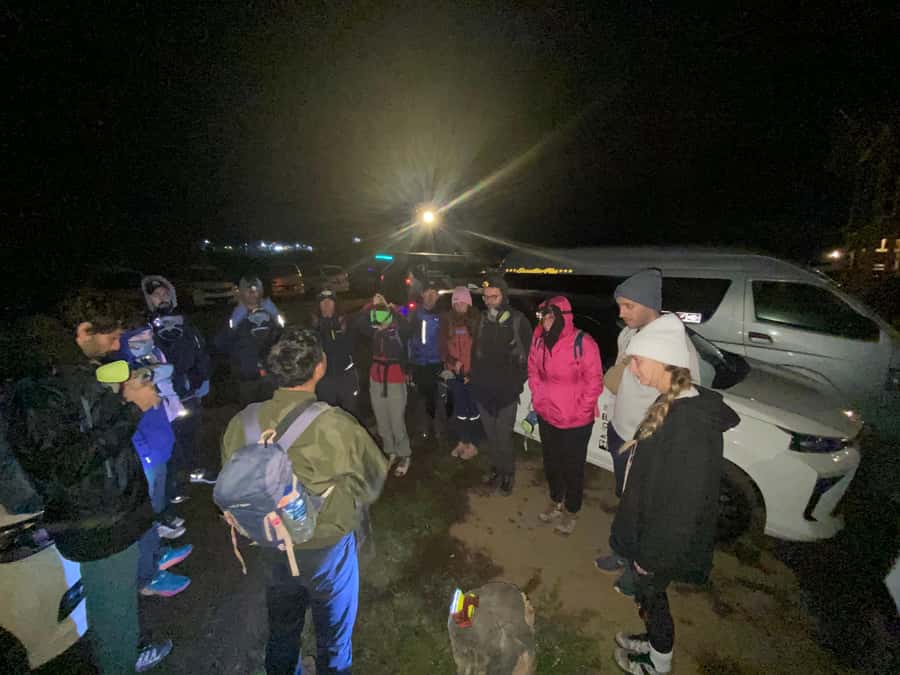
Between 4:00 and 4:30 a.m., the group begins climbing back toward the sunrise viewpoint. This reversal can feel tough. You have already walked downhill toward the crater, dealt with fumes and uneven ground, and now must regain height before daylight.
At about 5:00 a.m., the guide prepares hot coffee or tea. It is a small inclusion, but it matters. A warm drink gives you a chance to sit, catch your breath, and enjoy the changing light instead of rushing straight into the next part.
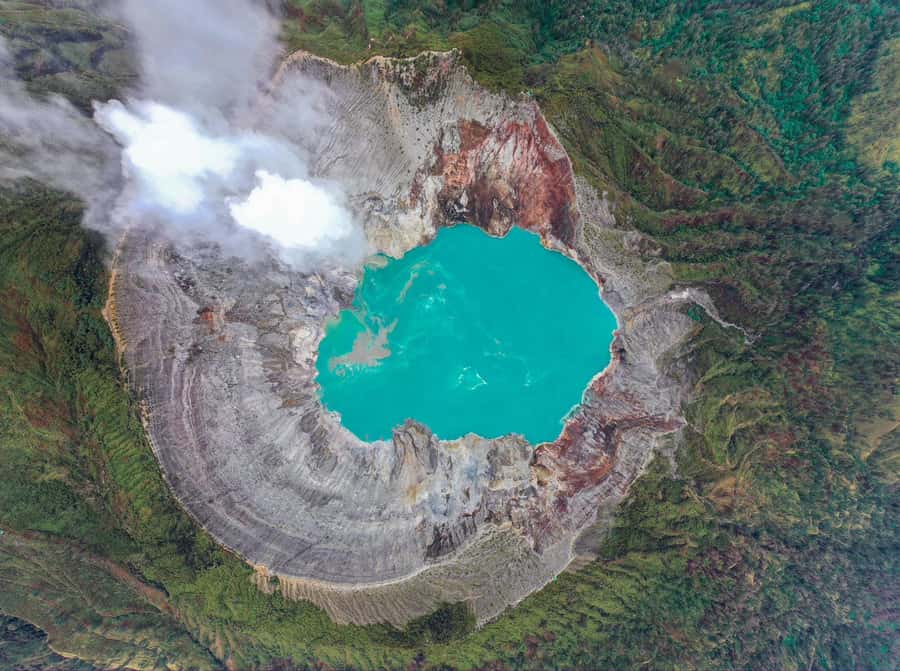
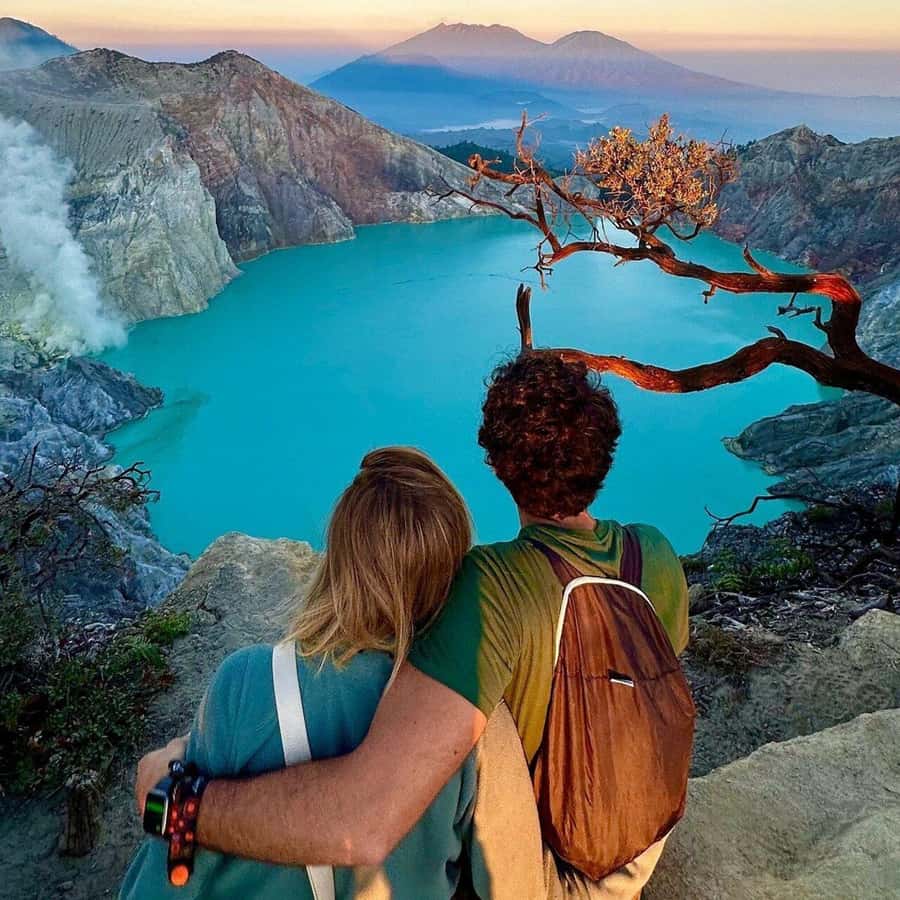
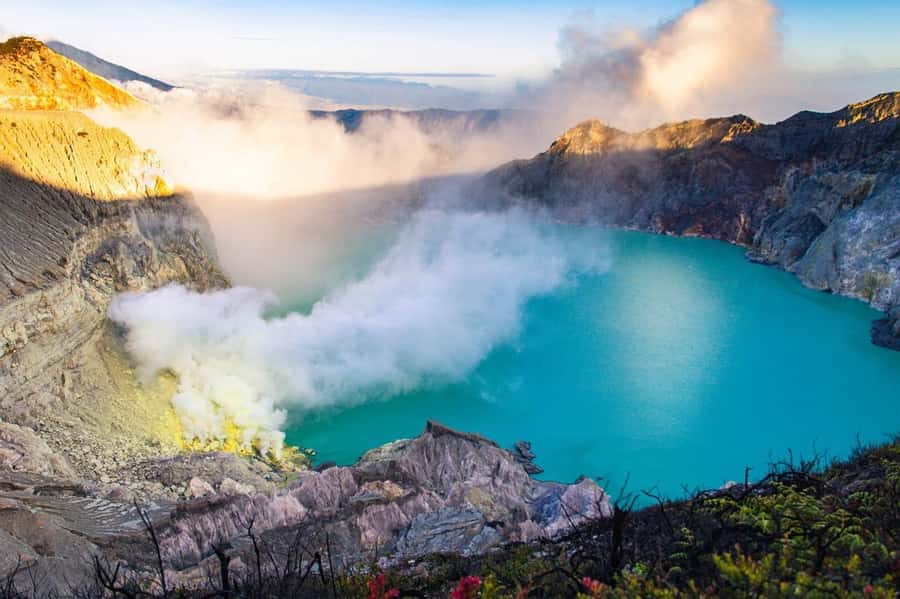
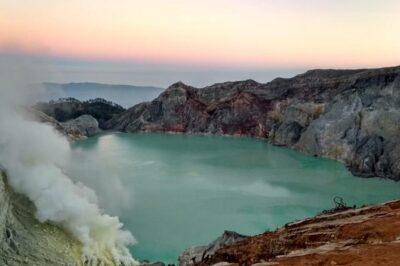
The sunrise is the most dependable visual reward, though clouds can still affect what you see. As morning arrives, the dark volcanic slopes give way to the crater and its turquoise lake. From roughly 2,386 meters above sea level, you get the wide view that is impossible to appreciate during the night descent.
Your guide can explain the history of Ijen Volcano and point out features around the crater. You also have free time for photographs. If you want pictures of yourself, ask the guide early. The team is accustomed to helping with photos and finding good spots along the rim.
I would give this section plenty of attention. The blue fire is dramatic, but the sunrise lets you understand the place. You see the scale of the crater, the unusual color of the lake, and the steep route you have just climbed. Even if fumes cancel the crater descent or the blue fire does not appear, this viewpoint can still make the trip worthwhile.
The return to Paltuding and Banyuwangi
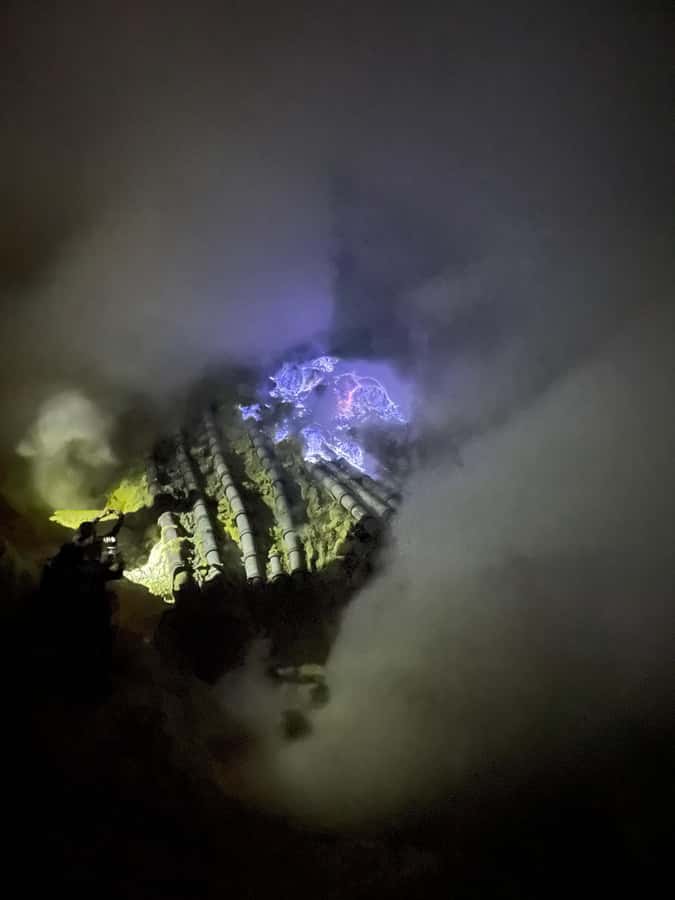
Around 6:00 a.m., you begin the walk back to the parking area. The descent is easier on your breathing than the uphill sections, but do not relax too much. Loose earth and tired legs are a poor combination, so keep your steps short and use your shoes carefully.
The group normally reaches the parking area between 7:00 and 7:30 a.m. There is time to rest before the shared car returns to Banyuwangi, usually arriving around 9:00 a.m. That makes this a nine-hour experience from pickup to drop-off, but it takes over your entire night and early morning.
Plan the rest of your day gently. The schedule gives you a full morning after a climb that began before dawn. You may feel fine after the excitement wears off, or you may want a quiet place to sleep. Do not pair this with another demanding excursion unless you are comfortable functioning on very little rest.
What the $20 price really covers
At about $20 per person, this is strong value if you would otherwise need to arrange a driver, national park entry, safety equipment, and a local guide separately. The package includes pickup and drop-off, the Mount Ijen National Park entry fee, parking, an English-speaking mountaineering guide, headlamp, gas mask, health certificate, and coffee or tea.
That list is especially useful at Ijen because the timing and safety equipment are not minor details. A headlamp is needed for the night trail. A gas mask matters near sulfur fumes. A guide helps with route decisions, group pacing, and the conditional crater access.
Food is not included, so bring drinks and something to eat. Bring cash as well. Tipping is not included, and you may want small money for personal needs.
The low price comes with shared transport and the chance of a mixed group. You will not have the same control over stops or pace as you would on a private tour. On the other hand, the guiding team appears to divide attention well, and extra guides can help people walking at different speeds.
How to prepare for the cold and hard parts
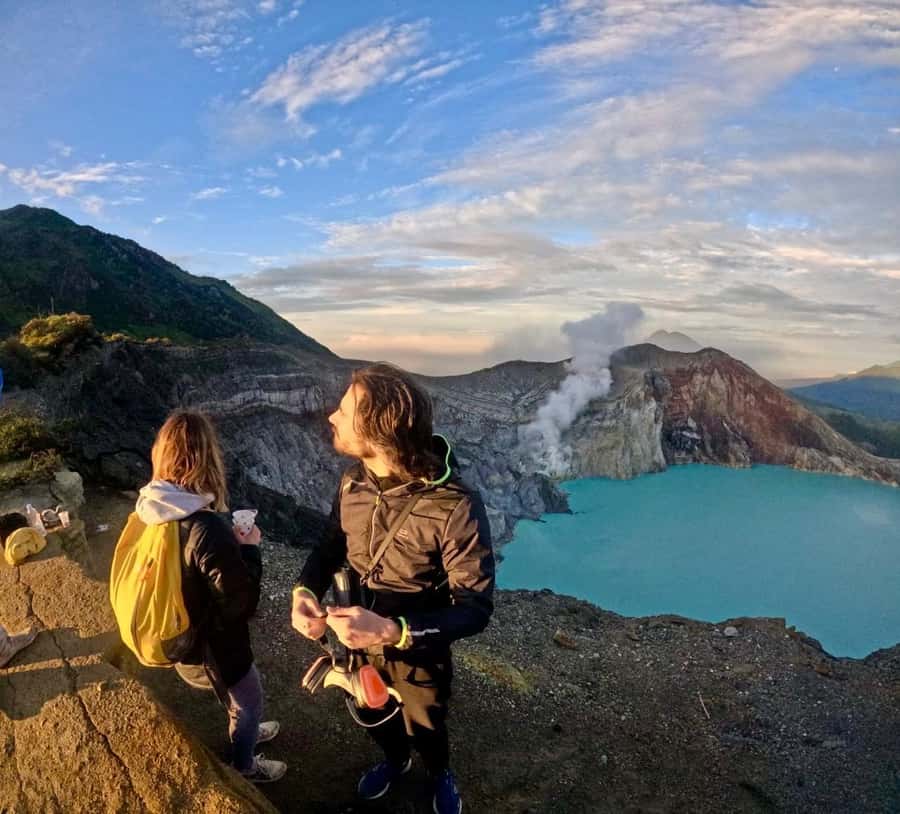
Wear warm clothing even if Banyuwangi feels hot at pickup. Temperatures near the mountain may fall to about 8 to 13 degrees Celsius, and the wind at the viewpoint can make you feel colder after sweating on the climb.
Pack:
- Hiking shoes with firm grip
- Long pants and a warm jacket
- Extra warm clothing
- Drinking water
- Small food items
- Cash
- A phone or camera with enough battery
- Any personal medication you need
Tell the guide if you are struggling. The team is used to helping people manage different paces, but you still need to be honest about your condition. The climb is not suitable for people with low fitness, asthma, heart conditions, or mobility problems.
The mountain closes every Friday of the month. Check the operating date before paying, and remember that the start is around midnight. The flexible booking policy allows cancellation up to 24 hours ahead for a full refund, and you can reserve now and pay later, which helps if your Java schedule is still changing.
Should you book this Ijen hike?
Book it if you want a well-supported night climb with transport, park entry, safety gear, a sunrise viewpoint, and a real chance of seeing sulfur mining up close. The guides, especially Qim Qim and the wider team, add a lot through encouragement, clear timing, local explanations, and practical help on difficult ground.
Do not book it solely for the blue fire. The phenomenon depends on volcanic activity, fumes, mining work, and access rules. The crater descent may close, and the flames may not appear.
For a fit person who can handle an early start, cold weather, steep ground, and a shared group, this tour offers a remarkable amount for the price. You get the best value when you see the blue fire as a bonus and judge the trip by the complete night: the hike, miners, volcanic crater, sunrise, and lake.
FAQ
What time does the Mount Ijen tour start?
Pickup usually takes place between 11:00 and 11:30 p.m. from Banyuwangi, Glagah, Kalipuro, or Licin. The hike begins around 2:00 a.m.
How long does the experience last?
The total duration is about nine hours. The usual schedule runs from late-night pickup until arrival back in Banyuwangi around 9:00 a.m.
Is the blue fire guaranteed?
No. Blue fire depends on volcanic activity, sulfur fumes, and mining conditions. Miners may also extinguish the flames, and the guide cannot guarantee a sighting.
Can everyone descend into the crater?
No. The descent is allowed only when fumes and conditions are considered safe. It is also physically demanding, with a descent of about 900 meters. People with asthma, heart conditions, or a fear of heights should not attempt it.
What equipment is included?
The tour includes a headlamp, gas mask, health certificate, Mount Ijen National Park entry, parking, transport, and an English-speaking mountaineering guide. Coffee or tea is also provided.
What should I wear and bring?
Bring warm clothing, a jacket, long pants, hiking shoes, drinks, and cash. Temperatures may be around 8 to 13 degrees Celsius, and firm-grip shoes are important on loose ground.
Is Mount Ijen open every day?
Mount Ijen is closed every Friday of the month. Check the date before booking, and note that accommodation in Ijen resort villas or the Licin area carries an additional 150,000 Indonesian rupiah per group for pickup.
More Volcano Hikes and Treks in Banyuwangi
- Bali or Banyuwangi: Mount Ijen Blue Fire Hiking
★ 4.6 · 7 reviews - Ijen Volcano Midnight Hike with Blue Fire & Guide (SHARING)
★ 4.8 · 5 reviews - From Bali : Mt Ijen Hike, Blue Fire & Panoramic Lake Guided
★ 5.0 · 5 reviews - Bali: Sunrise Mount Batur Guided Hike with Breakfast
★ 4.8 · 9,660 reviews
Just added around Banyuwangi
- From Banyuwangi or Bali Sunrise Ijen Vulcano Hiking All Inclusive★ 5.0 · 50 reviews
- Ijen Blue Fire & Sunrise Sharing Tour★ 5.0 · 6 reviews
- Kawah Ijen Midnight Tour (1 Day)★ 4.5 · 7 reviews
- 1 Day – ULTIMATE Tour Ijen Blue Fire From Surabaya, Malang and Banyuwangi★ 5.0 · 6 reviews
- Kawah Ijen Blue Fire Tour – Share Package★ 5.0 · 7 reviews
- Ijen Crater Tour★ 5.0 · 33 reviews
- 2 Days Private Tour Ijen and Bromo from Banyuwangi★ 5.0 · 31 reviews
- Guided Tour to Ijen Crater Blue Fire★ 5.0 · 4 reviews
Banyuwangi Volcano Tours, compared.
Banyuwangi/Bali: Ijen Volcano Midnight Blue Fire Guided Tour
Read our review →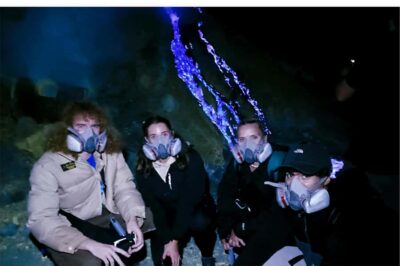
Banyuwangi: Mt. Ijen Sunrise Hike with Pickup & Health Check
Read our review →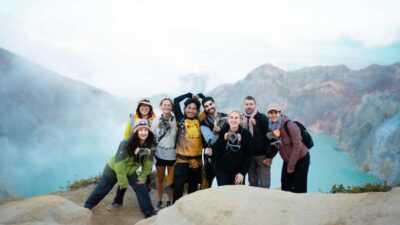
Banyuwangi: Ijen Crater Bluefire and Sunrise Guided Trek
Read our review →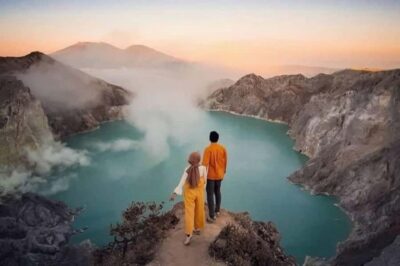
From Bali/Banyuwangi: Ijen Blue Fire Midnight Group Tour
Read our review →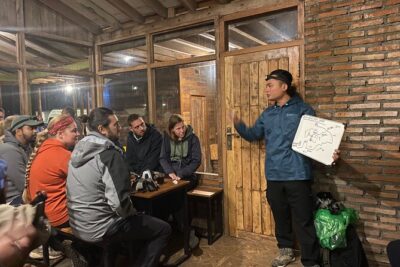
From Banyuwangi or Bali Sunrise Ijen Vulcano Hiking All Inclusive
Read our review →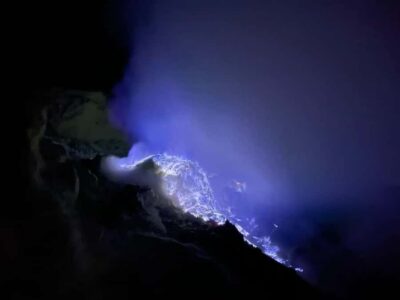
Browse the lists this tour appears in