
REVIEW · AZERBAIJAN
Gobustan, Mud volcanoes, Fire temple, Fire mountain GROUP TOUR
Azerbaijan packs an unusual amount of drama into the dry peninsula beyond Baku: prehistoric carvings, bubbling mud, an old fire-worship temple, and a hillside that burns with natural gas. This nine-hour group tour links all four places in one long but useful day.
I like the range. Gobustan gives you ancient human stories, while Ateshgah and Yanar Dag explain why fire has shaped Azerbaijan’s identity. I also like the air-conditioned transport and small group size, capped at 20 people. The main drawback is the extra cost: the $59 fare does not include roughly $23 in admission fees or lunch, and the day leaves little room for a slow pace.
Key points to know before booking
- Four very different sights in one day: Prehistoric carvings, mud volcanoes, a Zoroastrian-linked temple, and natural flames.
- Gobustan is the strongest cultural stop: The museum and open-air rock site connect ancient art with daily life thousands of years ago.
- Mud volcanoes are raw and outdoorsy: You can approach and climb active craters, but expect a basic setting rather than a polished attraction.
- The total cost is closer to $82 before lunch: The advertised price covers the guide and vehicle, not the listed ticket fees.
- The schedule begins at 9:30 AM: Pickup is arranged from a location in Baku, with the tour ending around Fountain Square.
- A small group helps: The maximum is 20 people, though the quality of the day still depends heavily on the assigned guide.
Why this day beyond Baku is worth your time
Baku is a polished Caspian capital, but the most distinctive stories often sit outside the city. This tour takes you across the Absheron Peninsula and toward Gobustan, where human history, geology, and religion meet in a single route.
The combination feels more worthwhile than visiting only one of these places. Gobustan explains the distant past. The mud volcanoes show that the ground is still active. Ateshgah introduces the region’s old fire traditions, and Yanar Dag gives you the memorable image of flames rising from a hillside.
The pace is brisk. You will spend about two hours at Gobustan, one hour at the mud volcanoes, one hour at Ateshgah, and about 40 minutes at Yanar Dag, with lunch in the middle of the day. Driving time fills out the rest of the nine-hour schedule, so this is best for you if you want broad coverage rather than long museum visits.
The tour has a 4.6 rating from 19 recorded reviews, with 95 percent recommending it. That is a positive signal, but the small sample means you should keep expectations realistic. One poor experience described an inexperienced guide who gave little information and even slept during part of the drive. The operator disputed that booking and asked for the guide’s name, so the complaint is not fully clear. Still, it points to the one element you cannot control in advance: your guide.
A few more volcano tours around Baku worth a look
- Baku: Gobustan, Mud Volcano, Fire Mount, Temple Lunch Entry
★ 4.9 · 3,246 reviews - BEST Gobustan, Volcanoes & Absheron Fire Tour (Group or Private)
★ 5.0 · 1,254 reviews - Baku: Gobustan, Volcanoes, Fire Temple and Yanardag Day Trip
★ 4.7 · 433 reviews
Gobustan Museum and the oldest marks in the day
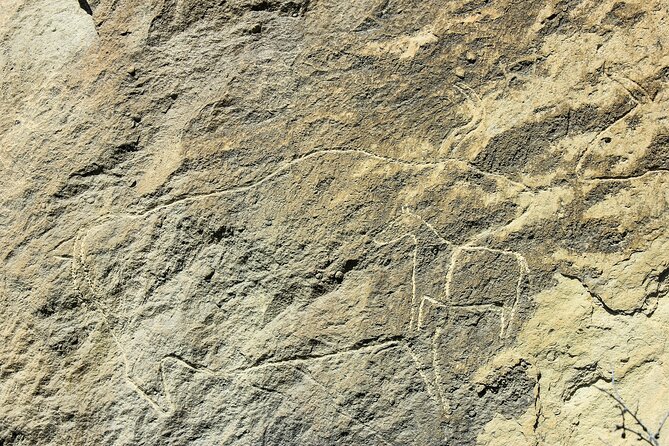
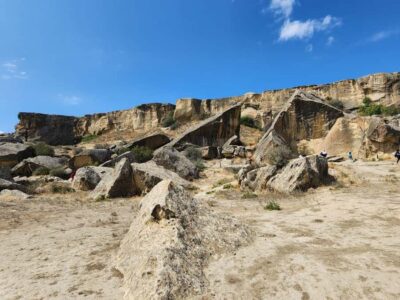
Gobustan is the intellectual center of the outing. The interactive museum introduces the area’s prehistoric people, animals, natural setting, archaeological work, and cultural development before you head outside to the actual rocks.
Touch screens and 3D panoramas help show how people lived between roughly 5,000 and 20,000 years ago. Historical objects in the museum date from about the fourth to second millennia BC. That makes the indoor visit useful even if you are not already interested in archaeology, since it gives context to the carvings you see later.
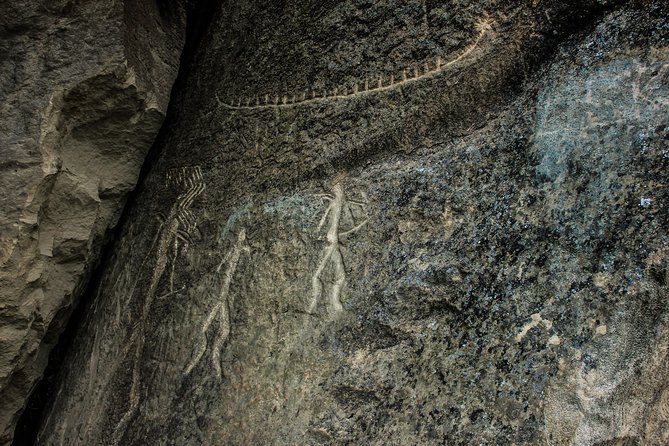
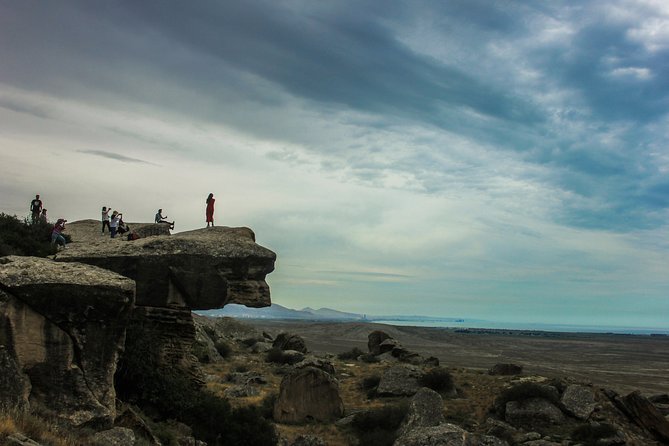
The open-air section is where the place becomes more memorable. Your guide takes you among the rocks to view petroglyphs cut into their surfaces. These images offer a direct link to people who lived here long before written records, cities, or modern borders.
I like that the stop is not reduced to a quick photo beside a sign. The museum gives you a way to read the carvings as evidence of life, work, belief, and the local environment. Try to pay attention to the explanation of how archaeologists study the site, not just to the most visible drawings.
The two-hour allocation is generous compared with the later stops. That matters because Gobustan has both an indoor museum and an outdoor site. Admission is not included, so keep part of the extra $23 ticket budget for this and the other attractions.
Mud volcanoes up close
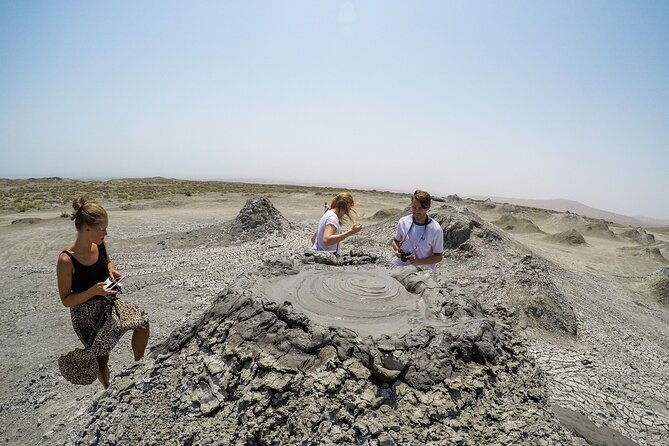
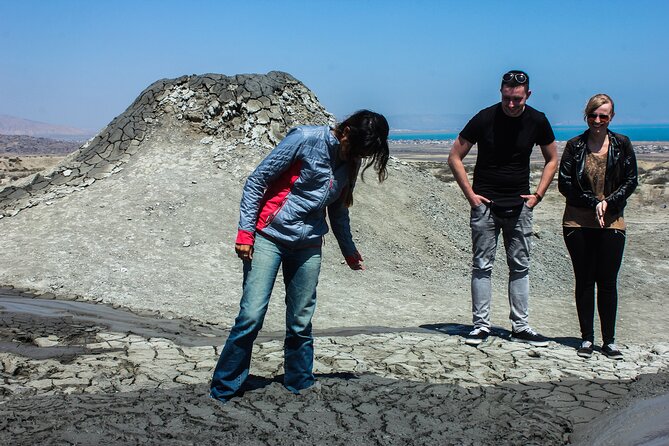
Azerbaijan has one of the world’s largest concentrations of mud volcanoes. About 350 of the world’s 800 mud volcanoes are said to be in the country, and the tour visits active examples near Gobustan.
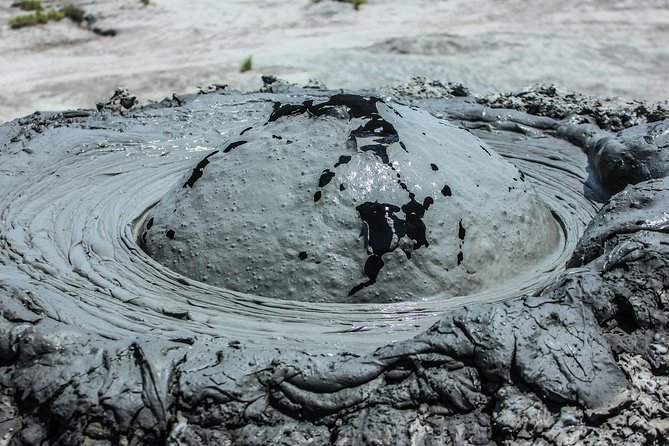
These are not lava volcanoes. They push mud and gases from underground, creating bubbling craters and low, unusual cones. The tour lets you climb and view the craters at close range, which gives this stop a more physical feel than the museum.
The geology also has a practical side. Volcanic mud and clay have been used in chemical and construction industries, pharmacology, and treatments connected with skin, rheumatism, and the nervous system. You do not need to treat the visit as a spa experience, but this background helps explain why the formations matter beyond their odd appearance.
The setting is likely to feel basic and exposed. The supplied details do not promise facilities or a developed visitor center, so wear sensible shoes and follow the guide near the craters. The tour provides transport, but it does not list special outdoor equipment.
One hour is enough for a close look, especially after the longer Gobustan visit. If you want a slow geological outing, this schedule may feel short. If you want to see something genuinely unusual without adding another day to your trip, it earns its place.
Lunch break and the shape of the day
Before the second part of the tour, you get a one-hour lunch break in the city center. Lunch is not included, so you pay for your own meal.
This break divides the day well. Gobustan and the mud volcanoes are the remote, outdoor half. Ateshgah and Yanar Dag form the fire-themed section afterward. You should think of lunch as a chance to reset rather than as part of the tour’s cultural program.
The schedule does not identify a particular restaurant or provide a set menu. That gives you flexibility, but it also means the value of the meal depends on where you choose to eat and what you order. Keep the break within the allotted hour, since the afternoon stops are timed.
Same volcano country, a different day out:
- Gobustan-Mud Volcan-Fire Temple and Mountain Tour/Entrance inc
★ 5.0 · 267 reviews - Baku:Gobustan Mud Volcanoes Temple & Entry tickets included
★ 4.8 · 178 reviews - Baku: Gobustan/Absheron guided tour with lunch and tickets
★ 4.8 · 158 reviews - Baku: Half-Day Gobustan and Mud Volcanoes Tour with Entry
★ 4.7 · 144 reviews
Ateshgah Fire Temple and the old religion of flame
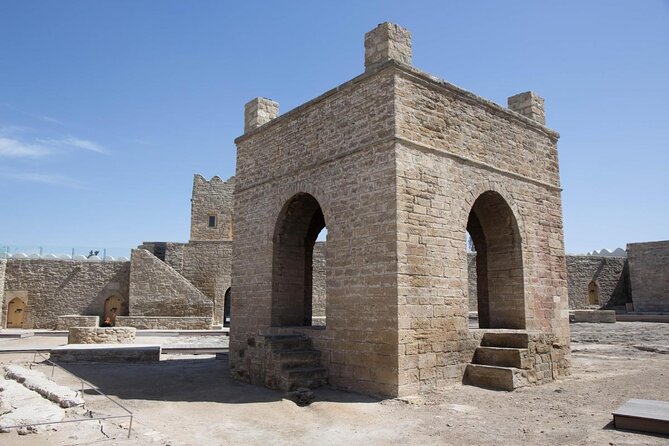
Ateshgah introduces a different side of Azerbaijan. Based on Persian and Indian inscriptions, the site served as a place of worship for Hindu and Zoroastrian communities. The first mention of the temple dates to the seventh century AD.
The temple complex includes cells used by fire worshippers, along with objects connected to daily life and religious practice. You may see cookware, inscribed stone slabs, clothing elements, and other finds from archaeological work.
This is a valuable stop because it prevents the fire theme from becoming a string of strange sights without context. Ateshgah shows that fire was not merely a natural curiosity. It could shape pilgrimage, ritual, architecture, and community life.
The one-hour visit should give you time to look around the cells and hear the explanation from your guide. I would pay close attention to the Persian and Indian connections, since they place the temple within wider religious and trading links rather than treating it as an isolated monument.
Admission costs extra. The tour description lists total ticket fees of about $23, but does not break down the charge for each site. Bring enough money for those admissions and lunch instead of assuming the $59 price covers the full day.
Yanar Dag, the burning mountain
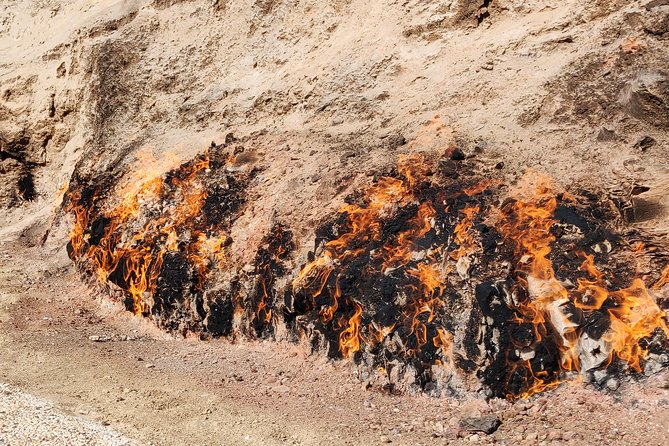
The final stop is Yanar Dag, which means Burning Mountain. It is a natural gas flame that has burned on a hillside of the Absheron Peninsula since ancient times.
After the museum displays and archaeological remains, Yanar Dag is simple and visual. You see fire rising from the ground, a reminder that gas lies beneath this part of Azerbaijan. The stop lasts about 40 minutes, which is usually enough for the sight itself and the guide’s explanation.
The site also has a religious connection. Pilgrims from Iran and India still come to visit the burning mountain, continuing the link between natural fire and spiritual practice that you explored at Ateshgah.
Yanar Dag works well at the end because it leaves you with the clearest image of the day. It is also the shortest major stop, so do not expect a long walk or an extended visit. The point is the flame, its setting, and its place in the story of the peninsula.
Transport, group size, and timing
Pickup usually begins at 9:30 AM from a location within Baku. The listed starting point is on the road to Nizami Badalan School, while the stated end point is near Fountain Square. The practical pickup arrangement is important, so check the exact meeting instructions after booking rather than relying only on the general map listing.
An air-conditioned vehicle is included. That is useful for a full day covering several sites, especially after time outdoors at Gobustan and the mud volcanoes. The group can contain up to 20 people. That is not a private tour, but it is smaller and easier to manage than a large coach excursion.
The route takes about nine hours. You should keep your evening fairly open, since traffic around Baku can affect the return time. At the end, you are dropped off at your location in Baku according to the stated arrangements, with Fountain Square listed as the endpoint.
The day is organized for coverage. You will not have much free time at any stop, and the guide controls the movement between sites. That structure is a benefit if you have only a few days in Baku. It is less appealing if you prefer to linger, sketch, photograph, or read every display at your own pace.
What the $59 price really covers
At $59 per person, the tour is reasonably priced for a nine-hour outing with an accredited guide and air-conditioned transport. The value comes from combining four destinations that would otherwise require separate planning and transport.
The headline price is not the final cost. About $23 in ticket fees is listed separately, and lunch is also on you. In practical terms, plan for roughly $82 before food and drinks. That remains fair for a full day, but it is better to know the real budget before you book.
The tour makes the most sense if you want transport arranged and prefer one coordinated route. It may be less attractive if you are comfortable organizing your own car and paying each admission separately. A private option could also suit you better if you want control over the timing, though this experience is specifically built around a shared group.
The strong point is efficiency, not luxury. You are paying for access to several far-flung sights in one day, not for included meals, premium admission, or a private vehicle.
Who should book this tour
I would choose this tour if you have limited time in Baku and want to understand the area through several connected themes. It suits first-time visitors who want history, geology, religion, and a striking natural sight without arranging four separate excursions.
It is also a good fit for anyone who likes a clear schedule and does not mind spending much of the day in a vehicle. The museum, open-air carvings, craters, temple, and flame each offer something different, so the day rarely feels repetitive.
Families and most people with ordinary mobility can participate, according to the supplied information. The mud volcano stop involves climbing near the craters, so you should be comfortable with that kind of outdoor visit. The details do not describe special accessibility arrangements, so contact the provider if you need specific assistance.
You may want another plan if your priority is a relaxed pace, specialist archaeology, or a long visit at one site. The guide makes a big difference here. Most of the available feedback is positive about the experience overall, but the one disputed complaint about poor guiding is a reminder to judge the tour partly on the assigned guide’s performance.
Book at least 24 hours before departure if you want the option of a full refund. The tour can be canceled for poor weather or if the minimum group size is not reached, in which case you are offered another date or experience, or a refund.
Should you book the Gobustan and fire tour?
Yes, if you want a well-packed introduction to the unusual places outside Baku. Gobustan is the major reason to go, while the mud volcanoes, Ateshgah, and Yanar Dag give the day variety and help explain Azerbaijan’s long connection with earth, gas, and sacred fire.
Just budget for the extra admission fees and lunch, and accept that the schedule is full. If you prefer a private pace or detailed specialist commentary, look for a smaller private outing. For most people with one free day, this group tour offers a practical way to see four of the region’s most distinctive sights.
FAQ
How long does the tour last?
The tour lasts approximately nine hours, beginning around 9:30 AM and ending with drop-off in Baku.
What places does the tour visit?
It visits Gobustan Rock Art Museum and the open-air rock site, nearby mud volcanoes, Ateshgah Fire Temple, and Yanar Dag Burning Mountain.
Is transportation included?
Yes. An air-conditioned vehicle is included, along with an accredited tour guide.
Are entrance tickets included?
No. Ticket fees are listed separately at about $23 per person.
Is lunch included?
No. You receive a one-hour lunch break in the city center, but you pay for lunch yourself.
How large is the group?
The tour can have a maximum of 20 travelers.
Where does the tour start and finish?
The listed start point is on the road to Nizami Badalan School in Baku. The listed end point is near Fountain Square, with drop-off at your location in Baku stated as part of the arrangements.
Can I cancel for a full refund?
Yes, if you cancel at least 24 hours before the experience starts. Cancellations or changes made less than 24 hours in advance are not refunded or accepted.
Just added around Baku
- Gobustan Rock Art & Mud Volcanoes Tour★ 5.0 · 36 reviews
- Qobustan rock arts, Mud Volcanoes, Fire temple Ateshgah, Yanardag★ 5.0 · 30 reviews
- Mud Volcanoes & Gobustan Private Tour★ 5.0 · 9 reviews
- Gobustan National Park & Mud Volcanoes Tour★ 5.0 · 17 reviews
- Gobustan and Mud volcanoes PRIVATE TOUR★ 4.5 · 12 reviews
- Gobustan and Mud volcanoe GROUP TOUR★ 5.0 · 13 reviews
- Mud Volcanoes & Gobustan tour (Group & Private)★ 4.5 · 59 reviews
- Gobustan Rock Art and Mud volcanoes PRIVATE TOUR★ 5.0 · 9 reviews
Azerbaijan Volcano Tours, compared.
Baku: Gobustan, Mud Volcano, Fire Mount, Temple Lunch Entry
Read our review →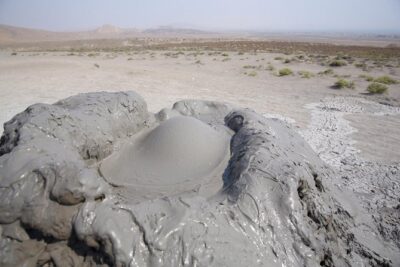
BEST Gobustan, Volcanoes & Absheron Fire Tour (Group or Private)
Read our review →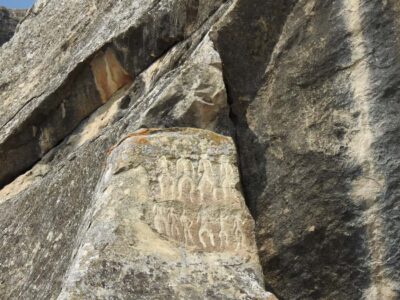
Baku: Gobustan, Volcanoes, Fire Temple and Yanardag Day Trip
Read our review →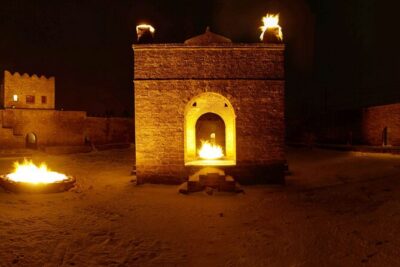
Gobustan-Mud Volcan-Fire Temple and Mountain Tour/Entrance inc
Read our review →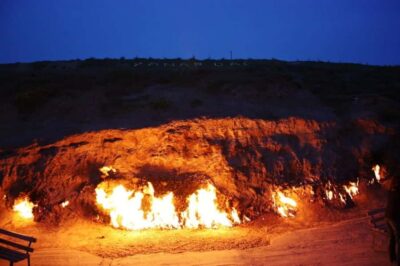
Baku:Gobustan Mud Volcanoes Temple & Entry tickets included
Read our review →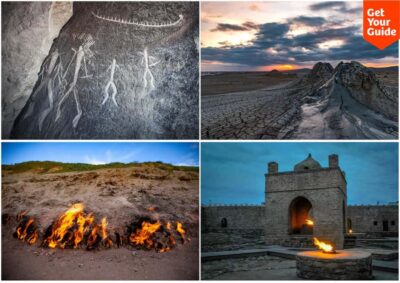
Baku: Gobustan/Absheron guided tour with lunch and tickets
Read our review →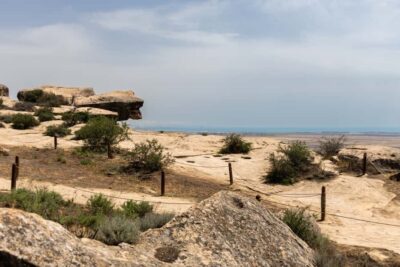
Baku: Half-Day Gobustan and Mud Volcanoes Tour with Entry
Read our review →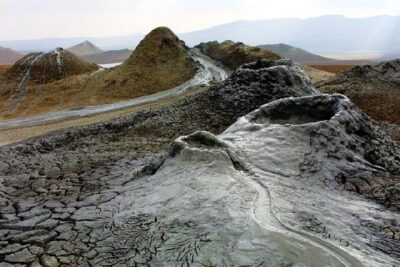
Browse the lists this tour appears in