
REVIEW · AZERBAIJAN
Qobustan rock arts, Mud Volcanoes, Fire temple Ateshgah, Yanardag
Azerbaijan’s most unusual sights are spread beyond Baku: 6,000 ancient rock drawings, mud volcanoes linked to oil fields, and fires that burn where gas reaches the surface. This private tour gathers them into one long day, with a local guide to connect ancient human life, Zoroastrianism, and Azerbaijan’s nickname, the Land of Fire.
I like the private vehicle for up to seven people, since you avoid a large coach and can share the day with your own group. I also like the range of stops: Qobustan gives you archaeology, while Ateshgah and Yanar Dag explain the country’s fire traditions in very different ways. The main drawback is the pace. Nine hours is a lot of time on the road, and the scheduled visits are fairly short, especially at Yanar Dag.
Key points to know
- 6,000-plus petroglyphs at Qobustan: See an open-air collection of prehistoric rock carvings and a museum about the people who made them.
- A private day for up to seven: Your group gets private transportation, an air-conditioned vehicle, a multilingual guide, and WiFi onboard.
- Two different fire sites: Ateshgah is a historic temple linked to Zoroastrian fire worship and later Hindu and Sikh communities, while Yanar Dag is a natural gas fire on a hillside.
- Azerbaijan’s mud-volcano country: About 350 of the world’s roughly 800 mud volcanoes are found in Azerbaijan.
- Budget for admission and lunch: Lunch is not included, and museum tickets are listed at a total of $15 per person.
- Best for a full day outside Baku: The tour lasts about nine hours and includes pickup, but the long schedule leaves limited time at some individual sights.
Four very different faces of Azerbaijan in one day
This excursion works because the four stops do not repeat one another. You begin with religious history at Ateshgah, see a natural flame at Yanar Dag, encounter the strange geology of mud volcanoes, then finish with ancient art at Qobustan.
That order gives you a useful frame for Azerbaijan. Fire is not just a modern tourist theme here. It shaped religious belief, helped define local identity, and still appears in natural gas flames and mud eruptions. At Qobustan, the focus shifts far back in time to the people who lived in this part of the country and left images on stone.
The tour is private, but it is not a private guide-only walking experience. You will spend a good part of the day in the vehicle between Baku and the sights. For a short stay, that tradeoff makes sense: you cover four major attractions without arranging separate transport.
A few more volcano tours around Baku worth a look
- Baku: Gobustan, Mud Volcano, Fire Mount, Temple Lunch Entry
★ 4.9 · 3,246 reviews - BEST Gobustan, Volcanoes & Absheron Fire Tour (Group or Private)
★ 5.0 · 1,254 reviews - Baku: Gobustan, Volcanoes, Fire Temple and Yanardag Day Trip
★ 4.7 · 433 reviews
Ateshgah Fire Temple and the old worship of flame
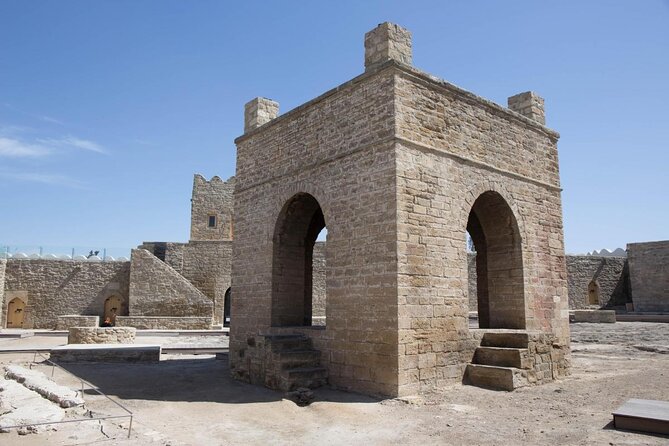
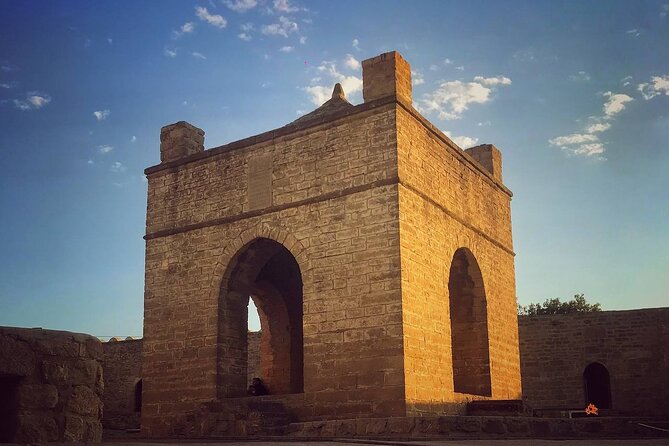
Ateshgah, also called the Fire Temple, is the first stop and lasts about 30 minutes. It is one of the clearest places to explore the connection between Azerbaijan and Zoroastrianism, the ancient religion associated with the worship of fire.
The site was considered sacred because natural gas rose from underground and caught fire when it met oxygen. Before modern control of gas supplies, such flames could burn for long periods. Zoroastrians regarded these fires as signs of divine power and came here to worship.
The building you see today dates mainly from the 17th and 18th centuries. It was built by a Hindu community from Baku associated with Sikhs, which adds another layer to the site. Ateshgah is therefore not simply an ancient Zoroastrian temple preserved unchanged through time. It reflects several religious communities and a long tradition of pilgrimage around natural gas flames.
I like this stop because it gives the fire theme some human meaning. At Yanar Dag, you see nature at work. At Ateshgah, you see how people built beliefs, rituals, and architecture around that natural event.
Thirty minutes is enough for a focused visit, but not for a slow examination of every detail. If religious history interests you, listen closely to the guide here. The site is more rewarding when you understand why fire mattered, rather than treating it as a quick photo stop.
Admission tickets are not included. The stated total for museum tickets is $15 per person, so include that extra cost when comparing the tour price.
Yanar Dag and Azerbaijan’s living flame
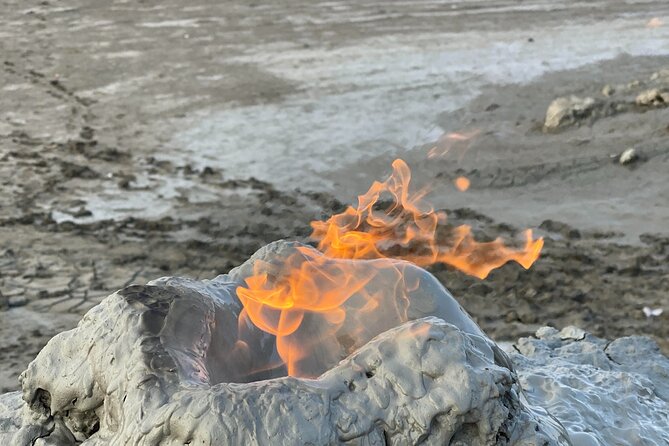
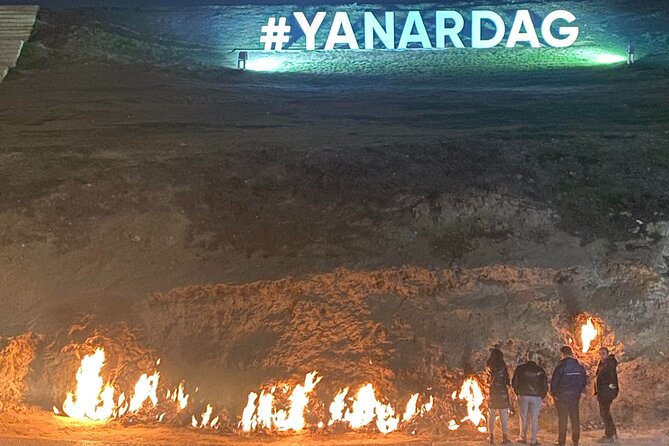
Yanar Dag is a much shorter stop, about 15 minutes. Its name means Burning Mountain, and the attraction is a natural gas flame on a hillside.
The fire comes from underground gas reaching the surface and igniting. This is different from Ateshgah, where the main interest is the temple and its religious use. At Yanar Dag, the flame itself is the star.
The short visit is enough to see the burning slope and hear how natural fire sources helped shape old beliefs in Azerbaijan. People once saw these flames as manifestations of divine power. That belief helped make the area a center for fire worship before later religious changes.
You should set your expectations correctly. This is not a large archaeological site with hours of exhibits. It is a brief stop built around one striking natural feature. Fifteen minutes may feel perfectly adequate, though you may wish for more time if you want to pause, photograph the fire, and listen to the explanation without rushing.
Together, Ateshgah and Yanar Dag make a good pair. One shows a structure created around sacred fire. The other shows the raw natural phenomenon that helped inspire those traditions.
Mud volcanoes, oil fields, and a very strange hour outdoors
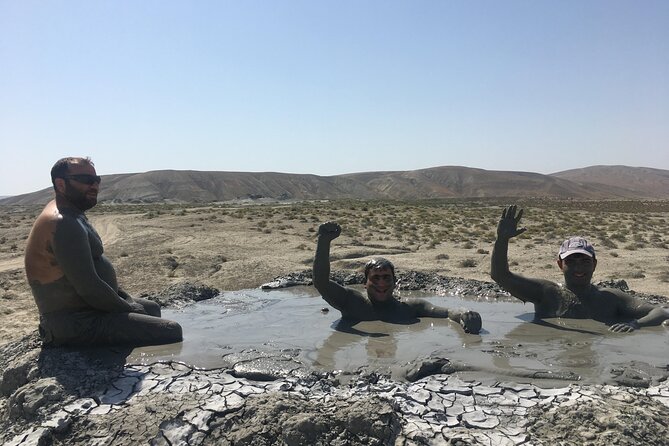
The mud volcano stop takes about one hour and offers the day’s most unusual geology. Azerbaijan has around 350 of the world’s estimated 800 mud volcanoes, making the country the leading place to see this type of formation.
Mud volcanoes are not the same as fiery volcanoes. They are associated with underground gases, mud, and liquid that rise toward the surface. Many are connected with oil and gas fields. The information presented on the tour also links mud volcano areas with sites such as Lokbatan, Garadgh, Neft Dashlari, and Mishovdagh.
This stop helps explain why Azerbaijan has such an odd mix of natural attractions. The same underground forces that brought oil and gas to the surface also created mud eruptions and natural flames. The material from these volcanoes has uses in chemical and construction industries and in pharmacology.
You may also hear about NASA geologists studying mud volcanoes as possible comparisons for conditions on Mars. That detail gives the stop a wider scientific angle. It is not just a curiosity for photographs. It is part of the way scientists think about geology beyond Earth.
The tour information does not promise a particular eruption, so you should not expect a dramatic blast on demand. Mud volcano activity can vary. The value of the stop is seeing an unusual formation in a country known for having so many of them, then hearing how it relates to oil, gas, and planetary study.
This is also a good place to wear practical shoes and clothing you do not mind using for a full day outside. The supplied information does not specify the exact walking conditions, so ask your guide about the day’s site access if you have concerns.
Same volcano country, a different day out:
- Gobustan-Mud Volcan-Fire Temple and Mountain Tour/Entrance inc
★ 5.0 · 267 reviews - Baku:Gobustan Mud Volcanoes Temple & Entry tickets included
★ 4.8 · 178 reviews - Baku: Gobustan/Absheron guided tour with lunch and tickets
★ 4.8 · 158 reviews - Baku: Half-Day Gobustan and Mud Volcanoes Tour with Entry
★ 4.7 · 144 reviews
Qobustan Museum and the ancient drawings on stone
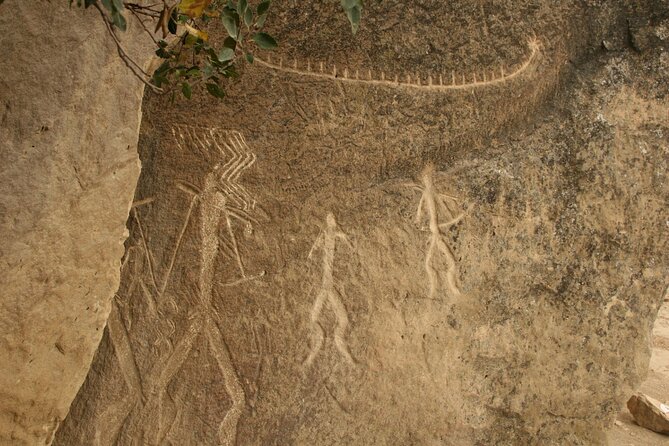
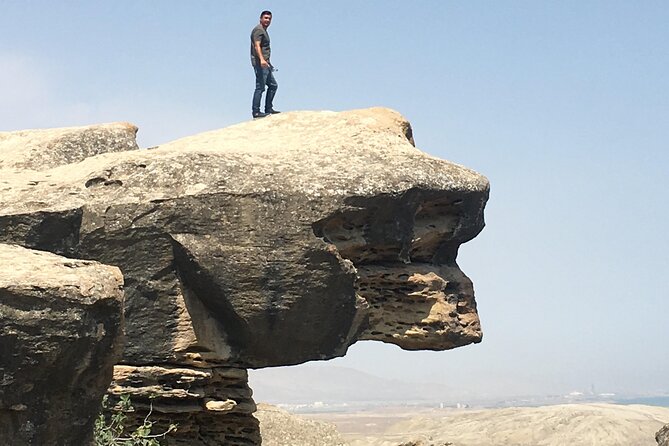
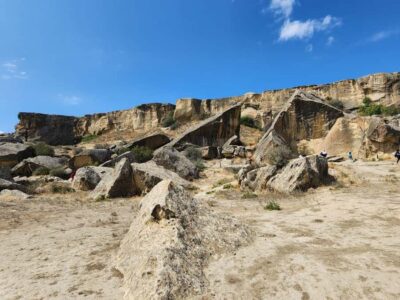
Qobustan is the main archaeological stop and one of the strongest reasons to book this tour. The reserve lies about 60 kilometers from Baku and is listed as a UNESCO World Heritage Site for the quality and density of its rock art.
More than 6,000 drawings are spread across about 1,000 rocks. The wider site also contains more than 100,000 artifacts. These numbers matter because Qobustan is not a single decorated stone. It is a broad record of human activity, preserved in an open-air setting.
The museum helps you understand what you are seeing before or alongside the rock art. Your guide can explain the ancient people who lived in the area, the meaning of the carvings, and the role of Qobustan in the story of human settlement in Azerbaijan.
You should give this stop your full attention. Petroglyphs can look simple at first, especially when several images appear on weathered stone. With context, they become evidence of how people represented animals, movement, daily life, and the world around them.
The scheduled visit lasts about one hour. That is enough for an introduction, but Qobustan is the place where you may most clearly wish for extra time. If prehistoric art and archaeology are priorities for you, tell the guide early in the day. The guide may be able to shape the explanation around your interests, although the published schedule does not promise a longer visit.
Qobustan also gives the tour balance. The fire sites are dramatic and easy to grasp. The rock art asks you to slow down and think about people who lived thousands of years ago. It is the stop with the greatest long-term value for anyone interested in history.
What the nine-hour schedule really feels like
The experience lasts about nine hours, including transport between Baku and the four stops. The listed stop times add up to about two hours and 45 minutes, so the rest of the day is taken up by driving, transitions, and the movement between sites.
That is not a criticism. Qobustan is about 60 kilometers from Baku, and the attractions are not grouped around one compact town. A private vehicle is the practical way to connect them in a single day.
The pace is best for someone who wants a broad introduction rather than a slow study of one location. You will see major sights, hear the historical links, and return with a much clearer picture of why Azerbaijan is called the Land of Fire.
The private setup improves the day. You are not sharing the vehicle with strangers, and the group can contain up to seven people. Air conditioning matters during a long outing, while onboard WiFi is a useful extra. Pickup is offered, though the supplied information does not specify every pickup address or a fixed meeting location, so confirm the arrangement when booking.
A professional multilingual guide is included. No guide name is provided, so you should not book expecting a particular person. The most important benefit is having someone explain the connection between geology, religion, oil, and ancient settlement instead of seeing four disconnected attractions.
Is the $250 group price good value?
The listed price is $250 per group of up to seven people. That makes the per-person cost much more attractive when you fill the vehicle. For seven people, the transport and guide work out to roughly $36 per person before admission and lunch. For two people, the cost is much higher per person, but you still receive private transportation for a full day.
The value comes from what is included:
- Private transportation
- An air-conditioned vehicle
- A professional multilingual guide
- Pickup
- WiFi onboard
You must pay separately for lunch and museum admission. Museum tickets are listed at a total of $15 per person. Since the tour covers four major sites and would be difficult to arrange efficiently without private transport, the group price is strongest for families, friends, or a small organized group.
If you are traveling alone, this may be an expensive way to see the sights. If you are traveling with four to seven people, the cost becomes easier to justify, especially if you value a private day and a guide who can explain the sites in your language.
Who should book this Baku day trip?
I would recommend it most strongly if you have only a short stay in Baku and want to see more than the city center. It gives you ancient art, religious sites, natural gas fires, and mud volcanoes in one organized day.
It also suits:
- Families or friends who can share the group price
- First-time visitors who want a broad introduction to Azerbaijan
- People interested in Zoroastrianism and the history of fire worship
- Anyone curious about oil, gas, and unusual geology
- Visitors who prefer private transport to public connections
You may want another plan if your main goal is an unhurried archaeological visit. The day covers a lot of ground, and Qobustan receives only about an hour. It is also less suitable if you dislike long vehicle days or prefer to spend most of your time inside Baku.
The tour requires good weather. If poor weather forces cancellation, you are offered a different date or a full refund. You can also cancel for a full refund up to 24 hours before the start time. Most people can participate, and service animals are allowed.
Should you book it?
Book this tour if you want the most efficient private introduction to Baku’s major sights outside the city. The best reasons are the small group format, the clear variety of stops, and the guide’s role in tying together fire worship, natural gas, oil, mud volcanoes, and prehistoric art.
Before booking, make sure your group is comfortable with a nine-hour day and limited time at each attraction. If that sounds fine, this is a strong choice for a short Azerbaijan visit. Fill the vehicle with several people, add the $15-per-person museum cost and lunch to your budget, and treat Qobustan as the main historical stop rather than rushing through it.
FAQ
How long does the tour last?
The tour lasts approximately nine hours.
How much does the tour cost?
The price is $250 per group of up to seven people.
Is pickup included?
Yes. Pickup is offered, though the exact pickup arrangement should be confirmed when booking.
Is this a private tour?
Yes. Only your group participates in the activity.
What transportation is provided?
Private transportation in an air-conditioned vehicle is included. WiFi is also provided onboard.
Is a guide included?
Yes. A professional multilingual guide is included.
Are museum tickets included?
No. Museum tickets are not included. The stated total cost is $15 per person.
Is lunch included?
No. Lunch is not included in the tour price.
What happens if bad weather cancels the tour?
If poor weather causes cancellation, you can choose a different date or receive a full refund. You may also cancel up to 24 hours before the start time for a full refund.
Just added around Baku
- Gobustan Rock Art & Mud Volcanoes Tour★ 5.0 · 36 reviews
- Gobustan National Park & Mud Volcanoes Tour★ 5.0 · 17 reviews
- Mud Volcanoes & Gobustan Private Tour★ 5.0 · 9 reviews
- Gobustan and Mud volcanoes PRIVATE TOUR★ 4.5 · 12 reviews
- Gobustan and Mud volcanoe GROUP TOUR★ 5.0 · 13 reviews
- Mud Volcanoes & Gobustan tour (Group & Private)★ 4.5 · 59 reviews
- Gobustan Rock Art and Mud volcanoes PRIVATE TOUR★ 5.0 · 9 reviews
- Gobustan, Mud volcanoes, Fire temple, Fire mountain PRIVATE TOUR★ 5.0 · 47 reviews
Azerbaijan Volcano Tours, compared.
Baku: Gobustan, Mud Volcano, Fire Mount, Temple Lunch Entry
Read our review →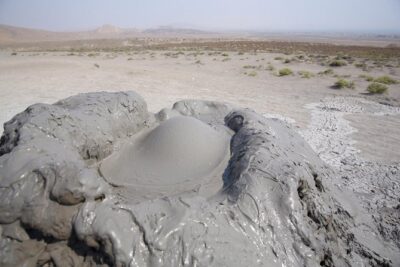
BEST Gobustan, Volcanoes & Absheron Fire Tour (Group or Private)
Read our review →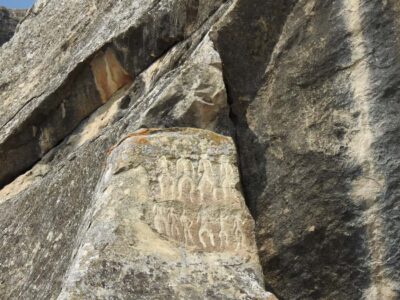
Baku: Gobustan, Volcanoes, Fire Temple and Yanardag Day Trip
Read our review →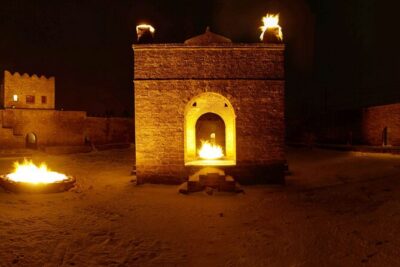
Gobustan-Mud Volcan-Fire Temple and Mountain Tour/Entrance inc
Read our review →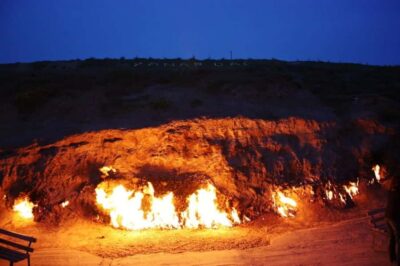
Baku:Gobustan Mud Volcanoes Temple & Entry tickets included
Read our review →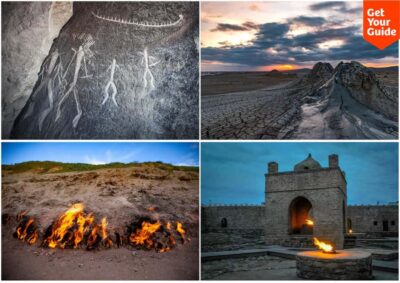
Baku: Gobustan/Absheron guided tour with lunch and tickets
Read our review →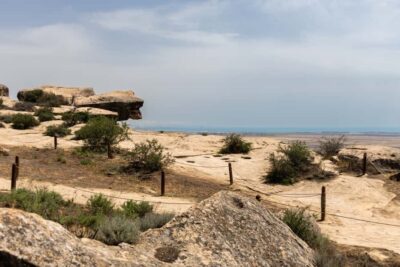
Baku: Half-Day Gobustan and Mud Volcanoes Tour with Entry
Read our review →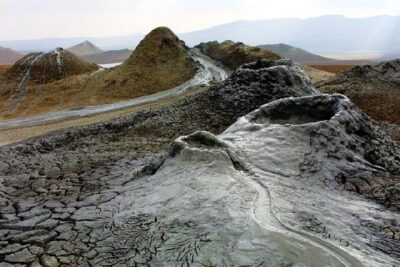
Browse the lists this tour appears in