
REVIEW · JAPAN
Full Day Tour to Mount Fuji in Spanish
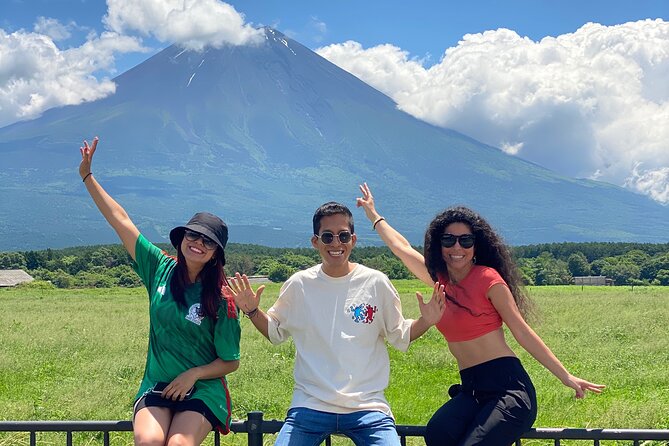
Mount Fuji is not a single viewpoint. It is a whole region of lakes, volcano-shaped caves, old pilgrimage routes, shrines, villages, and forests. This Spanish-language day tour covers an unusually large slice of it, with stops ranging from Shiraito Falls to Chureito Pagoda.
I like the way guides such as Darío, Tito, Riomy, and Min connect scenery with Japanese culture instead of treating every stop as a photo break. I also like the weather-based planning, which lets the guides adjust the route when clouds hide Fuji. The tradeoff is clear: eleven stops in 10 to 11 hours makes for a full day, and lunch is not included.
Key points at a glance
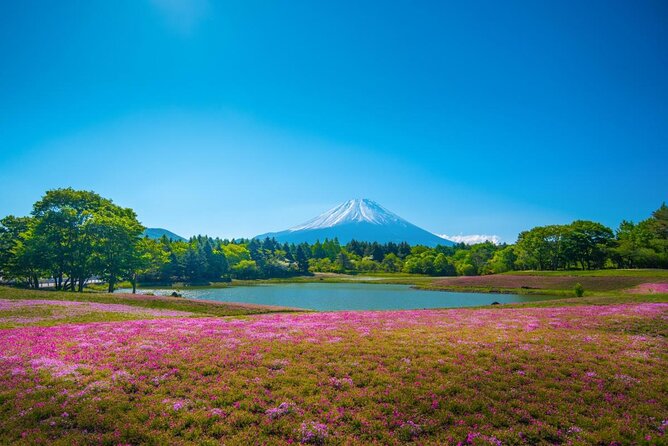
- A broad Mount Fuji circuit: Visit lakes, waterfalls, a shrine, a reconstructed village, a forest, a lava cave, and one of Japan’s best-known pagoda views.
- Spanish explanations: Guides explain Japanese culture and religion in Spanish, with a style that keeps the day social and easy to follow.
- Flexible routing: The exact order or selection of stops can change with weather and daylight, helping you search for clearer Fuji views.
- Small group size: The tour is limited to a maximum of nine people, a useful size for questions and easier movement.
- Food planning matters: Snacks and drinks are supplied, but you must pay for lunch separately.
- Simple meeting point: The day begins at 8:00 a.m. at the Tokai Bus Mishima Information Office and ends there.
Why this Mount Fuji day feels different
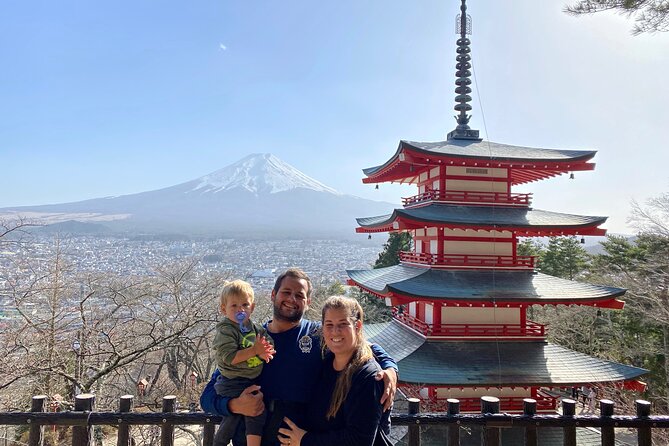
Many Fuji excursions are built around one famous photograph. This one works more like a regional sampler. You get the classic Chureito Pagoda view, but you also see places that explain how Fuji shaped local life, from underground lava tubes to shrines used by climbers.
That range is the main reason to choose it. You are not simply driven to a lake, shown a mountain, and sent back. The stops touch on geology, religion, food, local rebuilding, photography, and the sometimes sobering stories attached to Aokigahara Forest.
The Spanish-speaking guides are central to the experience. Darío is repeatedly singled out for his explanations, cultural background, flexibility, and photography skills. Tito, Riomy, and Min are also named as members of the guiding team. The tone is intended to be friendly and personal, more like exploring with a small group than listening to a formal lecture.
That does not mean the day is slow. The listed visits add up to several hours before driving time, and Mount Fuji’s five lakes are spread across a wide area. You should expect a packed schedule with many short visits. If you prefer to spend half a day at one lake, this will feel rushed. If you want to see as much as possible in one day, the pace makes sense.
More Mount Fuji Tours in Japan:
- Mt Fuji and Hakone 1-Day Bus Tour Return by Bullet Train
★ 5.0 · 26,383 reviews - Mt Fuji & Hakone Cruise, Drum Show Bullet Train 1 Day from Tokyo
★ 4.0 · 7,413 reviews - Tokyo Mt Fuji 5th St & Hakone Cruise Bus Tour w/Bullet Train
★ 4.4 · 5,024 reviews
Starting from Mishima at 8:00 a.m.
You meet at the Tokai Bus Mishima Information Office, at 17-1 Ichibanchō, Mishima, Shizuoka. The start time is 8:00 a.m., and the tour returns to this same meeting point.
That return arrangement is useful if Mishima is part of your Japan route. It also means you should plan carefully around the fixed start and finish. This is not an activity with a flexible hotel pickup or a casual drop-in departure. Confirmation arrives at booking, and the meeting point is near public transportation.
The group limit is nine people. That matters on a route with many stops, since a smaller party can usually gather faster and gives you a better chance to ask about local customs, shrines, food, or the geology of Fuji.
The full day lasts about 10 to 11 hours. Bring shoes you can walk in comfortably and prepare for changing conditions around the lakes and mountain foothills. The tour includes snacks and drinks, but not lunch. Since you are out all day, you should treat lunch as part of your own planning rather than an incidental extra.
Shiraito Falls and Lake Motosu: water shaped by Fuji
The first stop is Shiraito Falls, where water from Mount Fuji and nearby mountains spreads into a curtain of clear streams. The falls were formed through past volcanic activity, so this is an early introduction to the link between Fuji’s eruptions and the area’s natural features.
You have about 30 minutes here, with admission included at no extra charge. That is enough to see the falls and take photographs, though not enough for a long walk or a slow morning in the area. The appeal is visual and geological: the water is the star, but the volcanic story gives the stop more meaning.
Lake Motosu follows, also for about 30 minutes. Its view is familiar to anyone who has handled a Japanese ¥1,000 note, since the scenery appears on the back of the bill. That small detail turns a simple lake stop into a nice bit of cultural recognition.
The lake is one of the places where visibility matters most. On a clear day, the relationship between the water and Fuji is easy to appreciate. In cloud or poor weather, the view may be less rewarding, which is one reason the guide’s route changes can help.
Saiko Iyashi no Sato Nemba and Lake Saiko
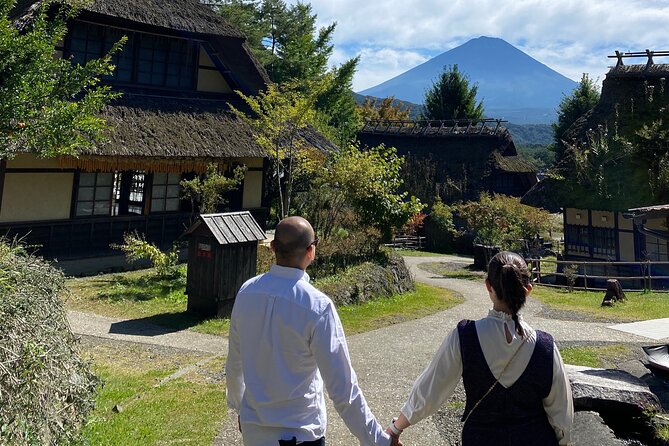
At Saiko Iyashi no Sato Nemba, you spend about an hour in a rebuilt ancestral village between the mountains. The original town was destroyed and later reconstructed, giving the site a strong sense of local memory and renewal.
This is one of the more substantial stops of the day. Instead of simply looking at scenery, you get a chance to consider how a community can preserve the appearance and feel of an older settlement after a disaster. The admission fee is included.
The village also breaks up the day nicely. After several nature stops, you have more time to look around and listen to the guide’s cultural explanation. If you enjoy old Japanese architecture and local stories, this may be one of the stops you value most.
Lake Saiko is nearby and receives about 30 minutes. It sits beside Aokigahara Forest and has been used as a setting for films. The lake offers another view of the Fuji region, but the stop is brief. You should think of it as part of a connected area rather than a full lake excursion.
Together, Saiko Iyashi no Sato Nemba and Lake Saiko show why this tour is broader than a standard mountain lookout. You see a reconstructed village, a film location, and a forest edge within the same part of the region.
More Full-Day Tours in Japan:
- From Tokyo: Mount Fuji Full-Day Sightseeing Trip
★ 4.5 · 4,970 reviews - Mount Fuji Full-Day Private Tour from Tokyo (Customizable)
★ 4.9 · 1,470 reviews - From Tokyo: Mount Fuji Full Day Customizable Private Tour
★ 4.9 · 912 reviews - From Tokyo: Must-Visit Mount Fuji Highlight Full-Day Tour
★ 4.7 · 532 reviews
Lake Kawaguchiko and the search for a clear Fuji
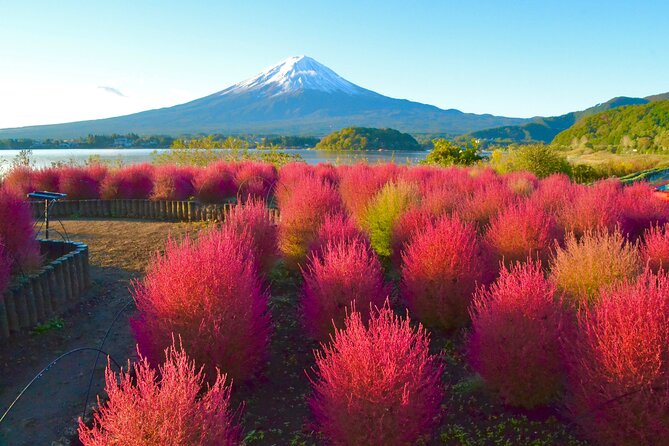
Lake Kawaguchiko is one of the best-known places around Mount Fuji, but the tour does not present it as one single viewpoint. About 50 minutes are set aside for two less obvious places around the lake, locations the guide developed through personal exploration and later began sharing with participants.
The exact spots can depend on conditions. That flexibility is useful because Fuji is famously changeable from one hour to the next. A cloudy morning does not automatically ruin the day if the guide can alter the order and seek a better opening later.
You should keep expectations realistic. There is no guarantee that Fuji will appear clearly. One of the appealing ideas behind this trip is a kind of search for the mountain, with each stop offering another chance. That can produce memorable photographs on a clear day, but it also means the scenery cannot be controlled.
The guide’s photography ability is an added benefit if you want help finding a strong composition. Still, this is not advertised as a dedicated photography workshop, so the main focus remains the full regional tour.
Oshino Hakkai and its traditional food
Oshino Hakkai receives about 45 minutes. It is described as an ancestral town where you can find a variety of traditional Japanese foods.
This is a good place to pay attention to the everyday side of the Fuji area. Water, volcanoes, shrines, and scenic views are the headline subjects, but food gives you a more ordinary connection with local culture. You might find this stop especially useful if you want to sample something typical rather than spend the entire day taking pictures.
Because lunch is not included, Oshino Hakkai may also be relevant to your meal planning. The tour does not specify a fixed lunch restaurant or a meal arrangement, so do not assume that the 45-minute visit covers a complete sit-down lunch. Snacks and drinks are included, but you should be prepared to pay separately for lunch.
That distinction is important when judging the $96.17 price. The cost covers the guided day, included admission fees where listed, snacks, drinks, and taxes, but not every food expense.
Aokigahara Forest, approached with care
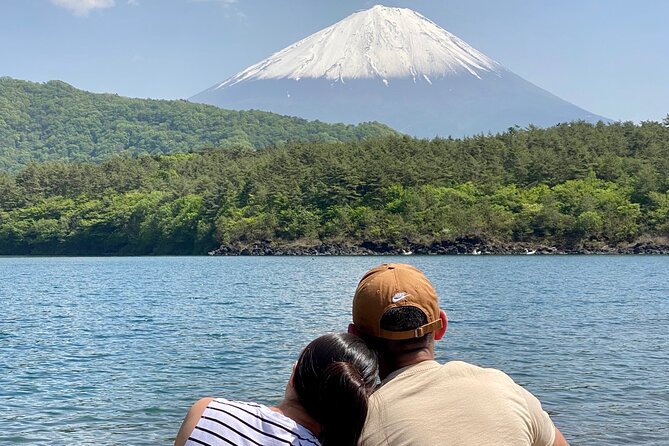
Aokigahara Forest is visited for about 45 minutes. The supplied description uses the phrase forest of suicides, reflecting the tragic stories associated with the area. It is important not to treat that label as a novelty or a spooky attraction. This remains a real forest with serious human stories attached to it.
The better way to approach the stop is quietly and respectfully. The forest is part of the Fuji region’s natural setting, but its association with suicide requires care in how it is discussed and photographed. Your guide can provide context, though the experience should not be reduced to dark tourism.
A 45-minute visit gives you time to experience the setting without turning the forest into the entire focus of the day. If this subject may be difficult for you, it is worth considering before booking.
Chureito Pagoda and the classic Japan photograph
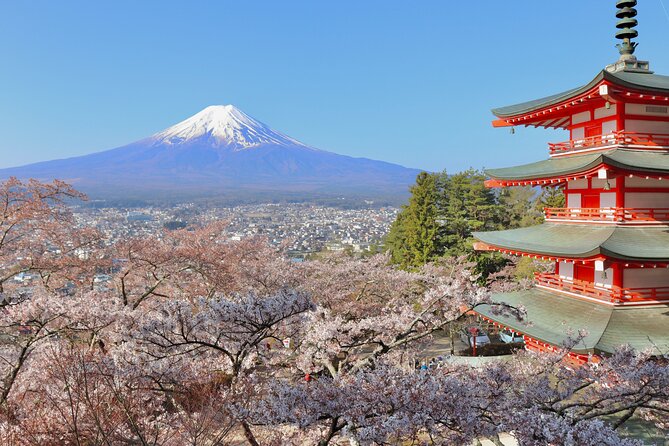
Chureito Pagoda is the tour’s most recognizable photo stop. The five-story pagoda, with Mount Fuji behind it when conditions cooperate, appears in countless images used to represent Japan. It is also a symbol of Fujiyoshida.
The visit lasts about 45 minutes. That gives you time to reach the viewing area, take photographs, and look beyond the famous composition. The view is popular because it brings together a Buddhist-style pagoda, Japanese seasonal scenery, and Fuji in one frame.
The mountain may be hidden by clouds, so this stop should not be treated as a guaranteed postcard. The tour’s weather-based adjustments can help, but they cannot control visibility. Even without Fuji, the pagoda and city setting still give you a strong sense of place.
This stop is likely to be one of the busiest-feeling parts of the day simply because it is so well known, though the tour information does not promise a quiet visit. Come ready for a short photo-focused stop rather than a private viewpoint.
Kitaguchi Hongu Fuji Sengen Jinja Shrine
The Kitaguchi Hongu Fuji Sengen Jinja Shrine is visited for 30 minutes. It is dedicated to Mount Fuji and to the people who climb it, and it has served as a starting point for ascents.
This is where the mountain becomes more than scenery. Fuji has long carried religious meaning, and a shrine connected with climbers helps explain why people approached the mountain as a sacred place as well as a physical challenge.
Half an hour is enough for a focused visit, but not for a long study of every feature. Listen closely to the guide here, since the cultural explanation may be more valuable than a quick walk around the grounds. The shrine also adds needed balance to the pagoda stop: one is a famous image, while the other explains a deeper connection between Fuji and local belief.
Lake Yamanaka and the Fugaku Wind Cave
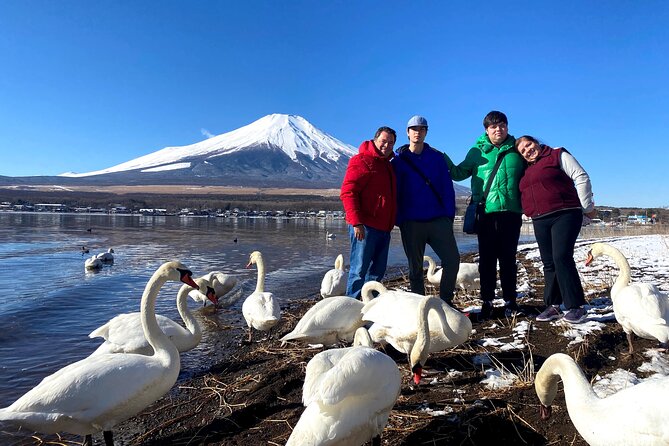
Yamanakako-mura sits beside the largest of the five lakes surrounding Mount Fuji. The visit lasts about 30 minutes. Its waters attract swans, koi, and other birds, and you may be able to feed them.
This is a lighter, more relaxed stop after the shrine and forest. It gives you a chance to enjoy the water and wildlife without needing a major historical explanation. The short duration means you should not expect a long lakeside walk.
The final listed stop is Fugaku Wind Cave, another 30-minute visit. This underground formation was created by eruptions from Mount Fuji and still contains remains of volcanic lava. The admission fee is included.
The cave gives the tour a strong finish because it lets you see the mountain’s volcanic force from below ground. You are not just looking at Fuji’s slopes from a distance. You are seeing material evidence of the eruptions that shaped the region’s waterfalls, lakes, caves, and soil.
Caves can feel cool compared with the outside air, but no specific temperature or clothing requirement is provided. Sensible walking shoes are still the practical choice for a day that includes a cave, forest, shrine grounds, and multiple viewpoints.
What the $96.17 price includes
At $96.17 per person, this tour offers good value if you want a broad introduction to the Mount Fuji area and prefer Spanish explanations. The route covers eleven listed stops, admission to Saiko Iyashi no Sato Nemba and Fugaku Wind Cave, snacks, drinks, taxes, and guiding across a 10 to 11-hour day.
The value is less obvious if you only want a single Fuji photograph. You can spend much of the day moving between places, and lunch costs extra. The long route also means some stops are limited to 30 or 45 minutes.
I would compare the price against what you want from the day. If your priority is cultural context, regional variety, and help adapting to weather, the cost is reasonable. If your priority is a relaxed lunch by one lake or a long private photo session, a shorter and more focused outing may suit you better.
The maximum of nine people helps protect the value. It is not a large coach experience, and the Spanish-language support is a specific advantage for anyone who wants explanations about religion, local customs, and Japanese history without relying on translation.
Weather, pace, and the practical decision
This experience requires good weather. If poor conditions force cancellation, you are offered another date or a full refund. The same applies if the minimum number of participants is not reached.
The weather policy matters because Fuji views are a major part of the appeal. At the same time, the itinerary includes enough cultural and geological sites that a cloudy day does not erase the whole experience. You may see less of the mountain, but you can still visit the village, shrine, forest, cave, lakes, and falls.
Free cancellation is available up to 24 hours before the start time for a full refund. Cancellations or changes made within 24 hours are not refunded or accepted. The cut-off follows local time.
I would book this for a day when you can handle a full schedule and an early start. It suits solo visitors, couples, families with older children, and Spanish-speaking visitors who want context rather than a simple ride to a viewpoint. Most people can participate, and the activity is near public transportation.
Should you book the Spanish Mount Fuji tour?
Book it if you want to see many sides of the Fuji region in one day, especially if Spanish guidance will make Japanese culture easier to understand. Darío, Tito, Riomy, and Min bring the experience a personal tone, while the weather-based route gives you a better chance of finding Fuji when the clouds shift.
Think twice if you dislike frequent stops, need an included lunch, or want guaranteed mountain visibility. The itinerary is ambitious, and no guide can promise that Fuji will appear.
For the right person, the strongest feature is not one perfect photograph. It is the range: waterfalls formed by eruptions, lakes seen on currency, a rebuilt village, a forest with difficult stories, a shrine for climbers, a famous pagoda, traditional food, and a lava cave. At $96.17, that is a solid day of place, culture, and scenery, provided you are ready for the pace.
FAQ
Where does the tour start and finish?
It starts at 8:00 a.m. at the Tokai Bus Mishima Information Office, 17-1 Ichibanchō, Mishima, Shizuoka 411-0036, Japan. It ends back at the same meeting point.
How long does the Mount Fuji tour last?
The experience lasts approximately 10 to 11 hours.
Is lunch included?
No. Snacks and drinks are included, but lunch is not.
How many people can join the tour?
The tour has a maximum of nine participants.
Is the tour conducted in Spanish?
Yes. The experience is designed as a Spanish-language tour, with guides explaining Japanese culture and religion in Spanish.
What happens if bad weather cancels the tour?
You are offered a different date or a full refund if the activity is canceled because of poor weather.
Just added around Japan
- Aso Caldera and Farm Experience Tour★ 5.0 · 5 reviews
- Private E-MTB guided cycling around Mt. Aso volcano & grasslands★ 5.0 · 16 reviews
- Walking through the Aso Caldera, Historical Walk along the “Bungo Kaido”★ 4.5 · 4 reviews
- “Mt. Fuji 1-Day Private Tour with English Speaking Driver-Guide”★ 5.0 · 46 reviews
- From Tokyo: Mt Fuji and Hakone Private Day Trip★ 4.5 · 75 reviews
- Private guided tour: Mt. Aso volcano, grasslands, Aso Shrine★ 5.0 · 19 reviews
- Tokyo:Mt Fuji & Hakone Day Tour with English Speaking Driver★ 5.0 · 26 reviews
- Tokyo/Yokohama: Mt. Fuji and Hakone Private Day Tour★ 5.0 · 64 reviews
Japan Volcano Tours, compared.
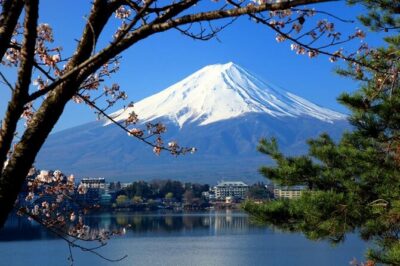
Mt Fuji and Hakone 1-Day Bus Tour Return by Bullet Train
Read our review →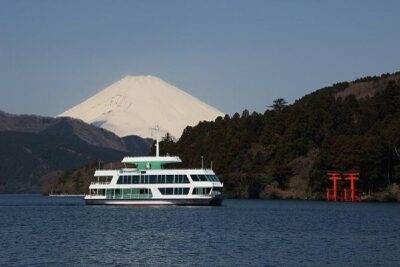
Mt Fuji & Hakone Cruise, Drum Show Bullet Train 1 Day from Tokyo
Read our review →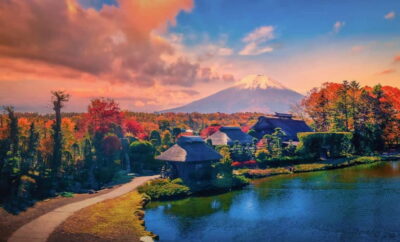
From Tokyo: Mount Fuji Full-Day Sightseeing Trip
Read our review →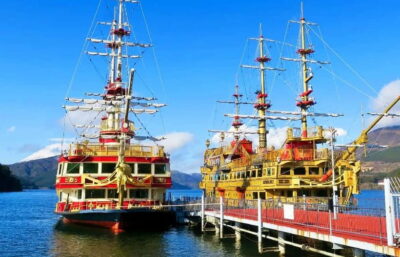
Tokyo: Mt. Fuji Tour, Hakone Ropeway, Owakudani, Lake Ashi
Read our review →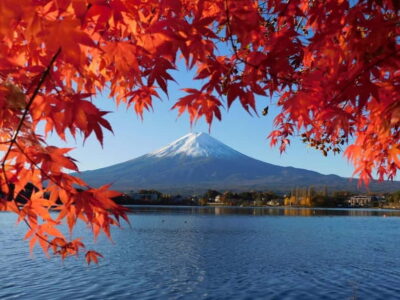
Tokyo:Mt.Fuji,Kawaguchiko Oishi Park,Arakurayama Sengen Park
Read our review →
Tokyo: Mt. Fuji 5th Station & Hakone Cruise 1-Day Bus Tour
Read our review →
Private Tour to Mt. Fuji and Hakone (Fully Licenced Operator)
Read our review →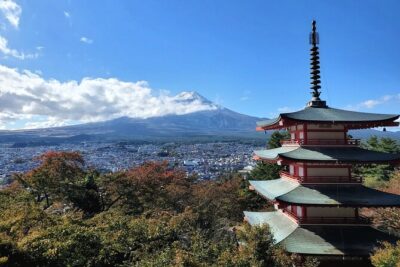
Mount Fuji Full-Day Private Tour from Tokyo (Customizable)
Read our review →Browse the lists this tour appears in