
REVIEW · TOKYO
Tokyo: Mount Fuji Private Tour with Scenic Lunch Experience
The best part of this private Fuji outing is the countryside lunch with Mount Fuji in view. You leave Tokyo’s crowded streets for thatched villages, wooded shrines, clear lakes, and small restaurants where the setting matters as much as the meal. It feels less like ticking off a famous mountain and more like spending a day around it.
I like the chance to visit Iyashi no Sato and Saiko Lake, two places that give the day more variety than a simple viewpoint tour. I also like the private format: guides such as Ali, Sarfy, and Rana have adjusted schedules for families, older adults, traffic delays, and changing weather. The main drawback is that the published route lists more stops than a 10-hour day can comfortably handle, so you should confirm the exact plan before setting out.
Key points to know before booking
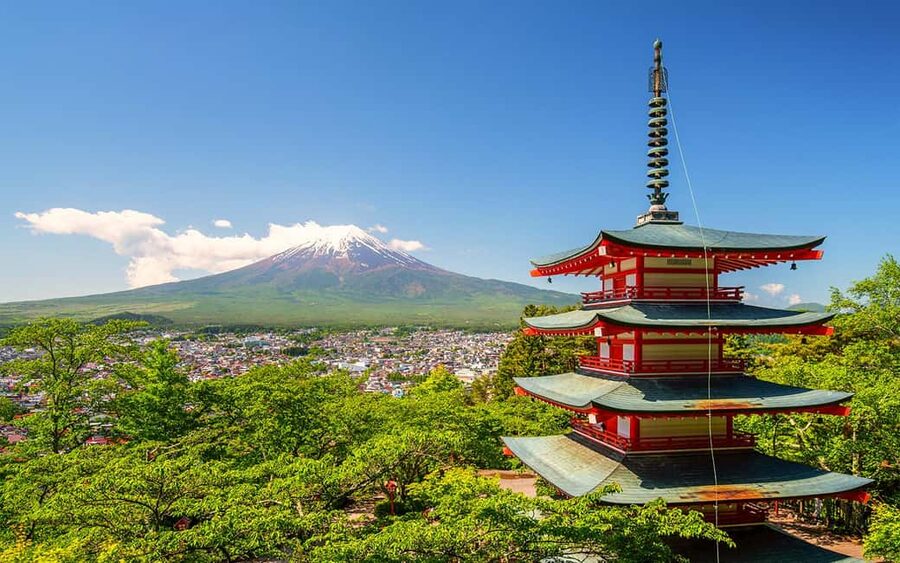
- Lunch comes with a view: Choose between a restaurant overlooking Lake Kawaguchi and Fuji or a family-run farmhouse serving seasonal Japanese food.
- The private van matters: Hotel pickup, Wi-Fi, bottled water, fuel, tolls, and parking are included for a group of up to six.
- Chureito Pagoda takes effort: The famous view requires about 400 stairs, according to one recent itinerary, and cash may be useful for small purchases.
- The route can change: You may focus on lakes, shrines, villages, shopping, photos, or family needs instead of following every listed stop.
- English ability may vary: The service offers English and Japanese guiding, but one booking ended early because communication in English was difficult.
- Plan for a long day: The tour lasts about 10 hours and operates in all seasons, rain or shine, with adjustments possible in severe weather.
A private road from Tokyo to Fuji country
Pickup is available from hotels and accommodations in Tokyo’s 23 wards. From there, you travel in a private car or van toward the Mount Fuji area, a useful arrangement if your group includes children, older relatives, or several people who do not want to manage trains and buses.
The private vehicle also gives you room to change the pace. You can request more photo stops, shorten a walk, spend longer at a shrine, or skip a place that does not suit your group. That flexibility proved useful for one family that skipped several options to accommodate young children and elderly grandparents.
Still, remember that Fuji is far enough from Tokyo for traffic to shape the day. A smooth drive can make the schedule feel generous, while congestion can force choices. Your guide can adjust the route, but no private tour can control Tokyo traffic or clouds around the mountain.
The van includes Wi-Fi and bottled water. Parking fees, road tolls, and fuel are covered, which makes the quoted price easier to understand. Bring yen for countryside shops, food extras, small shrine purchases, and other personal spending, since not every rural business accepts cards.
More Mount Fuji Tours in Tokyo:
- Mt Fuji and Hakone 1-Day Bus Tour Return by Bullet Train
★ 5.0 · 26,383 reviews - Mt Fuji & Hakone Cruise, Drum Show Bullet Train 1 Day from Tokyo
★ 4.0 · 7,413 reviews - Tokyo Mt Fuji 5th St & Hakone Cruise Bus Tour w/Bullet Train
★ 4.4 · 5,024 reviews
Mount Fuji’s Fifth Station, high above the tree line
Mount Fuji’s Fifth Station is listed as a one-hour visit and photo stop. At about 2,300 meters, it gives you a very different view from the lakes below. You may find souvenir shops, cafés, restaurants, and a Shinto shrine here, along with broad mountain views when the weather cooperates.
This stop is a good choice if you want to feel the scale of Fuji rather than only photograph its cone from a distance. The altitude can also mean cooler air, especially outside summer, so carry a warm layer even if Tokyo feels mild.
Clouds are the great uncertainty. Fuji can hide behind them for much of the day, then appear for a few minutes. A private guide can shift the order of stops when conditions change, but the tour cannot promise a clear summit or uninterrupted views.
Chureito Pagoda and the famous stair climb
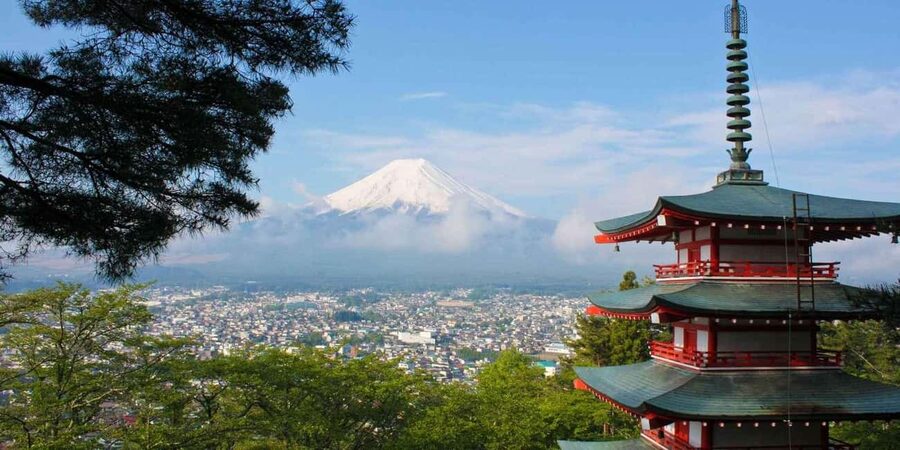
The Arakura Fuji Sengen Shrine and Chureito Pagoda provide the image many people associate with Fuji: a red pagoda, the mountain behind it, and seasonal scenery below. It is one of the strongest photo stops on the route, but it is not a quick pull-over.
Expect steps. One recent visit counted roughly 400 stairs to the best viewpoint. The climb may be manageable for many people, but it can be tiring for young children, older adults, or anyone with mobility concerns. Comfortable shoes are essential, and you should tell the guide early if your group needs a slower pace or a different viewpoint.
The guide can help with photos, which is useful at a place where timing, positioning, and a clear background all matter. The site can become crowded, so an early visit may offer a calmer atmosphere and better chances for photos.
Iyashi no Sato, thatched roofs and hands-on crafts
Iyashi no Sato is a restored thatched-roof hamlet with Fuji views and artisan workshops. This is one of the tour’s best stops for a sense of old rural Japan. Instead of seeing only a mountain and a lake, you get houses, craft work, and a village setting.
The workshops give the stop a practical focus. You can look at traditional skills and local products rather than simply walking to a viewpoint, though optional activities or purchases may cost extra. The restored village also suits visitors who want photographs with more character than a standard roadside stop.
Weather changes the feel of Iyashi no Sato. On a clear day, Fuji adds drama behind the roofs. In poor weather, the village itself still gives you something to see, making it a sensible stop when the mountain disappears.
A few more volcano tours around Tokyo worth a look
- Tokyo: Mt.Fuji & Lake Kawaguchiko 1-Day Bus Tour w/Optional Lunch
★ 4.5 · 839 reviews - Tokyo: Mt Fuji Area Guided Tour with Traditional Lunch
★ 4.8 · 118 reviews - Pompeii and Mount Vesuvius Day Trip from Rome with Pizza Lunch
★ 4.5 · 6,151 reviews - From Rome: Pompeii Day Trip with Optional Vesuvius and Lunch
★ 4.6 · 5,067 reviews
Lake Kawaguchi and a countryside lunch
Lake Kawaguchi is one of the most reliable places to frame Fuji with water. The day includes a scenic lunch at a quiet restaurant with views of the lake and mountain, or at a family-run farmhouse serving seasonal Japanese dishes beside a garden.
I like this part of the experience because it slows the day down. Many Fuji excursions turn lunch into a rushed meal near a large attraction. Here, the meal is meant to be part of the scenery and the local setting. You get time to sit, eat, and look out rather than treating food as a quick refueling stop.
The exact menu is not specified, so do not book expecting a particular dish. Personal expenses are excluded, even though the countryside lunch spot is listed among the inclusions, so confirm what is covered if you have dietary needs or want drinks and extras.
Lake Kawaguchi also offers a useful backup when the Fifth Station is cloudy. The mountain may be clearer from one side than another, and your guide can use the flexible schedule to seek better conditions.
Saiko Lake and the Bat Cave
Saiko Lake is quieter in character than the more familiar Fuji viewpoints. Forests surround the water, giving you a chance to step away from busy photo locations and take a short nature break.
The nearby Bat Cave adds an exploratory element. The supplied details do not specify cave conditions, walking distance, or whether an entry fee applies, so ask your guide about the current access and any optional cost. Uneven paths are possible in the area, and sturdy shoes are a sensible choice.
This is a good stop for people who want more than postcard scenery. It also gives families and active groups a different type of visit, though anyone uncomfortable with dark or uneven spaces may prefer more time beside the lake.
Oshino Hakkai and the village ponds
Oshino Hakkai is listed as a photo and walking stop, with the duration shown incorrectly as 30 hours. Read that as a schedule error, not a realistic stay. The broader route suggests a brief visit, likely around 30 minutes, but you should confirm the day’s timing with the guide.
The area is known for ponds, old houses, local food, and Fuji views. It can be crowded, especially when the weather is good. One family enjoyed the ponds and shopping but noted that the village was busy, so this is a place where a flexible private schedule helps, but does not remove the crowds.
You may want time for a short walk, photographs, and small purchases. If your group prefers quiet shrines or open lake views, ask whether Oshino Hakkai is worth keeping when the day is already full.
Kitaguchi Hongu Fuji Sengen Shrine
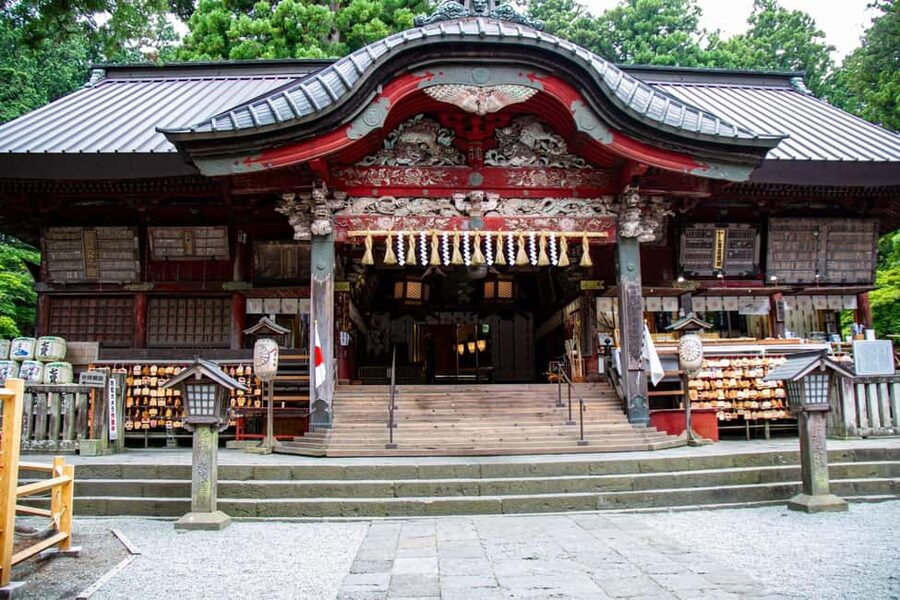
Kitaguchi Hongu Fuji Sengen Shrine sits at the base of Mount Fuji and is described as about 1,900 years old. Tall trees, traditional gates, and a quiet religious setting make it a strong contrast to the commercial areas around some viewing points.
This is a stop where you should slow down and observe. The appeal is not only the age of the shrine, but the feeling of entering a sacred forest. Your guide can explain basic customs and help you understand what you are seeing, though the quality of English explanation may depend on the individual guide.
Some shrines and temples require you to remove your shoes before entering. Dress in socks you are comfortable wearing, and follow local instructions rather than treating the shrine like a photo set.
Yamanakako and the optional hot spring
Yamanakako, or Lake Yamanaka, is another broad water view of Fuji. It can be a pleasant place for photographs and a short break. One family enjoyed feeding swans and fish here, though you should check with the guide before buying or offering food.
A hot spring visit is also listed for up to two hours, with guided time and free time. The available information does not identify the facility, bathing rules, or whether admission is included. Ask before relying on this as a major part of your day.
Japanese hot springs often have specific bathing customs, and some facilities restrict tattoos, though no policy is given here. The important point is to clarify the exact hot spring, cost, and rules before booking if this stop is central to your plans.
Hakone and Lake Ashi: useful, but ambitious additions
Hakone and Lake Ashi appear in the longer route description, each with a photo stop. Both are worthwhile areas, but adding them to a full Fuji circuit raises a practical issue: Mount Fuji, five lakes, shrines, a cave, a village, a hot spring, Hakone, lunch, and the Tokyo return cannot all receive equal attention in 10 hours.
You may be able to include one or two of these locations if traffic and timing cooperate. You may also need to choose between a focused Fuji day and a broader Fuji-Hakone day. Ask for a written route before departure, especially if you want Lake Ashi or a hot spring more than Iyashi no Sato or Saiko Lake.
This is not a flaw in the private format. It is a reminder that flexibility works best when you make priorities clear. Tell the guide your top three stops, then allow the rest of the day to fit around traffic, weather, walking ability, and lunch.
How the $330 group price works
At $330 per group of up to six, the price can be good value if you fill the vehicle. That works out to $55 per person for six people before any personal expenses, while a couple would pay $165 each. The value comes from private transport, hotel pickup and drop-off, tolls, fuel, parking, an English-speaking guide, and the ability to shape the day.
Compared with arranging several regional trains, buses, taxis, and admissions yourself, the private vehicle removes much of the transport work. It is especially useful for a group that wants door-to-door service and does not want to keep checking departure times.
The value is weaker if you want a slow visit at every stop listed. The tour is designed as a full day, not a leisurely stay at each attraction. You are paying for access and control, but you still need to make choices.
The lunch is listed as included, while personal expenses and optional activities are not. Confirm the exact food arrangement, admission charges, and hot spring details when you book so the final cost matches your expectations.
Guides, communication, and the real service quality
The experience offers English and Japanese guiding. Guides named in recent bookings include Ali, Sarfy, Sarfi, and Rana. Ali was praised for patience and for changing the schedule around group needs, while Sarfy was described as a calm driver who helped people feel relaxed and reach less crowded places early.
Rana led a route that included Yamanakako, Oshino Hakkai, Kitaguchi Shrine, and the Fifth Station. The Fifth Station visit included cafés, restaurants, shops, and a shrine, with an earlier photo stop along the route.
Most importantly, communication quality is not guaranteed to feel identical with every guide. One person found the English difficult to understand and cut the tour short. If detailed cultural explanation matters to you, request strong English communication when booking and confirm how your guide will be assigned.
The photography help is a useful extra. Your guide can take pictures at the best viewpoints, which means you do not have to choose between a group portrait and enjoying the view.
Timing, weather, clothing, and access
The tour operates year-round and in rain. Severe weather may change the itinerary, and Fuji visibility can vary sharply during the day. Summer calls for light layers, while winter requires a warm jacket, especially at higher elevations.
Wear shoes suitable for stairs, forest paths, shrine grounds, and uneven surfaces. The Chureito climb is the biggest clear physical demand, but the cave, village paths, and shrine areas may also require steady walking.
The tour is described as wheelchair accessible, but not every location is accessible. Contact the provider before booking if anyone uses a wheelchair or needs limited stairs. The private vehicle helps, but it cannot make every path, cave, shrine, or viewpoint step-free.
Free cancellation is available up to 24 hours before the start, and you can reserve now and pay later. Pickup details must be provided at booking, including the exact Tokyo accommodation.
Who should book this Fuji day?
I would choose this tour for a family or group of friends that wants a private vehicle, photo help, and control over the day. It suits first-time Fuji visitors who want several types of stops: mountain views, lakes, shrines, village crafts, and a proper countryside meal.
It is also a good fit for groups with mixed interests. One person can prioritize photography, another can enjoy shrines, and the children can get breaks without holding up a large coach group.
I would be more cautious if you want a slow cultural tour with long explanations at every site, or if your main goal is a guaranteed clear view of Fuji. No route can promise the weather, and the English experience can vary.
Should you book it?
Book it if you value private transport and flexible choices more than a fixed, perfectly timed program. The lunch setting, Chureito view, Iyashi no Sato, forested Saiko area, and Kitaguchi Hongu shrine give the day more range than a basic Fuji photo run.
Before paying, send the provider your top three priorities and ask which stops can realistically fit into 10 hours. Also confirm your guide’s English level, the exact lunch arrangement, and whether you want Hakone, Lake Ashi, or the hot spring included.
With those details settled, the $330 group price can be a smart way to see Fuji country without managing a complicated day of public transport.
FAQ
How long is the Mount Fuji private tour from Tokyo?
The tour lasts about 10 hours, including hotel pickup in Tokyo, time around Mount Fuji, and the return journey to Tokyo.
How many people can join the private tour?
The price covers a private group of up to six people.
Is lunch included?
A scenic countryside lunch is listed as included. The meal may be at a restaurant overlooking Lake Kawaguchi and Mount Fuji or at a family-run farmhouse serving seasonal Japanese dishes.
Which languages are available?
Guiding is available in English and Japanese. If strong English communication is important, confirm this when booking because guide communication ability may vary.
Is the tour suitable for wheelchair users?
The activity is described as wheelchair accessible, but not every location is accessible. Contact the provider in advance for special arrangements.
What should I bring?
Bring comfortable walking shoes, clothing suited to the season, and some Japanese yen. Several stops involve steps or uneven paths, and some rural shops and restaurants may not accept credit cards.
Just added around Tokyo
- Tokyo/Yokohama: Mt. Fuji and Hakone Private Day Tour★ 5.0 · 64 reviews
- Tokyo:Mt Fuji & Hakone Day Tour with English Speaking Driver★ 5.0 · 26 reviews
- Tokyo:Customizable Private Day Trip to Mt.Fuji & Safari Park★ 4.8 · 6 reviews
- Tokyo:Fuji-Kawagu Cable Car (Ticket Inc.) Shinkurayama&Panos★ 3.9 · 7 reviews
- Tokyo to Mount Fuji and Hakone: Private Full-Day Tour★ 3.7 · 5 reviews
- Tokyo: Private Day Trip to Mount Fuji and Hakone★ 4.9 · 8 reviews
- Tokyo: Private Mount Fuji Tour with Pickup and Drop-Off★ 4.7 · 69 reviews
- Tokyo: Private Mount Fuji Day Trip with Private Guide★ 3.5 · 5 reviews
Tokyo Volcano Tours, compared.
Mt Fuji and Hakone 1-Day Bus Tour Return by Bullet Train
Read our review →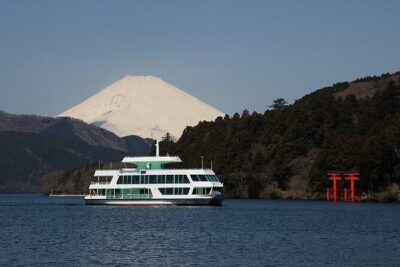
Mt Fuji & Hakone Cruise, Drum Show Bullet Train 1 Day from Tokyo
Read our review →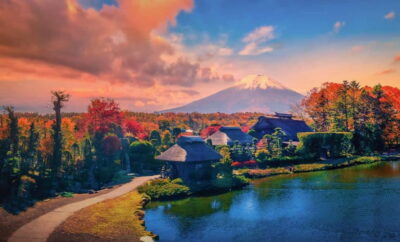
From Tokyo: Mount Fuji Full-Day Sightseeing Trip
Read our review →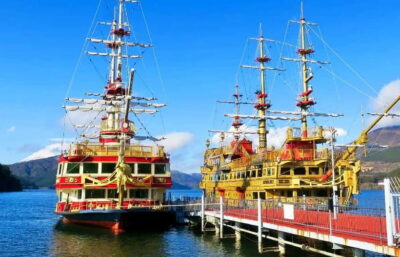
Tokyo: Mt. Fuji Tour, Hakone Ropeway, Owakudani, Lake Ashi
Read our review →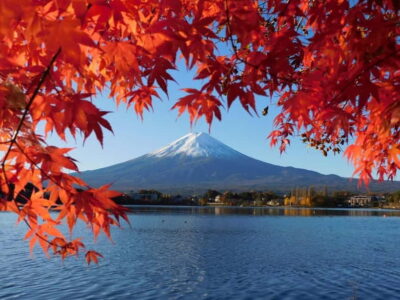
Tokyo:Mt.Fuji,Kawaguchiko Oishi Park,Arakurayama Sengen Park
Read our review →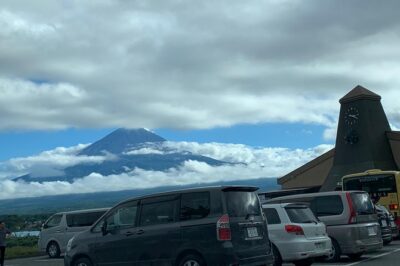
Private Tour to Mt. Fuji and Hakone (Fully Licenced Operator)
Read our review →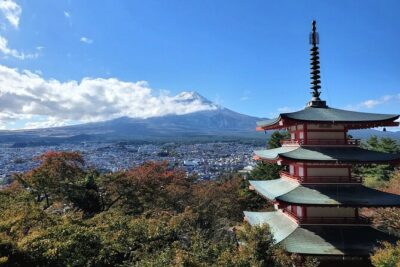
Mount Fuji Full-Day Private Tour from Tokyo (Customizable)
Read our review →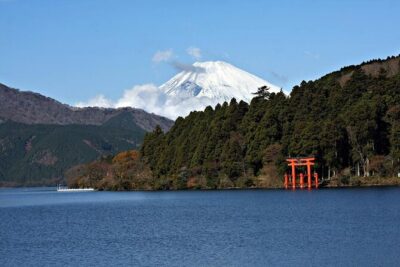
Mt Fuji & Hakone Cruise, Drum Show Bus 1 Day from Tokyo
Read our review →Browse the lists this tour appears in